2027 Steps to Become a Registered Dietitian in Nebraska

Co-Founder and Chief Data Scientist
The demand for dietitians and nutritionists is projected to grow 6% between 2024 and 2034, a rate faster than the average for all occupations. This growth highlights the rising importance of food science and medical nutrition therapy in addressing chronic health conditions and promoting wellness across communities. For aspiring professionals in Nebraska, this creates an opportunity to enter a stable and impactful career.
In this guide, I will outline the steps to become a registered dietitian in Nebraska. I will also discuss the required education and supervised practice for licensure and certification to help you prepare for long-term success.
Key Things to Know About Becoming a Registered Dietitian in Nebraska
- In Nebraska, you will need an ACEND-accredited bachelor’s degree in nutrition or dietetics, though employers increasingly prefer a master’s degree post-2024.
- A supervised practice internship of at least 1,200 hours is required in Nebraska before you can sit for the CDR exam.
- Dietitians in Nebraska earn a mean annual salary of $72,462, with higher wages available depending on experience and work setting.
- What degree is required to become a registered dietitian in Nebraska?
- How many supervised practice hours are needed to become a registered dietitian in Nebraska?
- What are the eligibility requirements for the dietetic registration exam in Nebraska?
- How can you get a license after passing the dietetic registration exam in Nebraska?
- What types of dietitian specializations can you pursue in Nebraska?
- What is the average salary of a registered dietitian in Nebraska?
- What are the best continuing education and professional development opportunities for registered dietitians in Nebraska?
- What do you need to keep your dietitian registration active in Nebraska?
- How long does it take to become a registered dietitian in Nebraska?
- Can international students qualify to become registered dietitians in Nebraska?
- How can interdisciplinary training elevate your healthcare career in Nebraska?
- What career paths can registered dietitians pursue in Nebraska?
What degree is required to become a registered dietitian in Nebraska?
Choosing the right degree challenges the idea that any nutrition education suffices. The landscape of accredited nutrition degree programs in Nebraska demands precision and careful consideration.
- Bachelor’s Degree in Nutrition or Related Field: This foundational degree is the starting point for meeting Nebraska dietitian education requirements, covering essential sciences and nutrition fundamentals.
- Didactic Program in Dietetics (DPD): Completion of an accredited DPD is crucial, providing the coursework needed to apply for dietetic internships and advance professionally.
- Accredited Dietetic Internship: This supervised practice experience is required post-degree, ensuring practical skills align with professional standards.
- Master’s Degree (Increasingly Preferred): While not always mandatory, a master’s degree is becoming a standard expectation, deepening knowledge and enhancing competitive edge in the field.
Exploring what are the best online nutrition certifications can also complement formal education, offering additional credentials aligned with Nebraska dietitian education requirements. This layered approach to qualifications emphasizes that becoming a registered dietitian involves more than meeting minimum criteria—it requires engaging with comprehensive and accredited nutrition degree programs in Nebraska to ensure readiness for a complex professional environment.
How many supervised practice hours are needed to become a registered dietitian in Nebraska?
To become a registered dietitian in Nebraska, candidates must complete at least 1,000 supervised practice hours as mandated by state law. However, many accredited programs require more to ensure comprehensive training aligned with national standards. This framework balances regulatory minimums with practical experience expectations.
The following points outline critical aspects of Nebraska’s supervised practice hour requirements and program standards:
- Distribution of Practice Hours: Nebraska law mandates a minimum of 200 hours each in nutrition assessment and diagnosis, intervention or counseling, and monitoring and evaluation, promoting well-rounded expertise.
- Professional Work Settings: At least 700 hours must be completed in clinical environments like hospitals or long-term care, ensuring direct patient care experience.
- Alternate Supervised Experiences: Up to 300 hours may involve simulations, case studies, or observational activities, offering diverse but limited substitutes for hands-on care.
- Supervisor Qualifications: Supervision must be provided by Nebraska-licensed registered dietitians or equivalently credentialed professionals, safeguarding quality mentorship.
- ACEND-Accredited Program Standards: Internships at institutions such as the University of Nebraska exceed state minimums, requiring at least 1,200 hours to meet national competencies.
- State-Specific Additional Requirements: Beyond hours, candidates must pass the national Registration Examination and demonstrate medical nutrition therapy competency for licensure.
What are the eligibility requirements for the dietetic registration exam in Nebraska?
Becoming a registered dietitian in Nebraska requires meeting specific eligibility criteria that challenge the assumption of a one-size-fits-all pathway. The state’s approach acknowledges diverse academic backgrounds and offers multiple routes, reflecting a nuanced understanding of professional readiness. Below are the crucial requirements for taking the dietetic registration exam in Nebraska.
- Graduate Degree Requirement: Candidates must hold at least a graduate degree from a USDE-accredited institution; the degree can be in any field, but nutrition-related degrees must include specified coursework.
- Nutrition Coursework: Completion of an ACEND-accredited program is mandatory, covering key subjects like biochemistry and dietetics, with Nebraska emphasizing majors in human nutrition, foods and nutrition, or related fields.
- Verification Statement Submission: The ACEND program director must submit verification to the CDR confirming fulfillment of academic and supervised practice requirements.
- Exam Registration and Administration: Once eligibility is confirmed by CDR, candidates register and pay fees for the national exam, which they can take at various Nebraska testing centers within a year.
- Passing the National Exam: Successful passage of the computer-based exam, consisting of 125–145 questions, is essential to earn the Registered Dietitian Nutritionist credential.
- State-Specific Licensure Pathways: Nebraska uniquely allows multiple licensure routes beyond holding the RDN credential, accommodating candidates with foreign degrees or qualifying graduate coursework who meet state standards.
- Minimum Age and Application: Applicants must be at least 18 years old, submit a completed licensure application, and pay applicable state fees.
This flexibility in Nebraska’s system encourages candidates to reflect on their educational journey and consider the broader nutrition career salary landscape when planning their path forward.
How can you get a license after passing the dietetic registration exam in Nebraska?
Securing a Medical Nutrition Therapist license in Nebraska demands more than passing the dietetic registration exam; it requires a strategic approach to meet state-specific mandates. Consider these essential steps as more than bureaucratic hurdles—they are the framework that shapes professional credibility and public trust.
- Confirm Eligibility: Be sure you meet the age requirement and have passed the CDR exam within the last five years, ensuring your knowledge is current and relevant.
- Compile Documentation: Assemble official transcripts, supervised practice verification, and proof of exam passage to build a robust application package.
- Complete the Application: Obtain and accurately fill out the state’s Medical Nutrition Therapy license form, reflecting your commitment to Nebraska’s standards.
- Submit Licensing Fee: Include the non-refundable $114 payment with your application, understanding this fee sustains regulatory oversight and service quality.
- Mail Your Materials: Send your full application and payment to the Licensure Unit, a step that formalizes your intent to practice professionally in Nebraska.
- Monitor Review Process: Stay attentive to any communication from the Department, recognizing that credential verification is critical to uphold the profession’s integrity.
- Maintain Registration: Keep your RDN registration active with the CDR or its successor to comply with ongoing licensure requirements.
- Plan for Renewal: Prepare for biennial renewal by completing 30 hours of approved continuing education, reflecting the evolving nature of nutritional science.
When I spoke with a registered dietitian from Nebraska who graduated locally, she reflected on the licensing journey as both a challenge and a rite of passage. “Navigating the lack of license reciprocity was eye-opening,” she shared, explaining how securing Nebraska’s license required a full application process despite holding credentials elsewhere.
Yet, she also noted the advantage of this system: “It ensured I truly understood Nebraska’s specific regulations and expectations, which gave me confidence when starting my practice.” Her story underscores that while the steps may appear rigorous, they ultimately reinforce professional readiness and community trust.
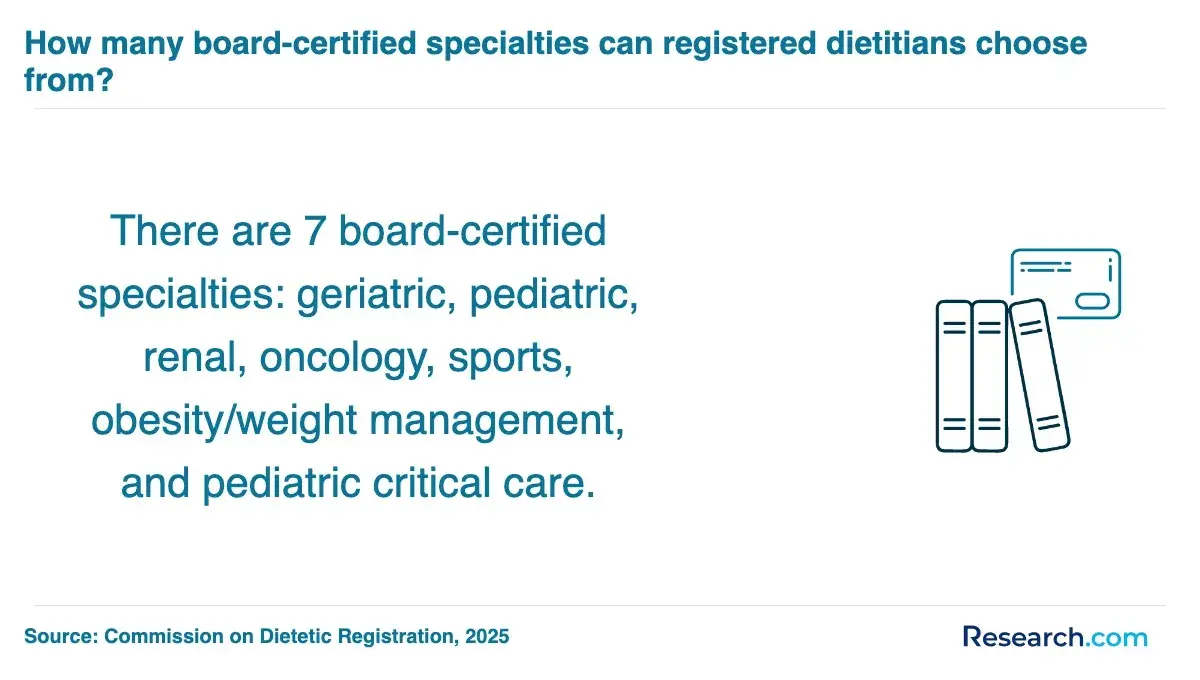
What types of dietitian specializations can you pursue in Nebraska?
The landscape of dietitian specializations in Nebraska reveals a spectrum of career paths shaped by diverse community needs and evolving healthcare demands. Each specialization invites a unique approach to nutrition science, challenging practitioners to refine their expertise and impact.
Below is an overview of key dietitian roles that reflect this diversity.
- Clinical Dietitian: Provides tailored medical nutrition therapy in healthcare settings, addressing chronic and acute conditions under physician consultation as mandated by Nebraska law.
- Community Dietitian: Develops and leads public health nutrition programs targeting vulnerable populations, often collaborating on statewide health initiatives.
- Management Dietitian: Oversees institutional foodservice operations, balancing regulatory compliance, budgeting, and nutritional quality to meet diverse dietary needs.
- Consultant Dietitian: Offers specialized nutrition expertise independently or contractually, frequently focusing on wellness, sports nutrition, or private practice.
- Nutrition Educator: Educates future dietitians and the public, contributing to research and curriculum development within academic or community settings.
- Medical Nutrition Therapist: Licensed to provide complex, individualized nutrition care, requiring rigorous education and successful completion of the Commission on Dietetic Registration exam.
- Food Service Dietitian: Ensures large-scale meal preparation meets nutritional standards and accommodates dietary restrictions, emphasizing quality control and staff training.
- Research Dietitian: Advances nutrition knowledge through scientific inquiry, collaborating with academic, governmental, or private institutions.
What is the average salary of a registered dietitian in Nebraska?
The average annual pay for a dietitian in Nebraska is $72,462, which equals about $34.84 per hour, $1,393 per week, or $6,038 per month. Outpatient dietitians tend to earn the most, averaging around $85,614 annually.
According to ZipRecruiter, Nebraska salaries range widely, from as low as $35,278 to as high as $105,833. Most dietitians in the state earn between $57,700 (25th percentile) and $84,400 (75th percentile), while the top 10% make about $95,344 each year.
- Location Variation: Urban centers like Omaha and Lincoln offer slightly higher wages than rural areas, influenced by local demand and cost-of-living differences.
- Experience Level: Salaries increase with experience and certifications.
- Work Setting: Hospitals and specialized clinics typically pay more than schools or community health centers, shaping earning potential significantly.
- Industry Demand: The relatively slow job market in Nebraska limits opportunities, but preventive healthcare trends could drive future salary growth.
- Regional Trends: Salary ranges are broad, indicating disparities based on specialization and employer size within the state.
Despite Nebraska’s current low ranking, the potential for salary advancement exists, especially for those who pursue specialization, enroll in masters of dietetics programs, or relocate to metropolitan areas. This nuanced salary picture challenges the assumption that dietitian roles offer uniform compensation nationwide, highlighting the importance of strategic career planning within Nebraska’s evolving healthcare landscape.
The chart below from the Commission on Dietetic Registration shares the states with the highest employment level of dietitians.
What are the best continuing education and professional development opportunities for registered dietitians in Nebraska?
Registered dietitians in Nebraska can enhance their expertise and stay current with evolving industry standards by engaging in a range of accredited continuing education programs. Options include state-sponsored webinars, specialized workshops, and professional conferences that focus on topics such as telehealth integration, advanced dietary therapies, and the latest evidence-based practices. These programs not only support licensure renewal but also foster career advancement by broadening clinical and managerial competencies. For professionals considering an expansion of their skill set into related fields, check out how to become a nutritionist in Nebraska.
What do you need to keep your dietitian registration active in Nebraska?
Maintaining an active dietitian registration in Nebraska goes beyond simply meeting deadlines, it ensures you remain aligned with evolving professional standards and legal mandates. The ongoing commitment reflects a dedication to quality care and public trust, essential in a field that directly impacts health.
- License Renewal Frequency: Renew your Nebraska dietitian license every two years by September 1 of odd-numbered years to stay authorized to practice.
- Continuing Education Requirements: Complete at least 30 hours of approved continuing education within each renewal period to demonstrate current competence.
- Fees: Pay the $114 renewal fee on time; additionally, maintain your national CDR registration with an annual fee starting at $80.
- Documentation and Compliance: Keep thorough records of all education activities and be prepared for audits or reinstatement processes if needed.
- Physician Consultation Requirement: Provide Medical Nutrition Therapy only under consultation with a Nebraska-licensed physician as legally required.
When I spoke with a registered dietitian from Nebraska who graduated locally, he reflected on the challenges of maintaining registration, especially navigating license reciprocity. “Because Nebraska doesn’t fully recognize licenses from other states, I had to ensure all my continuing education credits and renewal fees strictly adhered to Nebraska’s specific rules,” he explained.
This initially felt limiting but ultimately reinforced his confidence in the state’s standards. “It pushed me to stay deeply connected with local professional networks and resources,” he added, appreciating the clear structure it provided. His experience highlights the importance of understanding not just national credentials but also the unique state requirements that shape your professional journey.
How long does it take to become a registered dietitian in Nebraska?
The journey to becoming a registered dietitian in Nebraska typically spans five to seven years, a timeframe that invites reflection on the investment of time versus the value of expertise gained. This timeframe encompasses academic preparation, practical supervised experience, and the final credentialing exam, yet each candidate’s path can differ based on prior education and program choices. Considering how long to become a registered dietitian in Nebraska encourages a deeper look at how educational pacing influences career readiness.
While the registered dietitian education requirements Nebraska generally involve obtaining a bachelor’s or graduate degree, the length of study can vary. Accelerated programs may shorten the timeline, but part-time study or prerequisite gaps can extend it. The timeline is not just a countdown but a reflection of how effectively one’s education aligns with professional demands and personal circumstances.
For those exploring options, it’s worthwhile to consider program formats carefully; some pursue the best nutrition programs online to balance speed and quality. This decision profoundly impacts how quickly one can meet registration standards without compromising the depth of training. Thoughtful planning around the educational timeline can transform the process from a simple checklist into a strategic career foundation.
Can international students qualify to become registered dietitians in Nebraska?
International students have a clear pathway to becoming registered dietitians in Nebraska, provided they navigate specific credentialing and licensure requirements carefully. Success hinges on meeting both educational equivalency and state standards with a strategic approach.
- Educational Credential Evaluation: Degrees earned outside the U.S. must be evaluated to confirm equivalency to a U.S. bachelor's or graduate degree in nutrition, dietetics, or a closely related field, ensuring eligibility for ACEND-accredited programs.
- Admission to ACEND-Accredited Program: Completion of required coursework and supervised practice within an ACEND-accredited program is mandatory, as only graduates from these programs can sit for the Registered Dietitian Nutritionist (RDN) exam.
- English Language Proficiency: Applicants whose first language isn’t English must submit official TOEFL scores taken within the last two years, with a minimum score of 550 (paper-based) or 79 (internet-based) required for graduate dietetics programs at the University of Nebraska-Lincoln.
- Visa and Immigration Documentation: Valid visa paperwork, such as an I-20 (F-1) or DS-2019 (J-1), must be provided and verified through the Department of Homeland Security as part of the licensure process.
- Transcript and Supervised Practice Verification: Official transcripts and documentation of at least 900 hours of supervised clinical experience in nutrition and dietetics are necessary for licensure evaluation.
- Recency of Education: Degrees completed more than five years before application may require additional coursework to meet educational recency standards.
How can interdisciplinary training elevate your healthcare career in Nebraska?
Integrating complementary skills can expand professional opportunities within Nebraska’s evolving healthcare landscape. Registered dietitians who pursue targeted interdisciplinary training enhance collaboration with allied health professionals and contribute to more comprehensive patient care. Diversifying expertise—such as exploring clinical operations or administrative roles—may also open avenues to leadership positions. Additionally, acquiring related skills, for example, learning how to become a medical assistant in Nebraska, deepens understanding of broader healthcare functions and fosters a more agile career profile.
What career paths can registered dietitians pursue in Nebraska?
The landscape of career opportunities for registered dietitians in Nebraska extends well beyond traditional clinical roles, inviting professionals to rethink how and where nutrition expertise can make an impact. Exploring these diverse paths reveals the dynamic nature of jobs for dietitians in Nebraska and the evolving demands of healthcare and community wellness.
- Clinical Dietitian: Working in hospitals and outpatient clinics, with steady job growth driven by essential medical nutrition therapy.
- Long-Term Care Dietitian: Focused on nursing homes and skilled facilities, reflecting the aging Nebraska population’s needs.
- Consulting Dietitian: Offering flexible, travel-based roles with hourly pay between $29.50 and $39.50, these dietitians serve rural and underserved communities with specialized guidance.
- Community and Public Health Dietitian: Employed by health departments and nonprofits, they address chronic disease prevention with salaries comparable to clinical roles and strong job security.
- Private Practice and Outpatient Counseling: Providing personalized nutrition therapy, earnings vary widely, driven by specialization and client demand.
- Research and Academia: Focused on nutrition science advancement, these roles reward advanced degrees with competitive salaries in universities and research centers.
- Corporate Wellness and Industry: Dietitians in urban-based wellness programs and food companies create educational content and health coaching, with promising growth opportunities.
- Telehealth and Remote Dietitian: Expanding access statewide, these positions offer flexibility and competitive pay, reflecting national trends in virtual healthcare.
For those considering further specialization, exploring the best jobs with a online nutrition masters degree can open additional doors within these varied career opportunities for registered dietitians in Nebraska.
What Registered Dietitians Say About Their Careers in Nebraska
- Pursuing my dietetics degree at the University of Nebraska-Lincoln was a game changer. The program’s strong ties to local communities allowed me to engage with diverse populations and understand Nebraska’s unique nutritional needs. Starting my career in a local school, I’ve found incredible satisfaction in shaping young minds and promoting healthier lifestyles. The stability and support in this field here have encouraged me to keep growing professionally and personally. Nebraska truly offers a nurturing environment for dietitians wanting to make a meaningful impact. - Kian
- Completing my education at Creighton University gave me a solid foundation and confidence to step into a role at a local academic institution. The experience of working closely with students and staff in Nebraska’s schools is rewarding beyond words. The community here values health education deeply, which makes every effort worthwhile. I’ve witnessed firsthand how dietitians can become vital advocates for wellness in school settings. The professional development opportunities have been plentiful, allowing me to expand my expertise continually. - Akira
- Graduating from Wayne State College’s dietetics program opened doors to a career where I could merge my passion for nutrition with a dedication to community well-being. Nebraska’s agricultural backdrop provides unique challenges and opportunities to educate families on local food resources and healthy eating. The personal growth I’ve experienced while working in schools here has been profound; it’s fulfilling to contribute to a healthier future for Nebraska’s youth. The collaborative spirit among dietitians in the state encourages continuous learning and career advancement. - Dara
Related Articles for Nearby States
- 2027 Steps to Become a Registered Dietitian in Kansas
- 2027 Steps to Become a Registered Dietitian in South Dakota
- 2027 Steps to Become a Registered Dietitian in Iowa
- 2027 Steps to Become a Registered Dietitian in Colorado
- 2027 Steps to Become a Registered Dietitian in Missouri
- 2027 Steps to Become a Registered Dietitian in Wyoming
- 2027 Steps to Become a Registered Dietitian in Minnesota
- 2027 Steps to Become a Registered Dietitian in Oklahoma
- 2027 Steps to Become a Registered Dietitian in North Dakota
- 2027 Steps to Become a Registered Dietitian in Illinois
References:
- Commission on Dietetic Registration (2025). Registered Dietitian (RD) and Registered Dietitian Nutritionist (RDN). Retrieved from https://www.cdrnet.org/registry-statistics?id=6665&actionxm=ByState
- O*NET OnLine (n.d.). Nebraska Employment Trends 29-1031.00 - Dietitians and Nutritionists. Retrieved from https://www.onetonline.org/link/localtrends/29-1031.00?st=NE
- Zippia (2025). Registered dietitian demographics and statistics in the US. Retrieved from https://www.zippia.com/registered-dietitian-jobs/demographics/
- ZipRecruiter (2025). Dietitian Salary in Nebraska. Retrieved from https://www.ziprecruiter.com/Salaries/Dietitian-Salary--in-Nebraska
Other Things You Should Know About Being a Registered Dietitian in Nebraska
The most challenging step to become a registered dietitian in Nebraska is likely the completion of a supervised practice program, such as a Dietetic Internship. These internships are critical for gaining hands-on experience but can be competitive and challenging to balance alongside other responsibilities.
In Nebraska, you do not need to major specifically in dietetics or nutrition to qualify for dietetics prerequisites, as long as you complete the required coursework approved by the Accreditation Council for Education in Nutrition and Dietetics (ACEND). Many students choose related fields such as biology, psychology, or food science and then take prerequisite dietetics courses to meet eligibility for dietetic internships and registration exams.
However, majoring outside of nutrition may require more careful planning to ensure all essential courses are completed, since some programs have specific curriculum requirements. Ultimately, while any major can potentially lead to qualification, focusing on dietetics or the nutrition streamlines the process and better prepares students for the profession.
Scholarships and financial aid are available to dietetics students in Nebraska through a variety of sources, including university-specific awards and professional organizations. The Nebraska Dietetic Association offers scholarships to students pursuing dietetics degrees within the state, helping to offset tuition costs.
Moreover, many universities with accredited dietetics programs provide institutional scholarships and need-based financial aid options. Students are also encouraged to explore national opportunities such as those from the Academy of Nutrition and Dietetics Foundation, which awards scholarships to aspiring registered dietitians nationwide. Combining these resources can significantly reduce the financial burden for students committed to becoming registered dietitians in Nebraska.