2027 Steps to Become a Registered Dietitian in Utah

Co-Founder and Chief Data Scientist
Utah is experiencing a rising demand for registered dietitians as nearly one in three adults face nutrition-related chronic conditions. The career outlook is promising, offering above-average job security, competitive salaries, and strong growth potential compared to national trends.
Drawing on extensive research into Utah’s regulatory framework and workforce needs, I will explain the complete process of becoming a registered dietitian in the state—covering requirements, salary expectations, and other key factors to help you prepare for this rewarding path.
Key Things to Know About Becoming a Registered Dietitian in Utah
- Aspiring Registered Dietitians must complete at least a bachelor’s degree in dietetics or a related field accredited by the Accreditation Council for Education in Nutrition and Dietetics (ACEND).
- You must also fulfill a supervised practice program of at least 1,200 hours, typically through an ACEND-accredited dietetic internship, which is required before becoming eligible for the national registration exam.
- You must then pass the Commission on Dietetic Registration (CDR) exam to obtain the Registered Dietitian Nutritionist (RDN) credential. Utah requires RDN licensure to practice, ensuring compliance with state-specific professional standards.
- What degree is required to become a registered dietitian in Utah?
- How many supervised practice hours are needed to become a registered dietitian in Utah?
- What are the eligibility requirements for the dietetic registration exam in Utah?
- How can you get a license after passing the dietetic registration exam in Utah?
- What types of dietitian specializations can you pursue in Utah?
- What is the average salary of a registered dietitian in Utah?
- What do you need to keep your dietitian registration active in Utah?
- How is technology reshaping registered dietitian practice in Utah?
- Can additional healthcare certifications enhance your role as a registered dietitian in Utah?
- How long does it take to become a registered dietitian in Utah?
- Can international students qualify to become registered dietitians in Utah?
- What career paths can registered dietitians pursue in Utah?
What degree is required to become a registered dietitian in Utah?
To meet the educational standards for becoming a registered dietitian in Utah, candidates must hold specific academic credentials aligned with national accreditation. The master’s degree requirement for dietitians in Utah emphasizes the importance of completing advanced study through recognized programs.
- Master’s Degree in Nutrition or Dietetics: Completion of a master’s degree from an ACEND-accredited dietetics program in Utah or an equivalent institution is mandatory as of 2024, ensuring comprehensive knowledge and clinical preparation.
- Bachelor’s Degree (Prerequisite): A bachelor’s degree is required for admission into master’s programs, typically in nutrition, dietetics, or a related field, providing foundational scientific and health education.
Prospective students should carefully evaluate ACEND-accredited dietetics programs in Utah to fulfill licensure prerequisites and qualify for the Registered Dietitian Nutritionist credential. For those exploring career options, this list of the best careers to pursue with a nutrition masters degree offers valuable insights into professional pathways available after meeting these educational requirements.
How many supervised practice hours are needed to become a registered dietitian in Utah?
To become a registered dietitian in Utah, candidates must complete 1,200 supervised practice hours through an ACEND-accredited program. This requirement follows national standards set by the Accreditation Council for Education in Nutrition and Dietetics (ACEND) and is consistent across all Utah dietetics programs.
Additionally, as of 2024, a master’s degree is required alongside these hours before eligibility for the registration exam. Below are the key factors regarding supervised practice hour standards and state-specific considerations.
- ACEND Accreditation Baseline: Supervised practice must be completed under qualified preceptors in diverse settings, including clinical, food service management, and community nutrition environments.
- Program Structure: Hours are integrated within Coordinated Programs in Dietetics, Dietetic Internships, or Graduate Programs offered by institutions such as the University of Utah and Utah State University.
- Practice Settings: Rotations occur in varied environments like major hospitals (e.g., University of Utah Hospital), outpatient clinics, public health agencies, and food service operations.
- Completion and Verification: Upon finishing the supervised practice, candidates receive a verification statement essential for national registration exam eligibility.
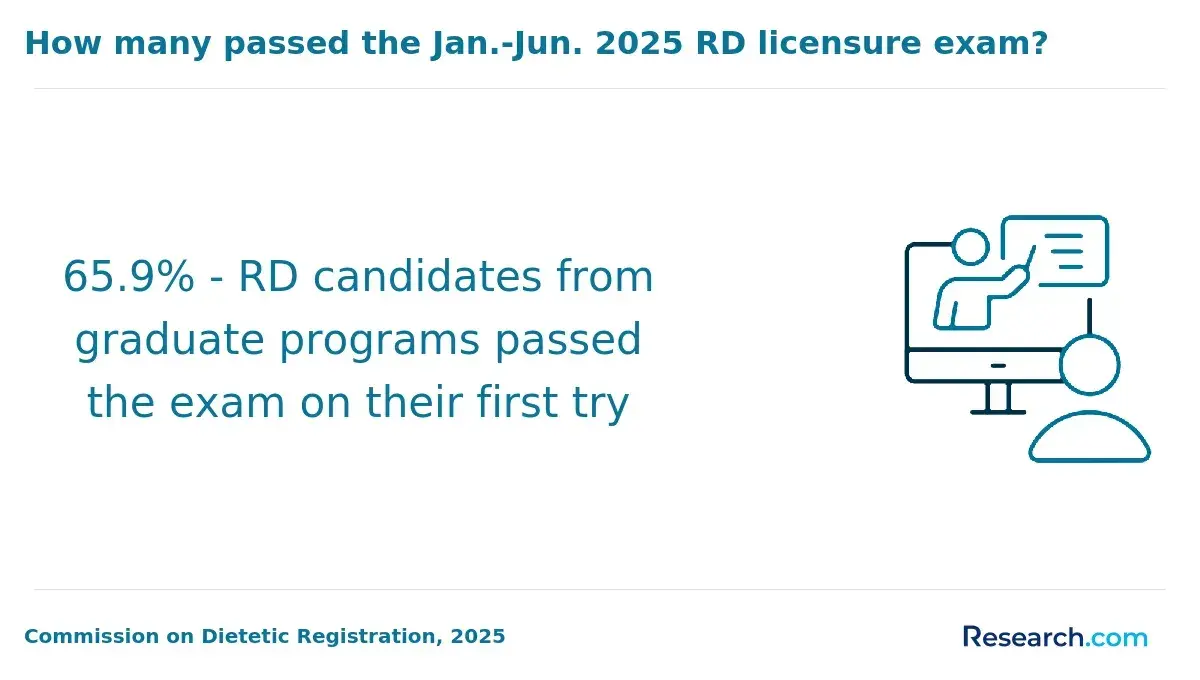
To better understand how these qualifications are perceived in the profession, the image below illustrates how many RDNs believe that credentials are valued.
What are the eligibility requirements for the dietetic registration exam in Utah?
To qualify for the dietetic registration exam in Utah, candidates must meet several stringent eligibility requirements that ensure their preparation aligns with national standards. These include academic credentials, completion of accredited nutrition coursework, and formal verification of eligibility by program administrators.
- Graduate Degree Requirement: Applicants must possess a graduate degree from a U.S. Department of Education (USDE)-recognized accredited institution or an equivalent foreign degree, effective for all exam candidates from January 1, 2024 onward.
- Completion of ACEND-accredited Programs in Utah for Dietitian Registration: Candidates must complete an ACEND-accredited Didactic Program in Dietetics (DPD), Coordinated Program (CP), or Graduate Program (GP), which provide the necessary foundational nutrition coursework required for exam eligibility.
- Verification of Eligibility by Program Director: After fulfilling academic and supervised practice requirements, the program director must submit the candidate’s eligibility directly to the Commission on Dietetic Registration (CDR) before exam registration is permitted.
- Registration and Passing of the National Exam: Candidates must register for the national dietetic registration exam, pay the application fee, and achieve a minimum scaled score of 25 out of 50 to pass the computer-based test administered year-round at Pearson VUE Testing Centers in Utah.
- State-Specific Licensure Pathway: Utah requires all dietitians to hold the national Registered Dietitian (RD) credential by passing the exam, as the state’s certification process is contingent upon this credential with no alternative pathways available.
Prospective dietitians in Utah should also be aware of supervised practice requirements, which must be completed prior to exam eligibility, though details on these hours are outlined separately. For comprehensive guidance on pursuing a nutrition career path, including accredited education opportunities, resources such as the nutrition career path offer valuable insights.
How can you get a license after passing the dietetic registration exam in Utah?
To obtain a licensed dietitian status in Utah after passing the dietetic registration exam, follow these essential steps carefully to ensure compliance with state requirements and timely licensure:
- Confirm Eligibility: Verify you hold the Registered Dietitian Nutritionist (RDN) credential and meet the education requirement of a master’s degree, effective from January 2024.
- Acquire Verification Statement: Obtain a Dietetic Internship Verification Statement from your accredited program director to prove completion of supervised practice.
- Prepare Documentation: Collect your CDR registration, transcripts, and verification statement, as these documents must accompany your license application.
- Complete Online Application: Submit your application through the Utah Division of Professional Licensing’s online portal or deliver it in person at the Salt Lake City office.
- Pay Licensing Fee: Remit the annual $30 licensing fee, noting that fees may change and should be confirmed before payment.
- Submit Application: Ensure all forms and supporting documentation are complete before submission to avoid delays in processing.
- Await Approval: The DOPL will review your application and notify you upon granting the license, permitting legal practice within Utah.
- Maintain Licensure: Renew your license annually and fulfill continuing education and periodic CDR recertification requirements to remain in good standing.
To provide additional context, the chart below shows which states have the highest number of dietitians.
What types of dietitian specializations can you pursue in Utah?
Dietitians in Utah have the opportunity to specialize in various fields that cater to different populations and settings. These specializations enhance a dietitian's ability to provide targeted nutrition care and open diverse career paths within the state’s healthcare and community systems. Below is an overview of prominent dietitian specializations available in Utah.
- Clinical Dietitian: Works in healthcare environments offering medical nutrition therapy to patients with chronic conditions like diabetes and heart disease.
- Community Dietitian: Focuses on public health by creating programs that encourage healthy eating and disease prevention across populations.
- Food Service Management Dietitian: Manages large-scale meal services in institutions, overseeing menu planning, budgeting, and food safety compliance.
- Pediatric Dietitian: Specializes in nutritional care for infants, children, and adolescents, including those with medical conditions such as allergies or metabolic disorders.
- Sports Dietitian: Advises athletes and active individuals on nutrition strategies to improve performance, including meal timing and hydration.
- Geriatric Dietitian: Addresses nutritional challenges unique to older adults, focusing on issues like osteoporosis and chronic disease management.
- Private Practice/Entrepreneur Dietitian: Provides personalized counseling and wellness programs, often tailoring services to individual client needs such as weight management.
- Research Dietitian: Conducts scientific studies that contribute to advancing dietary guidelines and nutrition knowledge.
- Public Health Educator: Develops educational campaigns and outreach programs aimed at improving nutrition literacy on a broad scale.
- Dietetic Administrator/Manager: Leads teams and manages budgets in various settings, often requiring advanced degrees and offering higher earning potential.
What is the average salary of a registered dietitian in Utah?
The average salary for a registered dietitian in Utah is approximately $49,860 per year, or $32.69 per hour as of June 2025. This compensation is about 14% below the national average, positioning Utah among the lower-paying states for this profession. Salaries in Utah range from $29,530 at entry level up to $78,610 for highly experienced dietitians.
- Location: Urban centers like Salt Lake City offer higher wages, with average hourly rates reaching $34.75, while smaller cities such as Saint George report slightly lower wages around $33.15 per hour.
- Experience: Entry-level dietitians start near $29,530 annually, whereas seasoned professionals with extensive practice can earn up to $78,610 per year.
- Work Setting: Employment in hospitals and private clinics tends to yield higher salaries compared to schools or public health environments.
- Demand: The job market in Utah shows limited hiring activity, which may restrain salary growth and bargaining leverage for registered dietitians.
Regional trends indicate that Salt Lake City consistently reports higher salaries and more job openings due to its larger healthcare infrastructure. Despite current below-average wages statewide, there is potential for salary growth, especially in urban areas and specialized roles as healthcare demand evolves.
What do you need to keep your dietitian registration active in Utah?
Maintaining an active dietitian registration in Utah is essential for practicing legally and ensuring professional credibility. Active registration confirms adherence to state and national standards, which supports ongoing eligibility for insurance reimbursement and public trust.
- Biennial State Certification Renewal: Renew every two years online through the Division of Professional Licensing with a $60 fee for the biennial cycle.
- National CDR Renewal: Renew registration every five years to maintain the national credential required for practice.
- Continuing Professional Education: Complete 75 hours of approved education every five years, including workshops, seminars, or coursework.
- Learning Plan Submission: New registrants submit a professional development plan during their first recertification cycle.
- Ethical Standards: Adhere to the Academy of Nutrition and Dietetics Code of Ethics and state regulations to avoid suspension or revocation.
- Fee Payment: Pay all applicable renewal fees promptly to both state and national bodies.
- Contact Updates: Notify DOPL immediately of any name or address changes.
A registered dietitian from Utah, who graduated from a local university, shared that navigating reciprocity can be challenging. “I was fortunate to complete my education here, which simplified the renewal process since I was already familiar with Utah’s requirements,” he explained.
He noted that dietitians moving from other states often face additional steps to align with Utah’s biennial renewal and continuing education demands. Despite these challenges, he values the rigorous standards, saying, “It ensures we stay competent and recognized, which benefits both practitioners and clients.” His experience highlights the importance of understanding local regulations early to maintain a smooth professional journey.
How is technology reshaping registered dietitian practice in Utah?
Technology integration is rapidly transforming the delivery of nutrition care in Utah. Digital platforms, telehealth services, and mobile health applications are expanding traditional practice boundaries, enabling professionals to offer real‐time, personalized guidance. This shift not only improves patient engagement but also supports innovative approaches to monitoring and chronic disease management. Staying abreast of emerging health informatics certifications and digital tools can enhance a registered dietitian’s ability to adapt in a competitive market. For further career insights, review how to become a nutritionist in Utah.
Can additional healthcare certifications enhance your role as a registered dietitian in Utah?
In today’s integrated healthcare environment, obtaining complementary certifications can broaden a registered dietitian’s clinical impact and improve interdisciplinary collaboration. Exploring allied health credentials, for example, can provide additional avenues for patient care and workflow integration that extend beyond conventional nutritional therapy. Professionals interested in leveraging their dietetic expertise may benefit from pursuing certifications in related areas, such as how to become a medical assistant in Utah, to create more versatile career opportunities.
How long does it take to become a registered dietitian in Utah?
The timeline to become a registered dietitian in Utah generally spans six to eight years, beginning with undergraduate education and concluding with licensure. This period includes completing a bachelor’s or master’s degree, fulfilling supervised practice requirements, and passing the national registration exam. Various factors can influence the duration, such as program type and individual pacing.
Typically, earning a bachelor’s degree takes about four years, while a master’s program may require an additional two years if already holding a relevant undergraduate degree. After academic coursework, a supervised practice component lasting between 8 and 24 months is necessary. These stages combined contribute significantly to the overall timeline for Utah registered dietitian education and training timeline.
Following internship completion and exam success, obtaining Utah state licensure usually takes only a few weeks. Prospective dietitians should consider options such as accelerated programs or prior credits to potentially shorten the process. For those exploring educational pathways, a list of cheapest nutrition and dietetics online degree programs can provide valuable choices to streamline their studies.
Can international students qualify to become registered dietitians in Utah?
International students can pursue registration as dietitians in Utah by meeting additional credentialing standards beyond those required of domestic candidates. These requirements ensure that foreign education and experience align with U.S. professional standards.
- Degree Equivalency Verification: Credentials from foreign institutions must be evaluated to confirm equivalency with a degree from a U.S. regionally accredited college or university.
- Completion of ACEND-Accredited Coursework: All required coursework and supervised practice must be completed through a program accredited by the Accreditation Council for Education in Nutrition and Dietetics (ACEND), either within Utah or elsewhere in the United States.
- English Language Proficiency: Applicants are generally required to demonstrate proficiency in English through standardized tests such as TOEFL or IELTS, since programs and licensing exams are conducted in English.
- Student Visa and Immigration Status: Maintaining a valid visa status, typically an F-1 student visa, is necessary throughout academic training and supervised practice periods.
- Credentialing Exam Eligibility: After completing an ACEND-accredited program and supervised practice, international students must obtain a verification statement to be eligible to take the national Registration Examination for Dietitians, administered by the Commission on Dietetic Registration (CDR).
- Utah State Licensure: Upon passing the CDR exam, applicants must apply for Utah licensure, which includes submitting an online application and paying a $30 annual fee.
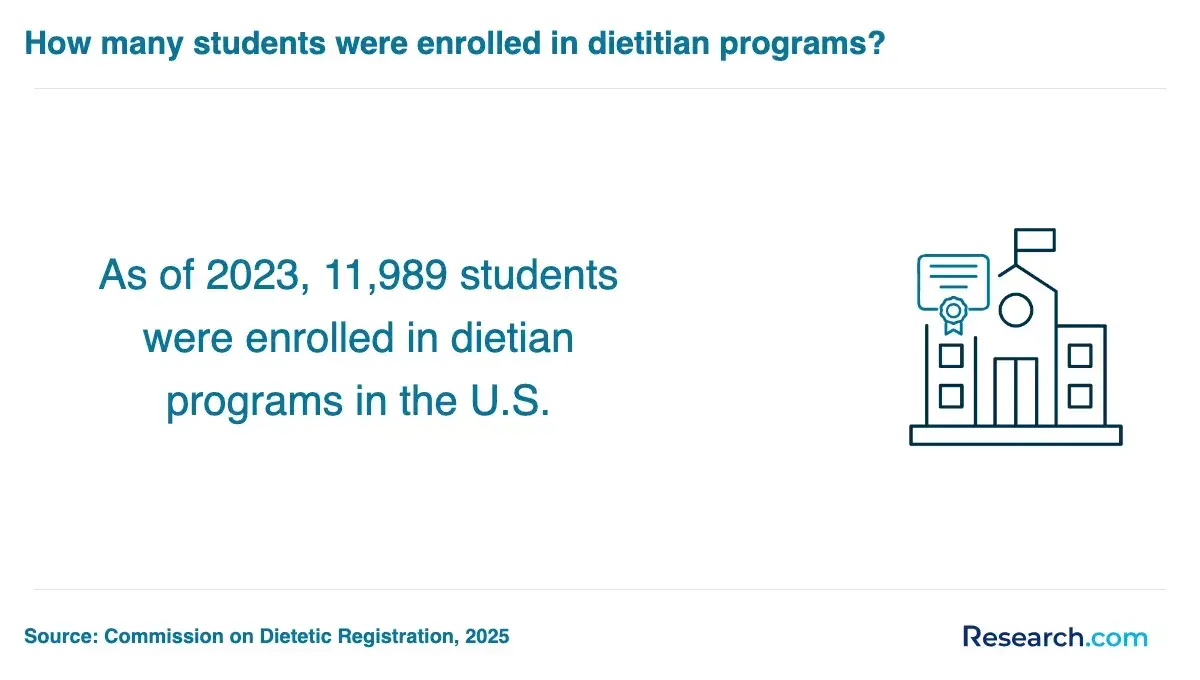
For those seeking accredited programs, Utah offers options such as Utah State University and the University of Utah, which accept international applicants. The demand for qualified dietitians in the state is strong, with job growth projected to increase by 23% through 2030, making Utah a promising location to pursue this career path. Additionally, applicants interested in furthering their education may explore opportunities such as the anchors part-time Ph.D. in economics, which can complement a nutrition and dietetics career.
What career paths can registered dietitians pursue in Utah?
Registered dietitians in Utah can pursue diverse career opportunities across healthcare, community, and corporate sectors, each offering distinct roles and compensation. The state’s growing demand ensures strong job prospects and competitive salaries for professionals in this field.
- Clinical Dietitian: Provide medical nutrition therapy in hospitals and clinics, with salaries averaging $61,000 statewide and higher wages in urban centers like Salt Lake City; clinical dietitian jobs in Utah are particularly prominent due to expanding healthcare needs.
- Community Nutritionist: Work with public health organizations and nonprofits on nutrition education and disease prevention, earning around the state average of $61,000 amid strong statewide public health initiatives.
- Food Service Management: Manage nutrition standards and meal planning in institutions, with typical salaries between $55,000 and $65,000 depending on location and employer.
- Private Practice/Consulting: Offer personalized nutrition counseling independently or in groups, where earnings can exceed the state average based on client base and experience.
- Sports Nutrition Dietitian: Support athletic teams and fitness programs with specialized nutrition strategies, often earning at or above the state average near major universities.
- Public Health Dietitian: Develop nutrition policies and lead health initiatives in government roles, with salaries ranging from $55,000 to $70,000 and strong growth potential.
- Academic and Research Dietitian: Teach or conduct research in universities, starting salaries near $60,000 and increasing with rank and funding.
- Corporate Wellness Dietitian: Design employee wellness programs in businesses, earning $60,000 to $75,000 with additional benefits common.
Those interested in expanding their expertise and exploring nutritional science can find valuable insights and guidance on nutritional science jobs that complement these career opportunities for registered dietitians in Utah.
What do registered dietitians in Utah say about their career?
- Completing my dietetics program at Weber State University provided a solid foundation that helped me confidently step into my role as a registered dietitian within a local school. The stability of working in Utah’s educational system has allowed me to focus on what I love most: nurturing students’ health and wellness. It’s incredibly rewarding to watch young people develop better eating habits and gain awareness about nutrition, knowing I played a part in their lifelong health. The community here values holistic well-being, which makes my work feel meaningful every day. Arthur
- Graduating from the University of Utah’s dietetic program was a transformative experience that prepared me well for my career in a local academic institution. Utah’s unique cultural landscape, with its emphasis on outdoor lifestyles and family-centered values, presented both challenges and opportunities to tailor nutrition education effectively. My role has not only enhanced my professional skills but also deepened my connection to the community, allowing me to contribute positively to the health of students in ways that resonate culturally. This career path has truly enriched my personal growth and professional development. Lina
- Finishing my studies at Utah State University opened doors to a career where I could make a real difference in the lives of young people across the state. Working as a registered dietitian in a local school setting has challenged me to adapt nutrition programs to meet diverse needs, including those influenced by Utah’s rural regions and active populations. The opportunity to advance professionally while impacting community health has been incredibly fulfilling. I am passionate about helping students thrive both in and out of the classroom through better nutrition. Jerome
Related Articles for Nearby States
- 2027 Steps to Become a Registered Dietitian in Nevada
- 2027 Steps to Become a Registered Dietitian in Arizona
- 2027 Steps to Become a Registered Dietitian in Idaho
- 2027 Steps to Become a Registered Dietitian in Wyoming
- 2027 Steps to Become a Registered Dietitian in Colorado
- 2027 Steps to Become a Registered Dietitian in New Mexico
- 2027 Steps to Become a Registered Dietitian in California
- 2027 Steps to Become a Registered Dietitian in Montana
- 2027 Steps to Become a Registered Dietitian in Oregon
- 2027 Steps to Become a Registered Dietitian in Washington
References:
- Brigham Young University. (n.d.). Registered dietitian nutritionist (RDN). Brigham Young University. https://ndfs.byu.edu/dietetics/registered-dietitian-nutritionist
- NutritionEd.org. (n.d.). How to become a registered dietitian in Utah. NutritionEd.org. https://www.nutritioned.org/registered-dietitian-utah/
- Southern Utah University. (n.d.). Nutrition degrees and programs. Southern Utah University. https://www.suu.edu/agns/nutrition.html
- University of Nevada, Reno. (n.d.). Requirements for licensure: Dietetic internship. University of Nevada, Reno. https://www.unr.edu/nutrition/dietetics/requirements-for-licensure
- University of Utah. (n.d.). Registered dietitian nutritionist credential. University of Utah. https://health.utah.edu/nutrition-integrative-physiology/degrees/coordinated-masters/becoming-an-rdn
- Utah Division of Occupational and Professional Licensing. (n.d.). Certified dietician. Utah DOPL. https://dopl.utah.gov/certified-dietitian/
- Utah State University. (n.d.). Dietetics - BS. Utah State University. https://www.usu.edu/degrees-majors/dietetics_bs
- Utah State University. (n.d.). How to become a registered dietitian nutritionist. Utah State University. https://caas.usu.edu/mda/how-to-become-an-RDN.php
- Utah State University. (n.d.). Master of Dietetics Administration (MDA) program. Utah State University. https://mda.usu.edu/
Other Things You Should Know About Becoming a Registered Dietitian in Utah
To become a registered dietitian in Utah by 2026, you must complete a bachelor’s degree in dietetics, fulfill Accreditation Council for Education in Nutrition and Dietetics (ACEND) supervised practice requirements, and pass the Commission on Dietetic Registration (CDR) exam. Additionally, you will need to apply for state licensure in Utah.
In 2027, most dietetic internships in Utah remain unpaid. However, some programs may offer stipends or compensation, depending on the institution or specific arrangement. It's advisable to check directly with the internship program for detailed financial information.
Scholarships and financial aid opportunities are available for dietetics students in Utah to help offset the cost of education. Key options include scholarships offered by the Utah Dietetic Association, which supports students pursuing degrees in nutrition and dietetics through competitive awards. Additionally, many universities with accredited dietetics programs provide institutional scholarships and grants based on academic merit and financial need. Students may also apply for federal financial aid, such as Pell Grants and student loans, by completing the FAFSA.