
2027 What Can You Do With an MSN Degree in Health Systems Management?

Co-Founder and Chief Data Scientist
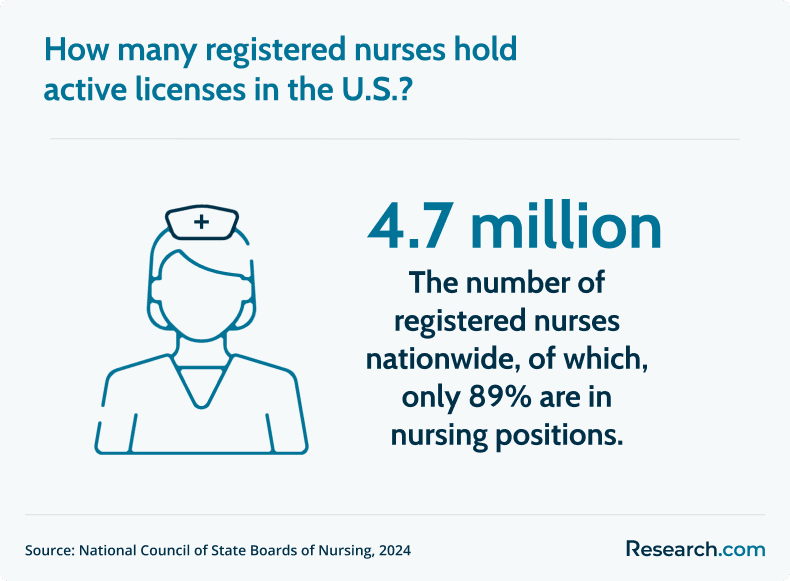
Only 17.4% of registered nurses in the United States hold a master’s degree, according to a 2023 study published in the Journal of Nursing Regulation. Nurses who pursue advanced study, particularly a Master of Science in Nursing (MSN) in health systems management degree, represent leaders who can align clinical priorities with organizational goals. This degree equips professionals to influence decision-making, improve operational efficiency, and strengthen patient care across healthcare systems.
In this article, I will outline what you can do with an MSN in Health Systems Management, from career opportunities to income potential. I will also cover the job market outlook, the core skills taught in these programs, and how this MSN compares with other advanced degrees. Finally, I will highlight certificates and doctoral options that complement the degree, along with sectors outside of healthcare where graduates can succeed.
What are the benefits of pursuing an MSN in Health Systems Management degree?
- Health systems management degree graduates can pursue specialized careers such as Clinical Nurse Leader and Informatics Nurse Specialist, or advance into leadership roles like Chief Nursing Officer or Healthcare Administrator.
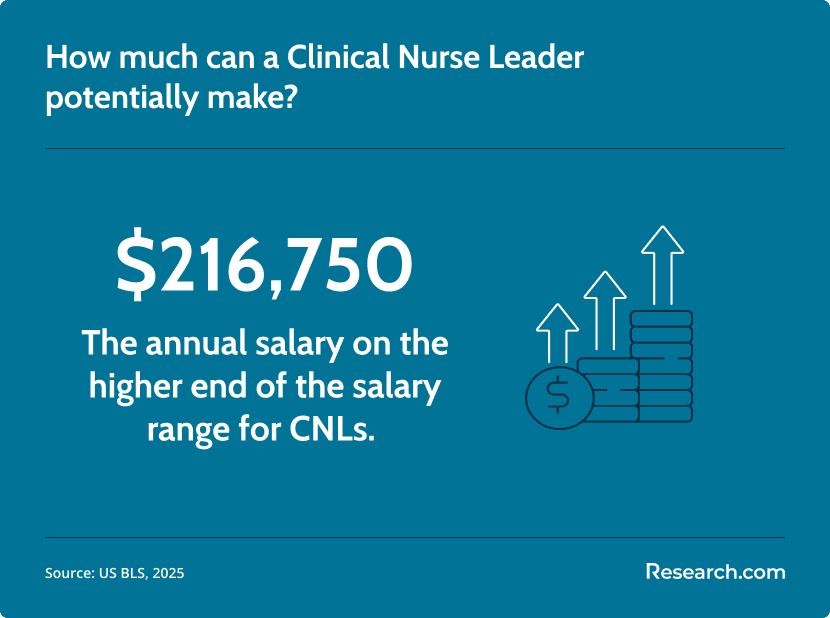
- Salaries can reach over $216,000 in specialized careers, while top leadership pay can surpass $300,000.
- This MSN combines clinical expertise with leadership training, giving nurses a direct pathway into advanced management roles.
- What careers can you pursue with a health systems management MSN degree? Career Paths
- What leadership positions are available to graduates with a health systems management degree? What leadership positions are available to graduates with a health systems management degree?
- What industries are hiring graduates with an MSN in health systems management? Industries Hiring
- How much can you make with an MSN in health systems management? Average Salary
- What is the job market for graduates with an MSN in health systems management? Job Outlook
- What skills are taught in health systems management degree programs? Key Skills
- What advantages does this MSN have over an MBA in healthcare management? What advantages does this MSN have over an MBA in healthcare management?
- What industry certificates pair well with an MSN in health systems management? Industry Certificates
- How can I transition from an accelerated BSN to an MSN in health systems management? How can I transition from an accelerated BSN to an MSN in health systems management?
- What doctorate programs can you pursue with an MSN in health systems management? What doctorate programs can you pursue with an MSN in health systems management?
- What are the financial considerations of pursuing an MSN in health systems management? What are the financial considerations of pursuing an MSN in health systems management?
- What industries outside of healthcare hire graduates with an MSN in health systems management? What industries outside of healthcare hire graduates with an MSN in health systems management?
What careers can you pursue with a health systems management MSN degree?
A health systems management degree prepares nurses to move into specialized roles where clinical knowledge supports system improvement and coordination. These careers emphasize oversight, data use, and integration of best practices across care settings.
Clinical Nurse Leader (CNL)
A Clinical Nurse Leader (CNL) coordinates patient care within hospital units, applying evidence-based practices and tracking outcomes. While the Bureau of Labor Statistics (BLS) does not isolate CNLs separately, this role builds on registered nurses. As per the latest figures from the BLS, there are 3,300,100 employed registered nurses in the United States.
Medical and Health Services Manager
Medical and Health Services Managers organize clinical operations, supervise department functions, and ensure regulatory compliance. According to the latest BLS data, there are 562,700 people employed in this occupation.
Informatics Nurse Specialist
Informatics Nurse Specialists integrate electronic health records and data systems into practice. This role falls under Healthcare Practitioners and Technical Occupations, which include 9,284,210 jobs. Nurses often compare MSN pathways with the fastest online graduate certificate nursing informatics programs, both of which prepare professionals for system-focused, data-driven roles.
These examples illustrate how an MSN in Health Systems Management equips graduates to influence care delivery through system-focused roles grounded in nursing expertise.
What leadership positions are available to graduates with a health systems management degree?
With a health systems management degree, you can also transition into roles that focus on directing departments, setting policies, and leading large teams. These leadership positions carry authority over staffing, budgets, and strategic priorities, offering a broader scope of influence than other career paths.
Similarly, learners exploring the best online cloud engineering bootcamps find that their training prepares them for leadership and system-level roles in technology—paralleling how health systems management graduates move into executive positions in healthcare.
Industry surveys and workforce reports highlight several prominent roles:
- Chief Nursing Officer (CNO): Serves as the top executive voice for nursing, responsible for professional development and care standards across entire health systems. The American Organization for Nursing Leadership’s annual survey shows succession planning and workforce readiness are among the top concerns for CNOs.
- Director of Nursing: Heads nursing departments in hospitals or long-term care, overseeing compliance, departmental budgets, and staff performance. The American Health Care Association notes that more than 1 million workers in long-term care operate under director-level supervision.
- Clinical Director: Leads specialty service areas such as cardiology, oncology, or pediatrics, ensuring that departmental practices align with institutional goals. The American College of Healthcare Executives found that 83% of hospital CEOs ranked quality and patient safety as their primary concern in 2023, underscoring the importance of this role.
- Healthcare Administrator: Manages operations at the hospital or system level, balancing financial performance with patient outcomes and regulatory demands. The American Hospital Association reports more than 6,100 hospitals nationwide, each requiring senior-level administrative leadership.
- Program Director: Oversees projects such as telehealth expansion or community outreach. The AHA reports that 96% of hospitals now use telehealth, demonstrating the need for directors who can manage these programs.
These roles show how graduates can move beyond unit-level responsibilities into positions that shape strategy and ensure organizational goals are achieved while keeping patient care at the center.
What industries are hiring graduates with an MSN in health systems management?
Job posting data confirm that hospitals, outpatient centers, and ambulatory clinics are actively recruiting professionals with management training. The most recent listings reveal steady demand for graduates prepared to oversee operations, staffing, and compliance.
While these positions are distinct from technology-focused tracks such as the best online management information systems degree, both highlight how advanced education can lead to specialized management roles in complex organizations.
Hospitals and Health Systems
Hospitals remain the largest employers in healthcare, relying on managers to direct departments, budgets, and quality initiatives. According to the latest Indeed postings, there were 228 hospital manager positions advertised nationwide, reflecting broad and ongoing recruitment.
Outpatient and Ambulatory Care Centers
Outpatient facilities such as urgent care and surgical centers continue to expand, requiring leaders who can supervise services and maintain compliance. ZipRecruiter’s most recent data showed 489 openings for ambulatory operations managers across the United States.
Outpatient Services Management
Networks of outpatient clinics employ managers to oversee multiple sites, streamline patient flow, and maintain efficient staffing. As of the most up-to-date ZipRecruiter reports, more than 1,000 postings were available for outpatient services managers.
Outpatient Clinics by State
Regional hiring patterns also confirm that demand extends across the country:
- Washington: 140 current postings for outpatient clinic managers.
- New York: 250 recent postings for outpatient clinic managers.
- California: More than 200 listings for outpatient clinic managers reported in the latest ZipRecruiter data.
These numbers demonstrate that hospitals and outpatient facilities remain the strongest sources of employment for graduates in this field. They also show that demand exists not only nationally but at the state level, offering graduates multiple pathways into healthcare management roles.
How much can you make with an MSN in health systems management?
Salary outcomes for graduates depend on whether they pursue specialized roles or move into higher-level leadership. Verified data from BLS, Glassdoor, Indeed, Salary.com, and ZipRecruiter provide a clear look at what professionals in these positions earn.
For comparison, students in other advanced fields—such as those completing the best online master of divinity degree programs—also weigh salary potential alongside personal and professional fulfillment when planning their careers.
Specialized Careers
- Clinical Nurse Leader: Glassdoor reports an average salary of $105,896, with top earners reaching $151,317 at the 90th percentile.
- Medical and Health Services Manager: BLS lists a median salary of $117,960, and the top 10% earn $219,080 or more.
- Informatics Nurse Specialist: Salary.com reports an average salary of $109,671, with a typical range centered around that figure.
Leadership Positions
- Chief Nursing Officer (CNO): Indeed lists an average salary of $157,749. Glassdoor reports an average of $165,118, and Salary.com notes a median of $264,150 with the 90th percentile at $307,180.
- Director of Nursing: ZipRecruiter reports an average of $108,675 and a 90th-percentile salary around $151,000.
- Clinical Director: Glassdoor lists an average salary of $109,176, with top earners reaching $183,560 at the 90th percentile.
- Healthcare Administrator: BLS reports a median salary of $117,960, and the top 10% earn $219,080 or more.
- Program Director (Healthcare): Glassdoor lists an average salary of $127,823, with the 90th percentile at $213,789.
These figures demonstrate that graduates have strong earning potential across both specialized and executive roles, with leadership positions offering the highest salaries due to their expanded responsibilities.
The chart below shows the highest paying industries for registered nurses, offering a quick view of where earnings potential is strongest.
What is the job market for graduates with an MSN in health systems management?
The job market for graduates of a health systems management degree is shaped by steady demand in clinical care and rapid expansion in administrative leadership. BLS projections for related categories reveal how opportunities are expected to unfold over the next decade.
Comparably, students researching the best online doctorate programs in human services also review labor market outlooks to weigh career stability and advancement before enrolling.
Clinical roles such as Clinical Nurse Leader and Informatics Nurse Specialist are grouped within the Registered Nurse category in BLS data. BLS projects 6% employment growth for Registered Nurses from 2023 to 2033 and estimates about 194,500 openings per year over that decade.
These openings represent both newly created positions and replacements and indicate persistent hiring demand for advanced clinical and specialist nurses. It’s not uncommon for graduates to begin their nursing journey in entry-level programs, such as the best ASN online programs, before advancing toward MSN-level roles with broader career potential.
Administrative and executive roles including Chief Nursing Officer, Director of Nursing, Clinical Director, Program Director, and Healthcare Administrator are classified under Medical and Health Services Managers. BLS projects 29% employment growth for that category from 2023 to 2033 and estimates about 61,400 openings per year. The higher growth rate reflects expanding management needs as healthcare delivery becomes more complex.
Graduates who combine clinical credentials with management training will find steady hiring in clinical tracks and a faster-growing supply of management positions. The differing speeds of growth make managerial skills a clear lever for widening career options in the decade ahead.
What skills are taught in health systems management degree programs?
Health systems management degree programs are designed to equip graduates with both clinical insight and organizational expertise. The curriculum blends technical knowledge with leadership preparation, ensuring students are ready for complex healthcare environments.
Just as students considering the best online geography degree programs review curricula to see how classroom learning connects to real-world applications, health systems management students evaluate how their training builds career-ready skills.
Leadership is a central focus of this training. Students learn how to guide teams, coordinate care, and make strategic decisions that balance patient outcomes with organizational goals.
Financial management is another essential skill. Programs emphasize budgeting, resource allocation, and healthcare economics so graduates can manage costs effectively while maintaining high standards of care.
Policy and regulatory knowledge provide the foundation for safe and compliant practice. Coursework highlights healthcare law, accreditation, and ethics, preparing students to navigate the regulatory frameworks that govern modern health systems.
Informatics training builds competence in electronic health records and data analysis. These skills support evidence-based decisions, improve efficiency, and enhance patient safety across diverse care settings.
Communication and quality improvement are emphasized throughout the curriculum. Graduates learn to collaborate across disciplines, build consensus among stakeholders, and implement initiatives that raise organizational performance.
Together, these skills prepare MSN graduates for leadership roles that require both clinical perspective and administrative acumen. By combining expertise in management, finance, policy, informatics, and communication, programs create professionals capable of driving improvements across healthcare systems.
What advantages does this MSN have over an MBA in healthcare management?
An MSN in health systems management provides advantages that reflect its integration of clinical and administrative training. While both degrees prepare graduates for leadership, the MSN offers benefits tailored to nursing professionals.
The following advantages demonstrate how the MSN differs from the MBA in healthcare management.
- Clinical Integration: Combines management skills with clinical knowledge, allowing graduates to oversee operations with a direct understanding of patient care.
- Alignment with Nursing Standards: Connects coursework to national nurse leadership competencies, positioning graduates for roles that build on their nursing licensure.
- Specialized Healthcare Content: Offers training in informatics, health policy, and quality improvement, areas often absent from general MBA curricula.
- Career Pathway for Nurses: Many graduates use the MSN as a stepping stone toward doctoral-level study, including options such as accelerated BSN to PhD online bridge programs.
These advantages make the MSN in health systems management particularly valuable for nurses who want to rise into leadership while maintaining a strong link to patient-centered practice.
The graph below shows the distribution of employment for Medical and Health Services Managers, illustrating the primary settings where graduates are most likely to work.
What industry certificates pair well with an MSN in health systems management?
Professional certifications add value to a health systems management degree by emphasizing leadership, quality, and system-level expertise. They validate advanced skills that employers look for in healthcare executives.
The following certifications are among the most relevant for graduates:
- Nurse Executive Certification (NE-BC or NEA-BC): Offered by the American Nurses Credentialing Center, this certification confirms expertise in budgeting, staffing, and organizational leadership. It signals readiness for high-level executive roles that combine clinical and administrative responsibilities.
- Certified Nurse Manager and Leader (CNML): Provided by the American Organization for Nursing Leadership, the CNML credential prepares MSN graduates to manage teams, optimize resources, and align nursing practice with organizational goals.
- Certified Professional in Healthcare Information and Management Systems (CPHIMS): Administered by HIMSS, this certification demonstrates mastery of health informatics, electronic data systems, and IT-driven strategy. It pairs well with MSN coursework in informatics and technology leadership.
- Certified Professional in Healthcare Quality (CPHQ): Granted by the National Association for Healthcare Quality, the CPHQ validates expertise in patient safety, performance measurement, and quality improvement initiatives. MSN graduates with this certification are prepared to lead outcome-focused projects.
- Certified Professional in Healthcare Risk Management (CPHRM): Offered by the American Hospital Association Certification Center, the CPHRM emphasizes compliance, liability reduction, and patient safety. It complements MSN training for roles that prioritize organizational accountability and risk prevention.
Together, these certifications strengthen the value of an MSN in health systems management by highlighting specialized skills. They help graduates stand out in the job market and position themselves for advanced leadership opportunities.
How can I transition from an accelerated BSN to an MSN in health systems management?
Applicants leveraging an accelerated BSN as a foundation typically satisfy admission prerequisites by holding a current RN license, documented clinical experience, and completion of core science courses. When evaluating MSN programs, verify that institutional requirements align with your academic background and professional goals. Institutions may also assess prior coursework, standardized test scores, and relevant certifications to ensure readiness for advanced management studies. Prospective candidates can explore pathways that integrate accelerated undergraduate training with graduate-level leadership, enhancing their competitiveness in health systems management. For comprehensive information on foundational training options, consider reviewing online BSN accelerated programs.
What doctorate programs can you pursue with an MSN in health systems management?
For graduates who want to continue their studies, doctoral programs provide an opportunity to deepen expertise, expand influence, and prepare for the highest levels of leadership in healthcare.
The following options are among the most common doctoral pathways for health systems management degree holders.
- Doctor of Nursing Practice (DNP): Focuses on advanced clinical leadership, evidence-based practice, and quality improvement. MSN graduates pursuing this degree gain authority to implement system-wide initiatives that improve patient outcomes and organizational performance.
- PhD in Nursing: A research-intensive program that prepares graduates to investigate healthcare challenges, build nursing theory, and inform policy. It suits MSN-trained leaders interested in scholarship or academic careers.
- Doctor of Health Administration (DHA): Concentrates on executive leadership, healthcare finance, and organizational strategy. This pathway equips MSN graduates for top administrative positions in hospitals, health systems, and consulting.
- PhD in Health Policy or Health Management: Explores the social, political, and economic forces shaping healthcare. MSN graduates develop the expertise to influence legislation, guide advocacy groups, and drive large-scale policy reform.
- Doctor of Public Health (DrPH): Emphasizes population health, community leadership, and preventive systems. For MSN graduates, it opens pathways into public health administration and cross-sector collaboration beyond traditional hospital settings.
Doctoral study allows MSN graduates to extend their influence beyond unit- or system-level leadership. Whether in research, administration, or policy, these degrees offer routes to shape healthcare at its highest levels.
What are the financial considerations of pursuing an MSN in health systems management?
Financial planning for an MSN in health systems management involves assessing tuition expenses, fees, and potential financial aid options. Graduates should investigate program-specific costs and explore scholarships, grants, and loan programs that align with their career goals. Detailed cost comparisons and scholarship opportunities can support a well-informed return on investment analysis.
Students are encouraged to research alternative pathways that might offer combined undergraduate and graduate funding opportunities, such as easy BSN accelerated programs. This approach can reduce out-of-pocket expenses and streamline the transition from clinical training to advanced management education.
What industries outside of healthcare hire graduates with an MSN in health systems management?
With a health systems management background, your options extend well beyond hospitals and insurers. Employers in other sectors value the same systems thinking, compliance fluency, and analytics you practiced in clinical and administrative settings.
Graduates who complete a fast track MSN in health systems management online are especially well-positioned to transition quickly into roles across diverse industries.
Here are non-healthcare industries actively hiring in roles, and the latest outlook from BLS:
- Technology and Enterprise Software: Project management specialists coordinate budgets, schedules, and cross-functional teams for complex platform rollouts. Employment is projected to grow 7% with about 77,000 openings each year.
- Finance and Banking: Compliance officers build and monitor programs that keep institutions aligned with evolving regulations. Employment is projected to grow 5% with about 34,400 openings each year.
- Government and Public Administration: Emergency management directors lead continuity planning and disaster preparedness for municipalities and large organizations. Employment is projected to grow 4% with about 1,000 openings each year.
- Higher Education: Postsecondary education administrators manage operations across admissions, student services, and research administration. Employment is projected to grow 3% with about 15,200 openings each year.
- Corporate Learning and Development: Training and development managers design enterprise-wide curricula to improve quality, safety, and leadership. Employment is projected to grow 7% with about 3,600 openings each year.
- Data and Analytics Across Sectors: Operations research analysts use quantitative methods to optimize logistics, budgets, and staffing. Employment is projected to grow 23% with about 11,300 openings each year.
These paths show how you can apply management, quality, and analytics skills in non-healthcare settings, expanding where you can lead while keeping your systems expertise central.
Here’s What Graduates Have to Say About Their MSN in Health Systems Management Degrees
- Tanesha: "Pursuing an online MSN in health systems management was the best decision I made for my future. I developed expertise in health policy and informatics that set me apart during the job search. Within months of finishing my degree, I was offered a management role with a substantial pay increase. The program’s flexibility made it possible to reach my goals without pausing my nursing career."
- Steven: "I chose an online MSN for the flexibility, but what surprised me most was how interactive and engaging the program was. Group projects and case studies prepared me for real-world leadership challenges. After graduation, I transitioned from bedside nursing to a senior quality improvement coordinator position. The online experience helped me grow both professionally and personally."
- Cherry: "The online MSN program exposed me to health IT, policy, and change management topics that are now vital in my role as an informatics manager. I also gained a network of mentors who have supported my journey. Completing this program gave me the credentials to move up quickly. It was the turning point in my professional life."
Key Findings
- Professionals in specialized roles earn median salaries around $105,000–$118,000, with top performers making more than $216,000 annually.
- Chief nursing officers and program directors lead salary ranges, with median pay often exceeding $160,000 and the highest earners surpassing $300,000.
- Specialized nursing roles are projected to grow 6% with 194,500 openings annually, making them one of the most consistently available career paths in healthcare.
- Leadership roles will expand by 29% with about 61,400 openings each year, ranking them among the strongest growth areas available to graduates in healthcare management.
- Outside healthcare, roles such as project managers and operations research analysts show strong demand, with growth up to 23% and more than 77,000 annual openings projected.
References:
- American Hospital Association. (2025). Fast Facts on U.S. Hospitals. https://www.aha.org/statistics/fast-facts-us-hospitals
- American Hospital Association. (2023). Fact Sheet: Telehealth. https://www.aha.org/factsheet/telehealth
- American Association of Colleges of Nursing. (2025). Employment of New Nurse Graduates Survey. https://www.aacnnursing.org/News-Information/Research-Data-Center/Employment/2021
- Bureau of Labor Statistics. (2024, April). Registered Nurses. Occupational Employment and Wage Statistics. https://www.bls.gov/oes/2023/may/oes291141.htm
- Bureau of Labor Statistics. (2025, April). Registered Nurses. Occupational Outlook Handbook. https://www.bls.gov/ooh/healthcare/registered-nurses.htm
- Bureau of Labor Statistics. (2024, April). Medical and Health Services Managers. Occupational Employment and Wage Statistics. https://www.bls.gov/oes/2023/may/oes119111.htm
- Bureau of Labor Statistics. (2025, April). Medical and Health Services Managers. Occupational Outlook Handbook. https://www.bls.gov/ooh/management/medical-and-health-services-managers.htm
- Bureau of Labor Statistics. (2024, April). Healthcare Practitioners and Technical Occupations. U.S. Department of Labor. https://www.bls.gov/oes/2023/may/oes290000.htm
- Glassdoor. (2025). Clinical Director Salaries. https://www.glassdoor.com/Salaries/clinical-director-salary-SRCH_KO0%2C17.htm
- Glassdoor. (2025). Clinical Nurse Leader Salaries. https://www.glassdoor.com/Salaries/clinical-nurse-leader-salary-SRCH_KO0%2C21.htm
- Indeed. (2025). Hospital Manager jobs. https://www.indeed.com/q-hospital-manager-l-remote-jobs.html
- Salary.com. (2025). Nurse informatics salary (U.S.). https://www.salary.com/research/salary/posting/nurse-informatics-salary
- Smiley, R. A., Ruttinger, C., Oliveira, C. M., Hudson, L. R., Allgeyer, R., Reneau, K. A., Silvestre, J. H., & Alexander, M. (2023). The 2022 National Nursing Workforce Survey. Journal of Nursing Regulation, 14(1), S1–S98. https://www.journalofnursingregulation.com/article/S2155-8256(23)00047-9/fulltext
- ZipRecruiter. (2025). Ambulatory Operations Manager Jobs. https://www.ziprecruiter.com/Jobs/Ambulatory-Operations-Manager
- ZipRecruiter. (2025). Outpatient Services Manager Jobs. https://www.ziprecruiter.com/Jobs/Outpatient-Services-Manager
Other Things You Should Know About MSN in Health Systems Management Degree Programs
In 2027, MSN graduates in Health Systems Management can pursue roles such as healthcare administrator, operations manager, clinical director, or healthcare consultant. These positions are crucial for navigating the evolving landscape of healthcare systems and improving organizational efficiency.
In 2027, individuals with an MSN Degree in Health Systems Management can pursue roles such as Healthcare Administrator, Clinical Manager, or Director of Nursing. These roles involve overseeing healthcare operations, improving care delivery, and managing interdisciplinary teams to enhance system efficiency.
An MSN Degree in Health Systems Management equips graduates with skills to adapt to technological advancements and policy changes, enhancing leadership in healthcare organizations. In 2027, this adaptability is crucial for managing complex systems and improving patient care quality, ensuring successful navigation of an evolving healthcare environment.


