
2027 Best Colleges for Teaching Degree Programs in Washington: Online & Campus

Co-Founder and Chief Data Scientist
Many aspiring educators assume that choosing a teaching degree in Washington is straightforward, but program quality, delivery methods, and state certification requirements can complicate the path.
With Washington expecting a 7% increase in demand for qualified teachers, overlooking these factors can lead to wasted time, unnecessary expenses, and delayed entry into the classroom. This guide clarifies the real requirements and reviews top online and on-campus programs, helping you make informed decisions that align with workforce needs and certification standards.
Key Benefits of the Best Colleges for Teaching Degree in Washington
- Washington's top colleges offer accredited online and on-campus teaching degrees, ensuring flexibility while maintaining rigorous standards recognized by the state's Department of Education.
- Graduates from these programs often report higher employment rates in local school districts, with many institutions boasting job placement rates above 85% within six months of graduation.
- Access to experienced faculty and diverse practicum opportunities in Washington's urban and rural schools prepares students effectively, though online formats may limit hands-on experiences compared to campus options.
- What teaching degrees are available at the best colleges in Washington?
- What prerequisites are required for teacher education programs in Washington?
- What accreditation and licensure requirements apply to teaching degree programs in Washington?
- What courses do you take in a teaching degree program in Washington?
- What support do Washington colleges offer during student-teaching placements?
- How much does a teaching degree cost in Washington?
- What financial aid options are available for teaching students in Washington?
- What jobs can you get with a teaching degree in Washington?
- What are the salaries of teaching degree graduates in Washington?
- What are the key factors when choosing the best teaching degree colleges in Washington?
What teaching degrees are available at the best colleges in Washington?
Knowing the types of teaching degrees offered in Washington helps prospective students find programs that best align with their career ambitions and personal circumstances. This understanding is especially important given the variability in both online and campus options available across the state, reflecting different educational approaches and student needs.
Students seeking teaching degree programs in Washington can thus make informed decisions about which paths might suit their interests and future employment prospects.
- Elementary Education: This degree prepares educators to teach children from kindergarten through fifth or sixth grade, covering foundational subjects like reading, math, science, and social studies. It highlights child development and classroom management skills, enabling graduates to create nurturing and effective learning environments.
- Secondary Education: Aimed at middle and high school teaching, this degree often includes a specialization such as English, math, science, or history. It balances deep subject knowledge with teaching methods designed for adolescent learners, which is essential for engaging this age group.
- Special Education: Designed for educators who work with students facing disabilities or developmental challenges, this program emphasizes creating individualized education plans (IEPs) and adapting instruction to diverse needs. Given the rising demand in Washington for special education professionals, this degree is highly relevant for many students.
- Early Childhood Education: Focused on developmental milestones for children from birth through third grade, this degree encourages cognitive, social, and emotional growth, alongside family and community involvement. It prepares teachers to support early learners in critical stages of their education.
Students interested in these programs can explore the best online bachelors in education programs to find flexible options that suit working adults or those in rural areas. When considering the best colleges for education degrees in Washington, these offerings provide a useful framework to evaluate which degrees align with evolving workforce needs and personal goals.
What prerequisites are required for teacher education programs in Washington?
Prospective students aiming for admission into teacher education programs in Washington should carefully consider the common prerequisites that shape entry decisions. Recognizing these requirements helps candidates prepare effectively and enhances their chances of acceptance into competitive programs, whether pursuing online or on-campus pathways.
Such understanding also highlights how academic and professional standards align with broader educational goals.
- Bachelor's Degree or Equivalent: Most programs require completion of a bachelor's degree before formal admission. Some may allow entry if a significant portion of undergraduate coursework is finished but insist on degree completion before student teaching or certification, emphasizing the importance of solid academic foundations.
- Minimum GPA Requirements: A cumulative GPA generally between 2. 5 and 3. 0 in relevant courses is expected to ensure candidates have the necessary academic skills. This threshold balances accessibility with maintaining quality standards, reflecting diverse program policies.
- Standardized Test Scores: Programs often require passing scores on basic skills and content knowledge assessments such as the WEST-B. These tests verify essential competencies in reading, writing, and mathematics, although some debate exists about their predictive validity for teaching success.
- Background Checks and Fingerprinting: Given the responsibility of working with children, all candidates must clear background screenings to comply with state safety regulations. This prerequisite reinforces trust and safeguards in educational environments.
- Letters of Recommendation and Personal Statements: Applicants submit these elements to demonstrate motivation, communication abilities, and suitability for teaching beyond grades. Such qualitative assessments provide a more holistic view of readiness.
- Relevant Classroom Experience: Volunteering, tutoring, or paraprofessional work is often preferred or required to ensure candidates gain early exposure to educational settings. This practical experience aids informed commitment to the profession.
- Assessment of Professional Dispositions: Ethical behavior, professionalism, and dedication to diversity are evaluated through interviews or embedded program assessments. These standards reflect the field's emphasis on the holistic development of teacher candidates.
Students interested in specialized areas might also explore programs featured in the ranking of the best bachelors degrees in special education online, which incorporate these prerequisites while addressing high-demand fields within Washington's teacher workforce landscape.
What accreditation and licensure requirements apply to teaching degree programs in Washington?
Accreditation and licensure requirements in Washington play a critical role in ensuring teacher preparation programs meet high standards and that educators entering the profession are fully qualified. These requirements protect students by guaranteeing quality education and help candidates navigate a regulated pathway to becoming licensed teachers.
- Regional Accreditation: Most reputable colleges offering teaching degrees in Washington hold accreditation from the Northwest Commission on Colleges and Universities (NWCCU). This regional accreditation confirms that institutions maintain overall academic quality and operational standards recognized across postsecondary education.
- Specialized Program Accreditation: Teacher preparation programs usually acquire accreditation from the Council for the Accreditation of Educator Preparation (CAEP). CAEP accreditation ensures programs meet national benchmarks for preparing effective educators, including sufficient practical teaching experiences.
- State Licensure through the Professional Educator Standards Board (PESB): To legally teach in Washington, candidates must obtain certification issued by PESB, ensuring they have fulfilled all state-mandated educational and assessment requirements. This process guarantees teachers meet consistent professional standards essential for classroom success.
- Essential Assessments: Licensure candidates must pass the Washington Educator Skills Test-Basic (WEST-B), assessing foundational skills in reading, writing, and math, followed by the WEST-E, which evaluates subject-specific expertise. These tests help confirm readiness to teach particular grade levels or subjects.
- Background Checks: A fingerprint-based background check is mandatory to ensure the safety and wellbeing of students by screening for any disqualifying criminal history, reflecting the state's commitment to responsible educator placement.
What courses do you take in a teaching degree program in Washington?
The curriculum in Washington's teaching degree programs is carefully structured to blend educational theory with practical application, ensuring graduates are well-equipped to meet the state's diverse classroom challenges. Courses emphasize the development of skills in culturally responsive teaching, classroom management, and the use of technology, reflecting both current workforce demands and evolving certification standards.
- Foundations of Education: This course introduces the historical, philosophical, and social aspects of education, helping students grasp the broader context of schooling in Washington. It prepares future educators to understand policies and navigate the varied environments they will encounter.
- Educational Psychology: Focusing on cognitive and developmental learning processes, this course aids students in understanding how children and adolescents acquire knowledge. It fosters the ability to apply psychological insights to motivate learners and design effective instruction.
- Curriculum Design and Assessment: Students learn how to create and evaluate curricula aligned with Washington state standards while addressing diverse student needs. The course includes training in various assessment strategies to monitor and support student progress.
- Classroom Management and Instructional Strategies: Practical techniques for fostering positive learning environments are covered here, with emphasis on behavior management in line with state discipline policies. This course supports skill development in maintaining engagement and minimizing disruptions.
- Culture, Diversity, and Equity in Education: This course prepares teachers to support Washington's multicultural classrooms through culturally responsive practices. Topics include equity, inclusion, and strategies for working effectively with English language learners.
- Educational Technology: Students develop proficiency in integrating digital tools to enhance instruction and communication, mirroring Washington's focus on digital literacy. This prepares educators to employ technology for differentiated and inclusive teaching.
- Special Education Foundations: Addressing inclusive education, this course covers legal requirements and effective strategies for teaching students with special needs. Collaboration with multidisciplinary teams is emphasized to meet state endorsement criteria.
- Practicum and Student Teaching: Essential hands-on experience in real classrooms allows students to apply theoretical knowledge under supervision. This immersive practice is critical for meeting certification standards and developing professional competence.
What support do Washington colleges offer during student-teaching placements?
Support during student-teaching placements is vital for developing essential classroom skills and building professional confidence. These placements serve as a bridge between theoretical knowledge and real classroom challenges, so the assistance provided can deeply influence a student teacher's readiness for a full-time teaching role.
- Mentorship: Experienced educators are paired with student teachers to offer guidance on classroom management and lesson planning. This one-on-one support helps novices navigate complex teaching dynamics and fosters confidence in their instructional abilities.
- Feedback: Student teachers receive ongoing, constructive evaluations from both mentor teachers and university supervisors. This feedback is crucial for continuous improvement and addressing specific weaknesses before graduation.
- Professional Development Workshops: Workshops cover topics such as inclusive teaching and technology integration. These sessions equip student teachers with current strategies aligned with Washington's educational standards and diverse classroom needs.
- Observation Opportunities: Watching skilled teachers model effective instruction provides exposure to practical techniques and varied school environments. This helps student teachers adapt their approaches based on real-world experiences.
A graduate from one of Washington's leading teaching programs reflected on her student-teaching journey as both challenging and transformative. She recalled early struggles managing a diverse classroom but felt empowered through personalized mentorship and detailed feedback that helped her develop strategies tailored to her students' needs. She also valued workshops that introduced innovative tools, which she later applied during her placement. This support network reduced her anxiety and made the transition into a professional teaching role smoother, highlighting how comprehensive assistance shapes effective educators beyond theory.
How much does a teaching degree cost in Washington?
Prospective students planning their education should consider the cost variations of teaching degree programs in Washington to make informed financial decisions. Both online and on-campus options present different tuition fees and additional expenses that impact the total investment required.
Public institutions typically offer lower tuition rates than private ones. For on-campus degrees, public colleges charge between $4,000 and $7,500 annually for in-state students, with tuition per credit ranging from $150 to $400. Private colleges generally demand $13,000 to $30,000 per year, with tuition per credit around $500 to $1,000.
Online Programs
- Tuition per credit hour: Online public programs average between $300 and $450 per credit for in-state students, which can be slightly lower than on-campus rates.
- Mandatory fees: Typically include technology and platform access fees; these often add a few hundred dollars annually but tend to be less than on-campus fees.
- Additional expenses: Online students save on commuting and housing costs, but still need to budget for books and supplies.
On-Campus Programs
- Tuition per credit hour: Public institutions charge $150 to $400 per credit, while private ones may charge $500 to $1,000 per credit.
- Mandatory fees: These cover campus facilities, student activities, and technology, usually totaling $1,000 to $1,800 yearly.
- Additional expenses: On-campus students must consider commuting, housing, and course materials, increasing total costs.
For students seeking affordability and flexibility, Washington colleges with accredited teaching degrees offer diverse options. Researching programs through resources highlighting cheap online education degrees can help identify suitable pathways aligned with budget and career goals.
What financial aid options are available for teaching students in Washington?
Nearly 65% of students pursuing teaching degrees in Washington receive grants or scholarships, reflecting broad access to financial support. Average award amounts range between $3,500 and $5,000 annually, which can significantly impact education budgeting decisions. Being aware of available financial aid options helps teaching degree students better plan for tuition and related expenses, especially when considering varied funding sources and obligations.
Common types of financial aid for teaching degree students in Washington include:
- Grants: Need-based and non-repayable, requiring completion of the FAFSA and state-specific applications. The Washington College Grant is a key example, assisting eligible students enrolled in approved teaching programs by covering tuition costs.
- Scholarships: Merit or population-specific awards often aimed at those committed to teaching in high-need areas. Applications usually involve essays and recommendations, with awards typically ranging from $1,000 to $7,000 per year, supplementing grants and loans.
- Federal Student Loans: Fixed-interest loans accessible through FAFSA with annual limits between $5,500 and $7,500, depending on dependency status and academic year. While useful, these loans require careful repayment planning, especially considering options like loan forgiveness.
- Work-Study Programs: Part-time jobs related to education, determined by FAFSA eligibility. These positions not only provide income to offset educational costs but also offer practical teaching experience.
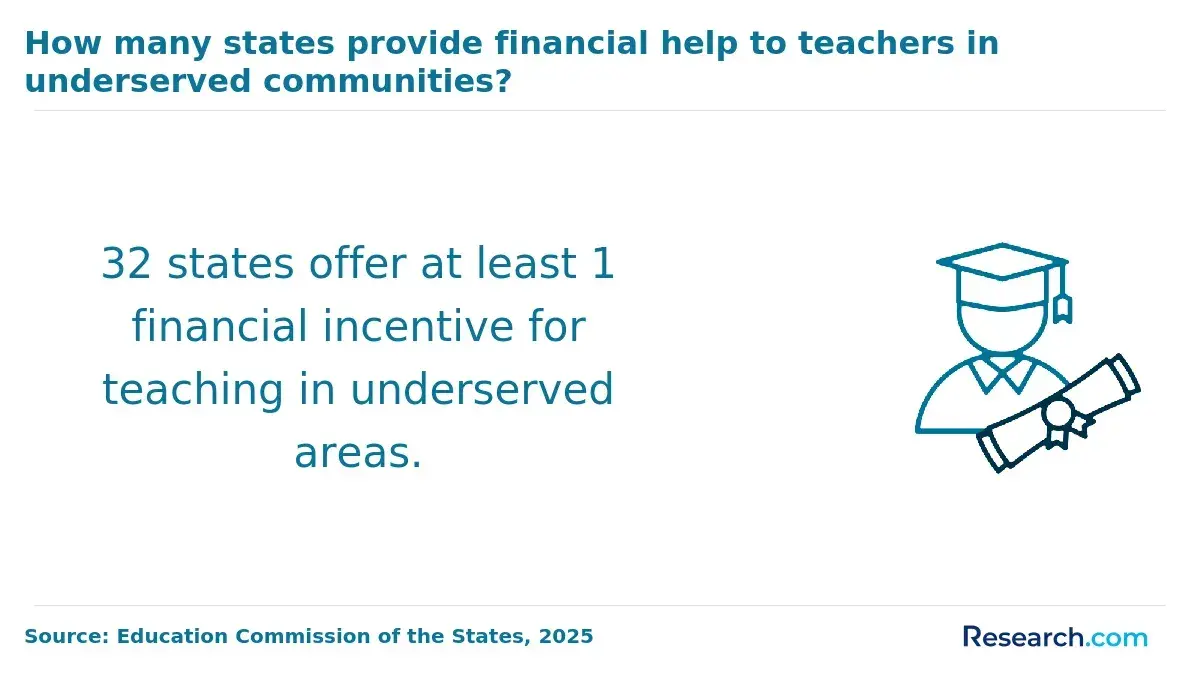
- Teacher Loan Forgiveness Programs: Designed to reduce debt for graduates teaching in underserved areas by forgiving up to $17,500 after five years of consecutive service, incentivizing service where it is most needed.
Students looking for additional resources might explore masters in education online cheap programs, which can also provide flexible financial aid options. Understanding these opportunities is essential for managing financial commitments in teaching programs and supports informed decision-making regarding education pathways.
What jobs can you get with a teaching degree in Washington?
For students pursuing a teaching degree in Washington, gaining insight into potential career paths is crucial for making informed decisions that align with both personal goals and market demand. The state anticipates a steady growth of approximately 5% in teaching-related employment between 2024 and 2026, reflecting a solid need for qualified educators in various roles.
- Elementary, Middle, and High School Teachers: These educators deliver curriculum, evaluate student progress, and manage classroom dynamics across different age groups. Success in these roles requires strong skills in lesson planning, communication, adaptability, and classroom management. Employment typically occurs in public or private schools where collaboration with parents and colleagues is essential.
- Special Education Teachers: Focused on students with diverse learning requirements, special education teachers adapt instruction and work closely with specialists and families to create and monitor individualized education programs (IEPs). Advocacy for accommodations and additional resources is a key component of their responsibilities.
- Instructional Coordinators: Specializing in curriculum development, teacher training, and evaluation of educational standards, these professionals combine analytical insight with leadership skills. They often operate within school districts, government agencies, or educational service organizations, guiding improvements in teaching quality and content delivery.
- Education Consultants: These advisors provide expertise on educational strategies, policy implementation, and school improvement initiatives. Their work demands an understanding of educational trends, data analysis, and effective communication with diverse stakeholders across schools and communities.
- Online Education Instructors and Tutors: With the growth of digital learning platforms, educators skilled in technology and innovative teaching methods find roles delivering instruction remotely. These positions require digital literacy, flexibility, and the ability to engage learners virtually in both synchronous and asynchronous environments.
A graduate from one of Washington's top teaching programs shared that the journey to employment was both challenging and revealing. While the positive job outlook was encouraging, the competitive nature of certain positions meant persistent effort was necessary, including networking within local education circles and tailoring applications to specific district needs. The graduate noted the emotional impact of initial setbacks but emphasized that adaptability and continuous professional development proved invaluable. Ultimately, landing a role that matched their passion for fostering student growth in a community-oriented environment brought a deep sense of fulfillment and confidence in their career choice.
What are the salaries of teaching degree graduates in Washington?
Salary information plays a crucial role for prospective teaching students evaluating the best colleges for teaching degree programs in Washington. It provides a realistic view of potential financial outcomes after graduation, informing decisions about education investments. For instance, the projected average salary for elementary school teachers in Washington ranges between $59,000 and $76,000, while secondary school teachers can expect $63,000 to $82,000 on average.
- Years of experience: Early-career teachers typically start with lower salaries, but those with over ten years in the profession tend to reach the upper end of the pay scale due to accumulated expertise and tenure.
- Teaching level: Secondary education roles may offer higher salaries than elementary levels, reflecting the specialized knowledge required in specific subject areas.
- Location within Washington: Urban districts such as Seattle and Tacoma often present higher salary scales to offset living costs, whereas rural areas may offer comparatively lower compensation.
- Additional certifications and advanced degrees: Teachers with endorsements or certifications in areas like forensic psychology can access higher-paying positions or leadership roles, boosting overall earnings.
Considering these factors alongside the typical benefits of education degree is essential to understand the salary outlook for Washington teaching degree holders.
What are the key factors when choosing the best teaching degree colleges in Washington?
When selecting a teaching degree college in Washington, carefully evaluating key factors is crucial to making an informed choice that aligns with your career goals. These considerations ensure you receive quality training while preparing effectively for the demands of the education profession.
- Program Reputation and Accreditation: The standing of a teaching program affects graduate success and employability. Accredited programs, especially those recognized by the Council for the Accreditation of Educator Preparation (CAEP), uphold high educational standards, but students should also consider how well programs connect with local school districts for practical experience.
- Degree Format - Online vs. On-Campus: Both online and on-campus options have benefits and limitations. While on-campus programs offer direct, in-person mentorship and classroom exposure, online formats provide flexibility for working students or those in remote areas but must ensure sufficient virtual practicum opportunities to maintain training quality.
- Faculty Expertise and Support: Experienced faculty actively engaged in educational research and local school collaborations enhance learning through current teaching methods. Smaller faculty-to-student ratios often mean more personalized attention, which can be vital for building teaching skills and confidence.
- Student Support Services: Robust advising, tutoring, and career counseling contribute significantly to persistence and graduation rates. Services that help with certification exam preparation and facilitate school district networking add practical advantages that some programs may lack.
- Career Outcomes and Workforce Alignment: Prospective students should analyze employment rates, starting salaries, and alignment with state labor needs, such as STEM or special education. Programs with strong internship and student-teaching partnerships tend to improve readiness and job placement, though individual effort also influences success.
What Graduates Say About Their Teaching Degree from the Best Colleges in Washington
- Completing my on-campus teaching degree in Washington provided me with a deep understanding of diverse learning styles and the unique needs of students in our local communities. Starting my career at Meadowbrook Elementary School, I found that the comprehensive training and real-world classroom experiences prepared me well for managing a dynamic learning environment. The supportive faculty and access to Washington's educational resources gave me the confidence to foster a nurturing space for every child. I feel energized every day knowing I can make a positive difference in young lives. Tallen
- Pursuing my online teaching degree from one of Washington's top colleges was a strategic move that accelerated my career advancement in education. The flexible schedule allowed me to balance work and study while equipping me with the latest pedagogical techniques. Since graduating, I have earned a leadership role within my academic district, influencing curriculum development and mentoring new teachers. The program's emphasis on technology integration and Washington's commitment to education innovation gave me an edge in a competitive job market. Indigo
- The teaching degree I completed in Washington was transformative on both a personal and professional level. Being immersed in the state's rich cultural diversity and environmental focus inspired me to create community-driven learning projects that emphasize sustainability and inclusivity. Teaching at Cascade Middle School has allowed me to connect deeply with students and their families, fostering a supportive atmosphere that encourages growth. The degree opened doors to ongoing professional development, ensuring I continue to evolve as an educator dedicated to enriching the lives of my students. Cameron
Related Articles for Nearby States
- 2027 Best Colleges for Teaching Degree Programs in Oregon: Online & Campus
- 2027 Best Colleges for Teaching Degree Programs in Idaho: Online & Campus
- 2027 Best Colleges for Teaching Degree Programs in Montana: Online & Campus
- 2027 Best Colleges for Teaching Degree Programs in California: Online & Campus
- 2027 Best Colleges for Teaching Degree Programs in Nevada: Online & Campus
- 2027 Best Colleges for Teaching Degree Programs in Utah: Online & Campus
- 2027 Best Colleges for Teaching Degree Programs in Wyoming: Online & Campus
- 2027 Best Colleges for Teaching Degree Programs in Arizona: Online & Campus
- 2027 Best Colleges for Teaching Degree Programs in Colorado: Online & Campus
- 2027 Best Colleges for Teaching Degree Programs in New Mexico: Online & Campus
References:
- How to Become a Teacher in Washington DC | Requirements & Qualification https://moreland.edu/teacher-certification-program-online/washington-dc/teacher-certification-requirements
- 2026 U.S. News Best Colleges rankings are in. See top Washington universities https://www.kitsapsun.com/story/news/local/washington/2025/09/24/2026-us-news-best-colleges-washington-state/86332602007/
- Apply to Student Teach - Secondary Education https://wce.wwu.edu/ofe/sec/apply
- Tuition and Expenses https://admissions.wwu.edu/cost
- Transition to Teaching (BAE) - School of Education - College of Professional Programs - EWU - The Region' s Polytechnic https://www.ewu.edu/cpp/education/transition-to-teaching-bae/
- Job Opportunities | Washington Education Association https://www.washingtonea.org/educators/job-opportunities/
- Student Teaching Program | DoDEA https://www.dodea.edu/offices/human-resources/work-dodea/student-teaching-program
- University Place School District - Student Teaching https://www.upsd83.org/61234_3
- Out-of-State Applicants - Teachers https://ospi.k12.wa.us/certification/teacher-certificate/out-state-applicants-teachers
- The Best Colleges of Distinction: Find Your Dream School! https://collegesofdistinction.com/best-colleges-of-distinction/
Other Things You Need to Know About Colleges for Teaching Degree Programs in Washington
Yes, several colleges in Washington offer online teaching degree programs in 2027. Central Washington University and City University of Seattle offer flexible online options, making it easier for students to balance their studies with personal and professional commitments.
In 2027, top colleges for teaching degree programs in Washington include the University of Washington, Washington State University, and Western Washington University. These institutions are renowned for their comprehensive curricula, experienced faculty, and strong connections with local school districts, offering both online and campus-based programs.
Washington's teaching degree programs usually offer student-teacher ratios ranging from 10:1 to 15:1. This allows for personalized attention and effective mentorship, essential for developing practical teaching skills and understanding classroom dynamics. Specific ratios may vary by institution and program format.


