
Best Direct-Entry MSN Programs in Nevada: Online & Campus for 2027

Co-Founder and Chief Data Scientist
Many individuals with bachelor's degrees in non-nursing fields face uncertainty when pursuing a nursing career in Nevada. The state's growing demand for advanced practice nurses contrasts with a shortage of qualified professionals, as Nevada projects a 15% increase in nursing roles by 2030.
This article examines the best direct-entry MSN programs available online and on campus, offering expert guidance on selecting programs that align with career goals and licensing requirements, ensuring an efficient pathway into nursing leadership and practice.
Key Benefits of Direct-Entry MSN Programs in Nevada
- Flexible online and hybrid formats accommodate working professionals, supporting a 12-24 month completion timeline, essential amid Nevada's nursing shortage projected to grow 15% by 2030.
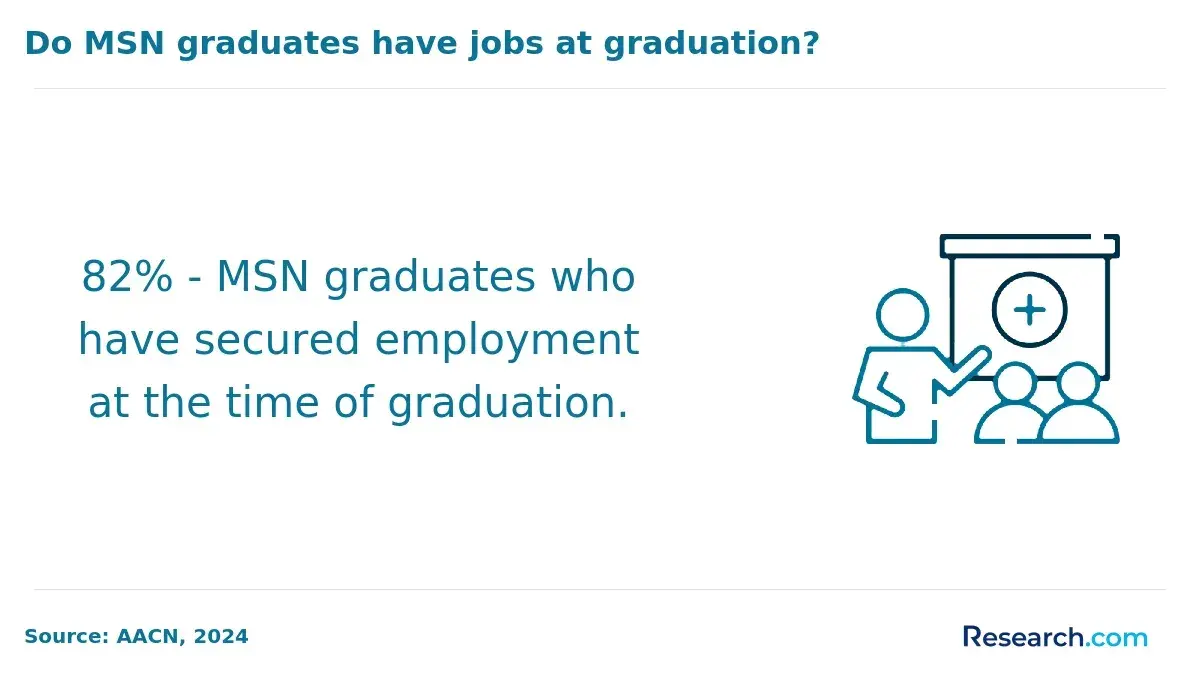
- On-campus clinical placements leverage Nevada's expanding healthcare facilities, offering hands-on experience and networking that boost job placement rates above 85% within six months.
- Programs emphasize leadership and advanced practice roles, aligning with Nevada's rising demand for MSN-prepared nurses in primary care and population health sectors.
- Who is eligible for a direct-entry MSN program in Nevada?
- How do online direct-entry MSN programs compare to campus programs in Nevada?
- What are the admission requirements for direct-entry MSN programs in Nevada?
- What courses are included in a direct-entry MSN program in Nevada?
- How does clinical experience differ between online and campus direct-entry MSN programs?
- How long does it typically take to complete a direct-entry MSN in Nevada?
- How much does a direct-entry MSN program cost in Nevada?
- What financial aid options do direct-entry MSN students have in Nevada?
- What jobs can graduates of direct-entry MSN programs get in Nevada?
- How much do direct-entry MSN graduates earn in Nevada?
Who is eligible for a direct-entry MSN program in Nevada?
Demand for direct-entry MSN programs in Nevada continues to grow, particularly among individuals with bachelor's degrees in non-nursing fields seeking to enter the healthcare sector swiftly. Approximately 30% of applicants to accelerated nursing programs nationwide are career changers, demonstrating a rising interest in nursing as a second profession. Knowing who qualifies for Nevada direct-entry MSN programs can help prospective students navigate eligibility requirements for direct-entry MSN Nevada more effectively and choose programs tailored to their backgrounds and goals.
- Career Changers: Individuals with degrees in unrelated fields who want to build a strong academic foundation in nursing can benefit greatly. These programs offer an accelerated route to registered nurse licensure while simultaneously working towards a master's degree, easing the transition without requiring a prior BSN.
- Professionals Seeking Advanced Roles: Those who already hold a bachelor's degree and desire an expedited pathway to advanced nursing practice find these programs well suited. They can quickly gain the credentials needed for leadership, clinical specialization, or educational roles within nursing.
- Individuals Leveraging Prior Education: Students who want to use their prior academic training to their advantage often seek direct-entry MSN programs. These offerings allow experienced learners to focus on nursing-specific competencies while applying their existing knowledge to accelerate mastery.
- Students Needing Flexible Learning Formats: Many prospective nurses pursue direct-entry MSN programs that provide both online and campus-based options. This flexibility helps balance educational commitments with current work, family, or other responsibilities, widening accessibility.
Those exploring the best pathways to transition into nursing will also want to consider future opportunities carefully. Understanding the value of highest paying nursing careers can guide decisions about educational investment and career planning within the Nevada healthcare landscape.
How do online direct-entry MSN programs compare to campus programs in Nevada?
Choosing between online direct-entry msn programs nevada and campus-based options is a critical decision for career changers aiming to enter nursing leadership roles swiftly. With over 40% of graduate nursing students nationwide opting for online education, understanding how these formats compare helps students find programs that fit their lifestyles without compromising educational quality. Below is a practical comparison to guide prospective students through the key differences and similarities.
Online Programs
- Curriculum Equivalency: Online direct-entry MSN programs in Nevada maintain rigorous standards matching those of campus programs, ensuring students gain essential nursing knowledge and skills required for licensure and advanced practice.
- Flexibility and Scheduling: These programs offer asynchronous coursework that allows students, especially working professionals, to study at convenient times without commuting, making it easier to balance education with personal and job responsibilities.
- Clinical Experience: Students complete required clinical placements locally or at approved facilities arranged through program advisors, providing practical hands-on training despite the program's remote delivery format.
- Interaction with Faculty and Peers: Online students engage via virtual platforms like discussion boards and video conferencing, promoting collaboration and mentorship; however, less in-person contact can limit immediate feedback and networking opportunities.
- Employer Perception: Growing acceptance of accredited online degrees means employers focus more on competencies and licensure than delivery format, but verifying program accreditation and clinical quality remains essential.
On-Campus Programs
- Curriculum Equivalency: Campus MSN programs provide the same comprehensive content and clinical competencies as their online counterparts, supported by uniform accreditation standards.
- Flexibility and Scheduling: These programs often follow fixed schedules with required attendance, which can challenge students balancing work or family commitments.
- Clinical Experience: On-campus students typically receive more frequent direct supervision during clinical rotations, benefitting from immediate faculty feedback and structured clinical environments.
- Interaction with Faculty and Peers: Face-to-face engagement facilitates stronger interpersonal connections, collaboration, and networking that can enrich the learning experience and professional development.
- Employer Perception: Some employers may still favor traditional campus degrees for perceived hands-on experience, although this gap continues to narrow with the rise of accredited online programs.
For those exploring nursing career options, understanding what requirements are needed to become a psychiatric nurse practitioner can also be useful in aligning educational choices with future specialization goals.
What are the admission requirements for direct-entry MSN programs in Nevada?
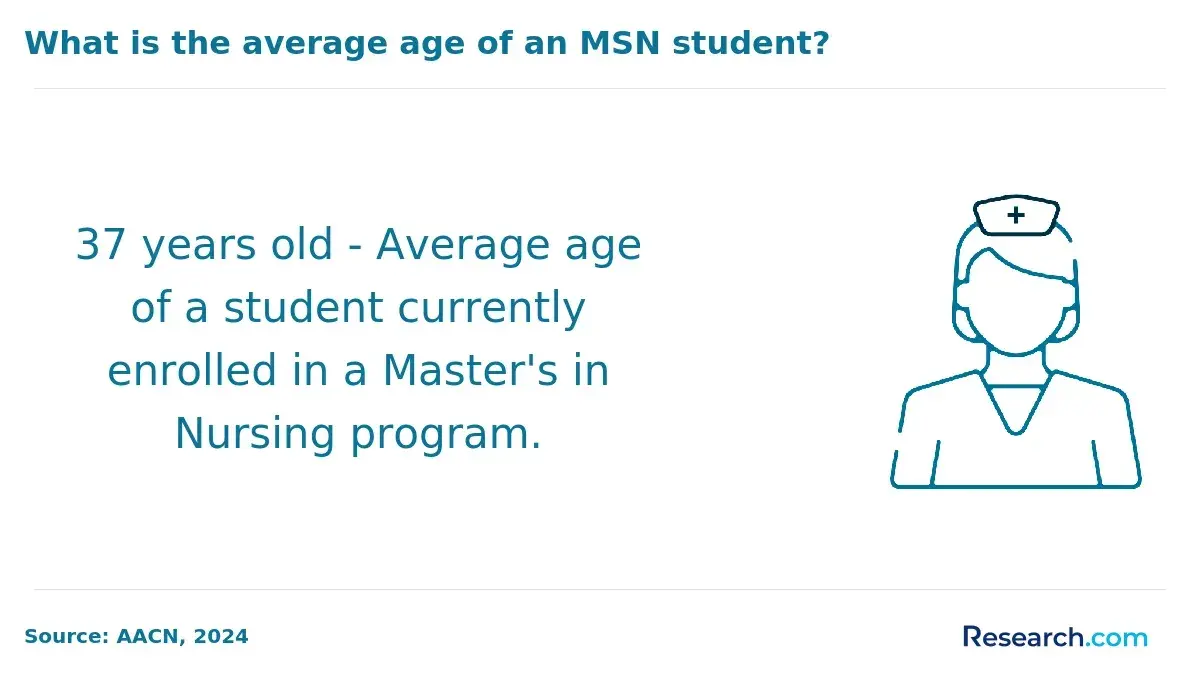
As demand for nursing professionals grows, applicants should carefully review direct-entry MSN admission requirements Nevada programs emphasize to better position themselves for acceptance. Nationwide, nursing program applications have surged by over 5% annually, reflecting increasing interest among those with non-nursing backgrounds pursuing advanced nursing careers. Here is a clear breakdown of key eligibility criteria for Nevada direct-entry MSN programs.
- Bachelor's Degree: Applicants must hold a bachelor's degree from an accredited institution, usually in a non-nursing field, which aligns with the direct-entry format designed for career changers.
- GPA Expectations: Most programs require a minimum cumulative undergraduate GPA of 3. 0 on a 4. 0 scale, though competitive programs may demand higher scores to ensure academic readiness.
- Prerequisite Coursework: Completion of foundational courses such as anatomy and physiology, microbiology, chemistry, statistics, and psychology is essential, providing necessary scientific and analytical skills for advanced nursing studies.
- Standardized Tests: Requirements vary; some programs ask for GRE or TEAS scores, while others waive testing based on strong academic records or professional experience.
- Letters of Recommendation: Two to three letters are commonly requested from professors or supervisors who can attest to the applicant's capability and commitment to graduate nursing education.
- Relevant Experience: Healthcare-related work, volunteer roles, or shadowing nursing professionals strengthen applications by demonstrating familiarity and dedication to the nursing field.
Prospective students may also find it helpful to explore resources on RN BSN to NP programs, which offer insights into nursing education pathways beyond direct-entry options.
What courses are included in a direct-entry MSN program in Nevada?
Direct-entry MSN programs in Nevada offer a carefully crafted curriculum that bridges the gap for individuals transitioning from non-nursing backgrounds into advanced nursing roles. This curriculum balances scientific foundations with practical skills to efficiently prepare students for real-world healthcare environments. Below is an outline of the key course categories designed to build your expertise and readiness for an advanced nursing career.
- Foundational Nursing Sciences: These courses provide essential knowledge in anatomy, physiology, microbiology, and medical terminology. This scientific base is critical for understanding patient care and developing clinical reasoning skills.
- Health Assessment: Focused on clinical evaluation techniques, this coursework trains students to perform detailed physical exams and gather comprehensive health histories, key skills for accurate patient assessment.
- Pharmacology and Pathophysiology: Coursework covers how medications affect the body and disease mechanisms. This knowledge ensures safe medication management and deepens understanding of patient symptoms and treatment responses.
- Clinical Practice and Simulation: Hands-on experiences through clinical rotations and simulation labs hone practical nursing skills and decision-making critical for effective patient care in healthcare settings.
- Nursing Leadership and Management: This area prepares students to lead healthcare teams by addressing healthcare policy, ethics, quality improvement, and effective coordination among professionals.
- Evidence-Based Practice: Students learn to interpret and apply scientific research to improve clinical outcomes and make informed decisions in nursing practice.
- Population and Community Health: Emphasizing public health principles, this coursework trains nurses to promote wellness and design care plans that consider diverse populations and social determinants of health.
- Advanced Nursing Concepts: Courses focus on complex care coordination, healthcare technology, and advanced clinical decision-making to equip students for specialized nursing roles and evolving healthcare challenges.
How does clinical experience differ between online and campus direct-entry MSN programs?
Clinical training is a vital part of direct-entry MSN education in Nevada, bridging classroom knowledge with real-world nursing. It prepares students to confidently meet state licensure requirements by completing essential supervised patient care hours. Differences in how this training is delivered between online and campus programs influence the student experience and strategies for success.
- Clinical Placements: Campus programs arrange placements through partnerships with local healthcare facilities, often nearby the campus, ensuring familiar environments. Online programs coordinate clinical sites near each student's residence, offering geographic flexibility and eliminating the need for relocation.
- Simulation Labs: On-campus students use high-fidelity, in-person simulation labs supervised directly by faculty, allowing immediate feedback. Online students access virtual or local simulation labs that meet accreditation standards through advanced technology, with remote faculty oversight.
- Supervision and Faculty Oversight: Campus students benefit from in-person supervision and immediate instructor feedback during clinical hours. Online students receive oversight through scheduled virtual check-ins and occasional on-site visits by clinical instructors.
- Scheduling Flexibility: Campus clinicals follow a structured weekly schedule integrated into class timetables, promoting routine practice. Online clinical scheduling is more flexible, accommodating work or family commitments, but requires careful time management.
- Hands-On Patient Care Experience: Both formats provide equivalent direct patient care hours, although campus students often work within community hospitals familiar to them, while online students gain diverse experiences locally, reflecting their residential areas.
One nurse who graduated from a Nevada direct-entry MSN program shared how adapting to online clinical training challenged her time management but expanded her network beyond local facilities. She described early nervousness coordinating her placements remotely and mastering virtual simulation technology but found the flexibility crucial while balancing a part-time job and family. Her experience highlighted that while campus clinicals felt more guided daily, online training cultivated greater independence and self-discipline, both equally preparing her for nursing practice with confidence.
How long does it typically take to complete a direct-entry MSN in Nevada?
Time-to-completion for direct-entry MSN programs in Nevada is a key factor for students transitioning from non-nursing backgrounds, as it influences financial planning, career momentum, and personal life adjustments. With the nursing workforce expected to grow 15% by 2031, completing education efficiently can help meet workforce demands and secure timely employment.
Typically, full-time direct-entry MSN programs take about 24 to 30 months, combining foundational nursing prerequisites with advanced coursework and clinical training. This period ensures students meet licensure requirements while gaining hands-on experience. Some programs offer accelerated paths lasting around 18 months; however, these require intense commitment and excellent time management. For those balancing work or family, part-time or extended options may stretch the timeline up to three years or more, allowing greater flexibility but a longer route to entering the profession.
Prior academic preparation significantly affects program length. Students with strong science backgrounds or completed nursing prerequisites often progress faster, while others may need to finish additional courses before starting core nursing studies. Evaluating individual qualifications and consulting program advisors can help plan realistic timelines and avoid unexpected delays.
Delivery formats also impact pacing. Online programs usually provide more flexibility, letting students accelerate or delay progress based on personal needs. Yet, clinical hours remain on-site, requiring coordination with local healthcare partners. In contrast, campus-based programs offer structured schedules and immediate resource access but may be less adaptable to personal circumstances. Prospective students should consider these factors carefully to select the structure that best supports their goals and lifestyle.
How much does a direct-entry MSN program cost in Nevada?
Students pursuing a direct-entry MSN program in Nevada can typically expect total tuition costs to range between $45,000 and $80,000. Understanding these costs is especially important for career changers, as they often need to budget for education while managing potential lost income during their transition into nursing.
Several key factors influence the overall cost of these programs. Consider the following:
- Program Length: The duration usually spans 2 to 3 years, with longer programs generally costing more due to additional tuition and fees. This applies to both online and on-campus students.
- Delivery Format: Tuition rates may vary slightly between online and on-campus options, but many schools price them similarly. Online students can often save money on commuting and housing expenses.
- Clinical and Lab Fees: Hands-on training is essential in nursing and usually involves extra fees, mainly affecting on-campus and hybrid students who attend in-person clinical sessions.
- Residency Status: Nevada residents generally qualify for reduced in-state tuition, while out-of-state students pay higher rates. This factor impacts tuition costs for both online and on-campus programs depending on the school's policies.
- Technology Fees: Online learners often encounter fees to cover digital platform access and virtual resources, though some on-campus students may also face technology-related charges.
- Prerequisite Coursework: Some candidates need to complete prerequisite classes before entering the MSN program, which adds to the total cost. These courses can be taken at various institutions regardless of program format.
What financial aid options do direct-entry MSN students have in Nevada?
Financing an advanced nursing degree through a direct-entry MSN program in Nevada can be a significant challenge, especially for students transitioning from non-nursing backgrounds. With around 80% of graduate nursing students depending on some form of financial aid, knowing the range of funding opportunities is crucial to making informed decisions and managing education costs effectively.
- Federal Financial Aid: Federal loans, including Direct Unsubsidized Loans and Grad PLUS Loans, are commonly accessible through the FAFSA application. These loans typically offer competitive interest rates and flexible repayment options, which benefit most graduate nursing students regardless of income level.
- State-Based Aid: Though more limited in Nevada, state programs like the Nevada State College Opportunity Scholarship may be available to some graduate students. Checking regularly with the Nevada System of Higher Education can reveal new scholarships or grants geared toward healthcare fields.
- Scholarships and Grants: Various nursing organizations, healthcare foundations, and community groups offer scholarships and grants that do not require repayment. These often prioritize students who plan to serve underserved communities or specialize in certain nursing fields, providing targeted financial relief.
- Employer Tuition Assistance: Many healthcare employers in Nevada support employees pursuing advanced degrees by offering tuition reimbursement programs. These programs often require a commitment to stay employed for a defined period after graduation, which can lighten financial burdens while maintaining work-study balance.
- Loan Repayment and Forgiveness Programs: Programs such as the Nevada State Loan Repayment Program (SRLP) and the federal Nurse Corps Loan Repayment Program provide significant loan forgiveness or repayment assistance in exchange for nursing service in shortage areas. These incentives can dramatically reduce student debt post-graduation.
A graduate of a direct-entry MSN program in Nevada once reflected on his experience managing financial aid: "Navigating funding options felt overwhelming at first, especially balancing deadlines and eligibility requirements while working part-time. Applying for federal loans was straightforward, but finding scholarships targeted to career-changers required persistent searching and outreach to nursing groups. The employer tuition assistance program I secured was a game changer-it allowed me to attend classes without feeling financially stretched while knowing I had to commit to the hospital afterward. Looking back, the complex process was also empowering; it taught me to be proactive about my education and seek out every resource possible to ease the financial load. "
What jobs can graduates of direct-entry MSN programs get in Nevada?
A direct-entry MSN in Nevada equips individuals with a non-nursing bachelor's degree to quickly gain essential clinical skills and graduate-level knowledge needed for professional nursing and advanced practice-adjacent roles within the state's healthcare system. This foundation opens multiple pathways for career development in various healthcare settings.
Common career paths for graduates of direct-entry MSN programs in Nevada include:
- Registered Nurse (RN): Graduates are eligible to take the NCLEX-RN exam for licensure. RNs deliver direct patient care, administer medications, and collaborate with healthcare teams in hospitals, outpatient clinics, long-term care, and community health organizations. This role does not generally require additional certification beyond RN licensure.
- Nurse Educator: These professionals design curricula and teach nursing students or staff nurses, working in academic institutions or hospital education departments. Additional teaching certification or experience may be needed after graduation.
- Clinical Nurse Leader (CNL): CNLs oversee patient care coordination and improve care quality at the unit level, often in hospitals or outpatient settings. Certification and post-master's clinical hours are typically required.
- Public Health Nurse: Focused on community health promotion and disease prevention, public health nurses work for health departments and community organizations. Additional public health nursing certification or licensure might be necessary depending on the employer.
- Nurse Administrator or Manager: These roles involve managing nursing staff, budgets, and operations in hospitals or healthcare systems. While extra licensure is uncommon, strong leadership skills from the MSN are essential.
Graduates pursuing direct-entry MSN nursing jobs in Nevada should consider these diverse opportunities and plan for any additional certification or clinical experience needed. For those interested in advancing to specialized roles, the easiest neonatal nurse practitioner online program to get into can offer a practical next step in their career.
How much do direct-entry MSN graduates earn in Nevada?
Direct-entry MSN graduates in Nevada earn an average salary ranging between $75,000 and $100,000 annually, which is a key factor when planning careers and assessing the return on investment for advanced nursing education. Knowing the earning potential helps prospective nurses identify which roles align best with their financial and professional goals in the healthcare field.
- Registered Nurse (RN): Salaries for RNs with an MSN generally fall between $70,000 and $90,000. Earnings vary based on experience, with urban areas like Las Vegas typically offering higher pay than rural locations, and hospitals often provide better compensation than smaller clinics.
- Clinical Nurse Leader: This role commands between $80,000 and $100,000 annually, influenced by factors such as length of experience and the employer's size and specialization. Nurses in larger healthcare centers or specialty practices tend to earn more.
- Nurse Manager: Nurse managers can expect salaries ranging from $90,000 to $110,000. Leadership experience and working in busy urban hospitals or specialty facilities usually result in higher wages compared to public health organizations.
- Nurse Educator: Nurse educators earn between $75,000 and $95,000. Salary differences depend on the setting-academic institutions or private healthcare organizations often pay more-and on certifications and experience level.
To maximize salary potential as a direct-entry MSN graduate in Nevada, consider factors such as geographic location and employer type. For those seeking cost-effective education that leads to these advanced roles, exploring options like most affordable online agnp programs can offer flexible pathways to enter high-demand nursing specialties and improve earnings over time.
What Graduates of Direct-Entry MSN Programs in Nevada Say About Their Degree
- The hybrid direct-entry MSN program in Nevada exceeded my expectations by offering flexible learning that balanced perfectly with my busy family life. Completing the program gave me the credentials and confidence to start a rewarding teaching role at Desert Willow Elementary School. The faculty's support and the practical experiences tailored to Nevada's diverse communities enriched my ability to connect with students from all backgrounds. I'm truly passionate about inspiring young minds and contributing positively to my local community's future. Ayesha
- Transitioning into healthcare through the online direct-entry MSN program was a transformative journey that opened new career doors for me. The rigorous curriculum, combined with clinical placements throughout Nevada, prepared me to start my new profession with strong skills and adaptability. I appreciate how the program accommodated working students and emphasized Nevada's unique healthcare challenges, which made me feel ready and confident. This degree marked the beginning of a fulfilling path dedicated to patient care and lifelong learning. Luis
- My experience with the on-campus direct-entry MSN program in Nevada was one of profound personal and professional growth. The opportunity to engage with local community health initiatives allowed me to develop a deeper understanding of the social determinants affecting our state. Studying in an environment that embraces Nevada's distinct cultural fabric helped me prepare for a career focused on equity and advocacy in nursing. I now look forward to advancing professionally and making a measurable impact on public health outcomes. Chloe
Related Articles for Nearby States
- Best Direct-Entry MSN Programs in California: Online & Campus for 2027
- Best Direct-Entry MSN Programs in Oregon: Online & Campus for 2027
- Best Direct-Entry MSN Programs in Idaho: Online & Campus for 2027
- Best Direct-Entry MSN Programs in Arizona: Online & Campus for 2027
- Best Direct-Entry MSN Programs in Utah: Online & Campus for 2027
- Best Direct-Entry MSN Programs in Washington: Online & Campus for 2027
- Best Direct-Entry MSN Programs in Montana: Online & Campus for 2027
- Best Direct-Entry MSN Programs in Wyoming: Online & Campus for 2027
- Best Direct-Entry MSN Programs in Colorado: Online & Campus for 2027
- Best Direct-Entry MSN Programs in New Mexico: Online & Campus for 2027
References:
- BSN Salary in Nevada | RN-BSN Salary in NV https://www.bsnedu.org/nevada-salary/
- MSN Salary | APRN | Nurse Practitioners, Anesthetists, Midwives, Educators, Administrators https://www.rntomsnedu.org/salaries/
- College of Nursing - Roseman University https://www.roseman.edu/academic-programs/college-of-nursing/
- Online Nursing Schools in Nevada: Finding the Right Program https://www.edumed.org/online-schools/nursing-rn-programs/nevada/
- MSN Tuition & Fees https://tun.touro.edu/programs/nursing/msn-program/msn-tuition-fees/
- Nursing School in Nevada https://www.chamberlain.edu/nursing-school/nevada
- Master of Science in Nursing: Direct Entry (Generalist) https://www.alfabetaglobal.com/schools/university-of-nevada-las-vegas/programs/master-of-science-in-nursing-direct-entry-generalist-cc07bdcf-e0a1-403a-99e0-8732580115c9
- Pros and Cons of the Direct-Entry MSN Program https://www.registerednursing.org/articles/pros-cons-direct-entry-msn/
- Is An MSN Degree Worth It? | Salary & Guide 2025 https://nurse.org/articles/advantages-drawbacks-msn-masters-science-nursing/
- Nurse Salary https://nursinglicensemap.com/resources/nurse-salary/
Other Things You Should Know About The Best Direct-Entry MSN Programs in Nevada
In 2027, Nevada offers limited options for direct-entry MSN programs, with notable choices such as the University of Nevada, Las Vegas, providing both online and campus-based courses tailored for students transitioning into nursing without a prior nursing degree.
Getting into a direct-entry MSN program in Nevada can be moderately competitive. These programs have limited seats and attract many applicants, so meeting the minimum requirements is essential. Most programs require a bachelor's degree in a non-nursing field, a strong GPA, and prerequisite science courses. Some may also require entrance exams, interviews, or healthcare experience. Admissions committees look for academic readiness and a clear commitment to nursing. Applicants should prepare carefully to meet these criteria and submit complete applications. Overall, persistence and thorough preparation improve the chances of acceptance into Nevada's direct-entry MSN programs.
Yes, you can become a Nurse Practitioner (NP) in Nevada with a direct-entry Master of Science in Nursing (MSN) program. These programs are designed for individuals who hold a bachelor's degree in a non-nursing field and wish to transition into advanced nursing roles.
Direct-entry MSN programs combine foundational nursing education and advanced practice training. Upon completion, graduates are eligible to take the National Council Licensure Examination for Registered Nurses (NCLEX-RN) and pursue NP certification. Nevada requires licensure through the state board for NP practice, which includes meeting educational and certification standards.
Careful program selection is important to meet state licensure requirements and career goals.


![2027 Best Advanced Standing Online MSW Programs [CSWE Accredited] thumbnail](/uploads/Online_Advanced_Standing_MSW_301dbd5368.jpg)


