
Best Direct-Entry MSN Programs in Iowa: Online & Campus for 2027

Co-Founder and Chief Data Scientist
Many Iowa residents with bachelor's degrees outside nursing face uncertainty when seeking accelerated MSN programs to enter the nursing workforce. Iowa expects a 15% growth in registered nurse employment by 2030, intensifying demand for qualified nurses through direct-entry MSN pathways.
This article reviews the best online and campus-based direct-entry MSN options available in Iowa. Prepared by career planning experts, it offers practical guidance to help prospective nurses select programs that align with their goals and overcome educational barriers efficiently.
Key Benefits of Direct-Entry MSN Programs in Iowa
- Direct-entry MSN programs in Iowa combine theory and hands-on clinical experience, meeting the state's growing demand for qualified nurses, which is projected to increase by 15% through 2030.
- Online and campus options offer flexible pacing and scheduling, helping recent graduates and career changers balance studies with work or family obligations in rural and urban areas alike.
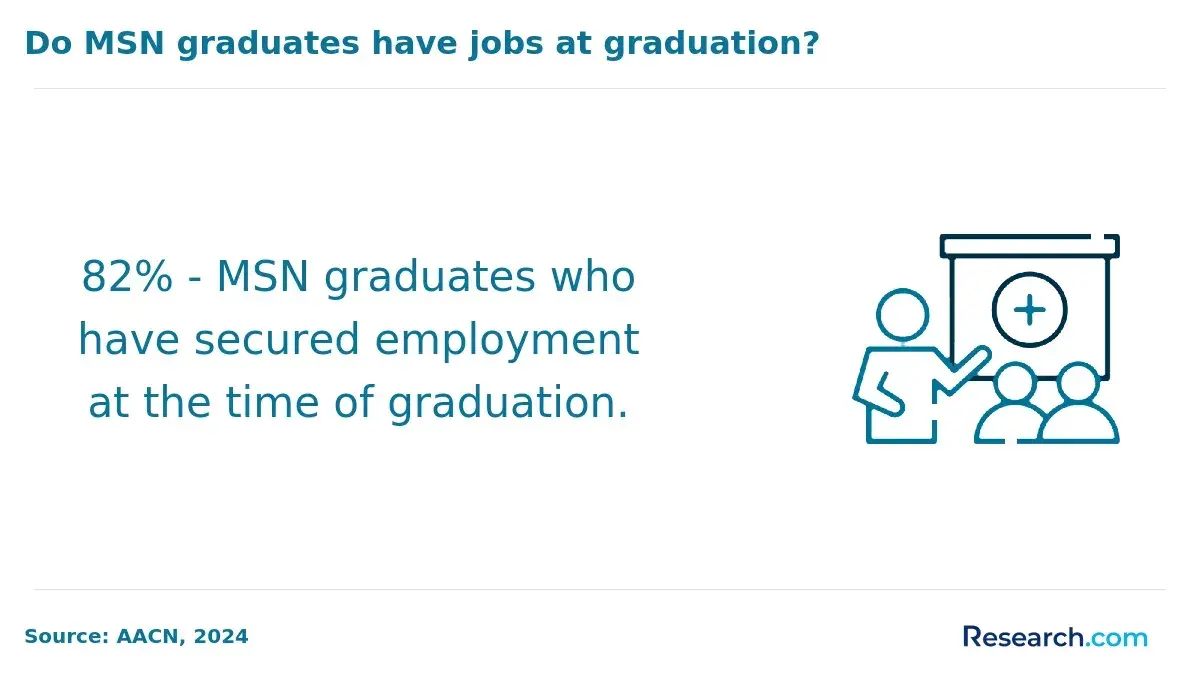
- Graduates benefit from strong local healthcare networks and job placement rates above 85%, supporting smooth transitions into Iowa's expanding nursing workforce.
- Who is eligible for a direct-entry MSN program in Iowa?
- How do online direct-entry MSN programs compare to campus programs in Iowa?
- What are the admission requirements for direct-entry MSN programs in Iowa?
- What courses are included in a direct-entry MSN program in Iowa?
- How does clinical experience differ between online and campus direct-entry MSN programs?
- How long does it typically take to complete a direct-entry MSN in Iowa?
- How much does a direct-entry MSN program cost in Iowa?
- What financial aid options do direct-entry MSN students have in Iowa?
- What jobs can graduates of direct-entry MSN programs get in Iowa?
- How much do direct-entry MSN graduates earn in Iowa?
Who is eligible for a direct-entry MSN program in Iowa?
Nearly one-third of students entering direct-entry MSN programs nationally are career changers, demonstrating a strong shift toward nursing from diverse educational backgrounds. Recognizing who these programs serve helps prospective students evaluate if their goals align with the unique structure of direct-entry MSN offerings. This is especially relevant for those seeking clarity about direct-entry MSN eligibility Iowa and the requirements for MSN programs in Iowa.
- Career Changers: Individuals with a bachelor's degree outside of nursing who want to switch to a stable, rewarding profession benefit greatly. These students appreciate accelerated curricula that quickly prepare them for nursing licensure and practice, providing a practical route to reimagine their careers.
- Non-Nursing Graduates: Those holding degrees in unrelated fields often seek to leverage their academic experience while acquiring comprehensive clinical training. Direct-entry MSN programs give them access to nursing knowledge and skills without requiring an initial BSN, easing the transition to the nursing profession.
- Professionals Seeking Accelerated Advanced Roles: Some candidates aim straight for advanced practice or leadership roles, such as nurse practitioners or clinical nurse leaders. These learners prefer a program that combines foundational nursing education with graduate-level training to shorten the time to degree completion and licensure.
For individuals exploring their options, understanding these categories clarifies program fit and future career trajectory. Additionally, those curious about advanced nursing roles might also consider researching which is better dnp vs fnp to make an informed decision on their path forward.
How do online direct-entry MSN programs compare to campus programs in Iowa?
Choosing between online direct-entry MSN programs iowa and campus-based options is a key decision for students seeking to advance their nursing careers from a non-nursing bachelor's degree. Notably, enrollment in online nursing graduate programs has grown by about 40% nationally over the past five years, reflecting increasing acceptance of remote learning. Examining how these delivery formats compare can help students select the best fit for their professional goals and lifestyle.
Online Programs
- Curriculum Equivalency: Online direct-entry MSN programs deliver the same foundational coursework and clinical competencies as campus programs. Both must meet accreditation standards, ensuring consistent educational quality across delivery formats.
- Flexibility and Scheduling: Asynchronous coursework allows students to study at their own pace and balance education with work or personal commitments. This flexibility is ideal for those needing adaptable schedules.
- Clinical Experience: Clinical placements are arranged locally to accommodate students' locations, although coordinating these can require more proactive effort. Regulatory standards guarantee comparable hands-on training hours.
- Interaction with Faculty and Peers: Video conferencing, discussion boards, and virtual simulations facilitate engagement. While different from face-to-face interaction, these tools support meaningful communication and community building.
- Employer Perception: Employers increasingly recognize the rigor and legitimacy of accredited online MSN programs. However, preferences may vary depending on institutional culture, so students should research specific employer expectations in their region.
On-Campus Programs
- Curriculum Equivalency: Campus programs follow the same accredited curriculum, providing direct access to faculty and campus resources. This setup supports immersive learning and immediate feedback.
- Flexibility and Scheduling: Fixed schedules with set class times may present challenges for working students but foster structured learning and routine.
- Clinical Experience: Established partnerships with clinical sites often simplify placement logistics, offering students consistent sites for hands-on experience.
- Interaction with Faculty and Peers: Face-to-face engagement promotes spontaneous collaboration and networking opportunities, which can enhance learning and professional relationships.
- Employer Perception: Some traditional employers prefer campus-trained nurses due to familiarity with the delivery format. This preference varies but can influence early career opportunities.
For those interested in specialized nursing careers, exploring how to become a forensic nurse can provide additional insight into advanced practice roles following MSN completion.
What are the admission requirements for direct-entry MSN programs in Iowa?
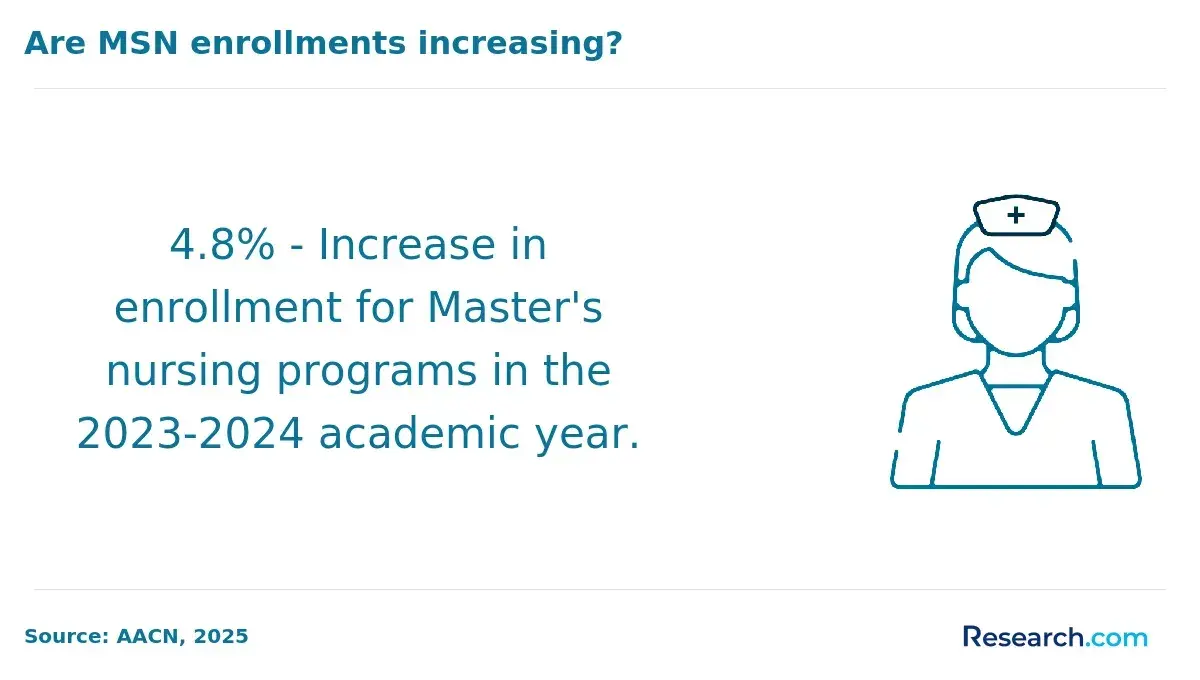
Navigating admission requirements for direct-entry MSN programs in Iowa is crucial for prospective students holding a bachelor's degree in a non-nursing field. With applications to accelerated nursing programs growing by over 20% nationwide, competition is increasing, making a clear understanding of eligibility criteria essential. Here is a practical breakdown of key requirements to prepare your application effectively.
- Prior Degree: A completed bachelor's degree from an accredited institution is mandatory. Programs seek candidates with strong academic foundations outside of nursing.
- GPA Expectations: Most programs require a minimum cumulative GPA around 3. 0, though higher GPAs improve competitiveness due to rising demand for direct-entry MSN admission requirements Iowa.
- Prerequisite Coursework: Courses in anatomy, physiology, microbiology, chemistry, statistics, and occasionally nutrition or psychology are necessary to ensure adequate scientific background.
- Standardized Tests: GRE requirements vary; some programs waive this based on academic history or professional experience.
- Letters of Recommendation: Two to three references from academic instructors or healthcare supervisors help illustrate readiness for graduate-level nursing and leadership potential.
- Relevant Experience: Healthcare or volunteer work, such as EMT roles or community health involvement, strengthens applications by showing commitment to nursing.
For those exploring advanced nursing education paths, including online options, reviewing acute care nurse practitioner programs online can provide valuable insights into career progression after MSN completion.
What courses are included in a direct-entry MSN program in Iowa?
Direct-entry MSN programs in Iowa equip career changers with the essential knowledge and skills needed to enter the nursing profession and advance into leadership roles. The curriculum balances scientific fundamentals with practical clinical experience, ensuring students develop competence and confidence in diverse healthcare settings. Below is an overview of the core course categories and how each contributes to preparing students for successful nursing careers.
- Foundational Nursing Sciences: These courses build a strong scientific base by covering human anatomy, physiology, microbiology, and basic health sciences. They are critical for understanding the body's normal function and the biological factors affecting patient care.
- Health Assessment: This coursework teaches systematic techniques for conducting physical exams and obtaining health histories. Mastery of assessment skills is essential for accurate diagnosis and effective care planning.
- Pharmacology and Pathophysiology: Students learn about drug mechanisms, interactions, and the physiological changes caused by illnesses. This knowledge supports safe medication administration and management of complex conditions.
- Clinical Practice and Simulation: Hands-on training in clinical settings and simulation labs allows students to apply theoretical concepts in real-world environments. This practical experience hones clinical judgment and patient care skills.
- Nursing Leadership and Management: Courses in this area develop abilities in healthcare policy, team leadership, and organizational management. Graduates are prepared to influence nursing practice and drive system improvements.
- Evidence-Based Practice: Emphasis on research skills enables students to critically analyze scientific evidence and integrate findings into clinical decisions. This approach ensures care is grounded in the latest knowledge.
- Population Health and Community Nursing: Instruction covers health promotion, disease prevention, and public health strategies. Nurses learn to address the needs of communities and diverse populations effectively.
- Advanced Nursing Concepts: Specialized topics prepare students for roles like nurse practitioners or clinical nurse leaders, focusing on complex care management, ethics, and collaboration across disciplines.
How does clinical experience differ between online and campus direct-entry MSN programs?
Clinical training is essential in direct-entry MSN programs in Iowa, serving as the foundation for developing practical nursing skills and clinical judgment. This hands-on experience ensures students meet licensure requirements and are well-prepared to provide safe and effective patient care. While both online and campus programs deliver rigorous clinical education, their approaches to clinical experiences show some meaningful differences.
- Clinical Placement Coordination: Campus programs arrange clinical placements through established partnerships with local healthcare facilities, offering students placements close to campus and direct faculty involvement. Online programs rely on clinical placement coordinators who help students find approved sites near their homes, offering more geographical flexibility.
- Simulation Labs Access: On-campus students benefit from in-person simulation labs that provide realistic practice scenarios under faculty supervision. Online learners typically access virtual simulation labs or practice at affiliated locations, maintaining similar rigor though in different formats.
- Supervision and Faculty Oversight: Campus-based students have immediate access to faculty mentors and on-site supervision during clinical hours. Online students are supported remotely but still receive direct oversight from qualified preceptors and faculty to ensure competency standards are met.
- Scheduling Flexibility: Campus programs usually require fixed clinical rotation hours aligned with facility schedules. Online programs often offer more flexible scheduling to accommodate students balancing work or family commitments.
- Hands-On Patient Care Experience: Both program types guarantee direct patient interaction during clinical rotations, debunking myths that online programs lack real-world training despite remote coursework components.
One nurse who graduated from an Iowa direct-entry MSN program shared that while she valued the structured environment of the campus program for its immediate feedback and community feel, the online program's flexibility made it possible to complete clinical hours around her job and family life. She recalled initial anxiety about finding clinical sites near her rural home but appreciated the placement coordinator's guidance, which eased this process. Her clinical preceptors were highly engaged, ensuring her learning never felt remote. Reflecting on her journey, she emphasized that each format offered distinct challenges but both equally prepared her for nursing practice, underscoring the importance of proactive communication and time management in successfully navigating either path.
How long does it typically take to complete a direct-entry MSN in Iowa?
Time-to-completion is a key factor for students entering nursing from other fields because it directly affects career timelines and financial planning. With the growing demand for nurses, many direct-entry Master of Science in Nursing (MSN) programs in Iowa offer varied pacing options to help students enter the workforce efficiently. In fact, accelerated nursing programs have become increasingly popular, allowing faster transitions into nursing roles.
Typically, full-time direct-entry MSN programs take about 2 to 3 years, or 24 to 36 months, to complete. These standard timelines balance coursework, clinical hours, and skill development needed for licensure. For students looking to finish sooner, some programs provide accelerated tracks that condense study into roughly 18 months by increasing course loads and clinical requirements. Alternatively, extended or part-time formats offer flexibility for those balancing jobs or family commitments but may lengthen completion beyond three years.
Prerequisite coursework also plays a significant role in determining program length. Students with strong science and health-related backgrounds often move more quickly through the curriculum, while those needing to complete foundational prerequisites should expect additional semesters or quarters. These preparatory requirements are essential to ensure readiness for advanced nursing studies.
Online direct-entry MSN options can provide flexible pacing compared to traditional campus formats, though clinical placements remain necessary in both settings. This flexibility can help students tailor their schedules effectively but does not typically reduce clinical hour requirements required for hands-on training.
When choosing a program, students should carefully consider their prior preparation and desired pacing to select a path that fits their goals and life circumstances while maintaining progress toward licensure and career advancement.
How much does a direct-entry MSN program cost in Iowa?
Students pursuing a direct-entry Master of Science in Nursing (MSN) program in Iowa can typically expect total tuition costs to range between $40,000 and $80,000. Being aware of these costs is particularly important for career changers who must balance educational expenses with other financial responsibilities while transitioning into nursing.
Several key factors influence the total cost of direct-entry MSN programs in Iowa:
- Program Length: Most programs last 2 to 3 years, with longer durations generally resulting in higher tuition due to more credit and clinical hours. This factor impacts both online and on-campus students.
- Delivery Format: Online programs can reduce commuting and housing costs but may include technology fees. On-campus programs usually have higher tuition and require budgeting for campus resources.
- Clinical and Lab Fees: Hands-on experience is essential in nursing education, and fees for clinical and lab courses cover supplies, supervision, and facilities. These fees are common in both delivery formats but tend to be higher for on-campus students.
- Residency Status: In-state residents often benefit from reduced tuition rates at public universities, primarily affecting on-campus programs. Online tuition is frequently uniform regardless of residency.
- Technology Fees: Online students usually pay technology fees to support virtual learning platforms, while on-campus students may face lower or bundled technology costs.
- Prerequisite Coursework: Career changers without nursing backgrounds may need extra prerequisite classes, which add to overall costs. These courses vary in price depending on the institution and delivery method and affect both online and on-campus paths.
What financial aid options do direct-entry MSN students have in Iowa?
For individuals pursuing a nursing career through direct-entry MSN programs in Iowa, financial aid is a crucial consideration due to the significant costs involved in advanced nursing education. Nationwide, about 82% of graduate nursing students depend on some form of financial assistance to help manage tuition and living expenses, making it essential to explore all available funding resources. The range of options includes federal and state aid, scholarships, employer support, and loan forgiveness programs tailored to nursing students' unique needs.
- Federal Loans: These include Direct Unsubsidized Loans and Grad PLUS Loans, which require submitting the FAFSA. They feature fixed interest rates and flexible repayment plans, helping students cover both tuition and living costs during their studies.
- State-Based Aid: Iowa offers programs like the Nurse Education Assistance Loan Program, which provides forgivable loans to nursing students who commit to working in underserved areas. This option benefits those wishing to lower debt while serving critical community healthcare needs.
- Scholarships and Grants: Available through professional nursing organizations, community foundations, and employer programs, these awards usually do not require repayment. They may be merit- or need-based, providing valuable financial relief to reduce out-of-pocket expenses.
- Employer Tuition Assistance: Healthcare employers sometimes cover partial or full tuition costs in return for a service commitment. This mutually beneficial arrangement supports workforce development and helps employed students ease their educational expenses.
- Loan Repayment and Forgiveness Programs: Programs like the Nurse Corps Loan Repayment offer financial incentives for nurses working in shortage areas, including many parts of Iowa. These initiatives encourage graduates to fill high-demand roles while reducing their overall debt burden.
A graduate of a direct-entry MSN program in Iowa shared his experience navigating financial aid. Initially overwhelmed by the complexity of applications and eligibility rules, he found that breaking down each option step-by-step made the process manageable. The state's forgivable loan program was particularly instrumental, as it aligned with his desire to work in rural clinics. Employer tuition assistance later supplemented his funding when he secured a job at a hospital during his program. Reflecting on the journey, he emphasized the importance of persistence and proactive research in successfully assembling his financial aid package, which ultimately allowed him to focus on his studies without the constant worry of debt. This experience highlighted that while the process can be challenging, a combination of diverse aid options can make advanced nursing education accessible and achievable for career changers in Iowa.
What jobs can graduates of direct-entry MSN programs get in Iowa?
A direct-entry MSN in Iowa equips graduates holding a non-nursing bachelor's degree with comprehensive nursing education and clinical training to enter professional nursing and advanced practice-adjacent roles within the state's healthcare system. These programs prepare students for licensure and lay the foundation for various nursing career opportunities.
Graduates can pursue several career paths, including:
- Registered Nurse (RN): Provides direct patient care, administers medications, monitors patient status, and collaborates with healthcare teams. RNs work in hospitals, outpatient clinics, long-term care facilities, and community health settings. Iowa licensure as an RN requires passing the NCLEX-RN exam.
- Clinical Nurse Leader (CNL): Oversees clinical operations, coordinates care delivery, and implements quality improvement initiatives to enhance patient outcomes. Typically employed in hospital units or community health organizations, additional CNL certification may be beneficial but is not always mandatory.
- Public Health Nurse: Focuses on population health, disease prevention, and health education in public health departments or community organizations. This role requires RN licensure and benefits from public health certifications to expand employment options.
- Nurse Educator: Teaches nursing students or staff, develops curricula, and engages in academic research in colleges, universities, or healthcare facilities. A master's degree is the minimum credential, with some roles requiring extra teaching qualifications.
- Case Manager or Care Coordinator: Manages and coordinates patient care plans, collaborating with multidisciplinary teams across healthcare and insurance settings. Certification in case management is preferred but not always required at the start.
For those seeking advancement beyond initial RN licensure or interested in specialized roles, additional certifications or post-master's clinical experience may be necessary. Exploring the list of best nurse practitioner online programs can provide further pathways for career growth for direct-entry MSN graduate nursing jobs in Iowa.
How much do direct-entry MSN graduates earn in Iowa?
Direct-entry MSN graduate salaries in Iowa generally range between $65,000 and $90,000 per year, reflecting a strong earning potential for this career path. Knowing these figures is crucial for calculating return on investment and making informed career choices.
- Registered Nurse (RN): Typically earning between $60,000 and $75,000 annually, RNs in Iowa represent the largest group of direct-entry MSN graduates. Salaries can vary depending on experience level and whether nurses work in urban or rural settings.
- Clinical Nurse Leader: Clinical nurse leaders earn around $70,000 to $85,000 per year. Their advanced skills and leadership duties often lead to higher pay, especially in metropolitan hospitals and specialized healthcare facilities.
- Nurse Manager: At the upper end, nurse managers command $80,000 to $95,000 annually, reflecting their managerial responsibilities. Earnings can improve further with experience, additional certifications, and employer size or type.
- Nurse Educator: Nurse educators earn roughly $70,000 to $90,000 per year, combining clinical experience with teaching roles. Institutions in larger cities or academic hospitals tend to offer better compensation packages.
Factors such as geographic location, employer type, and experience level significantly influence wage variations. For those considering direct-entry MSN programs, exploring options in both online and campus-based settings can help optimize earning potential. Prospective nurses can also benefit from reviewing a list of most affordable online nurse practitioner programs to balance cost with expected income growth in Iowa's competitive healthcare sector.
What Graduates of Direct-Entry MSN Programs in Iowa Say About Their Degree
- The hybrid direct-entry MSN program in Iowa gave me the flexibility to balance my family while diving deep into nursing practice. Starting my career at Roosevelt Elementary School has been truly rewarding, as I get to combine my passion for healthcare with educating young minds about wellness. Iowa's supportive community and excellent clinical resources prepared me to face real-world challenges with confidence. This journey not only enhanced my skills but also strengthened my commitment to making a positive impact on children's health in the local community. Andre
- Transitioning into healthcare was daunting, but completing the online direct-entry MSN program in Iowa changed my life. The program's rigorous curriculum and access to Iowa's healthcare networks provided a strong foundation for my new career. The state's diverse clinical settings offered invaluable hands-on experiences that helped me grow professionally. I'm proud to have started this meaningful path as a nurse, knowing I'm contributing to the well-being of Iowans while advancing in a stable, in-demand field. Lakshmi
- My time in the on-campus direct-entry MSN program in Iowa was transformative both personally and professionally. Leveraging Iowa's unique rural health challenges, I developed a deeper understanding of community health needs and innovative nursing strategies. After graduation, securing a position at Cedar Rapids High School allowed me to channel my passion into mentoring teens about healthy lifestyles and mental wellness. The program's emphasis on leadership has equipped me for ongoing career advancement and a lasting impact on the community's health landscape. Steven
Related Articles for Nearby States
- Best Direct-Entry MSN Programs in Minnesota: Online & Campus for 2027
- Best Direct-Entry MSN Programs in Wisconsin: Online & Campus for 2027
- Best Direct-Entry MSN Programs in Illinois: Online & Campus for 2027
- Best Direct-Entry MSN Programs in Nebraska: Online & Campus for 2027
- Best Direct-Entry MSN Programs in South Dakota: Online & Campus for 2027
- Best Direct-Entry MSN Programs in Missouri: Online & Campus for 2027
- Best Direct-Entry MSN Programs in Kansas: Online & Campus for 2027
- Best Direct-Entry MSN Programs in Indiana: Online & Campus for 2027
- Best Direct-Entry MSN Programs in North Dakota: Online & Campus for 2027
- Best Direct-Entry MSN Programs in Michigan: Online & Campus for 2027
References
- Masters in Nursing in Iowa | Online MSN Degree Programs for Nurse Practitioners in IA https://www.msnedu.org/iowa/
- Online Direct Entry MSN Program https://onlinedegrees.elmhurst.edu/programs/online-masters-entry-program-nursing
- 2026 Best Nurse Practitioner Programs in Iowa (Online & Campus Ranked) https://www.registerednursing.org/nurse-practitioner/programs/iowa/
- Master of Science in Nursing (MSN) https://www.mtmercy.edu/academics/programs/master-science-nursing
- MSN - Direct Entry https://www.herzing.edu/nursing/msn-direct-entry
- How Long Does It Take to Earn an MSN Degree? https://www.alliant.edu/blog/how-long-is-an-msn-program
- Top Direct Entry MSN Programs by State https://nurse.org/education/direct-entry-msn-programs-by-state/
- How Can I Become an NP without a Nursing Degree? https://www.npschools.com/blog/becoming-an-np-without-a-nursing-degree
- Master of Science in Nursing Degree https://www.trinitycollegeqc.edu/our-programs/nursing-programs/masters-of-science-nursing
- Master’s in Nursing Schools in Iowa https://www.rntomsn.com/states/iowa/
Other Things You Should Know About The Best Direct-Entry MSN Programs in Iowa
Direct-entry MSN programs in Iowa offer accelerated pathways for non-nursing graduates to become advanced practice nurses. These programs integrate foundational nursing skills with advanced clinical training, allowing for quicker entry into high-demand nursing roles, including nurse practitioner and leadership positions.
Getting into a direct-entry MSN program in Iowa is moderately competitive. These programs have selective admissions due to limited seats and growing demand from career changers. Applicants usually need a bachelor's degree in a non-nursing field, a strong academic record, and prerequisite science courses. Many programs also require letters of recommendation, healthcare experience, and a personal statement.
While the process is challenging, preparation and meeting all requirements can improve admission chances. Prospective students should research each program's specific criteria carefully and plan accordingly to strengthen their applications.
Admission requirements for direct-entry MSN programs in Iowa typically include a bachelor's degree in a non-nursing field, a minimum undergraduate GPA (often 3.0 or higher), prerequisite coursework in sciences, letters of recommendation, a personal statement, and sometimes relevant healthcare experience or a GRE score.


