
Best Direct-Entry MSN Programs in West Virginia: Online & Campus for 2027

Co-Founder and Chief Data Scientist
Many career changers in West Virginia are seeking direct-entry MSN programs that offer a faster pathway into nursing amid a growing workforce shortage. With the state projected to face a 15% gap in registered nurses by 2030, the need for efficient and high-quality training options is increasingly urgent.
This article reviews leading direct-entry MSN programs in West Virginia, both online and on campus, to help prospective students compare their best options. Developed by career planning experts, it provides clear, practical guidance to support confident decisions about entering the nursing profession.
Key Benefits of Direct-Entry MSN Programs in West Virginia
- Flexible online and campus programs allow working professionals to balance studies with job responsibilities, meeting the rising demand for advanced nurses in West Virginia's healthcare system, which anticipates a 15% growth by 2030.
- Direct-entry MSN curricula emphasize clinical experience and leadership development, equipping graduates to fill critical nurse practitioner and management roles as the state faces shortages in rural healthcare settings.
- Graduates benefit from strong state partnerships offering job placement and continuing education, reflecting West Virginia's commitment to doubling its advanced practice nursing workforce within the next decade.
- Who is eligible for a direct-entry MSN program in West Virginia?
- How do online direct-entry MSN programs compare to campus programs in West Virginia?
- What are the admission requirements for direct-entry MSN programs in West Virginia?
- What courses are included in a direct-entry MSN program in West Virginia?
- How does clinical experience differ between online and campus direct-entry MSN programs?
- How long does it typically take to complete a direct-entry MSN in West Virginia?
- How much does a direct-entry MSN program cost in West Virginia?
- What financial aid options do direct-entry MSN students have in West Virginia?
- What jobs can graduates of direct-entry MSN programs get in West Virginia?
- How much do direct-entry MSN graduates earn in West Virginia?
Who is eligible for a direct-entry MSN program in West Virginia?
In West Virginia, the rising interest in nursing careers among individuals with non-nursing bachelor's degrees is reshaping educational pathways. Nearly 30% of students entering nursing programs nationwide are career changers, signaling a significant shift toward accelerated, direct-entry options.
Recognizing who benefits most from direct-entry MSN programs in West Virginia helps clarify eligibility and optimizes support for these future nurses.
- Career changers: These individuals have previously earned degrees in fields such as business, education, or science and are motivated to transition swiftly into nursing. Direct-entry MSN programs provide a streamlined approach that accommodates their unique backgrounds and career goals without requiring a traditional BSN.
- Non-nursing graduates: Those who hold bachelor's degrees in unrelated disciplines but desire a comprehensive and graduate-level nursing education find these programs ideal. They combine foundational nursing knowledge with advanced clinical training, preparing graduates efficiently for licensure and practice.
- Professionals seeking accelerated pathways: Students balancing professional or personal obligations often prefer programs that shorten the timeline to advanced nursing roles. Direct-entry MSNs offer an intensive curriculum structure, enabling faster entry into the nursing workforce while earning a master's credential.
Given the evolving healthcare demands in West Virginia, incorporating direct-entry MSN eligibility requirements in West Virginia into planning helps institutions tailor admissions to these diverse applicant profiles. As the profession advances, these programs may increasingly attract those aiming for positions within some of the highest paying nursing job categories, making accelerated, inclusive educational models essential for meeting both workforce and economic needs.
How do online direct-entry MSN programs compare to campus programs in West Virginia?
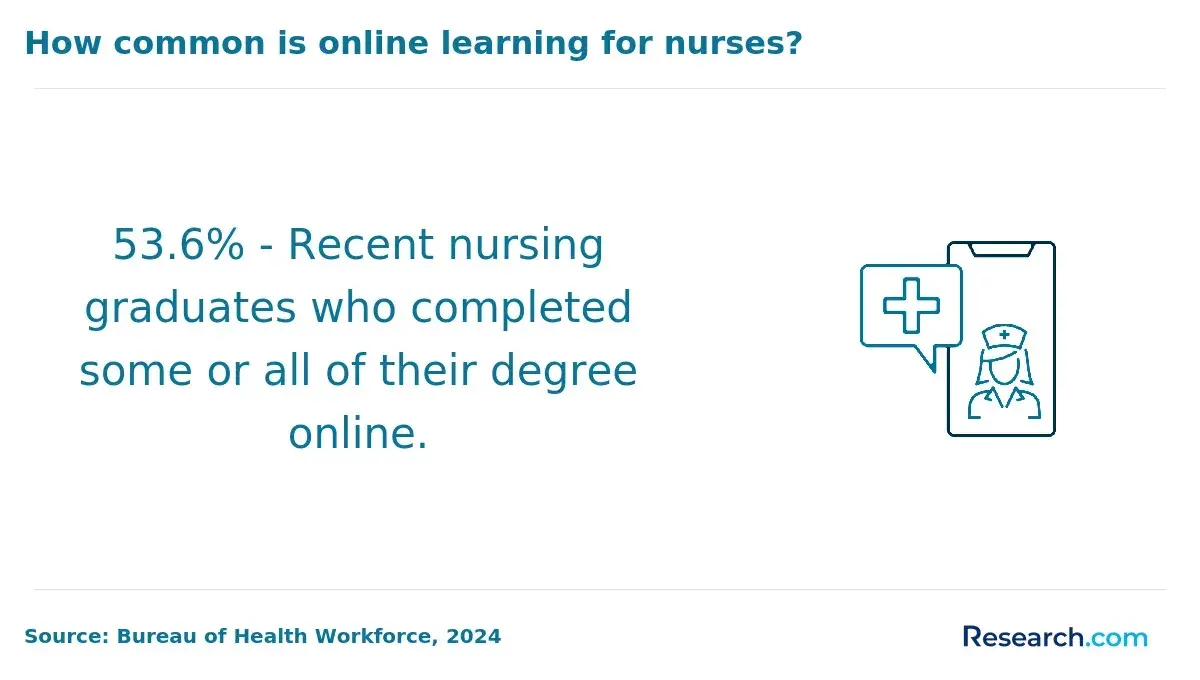
Choosing between online and campus direct-entry MSN programs in West Virginia is a critical decision for prospective nurses, especially as enrollment in online nursing programs has surged by over 50% in recent years. The method of delivery can greatly impact learning style, clinical exposure, and career outcomes.
This comparison explores key differences and similarities that can guide students toward the best fit for their goals.
Online Programs
- Curriculum Equivalency: Online direct-entry MSN programs maintain the same rigorous curriculum as traditional campus options, encompassing nursing theory, leadership, research, and clinical requirements to meet accreditation and licensing standards.
- Flexibility and Scheduling: Online programs excel at accommodating working professionals and those with family commitments by offering adaptable schedules and eliminating the need for fixed class times, enabling students to balance education with other responsibilities.
- Clinical Experience: Students arrange local in-person clinical placements, often coordinated with nearby healthcare facilities, ensuring practical skill development despite physical distance from the institution.
- Interaction with Faculty and Peers: Virtual platforms support discussions and group work, though students must proactively engage to build networks; this fosters independent learning but may lack the immediacy of face-to-face collaboration.
- Employer Perception: Increasingly, employers recognize accredited online MSN degrees as equal to campus credentials, particularly when clinical competencies are well demonstrated, signaling a shift in hiring practices within West Virginia healthcare settings.
On-Campus Programs
- Curriculum Equivalency: Campus-based programs offer identical content and outcomes, preparing students to meet the same professional standards required for advanced practice roles.
- Flexibility and Scheduling: These programs typically require fixed class schedules and daily attendance, which can be less accommodating for those balancing work or personal obligations.
- Clinical Experience: Clinical hours are often completed through partnerships with affiliated hospitals, providing structured hands-on training within institutional networks.
- Interaction with Faculty and Peers: The traditional environment supports immediate access to mentorship and rich interpersonal engagement, enhancing networking and collaborative learning opportunities.
- Employer Perception: Some employers continue to favor graduates of campus programs due to perceived advantages in clinical exposure and peer interaction, though this gap is narrowing as online programs gain credibility.
For those exploring the online versus campus direct-entry MSN West Virginia options, insights into scheduling and clinical arrangements are vital. Understanding specific requirements to become a womens health nurse practitioner can also influence program choice and future specialization paths.
What are the admission requirements for direct-entry MSN programs in West Virginia?
Competition for direct-entry MSN programs in West Virginia is growing, with nursing programs nationwide seeing application increases of over 5% annually. Prospective students who hold a bachelor's degree in a non-nursing field must meet specific admission criteria to position themselves competitively.
Future trends suggest these requirements may evolve to emphasize a combination of academic performance, practical experience, and demonstrated commitment. Below is a detailed breakdown of typical program requirements.
- Prior Degree: Applicants need a bachelor's degree from an accredited institution in a non-nursing field to transition into nursing at an advanced level.
- GPA Expectations: A minimum cumulative GPA of about 3. 0 on a 4. 0 scale is typically required, with some programs setting higher thresholds for science and health-related prerequisite courses.
- Prerequisite Coursework: Foundational courses such as anatomy and physiology, microbiology, chemistry, statistics, and psychology must be completed, usually with a grade of C or higher, before enrollment.
- Standardized Tests: The GRE is sometimes required but increasingly waived based on academic history or work experience, reflecting a growing trend to reduce barriers for qualified candidates.
- Letters of Recommendation: Two or three letters are commonly requested, ideally highlighting academic skills and potential for leadership in healthcare, with at least one from academic and one from professional or volunteer contexts.
- Relevant Experience: While not always mandatory, prior healthcare or patient care experience can enhance a candidate's application by demonstrating commitment to nursing.
Those exploring West Virginia direct-entry MSN program requirements may also want to consider the expanding options for hybrid and online formats, including the best rated online acute care nurse practitioner programs, which reflect evolving educational models in nursing.
What courses are included in a direct-entry MSN program in West Virginia?
Curriculum in direct-entry MSN programs is thoughtfully designed to equip career changers with the diverse knowledge and skills needed in modern nursing. These programs blend core sciences with hands-on clinical training and leadership development to prepare graduates for complex healthcare environments.
Below is an outline of the major course categories shaping this comprehensive educational journey.
- Foundational Nursing Sciences: This coursework strengthens understanding of human anatomy, physiology, pharmacology, and pathophysiology, providing a scientific base crucial for safe medication management and patient care. It equips students to grasp how diseases affect body systems, a skill increasingly important as healthcare moves toward personalized treatment.
- Clinical Practice and Simulation: Through supervised rotations and high-fidelity simulations, students develop vital practical skills in patient assessments and clinical decision-making. These immersive experiences foster confidence and adaptability, positioning graduates to meet the challenges of emerging healthcare technologies and evolving care models.
- Health Assessment: Focusing on systematic physical examinations and health history evaluations, this area enhances diagnostic accuracy. As precision health advances, these assessment skills become key to tailoring interventions to individual patient needs.
- Nursing Leadership and Management: This coursework cultivates abilities in healthcare policy navigation, ethical decision-making, and team collaboration. Preparing nurses to lead interdisciplinary teams, it aligns with the growing demand for leadership roles that drive innovation and quality improvement.
- Evidence-Based Practice: Emphasizing critical appraisal of research, these courses encourage integration of the latest scientific evidence into clinical settings. This trend supports continuous improvement and ensures practice evolves with emerging data.
- Population and Community Health Nursing: Expanding focus beyond individuals, this category covers health promotion, disease prevention, and addressing health disparities. Such knowledge is essential as nursing roles increasingly incorporate public health and social determinants of health.
- Advanced Nursing Concepts: Integrating prior learning, students explore specialties such as acute care, pediatrics, mental health, or primary care. This prepares them for certification and practice in focused clinical areas responding to future healthcare needs.
How does clinical experience differ between online and campus direct-entry MSN programs?
Clinical training remains an indispensable part of direct-entry MSN education in West Virginia, shaping students' hands-on skills and readiness for licensure. This critical phase bridges classroom theory with real-world nursing practice, enabling students to confidently care for diverse patient populations.
While both online and campus programs fulfill rigorous state standards, their approaches to clinical experiences reveal distinct differences.
- Clinical Placement Coordination: Campus programs typically organize clinical placements through long-standing partnerships with nearby hospitals and clinics, ensuring structured, consistent opportunities. Online students, however, take a more active role, collaborating with faculty to secure local clinical sites that meet accreditation requirements, offering greater geographic flexibility.
- Simulation Labs: On-campus students benefit from immediate access to high-fidelity simulation labs where faculty provide direct supervision during clinical scenario practice. Online programs increasingly leverage virtual simulation technology, allowing students to engage in interactive, realistic patient encounters remotely, supplementing their hands-on hours.
- Supervision and Faculty Oversight: In-person clinicals are monitored directly by instructors who provide instant feedback, while online learners receive a hybrid model of supervision from onsite clinical preceptors combined with remote faculty evaluations, blending support with independence.
- Scheduling Flexibility: Campus-based clinical hours often follow traditional weekday schedules aligned with facility operations, requiring routine availability. Online programs offer more adaptable scheduling options, accommodating working students or those balancing personal commitments without compromising clinical hour requirements.
- Hands-on Patient Care Experience: Both pathways demand comprehensive direct patient care, though campus students experience more immediate immersion in diverse settings. Online students gather equivalent experiences through locally arranged clinicals, supported by virtual tools to ensure preparedness.
A nurse who completed a direct-entry MSN program in West Virginia reflected that transitioning between theoretical online classes and in-person clinicals felt initially fragmented but ultimately rewarding. She described the challenge of independently finding clinical placements near her rural home, yet appreciated the personalized guidance from faculty and the flexibility to schedule shifts around her family life.
The blend of virtual simulations and real-world practice heightened her clinical confidence, making her transition into professional nursing smoother than she anticipated.
How long does it typically take to complete a direct-entry MSN in West Virginia?
Program length and time-to-completion are vital considerations for students shifting into nursing from non-nursing backgrounds because they influence how quickly one can enter the workforce and manage personal and financial priorities effectively. Given the rising popularity of accelerated nursing pathways, many prospective nurses seek programs that balance speed with thorough training.
The national nursing workforce is expected to grow 9% over the next decade, which drives demand for efficient, high-quality education options.
The typical full-time direct-entry Master of Science in Nursing (MSN) program in West Virginia spans approximately 24 to 36 months. This period covers essential coursework in nursing sciences, clinical skill development, and advanced patient care, often paired with significant clinical practice hours.
Some programs offer accelerated schedules that reduce completion times to around 18 months by providing year-round classes and intensive study plans. Meanwhile, extended or part-time formats allow students to progress more gradually, accommodating those balancing work or family commitments, which can stretch program length beyond three years.
Students' prior academic preparation also plays a significant role in program duration. Those with completed prerequisites in areas like anatomy, physiology, microbiology, or statistics may shorten their path by skipping foundational courses.
Conversely, students who need to complete these prerequisites before or during the program should expect a longer timeline. This variability underlines the importance of evaluating one's preparedness before enrolling.
Delivery methods further influence pacing. Online direct-entry MSN programs can offer notable flexibility by allowing students to complete theoretical coursework remotely while arranging local clinical placements, enabling personalized pacing without drastically extending the overall timeline.
On-campus options generally follow more structured schedules and provide direct access to faculty and resources but may require commuting or relocation, which can affect progress speed indirectly.
How much does a direct-entry MSN program cost in West Virginia?
Students pursuing direct-entry MSN programs in West Virginia can generally expect to pay between $40,000 and $70,000 in total tuition. Understanding these costs is especially important for career changers entering nursing, as it helps with budgeting, financial planning, and assessing the investment required to shift careers successfully.
Various factors influence the total cost of these programs, and staying informed about them can guide students in making smart choices. Below are key elements that affect program pricing.
- Program length: Program durations typically range from 2 to 3 years, depending on whether students enroll full-time or part-time. Longer programs tend to have higher tuition and fees, impacting both online and on-campus options.
- Delivery format: Online programs might offer cost savings due to reduced overhead, but some institutions charge similar tuition regardless of format. Online learners also may save on commuting and housing, though these savings don't directly lower tuition costs.
- Clinical and lab fees: Practical training through clinical and lab sessions often requires additional fees. While on-campus students usually see these fees included in tuition, online students may still face them if in-person clinical placements are necessary.
- Residency status: In-state students often benefit from lower tuition rates, particularly for on-campus programs. Residency status can also influence costs for online students, depending on institutional policies.
- Technology fees: Online learners commonly pay technology fees that support digital learning platforms. On-campus students may incur technology fees too, though these are usually less or structured differently.
- Prerequisite coursework: Some programs require prerequisite classes before beginning the MSN curriculum. These courses usually add to total costs and apply regardless of program format since they are separate from the main curriculum.
What financial aid options do direct-entry MSN students have in West Virginia?
For students entering nursing through a direct-entry MSN pathway in West Virginia, financial aid is a crucial element in managing the often substantial costs of graduate nursing education. With approximately 75% of graduate nursing students relying on some form of financial aid, exploring diverse funding options can significantly ease the financial burden and open doors to advanced nursing careers.
Below is an overview of key financial aid opportunities that can support these students.
- Federal Financial Aid: Completing the FAFSA allows students to access Pell Grants, federal student loans, and work-study programs. Federal loans such as Direct Unsubsidized Loans and Grad PLUS Loans offer flexible repayment plans, including income-driven options, which can benefit students balancing education with part-time or uncertain employment.
- State-Based Aid: West Virginia provides need-based assistance through programs like the West Virginia Higher Education Grant Program, aimed specifically at in-state graduate students. Additionally, the Nurse Education Assistance Loan Program offers low-interest loans that may convert to grants if graduates commit to working in the state's healthcare system.
- Scholarships and Grants: Competitive awards from nursing associations, healthcare groups, and foundations often recognize academic achievement, leadership, and dedication to underserved areas. These do not require repayment, making them highly advantageous for students striving to make an impact in rural or high-need communities.
- Employer Tuition Assistance: Many healthcare employers offer tuition reimbursement programs, which can cover partial or full costs in exchange for continued employment. This support benefits students already working in healthcare roles such as aides, technologists, or administrators, pursuing their MSN.
- Loan Repayment and Forgiveness Programs: Initiatives like the National Health Service Corps and West Virginia's State Loan Repayment Program incentivize graduates to serve in underserved or rural regions by reducing their student debt commitments in exchange for their service.
One graduate of a direct-entry MSN program in West Virginia shared his experience navigating financial aid with both relief and determination. Initially overwhelmed by application processes and waiting for approvals, he found that breaking down each step made it manageable. His access to a mix of federal aid, a state loan forgiveness program, and employer tuition assistance proved critical in funding his education without accumulating unmanageable debt.
Reflecting on the journey, he emphasized that patience and proactive communication with financial aid offices were essential. The sense of support-and the knowledge that his financial burden would lessen through service commitments in underserved areas-gave him confidence to focus on his studies and future nursing role.
This personal perspective highlights how diverse aid programs can align with students' career goals while addressing financial challenges unique to accelerated nursing pathways in West Virginia.
What jobs can graduates of direct-entry MSN programs get in West Virginia?
Graduates of direct-entry MSN nursing jobs in West Virginia, who hold a non-nursing bachelor's degree, gain the advanced clinical skills and knowledge needed to enter the nursing profession and pursue roles beyond traditional bedside care. These programs prepare students to meet state licensure requirements and open pathways to leadership and specialized positions within West Virginia's healthcare system.
Below are common career paths these graduates can explore:
- Registered Nurse (RN): As frontline caregivers, RNs administer treatments, monitor patient outcomes, and collaborate with multidisciplinary teams across settings like hospitals, outpatient clinics, and long-term care facilities. This role requires passing the NCLEX-RN licensure exam following program completion.
- Nurse Educator: Nurse educators develop and deliver nursing curricula, train practicing nurses, and assess learning outcomes. They often work in academic institutions, hospitals, or health organizations, with many opting for additional certifications to enhance their expertise.
- Clinical Nurse Leader (CNL): CNLs coordinate patient care, lead quality improvement efforts, and facilitate communication among care teams. Employment is typically in hospitals or specialty clinics. Additional certification and post-MSN clinical hours may be necessary for this advanced role.
- Public Health Nurse: Focused on population health, these nurses design community health initiatives, conduct disease prevention programs, and provide education. Their work settings include public health departments and nonprofit clinics, often requiring supplementary public health credentials.
- Nurse Administrator: Nurse administrators manage nursing staff, oversee budgets, and implement policies to improve care delivery. They usually function within hospital administration or healthcare organizations, where leadership skills are paramount and management certifications can be advantageous.
For those interested in expanding into advanced practice roles, examining a list of the best nurse practitioner online programs can offer further educational pathways to build on a direct-entry MSN in West Virginia.
How much do direct-entry MSN graduates earn in West Virginia?
Direct-entry MSN graduates in West Virginia generally earn between $65,000 and $95,000 annually, reflecting variations by role, experience, and work setting. Knowing these average earnings helps prospective nurses weigh the career benefits and return on investment associated with pursuing advanced nursing education in this state.
- Registered Nurse (RN): With an MSN credential, RNs earn from $65,000 to $80,000 yearly. Salaries increase based on experience and whether the position is located in urban or rural areas, with hospital settings often offering the higher end of the pay scale.
- Clinical Nurse Leader: This role commands salaries typically between $75,000 and $90,000. Advanced skills and employment in medical centers or specialized clinics can drive earnings higher, especially as healthcare demands rise.
- Nurse Manager: Nurse Managers see salaries ranging from $80,000 to $95,000, reflecting their leadership roles. Experience, type of healthcare facility, and geographic location play key roles in compensation differences.
- Nurse Educator: Educators earn roughly $70,000 to $85,000 annually. Those working in academic institutions or contributing to nursing programs benefit from continued demand for qualified educators in West Virginia.
Given the steady demand and anticipated job growth in nursing, the direct-entry MSN salary in West Virginia offers promising financial prospects. For those interested in exploring flexible study options that can enhance career opportunities, an online RN to MSN pathway may provide valuable access to education while balancing work commitments.
What Graduates of Direct-Entry MSN Programs in West Virginia Say About Their Degree
- The hybrid direct-entry MSN program in West Virginia allowed me to balance my family life while gaining hands-on experience through clinical rotations close to home. Starting my nursing career at Greenbrier East High School has been incredibly rewarding because I can support young people in both their academic and health journeys. The program's strong network and local partnerships really set me up for success in a rural environment. It has reignited my passion for helping others and inspired me to pursue further certifications in pediatric care. Navdeep
- Making the switch into healthcare with a direct-entry MSN in West Virginia was challenging but deeply fulfilling. The on-campus program was rigorous and demanding, yet it gave me a solid clinical foundation right here in my community. Now, as a nurse, I'm proud to contribute to the health and well-being of West Virginia families. This experience has made me more resilient and ready for the realities of the state's healthcare challenges. I'm hopeful for the career growth opportunities this degree has unlocked for me. Latasha
- Pursuing an online direct-entry MSN in West Virginia opened doors I never expected, especially in terms of community engagement. The curriculum incorporated unique insights into Appalachian culture and rural healthcare needs, which deepened my understanding of local patient care. Working at Bridgeport Elementary School has been a transformative experience, allowing me to influence student wellness programs directly. The program not only fostered my professional growth but also enriched my sense of purpose and dedication to this region's future. Carlos
Related Articles for Nearby States
- Best Direct-Entry MSN Programs in Virginia: Online & Campus for 2027
- Best Direct-Entry MSN Programs in Ohio: Online & Campus for 2027
- Best Direct-Entry MSN Programs in Kentucky: Online & Campus for 2027
- Best Direct-Entry MSN Programs in Pennsylvania: Online & Campus for 2027
- Best Direct-Entry MSN Programs in Maryland: Online & Campus for 2027
- Best Direct-Entry MSN Programs in North Carolina: Online & Campus for 2027
- Best Direct-Entry MSN Programs in Tennessee: Online & Campus for 2027
- Best Direct-Entry MSN Programs in Indiana: Online & Campus for 2027
- Best Direct-Entry MSN Programs in South Carolina: Online & Campus for 2027
- Best Direct-Entry MSN Programs in Georgia: Online & Campus for 2027
References:
- MSN Direct Entry - Virginia https://www.herzing.edu/nursing/msn-direct-entry/virginia
- West Virginia Wesleyan College Partners with Laurel College for New Pathway for Nursing Students - West Virginia Wesleyan College https://www.wvwc.edu/news/west-virginia-wesleyan-college-partners-with-laurel-college-for-new-pathway-for-nursing-students/
- Masters in Nursing in West Virginia | Online MSN Degree Programs for Nurse Practitioners in WV https://www.msnedu.org/west-virginia/
- Wheeling Online/Hybrid Nursing Program | 18 Months | WVJC https://www.wvjc.edu/nursing-online-program-wheeling/
- Direct-Entry Master’s in Nursing (MSN) Programs https://nursinglicensemap.com/nursing-degrees/masters-in-nursing/direct-entry-programs/
- Pros and Cons of the Direct-Entry MSN Program https://www.registerednursing.org/articles/pros-cons-direct-entry-msn/
- Master of Science in Nursing (MSN) Salary: Highest Paying MSN Jobs and States in 2025 https://nightingale.edu/blog/msn-salary.html
- Top Direct Entry MSN Programs by State https://nurse.org/education/direct-entry-msn-programs-by-state/
- Statement of Tuition and Fees https://charleston.catalog.wvjc.edu/statement-of-tuition-and-fees-0
- Master’s in Nursing Schools in West Virginia https://www.rntomsn.com/states/west-virginia/
Other Things You Should Know About The Best Direct-Entry MSN Programs in West Virginia
The value of a direct-entry MSN program in West Virginia is determined by factors such as program accreditation, faculty expertise, clinical placement opportunities, NCLEX pass rates, and the ability to meet career goals. Prospective students should consider these elements when evaluating different programs.
To apply for a direct-entry MSN program in West Virginia, candidates typically need a bachelor’s degree in a non-nursing field, a minimum GPA (often 3.0 or higher), prerequisite coursework in subjects like anatomy and biology, letters of recommendation, a personal statement, and sometimes an interview.
When selecting a direct-entry MSN program in West Virginia, ensure it is accredited by either the Commission on Collegiate Nursing Education (CCNE) or the Accreditation Commission for Education in Nursing (ACEN). Accreditation ensures the program meets high educational standards essential for your nursing career.
Admission to direct-entry MSN programs in West Virginia can be competitive, as applicants must typically hold a bachelor’s degree in a non-nursing field, meet a minimum GPA requirement, and submit strong letters of recommendation and personal statements. Programs may also require prerequisite courses or an interview process.


