
Best Direct-Entry MSN Programs in Missouri: Online & Campus for 2027

Co-Founder and Chief Data Scientist
Many Missouri residents with bachelor's degrees outside nursing face challenges entering the healthcare field quickly. With a 15% projected growth in nursing jobs statewide over the next decade, the demand for qualified nurses is rapidly rising. Direct-entry MSN programs offer a streamlined pathway for career changers to earn advanced nursing degrees. This article, prepared by career planning experts, reviews top online and campus programs in Missouri, providing practical insights to help prospective nurses choose the best fit and overcome barriers to entry.
Key Benefits of Direct-Entry MSN Programs in Missouri
- Flexible online and campus options allow professionals to balance rigorous MSN coursework with personal commitments, vital in Missouri where 45% of nurses are aged 50 or older.
- Missouri direct-entry MSN programs integrate hands-on clinical experience with evidence-based theory, meeting state demand for advanced practice nurses projected to grow 16% by 2030.
- Programs provide robust career support and networking opportunities, helping graduates transition smoothly into licensed nursing roles with a state licensure pass rate above 90%.
- Who is eligible for a direct-entry MSN program in Missouri?
- How do online direct-entry MSN programs compare to campus programs in Missouri?
- What are the admission requirements for direct-entry MSN programs in Missouri?
- What courses are included in a direct-entry MSN program in Missouri?
- How does clinical experience differ between online and campus direct-entry MSN programs?
- How long does it typically take to complete a direct-entry MSN in Missouri?
- How much does a direct-entry MSN program cost in Missouri?
- What financial aid options do direct-entry MSN students have in Missouri?
- What jobs can graduates of direct-entry MSN programs get in Missouri?
- How much do direct-entry MSN graduates earn in Missouri?
Who is eligible for a direct-entry MSN program in Missouri?
Approximately 15% to 20% of new nursing students nationwide come from non-nursing bachelor's degrees or are career changers, highlighting a significant shift toward diverse educational backgrounds in nursing. Recognizing who qualifies for Missouri direct-entry msn programs can empower prospective students to find an accelerated and effective route into this vital profession.
These programs are tailored to meet the goals of those ready to leverage their previous academic achievements while stepping directly into advanced nursing roles.
- Career Changers Seeking Efficiency: Individuals who have earned a bachelor's degree in a different field often look for pathways that bypass the traditional BSN route. Direct-entry MSN programs offer a streamlined transition, allowing career changers to expedite their preparation for nursing licensure combined with graduate education.
- Non-Nursing Graduates Exploring Nursing: Graduates with degrees in biology, psychology, business, or other areas often find direct-entry MSN programs in Missouri provide the opportunity to enter nursing at an advanced level. This path accommodates those who want to build on their existing knowledge while gaining clinical expertise.
- Professionals Aiming for Leadership and Advanced Practice: Those who aspire to leadership or specialized clinical roles benefit from combining RN licensure with master's-level education in one program. This approach accelerates the journey into roles such as nurse educators or administrators, supporting professional growth without delay.
- Students Needing Flexible Learning Options: Many direct-entry MSN programs offer online, hybrid, or campus-based formats designed for working adults. This flexibility is essential for those balancing education with personal or professional responsibilities.
Exploring these pathways can ultimately lead to rewarding careers, including specialized options like a psychiatric nurse practitioner career, that combine advanced practice with growing demand.
How do online direct-entry MSN programs compare to campus programs in Missouri?
Choosing between online and campus direct-entry MSN programs in Missouri is a crucial decision that affects your educational experience and career trajectory. With over 60% of nursing students now gravitating toward online programs for their flexible scheduling, understanding the distinct advantages of each format is essential for aligning your studies with personal and professional commitments.
This comparison explores key elements that define the experience in both settings for those pursuing direct-entry msn programs online vs campus Missouri.
Online Programs
- Curriculum Equivalency: Online direct-entry MSN programs offer comprehensive coursework identical in rigor to campus programs, covering advanced nursing theory, research, and clinical practice to meet accreditation and licensure standards.
- Flexibility and Scheduling: Typically asynchronous, these programs allow you to access lectures and complete assignments on your own time, making them ideal for balancing work, family, and study responsibilities.
- Clinical Experience: Although coursework is online, in-person clinical placements are mandatory and usually arranged locally with program support to ensure hands-on training remains robust.
- Interaction with Faculty and Peers: Digital platforms like video calls and discussion boards create a virtual community that fosters timely communication and academic support, though some find it less personal than face-to-face engagement.
- Employer Perception: Increasingly, healthcare employers in Missouri recognize accredited online MSN degrees as equivalent to campus ones, especially when candidates demonstrate strong clinical skills and professionalism.
On-Campus Programs
- Curriculum Equivalency: Campus programs deliver the same rigorous curriculum with direct-entry msn programs online vs campus Missouri equivalency, ensuring graduates are well-prepared for nursing roles with an immersive academic experience.
- Flexibility and Scheduling: Fixed schedules and required attendance provide structure but may pose challenges for students juggling jobs or family, demanding greater time commitment at set hours.
- Clinical Experience: Clinical placements are integrated with strong faculty oversight, offering immediate feedback and structured hands-on practice within the campus network's partnerships.
- Interaction with Faculty and Peers: Face-to-face interaction enhances networking potential, mentorship opportunities, and collaborative learning, which many find invaluable for professional growth.
- Employer Perception: Some employers prefer campus-educated nurses due to familiarity with traditional trajectories, though this is shifting as online credentials gain acceptance.
For those curious about financial outlooks after completing your program, reviewing data on PMHNP salary by state can offer valuable perspective on career opportunities across Missouri.
What are the admission requirements for direct-entry MSN programs in Missouri?
Navigating the admission requirements for Missouri direct-entry MSN programs is crucial for those transitioning from a non-nursing background to a fulfilling nursing career. With applications to these programs increasing by about 15% in recent years, it's clear the demand for skilled nursing professionals is rising. Prospective students should carefully consider eligibility criteria for direct-entry MSN Missouri to strengthen their applications.
Key admission elements include:
- Bachelor's Degree: Applicants must hold a bachelor's degree from an accredited institution in a non-nursing field, demonstrating readiness for advanced healthcare studies.
- GPA Expectations: A minimum cumulative GPA around 3. 0 on a 4. 0 scale is commonly required, though some competitive programs may set higher standards to ensure academic excellence.
- Prerequisite Coursework: Foundational courses such as human anatomy and physiology, microbiology, chemistry, statistics, and nutrition are essential to equip students with the science knowledge necessary for nursing.
- Standardized Tests: Many programs request the GRE, but some may waive this if your academic record or healthcare experience is strong.
- Letters of Recommendation: Typically two to three letters from academic or professional sources help demonstrate your preparedness and commitment to graduate nursing study.
- Relevant Experience: While not always mandatory, healthcare or volunteer experience significantly enhances applications by showing dedication to the nursing field and providing practical insight.
For those considering accelerated paths in nursing, exploring the ranking of the best 1 year nurse practitioner online programs can offer valuable options to advance quickly in your nursing career.
What courses are included in a direct-entry MSN program in Missouri?
For career-changers stepping into nursing through a direct-entry MSN program in Missouri, the coursework serves as a powerful bridge from prior knowledge to advanced nursing practice. These programs carefully structure their curriculum to develop both theoretical understanding and practical skills needed in diverse clinical environments. Let's explore the key course categories that shape these transformative educational journeys.
- Foundational Nursing Sciences: This area covers essential concepts such as anatomy, physiology, microbiology, and human development. Gaining a solid grasp of biological systems equips you to understand patient health at a deeper level, which is crucial for effective nursing care.
- Pathophysiology: Courses in this domain delve into disease mechanisms, helping you recognize how normal bodily functions are altered by illness. This knowledge is fundamental for accurate assessment and intervention in clinical practice.
- Health Assessment: Focused on developing skills for patient examination and history-taking, these courses teach you to observe and interpret physical and psychological signs. Mastery here is vital for creating comprehensive care plans and identifying patient needs.
- Pharmacology: Understanding medication administration, drug interactions, and therapeutic effects ensures safe and effective treatment delivery. This coursework prepares you to navigate complex medication regimens confidently.
- Clinical Practice and Simulation: Hands-on experiences in clinical settings, combined with simulation labs, provide practical training that builds confidence and sharpens decision-making. These opportunities replicate real-world scenarios vital for skill refinement.
- Nursing Leadership: Leadership courses empower you to coordinate care teams, manage resources, and advocate for patients and healthcare improvements. Developing these abilities positions you for influential roles within healthcare systems.
- Evidence-Based Practice: Learning to critically evaluate research and apply scientific evidence enhances care quality and patient outcomes. This coursework fosters a mindset of continual improvement and informed decision-making.
- Population Health: These classes emphasize caring for diverse communities by addressing prevention, health promotion, and social determinants. This broad perspective prepares you to impact public health positively.
- Advanced Nursing Concepts: Focused on specialized practice areas, this coursework prepares you for roles such as nurse practitioner or clinical nurse leader, expanding your scope and expertise in nursing.
How does clinical experience differ between online and campus direct-entry MSN programs?
Clinical experience is a cornerstone of direct-entry MSN education in Missouri, essential for transforming theoretical knowledge into practical nursing skills. It ensures students develop critical clinical judgment, hands-on technical ability, and effective communication-key elements for licensure readiness and patient safety. Comparing how clinical training is delivered in online versus campus programs can help you choose what fits your learning style and lifestyle best.
- Clinical Placement Coordination: Campus programs generally arrange clinical placements through established local partnerships, streamlining the process and reducing student burden. Online students typically collaborate with program coordinators to secure their own local clinical sites, offering flexibility but requiring proactive effort and networking.
- Simulation Labs: On-campus students benefit from frequent access to on-site simulation labs with real-time faculty guidance, enhancing practical skills through immediate feedback. Online learners use virtual simulations or partner institution labs, which supplement but do not replace essential hands-on patient interactions.
- Faculty Supervision: Campus programs provide close, direct supervision during clinical hours, fostering immediate correction and mentorship. Online programs maintain faculty oversight through remote check-ins paired with onsite preceptor evaluations, balancing flexibility with accountability.
- Scheduling Flexibility: Campus clinical hours tend to follow a structured timetable aligned with class attendance, offering immersive but less flexible experiences. Online clinical scheduling is more adaptable, accommodating students' work and personal commitments, though it demands strong time-management skills.
- Hands-On Patient Care: Both formats emphasize direct patient engagement, but campus programs provide consistent face-to-face learning in diverse settings. Online students often navigate more independent clinical placements, which can enhance self-reliance but may feel isolating without frequent in-person faculty presence.
A nurse who recently graduated from a direct-entry MSN program in Missouri reflected on her clinical journey, explaining that while her online path required juggling clinic site searches and coordinating schedules around her family, it ultimately taught her resilience and problem-solving in real-world healthcare environments.
She found the remote faculty support valuable but missed the immediate camaraderie and quick feedback available to her peers on campus. This balancing act deepened her appreciation for hands-on learning and reinforced her confidence in navigating complex clinical settings independently.
How long does it typically take to complete a direct-entry MSN in Missouri?
Choosing the right direct-entry Master of Science in Nursing (MSN) program in Missouri involves careful consideration of how long it will take to complete, especially for those transitioning from a non-nursing background. Program length influences not only your career timeline but also your financial commitment and ability to balance personal responsibilities. National trends reveal an increasing demand for accelerated nursing pathways that shorten time to licensure without sacrificing educational quality.
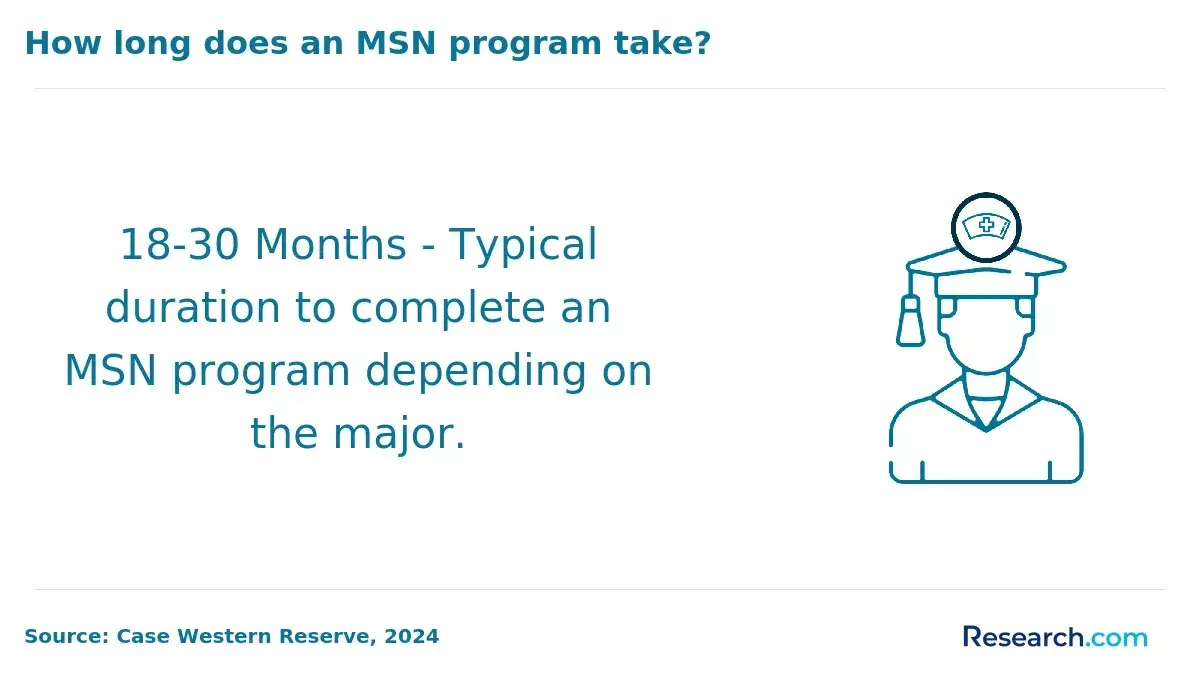
Typically, full-time direct-entry MSN programs in Missouri take about two to two and a half years to complete. This timeline includes prerequisite courses, comprehensive clinical rotations, and preparation for the nursing licensure exam (NCLEX-RN). If you have already completed key science and health prerequisites, you may find your path more streamlined, helping you reach clinical training and core nursing studies sooner.
On the other hand, those who need to fulfill additional prerequisite credits should expect their program duration to extend before beginning advanced nursing coursework.
Many programs offer accelerated options that can reduce total time by increasing course loads or utilizing summer semesters, allowing students committed to intensive study to enter the workforce faster. Conversely, extended or part-time options are available for those balancing work or family, often stretching the program length to three years or more. These flexible formats accommodate diverse life circumstances while maintaining educational standards.
When considering online versus campus-based programs, recognize that while online components provide greater scheduling flexibility, all direct-entry MSN paths require hands-on clinical experiences in person. Hybrid models are common, blending remote learning with essential clinical practice. This balance allows students to tailor their study pace but does not eliminate the need for on-site training, which can affect how quickly you complete the program.
How much does a direct-entry MSN program cost in Missouri?
The average total tuition cost for direct-entry MSN programs in Missouri typically ranges between $30,000 and $60,000. Being aware of these costs upfront is especially important for career changers entering nursing, as many invest significant time and financial resources transitioning into this new field. Understanding all expenses helps you plan effectively and avoid surprises along the way.
Several key factors influence the total cost of a direct-entry MSN program in Missouri:
- Program Length: Most direct-entry MSN programs last 2 to 3 years. Longer programs usually mean higher tuition since you're paying for more semesters. This affects both online and on-campus programs equally.
- Delivery Format: Online programs often provide flexible schedules and fewer campus fees but may include technology or distance education costs. On-campus programs may have higher fees for facilities and resources. Delivery format impacts both the structure and associated fees.
- Clinical and Lab Fees: On-campus students typically pay lab fees for simulation labs and clinical training, essential for hands-on learning. Online students might face fees for arranging clinical placements but usually pay less for on-site labs.
- Residency Status: Missouri residents usually benefit from lower in-state tuition rates, which can significantly reduce costs. This mostly impacts on-campus programs but may also apply to some hybrid or online state-based options.
- Technology Fees: Mandatory technology fees are common in online programs for digital platforms and IT support. On-campus programs sometimes have these fees too, but generally at a lower rate.
- Prerequisite Coursework: Many students need to complete prerequisite courses before or during their MSN program. The costs vary depending on whether these courses are taken at community colleges or universities, affecting both online and on-campus students.
What financial aid options do direct-entry MSN students have in Missouri?
For those entering nursing through accelerated or direct-entry MSN programs, financial aid is a crucial factor in managing the often significant cost of graduate education. Research indicates that over 70% of graduate nursing students rely on some form of financial aid, underscoring the importance of understanding the full range of funding opportunities available.
Below is an overview of common financial aid avenues that can help make your nursing education in Missouri more affordable.
- Federal Financial Aid: These include programs like Direct Unsubsidized Loans and Grad PLUS Loans, which are widely accessible to graduate students and provide essential funding, though interest accrues over time. Additionally, eligible students may apply for federal grants or work-study opportunities, which can supplement their income during studies.
- State-Based Aid: Missouri offers scholarships and grants tailored for nursing students through programs administered by the Missouri Department of Higher Education. Some awards encourage service in underserved or rural areas, making them excellent options for those committed to working within the state's healthcare system after graduation.
- Scholarships and Grants from Private Organizations: Numerous nonprofit foundations and nursing associations support students, especially those transitioning into nursing from other fields. These scholarships often consider academic merit, leadership, and financial need, helping to reduce out-of-pocket expenses.
- Employer Tuition Assistance: For students already working in healthcare, many hospitals and providers offer tuition reimbursement or financial support, often in exchange for a service commitment. This aid helps working nurses advance their degrees while maintaining their employment.
- Loan Repayment and Forgiveness Programs: Programs like the federal Public Service Loan Forgiveness (PSLF) and Missouri-specific initiatives provide debt relief for nurses who serve in high-need locations such as rural or shortage areas. These options can dramatically reduce long-term financial burdens in return for commitment to critical care roles.
Speaking with a recent graduate from a direct-entry MSN program in Missouri reveals the nuanced reality behind these options. He described how the layered complexity of applying for federal loans, state grants, and scholarships initially felt overwhelming, especially while balancing the rigors of an accelerated program.
However, the ability to combine multiple aid sources-including employer tuition assistance secured through his part-time healthcare job-was transformative. He reflected that persistence, careful budgeting, and proactive communication with financial aid offices were key to navigating the process successfully.
The sense of relief and empowerment he felt once his funding was secured allowed him to focus fully on his training and ultimately gave him confidence entering his nursing career debt-managed but definitely not debt-free. This journey, he shared, is a testament to the resources available and the determination required to make a direct-entry MSN path in Missouri financially feasible.
What jobs can graduates of direct-entry MSN programs get in Missouri?
A direct-entry MSN in Missouri equips those with non-nursing bachelor's degrees to quickly enter the nursing profession while gaining skills that support advanced practice and leadership roles. This solid foundation opens doors to diverse career opportunities across the state's healthcare system, helping you to build a meaningful and impactful nursing career.
- Registered Nurse (RN): After passing the NCLEX-RN exam, graduates become licensed RNs who provide direct patient care, administer medications, and conduct assessments. Typical workplaces include hospitals, outpatient clinics, and community health organizations. Maintaining an active Missouri RN license is essential for this role.
- Clinical Nurse Leader (CNL): As master's-prepared nurses, CNLs focus on patient care coordination, quality improvement, and staff education within healthcare units. They often work in hospital settings, long-term care centers, and outpatient facilities. While advanced practice licensure is not required, maintaining RN licensure is necessary.
- Nurse Educator: These professionals design curricula and teach nursing students or provide ongoing training for healthcare staff. Employment options include universities, hospitals, and professional development organizations. Active RN licensure is a must, and some roles may require additional teaching certifications or doctoral degrees.
- Public Health Nurse: Focused on community health promotion and disease prevention, public health nurses work through education, outreach, and policy initiatives. They are typically employed by local health departments, schools, nonprofits, and community clinics. While an RN license is required, some positions may call for public health nursing certification.
- Advanced Practice Registered Nurse (APRN) - Requires Additional Training: Graduates can advance by pursuing specialties such as Nurse Practitioner or Clinical Nurse Specialist, involving higher responsibility like diagnosing and prescribing. These roles require extra post-master's clinical hours, certification, and Missouri Board of Nursing approval. Explore options including online FNP post master's certificate programs to continue your education.
How much do direct-entry MSN graduates earn in Missouri?
Direct-entry MSN graduates in Missouri typically earn between $65,000 and $95,000 annually, varying based on their nursing role, experience, and employer. Knowing this earning potential helps you make informed decisions about your career path and evaluate the return on investment when choosing a direct-entry MSN program.
- Registered Nurse (RN): RNs earn roughly $60,000 to $80,000 per year, with salaries influenced by experience and location. Urban hospitals generally pay more than rural clinics, and specialty skills can enhance earning potential.
- Clinical Nurse Leader: These roles offer $70,000 to $90,000 annually, reflecting leadership responsibilities and clinical expertise. Wages may vary widely depending on healthcare setting and geographic area within Missouri.
- Nurse Manager: Nurse Managers oversee teams and operations, earning between $80,000 and $100,000. Experience, employer type, and the size of the healthcare facility significantly impact compensation.
- Nurse Educator: Educators command $65,000 to $85,000 per year, with salaries affected by educational institutions' budgets and regional demand for trained nursing professionals.
Exploring the salary landscape is especially important for those considering a direct-entry MSN graduate salaries Missouri offers, as it highlights the varied earning paths available. Long-term growth often comes from gaining certifications, advancing into specialized fields, and assuming administrative roles.
For a practical way to enhance your qualifications, consider enrolling in an affordable online RN to FNP degree program that can boost both your skills and compensation.
What Graduates of Direct-Entry MSN Programs in Missouri Say About Their Degree
- The hybrid direct-entry MSN program in Missouri gave me the perfect balance of on-campus interaction and online flexibility, allowing me to manage my family commitments while pursuing my passion. After graduation, I secured a nursing educator position at Central Missouri School of Nursing, where I get to inspire future nurses every day. The state's strong healthcare network and supportive faculty helped me feel prepared and confident stepping into this role. I'm truly grateful for an experience that combined academic rigor with a community-oriented approach. Kiran
- Switching careers felt daunting, but the comprehensive direct-entry MSN program offered entirely online in Missouri made the transition feasible and rewarding. I was able to start my new career in healthcare quickly, gaining practical skills and clinical experience without pausing my life. Missouri's diverse patient population challenged me to grow professionally in ways I never expected, enhancing my adaptability and empathy as a nurse. This program opened doors I hadn't imagined before. Jordyn
- Completing the on-campus direct-entry MSN program in Missouri was transformative both personally and professionally. Immersed in a culturally rich environment and supported by faculty who emphasize community impact, I gained not just knowledge but a strong sense of responsibility toward local underserved populations. Today, at Westside High School, I apply those values daily in my role, helping shape healthier futures for young people. The program's focus on leadership and Missouri-specific healthcare challenges prepared me exceptionally well for this career. Darius
Related Articles for Nearby States
- Best Direct-Entry MSN Programs in Kansas: Online & Campus for 2027
- Best Direct-Entry MSN Programs in Iowa: Online & Campus for 2027
- Best Direct-Entry MSN Programs in Nebraska: Online & Campus for 2027
- Best Direct-Entry MSN Programs in Arkansas: Online & Campus for 2027
- Best Direct-Entry MSN Programs in Oklahoma: Online & Campus for 2027
- Best Direct-Entry MSN Programs in Illinois: Online & Campus for 2027
- Best Direct-Entry MSN Programs in Kentucky: Online & Campus for 2027
- Best Direct-Entry MSN Programs in Tennessee: Online & Campus for 2027
- Best Direct-Entry MSN Programs in Indiana: Online & Campus for 2027
- Best Direct-Entry MSN Programs in South Dakota: Online & Campus for 2027
References:
- Master of Science in Nursing https://sonhs.umkc.edu/academics/master-of-science-in-nursing.html
- Top Direct Entry MSN Programs by State https://nurse.org/education/direct-entry-msn-programs-by-state/
- Master of Science in Nursing (MSN) Salary: Highest Paying MSN Jobs and States in 2025 https://nightingale.edu/blog/msn-salary.html
- Learn How to Apply for Admission to the MS(N) Program https://nursing.missouri.edu/academic-programs/master-of-science-nursing/how-to-apply/
- Nursing, M.S. (Nurse Practitioner) https://www.slu.edu/nursing/degrees/graduate/nursing-nurse-practitioner-ms.php
- Direct Entry MSN Programs - Considering an Accelerated MSN? https://www.registerednursing.org/degree/accelerated-nursing-programs/msn/
- MSN - Direct Entry https://www.herzing.edu/nursing/msn-direct-entry
- Master’s in Nursing Schools in Missouri https://www.rntomsn.com/states/missouri/
- Nursing, MS (MSN) https://www.ucmo.edu/academics/programs/masters-degrees/master-of-science-in-nursing/index.php
- APRN Salary in Missouri | Nurse Practitioner | MSN Salary in MO https://www.rntomsnedu.org/missouri/missouri-salary/
Other Things You Should Know About Direct-Entry MSN Programs in Missouri
Yes, direct-entry MSN programs in Missouri are worth considering for individuals with bachelor's degrees in non-nursing fields who want to enter the nursing profession quickly. These programs offer an accelerated pathway to earning a Master of Science in Nursing (MSN), allowing students to bypass traditional prerequisites. Graduates can qualify for advanced nursing roles and higher earning potential.
Missouri's programs often combine online and campus-based components, providing flexibility alongside hands-on clinical experience. The growing demand for nurses in the state strengthens job prospects. Overall, direct-entry MSN programs in Missouri provide a practical and efficient route to a rewarding nursing career.
Getting into a direct-entry MSN program in Missouri can be moderately challenging due to competitive admissions. These programs seek candidates with strong academic records, relevant prerequisites, and healthcare experience. Applicants usually must hold a bachelor's degree in a non-nursing field and submit standardized test scores, letters of recommendation, and personal statements.
Programs may require prerequisite courses in biology, chemistry, and anatomy. Admission standards vary by school, so researching individual program requirements is essential. Meeting minimum criteria does not guarantee acceptance, as class sizes are often limited. Overall, thorough preparation and strong application materials improve your chances of admission.
In 2027, the cost of attending a direct-entry MSN program in Missouri varies. Tuition can range from $50,000 to $100,000, excluding additional fees for books, supplies, and living expenses. Prospective students should verify the specific costs with individual schools as these amounts can differ significantly.


