
Best Direct-Entry MSN Programs in Wisconsin: Online & Campus for 2027

Co-Founder and Chief Data Scientist
Many career changers in Wisconsin are searching for direct-entry MSN programs that provide a faster and more efficient route into nursing. With more than 10% of registered nurse positions across the state currently unfilled, the need for streamlined training pathways is increasingly urgent.
This article explores leading direct-entry MSN programs in Wisconsin, both online and on campus, to help prospective students identify high-quality options. Created by career planning experts, it delivers clear, practical guidance to support a confident transition into the nursing profession.
Key Benefits of Direct-Entry MSN Programs in Wisconsin
- Flexible online and campus formats accommodate working professionals, with Wisconsin reporting a 15% growth in RN demand through 2030.
- Direct-entry MSN programs offer accelerated paths, typically 2-3 years, allowing faster transition into nursing roles amid local shortages.
- Comprehensive clinical placements and faculty guidance in Wisconsin build practical skills and professional networks essential for licensure and employment.
- Who is eligible for a direct-entry MSN program in Wisconsin?
- How do online direct-entry MSN programs compare to campus programs in Wisconsin?
- What are the admission requirements for direct-entry MSN programs in Wisconsin?
- What courses are included in a direct-entry MSN program in Wisconsin?
- How does clinical experience differ between online and campus direct-entry MSN programs?
- How long does it typically take to complete a direct-entry MSN in Wisconsin?
- How much does a direct-entry MSN program cost in Wisconsin?
- What financial aid options do direct-entry MSN students have in Wisconsin?
- What jobs can graduates of direct-entry MSN programs get in Wisconsin?
- How much do direct-entry MSN graduates earn in Wisconsin?
Who is eligible for a direct-entry MSN program in Wisconsin?
Nearly 15% of new nursing students nationwide are career changers coming from non-health-related fields, reflecting a significant increase in demand for direct-entry MSN programs in Wisconsin. Knowing who benefits most from these programs is essential for anyone weighing their educational options and eligibility requirements for direct-entry MSN programs in Wisconsin.
These programs are uniquely tailored to accommodate diverse backgrounds while offering an accelerated path to advanced nursing degrees.
- Career Changers: Individuals transitioning from unrelated professions find direct-entry MSN programs ideal because they offer a streamlined route into nursing without the need for prior nursing coursework. This allows them to leverage their previous bachelor's degree while gaining both clinical and theoretical nursing knowledge quickly.
- Non-Nursing Graduates: Those holding bachelor's degrees in fields other than nursing benefit from a program structure that addresses foundational nursing education alongside graduate-level material. This combination helps bridge knowledge gaps and prepares them thoroughly for advanced nursing roles.
- Professionals Seeking Accelerated Pathways: Some applicants aim to join the nursing workforce promptly and prefer programs that combine essential nursing fundamentals with graduate study efficiently. This approach minimizes time spent on prerequisites, helping them become advanced practice nurses or nurse leaders sooner.
Understanding who can apply for direct-entry MSN in Wisconsin helps prospective students identify if these programs align with their career goals. Furthermore, those comparing advanced nursing options should consider exploring the difference between FNP and DNP, as it provides valuable insights into various advanced practice roles after graduation.
How do online direct-entry MSN programs compare to campus programs in Wisconsin?
Choosing between online and campus formats is a key decision for students pursuing a direct-entry MSN in Wisconsin, as it influences learning style, clinical practice, and professional networking opportunities. Notably, 68% of healthcare employers now consider online nursing degrees on par with campus degrees when accreditation and clinical requirements are met.
This growing acceptance makes comparing online vs campus direct-entry MSN programs in Wisconsin crucial for informed planning.
Online Programs
- Curriculum Equivalency: Online direct-entry MSN programs maintain the same academic standards as campus counterparts, ensuring core coursework and clinical hours meet accreditation requirements.
- Flexibility and Scheduling: Most coursework is asynchronous, allowing students to balance studies with work or personal commitments, but it requires strong self-discipline and time management skills.
- Clinical Experience: Clinical placements are arranged locally, providing hands-on training similar to campus programs, though in-person supervision and peer interaction may be less immediate.
- Interaction with Faculty and Peers: Online students connect through virtual platforms and scheduled video sessions, which can foster meaningful engagement but lack the spontaneous collaboration typical of campus programs.
- Employer Perception: Employers in Wisconsin generally value credible online MSN graduates equally to campus graduates, recognizing the rising legitimacy of online nursing education.
On-Campus Programs
- Curriculum Equivalency: Campus programs offer the same rigorous curriculum and clinical requirements as online programs, ensuring graduates are equally prepared.
- Flexibility and Scheduling: Classes follow fixed schedules, requiring students to adhere to campus hours, which may be challenging for those working but can facilitate routine.
- Clinical Experience: Clinical practice is closely supervised with in-person support, enhancing real-time feedback and peer learning opportunities.
- Interaction with Faculty and Peers: On-campus students benefit from face-to-face mentorship and spontaneous networking, which can enrich professional development.
- Employer Perception: While widely recognized, campus degrees are increasingly viewed alongside online credentials if program quality and clinical rigor align.
For those exploring Wisconsin direct-entry MSN program formats and wondering how can I start as a holistic nurse practitioner, considering the balance between flexibility, clinical experience, and professional networking is essential to matching the right format with career goals.
What are the admission requirements for direct-entry MSN programs in Wisconsin?
The rising demand for nursing professionals is reflected in a 15% increase in applications to graduate nursing programs nationwide over the past five years. For prospective students holding a bachelor's degree in a non-nursing field and exploring Wisconsin direct-entry MSN admission requirements, clarity on eligibility criteria ensures a strategic, focused application.
Below is a practical summary of key eligibility components for direct-entry MSN programs in Wisconsin.
- Prior Degree: A bachelor's degree from an accredited institution is required, typically in a non-nursing discipline, enabling candidates to enter nursing studies with a diverse academic background.
- GPA Expectations: A competitive undergraduate GPA is essential, with many programs requiring a minimum cumulative GPA of around 3.0 to demonstrate academic readiness.
- Prerequisite Coursework: Foundational courses such as anatomy, physiology, microbiology, chemistry, nutrition, and statistics must be completed, often within a recent time frame, to ensure relevant knowledge.
- Standardized Tests: Some programs require the GRE; however, this may be waived depending on previous academic performance or professional experience.
- Letters of Recommendation: Typically two or three letters are necessary, providing insight into the applicant's capabilities, character, and suitability for advanced nursing education.
- Relevant Experience: Healthcare-related volunteer work, employment, or internships, while not always mandatory, can significantly strengthen an application by demonstrating commitment and familiarity with clinical settings.
For those comparing programs or seeking advanced nursing roles, exploring the best rated acute care nurse practitioner programs can offer additional pathways and program insights.
What courses are included in a direct-entry MSN program in Wisconsin?
For individuals entering nursing from a different career, having a clear map of the coursework is essential to navigate the learning curve effectively. Direct-entry MSN programs in Wisconsin cover a wide spectrum of content designed to build competence and confidence for advanced nursing roles.
Below is a practical outline of the key course categories typically included, highlighting how each area contributes to preparing you for clinical and leadership responsibilities.
- Foundational Nursing Sciences: This area dives into human anatomy, physiology, microbiology, and related sciences, equipping you with essential knowledge about how the body functions and responds to health challenges.
- Health Assessment: Courses focus on developing skills to perform thorough physical, mental, and developmental evaluations, honing critical thinking and clinical judgment for accurate patient assessment.
- Pharmacology and Pathophysiology: You'll learn the effects of medications and disease mechanisms, supporting safe medication management and effective care planning.
- Clinical Practice and Simulation: Practical experiences in real or simulated healthcare settings build hands-on skills, improve clinical reasoning, and enhance patient communication abilities.
- Nursing Leadership: This coursework prepares you for managerial roles by covering healthcare policies, ethics, and organizational dynamics that influence nursing practice.
- Evidence-Based Practice: Focuses on integrating current research with clinical expertise, teaching you to evaluate studies critically and apply findings to improve patient outcomes.
- Population Health: Explores the health needs of communities, preventive care methods, health promotion, and tackling disparities in healthcare access and quality.
- Advanced Nursing Concepts: Builds on all prior knowledge to prepare you for specialized roles, fostering autonomy and advanced clinical reasoning necessary for nurse practitioners and other advanced positions.
How does clinical experience differ between online and campus direct-entry MSN programs?
Clinical training is a non-negotiable part of direct-entry MSN education in Wisconsin, essential for building hands-on nursing skills and meeting licensure requirements. This practical experience shapes students' ability to provide safe, effective care in real healthcare settings and is equally critical whether you study online or on campus.
Below is a focused comparison of how clinical experience is structured and delivered in both formats.
- Clinical Placement Coordination: Campus programs typically secure clinical sites through established partnerships with local hospitals and clinics, streamlining placement for students. Online programs require students to arrange clinical hours locally with the school's assistance, which can involve more proactive planning to find approved facilities nearby.
- Simulation Labs: On-campus students benefit from access to well-equipped simulation labs where they can practice skills under faculty supervision before clinical rotations. Online students may have limited or virtual simulation labs, so they depend more on hands-on clinical site experiences to develop practical skills.
- Faculty Oversight and Supervision: Campus-based students receive direct supervision from faculty and clinical instructors during placements, allowing for immediate feedback. Online students work with clinical instructors or preceptors at their clinical sites who provide guidance, ensuring quality supervision despite the remote coursework component.
- Scheduling Flexibility: Campus programs feature structured clinical hours with set schedules aligned to course timelines, creating a predictable routine. Online students often enjoy more flexible course scheduling but must coordinate clinical hours around their local facility's availability, which demands strong time-management skills.
- Hands-On Patient Care Experience: Both formats require in-person clinical hours, providing ample opportunities for real patient interaction. The main difference lies in logistics and access to resources, not in the depth or quality of clinical learning.
A nurse who recently graduated from a Wisconsin direct-entry MSN program shared thoughtful insight into her clinical journey: balancing the autonomy of scheduling local clinical hours with the challenge of ensuring consistent preceptor support was initially overwhelming. She described how, in the online program, finding a trusted healthcare facility close to home took persistence and required building a professional rapport before clinicals began.
Yet, this process deepened her organizational skills and confidence. Contrastingly, she noted that campus peers experienced more seamless transitions between simulation labs and clinical rotations, but she valued how navigating her independent process strengthened her adaptability - a trait crucial for nursing practice.
How long does it typically take to complete a direct-entry MSN in Wisconsin?
Time-to-completion is a key factor for those moving from non-nursing backgrounds into nursing through direct-entry MSN programs, as it shapes career timelines, financial planning, and personal commitments. Around 60% of direct-entry MSN students across the country finish their programs within three years, highlighting a common benchmark for program length and student persistence.
Typically, full-time direct-entry MSN programs in Wisconsin take between two and three years to complete. These programs combine essential nursing foundations with advanced practice learning tailored for students without previous nursing experience. Students aiming for faster graduation may find accelerated formats appealing, as these offer intensive course loads and uninterrupted study periods, potentially shortening the program to about two years.
On the other hand, extended or part-time options allow flexibility for those balancing work or caregiving duties but can lengthen the time needed to finish, sometimes exceeding three years. Prerequisite coursework also plays a critical role; students might need to complete certain science or graduate-level courses before starting the core nursing curriculum. Those with prior relevant academic credits or extensive undergraduate preparation may reduce overall duration by meeting prerequisites more quickly or entering with advanced standing.
Delivery mode further influences pacing. Online programs provide scheduling flexibility, enabling learners to progress at their own pace alongside other responsibilities, which can either speed up or prolong completion. Campus-based programs often follow structured timelines, which may promote consistent progress but offer less adaptability. Selecting the format and pacing that fit personal circumstances helps optimize program length without compromising educational quality.
How much does a direct-entry MSN program cost in Wisconsin?
The average total tuition for direct-entry MSN programs in Wisconsin typically ranges from $30,000 to $70,000. Understanding these costs is especially important for career changers entering nursing, as many must balance tuition with living expenses, potential lost income, and prerequisite courses. Being aware of what influences these costs can help you plan your education budget more effectively.
Several key factors affect the total program cost of direct-entry MSN programs in Wisconsin:
- Program Length: Longer programs generally have higher tuition because students pay for more credit hours. This applies to both online and on-campus formats, so consider program duration carefully when comparing costs.
- Delivery Format: Online programs often reduce costs related to commuting and housing but may add technology fees. On-campus programs usually include campus-based fees. Tuition rates vary by institution for both formats.
- Clinical and Lab Fees: These fees cover supplies and facility use and primarily impact on-campus students, though online learners returning for in-person clinicals may also incur them. Expect additional expenses here beyond standard tuition.
- Residency Status: In-state students typically pay lower tuition than out-of-state students, especially for on-campus programs. Some online programs also factor residency into tuition, so verify this before enrolling.
- Technology Fees: Online students often face consistent technology fees supporting digital learning platforms. While on-campus students may encounter these fees, they are generally higher and more common for online learners.
- Prerequisite Coursework: Career changers may need extra courses before starting the MSN program. These prerequisites can add significant costs and vary depending on prior academic preparation, affecting both online and campus students.
What financial aid options do direct-entry MSN students have in Wisconsin?
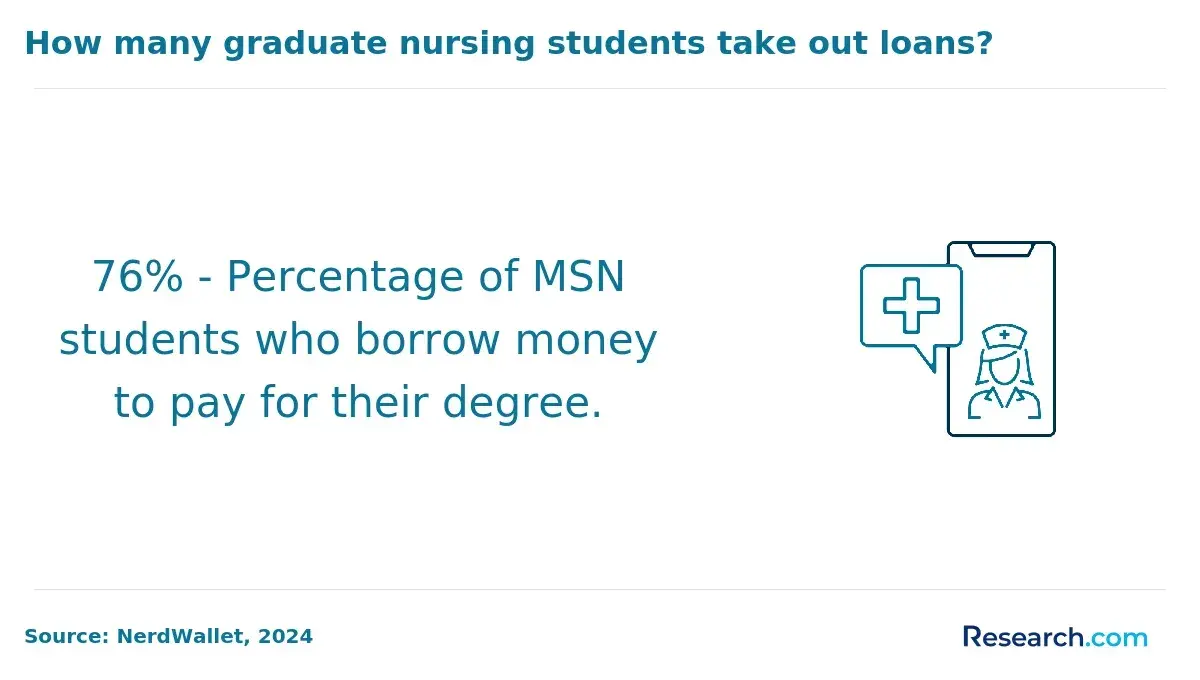
Financing a direct-entry MSN program in Wisconsin is a crucial consideration for many students transitioning into nursing from other fields. With around 80% of graduate nursing students relying on financial aid nationwide, knowing the available options can make advanced nursing education more affordable and accessible.
Below is an overview of key aid resources designed to alleviate the financial burden associated with this career path.
- Federal Financial Aid: Graduate nursing students can access federal loans such as Direct Unsubsidized Loans and Grad PLUS Loans, which do not require demonstrating financial need but do accrue interest. Additionally, specialized federal loan forgiveness programs like Public Service Loan Forgiveness offer benefits to nurses working in qualifying public service roles after graduation.
- State-Based Aid: Wisconsin offers targeted grants and loan repayment assistance through programs administered by agencies such as the Higher Educational Aids Board (HEAB). These often require recipients to work within the state's healthcare system for a period, supporting local workforce needs.
- Scholarships: Merit- and need-based scholarships may be available from state nursing organizations, healthcare groups, and professional foundations dedicated to advancing nursing education. These awards do not require repayment and can significantly offset tuition costs.
- Grants: Though less common at the graduate level, grants still exist for direct-entry MSN students, particularly those addressing specific healthcare priorities or underrepresented populations. Grants reduce reliance on loans by providing funding that does not need to be repaid.
- Employer Tuition Assistance: Healthcare employers such as hospitals and clinics frequently offer tuition reimbursement programs to help staff pursue advanced nursing credentials. These programs may require continued employment or maintaining academic standards but provide valuable support for working students.
- Loan Repayment and Forgiveness Programs: For graduates willing to work in rural or underserved communities, various state and federal programs offer loan repayment relief or forgiveness. These programs require a commitment to serve in designated areas and can substantially reduce long-term debt.
Speaking with a graduate of a direct-entry MSN program in Wisconsin revealed the complexities behind navigating financial aid options firsthand. He shared how the initial paperwork felt overwhelming, with deadlines and eligibility criteria creating constant stress.
Coordinating between federal loans and applying for state grants required persistence and organization, especially balancing a part-time job simultaneously. What made the difference was connecting early with a financial aid advisor who helped clarify which programs matched his circumstances and encouraged him to apply for multiple scholarships to reduce his loan burden.
Reflecting back, he emphasizes that understanding these options and staying proactive turned what seemed like an insurmountable financial challenge into a manageable investment in his new career.
What jobs can graduates of direct-entry MSN programs get in Wisconsin?
A direct-entry MSN in Wisconsin equips individuals with non-nursing bachelor's degrees to transition into professional nursing roles and advanced practice-adjacent careers within the state's healthcare system. Through comprehensive clinical training and leadership development, graduates gain the skills necessary to navigate diverse care settings and meet licensure requirements.
Graduates pursuing direct-entry MSN nursing jobs in Wisconsin commonly follow these career paths:
- Registered Nurse (RN): RNs deliver direct patient care, manage treatment plans, and educate patients and families. They typically work in hospitals, outpatient clinics, long-term care facilities, and community health settings. Passing the NCLEX-RN exam is required for Wisconsin RN licensure.
- Clinical Nurse Leader (CNL): Focused on improving care quality and patient outcomes, CNLs coordinate care, lead quality improvement initiatives, and educate staff. Employment opportunities include hospitals, outpatient facilities, and community organizations. Certification is available but often optional.
- Nurse Educator: These professionals train future nurses and clinical staff by developing curricula and delivering instruction in academic or healthcare settings. Roles often require clinical experience, and some positions call for certification such as Certified Nurse Educator (CNE).
- Public Health Nurse: Public health nurses promote disease prevention and health education in community clinics, local health departments, and nonprofit organizations. Additional training in epidemiology or population health can be beneficial, though no extra licensure is mandated beyond RN status.
- Health Services Administrator/Manager: Utilizing leadership skills gained during their MSN, graduates may oversee nursing teams, manage budgets, and implement policies in hospitals or clinics. Some roles require healthcare management certifications or relevant experience.
For those considering advancement, exploring the easiest nurse practitioner specialty program to get into may provide a practical next step toward specialized clinical roles.
How much do direct-entry MSN graduates earn in Wisconsin?
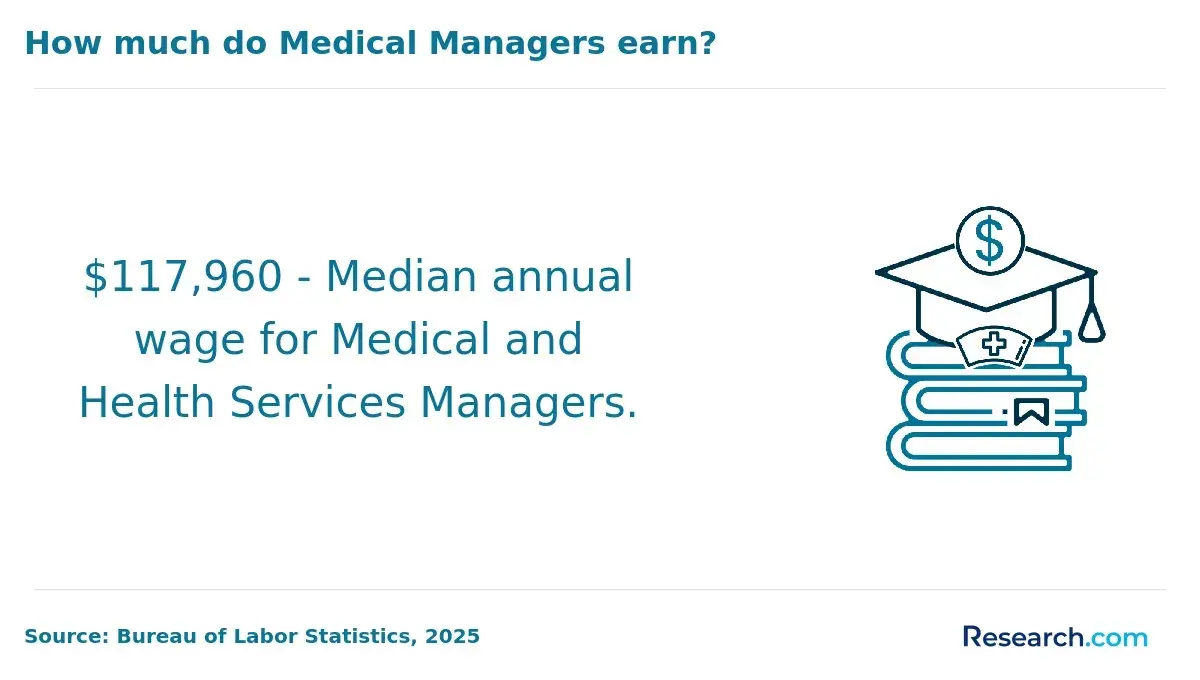
Direct-entry MSN graduates in Wisconsin earn an average salary ranging between $65,000 and $90,000 per year, making it vital to consider earning potential when planning your career and evaluating the ROI of the program.
Knowing these figures helps you align your education choices with realistic financial goals and long-term career growth.
- Registered Nurse (RN): Starting salaries typically range from $60,000 to $80,000, with entry-level direct-entry MSN graduates often beginning near the lower end. Experience, geographic location, and type of healthcare facility can influence pay, with urban hospitals generally offering higher wages.
- Clinical Nurse Leader: Nurses in this position earn between $75,000 and $95,000. Those with specialized skills or leadership experience in larger health systems tend to command salaries at the higher end of this range.
- Nurse Manager: Management roles offer $85,000 to $105,000 annually. Earning potential grows significantly with years of clinical leadership and by working in major metropolitan healthcare organizations.
- Nurse Educator: Salary ranges from $70,000 to $90,000, influenced by academic credentials, teaching experience, and institution size. Educators in urban areas or universities often see better compensation.
For those researching direct-entry MSN graduate salaries Wisconsin offers competitive wages that reflect experience and workplace setting. If affordability is a concern, you might explore the most affordable online RN to MSN degree program options to maximize your investment while advancing toward these career paths.
What Graduates of Direct-Entry MSN Programs in Wisconsin Say About Their Degree
- Completing the direct-entry MSN program on-campus in Wisconsin opened doors I never imagined possible. The hands-on clinical experiences and supportive faculty prepared me to confidently start my nursing career at Madison West High School, where I now work closely with students to promote their health and well-being. The sense of community here, combined with the program's rigorous curriculum, truly fostered my passion for advocating for young people's health. It's incredibly rewarding to see the direct impact I make every day. Constance
- Switching careers into healthcare was a daunting decision, but enrolling in an online direct-entry MSN program based in Wisconsin gave me the flexibility and comprehensive knowledge I needed to succeed. This program was a lifeline that allowed me to balance family responsibilities while gaining top-notch training. Now, as a nurse, I feel empowered knowing my degree not only meets Wisconsin's robust standards but also prepares me for a meaningful and stable career. The transition has been challenging at times, but every moment has been worth it. Priya
- The direct-entry MSN program I completed in Wisconsin transformed me personally and professionally. The emphasis on serving diverse populations throughout the state, from urban to rural communities, deepened my appreciation for local culture and healthcare needs. This experience enhanced my leadership skills and motivated me to contribute beyond clinical practice, advocating for community health initiatives. I'm grateful for the doors this program has opened for ongoing professional development and future advancement. Carlos
Related Articles for Nearby States
- Best Direct-Entry MSN Programs in Minnesota: Online & Campus for 2027
- Best Direct-Entry MSN Programs in Iowa: Online & Campus for 2027
- Best Direct-Entry MSN Programs in Illinois: Online & Campus for 2027
- Best Direct-Entry MSN Programs in Michigan: Online & Campus for 2027
- Best Direct-Entry MSN Programs in Indiana: Online & Campus for 2027
- Best Direct-Entry MSN Programs in Missouri: Online & Campus for 2027
- Best Direct-Entry MSN Programs in Ohio: Online & Campus for 2027
- Best Direct-Entry MSN Programs in South Dakota: Online & Campus for 2027
- Best Direct-Entry MSN Programs in Nebraska: Online & Campus for 2027
- Best Direct-Entry MSN Programs in Kentucky: Online & Campus for 2027
References:
- Top Direct Entry MSN Programs by State https://nurse.org/education/direct-entry-msn-programs-by-state/
- Direct Entry MSN | Alverno College https://www.alverno.edu/demsn
- Pros and Cons of the Direct-Entry MSN Program https://www.registerednursing.org/articles/pros-cons-direct-entry-msn/
- MSN-DE Admission Process | Carroll University https://www.carrollu.edu/academics/college-of-health-sciences/graduate/master-of-science-in-nursing-direct-entry/msn-de-admission-process
- MSN Direct Entry - Kenosha https://www.herzing.edu/nursing/msn-direct-entry/wisconsin/kenosha
- Direct-Entry Master’s in Nursing (MSN) Programs https://nursinglicensemap.com/nursing-degrees/masters-in-nursing/direct-entry-programs/
- Alverno' s Direct Entry MSN Program https://msn.alverno.edu/program-overview/
- Program Information https://www.viterbo.edu/programs/direct-entry-master-science-nursing
- Online Direct Entry MSN Program https://onlinedegrees.elmhurst.edu/programs/online-masters-entry-program-nursing
- Direct Entry - Master of Science in Nursing https://www.cuw.edu/academics/programs/direct-nursing-masters/index.html
Other Things You Should Know About The Best Direct-Entry MSN Programs in Wisconsin
Admission to direct-entry MSN programs in Wisconsin typically requires a bachelor's degree in any field, completion of specific science prerequisites, and a minimum GPA of 3.0. Additional requirements may include GRE scores and letters of recommendation, varying by institution for the 2027 academic year.
Getting into a direct-entry MSN program in Wisconsin can be moderately competitive. Admissions committees typically look for strong academic records, particularly in prerequisite science courses. Applicants must hold a bachelor's degree in a non-nursing field, and relevant healthcare experience can improve chances. Programs often require standardized test scores, letters of recommendation, and personal statements. Additionally, some schools conduct interviews to assess candidates' motivation and fit.
While acceptance rates vary, preparing a well-rounded application with clear career goals is essential. Prospective students should research individual program requirements to increase their likelihood of admission.
Direct-entry MSN programs in Wisconsin often provide robust career services, including networking events, resume workshops, and connection with healthcare employers. Many programs collaborate with hospitals and clinics for practical experience, helping graduates transition into roles like nurse practitioners or clinical nurse leaders quickly.


