
Best Direct-Entry MSN Programs in Hawaii: Online & Campus for 2027

Co-Founder and Chief Data Scientist
Hawaii faces a critical shortage of registered nurses, with the Hawaii State Center for Nursing projecting a 15% decline in nursing workforce by 2030. This gap hinders healthcare quality and access, especially for those seeking accelerated pathways. Direct-entry MSN programs offer an efficient route for individuals holding non-nursing bachelor's degrees to enter nursing with advanced credentials.
This article examines the best direct-entry MSN programs in Hawaii, both online and on campus. It is prepared by experts in career planning to help prospective nurses navigate program options, requirements, and outcomes to make informed decisions.
Key Benefits of Direct-Entry MSN Programs in Hawaii
- Online and campus direct-entry MSN programs in Hawaii offer flexible scheduling that accommodates working professionals, with over 60% of students balancing employment during study.
- These programs align with Hawaii's growing nursing demand, projected to increase by 15% through 2030, ensuring strong job placement and career advancement.
- Graduates benefit from integrated clinical experiences and robust state nursing board support, leading to a 90% first-time pass rate on the NCLEX-RN exam for program completers.
- Who is eligible for a direct-entry MSN program in Hawaii?
- How do online direct-entry MSN programs compare to campus programs in Hawaii?
- What are the admission requirements for direct-entry MSN programs in Hawaii?
- What courses are included in a direct-entry MSN program in Hawaii?
- How does clinical experience differ between online and campus direct-entry MSN programs?
- How long does it typically take to complete a direct-entry MSN in Hawaii?
- How much does a direct-entry MSN program cost in Hawaii?
- What financial aid options do direct-entry MSN students have in Hawaii?
- What jobs can graduates of direct-entry MSN programs get in Hawaii?
- How much do direct-entry MSN graduates earn in Hawaii?
Who is eligible for a direct-entry MSN program in Hawaii?
Approximately 20% of nursing students nationwide are entering through accelerated or direct-entry programs, highlighting a significant trend among non-nursing bachelor's degree holders seeking to enter the nursing profession more efficiently. Recognizing who benefits most from direct-entry MSN programs in Hawaii is essential for applicants aiming to align their educational investments with career goals. These programs are carefully designed to meet the eligibility requirements for direct-entry MSN Hawaii candidates and cater to a diverse set of individuals looking to transition quickly or advance in nursing.
- Career Changers: These individuals have bachelor's degrees in non-nursing fields and are motivated by the prospect of greater job stability and personal fulfillment. Direct-entry MSN programs offer an accelerated pathway that bypasses the traditional BSN, allowing them to enter the nursing workforce faster and start establishing clinical experience and leadership roles early on.
- Non-nursing Graduates Seeking Advancement: Students who already hold a bachelor's degree in a non-nursing discipline can leverage these programs to gain graduate-level nursing education. This route is ideal for those aiming to assume specialized or leadership positions in clinical settings without first completing additional undergraduate nursing coursework.
- Professionals Pursuing Accelerated Credentials: Those eager to expedite their nursing education and gain advanced credentials appreciate the structured and intensive curriculum of direct-entry MSN programs. Both online and campus options in Hawaii accommodate learners balancing work and family, broadening access to advanced practice nursing roles, including those aligned with the psychiatric nurse practitioner career requirements.
How do online direct-entry MSN programs compare to campus programs in Hawaii?
Choosing between online direct-entry MSN programs Hawaii comparison and campus options is crucial for non-nursing bachelor's degree holders seeking nursing leadership roles. With approximately 70% of healthcare employers now viewing online and campus nursing degrees as equally valid for leadership positions, understanding differences in delivery format helps students align their education with personal and professional needs. The following comparison highlights critical factors prospective nurses must consider.
Online Programs
- Curriculum Equivalency: Online MSN programs maintain the same core content, learning outcomes, and accreditation standards as campus-based courses, ensuring graduates receive comparable educational quality.
- Flexibility and Scheduling: Asynchronous coursework enables students to balance studies with work or family commitments, offering greater scheduling adaptability than fixed campus timetables.
- Clinical Experience: Hands-on clinical requirements must be completed in person, often arranged locally to comply with Hawaii's state licensing, matching the rigor expected in campus programs.
- Interaction with Faculty and Peers: Virtual platforms like discussion boards and video conferencing facilitate communication but require more intentional effort to build relationships compared to spontaneous campus interactions.
- Employer Perception: Accredited online MSN degrees with robust clinical training enjoy growing acceptance in healthcare, reflecting industry trends toward valuing education quality over delivery mode.
On-Campus Programs
- Curriculum Equivalency: Campus programs deliver identical academic content and rigorous standards found in online formats, ensuring consistent graduate competencies across modalities.
- Flexibility and Scheduling: Fixed schedules of lectures and seminars provide structured learning environments but can be less accommodating for students balancing external responsibilities.
- Clinical Experience: In-person clinical placements are coordinated through campus partnerships, offering direct supervision and networking opportunities within healthcare settings.
- Interaction with Faculty and Peers: Face-to-face engagement promotes immediate discussions and collaboration, fostering stronger peer connections and faculty accessibility.
- Employer Perception: Campus degrees continue to be highly regarded, although the increasing recognition of online credentials is narrowing traditional preference gaps.
Prospective nurses also exploring specialty roles may benefit from resources such as how to become functional medicine nurse practitioner to expand career pathways beyond traditional nursing leadership tracks.
What are the admission requirements for direct-entry MSN programs in Hawaii?
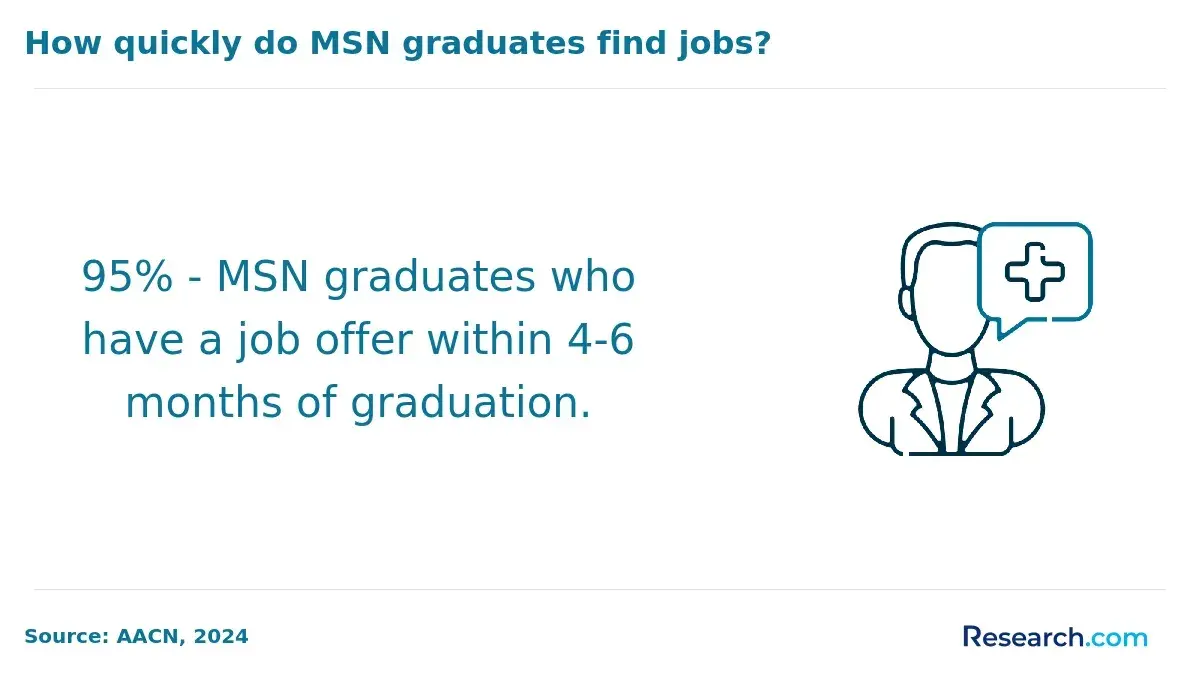
Applications to nursing programs nationwide, including Hawaii, have risen by up to 15% annually, reflecting a growing demand for advanced nursing skills. For prospective students holding a bachelor's degree in a non-nursing field, navigating admission criteria for direct-entry MSN programs in Hawaii is critical to a successful application. Below is a detailed breakdown of the essential eligibility requirements for these programs.
- Prior Degree: Applicants must possess a bachelor's degree from an accredited institution, typically in a non-nursing field, to qualify for direct-entry MSN programs.
- GPA Expectations: Most programs require a competitive cumulative GPA, generally 3. 0 or higher, to ensure academic readiness for graduate-level coursework.
- Prerequisite Coursework: Foundational science courses such as anatomy, physiology, microbiology, chemistry, nutrition, and statistics are usually mandatory. Psychology and human growth and development may also be required to establish a strong knowledge base.
- Standardized Tests: Some programs request GRE scores, with competitive results improving admission prospects. However, requirements vary by program.
- Letters of Recommendation: Two to three recommendations are commonly needed to attest to academic abilities, character, and leadership potential within nursing.
- Relevant Experience: Although not always mandatory, healthcare or service-oriented experience, including volunteering or internships, is strongly encouraged as it demonstrates commitment and practical insight.
These criteria form the core of Hawaii direct-entry MSN program eligibility requirements. Candidates can explore specialized credentials among the best acute care nurse practitioner programs to further enhance their nursing career paths.
What courses are included in a direct-entry MSN program in Hawaii?
Career-changers entering nursing through direct-entry MSN programs in Hawaii must acquire a broad and rigorous set of skills to transition successfully into advanced nursing roles. The curriculum is structured to build foundational knowledge while progressively developing clinical competence and leadership capacity. Below is a detailed overview of the major course categories that constitute these programs and their relevance to advanced nursing practice.
- Foundational Nursing Sciences: This area covers essential biological, psychological, and social sciences such as anatomy, physiology, microbiology, and behavioral science. These courses provide the scientific basis necessary for understanding patient care and the healthcare environment.
- Clinical Practice and Simulation: Focused on hands-on training, this category involves supervised clinical hours and simulation lab experiences. It promotes development of practical skills in patient assessment, critical thinking, and clinical decision-making under real-world conditions.
- Health Assessment: These courses teach systematic physical and health evaluation techniques. Students learn to identify and respond accurately to patient needs, which is vital for quality care delivery.
- Pharmacology and Pathophysiology: Coursework in this domain deepens understanding of drug actions, medication management, and disease processes. This knowledge is critical for implementing safe and effective nursing interventions.
- Nursing Leadership: This category prepares students for leadership roles by focusing on healthcare policy, management strategies, quality improvement, and protocol development. It equips nurses to influence healthcare delivery positively.
- Evidence-Based Practice: Students learn to integrate current research findings into clinical care to improve patient outcomes. Emphasis is placed on critical appraisal of research and applying best practices in diverse settings.
- Population Health: Courses cover public and community health principles, preparing graduates to address health at a systemic level and work effectively in various healthcare environments.
- Advanced Nursing Concepts: Integrating complex clinical decision-making, ethical considerations, and healthcare technology, this coursework readies students for specialized nursing roles and evolving healthcare challenges.
How does clinical experience differ between online and campus direct-entry MSN programs?
Clinical experience is fundamental in direct-entry MSN education in Hawaii, as it equips students with practical skills essential for safe patient care and licensure success. Real-world clinical training fosters clinical judgment and confidence that theoretical coursework alone cannot provide. The structure of clinical experiences, however, varies notably between online and campus-based programs, influencing how students engage with hands-on learning and faculty support.
- Clinical Placement Coordination: Campus programs typically arrange clinical placements through established partnerships with local healthcare facilities, offering students direct access to well-known sites. Online programs coordinate placements remotely, enabling students to complete hours at approved locations close to their homes, which can expand accessibility but requires more self-direction.
- Simulation Labs: On-campus students benefit from access to equipped simulation labs, practicing procedures in a controlled environment before patient interaction. Online students may rely on virtual simulation options or local alternative facilities, which provide similar training but differ in immediacy and hands-on availability.
- Supervision and Faculty Oversight: Campus clinical experiences include real-time faculty supervision with immediate feedback. In online programs, supervision mixes on-site preceptors and remote instructors, challenging students to adapt communication methods while maintaining rigorous evaluation standards.
- Scheduling Flexibility: Online programs generally offer greater flexibility, accommodating students balancing work or family. Campus programs follow more structured clinical schedules, potentially limiting availability but fostering consistent on-site engagement.
- Hands-On Patient Experience: Both formats ensure direct patient care under professional oversight, with campus students working alongside experienced nurses in various settings and online students interacting at local facilities, ensuring licensure readiness through practical application.
A nurse who graduated from a direct-entry MSN program in Hawaii shared that her online clinical experience required proactive communication with distant faculty and local preceptors, which, though initially intimidating, enhanced her independence and problem-solving skills. She recalled moments of uncertainty arranging clinical hours locally but valued the flexibility to balance family commitments.
Conversely, she described the campus cohort as benefiting from immediate access to simulation labs and in-person mentoring, which fostered a strong peer network. Her journey highlighted that while the formats differ operationally, both demanded dedication and shaped her into a competent nurse ready for professional practice.
How long does it typically take to complete a direct-entry MSN in Hawaii?
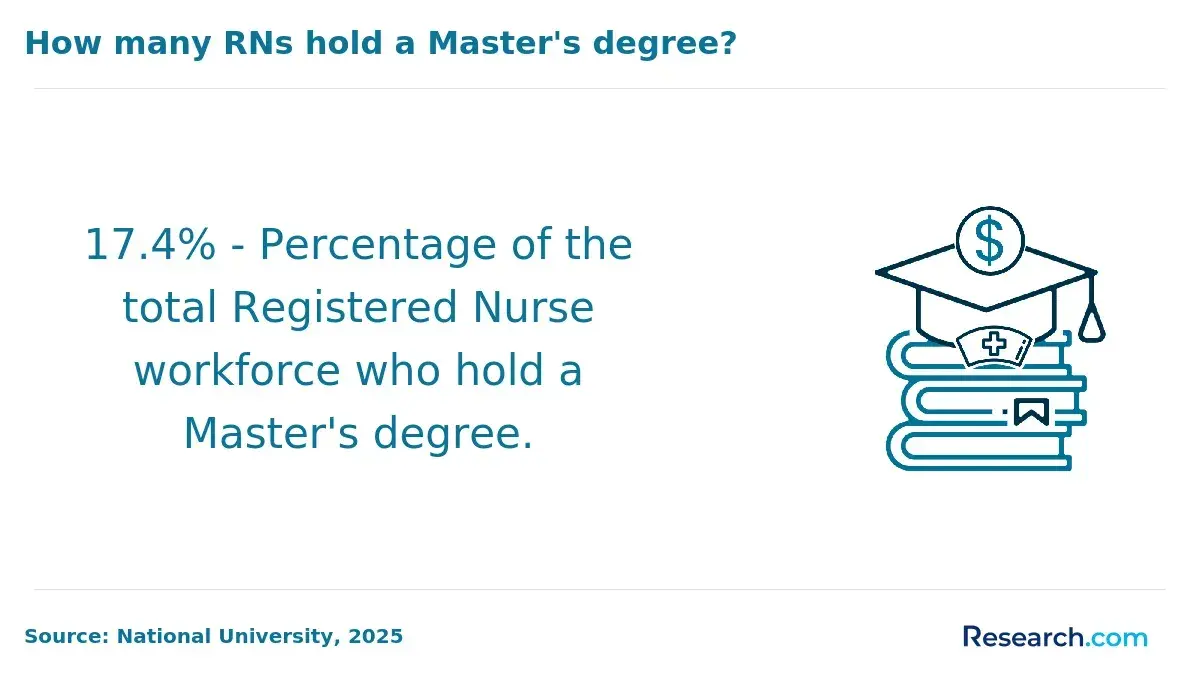
Time-to-completion is a crucial factor for individuals with non-nursing backgrounds pursuing direct-entry Master of Science in Nursing (MSN) programs in Hawaii, as it influences their career transition speed and ability to balance other responsibilities. Notably, accelerated program formats report a 20% faster graduation rate compared to traditional options, highlighting their appeal for those seeking efficiency in education.
Standard full-time direct-entry MSN programs typically require 24 to 36 months to complete. This duration includes essential components such as classroom instruction, clinical rotations, and sometimes prerequisite or preparatory coursework if prior academic requirements haven't been met. Programs focusing on an accelerated timeline often reduce this period to about two years by increasing course load intensity and clinical hours. In contrast, extended or part-time pathways offer scheduling flexibility, which benefits working professionals but generally lengthens the overall timeframe to completion.
Prerequisite coursework and prior academic preparation significantly impact program length. Students entering with completed science and health-related courses usually spend less time on foundational classes, enabling a quicker progression through the curriculum. Strong academic backgrounds also facilitate managing accelerated schedules without compromising outcomes.
The study modality further influences duration. Online programs provide greater flexibility in pacing, allowing students to integrate studies with personal and professional obligations, which can result in varied completion times. Conversely, traditional campus-based programs adhere to fixed semester schedules and structured clinical placements, generally producing more predictable timelines for graduation.
How much does a direct-entry MSN program cost in Hawaii?
Direct-entry MSN programs in Hawaii generally cost between $40,000 and $70,000 in total tuition. Being aware of these costs is especially important for career changers, as nursing programs require more than tuition alone, necessitating a thorough financial plan to avoid unexpected expenses.
Several factors influence the total cost of direct-entry MSN programs in Hawaii. Key considerations include:
- Program length: Both online and on-campus programs vary in credit hours and duration, with longer programs leading to higher tuition and additional fees. The total time to completion directly impacts overall expenses.
- Delivery format: Online programs can reduce costs related to commuting and housing but may add technology fees. On-campus formats include expenses tied to physical facilities and in-person resources, impacting tuition differently.
- Clinical and lab fees: Clinical practicum requirements affect all students, but on-campus learners usually face higher lab fees due to use of simulation labs and equipment, while online students may incur clinical placement fees but lower laboratory costs.
- Residency status: Tuition rates for Hawaii residents are generally lower than for non-residents, primarily affecting on-campus programs, although some online options may also consider residency in pricing.
- Technology fees: Online students often pay for learning platforms and virtual classroom support, which may be minimal or absent for those attending in person, influencing total cost especially for online pathways.
- Prerequisite coursework: Career changers often need extra prerequisite courses before starting the MSN program. These additional classes add to the total costs regardless of whether the program is online or on campus.
What financial aid options do direct-entry MSN students have in Hawaii?
Financial aid is a crucial factor for students entering direct-entry MSN programs in Hawaii, particularly because these accelerated pathways often require a significant financial commitment within a compressed timeframe. Nationally, about 85% of graduate nursing students rely on some form of financial assistance to support their education, underscoring the importance of understanding funding options. Several tailored aid opportunities exist to help reduce educational expenses while promoting career advancement.
- Federal Financial Aid: This typically includes government student loans such as Direct Unsubsidized Loans and Grad PLUS Loans, which feature flexible repayment plans and comparatively low interest rates. Federal work-study programs also offer part-time healthcare-related employment, enabling students to gain experience while offsetting costs. Such aid primarily benefits those who demonstrate financial need or lack employer support.
- State-Based Aid: Hawaii residents may qualify for state grants or scholarships designed to bolster the local healthcare workforce. These programs often require residency proof and may obligate recipients to work in state healthcare settings post-graduation, making them especially beneficial for students committed to serving their communities.
- Scholarships and Grants: Scholarships and grants are highly sought because they do not require repayment. In Hawaii, nursing-specific scholarships are available from professional organizations and nonprofits emphasizing academic merit, leadership, or service in underserved areas. Grants may also be awarded based on financial need or program criteria from federal or state sources.
- Employer Tuition Assistance: Many healthcare employers in Hawaii support employees pursuing advanced nursing degrees through tuition reimbursement programs. These options are ideal for working students and usually require a post-graduation employment commitment with the sponsoring organization.
- Loan Repayment and Forgiveness Programs: Nurses working in shortage or underserved areas may qualify for programs like those administered by the National Health Service Corps or state health departments, which offer partial to full loan repayment in exchange for service commitments. These programs effectively reduce debt burdens and incentivize employment in critical locations.
A graduate of a direct-entry MSN program in Hawaii shared reflections on navigating financial aid during his studies: He recalls feeling overwhelmed at first by the complexity of combining multiple aid sources to cover tuition and living expenses, especially since the accelerated program left little time for traditional work. The process of applying for federal loans, state grants, and employer assistance required persistence and careful coordination with financial aid offices.
Despite the challenges, he found that consulting with specialized advisors and planning early made the financial journey manageable. He emphasizes that these resources not only made the program affordable but also allowed him to focus fully on his rigorous studies and ultimately advance his nursing career with confidence.
What jobs can graduates of direct-entry MSN programs get in Hawaii?
A direct-entry MSN in Hawaii equips individuals with a non-nursing bachelor's degree to acquire essential nursing knowledge, clinical skills, and leadership training necessary for registered nursing and roles related to advanced practice. This preparation aligns graduates with Hawaii's healthcare demands and opens varied job opportunities within the state's diverse healthcare system, positioning them well for direct patient care as well as administrative and educational functions.
Common career paths for graduates of direct-entry MSN nursing jobs in Hawaii include:
- Registered Nurse (RN): Graduates are eligible to take the NCLEX-RN licensure exam and work in multiple settings including hospitals, outpatient clinics, and long-term care facilities. RNs provide direct patient care, administer treatments, and educate patients. This role requires a nursing license but no additional certifications beyond the MSN.
- Nurse Educator: Focused on training future nurses, nurse educators develop curricula and provide classroom and clinical instruction, frequently employed by nursing schools and academic institutions. Additional certifications or a doctorate may enhance career growth but are not mandatory immediately.
- Clinical Nurse Leader (CNL): CNLs coordinate care to improve patient outcomes through leadership and evidence-based practice within clinical teams, commonly working in hospitals and community health settings. While RN licensure is required, certification in clinical leadership is sometimes preferred.
- Public Health Nurse: These professionals promote community health through education and disease prevention programs in public health departments and non-profits. Additional certification in community health nursing can be advantageous but isn't always required.
- Case Manager: Case managers assess patient needs and coordinate care plans to improve outcomes and reduce hospital readmissions. Employers include hospitals, insurance companies, and rehabilitation centers. Certification such as Certified Case Manager (CCM) may be necessary for some roles.
For those interested in further advanced nursing roles, can you be a nurse practitioner without being a nurse explores pathways beyond RN licensure and highlights the importance of clinical experience and additional certifications.
How much do direct-entry MSN graduates earn in Hawaii?
Direct-entry MSN graduate salary Hawaii figures generally range from $85,000 to $110,000 annually, reflecting a competitive market for advanced nursing roles in the state. Grasping these wages is essential for anyone evaluating career planning and the return on investment in a direct-entry MSN program.
- Registered Nurse (RN): Entry-level MSN graduates working as RNs earn between $80,000 and $100,000, depending largely on experience and geographic location within Hawaii. Urban hospitals, especially in Honolulu, typically offer salaries at the higher end of this range compared to rural healthcare settings.
- Clinical Nurse Leader: Salaries for clinical nurse leaders generally fall between $90,000 and $110,000, influenced by years of clinical expertise and employer type. Specialized healthcare systems often provide increased pay and benefits compared to community facilities.
- Nurse Manager: Nurse managers command higher wages, ranging from $95,000 to $120,000, as leadership responsibilities and administrative duties impact compensation. Experience in management and certifications can significantly affect salary levels.
- Nurse Educator: Those focusing on education roles earn between $85,000 and $105,000, with differences attributed to academic institutions versus clinical training settings. Location and employer resources also play important roles in determining pay.
For prospective students assessing nursing salaries for MSN graduates in Hawaii, considering roles beyond clinical practice-such as leadership or education-can be advantageous for long-term earning potential. Additionally, exploring affordable online psychiatric nurse practitioner program options may further enhance specialized skill sets and career opportunities.
What Graduates of Direct-Entry MSN Programs in Hawaii Say About Their Degree
- Pursuing my direct-entry MSN program online while living on Oahu allowed me to balance my studies with my family life seamlessly. The hybrid format gave me access to world-class professors and local clinical sites, which truly enriched my learning experience. Starting my nursing career at Kaimuki Middle School has been incredibly fulfilling. I feel passionate about integrating health education into the school curriculum and positively influencing the well-being of the students. The support system in Hawaii's nursing community made this transition smooth and encouraging. Lian
- Switching careers into healthcare through a direct-entry MSN program in Hawaii was one of the best decisions I've ever made. The program's integration of cultural competencies unique to the Hawaiian Islands prepared me to serve our diverse population with respect and empathy. Completing the on-campus program on Maui challenged me intellectually and personally, and now I'm confident stepping into my new career. The program's emphasis on both rural health and indigenous health perspectives deepened my understanding and commitment to this field. Andre
- The personal growth I experienced throughout my direct-entry MSN program in Hawaii was profound. Immersed in the local culture and environment, I learned not only clinical skills but also how to engage with communities meaningfully. My role at Waiakea High School allows me to contribute directly to student health initiatives, emphasizing mental wellness and preventive care. This journey has ignited a lifelong passion for community impact and further professional growth within the healthcare sector. Aisha
Related Articles for Nearby States
- Best Direct-Entry MSN Programs in Alaska: Online & Campus for 2027
- Best Direct-Entry MSN Programs in California: Online & Campus for 2027
- Best Direct-Entry MSN Programs in Oregon: Online & Campus for 2027
- Best Direct-Entry MSN Programs in Washington: Online & Campus for 2027
- Best Direct-Entry MSN Programs in Nevada: Online & Campus for 2027
- Best Direct-Entry MSN Programs in Arizona: Online & Campus for 2027
- Best Direct-Entry MSN Programs in Idaho: Online & Campus for 2027
- Best Direct-Entry MSN Programs in Utah: Online & Campus for 2027
- Best Direct-Entry MSN Programs in Montana: Online & Campus for 2027
- Best Direct-Entry MSN Programs in Wyoming: Online & Campus for 2027
References:
- Direct-Entry Master’s in Nursing (MSN) Programs https://nursinglicensemap.com/nursing-degrees/masters-in-nursing/direct-entry-programs/
- What Are Direct-Entry Nursing Programs? | IntelyCare https://www.intelycare.com/career-advice/what-are-direct-entry-nursing-programs/
- 2026 Best MSN and RN-to-MSN Programs in Hawaii https://www.registerednursing.org/degree/msn/hawaii/
- Masters in Nursing in Hawaii | Online MSN Degree Programs for Nurse Practitioners in HI https://www.msnedu.org/hawaii/
- Master’s in Nursing Schools in Hawaii https://www.rntomsn.com/states/hawaii/
- Direct Entry MSN Program Opinion https://allnurses.com/direct-entry-msn-program-opinion-t595010/
- Best Hawaii Nursing Schools and Programs | NursingEducation https://nursingeducation.org/state/hawaii/
- How Can I Become an NP without a Nursing Degree? https://www.npschools.com/blog/becoming-an-np-without-a-nursing-degree
- Top 10 Best Nursing Schools in Hawaii https://nurse.org/education/top-10-best-nursing-schools-in-hawaii/
- APRN Salary in Hawaii | Nurse Practitioner | MSN Salary in HI https://www.rntomsnedu.org/hawaii/hawaii-salary/
Other Things You Should Know About The Best Direct-Entry MSN Programs in Hawaii
Key admission requirements for direct-entry MSN programs in Hawaii typically include a bachelor's degree in a non-nursing field, prerequisite coursework in areas like biology and anatomy, a minimum GPA, letters of recommendation, and a personal statement. Some programs may also require GRE scores and relevant healthcare experience.
Getting into a direct-entry MSN program in Hawaii is moderately competitive. These programs accept applicants with a non-nursing bachelor's degree and assess candidates based on academic performance, prerequisite coursework, and healthcare experience. Admission requirements vary by school but generally include a minimum GPA, letters of recommendation, and an interview.
Availability of spots is limited due to a growing demand for nursing professionals. Applicants should prepare strong applications highlighting their commitment to nursing and relevant experiences. Researching each program's specific prerequisites and deadlines is essential for improving admission chances.
No, you cannot become a Nurse Practitioner (NP) in Hawaii directly through a direct-entry MSN program. These programs prepare you to become a registered nurse (RN) but do not grant NP certification. After completing a direct-entry MSN, you must first obtain RN licensure in Hawaii. Then, you need to pursue additional graduate-level NP certification, typically through a nurse practitioner specialization program.
Hawaii requires NPs to hold advanced practice registered nurse (APRN) credentials and meet state-specific licensure requirements. Prospective students should plan for sequential education steps: direct-entry MSN, RN licensing, then NP certification for full practice authority in Hawaii.
After completing a direct-entry MSN program in Hawaii, graduates can explore a variety of career paths such as nurse practitioner, clinical nurse leader, nurse educator, or healthcare administrator. These roles are in demand, especially in Hawaii, where healthcare needs continually grow, providing rewarding opportunities for MSN holders.


