
Best Direct-Entry MSN Programs in Oklahoma: Online & Campus for 2027

Co-Founder and Chief Data Scientist
Changing careers to nursing can be daunting, especially for those with a bachelor's in a non-nursing field. Oklahoma faces a growing demand for advanced practice nurses, with a 12% increase in RN jobs projected over the next decade. Direct-entry MSN programs offer a fast, effective pathway but vary widely in format and quality.
This article provides a clear comparison of the best programs, both online and on campus, with insights from career planning experts to guide informed decisions and smooth the transition into nursing.
Key Benefits of Direct-Entry MSN Programs in Oklahoma
- Online and campus direct-entry MSN programs in Oklahoma offer flexible scheduling, accommodating professionals balancing work and study, critical as 65% of students report juggling multiple responsibilities.
- These programs provide comprehensive clinical experiences across diverse healthcare settings, aligning with Oklahoma's demand for 8,000+ new registered nurses by 2030, ensuring graduates are workforce-ready.
- Strong academic support and career services boost graduate employment rates to over 90%, helping non-nursing degree holders transition smoothly into nursing roles while meeting state licensure requirements.
- Who is eligible for a direct-entry MSN program in Oklahoma?
- How do online direct-entry MSN programs compare to campus programs in Oklahoma?
- What are the admission requirements for direct-entry MSN programs in Oklahoma?
- What courses are included in a direct-entry MSN program in Oklahoma?
- How does clinical experience differ between online and campus direct-entry MSN programs?
- How long does it typically take to complete a direct-entry MSN in Oklahoma?
- How much does a direct-entry MSN program cost in Oklahoma?
- What financial aid options do direct-entry MSN students have in Oklahoma?
- What jobs can graduates of direct-entry MSN programs get in Oklahoma?
- How much do direct-entry MSN graduates earn in Oklahoma?
Who is eligible for a direct-entry MSN program in Oklahoma?
Nearly 15% of nursing students nationwide are career changers who enter the field through accelerated or direct-entry master's programs, reflecting a growing trend toward faster, graduate-level nursing education. For those exploring eligibility requirements for direct-entry MSN programs in Oklahoma, understanding who these programs are tailored for helps clarify if this pathway aligns with personal and professional goals.
This perspective also highlights the value of programs that combine foundational nursing coursework with advanced practice training.
- Career Changers: Individuals with bachelor's degrees outside of nursing who want to transition into a nursing career at the graduate level benefit greatly from these programs, which avoid the need to complete a separate BSN. These programs provide a direct, efficient route to advanced nursing roles.
- Non-Nursing Graduates: Those holding degrees in unrelated fields can leverage direct-entry MSN programs in Oklahoma to gain foundational nursing knowledge alongside specialized graduate-level training, enabling a comprehensive education without redundant coursework.
- Professionals Seeking Accelerated Pathways: Many who desire to move quickly into nursing leadership, clinical specialties, or advanced practice roles find these programs well suited for their ambitions, as the streamlined curriculum reduces typical time commitments compared to traditional BSN-to-MSN routes.
- Individuals Interested in Online and Campus Options: Flexibility matters for busy adults balancing existing work or personal responsibilities; direct-entry MSN programs often offer both online and face-to-face learning formats to accommodate diverse schedules and locations.
For prospective students curious about who can apply for Oklahoma direct-entry MSN programs, these categories broadly encompass those ready to pivot careers efficiently while pursuing a graduate education. Before enrolling, it's also important to evaluate how such programs compare in terms of salary prospects, especially considering graduate-level roles like a psych DNP, which indicate the long-term professional and financial benefits tied to advanced nursing degrees.
How do online direct-entry MSN programs compare to campus programs in Oklahoma?
Online Programs
- Curriculum Equivalency: Online direct-entry MSN programs in Oklahoma offer curriculums that meet the same accreditation standards as campus programs, ensuring you acquire the essential knowledge and skills needed for advanced nursing roles.
- Flexibility and Scheduling: These programs provide significant flexibility with asynchronous coursework, allowing you to balance studies with work or family obligations by accessing lectures and assignments on your own time.
- Clinical Experience: Despite the virtual format, local clinical placements are arranged to ensure hands-on supervised practice, maintaining the critical practical training required in nursing.
- Interaction with Faculty and Peers: While face-to-face contact is limited, online students connect through video calls, discussion forums, and virtual study groups, which facilitate collaboration though may feel less personal to some.
- Employer Perception: Research shows that over 75% of employers in nursing view accredited online MSN degrees as comparable to those earned on campus, supporting the credibility of these programs in the job market.
On-Campus Programs
- Curriculum Equivalency: Campus programs follow rigorous curriculums aligned with accreditation, providing the same foundational and advanced nursing competencies as online options in Oklahoma.
- Flexibility and Scheduling: Typically, on-campus classes have fixed schedules requiring attendance, which may limit flexibility but foster a structured learning environment that benefits many students.
- Clinical Experience: Campus formats integrate clinical hours with direct supervision and hands-on practice, often facilitated through established partnerships with local healthcare facilities.
- Interaction with Faculty and Peers: In-person engagement through lectures, labs, and campus events encourages immediate communication and deeper networking, enhancing the educational experience.
- Employer Perception: Degrees earned on campus continue to be widely recognized by healthcare employers, often seen as traditional but equally valued compared to online counterparts.
For those wondering how long does it take to become a womens health nurse practitioner, choosing the right program delivery format is a vital step that shapes your educational journey and career prospects.
What are the admission requirements for direct-entry MSN programs in Oklahoma?
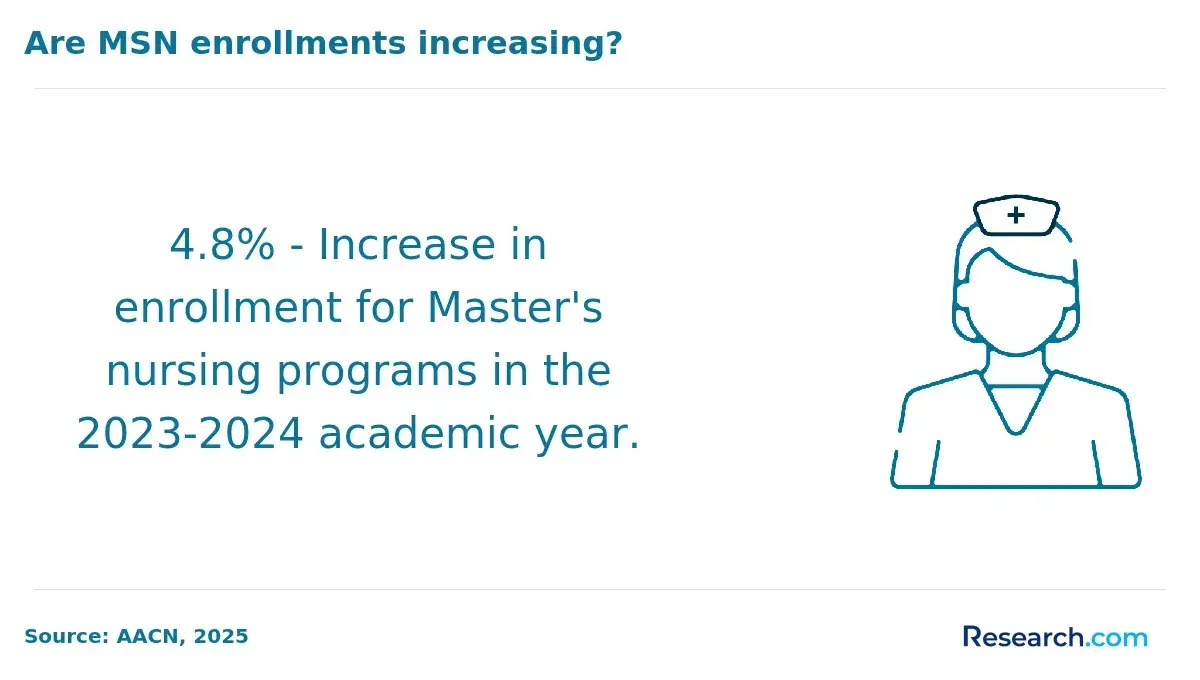
Navigating admission requirements is a crucial step for prospective nurses in Oklahoma pursuing direct-entry MSN programs. With a 25% increase in nursing program applications nationwide over the past five years, competition is growing, especially for those seeking leadership roles in healthcare. Below is a practical breakdown to help applicants meet eligibility criteria for Oklahoma direct-entry MSN programs.
- Prior Degree: Applicants must hold a bachelor's degree in a non-nursing field, as these programs target individuals without a registered nursing background.
- GPA Expectations: A minimum cumulative GPA of 3. 0 on a 4. 0 scale is typically required, though some programs may accept slightly lower GPAs with strong additional credentials.
- Prerequisite Coursework: Completion of foundational courses such as anatomy and physiology, microbiology, chemistry, statistics, and psychology is essential to prepare for advanced nursing concepts.
- Standardized Tests: Some programs require the Graduate Record Examination (GRE), but many have adopted test-optional policies recently, focusing more on holistic review.
- Letters of Recommendation: Two to three letters from academic or professional references are needed to verify the applicant's readiness for graduate-level work and leadership potential.
- Relevant Experience: Healthcare or leadership experience, including volunteer work, strengthens applications by showing commitment and familiarity with clinical settings.
For those exploring both online and campus options, knowledge of the best online acute care nurse practitioner program can be an important part of planning ahead.
What courses are included in a direct-entry MSN program in Oklahoma?
For career-changers entering nursing through a direct-entry pathway, knowing the course structure helps in setting clear expectations and preparing effectively for the demands of the program. These courses build the foundation needed to transition smoothly from a non-nursing background into advanced nursing roles. Below is an overview of the main course categories typically included in direct-entry MSN programs in Oklahoma.
- Foundational Nursing Sciences: This area covers key subjects like human anatomy, physiology, microbiology, and nutrition. It establishes essential knowledge about how the body works and responds to illness, forming a base for all future clinical learning.
- Health Assessment: Focused on teaching comprehensive physical and psychosocial evaluations, these courses refine skills in patient observation, interviewing, and documenting health histories. Simulation labs often complement learning to practice assessments in safe, controlled scenarios.
- Pharmacology and Pathophysiology: These courses delve into the biological mechanisms of diseases and the drugs used to treat them. Mastery here enables safe medication administration and anticipates patient responses, critical for advanced nursing practice.
- Clinical Practice and Simulation: Hands-on training through real-world clinical placements or simulated healthcare environments helps develop clinical judgment and technical skills necessary for patient care.
- Nursing Leadership and Management: Coursework in this category prepares students to coordinate care teams, make administrative decisions, and apply healthcare policies, emphasizing communication, ethics, and organizational behavior.
- Evidence-Based Practice: Students learn to critically evaluate research and integrate scientific findings into clinical decisions, promoting continuous improvement in patient outcomes.
- Population Health: These courses address health trends and disparities within communities, training students to design strategies for promoting health and preventing disease on a larger scale.
- Advanced Nursing Concepts: Integrating prior knowledge, these courses focus on advanced pharmacotherapeutics, complex clinical reasoning, and certification exam preparation for specialized nursing roles.
How does clinical experience differ between online and campus direct-entry MSN programs?
Clinical training plays a vital role in direct-entry MSN education in Oklahoma, shaping students' practical skills and ensuring readiness for licensure and professional nursing roles. Hands-on experience in clinical settings is essential to develop the confidence and competence required for safe patient care. The way clinical experience is organized varies notably between online and campus-based MSN programs, each offering distinct advantages and logistical setups.
- Clinical Placement Coordination: In campus programs, clinical sites are arranged through established partnerships with local healthcare facilities, often easing the placement process. Online students, conversely, work with program coordinators to secure approved local sites near their homes, requiring more proactive involvement in finding suitable clinical opportunities.
- Simulation Lab Access: Campus students benefit from on-site simulation labs that mirror real clinical environments, allowing hands-on practice under close supervision. Online learners may have less physical access to these labs but frequently engage with virtual simulation tools that supplement their in-person clinical hours.
- Faculty Oversight and Supervision: Campus programs provide direct, face-to-face faculty supervision during clinical rotations, which allows immediate feedback and guidance. Online programs maintain oversight via scheduled site visits, teleconferencing, and detailed clinical logs, blending remote support with local mentorship.
- Scheduling Flexibility: Clinical hours in campus programs are typically structured with set times aligning with campus resources. Online learners often enjoy greater flexibility, fitting clinical rotations around personal and professional commitments, though this requires careful time management.
- Hands-on Patient Care Experience: Both formats ensure rigorous patient care training with equivalent clinical hours mandated by accreditation and licensure requirements, ensuring graduates are equally prepared regardless of delivery method.
When I spoke with a nurse who completed her direct-entry MSN in Oklahoma online, she shared how coordinating clinical placements close to her rural home tested her organizational skills but ultimately strengthened her independence and resourcefulness.
She recalled initial uncertainty about whether virtual simulations would prepare her adequately, but found the mix of technology and real-world practice surprisingly comprehensive. The remote faculty check-ins and clinical logs offered a unique blend of autonomy and accountability that deepened her focus. This experience taught her resilience and adaptability, qualities she now values deeply in her nursing career.
How long does it typically take to complete a direct-entry MSN in Oklahoma?
Program length and time-to-completion are key factors when planning to enter nursing from a non-nursing background, as they influence how quickly you can begin your career as a registered nurse. Nearly 60% of direct-entry MSN students favor programs that can be completed within two to three years, reflecting the urgency of joining the workforce amid growing demand.
Typically, direct-entry MSN programs in Oklahoma require about two to three years of full-time study. This reflects the need to cover foundational nursing knowledge and build advanced clinical skills. For a student with a non-nursing bachelor's degree, full-time enrollment in a traditional program usually means attending intensive coursework combined with clinical practice over this period. Accelerated formats may shorten the timeline to approximately two years by condensing coursework and clinical hours into a faster-paced schedule, ideal for those who can commit fully and want to expedite entry into the field.
However, the length can vary depending on prerequisites and prior academic experience. Students who have completed healthcare-related courses or science prerequisites before starting may reduce the duration needed to complete core nursing classes. Conversely, needing to first take foundational science or general education classes can extend the program beyond three years. This is an important consideration to factor into your personal timeline and planning.
Online direct-entry MSN options often offer flexible scheduling that can help balance study with work or family demands. While these programs provide convenience, clinical components still require in-person attendance, which can sometimes affect the overall duration. Opting for online formats may either compress or extend your timeline depending on whether you choose accelerated or part-time paths.
How much does a direct-entry MSN program cost in Oklahoma?
The average total tuition cost for direct-entry MSN programs in Oklahoma typically ranges from $40,000 to $70,000. Being aware of these costs is particularly important for career changers entering nursing, as they often balance education expenses with other financial responsibilities and may have limited access to healthcare-specific funding. Understanding what influences these costs helps you plan your budget more effectively.
Several key factors affect the total cost of direct-entry MSN programs in Oklahoma:
- Program Length: Most direct-entry MSN programs last between 2 to 3 years. Longer programs usually come with higher tuition costs because of additional semesters, impacting both online and on-campus students.
- Delivery Format: Tuition rates can vary between online and on-campus options. On-campus programs may have extra costs like commuting and facility fees, while online programs might charge technology fees that cover virtual learning platforms.
- Clinical and Lab Fees: These fees support hands-on training components such as labs and clinical rotations, mainly affecting on-campus or hybrid students who use physical facilities and clinical sites in Oklahoma.
- Residency Status: In-state students often benefit from lower tuition rates at public universities. This primarily impacts on-campus programs, so out-of-state students should expect higher costs in these cases.
- Technology Fees: Online students typically pay additional fees for access to digital resources and technical support. Some on-campus programs include these fees in the overall tuition, so costs can vary depending on the program.
- Prerequisite Coursework: Some programs require completing specific science or health-related courses before admission. The cost of prerequisites varies based on whether you take them at a community college or university and affects both online and on-campus pathways.
What financial aid options do direct-entry MSN students have in Oklahoma?
For students entering nursing through accelerated or career-change pathways, financial aid is a critical factor in managing the cost of advanced degrees. Nearly 70% of graduate nursing students in the U.S. depend on some form of financial assistance, highlighting the importance of exploring all available funding sources to make this transition affordable. Below is an overview of common aid options that can help direct-entry MSN students in Oklahoma finance their education effectively.
- Federal Financial Aid: This includes loans like Direct Unsubsidized Loans and Grad PLUS Loans, which offer relatively low interest rates and flexible repayment terms. While grants are limited for graduate students, programs such as the TEACH Grant may be available for those committing to teach in high-need areas, making federal aid broadly accessible regardless of income.
- Oklahoma State Aid: Specific programs like the Oklahoma Nursing Incentive Scholarship provide tuition assistance to students planning to work in underserved communities within the state. This aid encourages graduates to serve areas with critical healthcare shortages and ties funding to a service commitment.
- Scholarships and Grants: Numerous nursing-focused foundations offer merit-based awards based on academic achievement or dedication to particular nursing specialties. Students aiming for mental health specializations often search for a cheap online psychiatric nurse practitioner program to combine low base tuition with these external scholarship opportunities.
- Employer Tuition Assistance: Healthcare employers often provide tuition support in exchange for continued employment. This option benefits working nurses or healthcare staff who want to pursue advanced qualifications without taking on excessive debt.
- Loan Repayment and Forgiveness Programs: Programs like the National Health Service Corps and Nurse Corps Loan Repayment forgive portions of education loans for graduates working in designated shortage or rural areas. These incentives are especially valuable for Oklahoma direct-entry MSN graduates targeting critical need locations.
A graduate from a direct-entry MSN program in Oklahoma shared his experience navigating financial aid: "Starting the process was overwhelming-I wasn't sure which options I qualified for or how to prioritize applications while managing work and family.
The FAFSA was my first step, but it was the state incentive scholarship that really made a difference by reducing my tuition costs and providing a clear pathway to serve underserved communities. Employer tuition assistance helped cover remaining expenses, but what eased the biggest worry was knowing that loan forgiveness programs were available after graduation if I worked in rural clinics. Reflecting on it, the combination of these supports allowed me to focus on learning rather than financial stress, and entering the nursing field with confidence. "
What jobs can graduates of direct-entry MSN programs get in Oklahoma?
A direct-entry MSN program in Oklahoma prepares individuals with a non-nursing bachelor's degree to enter professional nursing and advanced practice-adjacent roles by providing foundational clinical training and graduate-level nursing competencies. This pathway equips graduates to meet the state's healthcare demands while opening diverse nursing career opportunities.
Here are common career paths available to graduates of direct-entry MSN nurse jobs in Oklahoma:
- Registered Nurse (RN): As the primary clinical role, RNs deliver patient care through assessments, medication administration, and care coordination. They work in hospitals, outpatient clinics, and long-term care facilities. Passing the NCLEX-RN exam and obtaining licensure is mandatory.
- Nurse Educator: Nurse educators develop curricula, teach nursing students or staff, and participate in research. Positions are mostly in academic institutions or healthcare organizations. Additional certifications in nurse education may improve job prospects.
- Nurse Administrator/Manager: These professionals lead nursing teams, oversee budgets, and implement health policies in clinical or hospital settings. They focus on enhancing patient outcomes through management skills. No extra licensure is usually required, but leadership experience is beneficial.
- Clinical Nurse Specialist (CNS) - Advanced Practice Role: CNS roles involve expert clinical care, staff training, and leadership in specialized patient populations. This advanced role often requires post-master's certification and clinical hours aligning with Oklahoma's nursing regulations for advanced practice nurses.
- Public Health Nurse: Public health nurses work with community health organizations on population health, prevention, and health education initiatives. RN licensure is necessary, and some roles may require additional public health nursing certifications.
Those researching the easiest online msn programs to get into often consider these career options to strategically plan their nursing trajectory within Oklahoma's expanding healthcare sector.
How much do direct-entry MSN graduates earn in Oklahoma?
Direct-entry MSN graduates in Oklahoma earn an average salary between $65,000 and $90,000 per year, influenced by role, experience, and employer. Knowing the Oklahoma direct-entry MSN nurse earning potential helps you plan effectively and assess the return on investment for your education.
- Registered Nurse (RN): Typically earning between $60,000 and $75,000 annually, RNs benefit from hands-on clinical skills. Salaries increase with experience and tend to be higher in urban settings or large hospitals.
- Clinical Nurse Leader: Offering $70,000 to $85,000 per year, this role combines leadership and patient care. Location and type of healthcare facility can impact compensation, with specialty clinics often paying more.
- Nurse Manager: With salaries ranging from $80,000 to $95,000, nurse managers oversee staff and operations. Experience and working for government or large medical centers often result in better pay packages.
- Nurse Educator: Earning between $65,000 and $85,000, nurse educators focus on training and mentoring. Academic institutions provide varied salaries depending on location and tenure.
For those comparing advanced nursing careers, researching the differences between roles such as a physician assistant or nurse practitioner can provide valuable insight; consider consulting resources like physician assistant vs nurse practitioner which is better. Taking these factors into account will help you align your career choice with your earning goals and the reality of the Oklahoma job market.
What Graduates of Direct-Entry MSN Programs in Oklahoma Say About Their Degree
- The hybrid direct-entry MSN program in Oklahoma truly transformed my career trajectory. Balancing coursework online with occasional campus visits allowed me to work at Tulsa's Greenwood Elementary School while progressing through the program. This flexibility helped me grow both professionally and personally, fueling my passion to support young students' health and wellness in our local community. The faculty's deep understanding of Oklahoma's healthcare needs made the experience uniquely applicable to my new role. Christopher
- Switching into nursing after years in a different field was challenging, but the on-campus direct-entry MSN program gave me the foundation and confidence I needed. The immersive clinical experiences across Oklahoma's diverse healthcare settings exposed me to many important cultural and regional health issues. It felt rewarding to start this new career knowing that I was addressing the specific needs of our communities. This program helped me build a solid professional identity while making a meaningful impact. Mira
- Completing the online direct-entry MSN encouraged immense personal growth and a deeper connection to Oklahoma's underserved populations. Through service-learning projects that addressed rural health disparities, I gained valuable insight into how nurses can drive positive change. It also opened doors for future leadership opportunities within healthcare systems across the state. The program's commitment to instilling cultural competence resonated strongly with my desire to contribute holistically to community well-being. Daisy
Related Articles for Nearby States
- Best Direct-Entry MSN Programs in Texas: Online & Campus for 2027
- Best Direct-Entry MSN Programs in Kansas: Online & Campus for 2027
- Best Direct-Entry MSN Programs in Arkansas: Online & Campus for 2027
- Best Direct-Entry MSN Programs in Missouri: Online & Campus for 2027
- Best Direct-Entry MSN Programs in Colorado: Online & Campus for 2027
- Best Direct-Entry MSN Programs in New Mexico: Online & Campus for 2027
- Best Direct-Entry MSN Programs in Nebraska: Online & Campus for 2027
- Best Direct-Entry MSN Programs in Louisiana: Online & Campus for 2027
- Best Direct-Entry MSN Programs in Iowa: Online & Campus for 2027
- Best Direct-Entry MSN Programs in Mississippi: Online & Campus for 2027
References:
- MSN - Direct Entry https://www.herzing.edu/nursing/msn-direct-entry
- Top Direct Entry MSN Programs by State https://nurse.org/education/direct-entry-msn-programs-by-state/
- Nurse Salary https://nursinglicensemap.com/resources/nurse-salary/
- Master' s in Nursing https://nursing.ouhsc.edu/Programs-Academics/Masters-of-Science-in-Nursing
- GPS Financial Aid https://www.okwu.edu/admissions/financial-aid/gps/
- Costs https://financialservices.ouhsc.edu/Departments/Student-Financial-Aid/OUHSC-Estimated-Costs/Costs
- Salary in Oklahoma - OK for MSN-Educated Nurse Practitioners and More https://www.msnedu.org/oklahoma/oklahoma-salary/
- 2026 Best Nurse Practitioner Programs in Oklahoma (Online & Campus Ranked) https://www.registerednursing.org/nurse-practitioner/programs/oklahoma/
- Direct Entry - MSN vs Accelerated Online - BSN https://allnurses.com/direct-entry-msn-vs-t763443/
- RN to MSN in Oklahoma | Online RN-MSN Programs in OK | ADN to MSN https://www.rntomsnedu.org/oklahoma/
Other Things You Should Know About Direct-Entry MSN Programs in Oklahoma
Getting into a direct-entry MSN program in Oklahoma can be moderately competitive. These programs generally require applicants to have a bachelor's degree in a non-nursing field with a strong academic record. Admissions committees look for prerequisite coursework, usually in sciences, and relevant experience. The number of available spots is limited, so meeting minimum requirements does not guarantee acceptance.
Applicants should prepare a well-rounded application including strong letters of recommendation and a clear statement of purpose. Some schools may require entrance exams or interviews. Overall, persistence and careful preparation increase the chances of admission into these programs in Oklahoma.
To enter a direct-entry MSN program in Oklahoma, applicants typically need a non-nursing bachelor's degree, a minimum GPA (often around 3.0), prerequisite courses in sciences, and standardized test scores like the GRE. Some programs may also require healthcare experience or volunteer hours.
In 2027, the cost of direct-entry MSN programs in Oklahoma typically ranges from $40,000 to $80,000, depending on the institution and whether the program is pursued online or on-campus. Additional fees for materials, technology, and clinical placements may also apply.


