
2027 MPH vs. MSPH vs. MHS: Explaining the Difference

Co-Founder and Chief Data Scientist
Choosing between an MPH (Master of Public Health), MSPH (Master of Science in Public Health), and MHS (Master of Health Science) can be confusing for students interested in advancing their public health careers. While these degrees may sound similar, they differ in focus, structure, and career outcomes.
The MPH emphasizes hands-on public health practice and leadership, the MSPH centers on research and analytical skills, and the MHS offers specialized training in focused health science fields. Understanding these distinctions is crucial for selecting a program that aligns with your career goals—whether you want to manage health programs, conduct scientific research, or build technical expertise.
In this article, you will learn how these three degrees compare in curriculum, admissions, and job prospects. It will help you make an informed decision about which path best fits you in public health.
What are the benefits of getting MPH vs. MSPH vs. MHS?
- An MPH opens doors to careers such as epidemiologist, health policy analyst, or public health program manager in government, nonprofits, and healthcare systems. It offers a median annual salary of around $75,000–$100,000, depending on specialization and experience.
- An MSPH prepares graduates for research-focused roles like biostatistician, public health researcher, or academic analyst. Median salaries typically range from $70,000–$110,000, with higher pay in data-driven or scientific positions.
- An MHS is ideal for specialized roles in health policy, global health, or health informatics requiring analytical expertise. Professionals earn an average salary between $65,000–$95,000, varying by concentration and industry.
- Online MPH, MSPH, and MHS programs provide flexibility for working professionals to gain real-world skills and complete practicums remotely.
What can I expect from MPH vs. MSPH vs. MHS?
When comparing an MPH, MSPH, and MHS, you can expect key differences in focus, career outcomes, and skill development:
- MPH (Master of Public Health): Focuses on practical, hands-on training in public health practice and policy. Graduates often work in public health administration, health education, or community health. The median salary ranges from $70,000 to $90,000, depending on role and experience. Online MPH programs offer flexibility for working professionals.
- MSPH (Master of Science in Public Health): Emphasizes scientific research and data-driven approaches. Graduates often pursue careers in epidemiology, biostatistics, or academia. The median salary for these roles typically falls between $75,000 and $95,000. Online programs help students balance lab-based learning with independent research.
- MHS (Master of Health Science): Offers specialized training in areas like global health, health informatics, or health policy. Graduates often move into technical or analytical roles with median salaries of $70,000 to $100,000. Many MHS programs are available online, allowing for flexible specialization.
Where can I work with MPH vs. MSPH vs. MHS?
Graduates of an MPH (Master of Public Health) typically work in roles focused on improving community health and influencing policy. They find opportunities in:
- Public health departments at the local, state, or federal level
- Nonprofit organizations promoting disease prevention and health education
- Hospitals and healthcare systems in administration or program management
- International health agencies, such as the WHO or CDC, supporting global health initiatives
In contrast, graduates of an MSPH or MHS often work in research-driven or specialized technical fields. They may work in:
- Universities and research institutions, conducting studies on epidemiology, biostatistics, or health policy
- Pharmaceutical and biotech companies, focusing on clinical research or data analysis
- Consulting firms and government agencies that develop health solutions based on scientific evidence. These paths combine research, innovation, and data analytics to address health challenges worldwide.
How much can I make with MPH vs. MSPH vs. MHS?
Graduates with an MPH often earn salaries that reflect their leadership and practice-based roles in healthcare and public health organizations. According to the U.S. Bureau of Labor Statistics, public health professionals such as health services managers and epidemiologists earn between $78,000 and $104,000 annually, depending on experience and location. Those in government or nonprofit management roles may start around $60,000 to $70,000, while senior positions in policy or administration can exceed $120,000 per year.
For research-focused degrees like the MSPH and MHS, salaries vary based on specialization and industry. Research analysts, biostatisticians, and epidemiologists typically earn $75,000 to $100,000 annually. Graduates working in academia or government research often earn toward the lower end, while those in pharmaceuticals, consulting, or biotech industries can earn $110,000 or more. Overall, these degrees offer strong earning potential, especially for those pursuing advanced research or technical leadership roles.
- What is the difference between MPH, MSPH, and MHS degrees? MPH vs MSPH vs MHS
- Which is better for public health careers: MPH, MSPH, or MHS? Which is better for public health careers: MPH, MSPH, or MHS?
- What can you do with an MPH degree? What can you do with an MPH degree?
- What career paths are available to MSPH graduates? Career Pathways
- Are MHS degree holders eligible for public health leadership roles? Are MHS degree holders eligible for public health leadership roles?
- Which degree offers better job prospects in public health? Which degree offers better job prospects in public health?
- What are the admission requirements for MPH, MSPH, and MHS programs? Admission Requirements
- What is the average salary for MPH, MSPH and MHS graduates in the U.S.? Salary
- How does work experience affect MPH, MSPH, and MHS salaries? How does work experience affect MPH, MSPH, and MHS salaries?
- How do you choose between MPH, MSPH, and MHS degrees? Selection Tips
What is the difference between MPH, MSPH, and MHS degrees?
The Master of Public Health (MPH), Master of Science in Public Health (MSPH), and Master of Health Science (MHS) are all graduate degrees in the health sciences field, but they differ in focus, purpose, and career outcomes.
MPH (Master of Public Health)
This is the most practice-oriented degree. It prepares students to work in community health, policy, epidemiology, or health management. The curriculum emphasizes applied learning, leadership, and real-world public health practice. This degree is ideal for students who want to enter or advance in the workforce immediately after graduation.
MSPH (Master of Science in Public Health)
The MSPH is more research- and science-focused than the MPH. It suits students interested in academic, analytical, or technical roles. Coursework usually includes advanced biostatistics, epidemiology, and research design, making it a good foundation for PhD studies or research careers.
MHS (Master of Health Science)
The MHS is similar to the MSPH but may have a narrower focus on specific disciplines such as global health, health policy, or population health. It’s often shorter in duration and more specialized, appealing to students who want deep expertise in one area rather than broad public health practice.
Students comparing these graduate tracks often ask how they relate to professional credentials outside of public health—such as the difference between MBA and DBA, where one degree emphasizes applied leadership while the other focuses on research and organizational theory. The same logic applies here: MPH is practice-based, while MSPH and MHS are more research-oriented.
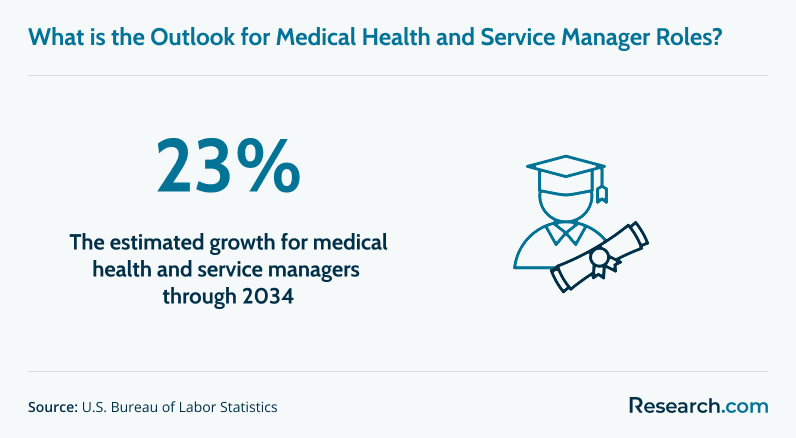
The field of medical and health services management is projected to grow by 23% through 2034, much faster than the average for all occupations.
Which is better for public health careers: MPH, MSPH, or MHS?
The best degree for public health careers depends on your career goals and preferred work setting rather than one being “better” overall.
- Choose an MPH if you want to work directly in public health practice, management, or policy implementation. It’s the most recognized and versatile degree among employers like the CDC, WHO, and local health departments. Graduates often become public health managers, epidemiologists, or health policy analysts. You can also earn an online public health degree to gain flexibility while preparing for these roles.
- Choose an MSPH if you are more interested in research, biostatistics, or academic roles. This degree is ideal for those planning to pursue a PhD or research career in epidemiology, environmental health, or health data science.
- Choose an MHS if you want to gain specialized knowledge in a focused area, such as health economics, global health, or population studies, without the broader public health practice component.
What can you do with an MPH degree?
With an MPH degree, you can pursue a wide range of public health, policy, and healthcare management careers. The MPH equips you with skills in epidemiology, biostatistics, health policy, and leadership, making it valuable across government, nonprofit, and private sectors.
Here are some common career paths for MPH graduates:
- Epidemiologist: Investigate disease patterns, outbreaks, and prevention strategies. Epidemiologists working in hospitals earn a median annual wage of $99,690, highlighting strong salary potential for research-oriented roles.
- Health Policy Analyst: Develop, analyze, and evaluate public health policies at state or federal levels.
- Public Health Program Manager: Plan and oversee community health initiatives and wellness programs.
- Environmental Health Specialist: Assess and address environmental risks affecting public health.
- Global Health Specialist: Work on international health programs focusing on disease prevention and health promotion.
- Health Educator or Community Outreach Coordinator: Design and implement education campaigns to improve population health.
MPH graduates also find roles in hospitals, NGOs, research institutes, and organizations like the CDC, NIH, or WHO. Some even move into executive leadership or consulting positions with experience, especially those who earned an affordable MPH online.
The chart below presents the median annual wages for epidemiologists across the top employing industries. It provides insight into which sectors offer the most competitive pay for professionals specializing in disease research and public health analysis.
What career paths are available to MSPH graduates?
Graduates with a Master of Science in Public Health (MSPH) often pursue careers centered on research, data analysis, and technical expertise in public health and related fields. The degree’s strong scientific and analytical foundation makes it ideal for those who want to design studies, interpret data, and inform evidence-based policy or programs.
Here are common career paths for MSPH graduates:
- Public Health Research Scientist: Conduct research on disease prevention, health behavior, or population trends.
- Biostatistician or Data Analyst: Analyze large health datasets to guide public health decisions.
- Epidemiologist: Study disease outbreaks and develop strategies for control and prevention.
- Environmental Health Researcher: Investigate environmental factors affecting human health.
- Academic or Policy Research Associate: Work in universities, think tanks, or research institutions supporting public health projects.
Many MSPH graduates also continue toward doctoral programs (PhD or DrPH) to become senior researchers, professors, or lead investigators. The MSPH is ideal for those aiming to build a long-term career in scientific research, health analytics, or academia.
This research trajectory is somewhat similar to data-oriented tech fields, where professionals weigh cybersecurity vs artificial intelligence careers—both require advanced analytical skill sets, but one applies them to security systems while the other focuses on modeling and prediction. In public health, the MSPH path mirrors that same kind of specialized, technical direction.
Are MHS degree holders eligible for public health leadership roles?
Yes, MHS (Master of Health Science) degree holders can qualify for public health leadership roles, but eligibility often depends on their specialization, work experience, and the employer’s requirements.
The MHS is typically more scientific or research-focused than practice-oriented degrees like the MPH. Graduates with concentrations in areas such as health policy, epidemiology, or global health can move into leadership positions—especially in organizations that value analytical and evidence-based decision-making.
Typical leadership roles for MHS graduates may include:
- Program Director or Manager in research or global health initiatives
- Health Policy Advisor or Consultant for government agencies or NGOs
- Public Health Analyst or Evaluation Lead managing data-driven health programs
- Research Program Coordinator or Principal Investigator in academic settings
However, for roles emphasizing field leadership, community program management, or policy implementation, employers may prefer candidates with an MPH due to its applied practice focus. Starting with one of the easiest bachelor’s in public health degrees can also be a smart pathway toward an MHS or MPH. Combining an MHS with practical experience or certifications in health management can enhance leadership prospects.
Which degree offers better job prospects in public health?
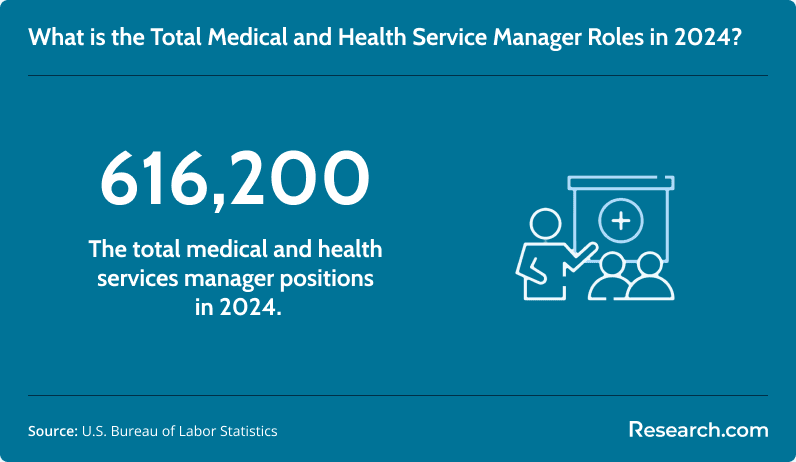
In terms of overall job prospects, MPH generally offers the broadest and most versatile career opportunities in public health careers. There are an estimated 616,200 medical and health services manager positions in 2024, reflecting strong demand in the field.
The MPH is the most widely recognized credential among employers, especially for roles in government agencies, healthcare systems, NGOs, and public health organizations. Its emphasis on applied skills—like program management, epidemiology, and policy development—aligns closely with workforce demand. Graduates often find positions such as public health analysts, health educators, community health directors, and epidemiologists.
The MSPH also provides strong job prospects, but mainly in research and academic settings where technical and analytical skills are essential. It’s best suited for those planning to continue toward a PhD or research career.
The MHS can open doors to specialized or technical roles, particularly in biostatistics, health policy, or global health, but its career scope depends on the concentration and institution.
What are the admission requirements for MPH, MSPH, and MHS programs?
Admission requirements for MPH, MSPH, and MHS programs share many similarities but differ slightly based on each degree’s academic or professional focus. Most schools look for applicants with strong academic backgrounds, relevant experience, and a clear commitment to public health.
Hospitals (state, local, and private) employ the largest share 29% f medical and health services managers. Starting with an accelerated online bachelor's degree in public health can also strengthen your foundation and help you meet admission requirements more efficiently.
Here’s a general breakdown:
Academic Background
- A bachelor’s degree from an accredited institution is required for all three.
- Common undergraduate majors: biology, health sciences, statistics, psychology, or public policy.
- A minimum GPA of around 3.0 is often expected.
Standardized Tests
- Many programs have made the GRE optional, especially MPH programs.
- MSPH and MHS programs with heavy quantitative or research components may still prefer GRE scores.
Professional Experience
- MPH programs often value applicants with public health or healthcare work experience.
- MSPH and MHS programs may accept students directly from undergraduate study if they demonstrate strong academic or research potential.
Application Materials
- Official transcripts
- Resume or CV
- Statement of purpose outlining career goals
- Two or three letters of recommendation
- (Optional) GRE or other test scores
International Applicants
- TOEFL or IELTS scores if English is not the primary language.
The chart below highlights the largest employers of medical and health services managers across the United States. It shows where professionals in this field are most commonly employed, reflecting the key sectors driving demand for leadership in healthcare management.
What is the average salary for MPH, MSPH and MHS graduates in the U.S.?
Here’s a breakdown of average U.S. salaries for MPH, MSPH, and MHS graduates – with caveats – plus what drives the variation. The available data does not distinguish MSPH vs MHS specifically, so some estimates overlap.
| Typical 1-year-out / early-career median | Typical mid-career / sector‐adjusted average | |
| MPH | $60,000-$75,000 | $75,000 median; many graduates in consulting, health orgs, policy jobs earn;$80,000-$100,000+ in good metro areas. |
| MSPH | $60,000 for MSPH graduates one year after graduation. | With experience / research roles: can reach $90,000-$110,000+ depending on role and sector. |
| MHS | Lower early‐career median (US$48,000 in one survey) one year post-graduation. | With more experience or in specialized roles, MHS holders can earn similar to MPH/MSPH, especially if their concentration is in a high-demand technical or analytic area. |
These salary estimates vary a lot because of:
- Role/specialization: Epidemiologist, health services manager, biostatistician pay better than general public health educator or nonprofit program coordinator.
- Sector: Private sector, pharma, consulting, or government tend to pay more than nonprofit, academia, or local health departments.
- Experience level: Early career vs. senior leadership makes a big difference.
- Geography / cost of living: Urban vs rural; regions with high living costs pay more.
- Skills: Quantitative skills, management, policy expertise, data science boost earnings significantly.
Professionals in health and analytics-related fields often pursue additional credentials like a GIS certificate online to expand their career opportunities in environmental and population mapping, further improving salary potential and technical credibility.
How does work experience affect MPH, MSPH, and MHS salaries?
Work experience has a major impact on MPH, MSPH, and MHS graduate salaries, often more than the degree type itself. Employers in public health value practical experience, leadership ability, and technical skills developed on the job, so salaries typically rise sharply with years of experience and specialization.
Here’s how experience affects each degree:
- MPH: Graduates with one to three years of experience may start around $60,000–$75,000 in roles such as program coordinators or health analysts. After five to 10 years, salaries can climb to $90,000–$120,000+, especially for managerial or policy leadership positions in government or consulting. Learn more about the average salary with MPH degree.
- MSPH: Entry-level roles in research or data analysis often start near $65,000, but with advanced research experience or supervisory roles, salaries can reach $100,000–$130,000. Experience in epidemiology or biostatistics significantly boosts earning potential.
- MHS: Early-career earnings may be $50,000–$65,000, especially in specialized or technical fields. With five to 10 years of experience, MHS professionals in high-demand areas such as health informatics or policy analysis can earn $85,000–$110,000+.
How do you choose between MPH, MSPH, and MHS degrees?
Choosing between an MPH, MSPH, and MHS depends on your career goals, interests, and preferred learning approach. Each degree targets a different type of public health professional—so the best choice aligns with what you want to do after graduation.
Here are the key factors to consider:
Career Goals
If you’re interested in public health practice, management, or policy, the MPH is the best fit. It provides hands-on training and prepares you for leadership roles in government agencies, nonprofits, and healthcare organizations. On the other hand, if your interests lie in research, epidemiology, or biostatistics, the MSPH offers a more scientific and analytical path—perfect for those considering a PhD or a career centered on research and data analysis. Meanwhile, the MHS suits students seeking specialized expertise in a focused discipline such as health policy, global health, or health economics, rather than a broad-based public health education.
Program Focus
Each program differs in focus and structure. The MPH is practice-oriented, emphasizing applied learning through internships or practicums that prepare students for hands-on public health roles. The MSPH is research-based, often requiring a thesis or capstone project that builds strong analytical and scientific skills. Meanwhile, the MHS is typically specialized and technical, concentrating on a specific area of study and sometimes offered in a shorter time frame than the other two degrees.
Professional Background
Your professional background also plays a key role in choosing the right degree. If you already have experience in healthcare or public health, the MPH is a natural next step—it builds on your practical foundation and enhances your leadership and management skills. However, if your background is more scientific or quantitative, the MSPH or MHS may be a better fit, as both programs emphasize analytical methods, data interpretation, and research-based learning.
Long-Term Goals
Your long-term goals should also guide your decision. If you’re aiming for career advancement in public health practice, the MPH is the most suitable option, offering broad training in leadership, policy, and program management. Those planning to work in research or academia will find the MSPH more aligned with their goals, as it emphasizes scientific inquiry and analytical skills. Meanwhile, if your ambition is to build specialized or technical expertise in a focused field, the MHS provides targeted training that supports those professional pathways.
Accreditation and Recognition
The MPH is the most universally recognized by employers and certifying bodies like the CEPH. MSPH and MHS degrees are well-regarded but more niche, depending on the institution and focus area.
When deciding which fits best, it’s useful to reflect on your educational style—some programs resemble academic research master’s tracks similar to what is the difference between thesis and non thesis masters, where you choose between hands-on projects or scholarly research, shaping both workload and career outcomes.
Here's What Professionals Have to Say About Their MPH, MSPH, and MHS Degrees
- Samantha: "Earning my MPH completely transformed how I view community health. The program gave me the leadership and policy skills to launch initiatives that directly improved local health outcomes. Seeing data turn into real-world impact is incredibly rewarding. "
- David: "My MSPH degree opened doors to research roles I never thought possible. I gained deep expertise in epidemiology and biostatistics, which helped me contribute to large-scale studies on disease prevention. It’s fulfilling to know my work informs public health policy. "
- Elena: "The MHS program allowed me to specialize in health economics while keeping my studies flexible. It gave me the technical skills to analyze healthcare data and support smarter policy decisions. I feel confident knowing I’m shaping solutions that matter. "
Key Findings
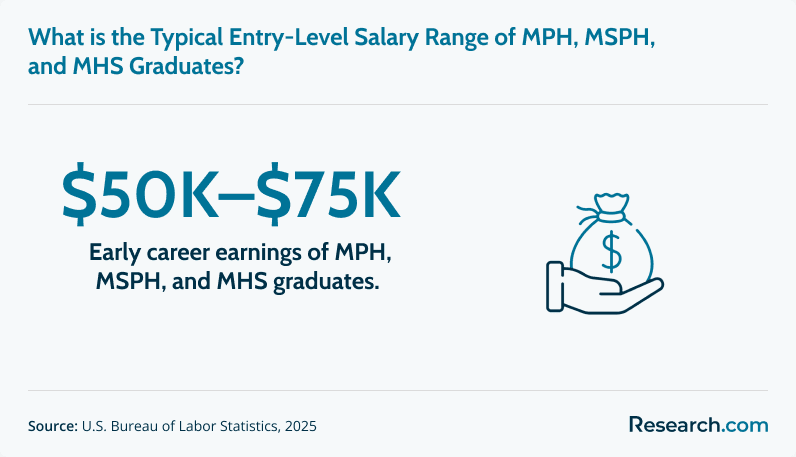
- Early-career professionals with MPH, MSPH, or MHS degrees typically earn between $50,000 and $75,000 annually.
- Hospitals (state, local, and private) employ the largest share of medical and health services managers at 29%.
- There are an estimated 616,200 medical and health services manager positions in 2024, reflecting strong demand in the field.
- Epidemiologists working in hospitals earn a median annual wage of $99,690, highlighting strong salary potential for research-oriented roles.
- The field of medical and health services management is projected to grow by 23% through 2034, much faster than the average for all occupations.
References:
- American Public Health Association. (n.d.). Reports and issue briefs.
- Bureau of Labor Statistics. (2023). Occupational employment and wages, 2023: Public health epidemiologists (OES 19-1041).
- Bureau of Labor Statistics. (n.d.). Epidemiologists: Occupational outlook.
- Bureau of Labor Statistics. (n.d.). Medical and health services managers: Occupational outlook.
- IPEDS, National Center for Education Statistics. (n.d.). Graduate degree fields: Postsecondary completion.
- JPHMP Direct. (2024). It really matters that most public health programs are not classified as STEM.
- O*NET OnLine. (n.d.). Summary for 15-2041.01 – Biostatisticians.
- Zippia. (n.d.). Biostatistician demographics and statistics in the U.S.
Other Things You Should Know About the Difference Between MPH, MSPH, and MHS Degrees
In 2027, MPH programs focus on applying public health principles, MSPH programs emphasize research and public health science, and MHS programs are centered on health sciences research, preparing students for doctoral study or specialized practice. Each program's curriculum reflects these distinct orientations.
In 2027, MPH programs often have flexible admission requirements with GRE optional at many schools. MSPH programs typically require GRE scores and a scientific background. MHS programs also prioritize GRE scores and require more specialized undergraduate courses due to the research-intensive curriculum.


