
2027 What Degree Do You Need To Be a Social Worker: Education Requirements in New York

Co-Founder and Chief Data Scientist
Many aspiring social workers in New York often question which degree is required to begin a successful career in this growing field. With more than 50,000 social workers employed statewide, the need for qualified professionals remains strong. This article, prepared by career planning experts, will guide readers through the educational pathways and licensure requirements specific to New York.
Key Things to Know About Social Work Education Requirements in New York
- In New York, the minimum degree for licensure is an MSW from a CSWE-accredited or substantially equivalent program, while doctoral degrees are optional for research or leadership.
- Coursework covers policy, practice, ethics, research, diversity, and supervised fieldwork, with graduate-level programs adding clinical training and mandated child abuse reporting.
- A BSW takes about four years, an MSW two years (one with advanced standing), and doctoral programs three to six years, depending on enrollment and research requirements.
- What is the minimum degree required to become a licensed social worker in New York?
- What courses are covered in a social work degree program in New York?
- How long does it take to complete a social work degree program in New York?
- How much does a social work degree cost in New York?
- What degrees are required for different social work specializations in New York?
- What financial aid options are available to social work students in New York?
- What are the alternative pathways to become a social worker in New York?
- What career opportunities and salary expectations exist for social work graduates in New York?
- How Can Social Workers Transition to Counseling Roles in New York?
- Are online social work degrees recognized in New York?
- What organizations accredit social work degree programs in New York?
- What are the top institutions offering social work degree programs in New York?
What is the minimum degree required to become a licensed social worker in New York?
In New York, the path to licensure is built on advanced education that ensures social workers are fully equipped to meet the state’s professional standards. The minimum degree requirement reflects the emphasis on graduate-level preparation. Below are the recognized options:
- Master of Social Work (MSW): An MSW from a Council on Social Work Education (CSWE)-accredited program, or one recognized as substantially equivalent, is the minimum degree required for licensure. This degree provides rigorous academic and field training.
- Equivalent Graduate Social Work Degree: In limited cases, a graduate degree determined by the New York State Education Department to be substantially equivalent to an MSW may qualify, provided all state standards are met.
- Higher Social Work Degree (PhD or DSW): Not required for licensure but valuable for advanced research, teaching, and leadership roles. These degrees exceed the minimum standard and enhance professional distinction.
These education requirements for a social work license in New York upholds ensure that those entering the profession possess the knowledge and skills to make a meaningful impact. For a thorough understanding of the career path and opportunities available with these credentials, explore the career outlook for social workers.
The chart below displays the total number of full-time faculty by social work program, offering insight into how institutions staff and support their programs.
What courses are covered in a social work degree program in New York?
Social work degree programs in New York are structured to meet both professional competencies and state licensure requirements. Coursework blends theory, ethics, and applied learning to prepare students for practice across diverse communities. Graduate-level study also incorporates clinical components required for advanced licensure.
Below are the core courses commonly offered in New York social work programs:
- Introduction to Social Work: Provides a foundation in history, values, and generalist practice methods.
- Human Behavior in the Social Environment: Examines developmental and social theories across the lifespan.
- Social Welfare Policy and Service Delivery Systems: Analyzes how policies and service structures affect vulnerable populations.
- Social Work Practice (Foundation and Advanced): Builds skills in engagement, assessment, advocacy, and intervention.
- Diversity, Social Justice, and At-Risk Populations: Strengthens cultural competence and responsiveness to diverse communities.
- Social Work Values and Ethics: Emphasizes ethical decision-making aligned with professional standards.
- Research Methods and Practice Evaluation: Develops evidence-based approaches to assess and improve services.
- Field Practicum or Field Education: Requires at least 900 supervised hours applying classroom knowledge to practice.
- Clinical Social Work Courses: At the graduate level, includes 12 credits in diagnosis, assessment, and treatment for LCSW candidates.
- Child Abuse Identification and Reporting: State-mandated training in recognizing and reporting abuse cases.
How long does it take to complete a social work degree program in New York?
The time it takes to complete a social work degree in New York depends on the program level, study format, and individual circumstances. Understanding these timelines allows students to plan effectively while balancing academic, personal, and professional responsibilities. Below are the typical completion times and influencing factors:
- Bachelor of Social Work (BSW): Generally requires four years full-time, with part-time students taking five to six years to complete 120 credits.
- Master of Social Work (MSW – Traditional Track): Typically finished in two years full-time or up to four years part-time, including extensive field education.
- Master of Social Work (MSW – Advanced Standing): Designed for BSW graduates from accredited programs, this accelerated route can be completed in one year full-time.
- Doctor of Social Work (DSW): Often takes three to five years part-time, as most students pursue this degree while working; fewer full-time options exist.
- PhD in Social Work: Usually requires four to six years full-time, focusing heavily on research and dissertation writing, with some combined MSW/PhD pathways available.
- Full-Time vs. Part-Time Study: Full-time enrollment provides the fastest route, while part-time schedules extend completion by one to two years.
- Fieldwork Requirements: Rigorous supervised placements may add time, particularly for working students balancing multiple commitments.
- Advanced Standing and Transfer Credits: Accelerate completion by reducing required coursework and recognizing prior learning.
How much does a social work degree cost in New York?
The cost of pursuing a social work degree in New York depends on degree level, residency, and institution type. A Bachelor of Social Work (BSW) at public universities typically ranges from $7,000 to $10,000 per year for in-state students, while out-of-state tuition can reach $17,000 to $25,000. Private colleges are significantly higher, averaging $30,000 to $45,000 annually.
Master of Social Work (MSW) programs at public institutions usually cost $12,000 to $15,000 for residents and $25,000 to $35,000 for non-residents, while private schools range from $40,000 to $60,000. Scholarships and financial aid may reduce these costs, particularly at the graduate level.
Doctoral programs carry higher tuition but may include funding opportunities. Doctor of Social Work (DSW) degrees at public universities range from $20,000 to $35,000 annually, compared to $40,000 to $60,000 at private institutions. PhD programs follow similar patterns, with public schools charging $15,000 to $30,000 for in-state students and private schools exceeding $50,000.
Many PhD candidates receive tuition waivers, assistantships, or stipends that offset expenses. Overall, public universities provide the most affordable pathway for New York residents, while private and out-of-state tuition rates can be substantially higher. Online programs may offer flexible options but can also include additional campus-related fees.
For prospective students weighing career paths, understanding the difference between school social worker and school counselor roles can provide helpful context in choosing the right social work program. Explore more about this here: difference between school social worker and school counselor.
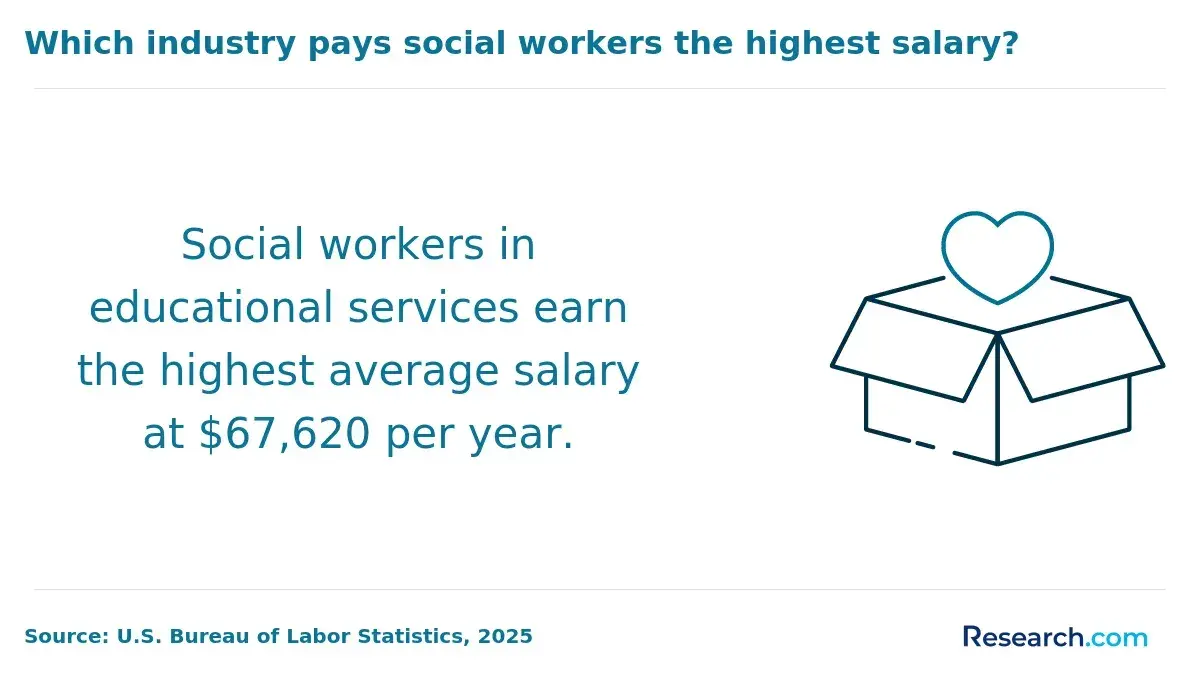
What degrees are required for different social work specializations in New York?
Different social work roles in New York require tailored academic preparation to address the diverse responsibilities of each specialization. Understanding these degree requirements ensures your education aligns with your chosen career path and licensure goals. Below are the major specializations and their educational expectations:
- Clinical Social Work: Requires a Master of Social Work (MSW) from a CSWE-accredited program with at least 12 semester hours of clinical coursework, plus 2,000 hours of supervised post-MSW experience over three years to qualify as a Licensed Clinical Social Worker (LCSW).
- School Social Work: Typically requires an MSW and licensure as a Licensed Master Social Worker (LMSW), with additional coursework in child welfare and school-based practice. Training in child abuse identification and reporting is also mandatory.
- Healthcare Social Work: Demands an MSW and LMSW licensure, with many positions requiring LCSW credentials for clinical services. Coursework often emphasizes health systems, policy, and medical or psychiatric care.
- Child and Family Services: Requires an MSW and LMSW licensure, with specialized training in family systems, trauma, and crisis intervention. Both LMSWs and LCSWs must complete mandated training in child abuse identification.
What financial aid options are available to social work students in New York?
Financial aid plays a key role in supporting social work students in New York, where tuition and living costs can be significant. By combining federal, state, institutional, and professional resources, students can secure meaningful assistance to complete their BSW or MSW programs. Below are the main financial aid options available:
- Federal Grants and Loans: Completing the FAFSA provides access to Pell Grants, Federal Direct Loans, and other federal programs tailored to financial need and enrollment level.
- New York State Scholarships and Grants: Programs such as the Tuition Assistance Program (TAP) and the Excelsior Scholarship deliver substantial tuition aid for eligible state residents.
- School-Specific Scholarships and Fellowships: Universities across New York award merit- and need-based funding, including assistantships, to support students in accredited social work programs.
- Work-Study Opportunities: Federal and state work-study programs allow students to earn money through part-time jobs while gaining valuable professional experience.
- Student Loan Forgiveness Programs: Social work graduates in qualifying nonprofit or government roles may benefit from Public Service Loan Forgiveness and state-specific repayment relief.
- Scholarships from Professional Organizations: Organizations like the National Association of Social Workers provide fellowships and awards for students dedicated to advancing the profession.
- Specialty and Community Scholarships: Local organizations, community foundations, and unions offer additional awards for students pursuing careers in youth, family, and community services.
Social work students seeking scholarships for BSW and MSW programs in New York are encouraged to explore all these financial aid for social work students in New York options early. For those wondering what to do with a social work degree, securing aid can be a crucial step toward a rewarding professional journey.
What are the alternative pathways to become a social worker in New York?
In New York, individuals with academic or professional backgrounds outside of social work can enter the field through several structured alternatives. These pathways value prior learning and experience, allowing candidates to progress toward licensure without restarting entirely. Below are the main options:
- Traditional MSW Program for Non-BSW Holders: A two-year program for graduates of other disciplines, combining essential coursework with supervised field practice.
- Advanced Standing MSW Programs: Available to those with a CSWE-accredited BSW, this one-year accelerated track shortens the path to licensure by waiving foundational courses.
- Leveraging Related Degrees: Backgrounds in psychology, sociology, or human services may satisfy prerequisites and provide a strong academic foundation for MSW study.
- Post-Bachelor’s Certificate or Bridge Programs: Short-term preparatory programs designed to equip non-social work graduates with the knowledge and prerequisites for graduate admission.
- State-Specific Certification Routes: Options such as School Social Worker credentials support specialized practice in education and other state-regulated roles.
The chart illustrates BSW degrees conferred in 2022–23 by institution type, showing how different sectors contribute to preparing new social work graduates.
What career opportunities and salary expectations exist for social work graduates in New York?
Social work graduates in New York find a dynamic range of employment opportunities across public agencies, healthcare institutions, and community-based organizations. Career paths often include clinical practice, policy advocacy, and administrative leadership, with roles that expand as professionals gain licensure and specialized experience. Salary expectations typically increase with advanced credentials and seasoned expertise, making post-graduate licensure a pivotal factor in achieving higher earning potential. For detailed insights on educational steps and licensing that enhance career prospects, refer to how to become a social worker in New York.
How Can Social Workers Transition to Counseling Roles in New York?
Social workers seeking to broaden their professional impact may consider pursuing specialized counseling credentials. Transitioning to a counseling role generally involves targeted coursework, supervised practice, and meeting distinct licensure or registration requirements specific to counseling. Professionals should analyze program prerequisites and leverage their clinical experience to satisfy additional standards without duplicating prior training. Detailed guidance on aligning your credentials and experience with counseling requirements is available through the fastest way to become a counselor in New York.
Are online social work degrees recognized in New York?
Online social work degrees are recognized in New York when completed through programs accredited by the Council on Social Work Education (CSWE) and approved by the New York State Education Department. Accreditation ensures eligibility for licensure and strengthens career opportunities. Below are the key points to understand:
- CSWE Accreditation Requirement: Only BSW and MSW programs accredited by CSWE qualify for licensure, whether delivered online or on campus.
- State Licensing Standards: Programs must also comply with New York State Education Department requirements, including supervised clinical practice.
- Employer Recognition: Over 70% of health and human service employers view accredited online degrees as equivalent to traditional ones, reflecting broad acceptance.
- Fieldwork Obligations: MSW programs often require up to 1,200 hours of supervised practicum, which online programs arrange locally to meet state standards.
- Hybrid Learning Options: Many online programs integrate virtual coursework with in-person experiences, enhancing professional preparation.
What organizations accredit social work degree programs in New York?
Accreditation is essential for social work programs in New York, as it guarantees that degrees meet high academic and professional standards. It directly influences licensure eligibility and employer recognition, ensuring graduates are well-prepared to enter the field. Choosing an accredited program confirms that your education is both credible and respected across the state and beyond.
Below are the key organizations that accredit or recognize social work degree programs in New York:
- Council on Social Work Education (CSWE): The national accreditor for BSW and MSW programs. Graduation from a CSWE-accredited program is required for social work licensure in New York, with more than 25 programs meeting this standard.
- Middle States Commission on Higher Education (MSCHE): The regional accreditor for New York institutions. MSCHE ensures colleges and universities maintain rigorous academic, financial, and institutional quality.
- New York State Education Department (NYSED) Office of the Professions: While not an accreditor, NYSED enforces licensure requirements, mandating that applicants hold degrees from CSWE-accredited programs within regionally accredited institutions.
Becoming a clinical social worker in New York depends greatly on completing accredited programs meeting these essential standards, helping you build a credible and fulfilling career in social work.
What are the top institutions offering social work degree programs in New York?
Selecting the right school for social work in New York is a vital step to ensure your program is fully accredited, career-focused, and financially worthwhile. Accredited programs guarantee that students receive high-quality training, access to meaningful field placements, and eligibility for licensure within the state.
Below are some of the leading institutions offering social work programs in New York:
- New York University (NYU): Offers highly regarded BSW and MSW programs with strong internship opportunities in New York City and graduates who consistently earn above-average salaries.
- Fordham University: Home to a top-ranked Graduate School of Social Service, providing flexible MSW coursework and fellowships such as the Palliative Care Fellowship, tailored for working professionals.
- Hunter College (CUNY): Recognized for affordable tuition and CSWE-accredited programs focused on urban practice and advocacy for underserved communities.
- Columbia University: One of the oldest schools of social work in the nation, offering clinical and policy-focused tracks with extensive field placements and an influential alumni network.
- University at Buffalo (SUNY): Provides both BSW and MSW degrees, emphasizing research, trauma-informed care, and a fully online MSW option designed for statewide accessibility.
For those interested in flexible learning options, an online social work degree can provide convenient access while maintaining rigorous standards at CSWE-accredited social work schools New York students trust.
What Do Social Workers in New York Say About Their Degree
Pursuing my social work degree in New York prepared me to address real community challenges. Starting my career in a local school, I’ve seen how support builds resilience in children and families. It feels rewarding to contribute to the city’s future. Andre
Completing my degree in New York gave me both rigorous training and practical experience in diverse communities. Working in schools showed me the unique strengths and struggles of students here. This path keeps fueling my passion for supporting health and well-being. Jazer
Studying social work in New York expanded my skills and deepened my understanding of social justice. The city’s diversity creates constant opportunities to grow. Supporting youth in schools has strengthened my commitment to making a positive impact every day. Rhian
Related Articles for Nearby States
- 2027 What Degree Do You Need To Be a Social Worker: Education Requirements in New Jersey
- 2027 What Degree Do You Need To Be a Social Worker: Education Requirements in Pennsylvania
- 2027 What Degree Do You Need To Be a Social Worker: Education Requirements in Connecticut
- 2027 What Degree Do You Need To Be a Social Worker: Education Requirements in Massachusetts
- 2027 What Degree Do You Need To Be a Social Worker: Education Requirements in Vermont
- 2027 What Degree Do You Need To Be a Social Worker: Education Requirements in Rhode Island
- 2027 What Degree Do You Need To Be a Social Worker: Education Requirements in Delaware
- 2027 What Degree Do You Need To Be a Social Worker: Education Requirements in Maryland
- 2027 What Degree Do You Need to Be a Social Worker: Education Requirements in New Hampshire
- 2027 What Degree Do You Need To Be a Social Worker: Education Requirements in Ohio
References:
- Adelphi University. (n.d.). How to become a social worker in New York. Retrieved from Adelphi Online
- Binghamton University. (n.d.). Online offerings | Social work. Retrieved from Binghamton University
- Columbia School of Social Work. (n.d.). Social work licensing. Retrieved from Columbia University
- Keuka College. (n.d.). How to become a social worker in New York. Retrieved from Keuka College
- New York State Education Department. (n.d.). NYS social work: LCSW license requirements. Retrieved from NYSED
- New York State Office of Mental Health. (n.d.). OMHJobs – Minimum qualifications. Retrieved from OMHJobs
- Social Work Degrees. (n.d.). New York MSW programs guide. Retrieved from Social Work Degrees
- Social Work License Map. (n.d.). How to become a social worker in New York. Retrieved from Social Work License Map
- Syracuse University. (n.d.). How to become a licensed clinical social worker. Retrieved from Syracuse University
- Psychology.org. (n.d.). Social work license requirements and programs in New York. Retrieved from Psychology.org
Other Things You Need to Know About Becoming a Social Worker in New York
No, a doctorate is not required. To become a Licensed Clinical Social Worker (LCSW) in New York, you must earn an MSW from an accredited program, complete supervised clinical experience, and pass the licensing exam. Doctorates such as a PhD or DSW may support careers in academia or research, but they are not necessary for clinical licensure.
Starting a career in social work with a community college degree is challenging in New York. Typically, a Bachelor of Social Work (BSW) is required to begin in this field. However, some entry-level support positions may be available, allowing professionals to work while pursuing further education.
Admission to a BSW program in New York generally requires a high school diploma or GED, prerequisite courses, and a GPA of 2.5–3.0. Many schools also ask for a personal statement, recommendation letters, and sometimes volunteer or work experience in social services. These requirements ensure students are prepared for the academic and fieldwork expectations of social work education.


