
2027 What Degree Do You Need To Be a Social Worker: Education Requirements in Texas

Co-Founder and Chief Data Scientist
Many aspiring social workers in Texas wonder which degree is required to begin a meaningful career in the field. With more than 28,000 professionals already practicing, the demand for qualified social workers continues to grow rapidly across the state. This article, prepared by career planning experts, will guide readers through the degree pathways and licensing steps necessary to practice social work in Texas.
Key Things to Know About Social Work Education Requirements in Texas
- In Texas, a BSW is required for entry-level licensure, while an MSW is needed for advanced roles, and a doctorate is optional for research or leadership.
- Coursework includes social policy, research, practice, ethics, cultural competence, and supervised fieldwork, with specialized options in areas like child welfare and healthcare.
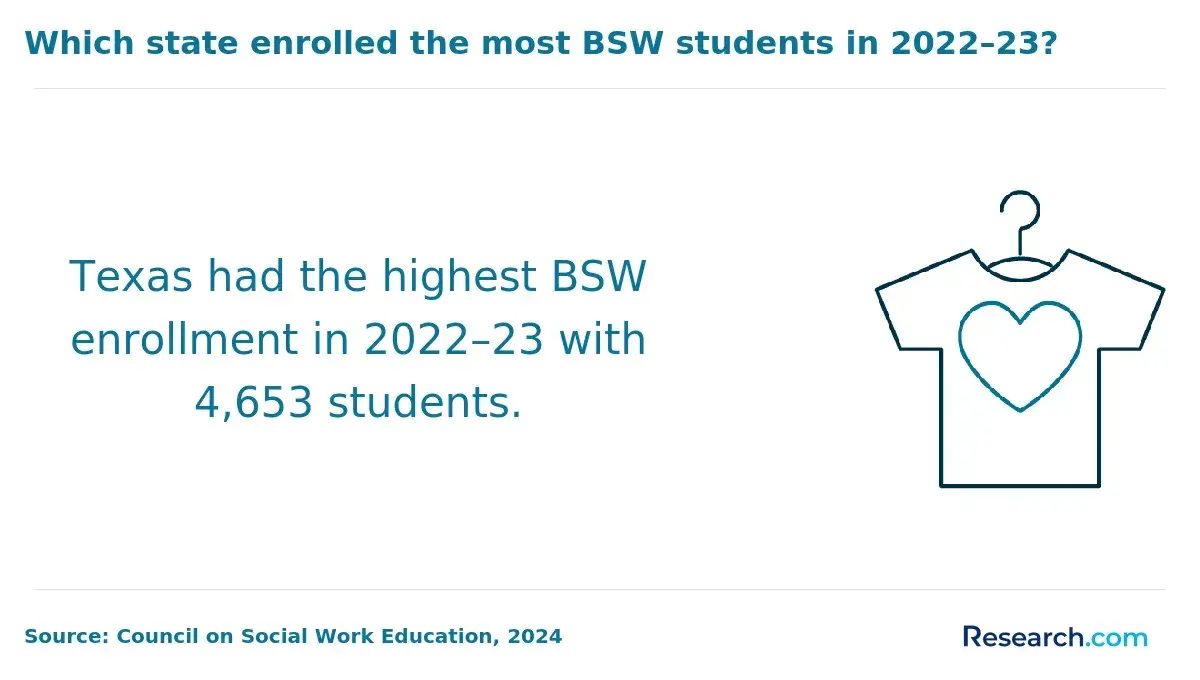
- A BSW typically takes four years, an MSW two years (with advanced standing), and doctoral programs range from three to six years, depending on research and enrollment status.
- What is the minimum degree required to become a licensed social worker in Texas?
- What courses are covered in a social work degree program in Texas?
- How long does it take to complete a social work degree program in Texas?
- How much does a social work degree cost in Texas?
- What degrees are required for different social work specializations in Texas?
- What financial aid options are available to social work students in Texas?
- What are the alternative pathways to become a social worker in Texas?
- What are the career prospects and salary expectations for social workers in Texas?
- Are online social work degrees recognized in Texas?
- What organizations accredit social work degree programs in Texas?
- What are the top institutions offering social work degree programs in Texas?
- How Can a Social Work Degree Lead to a Counseling Career in Texas?
What is the minimum degree required to become a licensed social worker in Texas?
In Texas, the degree required for licensure depends on the level of responsibility and practice you want to achieve. The system is designed so you can begin with entry-level practice and move toward advanced, independent roles. Below are the degree requirements:
- Bachelor of Social Work (BSW): A BSW from a CSWE-accredited program is the minimum requirement for becoming a Licensed Baccalaureate Social Worker (LBSW). This degree prepares you for supervised practice in general social work services.
- Master of Social Work (MSW): An MSW from a CSWE-accredited institution is essential if you want advanced roles, including licensure as a Licensed Master Social Worker (LMSW) or Licensed Clinical Social Worker (LCSW). This degree is especially important if you want to pursue specialized areas such as becoming a gerontology social worker, where deeper clinical knowledge and independent practice are necessary.
- Doctorate in Social Work (PhD or DSW): While not required for licensure, a doctoral degree can set you apart in leadership, policy, research, or academic roles, adding greater expertise within the profession.
What courses are covered in a social work degree program in Texas?
Social work programs in Texas provide a curriculum that balances theory, practice, and cultural awareness. These courses are structured to prepare students for generalist practice at the undergraduate level and advanced practice at the graduate level. Below are the core courses commonly included in Texas social work programs:
- Introduction to Social Work and Social Welfare: Presents history, ethics, and professional roles that ground students in social work fundamentals.
- Human Behavior and the Social Environment: Examines development across the lifespan within family, community, and cultural contexts.
- Social Welfare Policy and Services: Analyzes U.S. and Texas-specific policies and their impact on vulnerable populations.
- Social Work Practice (Generalist and Specialized): Builds skills for engagement, assessment, and intervention with individuals, families, and groups.
- Social Research Methods: Focuses on research design, evaluation, and data analysis for evidence-based practice.
- Cultural Competence and Diversity: Strengthens understanding of identity, culture, and practice with diverse populations.
- Ethics and Values in Social Work: Reinforces ethical decision-making and professional standards in practice settings.
- Field Practicum or Internship: Requires 400+ supervised hours in real-world agencies and community organizations.
- Special Topics: Provides opportunities for focused study in areas such as child welfare, health care, or mental health.
How long does it take to complete a social work degree program in Texas?
The time needed to finish a social work degree in Texas varies by program level, enrollment status, and whether students qualify for advanced standing. Understanding these timelines helps in planning both academic progress and career goals. Below are the typical durations and key considerations:
- Bachelor of Social Work (BSW): Generally requires four years of full-time study, covering 120–122 credits and at least 400 hours of fieldwork; part-time paths take longer.
- Master of Social Work (MSW/MSSW): Full-time programs usually take two years, while part-time options extend to three or more years; advanced standing for recent BSW graduates may shorten completion to one year.
- Doctor of Social Work (DSW): Often structured for professionals, these programs typically take three to four years part-time and emphasize leadership and applied practice.
- PhD in Social Work: Full-time students usually finish in four to five years, though part-time enrollment can extend the process to six or seven years depending on research demands.
- Full-Time vs. Part-Time Enrollment: Choosing part-time study can add one to two years or more, especially at the graduate level.
- Advanced Standing Options: Accelerate MSW completion by reducing foundational coursework for eligible BSW holders.
- Fieldwork Requirements: Mandatory supervised hours may influence pacing, as placements must align with academic schedules.
- Research and Dissertation Work: For doctoral students, the scope of research heavily affects overall program length.
How much does a social work degree cost in Texas?
The cost of a social work degree in Texas depends on program level, institution type, and residency status. For a Bachelor of Social Work (BSW) at public universities, in-state students generally pay $8,000 to $12,000 annually, while out-of-state tuition ranges from $20,000 to $25,000. Private universities typically charge between $30,000 and $45,000 per year, though scholarships can help reduce expenses.
At the graduate level, a Master of Social Work (MSW) at public universities costs $10,000 to $14,000 annually for residents, with out-of-state tuition ranging from $20,000 to $30,000. Private MSW programs are more costly, averaging $35,000 to $50,000 per year, with some prestigious institutions exceeding this range.
Doctoral programs in social work, including the Doctor of Social Work (DSW) and PhD, are comparatively more affordable at public universities, costing $8,000 to $15,000 annually for residents. Private universities charge substantially more, typically $25,000 to $45,000 per year.
Online BSW and MSW programs usually align with or slightly exceed on-campus tuition rates, but they often reduce housing, commuting, and related living expenses. Overall, public universities in Texas provide the most affordable option for residents, while private institutions and out-of-state tuition carry significantly higher costs.
When looking for affordable MSW programs in Texas, consider all fees, including textbooks and practicum costs. For a better idea of how earnings compare to expenses, check out this masters in social work salary guide. Moreover, the chart below tracks the average student loan debt of MSW graduates over time, highlighting changes in financial burdens faced by students across different graduating years.
What degrees are required for different social work specializations in Texas?
Different social work roles in Texas come with unique requirements to ensure practitioners are fully prepared for the challenges of their specialization. Understanding the academic pathways helps you select the right degree for your professional goals. Below are the primary specializations and their educational expectations:
- Clinical Social Work: Requires a Master of Social Work (MSW) from a CSWE-accredited program, followed by earning the LMSW license, completing 3,000 hours of supervised clinical experience, and passing the clinical exam to achieve Licensed Clinical Social Worker (LCSW) status.
- School Social Work: Typically requires an MSW and LMSW licensure, with specialized coursework or fieldwork focused on children and school environments. Some Texas school districts may require additional certifications.
- Healthcare Social Work: Generally requires an MSW and LMSW license; some entry-level roles may accept a BSW, while advanced clinical positions demand the LCSW credential for independent practice.
- Child and Family Services: Accepts a BSW for entry-level positions, but advancement usually requires an MSW and LMSW licensure, with training in child welfare, family systems, and trauma intervention.
- Generalist Social Work: A Bachelor of Social Work (BSW) qualifies graduates for the Licensed Baccalaureate Social Worker (LBSW) credential, preparing them for entry-level practice in community agencies, case management, and outreach services.
What financial aid options are available to social work students in Texas?
Financial aid is a crucial resource for social work students in Texas, easing the burden of tuition and related expenses while making education more attainable. With a range of federal, state, institutional, and professional options, students can secure support tailored to their needs. Below are the main financial aid opportunities available:
- Federal Grants: Awards such as the Pell Grant and FSEOG provide need-based funding that does not require repayment, determined through FAFSA.
- State Scholarships and Grants: Texas offers merit- and need-based scholarships designed to help social work students pursue their BSW or MSW degrees.
- University and Departmental Scholarships: Institutions such as UT Austin and Stephen F. Austin State University provide targeted scholarships for social work majors based on academic achievement and financial need.
- Work-Study Programs: Federal and state work-study jobs allow students to earn money through part-time positions, often within social service settings.
- Paid Practicum and Internship Funding: Some programs provide stipends for field placements, particularly in high-need areas like child welfare.
- Graduate Assistantships and Research Positions: Graduate students may receive stipends or tuition reductions in exchange for teaching or research responsibilities.
- Student Loans: Federal loans remain a key option, with repayment assistance available through public service loan forgiveness programs.
- Professional Organization Funding: The Texas Chapter of NASW and other groups award scholarships to students dedicated to serving underserved communities.
- Emergency and Special Purpose Funds: Universities may offer emergency financial aid for social work students facing sudden financial challenges.
If you’re exploring options, don’t forget to check out resources like the accelerated MSW program paths to get your degree faster and with potentially less cost.
What are the alternative pathways to become a social worker in Texas?
In Texas, individuals with academic or professional backgrounds outside of social work can pursue several alternative routes into the field. These options recognize prior education and experience, helping candidates progress toward licensure without starting over. Below are the primary pathways:
- Traditional MSW Track for Non-BSW Holders: A two-year program that provides essential coursework and field training for those with bachelor’s degrees in unrelated fields.
- Advanced Standing MSW Programs: Designed for graduates with a CSWE-accredited BSW, this one-year track waives foundational content to accelerate completion.
- Related Degrees as a Foundation: Backgrounds in psychology, sociology, or human services strengthen applications and often align well with MSW prerequisites.
- Post-Bachelor’s Certificate or Bridge Programs: These programs fill knowledge gaps for non-social work graduates, offering preparation for entry into MSW studies.
- State-Specific Alternative Paths: While Texas currently requires traditional licensing routes, future policy changes may expand provisional or experience-based options.
What are the career prospects and salary expectations for social workers in Texas?
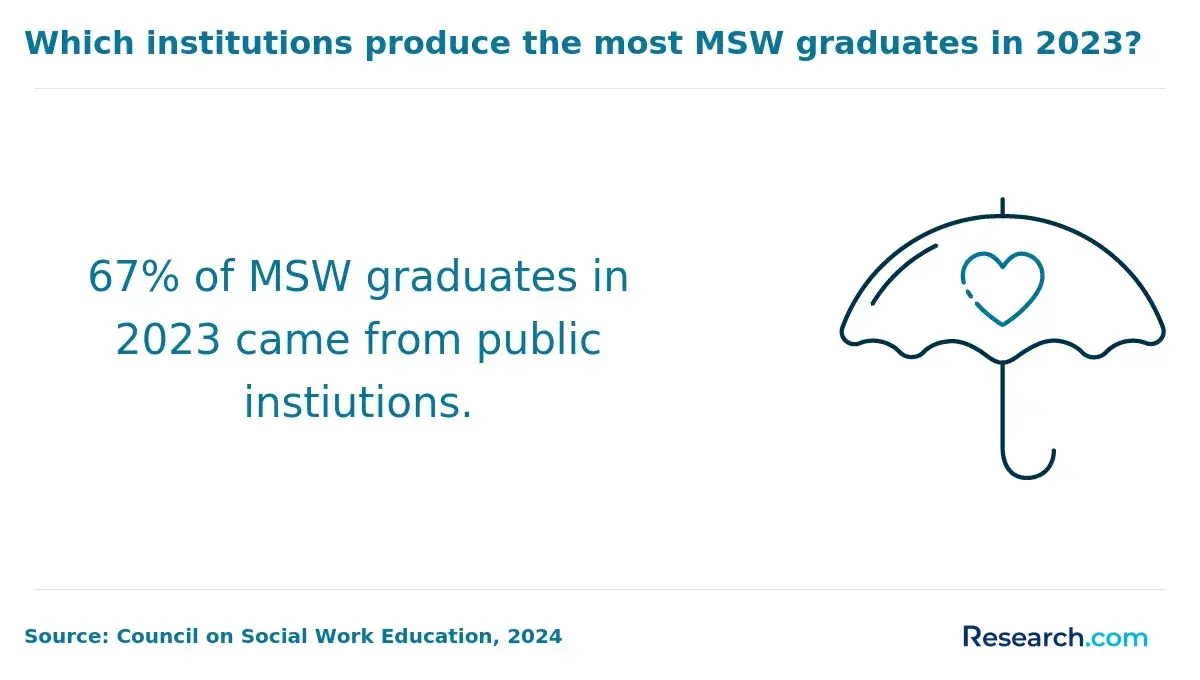
Texas continues to see robust demand for qualified social workers across various settings, ranging from community agencies to healthcare facilities. Entry-level practitioners with a BSW typically begin in roles that offer gradual progression, while those holding an MSW or specialized certification may access advanced clinical or leadership positions. Salary levels vary by region, employer type, and level of licensure, with metropolitan areas often providing higher compensation compared to rural locations. Factors such as professional development, ongoing certification, and practical experience are key to maximizing earning potential. For detailed guidance on aligning your education with career opportunities, consult the comprehensive resource on how to become a social worker in Texas.
Are online social work degrees recognized in Texas?
Online social work degrees are recognized in Texas as long as they are earned through programs accredited by the Council on Social Work Education (CSWE). Accreditation is the determining factor for licensure eligibility and employer acceptance. Below are the main considerations:
- CSWE Accreditation Requirement: The Texas State Board of Social Worker Examiners requires all BSW and MSW degrees to come from CSWE-accredited programs, whether online or on campus.
- In-State Accredited Options: Universities such as Baylor and Texas A&M offer fully online CSWE-accredited MSW programs, ensuring recognition within Texas.
- Employer Acceptance: A 2023 survey found that 71% of employers view accredited online degrees as equivalent to traditional ones, reflecting strong confidence.
- Fieldwork and Practicum Standards: Supervised in-person placements remain mandatory for licensure, with online programs arranging local internships to meet requirements.
- Hybrid Learning Benefits: Many programs combine online coursework with occasional in-person elements, offering both flexibility and professional readiness.
What organizations accredit social work degree programs in Texas?
Accreditation ensures that social work degree programs in Texas provide quality education that prepares students for licensure and professional practice. It establishes program credibility, enhances employer recognition, and supports eligibility for credentials such as the Licensed Social Worker (LSW) and Licensed Clinical Social Worker (LCSW). Without accreditation, graduates may not qualify for state licensure or federal financial aid.
Below are the primary organizations that accredit or authorize social work degree programs in Texas:
- Council on Social Work Education (CSWE): The national accreditor for BSW and MSW programs. Graduates of CSWE-accredited programs in Texas are eligible to sit for state licensure exams and enter the profession.
- Southern Association of Colleges and Schools Commission on Colleges (SACSCOC): The regional accreditor responsible for evaluating Texas institutions. It ensures overall academic quality, institutional integrity, and eligibility for federal funding.
- Texas Higher Education Coordinating Board (THECB): While not a programmatic accreditor, THECB authorizes institutions to grant degrees in Texas and confirms compliance with state-level education standards.
If you’re exploring options for a social work degree, consider starting with an easiest MSW program that fits your goals and meets these accreditation standards to get the best career start.
What are the top institutions offering social work degree programs in Texas?
Choosing the right school for your social work degree in Texas is essential, as accreditation ensures your education meets professional standards while strong field placements prepare you for real-world practice. Accredited programs also safeguard your financial investment by aligning your studies with licensure requirements and long-term career goals.
Below are some of the top institutions offering social work programs in Texas:
- University of Texas at Austin – Steve Hicks School of Social Work: Offers BSW, MSW, and PhD programs with small classes, a social justice focus, and specialized certificates in areas such as military and school-based social work.
- Texas State University – School of Social Work: Provides fully accredited BSW and MSW programs with flexible on-campus and online formats, supported by extensive statewide field placement opportunities.
- University of Texas at Arlington (UTA): Hosts one of the largest MSW programs in the region, featuring online learning and concentrations in direct practice or leadership for accessible and affordable pathways.
- Texas Woman’s University: Delivers a strong liberal arts-based BSW program emphasizing diversity, equity, and inclusion, preparing graduates for both entry-level practice and advanced graduate study.
- Texas Tech University: Offers affordable MSW programs with flexible scheduling and specializations in aging, mental health, and children’s services, equipping students for clinical or administrative roles.
If you want to understand more about the difference between social work roles, especially a licensed clinical social worker vs therapist, knowing what each program offers helps steer your path. The best Texas colleges for social work will always have strong ties to local agencies, ensuring you get solid field experience, which is key to becoming a licensed social worker in this growing job market. The chart highlights full-time social work faculty by highest degree earned, showing the qualifications that define the field.
What Do Social Workers in Texas Say About Their Degree
Completing my social work degree in Texas gave me strong academics and real community experience. Starting my career in a local school, I feel proud helping children daily while knowing my work makes a lasting difference in their well-being. Justin
Earning my degree in Texas deepened my understanding of cultural diversity and urban challenges. Working in a school after graduation has been both meaningful and skill-building, giving me steady growth and a clearer sense of purpose. Monica
Studying social work in Texas showed me the real impact of serving underserved communities. The training prepared me for rural challenges and advocacy. Now, working in schools, I feel proud to contribute to stronger, healthier communities. Lindy
How Can a Social Work Degree Lead to a Counseling Career in Texas?
Graduates holding a social work degree can leverage their academic and field training to transition into various counseling roles. While many core social work courses enhance skills in communication, empathy, and crisis intervention, pursuing a counseling career often requires meeting additional state-specific licensure or certification standards. Evaluating these requirements, coupled with tailored clinical experience, can create a clear pathway into specialized counseling positions. Review the steps for transitioning effectively and explore the fastest way to become a counselor in Texas for further guidance.
Related Articles for Nearby States
- 2027 What Degree Do You Need to Be a Social Worker: Education Requirements in Louisiana
- 2027 What Degree Do You Need To Be a Social Worker: Education Requirements in Oklahoma
- 2027 What Degree Do You Need To Be a Social Worker: Education Requirements in Arkansas
- 2027 What Degree Do You Need To Be a Social Worker: Education Requirements in New Mexico
- 2027 What Degree Do You Need To Be a Social Worker: Education Requirements in Kansas
- 2027 What Degree Do You Need to Be a Social Worker: Education Requirements in Missouri
- 2027 What Degree Do You Need To Be a Social Worker: Education Requirements in Colorado
- 2027 What Degree Do You Need To Be a Social Worker: Education Requirements in Mississippi
- 2027 What Degree Do You Need To Be a Social Worker: Education Requirements in Tennessee
- 2027 What Degree Do You Need to Be a Social Worker: Education Requirements in Arizona
References:
- Dallas College. (n.d.). Social work degrees and certificates. Retrieved from Dallas College
- East Texas A&M University. (n.d.). Social work (BSW). Retrieved from ETAMU
- Our Lady of the Lake University. (n.d.). Master’s in social work – MSW degree Texas. Retrieved from OLLU
- Psychology.org. (n.d.). Texas social work license requirements and programs. Retrieved from Psychology.org
- Social Work License Map. (n.d.). MSW programs in Texas (TX) – Online & on-campus. Retrieved from Social Work License Map
- Social Work Degrees. (n.d.). Social work degree programs in Texas | No GRE/CSWE accredited. Retrieved from Social Work Degrees
- Texas Social Work. (2025). 15 most affordable MSW programs in Texas. Retrieved from Texas Social Work
- Texas Woman’s University. (n.d.). Master of social work. Retrieved from Texas Woman’s University
- University of Texas at Austin, Steve Hicks School of Social Work. (n.d.). Financial resources. Retrieved from UT Social Work
- U.S. Social Work Education. (n.d.). Most affordable MSW programs in Texas. Retrieved from Texas Social Work Education
Other Things You Need to Know About Becoming a Social Worker in Texas
As of 2027, community colleges in Texas typically offer associate degrees in social work or related fields, which can serve as a pathway to a Bachelor of Social Work (BSW). However, a BSW is generally not offered by community colleges and must be pursued at a four-year university.
No, community colleges in Texas do not grant bachelor’s degrees in social work. They typically offer associate programs or certificates in human services, which can transfer to universities. To become licensed, students must pursue a Bachelor of Social Work (BSW) or higher. Community colleges provide a cost-effective first step, but universities deliver the required accredited programs.
To become a licensed social worker in Texas in 2027, candidates must earn a Bachelor of Social Work (BSW) degree from an accredited program, pass the Association of Social Work Boards (ASWB) exam, and apply for licensure with the Texas State Board of Social Worker Examiners.


