2027 Best Online Accounting Degree Programs Ranking in Virginia

Co-Founder and Chief Data Scientist
Exploring the right accounting degree program can feel overwhelming, especially when seeking options that fit your lifestyle in Virginia. This article presents the 2027 Best Online Accounting Degree Programs Ranking in Virginia, developed by the Research.com team of data scientists. It is designed to guide you in making a well-informed decision about which programs truly stand out.
Choosing an online accounting degree offers flexibility and valuable skills that open doors to many career opportunities. By reading this article, you'll discover programs that align with your goals and set you on a path to success.
Key benefits of getting online accounting degree in Virginia
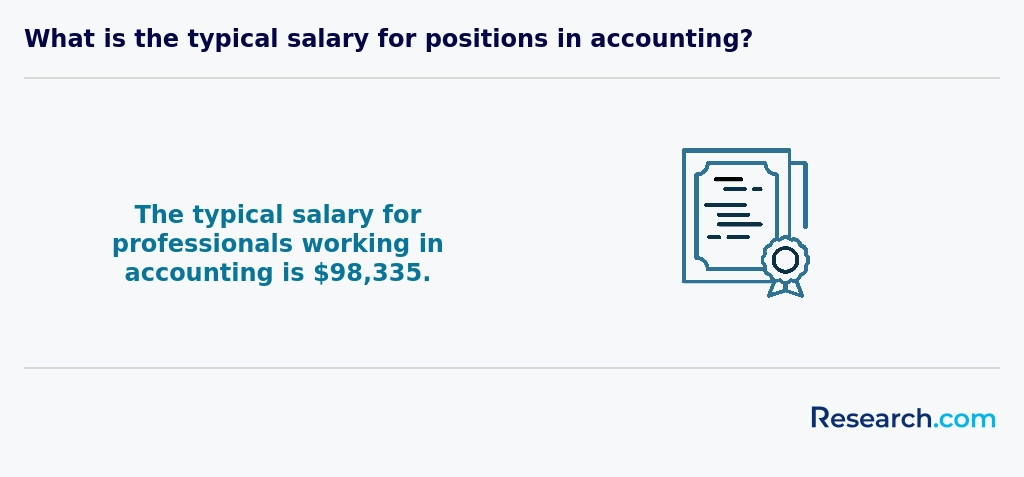
- Accounting graduates in Virginia can expect competitive salaries, with roles like Staff Accountant earning a mean annual wage of $90,780 and Tax Preparers averaging $49,580, reflecting strong financial rewards in the field.
- Graduates from Virginia's well-known institutions often pursue diverse career paths such as auditing, bookkeeping, and accounts payable, offering dynamic opportunities to find a rewarding job that fits individual goals.
- Completing an online accounting degree provides flexibility and convenience, allowing students to balance work and study effectively while gaining the same respected qualifications as traditional programs.
- Key benefits of getting online accounting degree in Virginia
- What can I expect from online accounting degree in Virginia?
- Where can I work with online accounting degree in Virginia?
- How much can I make with online accounting degree in Virginia?
- 2027 Best Online Accounting Degree Programs Ranking in Virginia
- Key Findings
- How long does it take to complete online accounting degree in Virginia?
- Return on Investment of an Online Accounting Degree in Virginia
- What's the difference between online and on-campus accounting degree?
- Professional Certifications and Licensure
- What is the average cost of online accounting degree in Virginia?
- What financial aid is available to online accounting degree students in Virginia?
- What are the prerequisites for enrolling in online accounting degree program in Virginia?
- Enhancing Your Career with Professional Certification
- What courses are typically in online accounting degree programs in Virginia?
- What types of specializations are available in online accounting degree programs in Virginia?
- How do you choose the best online accounting degree in Virginia?
- What career paths are available for online accounting degree students in Virginia?
- What is the job market for online accounting degree in Virginia?
- Related Accounting Rankings for Nearby States
- Top Trending Accounting Rankings
- See What Experts Have To Say About Studying Accounting
What can I expect from online accounting degree in Virginia?
The average cost of earning an online accounting degree in Virginia usually falls somewhere between $10,000 and $30,000 for a full bachelor's program, depending on the school and whether it's public or private. Many students find that enrolling in well-known schools in Virginia gives them a solid return on investment since these programs often include CPA exam prep, which is a huge plus.
Graduates often share how they appreciated the flexibility of online classes, allowing them to work part-time or manage family while hitting milestones. For instance, those attending big names in Virginia enjoyed programs accredited by SACSCOC, which assures quality and helps with credit transfers. That means less hassle if you're switching schools or pursuing further education later.
Some even combine bachelor's and master's degrees through special programs, which might bump up costs but save time and meet the Virginia Board of Accountancy's 150 credit hours requirement for CPA licensure. Many found that this helped them jump straight into rewarding jobs with local firms or government agencies without extra delays.
Where can I work with online accounting degree in Virginia?
If you're earning an online accounting degree in Virginia, you're stepping into a job market that's buzzing with opportunities. Graduates from schools like George Mason University and Virginia Commonwealth University often find themselves working in all sorts of places-from public accounting firms crunching numbers for local businesses to corporate finance teams at big companies in Arlington or Richmond. It's pretty common to hear from grads who landed roles as financial analysts or internal auditors right after finishing their programs.
Many also jump into government jobs, managing budgets or tax records for agencies like the Virginia Department of Taxation. These gigs give a real sense of making an impact, which a lot of grads love. Nonprofits are another popular stop, especially in cities like Virginia Beach, where managing grants and fundraising finances feels rewarding and meaningful.
Plus, the trend toward remote work means you can score great roles without commuting-something recent graduates say makes balancing life and work way easier. So, whether you want a fast-paced office environment or a job with community focus, Virginia's accounting scene has something for you.
How much can I make with online accounting degree in Virginia?
If you're studying for your online accounting degree in Virginia, you're probably wondering how much cash you can bring in once you graduate. Well, graduates from schools like George Mason University or Virginia Commonwealth University have shared that starting salaries can be pretty solid. For example, staff accountants typically make around $90,780 a year, which is a nice step above the national average. That's the kind of paycheck that lets you enjoy life in places like Richmond or Northern Virginia without stressing too much.
Other roles you might step into, like bookkeeping or tax preparation, usually bring in around $49,580 annually. It's a respectable start, especially when you're fresh out of school. Some graduates who snag positions as associate auditors or accounts payable clerks report similar numbers, so you've got options that match your skills.
Many grads say that getting certified as a CPA can really boost earnings, potentially pushing you toward six figures as you climb into senior or management roles. Plus, with Virginia's growing business sectors and steady demand for accountants, your degree holds some serious weight here.
2027 Best Online Accounting Degree Programs Ranking in Virginia
How do we rank schools?
Investing in your education is a significant decision that can shape your career, and the Research.com team recognizes the importance of making well-informed choices. To support prospective students in Virginia, we have carefully developed the "2027 Best Online Accounting Degree Programs Ranking in Virginia." Our dedication to quality, credibility, and accuracy is demonstrated through rigorous research and thorough analysis in compiling this ranking.
We utilized the following reputable data sources to ensure a comprehensive evaluation of accounting programs:
By reviewing this ranking, readers will gain valuable insights into the top online accounting degree programs in Virginia, empowering them to make confident educational decisions. For more information on how this ranking was created, please visit our Research.com methodology page.


Key Findings
- Online accounting degrees in Virginia are offered by many universities as fully online or hybrid programs, suited for working adults.
- In-state tuition for public institutions ranges from $10,000 to $25,000 per year, while private institutions typically charge between $30,000 and $45,000 annually.
- Starting salaries for graduates usually range from $55,000 to $65,000 per year, with long-term growth potential up to $100,000 with additional certifications like CPA.
- Virginia's accounting job market is projected to grow by 10% over the next decade, with major hubs in Northern Virginia, Richmond, and Virginia Beach.
- To become a licensed CPA in Virginia, students must complete 150 credit hours, pass the Uniform CPA Exam, and meet experience requirements.
How long does it take to complete online accounting degree in Virginia?
If you're thinking about getting an online accounting degree in Virginia, you're probably wondering how long it'll take. Usually, an associate degree wraps up in about two years if you're going full-time, covering around 60 credit hours. Many grads from places like Virginia Commonwealth University find this timeline doable, especially when juggling work or family.
If you're aiming for a bachelor's degree-often necessary for more advanced jobs or CPA eligibility-it typically takes around four years full-time. But here's the cool part: schools like Old Dominion University offer flexible or accelerated courses, so some students finish sooner by taking extra classes or enrolling year-round. It's a nice way to speed things up if you're motivated.
For those going for a master's online in Virginia, expect about one to two years. Many part-time students take longer, sometimes five years or more, balancing jobs and life. The programs usually offer asynchronous classes, making it easier to fit studies into your busy schedule without stressing out.
Return on Investment of an Online Accounting Degree in Virginia
Investing in an online accounting degree demands a clear understanding of return on investment (ROI) to ensure your educational expense translates into long-term financial gain. By comparing total program costs, average post-graduation salaries, and time to recoup tuition, you can make an informed choice tailored to your career goals. 1. Calculate Total Program Cost • Tuition and fees: median $48,120 for bachelor’s programs in Virginia • Additional expenses: textbooks, software subscriptions, and exam prep materials • Opportunity cost: forgone earnings if studying full-time versus working 2. Estimate Salary Uplift • Entry-level Staff Accountant: $86,740 average annual wage • Bookkeeper: $47,440 average, with room for advancement after CPA certification • Specialist roles (forensic accounting, auditing): potential increase of 10%–20% over generalist positions 3. Determine Payback Period • Payback period = Total Program Cost ÷ Annual Salary Increase • Example: $48,120 ÷ ($86,740 – $47,440) ≈ 1.1 years to recoup tuition through higher earnings 4. Enhance Value Through Specializations and Certifications • CPA, CMA, or forensic accounting certification can boost salaries by 15%–25% • Virtual internships and simulations strengthen practical skills, reducing onboarding time 5. Compare Affordability Across Regions • Some students explore alternative programs for lower tuition; for instance, see Cheapest Accounting Degree Programs Ranking in Jackson, MS to benchmark cost savings. By systematically assessing these factors, prospective students can optimize their investment, ensuring that an online accounting degree in Virginia delivers both professional credentials and tangible financial returns.
What's the difference between online and on-campus accounting degree?
If you're thinking about getting an accounting degree in Virginia, the biggest difference between online and on-campus programs comes down to flexibility and the vibe of campus life. Online programs, like those offered through programs connected with Virginia Commonwealth University or George Mason University, let you juggle your studies around a full-time job or family commitments. Graduates often say how much they appreciated being able to watch lectures at night after work or study on weekends without the stress of commuting.
On the flip side, students attending on-campus programs at places like the University of Virginia love the energy of face-to-face classes and the chance to network in person. They get involved in local internships and accounting clubs that open doors in the Virginia job market. One graduate shared how those live connections led to a job offer before even finishing their degree.
Cost also plays a role - online learners usually save on housing and transport, which can make a big difference if you're budgeting. So, it's really about what fits your lifestyle best while earning those vital 150 credit hours required for CPA eligibility in Virginia.
Professional Certifications and Licensure
Earning an online accounting degree in Virginia is just the first step toward a rewarding career in finance. Most employers seek candidates who hold professional credentials, with the Certified Public Accountant (CPA) designation being the gold standard. In Virginia, CPA licensure requires completion of 150 semester hours (including a minimum 24 credit hours in accounting and 24 in business courses), passing all four sections of the Uniform CPA Exam, and at least one year of relevant work experience under a licensed CPA. Additionally, the Virginia Board of Accountancy mandates continuing professional education (CPE) of 16 hours annually, including ethics coursework, to maintain licensure-ensuring that CPAs stay current with evolving standards and regulations. Beyond the CPA, graduates may pursue specialized credentials such as the Certified Management Accountant (CMA), Certified Internal Auditor (CIA), or Certified Information Systems Auditor (CISA). Each certification targets niche skills-management accounting, internal controls and risk management, and IT auditing, respectively-enhancing employability in both private and public sectors. For students interested in advanced quantitative roles outside traditional accounting, exploring actuary job requirements can provide valuable insights into the rigorous exam series and educational prerequisites for that profession. By aligning your online accounting curriculum with these certification pathways, you’ll maximize your competitive edge in Virginia’s dynamic job market.
What is the average cost of online accounting degree in Virginia?
If you're wondering about the average cost of online accounting degrees in Virginia, it generally falls around $43,200 for in-state students over the full program. That's a solid middle ground compared to what many graduates from popular universities in Virginia have experienced. For example, students attending well-known public institutions often find tuition more manageable thanks to in-state rates, which can save thousands compared to private colleges.
Community colleges also come through as budget-friendly options for the first couple of years, typically charging around $5,000 annually for in-state online learners. This makes it easier to complete associate degrees or prerequisites without breaking the bank, then transfer to a university to finish the bachelor's degree. Graduates have shared how starting at a community college lowered their total Virginia online accounting degree tuition and fees significantly, helping them avoid heavy debt.
Private colleges tend to be more expensive, sometimes reaching tuition fees near $40,000 a year. But many students balance those costs with scholarships and flexible payment plans. Imagine starting your journey at a school in Richmond or Fairfax, where rigorous programs combine affordability and quality, setting you up for a great career in finance or accounting.
Don't forget to think beyond tuition, too. Additional costs like textbooks or CPA exam prep fees can add up, but plenty of students find these worthwhile investments. If you're exploring options, check out resources on entrepreneurship and innovation careers to see how an accounting degree fits with your broader goals.
What financial aid is available to online accounting degree students in Virginia?
If you're studying accounting online in Virginia, you've got some solid financial aid options that can really lighten the load. Take a graduate from Virginia Tech's online accounting program-they managed to cover a good chunk of their tuition thanks to federal aid. The Pell Grant, for instance, is a big help because it doesn't have to be paid back and is based on financial need. Lots of accounting students at George Mason University tap into Direct Subsidized and Unsubsidized Loans, which come with manageable interest rates and flexible repayment plans.
Besides federal help, Virginia offers some cool state-specific aid like the Virginia Tuition Assistance Grant if you're going to a private college. And don't forget the Virginia Commonwealth Award for need-based aid, which has helped many at Virginia Commonwealth University stay on track. Plus, some universities throw in merit scholarships geared just for accounting students, giving them even more breathing room financially.
On top of that, the Virginia Society of Certified Public Accountants offers scholarships if you're aiming at a public accounting career-something graduates have found really encouraging when juggling costs and studies. Seriously, mixing these options can turn what feels like a money mountain into something way more manageable.
What are the prerequisites for enrolling in online accounting degree program in Virginia?
If you're thinking about enrolling in an online accounting degree in Virginia, you'll want to have your basics covered first. Most programs expect you to have a high school diploma or a GED, which is pretty standard across colleges like James Madison University or George Mason University. Graduates often say having a strong grip on basic math, especially algebra and statistics, really helped them breeze through the coursework.
Besides math, having a handle on introductory economics or business concepts is a huge plus. Some students mention how brushing up on English communication skills made group projects and report writing way less stressful. A few programs might ask for SAT or ACT scores, but thanks to test-optional policies, many schools have gotten more flexible about that.
For those eyeing a Master's degree in Accounting, having a bachelor's from an accredited school is key. Sometimes, you'll need to have tackled some accounting classes before jumping into the graduate level, but students often find that a real confidence boost.
And don't forget the tech side-you'll need solid Wi-Fi and a reliable computer to join virtual lectures at any place like Old Dominion University. Many grads say being prepared tech-wise kept things smooth and stress-free throughout their studies.
Enhancing Your Career with Professional Certification
Gaining a professional certification can be the game-changer that propels your accounting career to new heights. In today’s competitive market, achieving certifications such as Certified Public Accountant not only validates your expertise but also significantly boosts your career prospects and earning potential. Many accounting professionals find that obtaining a certification helps them stand out during the job search process, leading to more lucrative opportunities and potentially higher earnings, such as a certified public accountant salary. Certification programs emphasize advanced technical skills, adherence to strict ethical standards, and a commitment to lifelong learning, all of which complement the robust academic foundation provided by online accounting degree programs. By integrating professional certification into your educational and career planning, you demonstrate both authority and dedication to the field-traits that are highly valued by employers across Virginia and beyond. Embracing these credentials not only enhances your resume but also expands your professional network, opening doors to mentorship, exclusive job opportunities, and targeted career services that support long-term growth and success in the ever-evolving financial landscape.
What courses are typically in online accounting degree programs in Virginia?
If you're diving into an online accounting degree in Virginia, expect to tackle courses that really build up your skills step-by-step. Graduates from schools like George Mason University or Virginia Tech often mention starting with Financial Accounting, where you get the hang of creating and reading financial statements-super handy if you dream of running a business or working in auditing.
Then there's Managerial Accounting, which feels like learning the insider secrets of smart business decisions by managing budgets and costs. Intermediate Accounting gets a bit more detailed, focusing on standards around assets and liabilities-which is perfect if you want to understand the real nitty-gritty behind company finances.
Taxation classes here are pretty practical, too. Virginia's specific tax environment makes this course very relevant, especially if you see yourself advising businesses or individuals. Auditing and Accounting Information Systems are other essential classes, where you learn how to check financial reports and use software tools, just like grads who walked through these programs and felt ready to jump right into real-world finance roles.
What types of specializations are available in online accounting degree programs in Virginia?
If you're diving into an online accounting degree in Virginia, you'll find plenty of specializations that make your studies fit your career dreams perfectly. Lots of grads from popular schools here vibe with areas like Financial Accounting, where you get the skills to crunch numbers for big companies or audit reports. Managerial Accounting is also a hit, focusing on budgeting and internal business moves-super helpful if you want to be the go-to for company financial decisions.
Taxation is another solid pick since Virginia's tax rules are pretty detailed. Graduates often mention feeling confident handling complex filings after this specialization. Then there's Auditing & Assurance, which is great for folks into checking compliance and keeping businesses on track.
Some programs also offer niche areas like Forensic Accounting, where grads use accounting smarts to uncover fraud, and Accounting Information Systems, which combines tech and accounting. These specializations really match up with what the Virginia online accounting program concentration options have to offer.
A lot of students appreciate how these tracks fit with CPA requirements in Virginia's universities. If you're curious about what paths might fit your style, this could be a great time to explore alternatives like healthcare IT management MBA jobs too, since finance skills often overlap!
How do you choose the best online accounting degree in Virginia?
When picking the best online accounting degree in Virginia, start by checking that the program is properly accredited-this is a big deal because you want to be sure your degree holds weight. Graduates from popular schools here often mention how AACSB or ACBSP accreditation made a difference when they were job hunting. It's also smart to look closely at the curriculum; programs at well-known Virginia colleges usually cover all the essentials like auditing, taxation, and managerial accounting, and some even offer cool specializations like forensic accounting.
Cost matters too-Virginia schools tend to hover around $13,000 a year for in-state students, but online options might be more flexible on pricing or fees depending on tech requirements. Former students love programs that fit their schedules, especially if they work full-time, thanks to asynchronous classes that let them study anytime. And don't forget to see if the program aligns with the state's CPA licensure requirements since many graduates found this key to speeding up their certification.
For those curious about other fields or balancing work, some consider a public relations degree for working professionals as a backup, but if accounting is your goal, focus on programs proven to help with job placement and long-term growth. Lots of folks aiming for the best online accounting degree programs in Virginia highlight the career services and internship connections as game changers.
What career paths are available for online accounting degree students in Virginia?
If you're studying for an online accounting degree in Virginia, you'll be pleased to know that a ton of career options open up for you. Graduates from schools like Virginia Commonwealth University or James Madison University often step into roles as certified public accountants (CPAs), handling taxes, audits, and consultations. Virginia's CPA licensure requirements, like the 150 credit hours, are often met through these online programs, making the transition from student to pro pretty smooth.
Other grads dive into jobs as financial analysts or management accountants, working behind the scenes to help companies make smart money moves. Some find themselves investigating financial fraud as forensic accountants, while others focus on tax advising specific to Virginia's state laws. One of the best parts? The flexibility of online programs means you can keep working while gearing up for these jobs-something many find super motivating.
For anyone curious about similar paths nearby, check out the accounting schools in South Carolina to see how regional programs compare in career outcomes. If you're wondering about online accounting degree career options Virginia really does have a solid and growing job market ready for you.
Many accounting jobs with online degree Virginia grads get also value tech skills-think accounting software and data analysis-which today's courses cover to keep you competitive. That mix of flexibility, solid licensing prep, and diverse career paths is what makes earning your degree online here a smart move.
What is the job market for online accounting degree in Virginia?
The job market for those with an online accounting degree in Virginia is looking pretty solid right now. Graduates from popular schools like Virginia Tech and George Mason University often share how landing roles in public accounting firms or corporate finance departments feels well within reach. The demand for skilled accountants in places like Northern Virginia and Richmond remains steady, with job growth expected to stay on par with the national average.
Many grads find that their degree sets them up nicely to pursue certifications too, which really boosts their chances. For example, the Virginia Board of Accountancy's 150-semester-hour rule means a lot of online programs here prepare students well for CPA licensure. If you're curious about the certified public accountant salary, obtaining that credential can open even more doors and increase earning potential in the state.
For anyone exploring online accounting jobs in Virginia, the wide range of opportunities across government, nonprofits, and financial services makes it an exciting time to start a career. Plus, online degrees often come with a friendly price tag, making the journey less stressful and more rewarding for students balancing life and school.
Frequently Asked Questions About accounting
Students pursuing online accounting degrees in Virginia can enhance their learning by actively engaging with virtual class discussions and utilizing digital resources offered by their institutions. Many Virginia colleges provide access to online libraries and accounting software simulations, which are critical for practical experience.
It is also beneficial to connect with local professional organizations like the Virginia Society of Certified Public Accountants. Networking can open opportunities for internships and mentorships, vital for career growth.
Additionally, focusing on courses that align with Virginia's accounting regulations and tax laws helps students stay relevant in the state's job market. According to the Bureau of Labor Statistics, Virginia employs over 30,000 accountants and auditors, highlighting strong regional demand.
The accounting field is evolving quickly, with several emerging niches offering new career opportunities for graduates in Virginia. One prominent area is forensic accounting, which involves investigating financial fraud and disputes. Demand for forensic accountants is rising, driven by increased regulatory scrutiny and corporate governance needs.
Another growing niche is environmental accounting, where professionals assess a company's environmental costs and compliance. This aligns with Virginia's push toward sustainability and green energy sectors.
Additionally, technology-driven roles such as data analytics and blockchain accounting are gaining traction. According to the Virginia Employment Commission, these specialties are expected to grow faster than traditional accounting jobs through 2030.
After earning an online accounting degree in Virginia, preparing for the job market involves several strategic steps. First, students should consider obtaining professional certifications such as the CPA (Certified Public Accountant), which is highly valued in Virginia's accounting sector. The Virginia Board of Accountancy requires 150 semester hours of education and passing the CPA exam for licensure.
Networking is also crucial. Joining state organizations like the Virginia Society of Certified Public Accountants can provide access to job leads and mentorships. Furthermore, gaining practical experience through internships or part-time positions while studying increases employability.
Job seekers should be aware Virginia's accounting jobs are growing steadily, with the Bureau of Labor Statistics projecting a 6% growth rate through 2030. Utilizing Virginia-focused job platforms and career services from accredited institutions enhances job search effectiveness.
Employers in Virginia seeking graduates with online accounting degrees emphasize a combination of technical and soft skills. Proficiency in accounting software such as QuickBooks, Excel, and SAP is essential, as many Virginia firms rely on these tools for financial management. According to the Virginia Employment Commission, analytical thinking and attention to detail are critical for roles involving auditing and compliance.
Strong communication skills are also highly valued, enabling graduates to explain financial information clearly to clients and stakeholders. Additionally, familiarity with Virginia's state tax codes and regulations enhances employability. Ethical judgment remains a cornerstone skill, reflecting accounting's commitment to transparency and integrity.
Overall, graduates who combine technical expertise with problem-solving and ethical awareness tend to stand out in the competitive Virginia job market.
Finding internships in Virginia relevant to an accounting degree involves several practical steps. Start by exploring statewide resources like the Virginia Society of Certified Public Accountants (VSCPA), which offers networking events and internship listings specifically for accounting students. Many universities in Virginia also have strong connections with local firms; even with an online program, students can use career services to find placements. According to the U.S. Bureau of Labor Statistics, Virginia's metropolitan areas, such as Richmond and Northern Virginia, host many accounting firms seeking interns.
Additionally, platforms like Handshake and LinkedIn provide internship opportunities tailored for accounting majors. These platforms allow students to filter by location and field, increasing chances of finding relevant positions. Early application and professional communication are key, as many employers prefer candidates with proactive engagement. Finally, leveraging alumni networks and attending virtual job fairs in Virginia can significantly improve internship prospects.
Obtaining an online accounting degree in Virginia significantly enhances career mobility by providing essential credentials recognized statewide. The Virginia Employment Commission reports that accounting roles are projected to grow 7% from 2022 to 2032, indicating rising demand. An online degree offers flexibility for working professionals seeking advancement without interrupting their careers.
Employers in Virginia often prefer candidates with a bachelor's degree in accounting or related fields, especially for positions involving complex financial analysis or auditing. Graduates are better positioned to pursue certifications like CPA, which require specific educational credits.
Additionally, many Virginia-based firms value practical skills emphasized in online programs, aiding graduates in securing promotions or transitioning into specialized roles such as forensic accounting or management accounting.
Studying for an accounting degree in Virginia fosters interdisciplinary skills by integrating knowledge from business, finance, and law. Programs often include courses on data analytics, information systems, and ethics, which prepare students to work in diverse professional environments. Virginia's institutions align their curriculum with the demands of industries such as government, technology, and healthcare, reflecting the state's economic diversity.
According to the Virginia Department of Education, accounting graduates frequently pursue roles involving financial analysis, risk management, and auditing, which require cross-functional expertise. Online programs provide flexibility while maintaining rigorous standards set by the Association to Advance Collegiate Schools of Business (AACSB), ensuring graduates are ready for complex roles beyond traditional accounting.
When choosing between a thesis and a non-thesis online accounting degree program in Virginia, consider your academic and career goals. Thesis programs require conducting original research and writing a substantial paper, which suits students aiming for careers in research, academia, or advanced certifications like a PhD.
Non-thesis programs focus more on coursework and practical skills, ideal for professionals who want to enter or advance in fields like public accounting or corporate finance without a research component.
According to the National Center for Education Statistics, roughly 60% of Virginia's accounting graduates opt for non-thesis paths due to quicker graduation times.
Also, Virginia's Board of Accountancy requires 150 credit hours for CPA eligibility, making flexible online coursework valuable for many students regardless of thesis choice.
Students based in Virginia interested in studying accounting abroad have several options, primarily through international partnerships and study abroad programs affiliated with US universities. While fully online accounting degrees remain anchored in domestic institutions, some Virginia colleges offer exchange programs allowing students to gain global experience. For example, James Madison University and Virginia Tech have partnerships with universities in Europe and Asia, providing limited semesters abroad focused on accounting practices and international finance.
The Virginia Society of Certified Public Accountants notes that understanding global accounting standards, such as IFRS, is increasingly valuable. Students may also pursue online certificates from foreign universities recognized by US accrediting bodies, enhancing their resumes while remaining in Virginia.
Part-time job opportunities in Virginia that complement online accounting degree education include roles such as bookkeeping assistant, tax preparer, and accounting clerk. These positions help students apply theoretical knowledge in real-world settings while gaining valuable experience. According to the U.S. Bureau of Labor Statistics, Virginia's demand for bookkeeping and accounting occupations is projected to grow by 7% from 2022 to 2032.
Many students find roles in local accounting firms or corporate finance departments, where they can learn practical skills like ledger management and financial reporting. Additionally, internships or assistant positions in government agencies offer exposure to public sector accounting practices. These job experiences enhance both resume strength and professional networks within Virginia's accounting industry.
Online accounting students in Virginia benefit from various networking opportunities that can enhance their career prospects. Many universities offer virtual events, such as webinars and guest lectures, connecting students with industry professionals statewide. Additionally, student memberships in organizations like the Virginia Society of Certified Public Accountants (VSCPA) provide access to networking events, mentorship, and job boards.
The state's strong accounting job market-projected to grow 10% by 2028 according to the U.S. Bureau of Labor Statistics-means students can engage with active local professionals through both online and in-person meetups. These connections help students find internships and entry-level roles more easily.
Alumni networks offer significant benefits to online accounting degree students in Virginia by providing access to a broad professional community. These networks facilitate valuable connections with graduates who work in Virginia's accounting firms, corporations, and government agencies. According to the Virginia Society of Certified Public Accountants, networking remains a top factor in securing accounting roles statewide.
Students gain mentorship opportunities and industry insights from experienced alumni, which can enhance career planning. Moreover, these networks often share job openings and internships exclusive to members. For students balancing online studies, alumni connections help bridge the gap between virtual education and real-world professional engagement.
Students pursuing an online accounting degree in Virginia have various options to customize their programs according to career goals. Many Virginia universities allow choosing concentrations such as forensic accounting, tax accounting, or auditing. This specialization can help align the degree with specific professional paths.
Additionally, some programs offer flexible course schedules and elective choices to balance working hours or focus on in-demand skills. Coursework aligned with Virginia's CPA requirements is especially important, as the state mandates 150 credit hours with certain accounting topics for licensure.
Engaging in internships or virtual practica arranged through the school can further tailor educational experiences to local market demands and employer expectations, which is crucial in Virginia's competitive accounting sector.
Online accounting students in Virginia often face challenges related to time management. Balancing coursework with work and family responsibilities is a common struggle, especially since many students attend part-time. According to the National Center for Education Statistics, 65% of online students juggle employment alongside studies, which can extend degree completion times.
Another issue is limited access to hands-on experiences, such as internships and networking opportunities. While some Virginia schools provide virtual career services, students may find it harder to build local professional connections essential for accounting careers.
Technical difficulties and adapting to digital platforms also pose obstacles. A 2022 report from EDUCAUSE highlights that 30% of online learners faced challenges related to reliable internet access and familiarity with learning management systems.
Lastly, staying motivated without in-person peer interaction can impact student retention and success in rigorous accounting programs in Virginia.
With an online accounting degree in Virginia, graduates can pursue several respected professional certifications that enhance career prospects. The most common and valuable is the Certified Public Accountant (CPA) credential. Virginia requires CPA candidates to complete 150 credit hours and pass the Uniform CPA Exam, along with meeting work experience requirements verified by a licensed CPA.
Other notable certifications include the Certified Management Accountant (CMA) and Certified Internal Auditor (CIA). These focus on management accounting and auditing skills, respectively. According to the Virginia Board of Accountancy and the Institute of Management Accountants, earning these credentials can significantly boost earning potential and job opportunities in Virginia's accounting sector.
These certifications generally require passing rigorous exams and meeting specific educational and experience criteria. Online accounting degrees accredited by recognized bodies often satisfy the educational prerequisites for these certifications, making them a practical pathway for Virginia students.
Writing a winning application for an online accounting program in Virginia begins with thorough research. Start by identifying accredited institutions recognized by the Southern Association of Colleges and Schools Commission on Colleges (SACSCOC). Accreditation ensures program quality and eligibility for federal financial aid.
Highlight your academic background, emphasizing any coursework or experience in accounting, finance, or related fields. Virginia employers value candidates with a strong foundation, as the state's accounting sector is growing, with a 7.5% job increase expected through 2030, according to the Virginia Employment Commission.
Include clear, goal-oriented personal statements that show your commitment to the accounting profession, citing Virginia's demand for skilled accountants in industries such as government, finance, and business services.
Finally, provide strong letters of recommendation and stay organized with all transcripts and documentation to meet application deadlines effectively.
The accounting profession is increasingly influenced by global economic integration. Accountants with a strong understanding of international financial standards are in high demand, especially as Virginia's economy connects with multinational businesses. According to the U.S. Bureau of Labor Statistics, accounting jobs nationwide are expected to grow 6% from 2021 to 2031, reflecting steady demand.
Virginia's proximity to international hubs like Washington D.C. offers unique career advantages for those with a global mindset. Knowledge of frameworks such as IFRS, alongside U.S. GAAP, enhances employability.
Online accounting degrees in Virginia often include courses on global accounting practices, preparing students to work in diverse markets and multinational corporations.
Students pursuing an online accounting degree in Virginia can gain practical experience through internships, a common path endorsed by the Virginia Society of Certified Public Accountants (VSCPA). Many universities collaborate with local businesses and accounting firms to provide remote or in-person internship opportunities. These placements help students apply academic knowledge in real-world settings while building professional networks.
Additionally, Virginia students may participate in virtual cooperative education programs, combining coursework with paid work experience. According to the National Association of Colleges and Employers, accounting internships in Virginia often lead to job offers after graduation.
Engaging in case competitions and volunteering for non-profits' bookkeeping needs also enhances practical skills while studying online.
Choosing the right concentration within an online accounting degree program in Virginia involves understanding your career goals and the local job market. Popular concentrations include taxation, auditing, forensic accounting, and financial analysis. Each tracks different skills relevant to Virginia's strong public accounting and government sectors.
Virginia's Department of Employment Services reports steady growth in accounting jobs, especially in Northern Virginia and Richmond, where demand for expertise in auditing and tax preparation is high. Consider certifications like CPA, which Virginia requires for many accounting roles and can influence which concentration best supports licensure.
Research specific programs to see if they offer focused coursework aligned with your interests and the state's regulatory environment. Reviewing Virginia Society of CPAs resources can provide valuable insights on trending specialties.
Related Accounting Rankings for Nearby States
- 2027 Best Online Accounting Degree Programs Ranking in Maryland
- 2027 Best Online Accounting Degree Programs Ranking in Pennsylvania
- 2027 Best Online Accounting Degree Programs Ranking in Georgia
- 2027 Best Online Accounting Degree Programs Ranking in New York
- 2027 Best Online Accounting Degree Programs Ranking in Massachusetts
- 2027 Best Online Accounting Degree Programs Ranking in Missouri
- 2027 Best Online Accounting Degree Programs Ranking in Illinois
- 2027 Best Online Accounting Degree Programs Ranking in Michigan
- 2027 Best Online Accounting Degree Programs Ranking in Iowa
- 2027 Best Online Accounting Degree Programs Ranking in Kansas
Top Trending Accounting Rankings
See What Experts Have To Say About Studying Accounting
Read our interview with Accounting experts

John Wermert, Ph.D., CPA
Accounting Expert
Associate Professor of Accounting
Middle Tennessee State University

Yaw M. Mensah
Accounting Expert
Professor and Interim Vice Dean for Strategic Partnerships
Rutgers Business School

References
- ACCOUNTING AND AUDITING (THESIS / NON-THESIS) - Lisansüstü Eğitim Enstitüsü https://lee.nisantasi.edu.tr/en/accounting-and-auditing/
- How to Choose an Accounting Specialization https://freemannews.tulane.edu/2025/11/03/how-to-choose-an-accounting-specialization
- Master’s Program in Accounting and Auditing (Thesis/Non-Thesis, Turkish) https://www.isikun.edu.tr/en/academic/graduate/accounting-auditing/masters-program-accounting-and-auditing-thesis/non-thesis
- Accounting | Reynolds Community College https://www.reynolds.edu/programs/program-pages/accounting-aas.html
- Accountant Cover Letter Example https://www.careertoolbelt.com/professions/accountant/cover-letter-example/
- 5 Niches for Accountants to Consider - Samera Global https://sameraglobal.com/5-niches-for-accountants-to-consider/
- Top 10 Accounting and Finance Skills Employers Want | Tamarack Recruiting | Tamarack Recruiting https://tamarackrecruiting.com/top-10-accounting-and-finance-skills-employers-want-tamarack-recruiting/
- 6 Tips to Get a Head Start in Your Career during College : ThisWayToCPA : AICPA https://www.thiswaytocpa.com/education/articles/make-the-most-of-your-education/6-tips-get-head-start/
- 6 accounting niches for your new firm https://www.becker.com/blog/career/accounting-niches-for-your-firm
- Guide to Transition into an Accounting Career https://teach.com/online-ed/business-degrees/online-masters-accounting/how-to-transition-to-an-accounting-career/