
2027 Easiest Online Master's in Accounting Degree Programs Ranking in Michigan

Co-Founder and Chief Data Scientist
Choosing the right online master's in accounting program can feel overwhelming, especially in Michigan's growing market. This article introduces the 2027 Easiest Online Master's in Accounting Degree Programs Ranking in Michigan, developed by the Research.com team of data scientists.
Our ranking simplifies your search by highlighting programs that balance quality and accessibility, helping you focus on options worth considering. Whether starting fresh or advancing your career, an accounting degree opens doors to rewarding opportunities.
Explore this guide to make an informed decision and take confident steps toward your future success.
Key benefits of getting online accounting degree in Michigan
- Graduates with an online accounting degree in Michigan can expect strong earning potential, with average annual salaries around $90,780 for roles like Certified Public Accountant, Tax Manager, and Forensic Accountant.
- Popular Michigan universities like the University of Michigan offer accounting programs that open doors to diverse careers in corporate accounting, auditing, and tax management, giving you flexibility and growth opportunities.
- Choosing an online accounting degree allows for flexible scheduling and learning at your own pace, making it easier to balance work and study while still earning a respected qualification from top Michigan institutions.
- Key benefits of getting online accounting degree in Michigan
- What can I expect from online accounting degree in Michigan?
- Where can I work with online accounting degree in Michigan?
- How much can I make with online accounting degree in Michigan?
- 2027 Easiest Online Master's in Accounting Degree Programs Ranking in Michigan
- Key Findings
- How long does it take to complete online accounting degree in Michigan?
- Emerging Industry Trends and Future Opportunities for Michigan Accounting Graduates
- What's the difference between online and on-campus accounting degree?
- What is the average cost of online accounting degree in Michigan?
- What financial aid is available to online accounting degree students in Michigan?
- What are the prerequisites for enrolling in online accounting degree program in Michigan?
- Certification and CPA Exam Preparation
- What courses are typically in online accounting degree programs in Michigan?
- What types of specializations are available in online accounting degree programs in Michigan?
- How do you choose the best online accounting degree in Michigan?
- What career paths are available for online accounting degree students in Michigan?
- What is the job market for online accounting degree in Michigan?
- Related Accounting Rankings for Nearby States
- Top Trending Accounting Rankings
- See What Experts Have To Say About Studying Accounting
What can I expect from online accounting degree in Michigan?
The average cost of an online accounting degree in Michigan typically ranges between $15,000 and $30,000 for the entire program, depending on the institution and degree level. Graduates from popular universities report investing in flexible, accredited programs that balance affordability with quality education. For example, students at well-known Michigan colleges appreciate that tuition fees align with practical benefits such as access to CPA-qualified faculty and comprehensive accounting software training.
Many students highlight how institutions like those in Michigan offer payment plans or financial aid options that help manage expenses while pursuing the required 150 credit hours for CPA eligibility. These graduates often find value in programs that integrate real-world tools like Excel and QuickBooks, which enhances their job readiness without excessive additional costs.
Overall, Michigan's online accounting degrees provide a cost-effective pathway supported by strong career services, making the investment manageable and justified for those aiming to enter the state's robust accounting job market.
Where can I work with online accounting degree in Michigan?
Graduates from online accounting programs in Michigan, such as those offered by the University of Michigan-Dearborn or Wayne State University, frequently find rewarding roles across multiple sectors. Many start in public accounting firms, gaining hands-on experience with audits and tax consulting at companies like Plante Moran or Rehmann. These roles are often stepping stones to senior positions and provide valuable exposure to complex financial environments.
Corporate accounting is another major path, especially within Michigan's automotive giants like General Motors and Ford. Graduates often manage budgets, financial reporting, and compliance, applying both general accounting knowledge and industry-specific regulations. This blend prepares them for dynamic career growth in corporate finance.
Healthcare employers, including Henry Ford Health System and Spectrum Health, also recruit accounting graduates for managing reimbursements and internal audits, roles that require proficiency in healthcare finance software and regulations. Government agencies and financial institutions across the Detroit area further expand opportunities, offering roles that emphasize budgeting, auditing, and risk management.
Reported average salaries of $60,000 to $75,000 highlight strong earning potential, reflecting the practical value of an accounting degree in Michigan's diverse economic landscape. Graduates often express satisfaction with their career flexibility and the professional growth available in these settings.
How much can I make with online accounting degree in Michigan?
Graduates with an online accounting degree in Michigan can expect to earn competitive salaries that reflect both their education and the state's economic landscape. According to recent BLS data, positions such as Certified Public Accountant, Corporate Accountant, Tax Manager, Auditing Manager, and Forensic Accountant each offer mean annual wages around $90,780. This aligns well with salaries reported by graduates from well-known Michigan institutions like the University of Michigan and Michigan State University, who often report starting salaries in the $50,000 to $60,000 range for entry-level roles.
Those who pursue certification as a CPA tend to see a significant increase, with median wages commonly exceeding $85,000 annually. Many online degree holders from Michigan schools find that combining their degree with certification and experience allows them to step confidently into specialized and managerial roles, often reaching the $100,000 mark. This trajectory is typical for graduates working in Detroit's corporate hubs or Michigan's key manufacturing sectors, where advanced accounting expertise is highly valued.
2027 Easiest Online Master's in Accounting Degree Programs Ranking in Michigan
How do we rank schools?
Investing in your education is a significant decision that can shape your future, and the Research.com team understands the importance of making informed choices. To assist prospective students in Michigan, we have meticulously crafted the "2027 Easiest Online Master's in Accounting Degree Programs Ranking in Michigan." Our commitment to quality, credibility, and accuracy is reflected in the extensive research and analysis conducted to compile this ranking.
We utilized the following reputable data sources to ensure a comprehensive evaluation of accounting programs:
By exploring this ranking, readers will gain valuable insights into the easiest and most accessible online master's in accounting degree programs available in Michigan, enabling them to make confident and well-informed decisions about their educational paths. For more details on our methodology, please visit our Research.com methodology page.


Key Findings
- The average cost of a bachelor's online accounting degree in Michigan ranges from $12,000 to $25,000, while graduate programs can cost $20,000 to $40,000.
- Entry-level accountants in Michigan typically start with a salary around $50,000 per year, with experienced professionals earning between $70,000 and $90,000 annually.
- The job market for accountants in Michigan is projected to grow by about 5% from 2022 to 2032, similar to the national average.
- Michigan requires 150 credit hours and passing the CPA exam for certified public accountant licensure, and many online programs support preparation for this.
- Online accounting degrees in Michigan often include internship or practicum opportunities and allow students to work while studying.
How long does it take to complete online accounting degree in Michigan?
Completing an online accounting degree in Michigan varies by degree level and individual pacing. An associate degree typically takes about two years full-time, but many students appreciate the flexible formats offered by Michigan schools like Central Michigan University, allowing them to accelerate or take their time based on personal schedules. Some graduates share how this flexibility helped them balance work and family commitments while finishing early.
Bachelor's degrees usually require four years full-time, though part-time and accelerated tracks at institutions such as Wayne State University can stretch this from three to six years. Graduates report that transferable credits and intensive courses shortened their path, enabling faster entry into the workforce while maintaining a manageable course load.
Master's programs, often completed in one to two years, provide intensive options at universities like the University of Michigan-Dearborn. Students highlight how accelerated formats let them finish in as little as 12 months, a major advantage for working professionals eager to advance quickly without sacrificing work-life balance.
Emerging Industry Trends and Future Opportunities for Michigan Accounting Graduates
As the accounting field rapidly evolves, staying ahead of emerging trends is crucial for online accounting graduates in Michigan. Technological advancements such as automation, artificial intelligence, and cloud-based accounting software are reshaping daily tasks and creating new niches like forensic accounting and data analytics. These trends not only emphasize the importance of technical proficiency but also reinforce the need for strong analytical, strategic, and communication skills. Graduates who adapt to these changes can significantly enhance their career trajectories by pursuing certifications, specialized training, and advanced degrees. In addition, the growing demand for integrated financial advisory services has led many professionals to explore opportunities within online masters in accounting jobs, where the intersection of technology and traditional accounting skills creates a competitive edge. Keeping abreast of these trends through continuous learning initiatives and networking with industry leaders will empower Michigan’s accounting professionals to seize innovative opportunities and secure fulfilling career growth.
What's the difference between online and on-campus accounting degree?
Online accounting degrees in Michigan, offered by schools like Ferris State University and Lake Superior State University, provide unmatched flexibility, allowing students to balance work and family commitments effectively. Graduates often appreciate the convenience of asynchronous learning, which lets them study at their own pace without sacrificing career or personal responsibilities.
Conversely, on-campus programs deliver immersive experiences with in-person faculty interaction, hands-on group work, and easy access to resources such as internships and accounting clubs. Many Michigan students value the networking opportunities available when attending classes on campus, which can boost their confidence and professional connections.
Cost differences also play a role. Online tuition can be slightly lower due to reduced campus-related fees, but each university's rates vary, so careful comparison is essential. Regardless of format, both pathways cover fundamental accounting subjects required for CPA eligibility, including auditing, taxation, and business law, ensuring graduates from Michigan schools are well-prepared for the workforce.
What is the average cost of online accounting degree in Michigan?
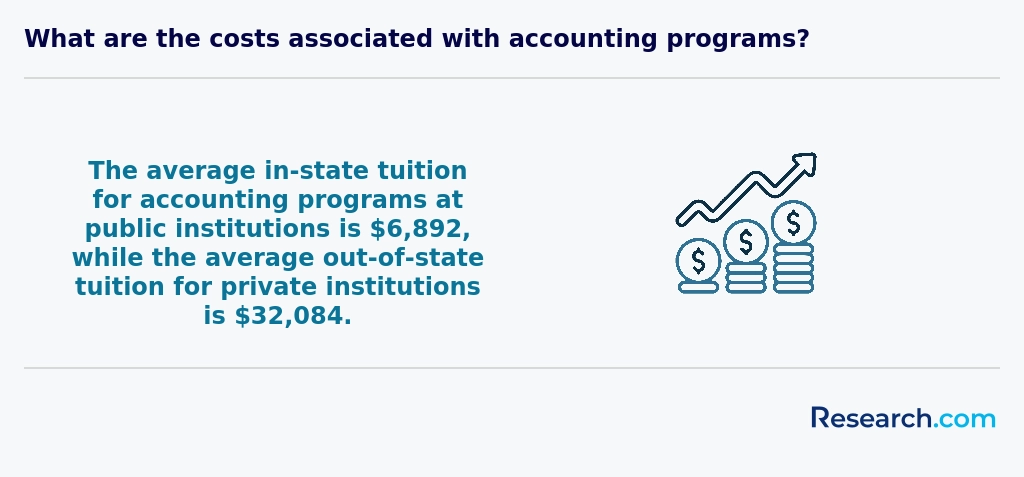
The average cost of an online accounting degree in Michigan typically centers around $26,040, reflecting a median total cost that balances both in-state and out-of-state tuition expenses. Graduates from popular institutions like Grand Valley State University or Western Michigan University often highlight the value they received given the reasonable tuition compared to the quality of education. In-state students can expect lower rates, closer to around $20,947, which makes pursuing an online accounting degree more accessible for Michigan residents.
Besides tuition, students consider additional expenses such as technology fees and textbook costs, which contribute to the total expenses for online accounting master's Michigan programs. For many, choosing public universities with per-credit-hour fees near $500 offers financial relief compared to private schools, where fees can exceed $800 per credit hour. This pricing dynamic plays a key role in decision-making as students plan their budgets over a typical three-to-four-year bachelor's timeline.
Those pursuing advanced degrees appreciate that master's programs often have total costs between $20,000 and $40,000, which aligns with market expectations in Michigan. Many find programs supportive of career growth, especially when factoring in potential financial aid or scholarships. For students interested in specialized career paths, exploring online masters in accounting jobs opportunities helps justify the investment by linking education expenses to tangible professional outcomes.
What financial aid is available to online accounting degree students in Michigan?
Students pursuing online accounting degrees in Michigan typically access multiple financial aid sources to reduce tuition costs, which average between $15,000 and $35,000 for graduate programs nationwide. Federal aid, requiring FAFSA submission, is the most common, encompassing grants like Pell Grants and loans such as Direct Unsubsidized and Direct PLUS loans. These aid options offer many graduate students manageable, low-interest borrowing opportunities.
State-specific programs also support Michigan residents. The Michigan Tuition Grant, mainly for undergraduates, sometimes benefits graduate accounting students through additional scholarships. Popular institutions like Central Michigan University and Michigan State University frequently offer merit- or need-based scholarships and assistantships, which graduates often cite as pivotal in financing their degrees.
Beyond school-based options, professional groups such as the Michigan Association of Certified Public Accountants (MICPA) provide scholarships that account for exam preparation costs in addition to tuition. Many students report that combining these federal, state, institutional, and professional aids made pursuing an online accounting degree both feasible and financially less stressful.
What are the prerequisites for enrolling in online accounting degree program in Michigan?
Enrolling in an online accounting degree program in Michigan typically requires applicants to hold a bachelor's degree from an accredited institution, often in accounting or a related field such as finance or business administration. Graduates from universities like Michigan State or the University of Michigan online programs share that meeting these prerequisites made their transition to advanced coursework smoother and less stressful.
Foundational knowledge in financial and managerial accounting, along with basic statistics, is essential. Many programs mandate completion of these courses beforehand, ensuring students are well-prepared. For example, some students at Western Michigan University took bridging courses to build confidence before tackling core classes, reflecting the supportive academic structure common in Michigan institutions.
Standardized test scores like the GRE or GMAT may be requested but are increasingly optional, improving access and reducing anxiety for applicants. Supplementary materials such as transcripts, letters of recommendation, and statements of purpose help admissions committees evaluate readiness and motivation, reflecting real-life candidate experiences in programs offered by universities across Michigan.
Certification and CPA Exam Preparation
One of the most valuable outcomes of an online Master’s in Accounting is its direct alignment with CPA licensure-an essential step for advancing your career and commanding higher salaries. Many students ask, “How do I become a CPA in Michigan?” To understand the process fully, it helps to start by exploring what is accounting cpa and why this credential matters for accountants aiming for roles in audit, tax, advisory, and corporate finance. Michigan Board of Accountancy Requirements Michigan requires CPA candidates to complete 150 semester hours of education, including specified credits in accounting, business, and ethics. After graduating from an accredited online master’s program, you must accumulate at least one year (1,820 hours) of supervised work experience under a licensed CPA and pass the Uniform CPA Examination, which covers Auditing and Attestation (AUD), Business Environment and Concepts (BEC), Financial Accounting and Reporting (FAR), and Regulation (REG). Integrated Exam Preparation Courses Top-ranked online programs in Michigan embed CPA review modules directly into their curricula. You’ll find dedicated exam prep workshops, live virtual lectures reviewing exam blueprints, and partnerships with industry leaders like Becker or Wiley. Case study simulations mirror CPA exam scenarios, reinforcing knowledge retention and time-management strategies for exam day. Performance Metrics and Pass Rates Programs committed to CPA success often publish first-time pass rates for their graduates. A 2024 survey revealed that students from Michigan’s leading online accounting programs achieved an average FAR pass rate of 62%, surpassing the national average. Targeting these metrics during your selection process can significantly boost your confidence and exam readiness. Study Strategies and Faculty Support Effective exam preparation hinges on structured study plans, regular practice tests, and mentorship. Online cohorts frequently form virtual study groups, tapping into faculty office hours for personalized guidance on challenging topics. Career services also coordinate alumni panels where recent CPA passers share exam insights, study materials, and time-blocking techniques proven to yield success. By choosing a program with robust CPA support, you’ll gain a competitive edge in both passing the exam and excelling in your first CPA role.
What courses are typically in online accounting degree programs in Michigan?
Online accounting degree programs in Michigan typically include courses such as Financial Accounting, Managerial Accounting, and Business Law and Ethics, forming the foundation for understanding essential accounting principles. Graduates from well-known institutions like the University of Michigan and Michigan State University often highlight how these introductory classes helped them confidently interpret real-world business financials. For instance, mastering Financial Accounting enables students to analyze company balance sheets, a crucial skill in many local firms.
Advanced courses like Intermediate and Cost Accounting, Taxation, Auditing, and Accounting Information Systems deepen expertise to meet Michigan's specific professional demands. Students report that studying Auditing, with its focus on regulatory compliance including Sarbanes-Oxley Act standards, gave them practical insight to excel in audit roles at Detroit-based firms. Taxation classes clarify the impact of Michigan's state tax codes, allowing graduates to provide valuable advice on local fiscal regulations.
This curriculum is strategically aligned with the 150-credit hour CPA requirement in Michigan, preparing students to succeed on the CPA exam and thrive in competitive accounting careers across the state.
What types of specializations are available in online accounting degree programs in Michigan?
Online accounting degree specializations in Michigan often include focused tracks such as Financial Accounting, Taxation, Auditing, Forensic Accounting, and Management Accounting. These concentrations help students tailor their education to specific industries prevalent in Michigan, like automotive and manufacturing. Graduates from popular universities report that specializing in Taxation or Auditing gave them distinct advantages in securing roles that require in-depth knowledge of regulatory compliance or tax law.
Many programs in Michigan also align their curricula to fulfill the CPA (Certified Public Accountant) exam prerequisites. This alignment supports students' ambitions, reflected in the experiences of graduates who appreciated the inclusion of CPA preparation courses. Such practical focus aids their understanding of complex topics like tax codes and financial analysis. Students considering an accounting master's program concentrations in Michigan find these specializations strengthen both their competence and employment prospects in a competitive job market.
Students eager to learn more about certification pathways often seek resources explaining what is accounting cpa, ensuring their studies incorporate career-relevant knowledge.
How do you choose the best online accounting degree in Michigan?
Choosing the best online accounting degree in Michigan hinges on accreditation, curriculum alignment, and cost-effectiveness. Graduates from well-known Michigan universities often emphasize the importance of programs accredited by AACSB or ACBSP, as this ensures recognition by employers and meets CPA exam eligibility. A strong curriculum aligned with Michigan's requirement of 150 semester hours covering auditing, taxation, and ethics is essential, especially for those preparing for the CPA exam.
Flexibility is critical for working professionals balancing jobs and study. Many successful online students report that asynchronous classes combined with accessible virtual advising and tutoring greatly enhance their learning experience. Popular programs at Michigan institutions provide robust online support, helping students stay motivated and connected despite remote formats.
Cost remains a significant factor; tuition typically ranges from $20,000 to $40,000, but it's advisable to compare prices and financial aid options. For students seeking affordable options, resources like the Low Cost Accounting Degree Programs Ranking in Alabama can offer perspective on managing educational expenses. These data-driven insights help envision a practical path to earning an affordable online master's in accounting Michigan.

What career paths are available for online accounting degree students in Michigan?
Graduates with an online accounting degree in Michigan often pursue careers in public accounting, including roles as certified public accountants (CPAs), auditors, and tax advisors. These positions are highly relevant given Michigan's diverse economy, supporting sectors like manufacturing and automotive. Many accounting graduates from popular universities in Detroit and Ann Arbor have noted the rewarding challenge of managing audits and tax strategies for local businesses, which fosters professional growth and confidence.
Corporate accounting roles are also widely accessible, with opportunities as financial analysts, controllers, and cost accountants in the state's mid-size to large companies. Professionals in these jobs, including recent graduates, appreciate the dynamic environment of firms headquartered in Michigan's metropolitan areas, where they manage budgeting and financial reporting effectively. These Michigan accounting job opportunities reflect the evolving corporate landscape and demand for skilled financial management.
Government accounting provides stable employment options, with accountants managing public budgets and compliance at local or state levels. Additionally, specialized fields like forensic and environmental accounting grow rapidly in Michigan, matching the state's emphasis on green innovation. Many students graduating from nationally accredited online schools in Michigan feel optimistic about entering these niche roles that combine financial expertise with social impact.
What is the job market for online accounting degree in Michigan?
The job market for online accounting degree graduates in Michigan is robust, supported by a diverse economy with strong demand in manufacturing, automotive, and finance sectors. Graduates from well-known institutions like the University of Michigan and Michigan State University report optimistic career outcomes, finding opportunities in both large corporations based in Detroit and smaller regional businesses. This localized demand reflects the broader Michigan job market for accounting graduates, which shows steady growth aligned with national trends.
Accounting professionals in Michigan can expect competitive salaries, with median wages around $75,000. Entry-level accountants often start at about $50,000, while those holding CPA licenses can progress to earn over $100,000 in metropolitan areas such as Detroit or Grand Rapids. The CPA credential, often pursued after completing 150 semester hours-available through many online programs-is a key factor boosting career potential and salaries.
Students pursuing online accounting jobs in Michigan benefit from affordable education options, particularly at in-state public universities or community colleges. Many graduates mention how accessible programs allow a balance of work and study. For those seeking additional certifications, several it certificate programs that pay well can supplement accounting skills, expanding job possibilities.
Frequently Asked Questions About accounting
Online accounting degree students in Michigan can maximize their learning by actively engaging with their courses and utilizing available resources. Michigan houses several accredited institutions offering online accounting programs, ensuring students receive quality education recognized by the National Association of State Boards of Accountancy (NASBA).
Students should leverage virtual office hours and discussion forums to build connections with professors and peers. This engagement supports deeper understanding and networking essential for careers in accounting.
Additionally, practical experience through internships or partnerships with Michigan-based firms enhances applied skills. According to the Michigan Department of Licensing and Regulatory Affairs, the growing financial sector in cities like Detroit and Grand Rapids offers diverse opportunities for accounting graduates.
Lastly, staying updated on Michigan tax codes and regulations strengthens local expertise, crucial for CPA exam success and professional advancement.
The accounting field is evolving with new specialized niches emerging, especially relevant for students pursuing online degrees in Michigan. One rapidly growing area is forensic accounting, which involves investigating financial fraud and legal disputes. Demand for forensic accountants in Michigan is increasing due to the state's diverse industries and regulatory environment.
Another key niche is sustainability accounting. Companies are increasingly required to report environmental and social impacts, creating opportunities for accountants skilled in this area. According to the Michigan Association of CPAs, firms are seeking professionals who can handle environmental, social, and governance (ESG) data.
Additionally, technology-driven fields like data analytics and cybersecurity accounting are gaining traction. Accountants with expertise in financial technologies and risk management are highly valued. As Michigan's economy includes a growing automotive tech sector, these skills are particularly relevant.
Understanding these emerging niches can help prospective students tailor their education and career paths.
After earning an online accounting degree in Michigan, it is essential to build a strong foundation for entering the job market. Start by obtaining relevant certifications such as the CPA (Certified Public Accountant), which is highly valued by employers. Michigan requires candidates to complete 150 credit hours and pass the Uniform CPA Exam.
Networking plays a crucial role; join professional organizations like the Michigan Association of CPAs (MICPA) to connect with industry experts and find job openings. Internships or part-time roles, even remote, provide practical experience and improve employability.
According to the U.S. Bureau of Labor Statistics, Michigan's accounting employment is expected to grow 6% from 2022 to 2032, indicating steady opportunities for graduates.
Employers in Michigan highly value accounting graduates who possess strong analytical and technical skills. Proficiency in accounting software like QuickBooks and Excel is often required, as these tools are widely used in Michigan's diverse business sectors, including the auto industry and financial services. According to the Michigan Department of Labor, candidates with a solid understanding of GAAP (Generally Accepted Accounting Principles) and tax regulations tend to have better job prospects.
Communication skills are also critical since accountants must explain complex financial information clearly to clients and colleagues. Additionally, attention to detail and ethical judgment rank among the top attributes employers seek in new graduates.
Finding internships in Michigan relevant to an accounting degree involves several effective strategies. Start by exploring career services offered through online accounting degree programs, as many schools maintain partnerships with local firms. According to the Michigan Department of Labor and Economic Opportunity, the state's accounting industry grew by 5% over the past five years, increasing internship opportunities.
Networking is crucial-attend events hosted by organizations like the Michigan Association of CPAs, which often feature internship listings. Additionally, popular job platforms such as Handshake and LinkedIn include Michigan-specific internships for accounting students.
Applying early and tailoring your resume to highlight relevant coursework and skills improves your chances of securing positions.
Obtaining an online accounting degree in Michigan can significantly enhance career mobility and advancement. The Michigan job market values candidates with formal accounting education, especially those holding a master's degree, as it meets the educational requirements for CPA licensure in the state.
According to the Michigan Department of Licensing and Regulatory Affairs, a master's degree supports eligibility for the 150-credit hour CPA standard, improving prospects for higher-level positions. Many Michigan employers prefer or require this credential for roles in auditing, tax preparation, and financial management.
Furthermore, the flexibility of online programs allows working professionals in Michigan to upskill without interrupting their careers, facilitating promotions and salary increases. The growing demand for accountants in Michigan-projected to increase by 6% through 2030 per the Bureau of Labor Statistics-indicates strong job security and upward potential.
Studying for an accounting degree in Michigan offers strong preparation for interdisciplinary roles by integrating core accounting principles with skills in finance, information technology, and business management. Many Michigan programs emphasize practical applications using current software, which helps students adapt to various fields requiring financial expertise.
Michigan's job market supports interdisciplinary accountants, with industries such as automotive, healthcare, and manufacturing demanding professionals who can analyze data and collaborate across departments. According to the Michigan Department of Labor, accounting-related jobs are expected to grow by 7% through 2030, reflecting a need for versatile skills.
Online accounting degrees often include courses in ethics, data analytics, and communication, further enabling graduates to work effectively in diverse teams and roles.
When choosing between a thesis and a non-thesis online accounting degree in Michigan, consider your career goals. Thesis programs emphasize research skills, ideal if you plan to pursue a PhD or work in academia. Non-thesis programs focus more on practical skills and coursework, suited for immediate professional advancement.
The Michigan Department of Licensing and Regulatory Affairs notes that certified public accountants (CPAs) in the state benefit from hands-on experience, so many prefer non-thesis paths for quicker workforce entry. However, thesis options may enhance critical thinking, valuable in roles like forensic accounting or auditing research.
Also, thesis tracks typically require more time-up to two years longer-than non-thesis, affecting cost and duration.
Students based in Michigan who wish to study accounting abroad through online programs have several options. Many U.S. universities with global partnerships offer international study opportunities combined with online coursework. While fully international online accounting degrees recognized in Michigan are rare, some accredited programs include remote study options with exchange possibilities. According to the Michigan Office of Postsecondary Education, accreditation and CPA eligibility remain key for degree validity in the state. Students should verify that foreign coursework meets Michigan Board of Accountancy standards before enrolling abroad.
Students pursuing online accounting degrees in Michigan can benefit from various part-time job opportunities that enhance their education. Positions such as bookkeeping assistants, tax preparation aides, and accounting clerks are commonly available in cities like Detroit and Grand Rapids. These roles provide practical experience with financial documents and software, which is essential for mastering accounting principles.
The Michigan Department of Labor notes that bookkeeping and accounting clerks earn a median hourly wage of about $21, offering students an income while gaining relevant skills. Additionally, internships at local CPA firms or corporate finance departments allow exposure to real-world accounting tasks and regulatory standards.
Working part-time in Michigan's thriving automotive and manufacturing sectors can also offer tailored experience tied to industry-specific accounting practices. Overall, these opportunities help students apply classroom knowledge and build professional networks.
Online accounting students in Michigan have multiple networking opportunities designed to support career growth. Many universities offer virtual events, workshops, and discussion forums where students can connect with peers and faculty. Professional associations such as the Michigan Association of CPAs provide online memberships, allowing students to join webinars and local chapter meetings. These organizations often host annual conferences in Michigan's major cities, creating excellent in-person networking possibilities. According to the Bureau of Labor Statistics, Michigan employs over 12,000 accountants and auditors, making local networks valuable for job placement and internships. Leveraging both virtual and in-person options can broaden professional connections.
Alumni networks provide valuable resources for students pursuing online accounting degrees in Michigan. These networks connect current students with graduates working in various accounting fields across the state, fostering mentorship opportunities and career guidance.
According to the Michigan Association of CPAs, strong professional connections can increase job placement rates by up to 30% for new graduates. Engaging with alumni helps students learn about local job markets, including key industries like automotive and manufacturing finance.
Additionally, alumni events and online forums offer platforms for networking and sharing job leads, which is especially useful for remote learners. Access to a local, experienced community ultimately supports career advancement and professional growth in Michigan's competitive accounting sector.
Customizing your online accounting degree program in Michigan allows you to align your education with specific career goals. Many universities offer elective courses or concentration tracks in areas such as forensic accounting, taxation, or auditing. Selecting these options helps build expertise geared toward particular industries or roles.
Additionally, some programs provide flexible pacing or part-time enrollment to accommodate working professionals. Michigan's colleges often integrate practical experiences like virtual internships or case studies to enhance real-world skills.
According to the Michigan Association of CPAs, tailoring your coursework can improve job prospects in the state's growing finance sector, which employs over 30,000 accounting professionals.
Online accounting students in Michigan often face challenges balancing their studies with work and personal responsibilities. Many learners juggle full-time jobs while completing rigorous coursework, which can increase stress and impact time management.
Additionally, students sometimes struggle with limited access to in-person networking and hands-on learning experiences, which are vital in accounting fields. Michigan's accounting job market demands practical skills alongside theoretical knowledge, so some find purely online programs less engaging.
Technical difficulties and inconsistent access to reliable internet can also hinder students, especially in rural areas of Michigan. According to the Michigan Economic Development Corporation, these factors affect educational outcomes.
Finally, meeting state-specific CPA exam requirements and understanding Michigan's tax laws remotely can challenge online learners.
An online accounting degree from a Michigan institution opens doors to several respected professional certifications. The most common certification is the Certified Public Accountant (CPA), essential for public accounting roles in Michigan. Earning a CPA requires meeting state education and experience criteria, including 150 credit hours and passing the Uniform CPA Exam.
Other valuable options include the Certified Management Accountant (CMA) and the Certified Internal Auditor (CIA). These certifications focus more on management accounting and auditing, respectively, and can enhance career flexibility.
According to the Michigan Association of CPAs, nearly 60% of accountants in the state hold a CPA license, highlighting its importance. Certification improves job prospects and earning potential significantly in Michigan's competitive accounting job market.
When applying to an online accounting program in Michigan, a clear, well-structured application is essential. Start by highlighting your academic achievements, especially in finance, math, or business-related courses. Michigan's job market for accountants is strong, with a 5% projected growth in accounting roles through 2030 according to the U.S. Bureau of Labor Statistics. This makes showcasing relevant work experience or internships valuable for admission committees.
Personalize your statement of purpose by explaining why you've chosen accounting and how an online program fits your career goals. Emphasize your ability to manage time and stay disciplined in a remote learning setting, as these skills are critical.
Request strong recommendation letters, ideally from accounting professionals or academic instructors familiar with your skills. Ensure your resume is clear, concise, and highlights accomplishments related to accounting or business.
Finally, meet all Michigan state and institutional requirements, including any prerequisite courses, and submit transcripts promptly to avoid delays in the review process.
Accounting is a globally recognized profession with strong demand in many countries. In the United States, including Michigan, accounting skills are highly valued due to the complexity of financial regulations and international business connections. According to the U.S. Bureau of Labor Statistics, employment for accountants and auditors is expected to grow 7% from 2021 to 2031, reflecting steady global demand.
Michigan's role in manufacturing and trade makes accounting professionals especially important for businesses engaging in international markets. Understanding global financial standards like IFRS and appreciating cultural differences are critical skills for accountants today.
Many Michigan universities offer online accounting degrees that prepare students for certifications such as the CPA, which is recognized worldwide. These programs often include training on global economic trends and cross-border financial practices, emphasizing how accounting careers can adapt to international challenges and opportunities.
Gaining practical experience while studying for an online accounting degree in Michigan is essential for building job-ready skills. Many universities encourage internships with local businesses or accounting firms, which can often be completed remotely. According to the Michigan Works! Agency, internships in accounting roles have grown by 12% over the last five years, offering ample opportunities for students. Additionally, participating in virtual case competitions and simulations helps develop analytical and decision-making skills.
Students can also join accounting organizations like the Michigan Association of Certified Public Accountants for networking and mentorship. Volunteering for tax preparation programs, such as the IRS Volunteer Income Tax Assistance (VITA) initiative, provides hands-on experience directly related to accounting practice.
Choosing the right concentration within an online accounting degree program in Michigan depends on your career goals and local job market demands. Popular concentrations include forensic accounting, taxation, and managerial accounting. Michigan's strong manufacturing and healthcare sectors often seek accountants specialized in cost accounting and financial analysis.
Align your choice with certifications like CPA or CMA, which are highly valued statewide and nationally. According to the Michigan Department of Labor, jobs in accounting are projected to grow at 7% through 2030, especially in financial management roles.
Research course offerings and faculty expertise at Michigan institutions to ensure the concentration meets current industry standards. Networking opportunities through local professional organizations like the Michigan Association of CPAs can also guide your decision.
Related Accounting Rankings for Nearby States
- 2027 Easiest Online Master's in Accounting Degree Programs Ranking in Illinois
- 2027 Easiest Online Master's in Accounting Degree Programs Ranking in Pennsylvania
- 2027 Easiest Online Master's in Accounting Degree Programs Ranking in Missouri
- 2027 Easiest Online Master's in Accounting Degree Programs Ranking in New York
- 2027 Easiest Online Master's in Accounting Degree Programs Ranking in New Jersey
- 2027 Easiest Online Master's in Accounting Degree Programs Ranking in Connecticut
- 2027 Easiest Online Master's in Accounting Degree Programs Ranking in Massachusetts
- 2027 Easiest Online Master's in Accounting Degree Programs Ranking in Florida
- 2027 Easiest Online Master's in Accounting Degree Programs Ranking in Kansas
- 2027 Easiest Online Master's in Accounting Degree Programs Ranking in Colorado
Top Trending Accounting Rankings
See What Experts Have To Say About Studying Accounting
Read our interview with Accounting experts

John Wermert, Ph.D., CPA
Accounting Expert
Associate Professor of Accounting
Middle Tennessee State University

Yaw M. Mensah
Accounting Expert
Professor and Interim Vice Dean for Strategic Partnerships
Rutgers Business School

References
- Get Ahead in Accounting: Ways to Build Relevant Work Experience https://www.fctraining.org/gain-accounting-work-experience.php
- 15 Accounting Careers: Undergraduate & Graduate Paths https://www.baypath.edu/news/bay-path-university-blogs/post/15-accounting-careers-undergraduate-graduate-paths/
- Accounting Abroad: Benefits and Opportunities : ThisWayToCPA : AICPA https://www.thiswaytocpa.com/education/articles/make-the-most-of-your-education/accounting-abroad-benefits-and-opportunities/
- Trainee Accountant Cover Letter Example https://www.kickresume.com/en/help-center/trainee-accountant-1-cover-letter-sample/
- Accounting Associate in Applied Science - Online | Lake Michigan College https://www.lakemichigancollege.edu/academics/applied-business/accounting-online
- 2025 Most Popular Online Accounting Degrees in Michigan https://www.onlineu.com/degrees/accounting/michigan
- Harnessing the Power of an Alumni Network | Friend & Grant Accountants https://www.friendandgrant.co.uk/blog/how-to-harness-the-power-of-alumni-networks/
- Are accounting students overloaded and under-supported? https://www.studentvoice.ai/blog/accounting-students-challenges-with-workload-and-support/
- Online Accounting Degree | University of Phoenix https://www.phoenix.edu/online-business-degrees/accounting-bachelors-degree.html
- Accounting Degree Programs in Michigan | Accounting.com https://www.accounting.com/states/michigan/


