2027 Easiest Online Master's in Accounting Degree Programs Ranking in the Midwest

Co-Founder and Chief Data Scientist
Are you considering advancing your career with a master's in accounting but want a program that fits your busy life in the Midwest? This article introduces the 2027 Easiest Online Master's in Accounting Degree Programs Ranking in the Midwest, developed by the Research.com team of data scientists. It's designed to help you make an informed decision about which programs offer flexibility and quality.
Discover options that balance convenience with academic excellence, making your educational journey smoother. Earning an accounting master's can open doors to rewarding careers, and this guide supports you every step of the way.
Key benefits of getting online accounting degree in the Midwest
- Accounting degree graduates in the Midwest can expect strong salary potential, with typical roles like Certified Public Accountant or Tax Manager earning around $90,780 annually, providing financial stability and growth.
- Graduates from Midwest universities often pursue diverse careers such as corporate accounting, forensic accounting, or auditing management, allowing flexibility to find a path that fits personal interests and strengths.
- Online accounting degrees from reputable Midwest schools offer convenient learning schedules and lower costs, making education more accessible without sacrificing quality, ideal for balancing work and study.
- Key benefits of getting online accounting degree in the Midwest
- What can I expect from online accounting degree in the Midwest?
- Where can I work with online accounting degree in the Midwest?
- How much can I make with online accounting degree in the Midwest?
- 2027 Easiest Online Master's in Accounting Degree Programs Ranking in the Midwest
- Key Findings
- How long does it take to complete online accounting degree in the Midwest?
- Accreditation and Quality Assurance
- What's the difference between online and on-campus accounting degree?
- Post-Graduation Career Strategies: Your Roadmap to Success
- What is the average cost of online accounting degree in the Midwest?
- What financial aid is available to online accounting degree students in the Midwest?
- What are the prerequisites for enrolling in online accounting degree program in the Midwest?
- Navigating CPA Certification in the Midwest
- What courses are typically in online accounting degree programs in the Midwest?
- What types of specializations are available in online accounting degree programs in the Midwest?
- How do you choose the best online accounting degree in the Midwest?
- What career paths are available for online accounting degree students in the Midwest?
- What is the job market for online accounting degree in the Midwest?
- Top Trending Accounting Rankings
- See What Experts Have To Say About Studying Accounting
What can I expect from online accounting degree in the Midwest?
The average cost of an online accounting degree in the Midwest tends to be pretty reasonable, especially if you're looking at public universities. Many students find they can benefit from in-state tuition rates, which often bring the price down to a more manageable level compared to private schools on the coasts. For example, graduates from popular Midwestern colleges often share how the affordability helped them stay committed without breaking the bank, allowing them to juggle work and family while studying.
Students attending universities in states like Illinois or Ohio often mention feeling relieved knowing that their tuition fits within a budget thanks to scholarships or financial aid tailored specifically for business and accounting learners. That kind of support makes a big difference when you're balancing life's demands and aiming to pass the CPA exam.
In real life, you might hear from someone who took asynchronous classes from a well-known Midwestern university and appreciated the flexible scheduling as well as affordable tuition that didn't force them to rack up loads of debt.
Where can I work with online accounting degree in the Midwest?
If you're earning an online accounting degree from a Midwestern school like the University of Illinois or Ohio State, you'll find tons of solid job options right in your backyard. Graduates often land gigs at public accounting firms in big cities like Chicago or Minneapolis, starting out as staff accountants or audit associates. It's a cool way to get hands-on experience with audits, taxes, and consulting while building up to senior roles over time.
Many grads also jump into private companies-think automotive giants in Michigan or food producers in Iowa-handling everything from budgets to compliance. Working for big names like Ford or General Motors means you get to tackle real industry-specific financial work, which can feel pretty rewarding.
Then there's state and local government jobs where accountants help keep public funds in check, a great route especially if you pursue CPA certification after your degree. Plus, the growing trend of remote work has made it easier for grads living outside big cities to snag great roles without relocating, which is a total win if you prefer smaller towns or rural life.
How much can I make with online accounting degree in the Midwest?
Graduates with an online accounting degree from popular Midwest schools often start off making around $50,000 to $55,000, which feels pretty exciting when you're just launching your career. For example, grads from universities like Indiana University or the University of Illinois report landing entry-level positions in cities like Chicago, where salaries can edge higher thanks to the bigger market. Once you've got a few years of experience or earn that CPA certification, your paycheck can jump considerably. The data shows mid-level roles like Corporate Accountant or Tax Manager all average close to $90,780 a year in the Midwest, which is nothing to scoff at.
Certified Public Accountants here typically pull in that same $90,780 mark, reflecting how valuable the CPA credential is around these parts. Plus, if you climb into senior spots like Auditing Manager or Forensic Accountant, you're looking at strong earnings that confirm the hard work and time invested in your degree really pay off. Midwest grads often share how this makes balancing life and work more doable, especially with flexible online programs open to busy schedules.
2027 Easiest Online Master's in Accounting Degree Programs Ranking in the Midwest
How do we rank schools?
Investing in your education is a significant decision that can shape your future, and the Research.com team understands the importance of making informed choices. To support prospective students interested in accounting, we have carefully developed the "2027 Easiest Online Master's in Accounting Degree Programs Ranking in the Midwest." Our dedication to quality, credibility, and accuracy is demonstrated through thorough research and analysis behind this ranking.
We utilized the following reputable data sources to ensure a comprehensive evaluation of the programs:
By reviewing this ranking, readers will gain valuable insights into accessible, high-quality online accounting programs in the Midwest, empowering them to choose the best fit for their career goals. For further details on how this ranking was created, please visit our Research.com methodology page.

# 2 position
Walden University
Master of Accounting


Key Findings
- Tuition for online accounting degrees in the Midwest typically ranges from $15,000 to $30,000, with public universities offering lower rates for in-state students.
- Entry-level accountants in the region earn between $50,000 and $60,000 annually, while mid-career salaries with experience and certifications can reach $75,000 to $90,000.
- States like Illinois, Ohio, and Michigan offer higher average salaries due to a strong presence of corporations and financial firms.
- Employment for accountants and auditors in the Midwest is projected to grow 6% to 8% over the next decade, matching national growth rates.
- Online programs often include preparation for professional exams such as the CPA, which can enhance job opportunities and salary potential.
How long does it take to complete online accounting degree in the Midwest?
Finishing an online accounting degree in the Midwest usually takes about two to four years, but it really depends on how you approach it. Many students at Midwestern universities, like those attending popular schools such as the University of Illinois or Ohio State, find that they can wrap up their bachelor's in around four years if they're studying full-time. But the cool part is, online programs often let you speed things up or take your time-so some grads finish in as little as two or three years by tackling extra credits or using transferred courses.
For those going for a master's degree, expect it to take one to two years if you're going full-time, but balancing work and study might stretch that to three or four years. Many graduates appreciate this flexibility since it fits around busy schedules without feeling overwhelming, especially in Midwest colleges that really understand how real life works for students.
Plus, with many programs tailored to hit the 150-credit-hour mark needed for CPA exams-important if you're aiming to become a CPA-students can smoothly plan their study path without surprises. Overall, the flexible timing and credit options make studying accounting online in the Midwest a practical, stress-free choice for lots of folks.
Accreditation and Quality Assurance
Accreditation is the cornerstone of academic credibility, ensuring that an online Master’s in Accounting program meets rigorous standards of curriculum quality, faculty expertise, and student support. When evaluating ease of completion alongside educational rigor, prospective students should verify that their chosen institution holds recognition from one or more of the following accrediting bodies: • AACSB (Association to Advance Collegiate Schools of Business): The gold standard for business and accounting programs, emphasizing continuous improvement and global best practices. • ACBSP (Accreditation Council for Business Schools and Programs): Focused on teaching excellence and student learning outcomes, with a strong commitment to measurable performance. • IACBE (International Accreditation Council for Business Education): Prioritizes outcomes assessment and ethical business education, often found in regional universities. Beyond institutional accreditation, specialized program-level accreditation in accounting can further signal that coursework aligns with the educational requirements for CPA licensure in most states. Always confirm accreditation status via the U.S. Department of Education’s Database of Accredited Postsecondary Institutions and Programs (DAPIP). Cost-conscious students seeking both quality and affordability may also explore programs around the country-such as those listed in our Most Affordable Online Master's in Accounting Degree Programs Ranking in Massachusetts-to compare tuition rates while maintaining high accreditation standards. By selecting an accredited program, you not only secure transferable credits and eligibility for federal financial aid but also enhance your professional reputation among employers and licensing boards.
What's the difference between online and on-campus accounting degree?
If you're eyeing an accounting degree in the Midwest, you've probably wondered how online programs stack up against the classic on-campus vibe. Imagine a busy graduate from a well-known Midwestern university juggling family and a part-time job-they often find online courses a lifesaver. These programs let you dive into lectures and assignments whenever you have a free moment, no matter if you're in Chicago or a smaller town in Iowa.
On the flip side, many students who choose the traditional route at campuses like those in Ohio or Michigan love the buzz of face-to-face classes. They get instant feedback, build solid connections with professors, and join study groups right on campus. It's like having a built-in support crew, which can make tackling tough accounting concepts feel less overwhelming.
Cost-wise, Midwestern public universities usually charge between $9,000 and $12,000 a year for in-state students. Online programs might save you some bucks by cutting out commuting and facility fees. Either way, both paths set you up well for CPA exams, especially when the program is accredited by respected bodies.
Post-Graduation Career Strategies: Your Roadmap to Success
Earning an online Master’s in Accounting is just the beginning of a rewarding professional journey. As you transition from student to accounting professional, it is vital to develop a clear plan for career advancement that builds on the knowledge and skills acquired during your program. Start by leveraging your academic experience to obtain professional certifications such as the CPA, which can significantly enhance your marketability. Alongside this, actively engage with alumni networks and industry events to uncover emerging trends, expand your professional circle, and seek mentorship from established professionals in the field. Additionally, take advantage of student career services and virtual job fairs frequently organized by leading universities. These platforms not only provide valuable insights into the competitive accounting job market but also offer personalized guidance on resume building, interview techniques, and negotiation skills essential for climbing the career ladder. For individuals looking to balance quality education with cost-effectiveness, exploring opportunities through our list of cheapest online masters in accounting can be a strategic move that enhances both your academic journey and long-term financial planning. By prioritizing ongoing professional development and resourceful networking, you’ll be well-equipped to navigate dynamic job markets, seize leadership opportunities, and ultimately position yourself for a successful career in the evolving field of accounting.
What is the average cost of online accounting degree in the Midwest?
The average cost of an online accounting degree in the Midwest generally falls around $23,000 total, but this can vary quite a bit depending on where you study and whether you qualify for in-state tuition. For example, in-state students often pay closer to $11,370, which is pretty affordable compared to out-of-state students whose costs can reach around $24,690. Graduates from well-known programs like those at the University of Illinois at Urbana-Champaign have shared how being in-state really helped ease the financial burden while still getting a quality education.
Students find that public universities in the region strike a nice balance between cost and quality-especially when you consider the extra expenses like textbooks, technology fees, and other supplies that can add up each semester. Many folks appreciate that private universities do offer scholarships and financial aid, which can make the higher sticker price more manageable.
If you're hunting for affordable options, it's worth checking out the Midwest Student Exchange Program or tapping into employer tuition reimbursement-which some accounting grads found pretty helpful. For those wanting a solid estimate or to explore a range of options, you can visit this list of cheapest online masters in accounting to see which schools might fit your budget best.
Choosing an online accounting degree in the Midwest means you have plenty of choices that can suit your finances without sacrificing quality, so you can focus on what matters most-building your career.

What financial aid is available to online accounting degree students in the Midwest?
Financial aid for online accounting degrees in the Midwest is pretty accessible once you know where to look. Many graduates from universities like the University of Illinois or Michigan State have shared how federal aid, especially through FAFSA, made a big difference. This includes Pell Grants for undergrads and federal student loans with better interest rates than private ones, which really help keep monthly payments manageable.
On top of federal aid, there are scholarships from professional groups like the AICPA and local CPA societies in Illinois, Ohio, and Minnesota. Graduates often say snagging one of these scholarships feels like finding a hidden gem that eases the tuition load.
Also, if you're already working in finance, your employer might pitch in with tuition reimbursement, which some grads have found super helpful. Lastly, many Midwestern schools offer payment plans for online students, letting you spread tuition out instead of paying all at once-definitely a stress reducer for busy folks juggling work and classes.
What are the prerequisites for enrolling in online accounting degree program in the Midwest?
If you're thinking about enrolling in an online accounting degree in the Midwest, you'll usually need a bachelor's degree from an accredited school, preferably in something like business, finance, or economics. Many graduates from places like the University of Illinois Springfield say having that foundation really helped them breeze through the tougher courses. They also mention that keeping a solid GPA-around 2.5 to 3.0-is important because it shows you're ready to tackle graduate-level accounting.
Some programs might ask for GRE or GMAT scores, but the good news is a lot of schools, including some well-known Midwestern universities, are dropping those requirements lately to make things easier for working adults. You'll also need to send in transcripts, recommendation letters, and a statement on why you want to dive into accounting. If your background isn't accounting-related, don't worry; a few prerequisite courses can get you up to speed before the core classes start.
Navigating CPA Certification in the Midwest
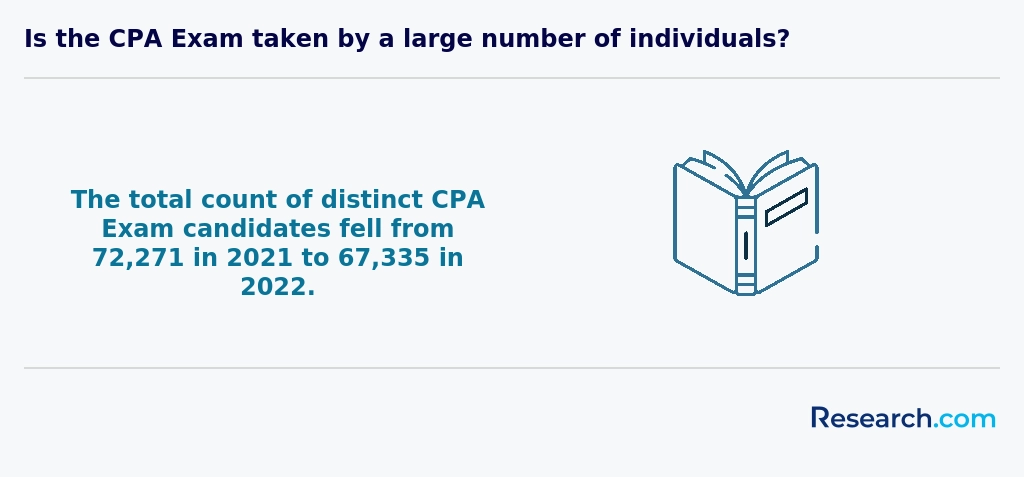
After earning your Online Master’s in Accounting, many graduates take the next step by pursuing the Certified Public Accountant (CPA) designation. In the Midwest, CPA requirements vary slightly by state, but most licensure paths share key components: • Education: Nearly all Midwestern state boards mandate 150 semester hours of college credit, including a minimum number of advanced accounting and business courses. • Examination: Candidates must pass all four sections of the Uniform CPA Exam-Auditing and Attestation (AUD), Business Environment and Concepts (BEC), Financial Accounting and Reporting (FAR), and Regulation (REG)-within an 18-month rolling window. • Experience: A required 1–2 years of supervised accounting experience, often obtained through internships or entry-level positions, must be verified by a licensed CPA. • Ethics: Some states require a separate ethics exam or course, emphasizing professional conduct and regulatory compliance. To learn more about the cpa designation, including study strategies and state-by-state breakdowns, visit our comprehensive guide on certification pathways. By integrating these licensure steps into your academic planning, you’ll optimize both your study schedule and your career trajectory-positioning yourself for leadership roles in public accounting, corporate finance, and beyond.
What courses are typically in online accounting degree programs in the Midwest?
If you're diving into an online accounting degree in the Midwest, expect to tackle courses that really get to the heart of accounting and business. Graduates from popular universities like those in Illinois or Ohio often mention how classes like Financial Accounting helped them understand real-world documents - think balance sheets and income statements from local companies they might already know. Managerial Accounting is another big one, where you learn to make smart business decisions by analyzing costs, which is just like what you'd do managing budgets at a Midwest-based firm.
Taxation classes cover everything from filing individual taxes to navigating corporate rules, a must-know given the local business landscape. Auditing courses teach you to check if financial reports are accurate, something graduates found super useful when they started in government or private sector jobs around here.
Technology is huge too, with Accounting Information Systems focusing on software tools that keep data organized and secure. And don't forget Business Law and Ethics - these show you the legal side and how to stay honest in your work, something many grads say gave them confidence in tricky situations.
What types of specializations are available in online accounting degree programs in the Midwest?
If you're diving into an online accounting degree in the Midwest, you'll find plenty of cool specializations that really fit the region's vibe and job market. For example, many grads from popular universities around here get excited about Taxation because Midwest industries have some tricky tax rules students want to master. It's rewarding to become a tax consultant who local businesses actually rely on. Others stick to Auditing, which is a big deal since companies across the Midwest-from cozy family businesses to major corporations-need sharp eyes on their finances.
Many folks choose Financial Accounting, focusing on crafting and analyzing financial reports-a skill that's perfect if you're aiming for corporate finance roles or public accounting gigs common in this area. You'll also see specializations like Forensic Accounting, where grads feel pumped up about uncovering financial fraud, or Management Accounting, which is all about helping companies budget and plan smartly. These areas get highlighted often in Midwest online master's in accounting concentrations, making the programs super relevant.
Students who've gone through these programs often mention how the hands-on projects feel connected to real-world Midwestern business challenges. Plus, if becoming a cpa is your goal, choosing the right specialization here can really boost your chances and salary potential.
How do you choose the best online accounting degree in the Midwest?
Picking the best online accounting degree in the Midwest means zeroing in on programs that fit your life and goals-think about things like accreditation from groups like AACSB or ACBSP, which grads from popular Midwest schools swear by for credibility when applying for jobs. Many students juggling work love flexible programs with solid tech platforms that make online learning feel interactive and easy, especially from institutions near manufacturing hubs or agricultural centers where accounting skills tailored to those industries really shine.
Cost is another biggie. Midwest public universities usually offer in-state online degrees between $10,000 and $15,000 per year, which feels more doable when you factor in scholarships and aid. Some grads found focusing on programs with strong CPA prep and specializations in managerial or forensic accounting gave them a leg up in the competitive local job market.
For those curious about affordable online accounting programs Midwest, it's smart to peek at detailed rankings like the Most Affordable Online Master's in Accounting Degree Programs Ranking in Massachusetts. These give a clearer picture of true value when making your choice.
What career paths are available for online accounting degree students in the Midwest?
If you're earning an online accounting degree in the Midwest, you've got plenty of career paths waiting for you. Graduates often find themselves working in public accounting firms across Illinois, Indiana, and Ohio, handling everything from auditing to tax prep. These roles are perfect if you enjoy digging into numbers and helping businesses stay on track. Many grads from well-known Midwest colleges love sharing how public accounting opened doors to great mentorship and steady growth.
Others dive into corporate accounting, especially within Midwest manufacturing and service companies. Picture yourself managing budgets or financial reports for a major factory or retail chain. The median paycheck in places like Illinois is around $74K-which is pretty solid! If you want even more variety, roles like internal auditor, tax accountant, or financial analyst are also popular career extensions. These jobs let you take your online accounting degree careers Midwest into areas where you can really make an impact.
Some graduates choose to become CPAs, especially since Midwest states like Michigan and Wisconsin have strict licensing rules. Preparing for the CPA exam is easier when you study at online universities that are nationally accredited, helping you feel confident and ready. Plus, smaller businesses and nonprofits across the region always need reliable accounting pros for bookkeeping and planning, making your options even broader.
What is the job market for online accounting degree in the Midwest?
The online accounting job opportunities Midwest grads enjoy are solid and growing steadily. Many graduates from popular schools like the University of Illinois and Indiana University find themselves stepping into roles managing finances for manufacturing plants or local government offices. These jobs often require tech-savvy accountants comfortable with cloud-based tools, a skillset emphasized in online programs that makes landing a role easier and more enjoyable. Plus, small businesses all over the Midwest outsource their accounting tasks, creating plenty of openings for fresh online accounting grads.
Many graduates share stories about how their degrees from Midwest colleges helped them secure steady jobs without leaving their home states. Thanks to the Midwest accounting degree career outlook, they often earn between $55,000 and $75,000, which feels rewarding considering the affordable local cost of living. And for those aiming higher, earning a CPA license is easier with regional education requirements being student-friendly.
For those thinking about further studies, there are convenient options like 12 month master's programs that fit right into busy schedules, helping boost career prospects quickly.
Frequently Asked Questions About accounting
Online accounting degree students in the Midwest can maximize their learning by engaging actively with course materials and faculty. Leveraging virtual office hours and discussion boards encourages deeper understanding and networking. Many Midwestern schools offer access to accounting software such as QuickBooks and Excel, essential tools in the field, which students should practice regularly.
Internships and local CPA firms often welcome remote students, providing practical experience that complements online learning. According to the Bureau of Labor Statistics, Illinois and Ohio are among the top states in accounting job growth, emphasizing the value of regional networking.
Additionally, obtaining certifications like the CPA or CMA enhances career prospects and is well supported by online preparatory courses offered by Midwest institutions.
The accounting field is evolving with several emerging niches gaining importance, especially in the Midwest. One key area is forensic accounting, which combines accounting and investigative skills to detect fraud and financial crimes. Demand for forensic accountants is projected to grow by 16% nationally through 2031, according to the U.S. Bureau of Labor Statistics, reflecting a rise in corporate and government oversight.
Another expanding niche is environmental accounting, which focuses on tracking costs related to sustainability and regulatory compliance. Midwestern companies in agriculture and manufacturing increasingly seek experts in this area to meet new environmental reporting standards.
Additionally, technology-driven roles like accounting information systems specialists are becoming vital. Professionals who can manage data analytics and cybersecurity in finance are especially sought after in this region's growing tech sector.
Preparing for the job market after completing an online accounting degree in the Midwest requires strategic planning. First, obtain relevant certifications like the CPA (Certified Public Accountant), widely recognized and sometimes required across Midwestern states. According to the American Institute of CPAs, nearly 70% of accounting roles prefer CPA credentials.
Networking plays a key role. Join regional accounting associations such as the Illinois CPA Society or Ohio Society of CPAs to connect with employers and access job fairs. Internships or part-time roles during studies significantly improve employability, as Deloitte's 2023 report highlights a 25% higher chance of placement for graduates with practical experience.
Lastly, update your skills on accounting software common in the Midwest job market, including QuickBooks, SAP, and Microsoft Excel, to meet employer expectations. Staying informed about sector-specific trends in manufacturing, agriculture, and finance is also vital for job preparedness.
Employers in the Midwest highly value a combination of technical and interpersonal skills in accounting graduates. Proficiency in accounting software such as QuickBooks, Excel, and emerging ERP systems is critical, as reported by the Illinois CPA Society. Strong analytical skills and attention to detail help graduates accurately interpret financial data, essential in audit and tax roles common in the region's manufacturing and agriculture sectors.
Communication skills are also crucial because accountants frequently present findings to non-financial managers. According to the Missouri Society of CPAs, teamwork and ethical judgment remain top priorities. Familiarity with federal and state tax regulations, particularly in Midwest states, further boosts employability.
Finding internships in the Midwest for accounting students begins with leveraging university career centers, which often partner with local businesses and accounting firms. Many schools in this region provide virtual job fairs tailored to online learners. The Midwest hosts headquarters of major accounting firms like KPMG and Deloitte, offering opportunities in cities such as Chicago, Minneapolis, and Indianapolis. According to the National Association of Colleges and Employers (NACE), approximately 60% of accounting internships translate into full-time positions, underlining their importance. Additionally, platforms like Handshake and LinkedIn focus on regional internships, making them essential tools for job searches.
Networking through local chapters of professional organizations, like the American Institute of CPAs (AICPA), is also effective. These groups frequently post internship listings and organize events accessible to online students. Students should maintain updated resumes and seek informational interviews with alumni working in Midwest firms. Finally, applying early in the academic year increases chances, as many internships have deadlines in the fall or winter months.
An online accounting degree can significantly enhance career mobility and advancement opportunities in the Midwest. Many employers in states like Illinois, Ohio, and Michigan recognize accredited online degrees, especially when they include preparation for certifications such as CPA or CMA. According to the Bureau of Labor Statistics, the demand for accountants in the Midwest is projected to grow about 7% from 2022 to 2032, signaling steady job prospects.
Graduates with online accounting degrees often find flexibility in working across various industries, including manufacturing, finance, and healthcare, which are prominent in the region. Additionally, many online programs offer networking resources tailored to Midwestern markets, helping students connect with local firms.
Moreover, higher qualifications through online education can lead to advanced roles such as financial analyst or accounting manager, roles that typically offer increased salaries and responsibilities, supporting long-term professional growth.
Studying for an accounting degree in the Midwest offers strong preparation for interdisciplinary roles by integrating accounting with fields like business management, information technology, and finance. Midwest universities typically emphasize practical applications, which helps students develop versatile skills for diverse professional environments. According to the National Association of State Boards of Accountancy, several Midwestern states require coursework beyond traditional accounting, including data analytics and communication skills.
Many online programs incorporate case studies and collaborative projects that reflect real-world challenges, fostering teamwork and cross-departmental communication. Graduates often have a competitive edge as employers increasingly seek professionals who understand multiple business functions. The strong regional economy, with numerous manufacturing and service industries, also provides opportunities to apply interdisciplinary knowledge.
Choosing between a thesis and a non-thesis online accounting degree in the Midwest depends largely on your career goals and learning preferences. Thesis programs typically require conducting original research, which can prepare students for academic roles or specialized industry positions. Non-thesis options focus more on practical coursework and applied skills, suitable for professionals aiming to advance in corporate accounting or finance.
According to the National Association of State Boards of Accountancy, Midwest states like Illinois and Ohio have a high demand for CPAs with practical skills, influencing many students toward non-thesis paths. However, universities such as the University of Missouri emphasize thesis projects for research-oriented careers.
Ultimately, consider program flexibility, the required time commitment, and potential licensing requirements in your state when deciding.
Students based in the Midwest interested in studying accounting abroad can explore several options through online programs that offer international perspectives. While physical overseas study may be limited, many Midwestern universities partner with foreign institutions to provide virtual exchange programs or global case studies.
For example, some programs integrate international accounting standards such as IFRS into their curriculum, preparing students for global markets. According to the National Association of State Boards of Accountancy, understanding both U.S. GAAP and IFRS is increasingly valuable in accounting careers.
Midwestern students can also consider online master's degrees from universities with global alumni networks, facilitating professional opportunities worldwide. Resources like the American Accounting Association provide lists of accounting schools with strong international ties.
Part-time job opportunities that align well with online accounting degree studies in the Midwest include roles such as bookkeeping, tax preparation, and payroll assistance. Bookkeepers help small businesses maintain accurate financial records, a practical way to apply accounting principles. Seasonal tax preparers are in high demand during tax season, offering hands-on experience with tax codes and software, especially in states like Illinois and Ohio where many mid-sized firms operate.
Payroll assistants support companies in processing employee payments and benefits, a role growing steadily with the Midwest's expanding service sectors. According to the U.S. Bureau of Labor Statistics, accounting support roles in the Midwest show an average growth rate of 5% annually through 2030. These jobs provide valuable familiarity with financial regulations and software, boosting resumes while students complete their degrees.
Online accounting students in the Midwest have a variety of networking opportunities despite studying remotely. Many universities offer virtual career fairs and alumni networking events tailored to accounting majors. These events connect students with professionals from major Midwest financial hubs such as Chicago, Minneapolis, and Indianapolis.
Professional organizations like the Illinois CPA Society and the Michigan Association of CPAs provide local chapters where students can join online and attend regional workshops or webinars. These groups often have student memberships, fostering connections with practicing accountants.
Additionally, platforms like LinkedIn and regional accounting forums enable students to build professional profiles and engage in discussions relevant to Midwest accounting trends and job markets. According to the National Association of State Boards of Accountancy, the Midwest has seen steady growth in CPA licensure, enhancing opportunities for emerging professionals to connect within the community.
Alumni networks play a crucial role for online accounting degree students in the Midwest by offering valuable professional connections. These networks often provide access to exclusive job postings, internships, and mentorship opportunities tailored to regional industries.
Midwestern states like Illinois and Ohio host many major accounting firms, and alumni connections can open doors to these employers more effectively. According to the National Association of State Boards of Accountancy, 60% of accountants in the Midwest find jobs through personal or professional networks.
Moreover, alumni groups foster ongoing learning and collaboration, helping graduates stay updated with changing accounting standards and software. This support is indispensable for career growth in a competitive market.
Customizing an online accounting degree in the Midwest allows students to align their education with specific career goals. Many programs offer elective courses in areas like tax accounting, auditing, or forensic accounting, enabling deeper expertise in desired fields. Midwest universities often provide flexible scheduling to accommodate working professionals, including part-time study options.
Students can also choose programs that prepare them for certifications such as CPA or CMA, which are highly valued in the region's strong manufacturing and financial sectors. According to the U.S. Bureau of Labor Statistics, accounting jobs in the Midwest are expected to grow by 7% through 2031, reflecting stable demand.
Some schools incorporate internships or networking opportunities with regional firms, helping students build local connections. Researching program curriculum and available specializations in advance can ensure the degree fits both short- and long-term professional goals in the Midwest.
Online accounting students in the Midwest often face challenges related to balancing work, family, and education. According to the National Center for Education Statistics, many adult learners enroll part-time, which can extend program duration and increase stress. Limited access to in-person networking and internship opportunities may also hinder practical experience crucial for accounting careers. Another challenge is adapting to varied state-specific accounting regulations, since the Midwest covers multiple states each with distinct CPA exam requirements. In addition, some students report difficulty with technology platforms used in online courses, especially those unfamiliar with digital learning tools.
An online accounting degree from a Midwest institution can open doors to several respected professional certifications. The most sought-after is the Certified Public Accountant (CPA) license, essential for public accounting roles. To qualify, candidates must meet state-specific education and experience requirements, with many Midwest states requiring 150 credit hours.
Other notable certifications include the Certified Management Accountant (CMA) and Certified Internal Auditor (CIA), which focus more on corporate finance and auditing roles. According to the Institute of Management Accountants, Midwest professionals have shown steady growth in CMA certifications over recent years.
Earning these credentials enhances career prospects in accounting firms, corporations, and government agencies throughout the region. These certifications validate expertise and are often linked with higher salaries and greater job security.
Writing a strong application for an online accounting program in the Midwest requires clear emphasis on your academic background and professional experience. Highlight any relevant coursework in accounting, finance, or business, as well as proficiency in data analysis tools often used in accounting, such as Excel or QuickBooks.
Midwestern employers value practical experience, so include internships or job roles that demonstrate your skills. According to the Illinois Board of Higher Education, emphasizing measurable achievements can increase admission chances.
Moreover, personalize your statement of purpose to reflect why you chose the Midwest for your studies, considering the region's concentration of firms requiring CPAs. Demonstrate understanding of program specifics and regional job market trends, including data from the Bureau of Labor Statistics showing steady growth in accounting jobs across Midwestern states.
Accounting is a globally recognized profession, offering diverse career opportunities worldwide. In the United States, including the Midwest, accountants often engage in international standards like the International Financial Reporting Standards (IFRS), reflecting a demand for global financial understanding. According to the U.S. Bureau of Labor Statistics, employment for accountants is expected to grow by 6% through 2032, emphasizing steady career prospects.
The Midwest hosts major financial hubs that connect to global markets, increasing the need for accountants with cross-border knowledge. Many online accounting programs in this region emphasize global tax laws, multinational corporate finance, and ethics.
For students aiming to work internationally, mastering global accounting principles enhances competitiveness. The American Institute of CPAs supports efforts integrating global perspectives in education for improved career mobility.
Students pursuing an online accounting degree in the Midwest can gain practical experience through several effective approaches. Many universities partner with local businesses and accounting firms to offer virtual internships, allowing students to apply accounting principles in real-world settings. According to the Indiana Department of Workforce Development, internships in accounting roles have increased by 15% in the region over the past three years, indicating growing opportunities.
Additionally, some programs integrate case studies and simulation projects that mimic actual financial scenarios. Students can also join campus-affiliated accounting clubs and participate in volunteer tax preparation services like the IRS Volunteer Income Tax Assistance (VITA) program, which helps build hands-on skills while serving the community.
Choosing the right concentration within an online accounting degree in the Midwest involves evaluating your career goals and regional industry demands. Common focuses include tax accounting, auditing, and forensic accounting. According to the Bureau of Labor Statistics, tax preparation services and auditing jobs are projected to grow steadily in the Midwest through 2030. Students should consider concentrations aligning with these trends to increase job prospects. Additionally, Midwest employers often value certifications like CPA or CMA, so selecting a concentration that prepares you for these exams can be beneficial. Researching faculty expertise and internship opportunities with local firms may also guide your decision.
Top Trending Accounting Rankings
See What Experts Have To Say About Studying Accounting
Read our interview with Accounting experts

John Wermert, Ph.D., CPA
Accounting Expert
Associate Professor of Accounting
Middle Tennessee State University


References
- The Diverse Skills you Gain with an Accounting Degree https://www.accounting-education.org/blog/accounting-degree-diverse-skills/
- What High-Schoolers Can Do Right Now to Prepare for an Accounting Career https://www.bentley.edu/news/what-high-schoolers-can-do-right-now-prepare-accounting-career
- Accounting Online Degree Pathway https://www.learndirect.com/course/accounting-online-degree
- Why International Career Mobility is Key to Attracting the Next Generation of Professional Accountants https://www.ifac.org/knowledge-gateway/discussion/why-international-career-mobility-key-attracting-next-generation-professional-accountants
- IMA Publications - Financial News, Reports, Case Studies, & More https://www.imatoday.org/courses/five-ways-to-cultivate-a-growth-mindset-in-accounting-students
- Accounting work experience Placements https://www.osbornetraining.org/job-placement/
- Accountants of the Future https://www.deloitte.com/us/en/programs/center-for-controllership/blogs/future-of-accounting-profession.html
- 15 Accounting Careers: Undergraduate & Graduate Paths https://www.baypath.edu/news/bay-path-university-blogs/post/15-accounting-careers-undergraduate-graduate-paths/
- FAFSA Approved Medical Programs | Midwest Institute MO https://www.midwestinstitute.edu/financial-aid/
- Inside the world of accounting internships: What to expect : ThisWayToCPA : AICPA https://www.thiswaytocpa.com/work-experience/articles/internships/inside-world-accounting-internships-what-expect/