2027 Most Affordable Accounting Degree Programs Ranking in the USA Territories

Co-Founder and Chief Data Scientist
Choosing the right accounting degree program can be overwhelming, especially in the USA Territories. This article introduces the 2027 Most Affordable Accounting Degree Programs Ranking in the USA Territories, created by the Research.com team of data scientists to guide you in making informed decisions.
By exploring this ranking, you'll discover affordable programs that offer great value without compromising quality. Earning an accounting degree opens doors to rewarding careers, financial stability, and personal growth. Take this step confidently toward a brighter future in accounting.
Key benefits of getting accounting degree in the USA Territories
- Graduates with an accounting degree can expect strong earning potential; for example, Staff Accountants earn a mean annual wage of $90,780, while Bookkeepers and Tax Preparers typically make around $49,580 per year.
- Career paths for accounting graduates from universities in the USA Territories include roles like Associate Auditor, Accounts Payable Clerk, and Tax Preparer, offering diverse opportunities to grow and specialize.
- Completing an accounting degree online, as many students from local institutions do, provides flexibility and accessibility, allowing you to balance work and study while still gaining valuable skills recognized by employers.
- Key benefits of getting accounting degree in the USA Territories
- What can I expect from accounting degree in the USA Territories?
- Where can I work with accounting degree in the USA Territories?
- How much can I make with accounting degree in the USA Territories?
- 2027 Most Affordable Accounting Degree Programs Ranking in the USA Territories
- Key Findings
- How long does it take to complete accounting degree in the USA Territories?
- What's the difference between online and on-campus accounting degree?
- What is the average cost of accounting degree in the USA Territories?
- What financial aid is available to accounting degree students in the USA Territories?
- What are the prerequisites for enrolling in accounting degree program in the USA Territories?
- What courses are typically in accounting degree programs in the USA Territories?
- What types of specializations are available in accounting degree programs in the USA Territories?
- How do you choose the best accounting degree in the USA Territories?
- What career paths are available for accounting degree students in the USA Territories?
- What is the job market for accounting degree in the USA Territories?
- Top Trending Accounting Rankings
- See What Experts Have To Say About Studying Accounting
What can I expect from accounting degree in the USA Territories?
The average cost of an accounting degree in the USA Territories varies but generally tends to be lower than many mainland institutions, reflecting the unique economic environment. For example, graduates from the University of Puerto Rico often share how affordable tuition and fees allowed them to focus more on mastering essential skills and preparing for the CPA exam without overwhelming financial stress. The University of Guam and University of the Virgin Islands also offer competitively priced programs that attract students eager to build strong foundations in accounting tailored to local business practices.
Many accounting students appreciate that these programs balance cost with quality, often including opportunities for internships within government agencies or local firms. This firsthand experience adds invaluable practical knowledge that textbooks cannot fully capture. Additionally, while some students choose to transfer or pursue advanced degrees online, the financial accessibility of these territorial programs provides an encouraging way to start a fulfilling career in accounting close to home.
Where can I work with accounting degree in the USA Territories?
With an accounting degree earned from respected institutions like the University of Puerto Rico or Guam Community College, you open doors to vibrant career possibilities right here in the USA Territories. Many graduates find rewarding roles in government agencies, where managing public funds and ensuring compliance with federal regulations is a daily responsibility that makes a real impact on communities.
Others take pride in working for local corporations or banks, especially in Puerto Rico's bustling finance and manufacturing sectors, honing skills in auditing, budgeting, and financial reporting. Imagine stepping into a leadership role at a regional firm or helping a nonprofit maintain financial transparency-opportunities like these are within your reach.
Certification as a CPA, pursued by many graduates, further fuels career growth and earning potential. Whether supporting the U.S. Virgin Islands' tax offices or assisting federal agencies stationed in the Northern Mariana Islands, accounting professionals here enjoy stable demand and the rewarding challenge of shaping strong financial futures.
How much can I make with accounting degree in the USA Territories?
Graduates with an accounting degree from institutions like the University of Puerto Rico or Guam Community College can expect a promising start in the USA Territories. Typical entry-level roles such as Bookkeeper, Tax Preparer, or Associate Auditor offer mean annual wages around $49,580, according to the U.S. Bureau of Labor Statistics. These positions provide a solid foundation and valuable experience in the field.
Many alumni I've guided have found that advancing to Staff Accountant roles can significantly boost earnings, often reaching an average of $90,780 annually. While salaries in the territories tend to be lower than in the continental U.S., the cost of living and tight-knit professional communities create unique opportunities for steady growth.
Real-life graduates often share how CPA certification combined with local knowledge increased their value, leading to roles in government or corporate accounting with salaries above $65,000. Your degree opens doors to these rewarding paths, making diligent study and professional certification key to unlocking true potential.
2027 Most Affordable Accounting Degree Programs Ranking in the USA Territories
How do we rank schools?
Investing in one's education is a significant decision that can greatly influence future opportunities, and the Research.com team recognizes the importance of providing reliable guidance. To support students in the USA Territories, we have carefully developed the "2027 Most Affordable Accounting Degree Programs Ranking in the USA Territories." Our dedication to quality, credibility, and accuracy is demonstrated through rigorous research and thorough analysis behind this ranking.
We utilized the following reputable data sources to ensure a comprehensive evaluation of accounting degree programs:
By reviewing this ranking, readers will gain valuable insights to identify affordable and quality accounting degree programs, enabling smarter educational investments. For more information about our ranking process, please visit our Research.com methodology page.

# 2 position
Pontifical Catholic University of Puerto Rico-Ponce
Bachelor in Accounting


# 6 position
Universidad Ana G. Mendez-Gurabo Campus
Master of Science in Accounting
# 7 position
Universidad Ana G. Mendez-Carolina Campus
Bachelor in Business Administration with major in Accounting

# 8 position
Universidad Ana G. Mendez-Gurabo Campus
Bachelor of Business Administration in Accounting
# 9 position
Universidad Ana G. Mendez-Cupey Campus
Master of Accountancy
# 10 position
Universidad Ana G. Mendez-Carolina Campus
Master of Science in Accounting
# 11 position
Inter American University of Puerto Rico-Metro
Master of Business Administration in Accounting
# 13 position
Universidad Ana G. Mendez-Cupey Campus
Bachelor of Business Administration in Accounting
# 17 position
Inter American University of Puerto Rico-Arecibo
Bachelor of Business Administration in Accounting
# 19 position
Inter American University of Puerto Rico-Fajardo
Bachelor of Business Administration in Accounting


Key Findings
- Accounting programs in USA Territories like Puerto Rico and Guam are typically regionally accredited and follow U.S. higher education standards.
- The cost of tuition is generally lower than in the mainland U.S., with public universities charging between $3,000 and $6,000 per year for in-state students.
- Entry-level accounting salaries range from $30,000 to $45,000 annually, while mid-career salaries increase to between $45,000 and $65,000.
- Job markets vary by territory; Puerto Rico offers more opportunities due to its larger economy, including public accounting and government roles.
- Many degree programs prepare students to meet CPA exam requirements, often including 150 semester hours through extended coursework.
How long does it take to complete accounting degree in the USA Territories?
Completing an accounting degree in the USA Territories generally takes about four years of full-time study, just like at institutions on the mainland. Many students at universities in Puerto Rico or colleges in Guam find themselves immersed in a curriculum of roughly 120 credit hours, blending general education with specialized accounting coursework. One graduate I know embraced summer classes and credit transfers, finishing in just three years-an inspiring example of how dedication and strategic planning can accelerate your progress.
Part-time students balancing jobs often take longer, reflecting real-life demands many face across the territories. But that's okay-flexibility is a strength here. Accelerated and hybrid programs at local schools offer adaptable paths that fit diverse lifestyles, whether you live in the U.S. Virgin Islands or elsewhere.
And remember, these programs not only prepare you for the CPA exam but also offer affordable tuition compared to mainland colleges, giving you a strong financial head start as you invest in your future.
What's the difference between online and on-campus accounting degree?
Choosing between online and on-campus accounting degrees in the USA Territories often comes down to your lifestyle and goals. Graduates from institutions like the University of Guam share how online programs gave them the freedom to juggle family and work while still mastering core topics like taxation and auditing. With online learning, you can study anywhere-even from remote island locations where campus access is limited-making it a practical choice that still meets accreditation standards.
On the other hand, graduates from the University of Puerto Rico highlight the value of in-person connections. Attending classes on campus means immediate access to professors, group projects, and hands-on internships through university partnerships. This face-to-face environment fosters networking and builds confidence in real-world accounting settings.
Cost is another key factor. Online programs often reduce extra expenses like travel and housing, which can be significant for students in the Territories. Both paths require dedication, but knowing which environment suits your daily life is essential to your success as an accounting professional.
What is the average cost of accounting degree in the USA Territories?
The average cost of an accounting degree in the USA Territories can vary, but the median total cost is around $18,009. For residents studying in-state, this amount drops significantly to about $5,780, making higher education more accessible. Graduates from institutions like the University of Puerto Rico and the University of Guam often share how managing these costs allowed them to focus more on building their skills and less on financial strain. This realistic balance between quality education and affordability is a key advantage when pursuing an accounting degree in these regions.
Many students appreciate that opportunities to reduce expenses through scholarships and financial aid are widespread, especially in public universities. Schools such as the University of the Virgin Islands provide a friendly environment where the total tuition and fees for accounting degrees 2027 remain more affordable compared to mainland institutions. This makes the dream of a professional accounting career within reach without excessive burdens.
Beyond tuition, it's important to anticipate additional expenses like books, supplies, and living costs. However, with proper planning, these are manageable, especially considering the overall lower costs in the territories. Some students have found creative ways to supplement their income or cut expenses, and resources like 6-month certificate programs for careers that pay well can also offer alternative pathways to start gaining financial independence while pursuing their degree.
What financial aid is available to accounting degree students in the USA Territories?
When pursuing an accounting degree in the USA Territories, a variety of financial aid options can make this journey more attainable and inspiring. Federal programs like Pell Grants, which can award up to $7,395 for the academic year, stand out as a major help. Graduates from institutions such as the University of Guam often reflect on how these grants eased their tuition burdens and allowed them to focus more on mastering accounting concepts than on financial stress.
Students also benefit from local scholarships offered by Territorial governments and colleges. For instance, the Puerto Rico Department of Education provides scholarships specifically aimed at accounting students, encouraging them to excel in this high-demand field. Many graduates recall successfully applying for these grants, which often reward strong academic performance and financial need.
Private scholarships from organizations like the American Institute of Certified Public Accountants add another layer of support. These scholarships recognize dedication and passion in accounting, offering motivation for students to maintain excellence. With the relatively lower living costs in the Territories, combining these aids with smart budgeting helps students confidently pursue their dreams in accounting.
What are the prerequisites for enrolling in accounting degree program in the USA Territories?
To embark on your accounting journey in the USA Territories, the foundational step is completing a high school diploma or its equivalent, such as a GED. This baseline ensures you have the essential academic grounding. Graduates from institutions like the University of Puerto Rico or Guam Community College often recall how mastering algebra and statistics in high school opened doors to rigorous accounting courses.
Alongside your diploma, strong skills in mathematics and English are vital. Imagine confidently tackling a budgeting project in your first semester because you've already honed your analytical and writing abilities. Many students in the Virgin Islands also find that taking introductory business or economics classes before enrolling builds a helpful head start.
If you're aiming for colleges with competitive programs, standardized tests like the SAT or ACT might be your next hurdle. These assessments showcase your readiness and determination. For others, especially if English isn't your first language, exams such as TOEFL or IELTS prove your ability to thrive in an English-focused academic environment.
Transfer students should gather previous transcripts showing a GPA of at least 2.0, reflecting steady performance that universities in these territories value deeply. This pathway often energizes students eager to advance their accounting expertise without starting from scratch.
What courses are typically in accounting degree programs in the USA Territories?
If you're studying accounting in the USA Territories, your coursework will build a strong foundation to succeed both locally and beyond. Core classes at institutions like the University of Puerto Rico - Río Piedras cover essentials such as Introduction to Financial Accounting, where you learn to track and analyze real business transactions-skills graduates say gave them confidence handling ledgers for local businesses right after graduating.
Managerial Accounting teaches budgeting and cost control, practical tools that can immediately apply to family-run enterprises or community projects. Advanced classes take you deeper into complex financial reporting, preparing you for professional exams and demanding roles in finance departments across the territories.
Auditing and Taxation courses focus on understanding compliance and U.S. tax laws, critical in a region with unique regulatory nuances. Students often share how learning Accounting Information Systems equipped them to navigate software that employers in the territories rely on daily.
With ethics and business law woven through your studies, you develop integrity and practical insight, essential in territories where trusted professionals drive economic growth and transparency.
What types of specializations are available in accounting degree programs in the USA Territories?
Accounting degree programs in the USA Territories typically offer a range of specializations that prepare you for real-world challenges. Graduates from popular institutions like the University of Puerto Rico often focus on financial accounting, mastering regulatory compliance and financial data analysis critical for roles in government agencies or local businesses. Managerial accounting is another sought-after track, equipping students to excel in budgeting and cost management, skills highly valued by territorial enterprises and nonprofits. Many also pursue tax accounting, a practical specialization given the unique federal and local tax systems specific to the territories.
Emerging specializations such as forensic accounting are gaining popularity, teaching students how to investigate financial discrepancies in ways that directly impact their communities. Audit and assurance services also provide essential expertise in evaluating financial systems, which many graduates find rewarding as it supports fraud prevention efforts within local organizations. If you're budget-conscious, take heart-these affordable accounting degree specializations USA territories have are a smart investment. Pairing your degree with short certificate programs that pay well online can maximize your career potential.
How do you choose the best accounting degree in the USA Territories?
Choosing the best accounting degree in the USA Territories means focusing on accredited programs that align with CPA exam requirements. Graduates from universities like the University of Puerto Rico often praise how their curriculum's 150 semester hours and business-focused courses prepared them confidently for certification. Affordable accounting degree programs USA territories offer competitive tuition, making dreams attainable without overwhelming debt. Many students find that smaller class sizes and faculty with real-world accounting experience create engaging, supportive environments where mastering complex subjects feels rewarding.
Look for programs with practical internships or partnerships with local firms, enabling hands-on experience in the Caribbean's unique business landscape. Graduates reflect on how these opportunities gave them the edge in job interviews and built professional networks. When comparing options, consider tuition alongside available scholarships and aid. For those seeking advanced education, exploring doctorate programs without dissertation can be a strategic choice, saving time while advancing expertise.
By focusing on these elements, you position yourself for success in the vibrant, evolving accounting field within the USA Territories.
What career paths are available for accounting degree students in the USA Territories?
Graduates with an accounting degree in the USA Territories find rewarding opportunities in public accounting, where firms offer auditing, tax, and consulting services vital to local economies. Many graduates from top universities in Puerto Rico and Guam have successfully earned their CPA licenses, unlocking roles that pay competitive salaries similar to those on the mainland. For those interested in dynamic roles, corporate accounting positions in sectors like tourism and manufacturing provide hands-on experiences managing budgets and compliance, especially in places like Puerto Rico's thriving manufacturing industry.
Job prospects for accounting graduates in USA Territories also include financial analysis and management accounting, where professionals help businesses and government agencies make smart fiscal decisions. Government accounting remains a stable and fulfilling option, with roles centered on managing public funds and ensuring transparency. Emerging fields like forensic accounting and information systems auditing, increasingly relevant as digital finance grows, offer exciting niches for those willing to pursue certifications. Many graduates share how attending a local college not only made tuition affordable but also connected them with real-world roles.
Exploring an online college that accepts fafsa within the territories has helped countless students balance cost and convenience while preparing for these promising career paths.
What is the job market for accounting degree in the USA Territories?
The job market for accounting graduates in the USA Territories offers a unique blend of steady opportunities and valuable challenges shaped by local economic factors. Graduates from popular institutions like the University of Puerto Rico often find fulfilling roles in government agencies, where accounting jobs demand in USA territories remains consistent due to the size of the public sector. Many also secure positions within tourism and hospitality businesses in the Virgin Islands and Northern Mariana Islands, where their skills in tax compliance and financial reporting are essential.
Career opportunities for accounting graduates in USA territories extend beyond traditional roles. Some graduates leverage local connections and take on versatile roles in small manufacturing firms, while others tap into growing remote work options, collaborating with mainland firms to gain broader experience. The path to becoming a Certified Public Accountant significantly enhances these prospects, though candidates should be prepared for territory-specific licensure requirements.
For students concerned about education affordability, many have turned to a cheap accelerated bachelor's degree online to complement their studies locally or broaden their credentials. This practical approach has helped many launch rewarding careers within the territories' accounting job market.
Frequently Asked Questions About accounting
Accounting degree students in the USA Territories can maximize their learning experience by engaging actively with both theoretical and practical opportunities. Enrolling in programs accredited by organizations recognized in U.S. jurisdictions, such as the ACBSP or regional accreditors, ensures a quality education aligned with national standards. Connecting with local CPA societies and attending workshops increases exposure to regional accounting practices and regulatory updates.
Internships with governmental agencies or private firms operating within the Territories provide valuable hands-on experience. Leveraging online platforms for courses and certifications can complement campus learning, especially given geographic limitations. According to the U.S. Bureau of Labor Statistics, demand for accountants in these regions is steady, highlighting the value of real-world training.
The accounting field in the USA Territories is evolving, creating new opportunities in specialized areas. One emerging niche is forensic accounting, which involves investigating financial fraud and disputes. This area is growing due to increased regulatory scrutiny and economic challenges in the territories.
Another fast-growing sector is environmental accounting, reflecting rising interest in sustainability and compliance with environmental regulations. Firms require experts to measure and report ecological impacts accurately.
Additionally, technology-driven roles like data analytics and cybersecurity are becoming essential. Accountants with skills in these areas can analyze large datasets and protect sensitive financial information.
These niches offer promising career paths for students pursuing accounting degrees in the USA Territories today.
After earning an accounting degree in the USA Territories, preparing for the job market involves several key steps. First, gaining practical experience through internships or part-time roles is essential, as it improves employability and professional skills. Networking within local business communities and attending regional accounting events helps build connections.
Many employers in the territories value candidates who pursue relevant certifications such as the CPA license, which requires passing an exam and meeting local work experience rules. According to the Public Accountancy Board of Guam, CPA certification significantly increases job prospects.
Additionally, staying updated on US accounting standards and software commonly used in the territories, like QuickBooks or Sage, is advantageous. Career services at territorial colleges also offer valuable job placement support and resume workshops.
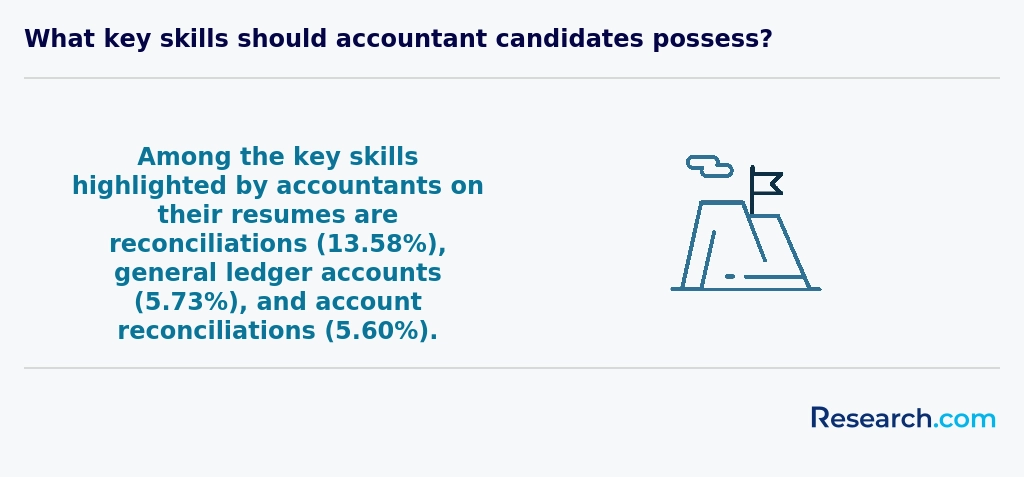
Employers in the USA Territories seek accounting graduates with strong analytical and problem-solving skills. According to the U.S. Bureau of Labor Statistics, these skills are essential for interpreting financial data and preparing reports accurately. Communication abilities are also vital, as accountants must explain complex financial information clearly to clients and management.
Technical proficiency with accounting software such as QuickBooks and SAP is highly valued, reflecting the growing digitization of finance departments. Additionally, knowledge of local tax laws and regulations in territories like Puerto Rico and Guam distinguishes candidates.
Ethical judgment and attention to detail remain fundamental, ensuring compliance and reducing financial risks.
Finding internships related to an accounting degree in the USA Territories requires a strategic approach. Students should begin by connecting with local universities' career centers, such as the University of Guam or the University of the Virgin Islands, which often partner with regional firms for accounting internships. These internships provide valuable hands-on experience in tax preparation, auditing, and financial reporting specific to the territories' regulations.
It is also helpful to search through government agencies like the Guam Department of Revenue and Taxation, as they periodically offer internships related to public accounting and finance. Additionally, professional organizations such as the Guam Society of Certified Public Accountants can be a resource for networking opportunities and internship listings.
According to a 2023 report from the U.S. Bureau of Labor Statistics, accounting internships in the territories are competitive but essential for CPA exam preparation and gaining practical knowledge of local tax codes. Online job portals and local chambers of commerce websites should be regularly checked for updated internship opportunities.
An accounting degree significantly enhances career mobility and advancement opportunities in the USA Territories. Graduates with this qualification are often preferred for roles in both government agencies and private sector companies where compliance with U.S. financial regulations is critical. According to data from the U.S. Bureau of Labor Statistics, accounting jobs in the territories like Puerto Rico and Guam are expected to grow moderately over the next decade.
Holding an accounting degree also opens pathways to certifications such as CPA (Certified Public Accountant), which further improves job prospects and salary potential. Employers value these credentials as a mark of professionalism and expertise.
Moreover, an accounting education provides skills applicable across industries, making it easier for professionals to shift roles or take on managerial responsibilities. Networking opportunities through accredited institutions in the territories additionally support career growth.
Studying for an accounting degree in the USA Territories offers students a unique interdisciplinary foundation, blending core accounting principles with regional economic and regulatory contexts. Programs often incorporate elements of finance, business law, and information technology to prepare graduates for diverse professional environments.
Such interdisciplinary training is vital because many accounting roles in the Territories require knowledge of federal tax regulations alongside local laws. According to the U.S. Bureau of Labor Statistics, accountants in these regions frequently support public agencies and private firms dealing with complex compliance matters.
Additionally, institutions emphasize data analysis and communication skills, enabling graduates to collaborate across departments. This multifaceted education equips students for roles beyond traditional accounting, including audit, consulting, and management positions.
When choosing between a thesis and a non-thesis accounting degree in the USA Territories, consider your career goals first. A thesis program emphasizes research, which is beneficial for students aiming to pursue doctoral studies or academic careers. It often requires more time to complete and may involve close work with faculty on original research.
On the other hand, non-thesis programs focus on practical skills and coursework, making them suitable for students seeking immediate employment in public accounting, government, or business sectors. According to the National Center for Education Statistics, many institutions in the territories offer both options, but the non-thesis path is generally faster.
Evaluate program offerings and faculty expertise at local universities such as the University of Puerto Rico or the University of Guam. This decision impacts licensing pursuits, including CPA exams, which prioritize practical accounting knowledge.
Students based in the USA Territories who wish to study accounting abroad have several pathways within the US higher education system. Many mainland universities offer online and hybrid accounting programs, enabling students to earn accredited degrees without relocating. Regions like Puerto Rico, Guam, and the US Virgin Islands benefit from proximity to the mainland, facilitating easier transfer and application to accredited institutions.
According to recent data from the National Center for Education Statistics (NCES), over 60% of accounting degrees offered online are accessible to students in these territories. Additionally, some universities provide in-person study abroad options or partnerships specifically for territorial students aiming to gain US mainland experience.
Part-time job opportunities in the USA Territories that complement accounting degree education often involve roles in bookkeeping, tax preparation, and administrative support. Many students find positions with local government agencies or small businesses, which are significant employers within territories like Puerto Rico, Guam, and the U.S. Virgin Islands. These settings provide practical experience directly related to accounting principles. According to the U.S. Bureau of Labor Statistics, these territories show steady demand for accounting and auditing clerks, with Puerto Rico projecting a 5% growth by 2030. Such roles help students build relevant skills while balancing studies.
Accounting students in the USA Territories benefit from various networking opportunities tied to local universities and professional organizations. Institutions like the University of Guam and the University of Puerto Rico often host events, career fairs, and guest lectures featuring regional accounting professionals. These activities allow students to connect with potential employers and mentors.
The American Institute of Certified Public Accountants (AICPA) supports chapters in some territories, providing seminars and networking events to help students build professional relationships. Additionally, internships within local government agencies and businesses offer practical experience and valuable contacts in the regional accounting sector.
Such opportunities strengthen students' professional networks, crucial for employment and career growth in accounting fields across the territories.
Alumni networks play a crucial role for accounting degree students in the USA Territories. These networks offer valuable connections to local businesses, government agencies, and accounting firms, which are essential for internships and job placement. In territories like Puerto Rico and Guam, where the job market is smaller than the mainland, alumni connections can significantly enhance career opportunities.
Members often share insights on licensing exams like the CPA, which is required for many accounting positions. According to the National Association of State Boards of Accountancy, successful exam passage rates improve when candidates engage actively with alumni groups. Furthermore, alumni events and mentoring programs provide guidance on industry trends and continuing education, helping students stay competitive in a dynamic market.
Students in the USA Territories can customize their accounting degree programs by selecting electives and concentrations aligned with their career goals. Many territorial colleges offer options such as forensic accounting, taxation, or auditing. These specializations help prepare graduates for specific job markets like government agencies or local businesses.
Internships and cooperative education opportunities within the Territories also allow hands-on experience in relevant industries, enhancing employability. Additionally, students should consider programs that fulfill the 150-credit requirement mandated by many jurisdictions for CPA licensure, including Guam and Puerto Rico.
Researching schools accredited by recognized agencies like AACSB or ACBSP ensures quality education suitable for professional advancement in the region.
Accounting students in the USA Territories face several unique challenges tied to geographic and economic factors. Limited local access to accredited four-year institutions offering accounting programs often requires students to consider expensive mainland options or online alternatives. According to the U.S. Department of Education, territories like Puerto Rico and Guam have fewer institutions with specialized accounting tracks compared to mainland states.
Financial constraints are significant. The average household income in many territories is below the national median, making tuition and living expenses a heavy burden. Additionally, internship opportunities are more limited, impacting practical experience essential for careers and Certified Public Accountant (CPA) exam preparation.
Students also encounter regulatory differences; some territories have unique tax codes and licensing requirements that complicate CPA certification. These factors collectively challenge accounting students pursuing degrees and professional growth in U.S. Territories.
With an accounting degree in the USA Territories, graduates can pursue several professional certifications that enhance career prospects and credibility. The most recognized certification is the Certified Public Accountant (CPA), which is highly valued across all U.S. jurisdictions, including territories like Puerto Rico and Guam. Earning a CPA license requires passing a rigorous exam and meeting state-specific experience and education requirements.
Another valuable certification is the Certified Management Accountant (CMA), focusing on financial management and strategy. This credential is offered by the Institute of Management Accountants and is recognized internationally.
Additional certifications include the Certified Internal Auditor (CIA) and the Enrolled Agent (EA) for those interested in auditing and tax specialization, respectively.
Applying to accounting programs in the USA Territories requires clear preparation and attention to specific requirements. Start by researching accredited institutions recognized by the Middle States Commission on Higher Education or regional bodies relevant to the Territories. Highlight your academic achievements, especially in math and economics, as GPA averages around 3.0 are typically competitive.
Strong letters of recommendation from teachers or employers familiar with accounting or business can improve your chances. Many programs emphasize practical experience, so include any internships or work related to finance.
Also, tailor your personal statement to address your interest in accounting within the local economic context of the Territories, referencing industries like tourism or government services, which dominate these economies.
Remember to verify application deadlines and required standardized test scores, such as the SAT or ACT, although some schools may waive them due to pandemic-related policies.
The accounting profession holds a significant role across the globe, and this is reflected in the USA Territories. Graduates with accounting degrees from these regions often benefit from internationally recognized standards such as the Generally Accepted Accounting Principles (GAAP) used widely in U.S. jurisdictions.
Globally, accounting careers emphasize transparency, ethics, and compliance with international financial reporting standards, which are essential for businesses operating in multiple countries. According to the Bureau of Labor Statistics, accounting jobs in U.S. territories like Puerto Rico are projected to grow by 7% through 2031, aligning with global demand for skilled accountants.
Professionals who develop strong skills in accounting software, tax regulations, and auditing can pursue opportunities both locally and internationally, making accounting a flexible and valuable career in a global economy.
Gaining practical experience while studying for an accounting degree in the USA Territories is essential for career readiness. Many institutions encourage students to pursue internships at local government offices, banks, and accounting firms. These opportunities provide hands-on experience with tax preparation, auditing, and financial reporting.
Students can also engage in cooperative education programs, which integrate paid work experience with academic studies. The University of Puerto Rico, for example, offers such programs that help students earn credits while working professionally.
Additionally, joining student accounting organizations can provide networking, workshops, and real-world case studies. The American Institute of CPAs (AICPA) notes that practical experience significantly improves job placement rates in these regions.
Choosing the right concentration within an accounting degree program in the USA Territories depends on your career goals and local market demands. Popular concentrations include financial accounting, auditing, taxation, and managerial accounting. Each concentration offers different skills: for example, taxation focuses on understanding tax laws relevant to the territories, which can differ from the states.
Consider the specific industries dominant in your territory, like tourism in Guam or government services in Puerto Rico, to align your concentration. Accreditation and program recognition, such as from the Accreditation Council for Business Schools and Programs (ACBSP), ensure quality education.
Consult reports from the U.S. Bureau of Labor Statistics and local workforce boards for regional job outlooks.
Top Trending Accounting Rankings
See What Experts Have To Say About Studying Accounting
Read our interview with Accounting experts

John Wermert, Ph.D., CPA
Accounting Expert
Associate Professor of Accounting
Middle Tennessee State University

Yaw M. Mensah
Accounting Expert
Professor and Interim Vice Dean for Strategic Partnerships
Rutgers Business School

References
- Requirements for Certified Public Accountant Licensure and Exam https://dlca.vi.gov/boardcertifications/steps/cparequirements/
- Why International Career Mobility is Key to Attracting the Next Generation of Professional Accountants https://www.ifac.org/knowledge-gateway/discussion/why-international-career-mobility-key-attracting-next-generation-professional-accountants
- 5 accounting certifications without a degree | Becker https://www.becker.com/blog/career/5-accounting-certifications-you-can-earn-without-a-degree
- Accounting Career: Outlook and Overview | DeVry University https://www.devry.edu/blog/accounting-career-outlook.html
- Professional Networking in Accounting - Accounting.com https://www.accounting.com/resources/networking-tips-for-landing-a-job/
- Why Is Accounting So Hard? Understanding Challenges and Misconceptions https://www.glasscubes.com/why-is-accounting-so-hard-understanding-challenges-and-misconceptions/
- 15 Accounting Careers: Undergraduate & Graduate Paths https://www.baypath.edu/news/bay-path-university-blogs/post/15-accounting-careers-undergraduate-graduate-paths/
- Accountant Salary | State-by-State Accounting Salaries https://www.allbusinessschools.com/accounting/salary/
- Accounting Job Market Statistics: Employment Outlook | Maryville Online https://online.maryville.edu/online-bachelors-degrees/accounting/careers/accounting-job-market/
- Accountants of the Future https://www.deloitte.com/us/en/programs/center-for-controllership/blogs/future-of-accounting-profession.html