
2027 Most Valuable Online Accounting Degree Programs Ranking in California

Co-Founder and Chief Data Scientist
Choosing the right online accounting degree can shape your future career and open doors to new opportunities. This article introduces the 2027 Most Valuable Online Accounting Degree Programs Ranking in California, created by the Research.com team of data scientists to guide you in making an informed decision.
By exploring these well-researched programs, you'll discover options that combine quality education with practical value. Whether starting fresh or advancing your skills, an accounting degree is a powerful step toward financial security and professional growth.
Key benefits of getting online accounting degree in California
- Salary for accounting degree graduates: Graduates can expect competitive earnings, such as Staff Accountants making a mean annual wage of $90,780 and Bookkeepers earning about $49,580, offering strong financial stability.
- Career paths: An accounting graduate from a popular California university often finds opportunities in roles like Tax Preparer, Associate Auditor, or Accounts Payable Clerk, which provide diverse options to fit different interests.
- Benefits of online degrees: Obtaining an online accounting degree from a well-known California university allows for flexible scheduling and balancing work-life commitments, making education more accessible and convenient.
- Key benefits of getting online accounting degree in California
- What can I expect from online accounting degree in California?
- Where can I work with online accounting degree in California?
- How much can I make with online accounting degree in California?
- 2027 Most Valuable Online Accounting Degree Programs Ranking in California
- Key Findings
- How long does it take to complete online accounting degree in California?
- Accreditation and Quality Assurance
- What's the difference between online and on-campus accounting degree?
- Continuing Education and Professional Certifications
- What is the average cost of online accounting degree in California?
- What financial aid is available to online accounting degree students in California?
- Career Paths and Growth Opportunities in Accounting
- What are the prerequisites for enrolling in online accounting degree program in California?
- What courses are typically in online accounting degree programs in California?
- What types of specializations are available in online accounting degree programs in California?
- How do you choose the best online accounting degree in California?
- What career paths are available for online accounting degree students in California?
- What is the job market for online accounting degree in California?
- Related Accounting Rankings for Nearby States
- Top Trending Accounting Rankings
- See What Experts Have To Say About Studying Accounting
What can I expect from online accounting degree in California?
The average cost of an online accounting degree in California varies significantly depending on the institution. Public universities generally offer more affordable tuition for in-state students, often ranging from $8,000 to $15,000 per year. Graduates from well-known California institutions report that while costs can seem considerable upfront, the availability of financial aid, scholarships, and employer tuition reimbursement often makes these programs manageable. For example, many students studying at prominent public universities find that combining state grants with part-time work helps them cover expenses without accumulating excessive debt.
Private colleges tend to charge higher tuition, sometimes exceeding $25,000 annually, but often include added benefits such as intensive career services and networking opportunities. Graduates express appreciation for these resources, noting how internships secured through university contacts boosted their job prospects in California's competitive accounting job market. Overall, an online degree costs reflect a balance between quality, accreditation, and available financial support, aligning closely with CPA licensure requirements.
Where can I work with online accounting degree in California?
Graduates with an online accounting degree in California find diverse employment opportunities across public accounting, corporate sectors, government roles, fintech companies, and nonprofits. For instance, many graduates from well-known institutions like California State University, Northridge, and the University of Southern California secure positions at CPA firms in Los Angeles or San Francisco, where they handle auditing, tax preparation, and consulting work. The California Board of Accountancy supports these career paths by offering CPA licensure, which boosts earning potential and professional growth.
Corporate accounting positions are abundant within California's booming tech industry, entertainment studios, and retail firms. Graduates often manage financial reporting, budgeting, and internal controls in environments like Silicon Valley startups or major manufacturing companies, reflecting the variety of industry needs. According to the U.S. Bureau of Labor Statistics, California employs over 130,000 accountants with a median wage surpassing $87,000, emphasizing the strong market demand.
Graduates also find stable careers in government agencies such as the State Controller's Office, where responsibilities include public fund oversight and compliance. Additionally, fintech firms actively seek accounting professionals skilled in digital tools and data analysis, offering exciting, innovative roles aligned with California's tech-driven economy.
Finally, nonprofit organizations and healthcare providers present meaningful opportunities focused on budgeting and regulatory compliance. Graduates often express pride in contributing to community and educational institutions, finding these roles fulfilling beyond financial rewards.
How much can I make with online accounting degree in California?
Graduates with an online accounting degree in California often secure roles such as Staff Accountant, Bookkeeper, or Tax Preparer, with salaries reflecting the state's strong market. According to the latest U.S. Bureau of Labor Statistics data, Staff Accountants earn a mean annual wage of $90,780 in California, noticeably higher than the national average. Bookkeepers and Tax Preparers make around $49,580 annually, which still surpasses many other states.
Many graduates from well-known schools like California State University, Long Beach or the University of Southern California report entering the workforce with starting salaries between $55,000 and $65,000. They find that working in metropolitan hubs such as Los Angeles or the Bay Area often brings early financial rewards, matching or even exceeding these figures due to local demand and higher cost of living.
For those progressing to associate auditor roles, the mean wage sits near $49,580, signaling solid entry points into the audit and compliance fields. Real-world examples show that gaining certifications alongside an online degree further opens doors to positions paying upwards of $90,000 annually, expressing both pride and excitement from graduates embracing these opportunities.
2027 Most Valuable Online Accounting Degree Programs Ranking in California
How do we rank schools?
Investing in your education is a significant decision that can profoundly impact your career and future. The Research.com team recognizes the importance of making well-informed choices and has therefore dedicated extensive effort to ensure the quality, credibility, and accuracy of the "2027 Most Valuable Online Accounting Degree Programs Ranking in California." This ranking is designed to provide prospective students with clear, reliable insights to guide their educational investment.
We utilized the following reputable data sources to create this comprehensive ranking:
By consulting this ranking, readers will benefit from a trustworthy and nuanced evaluation of online accounting degree programs in California, facilitating smarter educational choices. For a deeper look into our research process, please visit our Research.com methodology page.

Key Findings
- Tuition for online accounting bachelor's degrees in California ranges from $8,000 to over $20,000 per year depending on if the school is public or private.
- Early career accountants in California earn between $55,000 and $65,000 annually, with mid-career salaries rising to $75,000-$90,000.
- California employs about 120,000 accountants and auditors, with job growth expected to keep pace with or exceed the national average of 7% through 2030.
- To sit for the CPA exam in California, students must complete at least 150 semester units, often requiring additional coursework beyond a bachelor's degree.
- Accreditation by agencies like AACSB or ACBSP is important for ensuring program quality and employer acceptance.
How long does it take to complete online accounting degree in California?
Completing an online accounting degree in California generally varies by degree level and student enrollment status. Associate degrees typically take about two years full-time, offering foundational accounting knowledge suitable for entry-level roles. Graduates from community colleges like Santa Monica College often praise the flexibility that allowed them to balance work with studies efficiently.
Bachelor's degrees, favored by employers in California's competitive job market, usually require four years of full-time study. However, universities such as California State University, Northridge offer part-time and accelerated options, letting students finish in three to six years depending on their schedule. Several graduates highlight how summer courses enabled faster completion while maintaining job commitments.
Master's degrees in accounting or MBAs with accounting concentrations generally take one to two years post-bachelor's. Prominent institutions like the University of Southern California provide evening and weekend classes to accommodate professionals, making advanced education accessible without sacrificing employment. These real-world flexible pathways help students achieve career growth while managing personal obligations.
Accreditation and Quality Assurance
Accreditation is one of the most important quality checks when choosing an online accounting degree in California. It affects credit transfer, graduate school eligibility, employer recognition, financial aid access, and preparation for professional credentials. Students should verify accreditation directly through the school and accreditor rather than relying only on marketing materials.
The Western Association of Schools and Colleges Senior College and University Commission is the primary regional accreditor in California. Regional accreditation indicates that an institution meets recognized standards for academic quality, faculty qualifications, student services, and institutional integrity. Beyond institutional accreditation, students may also look for specialized business accreditation from organizations such as the Association to Advance Collegiate Schools of Business or the Accreditation Council for Business Schools and Programs.
Specialized accreditation can be useful, but it should be interpreted correctly. AACSB accreditation is widely recognized in business education and research. ACBSP accreditation emphasizes teaching quality and student learning outcomes. Either can add credibility, but students should still review the actual accounting curriculum, faculty background, CPA alignment, and online student support.
Accredited programs may also provide coursework aligned with the Uniform CPA Examination’s core sections: Auditing, Financial Accounting, Regulation, and Business Environment. This alignment can help students prepare for licensing steps, but it does not automatically guarantee CPA eligibility. California students should confirm unit, subject, ethics, and experience requirements with the appropriate licensing authority.
Students balancing cost and quality may compare accredited programs in different regions to understand pricing and value. For example, the Low Cost Accounting Degree Programs Ranking in Memphis, TN highlights lower-cost options while keeping accreditation and program quality in view. For California students, the safest approach is to prioritize accredited institutions, transparent costs, CPA-relevant advising, and evidence of meaningful online support.
What's the difference between online and on-campus accounting degree?
Online and on-campus accounting degrees in California differ mainly in delivery format, flexibility, and networking experiences. Graduates from the University of Southern California note that on-campus programs offer immediate face-to-face interaction, fostering rich discussions and spontaneous collaboration with peers and professors. This direct engagement can boost professional connections early in the program.
Conversely, graduates from California State University highlight the flexibility of online accounting degrees, which allow working adults or those with family obligations to study on their own schedules. Accessing course materials anytime removes commutes and housing costs, often making education more affordable-especially since CSU's online programs frequently cost less than their on-campus counterparts.
Online students develop strong digital skills by navigating learning management systems and virtual group projects, skills highly relevant to modern accounting practices using cloud software. However, they must proactively engage in discussion boards and video calls to build networks comparable to on-campus experiences.
Continuing Education and Professional Certifications
An online Accounting degree in California can provide the academic foundation for accounting careers, but professional certifications often determine how far and how quickly a graduate advances. The most common goal is the Certified Public Accountant credential. California candidates must complete 150 semester units and 2,000 hours of accounting-related work, in addition to passing a four-part exam and meeting state-specific requirements.
Other certifications may fit different career goals. The Certified Management Accountant credential is useful for professionals focused on strategic financial management, budgeting, forecasting, and decision support. The Certified Internal Auditor credential is more relevant for risk assessment, internal controls, governance, and audit functions. Students interested in fraud investigation, systems, or analytics may also consider certificate programs in forensic accounting or data analytics offered by California universities.
Continuing education matters because accounting rules, tax law, reporting standards, technology platforms, and compliance expectations change over time. Students should choose online programs that make it easier to plan for certifications, whether through CPA-aligned coursework, exam preparation resources, advising, or post-baccalaureate options.
For students considering specialized finance or risk careers outside traditional accounting, reviewing actuary job requirements can help clarify how quantitative coursework, exams, and professional credentials differ across fields. Careful planning allows students to use their accounting degree as a foundation while keeping future specialization options open.
What is the average cost of online accounting degree in California?
The average cost of an online accounting degree in California typically centers around a median total cost of approximately $46,845. This figure reflects a balance between the lower tuition at public institutions favored by California residents and the higher expenses at private universities. Graduates from popular California universities often share that pursuing their degrees online allowed them to manage the costs more effectively while balancing work or family commitments.
Students attending public universities in California benefit from tuition rates roughly around $7,500 annually for in-state learners, which can make the total cost more affordable over the typical four-year program length. These programs, offering quality education and flexibility, attract many who are looking for the average cost of online accounting degree California options without sacrificing academic rigor or career prospects.
On the other hand, private universities in California can charge significantly higher tuition fees, sometimes exceeding $20,000 per year, pushing the total cost well above the median. Despite this, many students find that financial aid, scholarships, and payment plans provided by these institutions make the investment worthwhile for their preferred programs.
Community colleges also play a critical role, offering affordable associate degrees or preparatory courses that can be transferred to four-year online programs. This pathway often reduces the overall tuition burden-with students successfully lowering their expenses while building a solid academic foundation in accounting.
For those evaluating total expenses, additional costs such as textbooks and exam fees exist but can be mitigated by digital resources increasingly included in online courses. Prospective students should explore accredited affordable online accounting degrees to maximize value and access support.
What financial aid is available to online accounting degree students in California?
Students pursuing online accounting degrees in California commonly access federal financial aid, including Pell Grants that offer up to $7,395 annually, and low-interest federal student loans to bridge remaining costs. For example, graduates from popular institutions such as the California State University system frequently cite the reliability of these aid sources to manage expenses.
State-specific programs like the California College Promise Grant, which waives community college enrollment fees, and the Cal Grant program provide critical support by covering tuition and some living expenses. Over 175,000 California students benefited from Cal Grants in 2023, receiving nearly $1.6 billion statewide, reflecting the program's substantial reach for those studying accounting online.
Many universities, including well-known private and public schools where accounting programs thrive, offer their own scholarships-both merit- and need-based-that have helped graduates reduce financial stress. Additionally, employer tuition reimbursement programs further ease costs for working students advancing in finance roles, turning challenging tuition expenses into manageable investments.
Career Paths and Growth Opportunities in Accounting
An online accounting degree can lead to several career paths beyond Staff Accountant and Bookkeeper roles. Graduates may work in forensic accounting, tax consultancy, auditing, financial analysis, management accounting, compliance, or internal controls. Over time, many professionals move from transaction-focused work into advisory, supervisory, or leadership positions.
Career growth in accounting often depends on three factors: experience, specialization, and credentials. A graduate who starts in bookkeeping may move into staff accounting after gaining experience with reconciliations, financial statements, and accounting software. A staff accountant may later move into senior accountant, audit manager, tax manager, controller, or finance leadership roles. Professionals who specialize in tax, audit, forensic accounting, or systems may also develop niche expertise that increases their value to employers.
Professional certifications can strengthen advancement opportunities. For example, earning a CPA or related credential can improve credibility and expand access to licensed public accounting work. In many cases, professional certifications contribute directly to an improved certified public accountant salary by signaling technical expertise, professional commitment, and readiness for higher-responsibility roles.
Students should treat career planning as an ongoing process. That means choosing electives strategically, building software skills, seeking internships or accounting-related work, joining professional organizations, and staying current with regulatory and technology changes. Accounting remains a field where continuous learning can materially affect long-term career mobility.
What are the prerequisites for enrolling in online accounting degree program in California?
Enrolling in an online accounting degree program in California typically requires applicants to possess a high school diploma or GED, which lays the groundwork for academic success. Graduates from popular institutions like California State University and University of Southern California often recall the importance of meeting this basic education criterion before advancing in their studies.
Many programs expect foundational coursework in math, economics, or finance. For example, students at well-known colleges frequently mention how completing algebra and introductory business classes eased their understanding of accounting concepts, making coursework more manageable and rewarding.
Technical readiness is equally critical; reliable internet and a functioning computer are non-negotiable. Graduates emphasize how consistent online access allowed them to participate fully in lectures and assignments without disruption, crucial in California's varied tech landscape.
Some schools also require placement tests in math and English to assess readiness. This step ensures students avoid starting coursework unprepared, fostering confidence and smoother academic progression throughout the program.
What courses are typically in online accounting degree programs in California?
Online accounting degree programs in California typically include a comprehensive set of courses designed to build both foundational knowledge and advanced expertise. Graduates from well-regarded California institutions often describe courses such as Financial Accounting, which teaches the recording and reporting of financial transactions, and Managerial Accounting, focusing on internal business decision-making. These core subjects are complemented by Intermediate Accounting, offering a deeper dive into financial statements and evolving accounting standards, and Cost Accounting, where students learn to analyze production expenses and control costs effectively.
Students also gain skills in Auditing and Taxation, practical areas that prepare them for real-world compliance and tax challenges. Complementary courses in business law, economics, and information systems reinforce a well-rounded business perspective. Many students testify to the value of hands-on experience with software tools like QuickBooks and Microsoft Excel, crucial for today's job market, especially in California's diverse economy.
These courses reflect requirements aligned with CPA licensure, helping California students confidently meet professional standards while navigating flexible online learning environments.
What types of specializations are available in online accounting degree programs in California?
Online accounting degree specializations California programs commonly include Taxation, Auditing, Financial Accounting, Forensic Accounting, Managerial Accounting, and Accounting Information Systems. Each caters to specific career paths, enabling students to develop targeted expertise. For example, graduates from popular colleges in California report that the Taxation track helped them navigate state-specific tax codes, a critical skill given California's intricate tax environment. Those focused on Auditing gained hands-on experience in regulatory compliance, directly applicable to roles in public accounting firms.
Similarly, Financial Accounting concentrates on preparing detailed financial reports, while Forensic Accounting combines investigative techniques with accounting skills to tackle fraud, reflecting California's dynamic business climate. Managerial Accounting graduates highlight their ability to support strategic planning through budgeting and cost analysis, essential for internal business roles. The Accounting Information Systems specialization addresses the increasing demand for technology-savvy professionals managing digital financial data.
Many students choose online programs from institutions that integrate these concentrations into curricula aligned with CPA requirements. To explore further career-boosting options, consider programs offering an accredited online MBA in California, which often complement accounting expertise with business leadership skills.
How do you choose the best online accounting degree in California?
When selecting the best online accounting degree in California, start by verifying the program's accreditation-regional accreditation, such as from the Western Association of Schools and Colleges (WASC), ensures education quality and employer recognition. Graduates from well-known California institutions often praise programs that incorporate California-specific tax laws and prepare them effectively for the California Certified Public Accountant (CPA) exam, giving them an edge in the job market.
Cost is critical; public universities in California typically charge around $7,300 annually for in-state students, much lower than private universities that can exceed $35,000. Many students find affordable online accounting degrees California offers balance quality and budget, especially when programs provide flexible schedules and options like per-credit pricing. Some also benefit from Corporate MBA tuition support programs that reduce financial burdens.
Look for programs offering real-world experiences, such as internships and CPA exam prep resources, as graduates credit these for smoothing their transition into accounting careers. In addition, strong student support services and faculty expertise are vital in helping students feel confident and supported throughout their studies.
What career paths are available for online accounting degree students in California?
Graduates with an online accounting degree in California can pursue diverse career paths aligned with the state's economic landscape. Common roles include public accountants providing auditing and consulting services, especially in metropolitan centers like Los Angeles and San Francisco. Corporate accountants are highly sought after in Silicon Valley startups and large enterprises managing finances and regulatory compliance. Government accounting positions at local or state agencies also present stable opportunities, with graduates from popular California colleges often highlighting rewarding experiences working in public fund management.
Other paths include forensic accounting, where specialists investigate financial fraud in California's vibrant economy, and internal auditing, focusing on improving organizational controls. Tax consulting is particularly relevant given the state's complex tax laws, offering graduates a chance to help individuals and businesses navigate compliance. Many online accounting degree jobs in California require CPA licensure, which demands 150 semester hours-information frequently emphasized by students attending well-regarded universities in the state.
Those interested in expanding their credentials also explore the best MBA programs in utah for broader business expertise alongside accounting skills, enhancing career growth potential.
What is the job market for online accounting degree in California?
The job market for graduates holding an online accounting degree in California is robust, driven by the state's expansive economy and diverse industrial sectors. Popular universities offering accounting programs, including online options, have seen their graduates secure positions in public accounting firms, corporate accounting departments, and government agencies. Many graduates find the flexibility of online learning complements their career goals, especially when programs are accredited and recognized by employers.
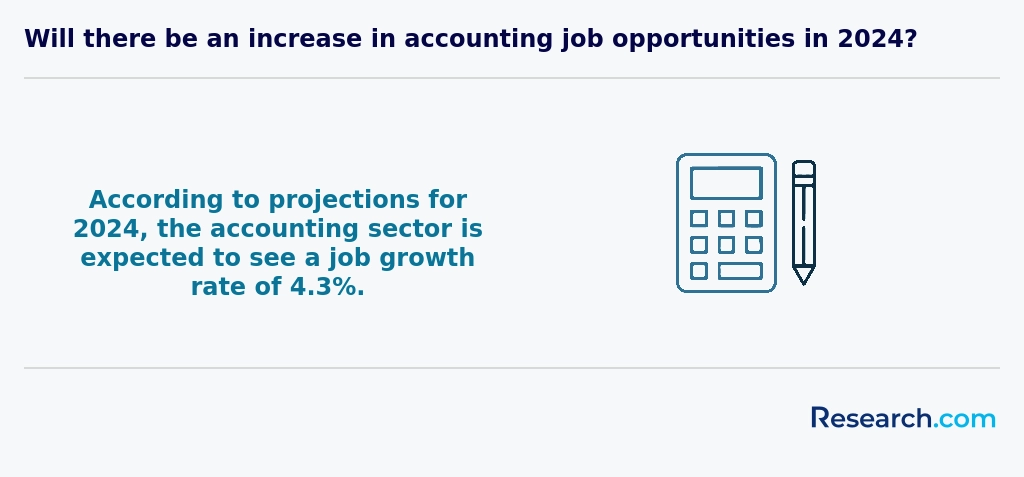
According to recent labor data, employment opportunities for those with an online accounting degree job outlook California remains steady with a projected 7% growth through 2032. Graduates from institutions in regions such as Los Angeles and the San Francisco Bay Area report competitive starting salaries, often exceeding the national average. The average annual wage for accountants in cities like San Francisco is around $117,930, reflecting the high demand and cost of living.
Students from California colleges highlight that understanding the local job market enhances their employment readiness. Those aiming for specialized roles often research the certified public accountant salary to align education with career advancement. This practical approach boosts confidence and makes the job search feel more attainable, enhancing the overall employment experience.
Frequently Asked Questions About accounting
Online accounting degree students in California can maximize their learning by engaging actively with course materials and instructors. Utilizing virtual office hours and discussion forums enhances understanding and promotes networking with peers. Taking advantage of California's integration of state-specific accounting standards, such as familiarity with the California Board of Accountancy requirements, prepares students for licensure exams.
Students are encouraged to complement studies with practical experience through internships or volunteering, as California hosts numerous businesses needing accounting professionals. According to the Bureau of Labor Statistics, California employs over 200,000 accountants, indicating strong job prospects.
Additionally, using supplementary resources like accounting software tutorials and joining professional organizations such as the California Society of CPAs can deepen knowledge and career readiness.
The accounting field in California is evolving, with several emerging niches attracting attention. One key area is forensic accounting, which involves investigating financial crimes and fraud. As California hosts numerous tech companies and startups, demand in this specialty is growing. According to the California Employment Development Department, jobs for forensic accountants are expected to increase by 10% through 2030.
Environmental accounting is another emerging niche, driven by California's focus on sustainability and regulatory compliance. Professionals in this area help companies measure and report environmental costs.
Additionally, accounting roles related to blockchain and cryptocurrency are expanding, with growing interest in digital asset auditing.
After earning an online accounting degree in California, preparing for the job market involves strategic steps to enhance employability. First, obtaining relevant certifications such as the CPA (Certified Public Accountant) is crucial, as California requires 150 semester units and passing the Uniform CPA Exam for licensure.
Networking through professional organizations like the California Society of CPAs can provide valuable connections and job leads. Additionally, gaining practical experience via internships or entry-level roles improves job prospects, considering California's accounting sector is expected to grow by 8% through 2030 (Bureau of Labor Statistics).
Developing proficiency in accounting software, such as QuickBooks or SAP, aligns with employer needs. Finally, tailoring resumes and practicing interviews with a focus on California's business environment boosts success in landing positions.
Employers in California highly value accounting graduates who demonstrate strong analytical and technical skills. Proficiency in accounting software such as QuickBooks, SAP, and Excel remains essential due to widespread industry use.
Communication skills are also critical. Graduates must clearly present financial data and collaborate effectively with clients and teams. According to the California Society of CPAs, over 70% of employers seek candidates with strong interpersonal skills.
Additionally, knowledge of California-specific tax laws and regulations gives candidates a competitive edge. Staying updated on state compliance requirements is vital for roles in local accounting firms and corporations.
Finally, ethical judgment and critical thinking are frequently emphasized to ensure accuracy and integrity in financial reporting.
Finding internships in California relevant to an accounting degree involves strategic research and networking. Many universities with online accounting programs maintain partnerships with regional firms, providing students direct access to internship opportunities. The California Society of Certified Public Accountants (CalCPA) offers resources and a job board useful for aspiring accountants.
Additionally, platforms like Handshake and LinkedIn attract numerous California-based internship listings specifically for accounting students. According to the U.S. Bureau of Labor Statistics, California is among the top states for accounting jobs, which increases internship availability.
Contacting career services at your educational institution and attending virtual career fairs can further enhance chances of securing an internship aligned with your accounting studies.
An online accounting degree in California can significantly enhance career mobility and advancement opportunities. Employers increasingly recognize online degrees from accredited institutions as credible, especially when paired with certifications like the CPA (Certified Public Accountant). According to the California Board of Accountancy, candidates with a bachelor's degree-often achievable through online programs-are eligible to sit for the CPA exam, a key step for career growth.
California's job market for accountants is projected to grow by 7% through 2030, according to the U.S. Bureau of Labor Statistics, highlighting increasing demand. Online degrees provide flexible pathways for working professionals to upskill or shift into accounting roles without interrupting their careers.
Furthermore, digital learning often includes practical software training, making graduates proficient with tools like QuickBooks and Excel, skills highly valued by California employers. This can lead to quicker promotions and the ability to move between industries such as finance, government, or corporate sectors.
Studying for an accounting degree in California equips students with skills valued beyond traditional accounting roles. Many programs emphasize interdisciplinary learning, integrating business law, information systems, and finance. This approach prepares graduates to navigate complex environments where accounting intersects with technology and management.
California's economy, driven by diverse industries like technology and entertainment, demands professionals who can understand financial data while collaborating with specialists in other fields. According to the California Labor Market Information, accountants with cross-disciplinary knowledge experience higher employment rates and earning potential.
Online programs in California often include case studies and projects reflecting real-world scenarios. This practical training enhances problem-solving skills applicable in roles such as financial analysis, auditing, and consulting.
Choosing between a thesis and a non-thesis accounting degree program in California depends on your career goals and learning preferences. A thesis program typically involves conducting original research and is ideal if you plan to pursue a career in academia, research, or advanced certification such as a CPA or CMA. It often requires more time but develops strong analytical skills.
Non-thesis programs focus on coursework and practical skills, suitable for professionals aiming to enter the workforce quickly or advance within industry roles. According to the California Board of Accountancy, gaining practical experience is crucial for licensure, making non-thesis programs attractive for immediate application.
Public universities like CSU and UC schools offer both options with varied durations and costs, so consider factors such as program flexibility and alignment with your career plans.
Students based in California seeking to study accounting abroad via online degrees have several options through partnerships between California institutions and international universities. Many universities in California offer transfer agreements or joint programs allowing credits earned abroad to count toward a degree. Additionally, some international schools provide US-accredited accounting programs accessible fully online, enabling students to maintain residency while gaining global perspectives.
California ranks third in the US for accounting jobs, with over 97,000 positions as of 2023 (Bureau of Labor Statistics). This demand encourages flexible learning paths, including foreign universities offering courses aligned with American accounting standards such as GAAP. Prospective students should verify accreditation and program rigor to ensure credits transfer smoothly to California licensure requirements.
California offers various part-time job opportunities that complement an online accounting degree education. Many students gain valuable experience by working as accounting clerks or bookkeepers, positions expected to grow by 6% through 2032 according to the U.S. Bureau of Labor Statistics (BLS). These roles develop skills in managing financial records and using accounting software.
Internships with local CPA firms in California also provide practical exposure to tax preparation and auditing processes, which are crucial for CPA licensure. Additionally, working as payroll assistants or budgeting analysts in businesses helps familiarize students with financial reporting standards relevant in the state's diverse economy. These part-time roles enhance both knowledge and resumes.
Online accounting students in California have various networking opportunities despite the virtual format. Many California universities offer virtual career fairs and online meetups that connect students with local accounting firms. These events enable students to build professional relationships and explore internships or job openings tailored to the state's robust financial sector.
Professional organizations like the California Society of Certified Public Accountants (CalCPA) provide access to networking events, webinars, and mentorship programs. According to CalCPA, membership can significantly boost students' connections and job prospects in California's competitive accounting market.
Additionally, online platforms such as LinkedIn play a crucial role in expanding networks, allowing students to join California-based accounting groups and forums. These virtual engagement options help students stay informed about industry trends and job opportunities across the state.
Alumni networks offer significant advantages for online accounting degree students in California. These networks create valuable connections with graduates who are active in California's diverse accounting industry, which is valued at over $100 billion annually according to the California Society of CPAs. Through alumni events and online platforms, students gain access to job openings, mentorship, and industry insights specifically tailored to the California market.
Networking with alumni can improve internship and employment prospects, as 85% of jobs are filled through referrals, per a National Association of Colleges and Employers report. Additionally, alumni frequently provide guidance on passing the CPA exam, a crucial step for accountants in the state.
Many universities support active online communities, fostering collaboration and continuous professional development beyond graduation. This ongoing engagement helps students and graduates stay current with California's evolving accounting regulations and business trends.
Customizing an online accounting degree program in California allows students to align their education with specific career goals. Many programs offer elective courses in areas like forensic accounting, taxation, auditing, or financial analysis, enabling focused expertise.
Students can also choose concentrations or certifications such as Certified Public Accountant (CPA) prep, which is vital in California where CPAs earn a median annual salary of around $85,000, according to the U.S. Bureau of Labor Statistics (2023 data).
Flexible scheduling and accelerated tracks further help students tailor their studies around work or personal commitments. Additionally, some schools provide internship placements or partnerships with California firms, enhancing practical experience and local networking opportunities.
Online accounting students in California often face challenges related to time management and self-discipline. Balancing coursework with personal and professional responsibilities can be difficult, especially since many learners study part-time while working. According to the California Board of Accountancy, the demand for CPAs remains high, increasing pressure on students to meet rigorous standards.
Technical issues also pose a barrier, as students depend heavily on reliable internet access and familiarity with various accounting software. Notably, remote learners sometimes struggle with limited interaction and networking opportunities, which are crucial for career building in accounting fields.
Furthermore, staying motivated in a virtual environment can be tough without in-person engagement. Research by the National Center for Education Statistics indicates higher dropout rates in online programs, linked to these factors. Such challenges require strong personal commitment and effective support systems to succeed.
With an online accounting degree from California, you can pursue several respected professional certifications that enhance your career opportunities. The most common is the Certified Public Accountant (CPA) license, required for many accounting roles in California.
To become a CPA in California, candidates must complete 150 semester units of education, pass the Uniform CPA Exam, and meet specific experience requirements as set by the California Board of Accountancy.
Other valuable certifications include Certified Management Accountant (CMA) and Certified Internal Auditor (CIA), which focus on management accounting and internal auditing, respectively.
These certifications can significantly increase earning potential; for example, CPAs in California earn a median salary of around $95,000 annually, according to the U.S. Bureau of Labor Statistics (2023).
To write a winning application for an online accounting program in California, start by highlighting your relevant academic background and professional experiences. Many schools expect applicants to demonstrate strong quantitative skills and familiarity with accounting principles. Including clear goals about how the degree will advance your career in California's competitive job market can strengthen your case.
California's demand for accountants is growing, with the Bureau of Labor Statistics projecting a 10% job growth in accounting from 2022 to 2032, faster than the national average. Mentioning your knowledge of California-specific business laws or tax codes can add value.
Be sure to provide a well-written personal statement that reflects your motivation and commitment to succeed in an online setting. Also, gather strong letters of recommendation from professionals familiar with your work ethic or academic potential.
The global perspective on an accounting career highlights strong and steady demand for skilled professionals worldwide. In the United States, and specifically California, accountants benefit from a robust job market driven by diverse industries including technology, entertainment, and finance. According to the U.S. Bureau of Labor Statistics, employment for accountants is projected to grow 7% from 2022 to 2032, faster than average.
California is particularly significant, employing more accountants than any other state, which reflects its large economy. The state's focus on compliance with international financial regulations creates opportunities for accountants with global knowledge.
Professionals with international accounting standards expertise, such as IFRS, have increased marketability. Online accounting degrees in California often include such global perspectives to prepare students for cross-border work environments.
Gaining practical experience while studying for an online accounting degree in California is essential for career readiness. Many programs encourage internship placements with California-based firms, providing hands-on exposure to real-world accounting tasks. The California Society of CPAs offers student memberships and networking events that can connect students to experiential opportunities. Additionally, online students can engage in virtual internships, which are increasingly popular in the state's tech-driven market. According to the California Labor Market Information, accounting jobs are projected to grow by 10% through 2030, highlighting the demand for practical skills. Volunteering with nonprofit organizations is another valuable option to build experience.
Choosing the right concentration within an online accounting degree program in California involves evaluating your career goals and industry demands. Popular concentrations include auditing, tax accounting, forensic accounting, and managerial accounting, each offering unique pathways.
Consider California's economic landscape, where tax accounting specialists are in high demand due to complex state tax laws and a large number of corporations based in the state. According to the California Employment Development Department, employment for accountants and auditors is projected to grow 7% through 2028.
Additionally, review the curriculum carefully to ensure it aligns with Certified Public Accountant (CPA) requirements in California, as many graduates pursue this credential.
Networking opportunities and internships through the school can also impact your decision, helping you gain practical experience in your chosen field.
Related Accounting Rankings for Nearby States
- 2027 Most Valuable Online Accounting Degree Programs Ranking in Colorado
- 2027 Most Valuable Online Accounting Degree Programs Ranking in Texas
- 2027 Most Valuable Online Accounting Degree Programs Ranking in Kansas
- 2027 Most Valuable Online Accounting Degree Programs Ranking in Iowa
- 2027 Most Valuable Online Accounting Degree Programs Ranking in Missouri
- 2027 Most Valuable Online Accounting Degree Programs Ranking in Illinois
- 2027 Most Valuable Online Accounting Degree Programs Ranking in Michigan
- 2027 Most Valuable Online Accounting Degree Programs Ranking in Georgia
- 2027 Most Valuable Online Accounting Degree Programs Ranking in Pennsylvania
- 2027 Most Valuable Online Accounting Degree Programs Ranking in Maryland
Top Trending Accounting Rankings
See What Experts Have To Say About Studying Accounting
Read our interview with Accounting experts

John Wermert, Ph.D., CPA
Accounting Expert
Associate Professor of Accounting
Middle Tennessee State University

Yaw M. Mensah
Accounting Expert
Professor and Interim Vice Dean for Strategic Partnerships
Rutgers Business School

References
- Tips for University Graduates Looking to Land Their First Accounting Job https://www.elby.ca/blog/2022/04/27/tips-for-university-graduates-looking-to-land-their-first-accounting-job/
- What To Do With an Accounting Degree | University of Phoenix https://www.phoenix.edu/articles/accounting/what-can-you-do-with-an-accounting-degree.html
- Best Affordable Online Accounting Degrees of 2025 https://www.accounting.com/degrees/accounting/bachelors/most-affordable/
- Top 10 Accounting and Finance Skills Employers Want | Tamarack Recruiting | Tamarack Recruiting https://tamarackrecruiting.com/top-10-accounting-and-finance-skills-employers-want-tamarack-recruiting/
- Accounting, BS (Online) https://calbaptist.edu/academics/programs/online-bachelor-of-science-accounting/
- Accountants of the Future https://www.deloitte.com/us/en/programs/center-for-controllership/blogs/future-of-accounting-profession.html
- Accounting - Clovis Community College https://www.cloviscollege.edu/academics/guided-pathways/business-industry-it/accounting.html
- What High-Schoolers Can Do Right Now to Prepare for an Accounting Career https://www.bentley.edu/news/what-high-schoolers-can-do-right-now-prepare-accounting-career
- Must-Have Skills for Accounting & Finance Graduates Entering Singapore’s Competitive Job Market https://www.lsbf.edu.sg/blog/accountancy-and-finance/must-have-skills-for-accounting-finance-graduates-entering-singapores-competitive-job-market
- Best Niches for Accounting Firms, Ranked by Profitability https://dreamfirms.com/insights/best-niches-for-accounting-firms/


