
2027 Most Popular Business Degree Programs Ranking in Baltimore

Co-Founder and Chief Data Scientist
Choosing the right business degree program in Baltimore can feel overwhelming. To help you navigate this important decision, our article presents the 2027 Most Popular Business Degree Programs Ranking in Baltimore, created by the Research.com team of data scientists. This ranking highlights programs that stand out based on solid data, giving you a clearer picture of your options.
By exploring these top programs, you'll discover valuable insights that can guide your educational journey. Earning a business degree opens doors to exciting career opportunities and personal growth, making this article a helpful starting point.
Key benefits of getting business degree in Baltimore
- Business degree graduates in Baltimore can pursue roles like Business Development Executive or Business Analyst, earning mean annual wages of $83,190 and $112,950 respectively, offering strong financial growth potential.
- Career paths for business graduates from popular Baltimore universities include roles in marketing, finance, and management, providing diverse opportunities to match your interests and strengths.
- Completing a business degree online in Baltimore offers flexible schedules and the chance to balance work or family, making it easier to gain skills without pausing your life.
- Key benefits of getting business degree in Baltimore
- What can I expect from business degree in Baltimore?
- Where can I work with business degree in Baltimore?
- How much can I make with business degree in Baltimore?
- 2027 Most Popular Business Degree Programs Ranking in Baltimore
- Key Findings
- How long does it take to complete business degree in Baltimore?
- Return on Investment for Business Degrees in Baltimore, MD
- What's the difference between online and on-campus business degree?
- Cost-Effective Online Business Degree Options
- What is the average cost of business degree in Baltimore?
- Enhancing Your Career Through Additional Certifications
- What financial aid is available to business degree students in Baltimore?
- What are the prerequisites for enrolling in business degree program in Baltimore?
- Why Pursue a Business Degree in Baltimore, MD?
- What courses are typically in business degree programs in Baltimore?
- What types of specializations are available in business degree programs in Baltimore?
- How do you choose the best business degree in Baltimore?
- What career paths are available for business degree students in Baltimore?
- What is the job market for business degree in Baltimore?
- Top Trending Business Rankings
- See What Experts Have To Say About Studying Business
What can I expect from business degree in Baltimore?
The average cost of getting a business degree in Baltimore can vary quite a bit depending on where you enroll. For instance, public schools like the University of Maryland, Baltimore County (UMBC) usually offer lower tuition rates, especially if you're a Maryland resident. Many students share how attending UMBC allowed them to save money while still getting great access to internships in Baltimore's booming tech and cybersecurity scene. On the other hand, private universities like Johns Hopkins or Loyola University Maryland tend to have higher tuition but often come with scholarships and financial aid that bring the cost down.
Living in Baltimore also helps keep expenses manageable. Compared to bigger East Coast cities, the cost of rent and daily living expenses won't eat up your whole budget. Graduates often recall balancing classes with part-time jobs or internships, which is easier here than in pricier markets. So, while tuition might look different depending on the school, Baltimore's overall affordability makes pursuing a business degree feel a lot less stressful financially.
Where can I work with business degree in Baltimore?
Graduates with a business degree in Baltimore have a bunch of exciting job options right in their backyard. Many find themselves jumping into the financial world with companies like M&T Bank or T. Rowe Price, where roles in banking or investment management offer solid pay and growth-perfect for recent grads from schools like Towson University or Loyola University Maryland feeling ready to dive into the city's financial scene.
Others love the healthcare side, getting into administration or operations at places like Johns Hopkins Hospital or the University of Maryland Medical Center. It's not just about medicine; business skills are huge here, and many graduates enjoy the stability and impact of working in such respected institutions.
Tech and cybersecurity are also buzzing, especially with Baltimore's close connections to federal agencies. Business grads from University of Baltimore often find themselves coordinating projects or managing government contracts, which brings both challenge and the chance to be at the forefront of innovation.
Plus, small businesses and startups in retail, hospitality, and logistics offer fun, flexible roles-think marketing or supply chain management-where entrepreneurial grads can really shine and make their mark in this lively city.
How much can I make with business degree in Baltimore?
If you're wondering how much a business degree from Baltimore can pull in, the numbers are looking good! Graduates from popular schools here often start in roles like business development executives, where the average salary clocks in around $83,190 a year. That's a solid paycheck, especially when you're fresh out of college.
Some grads move into business analyst positions, which pay even better - around $112,950 annually on average. Imagine working at a local firm or a startup near Johns Hopkins or Towson University, applying what you learned in class and getting rewarded with a six-figure salary within a few years. Pretty motivating, right?
These salaries show the real value of sticking with a business path in Baltimore. Plus, the city's close connections to government agencies and rising tech sectors give you chances to level up your career and income without moving far. So, whether you're eyeing financial analysis or operations, Baltimore offers some promising earning potential after graduation.
2027 Most Popular Business Degree Programs Ranking in Baltimore
How do we rank schools?
Investing in your education is a significant decision that can shape your professional future, and the Research.com team recognizes the importance of providing reliable information to guide that choice. To support prospective students in Baltimore, we have carefully developed the "2027 Most Popular Business Degree Programs Ranking in Baltimore." Our dedication to quality, credibility, and accuracy is demonstrated through thorough research and detailed analysis.
We utilized the following reputable data sources to ensure a comprehensive evaluation of business degree programs:
By consulting this ranking, readers will gain valuable insights to make informed choices about their education and career prospects. For further information on our methodology, please visit our Research.com methodology page.


Key Findings
- Tuition for undergraduate business programs in Baltimore ranges from $10,000 to $35,000 per year, with public universities offering lower rates for in-state students.
- Entry-level salaries for business graduates average between $50,000 and $60,000 annually, increasing to $80,000-$100,000 within five to ten years.
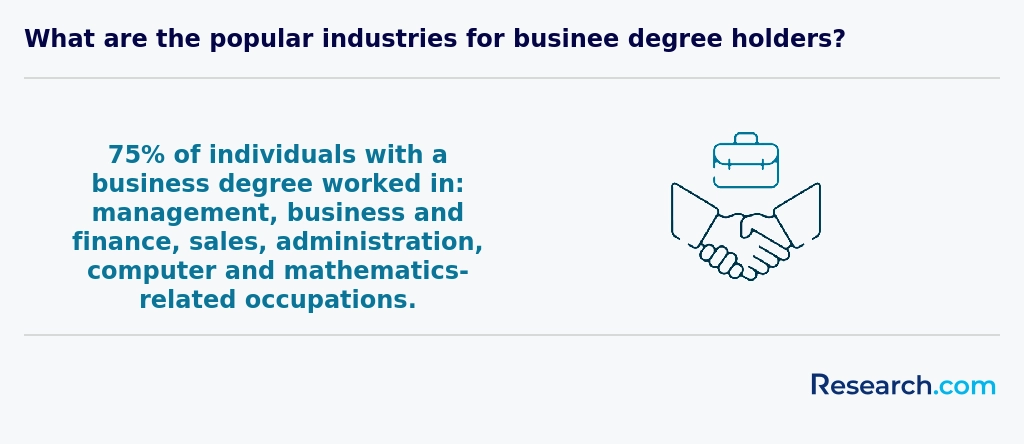
- Key industries employing business graduates include financial services, healthcare administration, consulting, technology, logistics, and supply chain management.
- The unemployment rate for business-related jobs in Baltimore is generally lower than the national average, supporting favorable job prospects.
- Many Baltimore schools offer internships and cooperative education programs that improve practical experience and job placement rates.
- Business schools maintain partnerships with local companies, providing networking events, guest lectures, and tailored career services for students.
How long does it take to complete business degree in Baltimore?
If you're planning to study business in Baltimore, you can usually expect to spend about four years finishing a bachelor's degree full-time. That's the case for most students at places like UMBC or Loyola University Maryland. Many graduates say this timeline feels just right-long enough to dive deep into subjects but short enough to keep up a good pace.
If you're juggling work or family, part-time options are super common here. Lots of students take around six years or more, spreading their courses out to balance life and school. That flexibility is a big plus since Baltimore's business scene is booming and gaining work experience while studying often feels like a win-win.
For grad students chasing an MBA, it's usually one to two years full-time. But if you're working full-time, part-time programs can stretch to three years. Some accelerated MBAs let you finish in just over a year with intense summer and online classes, which students find exciting if they want to speed things up.
Return on Investment for Business Degrees in Baltimore, MD
Understanding the return on investment (ROI) is essential when evaluating the true value of a business degree in Baltimore. On average, a bachelor’s in business costs between $50,000 and $60,000 in total tuition, while graduates can expect starting salaries ranging from $60,000 to $75,000. By comparing these figures, students typically recoup their educational expenses within 3–5 years of full-time employment, depending on specialization and industry. For those aiming to accelerate their ROI further, pursuing an accelerated MBA can significantly shorten the timeline to higher earnings. Many accelerated programs condense core coursework into 12–18 months, allowing graduates to step into senior roles sooner. If you’re considering this path, explore the best accelerated mba online options to identify programs that offer both affordability and strong post-graduation placement. Beyond salary metrics, ROI also encompasses intangible benefits such as networking opportunities, career services, and partnerships with local employers. Institutions that maintain active industry advisory boards or internship pipelines with Baltimore’s top firms often yield higher job placement rates and faster salary growth. Prospective students should review graduation-to-employment timelines-programs boasting 90%+ placement within six months of graduation typically deliver the strongest ROI. Finally, leveraging financial aid and scholarships can lower upfront costs and boost net ROI. Maryland residents may qualify for state grants that cover up to 100% of demonstrated need, while merit scholarships at private universities can offset thousands in tuition. By combining strategic program selection, accelerated pathways, and targeted financial support, Baltimore business graduates can maximize their ROI and achieve a swift transition into high-paying roles.
What's the difference between online and on-campus business degree?
Choosing between online and on-campus business degrees in Baltimore really comes down to how you like to learn and what fits your lifestyle. For example, graduates from universities like Towson University often mention how the online format lets them juggle work and family without missing a beat. They can watch lectures whenever they have time-maybe after putting the kids to bed or during lunch breaks-which feels like a huge win for busy adults.
On the flip side, grads from schools like Johns Hopkins University highlight how the on-campus experience created a close-knit vibe. Being able to chat with professors and classmates face-to-face sparked instant connections and made networking much easier, especially with Baltimore's strong local business scene. Plus, those hands-on internships right in the city helped turn theory into real-world skills.
Both options generally cost about the same tuition-wise if you're an in-state student, but online learners often save on commuting and housing, which adds up in a city like Baltimore. It's really about whether you thrive with flexible, solo study or prefer the buzz of a classroom setting.
Cost-Effective Online Business Degree Options
For students in Baltimore, MD seeking flexible and budget-friendly pathways, exploring affordable online business programs can significantly reduce overall expenses without compromising quality. Online formats not only eliminate commuting and housing costs but also often offer per-credit rates lower than traditional on-campus tuition. When comparing options, consider accreditation, program length, and technology fees to accurately assess total investment. Many reputable institutions provide asynchronous coursework, allowing learners to balance studies with work or family commitments. For instance, some online business bachelor’s programs feature accelerated tracks that enable completion in as few as three years, further decreasing tuition outlay. Additionally, transferable credits from prior college coursework or professional certifications can shorten time to degree, maximizing cost savings. To identify top value programs beyond Baltimore, prospective students may refer to rankings that highlight both affordability and academic rigor. One such resource is the Low Cost Online Business Degree Programs Ranking in Saratoga Springs, NY, which showcases institutions with competitive tuition rates and strong student support services. While these programs are geographically centered in Saratoga Springs, their entirely online delivery makes them accessible nationwide. Finally, leveraging financial aid-such as federal grants, employer tuition assistance, or income-share agreements-can further offset tuition costs. By combining strategic course planning, credit transfers, and scholarship opportunities, Baltimore students can achieve a high-quality business education that aligns with both career goals and budget constraints.
What is the average cost of business degree in Baltimore?
If you're thinking about getting a business degree in Baltimore, you'll want to know what it typically costs. On average, the total cost for a business degree here can be around $57,360. That figure includes tuition, fees, and living expenses, so it gives you a real sense of what to expect over the full program. For in-state students, the cost is often lower, coming in closer to $43,360, which is a big help if you've been living in Maryland and can qualify for that rate.
Students who have gone through programs at popular schools like the University of Maryland, Baltimore County, or Loyola University Maryland often mention the mix of tuition and other costs like books and room and board when talking about their overall expenses. For many, budgeting for these costs is a practical step-it's not just about tuition; it's also the day-to-day stuff that adds up. Room and board in Baltimore, for example, runs about $12,000 to $15,000 a year, plus extra fees for things like technology or lab use.
What's great is that many successful business grads from Baltimore institutions smile when they think about how affordable their education felt compared to other big cities. It's an achievable goal if you plan carefully. If you want deeper insight into costs and find out how Baltimore ranks overall, check out the best popular business degree options in Maryland. Understanding the average business degree cost Baltimore helps you see what's fair and realistic for your own journey.

Enhancing Your Career Through Additional Certifications
In today’s ever-evolving business landscape, continuous learning and professional development are key to staying ahead. Beyond earning a business degree, many graduates have found that pursuing specialized certifications can significantly boost their career prospects by refining their skills and providing a competitive edge in the job market. Obtaining industry-specific credentials not only deepens your subject matter expertise but also demonstrates a proactive approach to professional growth. For example, exploring online business certificates can complement your degree by offering flexible, targeted training that aligns well with current industry trends and employer demands. Additionally, certifications in areas such as digital marketing, financial analysis, and project management can open doors to advanced roles and increase overall earning potential. As companies continue to seek professionals who are committed to lifelong learning, enhancing your qualifications through specialized courses can further help you adapt and thrive in a dynamic business environment.
What financial aid is available to business degree students in Baltimore?
If you're diving into a business degree in Baltimore, you've got some solid financial aid options to help lighten the load. Lots of students at Towson University and University of Baltimore have tapped into federal Pell Grants, which can cover up to $7,395 a year-no need to pay that back. It's a game changer when you're juggling tuition and everyday expenses.
On top of that, Maryland's state grants come through strong. For example, the Delegate Howard "Pete" Rawlings Scholarship has helped many Baltimore locals cover tuition and fees, making it easier to stay focused on classes without stressing money all the time. The Guaranteed Access Grant is also a favorite among students who need that extra boost.
Many folks I've talked to mention merit-based scholarships from their schools as well. Getting involved in campus activities at Towson or the University of Baltimore paid off for some-those leadership gigs and good grades definitely helped score some cash.
And don't forget about employer tuition assistance if you're working while studying. Plenty of local businesses offer programs to help you get that diploma without breaking the bank.
What are the prerequisites for enrolling in business degree program in Baltimore?
If you're thinking about diving into a business degree in Baltimore, you'll want to have a high school diploma or GED ready to go. Most local schools, like those popular around Baltimore, ask for transcripts showing you've nailed the basics-math, English, and social studies. Graduates often mention how having a GPA around 2.5 to 3.0 really helped them get in, though some programs might expect a little more.
Some schools still ask for SAT or ACT scores, but a lot have gone test-optional lately, which makes applying a bit less stressful. One graduate shared that this shift gave them confidence to apply even without strong test scores.
For those eyeing an MBA or other graduate business degree, expect to have your bachelor's in hand plus a couple of years of work experience. Many grads found that having real job experience added a lot to class discussions and networking opportunities in Baltimore's business schools. Sometimes you'll need GRE or GMAT scores, but those requirements are loosening up too.
Don't forget, letters of recommendation and personal statements are staples, and if you're from abroad, proving your English skills with TOEFL or IELTS is usually necessary. Many Baltimore grads say these extras showed their passion and fit for the program.

Why Pursue a Business Degree in Baltimore, MD?
Pursuing a business degree in Baltimore, MD, is a strategic decision that can open doors to a multitude of career opportunities, given the city's vibrant economy and the presence of various industries. When considering a business degree, it's essential to research the best popular business degree programs in the area, which can provide insights into the curriculum, faculty expertise, and alumni success stories. By doing so, prospective students can make informed decisions that align with their academic and professional goals, ultimately leading to a fulfilling career in the business world.
What courses are typically in business degree programs in Baltimore?
If you're diving into a business degree in Baltimore, expect to tackle core courses like accounting, finance, marketing, economics, and management. Graduates from UMBC often talk about how accounting classes gave them a clear picture of managing money-think about balancing budgets or understanding the ins and outs of financial reports. Finance courses get pretty hands-on too, helping you figure out how businesses make smart investment choices, which feels super relevant in Baltimore's buzzing economy.
Besides the basics, Baltimore programs throw in business law, ethics, and organizational behavior. One graduate mentioned how learning about workplace dynamics and legal stuff made real internships way less intimidating. Marketing courses especially catch the eye with lessons on consumer behavior and digital marketing, perfect for the city's tech-savvy vibe.
Plus, electives like entrepreneurship or supply chain management let you tailor your path. Imagine working on startup ideas or optimizing how goods move through Baltimore's ports. It's a solid mix that keeps things interesting and 100% relevant to the city where you're studying.
What types of specializations are available in business degree programs in Baltimore?
If you're diving into a business degree in Baltimore, you'll find plenty of specializations that really match what the city's all about. Many grads from local schools love how they can focus on finance thanks to Baltimore's strong banking scene-think roles in investment or corporate finance where the paychecks can be quite rewarding. Others are drawn to healthcare management, taking advantage of nearby institutions like Johns Hopkins Medicine, where managing health systems or diving into health tech feels very real and impactful.
Entrepreneurship also gets a lot of buzz among Baltimore business degree concentrations. Students often talk about hands-on experiences with local startup incubators right in their backyard, which makes launching a business feel achievable and exciting. Plus, it's not just those areas: marketing focused on digital strategies, supply chain management connected to the busy Port of Baltimore, international business, and accounting are also popular options that many students swear by.
And if you're thinking about boosting your skill set beyond degrees, some grads recommend checking out online business certificates to keep things flexible and practical.
How do you choose the best business degree in Baltimore?
Picking the best business degree in Baltimore comes down to a few key things. First off, make sure the program is accredited-graduates from schools like Towson University or University of Maryland, Baltimore County often brag about how their AACSB-accredited degrees opened doors during job hunts. Cost plays a big role too; many students appreciate that local schools offer affordable business degrees Baltimore cost comparison shows can save a bundle compared to pricier private options.
Think about what you want to specialize in. Baltimore's business scene is strong in tech, healthcare, and maritime trade, so programs that offer hands-on internships with local companies really stand out. Many grads mention how those real-world experiences gave them confidence and connections before even finishing school.
If you need flexible learning, check if the school offers evening or online classes. Balancing work and study is tough, but some grads rave about how flexible schedules made it manageable. To explore more options, don't miss out on programs like the best accelerated mba online-a great route if you want to fast-track your career.
What career paths are available for business degree students in Baltimore?
If you're studying for a business degree in Baltimore, you'll find plenty of career options that really tap into the city's vibrant economy. Graduates often jump into financial services, landing roles with banks or investment firms where they can see their skills make an impact every day. For instance, recent grads from local colleges share how they've moved into financial analyst jobs paying solid salaries, thanks to Baltimore's strong finance sector.
Marketing and sales also draw a lot of interest. Business majors in Baltimore love how they get to help startups and big companies boost their brand presence and grow customer bases. Folks coming out of well-known universities around here find this path rewarding, both creatively and financially. It's a thriving scene for those who want to get their hands on real marketing challenges.
Operations and supply chain management are big too, especially given Baltimore's busy port. Business grads tell stories of working hands-on to improve local logistics, which helps major players save money and run smoother. If you want to dive into healthcare, Baltimore's hospitals offer awesome chances to manage administration, combining business skills with a helping hand. Jobs with business degree in Baltimore are diverse!
Entrepreneurs in Baltimore are buzzing, supported by places like Baltimore Innovation Village. Many grads step into starting businesses or joining startups right after college. Plus, if you're curious about finding affordable options to study business online, check out the Low Cost Online Business Degree Programs Ranking in Saratoga Springs, NY to compare tuition and features.
What is the job market for business degree in Baltimore?
The job market for a business degree in Baltimore is buzzing with opportunities, especially for graduates from well-known schools like the University of Baltimore and Loyola University Maryland. Many grads find themselves landing roles in financial analysis or healthcare administration, thanks to the city's strong banking sector and top-notch hospitals like Johns Hopkins. It's not just about landing a job; these roles often come with solid starting salaries, typically between $50,000 and $65,000, which feels pretty rewarding right after college. For those wondering about career outlooks, Baltimore's proximity to Washington D.C. also opens doors to consulting and policy-related positions that are growing steadily. If you're exploring affordable options, your choices in Baltimore balance cost and quality nicely, making it possible to invest wisely in your education while still keeping an eye on future earnings.
Many students boost their resumes through internships and cooperative education programs offered by local businesses, which take the guesswork out of job hunting later on. The diverse economy means whether you're into marketing, management, or financial services, there's a niche waiting for you. For anyone wanting to learn quickly and start working, check out the online accelerated associate's degree options too-they're a smart way to jumpstart your business career. The Baltimore business degree career outlook looks bright and full of promise, making it a smart choice for local students ready to thrive.
Frequently Asked Questions About business
Business degree students in Baltimore can maximize their learning experience by engaging deeply with the city's diverse economic landscape. Baltimore hosts a growing sector of finance, healthcare, and logistics companies, offering abundant internship opportunities that complement classroom learning. According to the Baltimore Economic Development Corporation, internships and cooperative education programs significantly boost job placement rates for business graduates.
Students should also leverage connections with local business organizations such as the Baltimore Chamber of Commerce to build professional networks. Participating in case competitions and industry workshops, often facilitated by universities, provides practical skills and real-world problem solving.
Utilizing resources like the Maryland Business Roundtable for Education can enhance knowledge of regional market trends. Combining academic study with hands-on experience in Baltimore's dynamic business environment helps students develop a competitive edge for future careers.
Emerging niches within the business field reflect the growing needs of Baltimore's dynamic economy. One prominent area is healthcare management, driven by Baltimore's status as a healthcare hub with institutions like Johns Hopkins. This niche focuses on managing healthcare organizations, blending business acumen with medical knowledge.
Another fast-growing sector is data analytics and business intelligence. With Baltimore's expanding tech scene, companies demand professionals skilled in interpreting complex data to make informed decisions. According to the U.S. Bureau of Labor Statistics, jobs in data analytics are projected to grow 31% nationally by 2031.
Sustainable business practices are also gaining traction as local businesses aim to reduce environmental impact while improving profitability. Courses in corporate social responsibility and environmental economics are becoming popular among Baltimore business students.
Graduates with a business degree in Baltimore should focus on building both practical skills and professional networks to succeed in the job market. Employers in the Baltimore metropolitan area value proficiency in data analysis, digital marketing, and financial management. Gaining internships with local companies, such as those in finance or healthcare sectors, can improve employment prospects. According to the Bureau of Labor Statistics, business-related fields in Baltimore are expected to grow steadily through 2030.
Networking through local chambers of commerce and business associations helps graduates connect directly with hiring managers. Additionally, obtaining certifications like the Project Management Professional (PMP) can enhance credentials.
Employers in Baltimore highly value business degree graduates who demonstrate strong analytical skills. According to the Maryland Department of Labor, 68% of local businesses prioritize candidates adept in data analysis and financial forecasting. Communication skills also rank prominently, with 62% of employers seeking graduates who can clearly present ideas and collaborate across teams.
Technical proficiency, especially in software like Excel, QuickBooks, and CRM systems, is essential for 55% of hiring managers. Additionally, problem-solving abilities and adaptability are critical as Baltimore's economy evolves, emphasizing innovation in sectors like finance and healthcare.
Finally, leadership potential is important; 48% of local employers prefer candidates who can manage projects and inspire teams effectively.
Finding internships in Baltimore relevant to a business degree involves leveraging local resources and industry connections. Baltimore hosts a growing business environment, notably in finance, healthcare, and technology sectors, which offer diverse internship opportunities. Students can begin by exploring university career centers, many of which maintain partnerships with local companies.
Additionally, Baltimore's Chamber of Commerce and economic development agencies often list internship openings. National platforms like Handshake and Indeed also feature positions specifically in Baltimore. Networking events and local business meetups provide valuable face-to-face connections, often leading to internships.
According to the Maryland Department of Labor, the demand for business interns in Baltimore has grown by 8% annually, reflecting the city's expanding corporate sector.
A business degree in Baltimore significantly enhances career mobility and advancement opportunities. According to the U.S. Bureau of Labor Statistics, professionals with a bachelor's in business administration tend to have higher employment rates and earning potential. In Baltimore's diverse economy, which includes finance, healthcare, and port-related industries, such a degree equips graduates with versatile skills that employers seek.
Locally, companies like T. Rowe Price and Under Armour value candidates with strong business backgrounds, often promoting degree holders faster. A 2023 report by the Baltimore Business Journal highlights that professionals with business degrees see a 15% higher rate of internal promotions compared to non-degree holders.
Studying for a business degree in Baltimore equips students with skills that are essential for interdisciplinary roles in today's complex work environment. Baltimore's universities emphasize collaboration across fields such as technology, healthcare, and public policy, reflecting the city's diverse economic sectors. For example, programs often integrate courses in data analytics, communications, and management, fostering adaptable professionals.
According to the Greater Baltimore Committee, the region has seen a 12% growth in jobs requiring cross-functional expertise since 2020. Students engage in internships and projects with local firms in finance, biotech, and government, gaining real-world experience. This approach helps graduates understand how business decisions impact multiple disciplines simultaneously.
Choosing between a thesis and a non-thesis business degree program in Baltimore depends on your career goals and learning preferences. Thesis programs require original research and are ideal if you plan to pursue a PhD or a research-intensive role. They develop strong analytical and writing skills.
Non-thesis programs focus more on practical skills and coursework, often including internships or capstone projects, which align well with immediate business careers in Baltimore's growing sectors like finance and healthcare.
According to the National Center for Education Statistics, Baltimore business programs increasingly emphasize applied learning, reflecting the city's demand for work-ready graduates.
Consider your future plans, time commitment, and whether you prefer research or hands-on experience when deciding. Consulting academic advisors at local institutions can also provide personalized guidance.
Students in Baltimore seeking to study business abroad have access to various program options through local universities. Institutions like Johns Hopkins University and Towson University offer exchange programs and partnerships with international business schools. These opportunities allow students to earn credits while gaining global experience.
According to NAFSA, approximately 15% of U.S. undergraduate business students participate in study abroad programs, with many Baltimore students choosing destinations in Europe and Asia. Business students often study subjects like international marketing, finance, and global trade during these exchanges.
Additionally, Baltimore's proximity to major airports makes traveling abroad convenient. Students are encouraged to consult their university's study abroad office for tailored options aligned with their business degree requirements.
Baltimore offers numerous part-time job opportunities that align well with business degree education. Students can find roles in retail management, providing hands-on experience in customer relations and inventory control. According to the U.S. Bureau of Labor Statistics, Baltimore's retail sector employs over 60,000 people, indicating a robust market for such positions.
Internships at local financial institutions and startups are also common, helping students develop skills in finance, marketing, and operations. The Baltimore Business Journal highlights that fintech firms in the city have grown by 15% over recent years, expanding available roles.
Administrative and assistant positions in professional service firms further support learning in organizational behavior and office management.
Baltimore offers a variety of valuable networking opportunities for business students. The city's diverse economy, including strong finance, healthcare, and technology sectors, provides access to numerous professional groups and events. Organizations like the Baltimore Business Journal and the Baltimore Chamber of Commerce regularly host networking mixers, workshops, and panel discussions tailored to emerging business professionals.
Students can also connect through university-sponsored clubs and local chapters of national business societies such as the American Marketing Association and the National Association of Black Accountants. These groups facilitate mentorship and internships that enhance career prospects.
According to the Baltimore Community Foundation, nearly 60% of local businesses participate in networking events annually, making Baltimore's environment particularly supportive for student engagement.
Alumni networks offer significant advantages to business degree students in Baltimore. These networks provide strong professional connections within the city's diverse economic sectors, including finance, healthcare, and technology, which are prominent employers of business graduates. According to a 2023 report by the Greater Baltimore Committee, 67% of local businesses prefer hiring candidates with regional connections, highlighting the value of alumni ties.
By engaging with alumni, students gain access to mentorship opportunities, internships, and job referrals. This insider information is invaluable in Baltimore's competitive job market.
Furthermore, alumni often participate in workshops and networking events, fostering skill development and real-world insights tailored to Baltimore's business environment.
In Baltimore, tailoring a business degree to your career goals begins by selecting a program with flexible concentration options. Many local universities offer specializations such as finance, marketing, or entrepreneurship, allowing students to align studies with industry demands. According to the U.S. Bureau of Labor Statistics, Baltimore's strong sectors include healthcare management and technology, so consider concentrations that reflect these opportunities.
Additionally, internships and cooperative education programs in Baltimore's diverse corporate environment provide practical experience. Some schools offer personalized academic advising to help choose courses and extracurricular activities that build relevant skills.
This approach helps you create a customized education path that suits your professional ambitions within Baltimore's economy.
Business students in Baltimore often face financial challenges, as tuition and living costs can be significant. According to the College Board, the average annual tuition for in-state students at Maryland public universities exceeds $10,000, while private institutions charge more. Balancing part-time work with demanding coursework is a common issue.
Another notable challenge is gaining practical experience. Employers in Baltimore's competitive business sectors, such as finance and healthcare management, increasingly seek internships and hands-on skills, which are sometimes difficult to secure.
Lastly, navigating the city's diverse economic environment and evolving industries requires adaptability and strong networking skills, making professional development essential for success.
With a business degree, individuals in Baltimore can pursue various professional certifications to enhance their careers. Popular certifications include the Certified Public Accountant (CPA) for those interested in accounting and finance. This credential is highly valued in Baltimore's growing financial sector, supported by local firms and government agencies.
The Project Management Professional (PMP) certification is another option, appealing to graduates targeting management roles in Baltimore's expanding healthcare and technology industries. The PMP certification demonstrates strong organizational and leadership skills.
Additionally, the Certified Financial Planner (CFP) credential suits business graduates focusing on personal finance and wealth management, fields with steady demand in the Baltimore metropolitan area, as reported by the U.S. Bureau of Labor Statistics.
These certifications typically require passing exams and some professional experience, offering a clear pathway for career advancement after earning a business degree.
Writing a winning application for a business program in Baltimore requires clear focus and preparation. First, research the specific program's requirements by consulting university websites, such as those of the University of Baltimore or Towson University. Admissions committees look for strong academic records, relevant work experience, and leadership potential.
Highlight your connection to the Baltimore business environment, which is growing rapidly in sectors like finance and healthcare. According to the Baltimore Business Journal, these industries accounted for over 30% of regional employment in 2023. Demonstrating local awareness can strengthen your application.
Present a well-crafted personal statement explaining your career goals and how the program fits your ambitions. Including measurable achievements, such as internships or projects, adds credibility. Lastly, request compelling recommendation letters from supervisors or professors familiar with your business abilities.
Global perspectives on a business career emphasize adaptability and cultural awareness, crucial for success in today's interconnected markets. For students in Baltimore, this means gaining skills that apply beyond local companies, preparing for roles in international trade, finance, and management.
According to the Global Education Monitoring Report, employers value graduates with global competence and cross-cultural communication abilities. Baltimore's strategic location as a port city also offers unique exposure to international business operations, enhancing learning opportunities for business degree students.
In the U.S., business programs increasingly integrate global case studies and internships, helping graduates navigate diverse economic environments and regulatory frameworks worldwide.
Gaining practical experience while studying for a business degree in Baltimore is essential to bridging theory and real-world application. Many local institutions collaborate with Baltimore's diverse economy, which includes prominent sectors like healthcare, finance, and shipping. Students can explore internships at well-known companies such as T. Rowe Price or local startups, offering valuable work exposure.
Additionally, Baltimore's universities often provide cooperative education (co-op) programs where students alternate classroom study with paid work experience. According to the Maryland Higher Education Commission, participation in internships or co-ops improves employment prospects by over 40% post-graduation.
Many business programs also encourage involvement in student-run consulting groups or business clubs, which foster hands-on skills in management, marketing, and finance.
Choosing the right concentration within a business degree program in Baltimore starts with understanding your career goals. Baltimore's economy, with strengths in healthcare, finance, and logistics, influences demand for related business expertise. For instance, concentrations in healthcare management or finance may offer strong job prospects given the region's prominent institutions like Johns Hopkins and a growing financial sector, according to the Baltimore Business Journal.
Research programs carefully, noting which concentrations align with local industry needs and offer internships or networking opportunities. Additionally, review graduation and employment rates published by Baltimore universities' career services.
Consider your interests and strengths alongside market trends to select a concentration that balances passion with practical employment potential in Baltimore's business landscape.
Related Business Rankings for Nearby Cities
- 2027 Most Popular Business Degree Programs Ranking in College Park
- 2027 Most Popular Business Degree Programs Ranking in Washington
- 2027 Most Popular Business Degree Programs Ranking in Arlington
- 2027 Most Popular Business Degree Programs Ranking in Frederick
- 2027 Most Popular Business Degree Programs Ranking in Fairfax
- 2027 Most Popular Business Degree Programs Ranking in New Castle
- 2027 Most Popular Business Degree Programs Ranking in Lancaster
- 2027 Most Popular Business Degree Programs Ranking in Dover
- 2027 Most Popular Business Degree Programs Ranking in Wilmington
- 2027 Most Popular Business Degree Programs Ranking in Reading
Top Trending Business Rankings
See What Experts Have To Say About Studying Business
Read our interview with Business experts

David W. Stewart
Business Expert
Emeritus President's Professor of Marketing
Loyola Marymount University


Ingrid S. Greene
Business Expert
Clinical Assistant Professor of Management
Loyola Marymount University

References
- Jobs after studying business administration: opportunities at a glance | JobTeaser https://www.jobteaser.com/en/advices/jobs-after-studying-business-administration-opportunities-at-a-glance
- Networking Tips for Business Students and MBA Candidates - Cyprus West University https://www.cwu.edu.tr/networking-tips-for-business-students-and-mba-candidates/
- Bringing global perspectives to leadership in business https://www.eaie.org/resource/global-perspectives-leadership-business.html
- Networking Tips for Business Students: Building a Foundation for Success https://londonsba.org.uk/blog/networking-tips-for-business-students-building-a-foundation-for-success/
- How to Write a Winning Business School Application Essay - CEA https://www.collegeessayadvisors.com/how-to-write-a-winning-business-school-application-essay/
- Admission Requirements - Business Admin Major: Economics https://www.towson.edu/cbe/departments/economics/undergrad/busadmin/admission.html
- Online and Traditional Business Degrees Comparison | Free Essay Example https://studycorgi.com/online-and-traditional-business-degrees-comparison/
- Finance Specialization | Business Administration (BS) | University of Baltimore https://www.ubalt.edu/schools-and-colleges/merrick-school-of-business/academics/explore-all-programs/bsba-finance/index.cfm
- How to Write the Perfect Cover Letter – EU Business School https://www.euruni.edu/blog/write-perfect-cover-letter/
- Exploring Different Types of Business Majors https://www.ivywise.com/ivywise-knowledgebase/exploring-different-types-of-business-majors/


