
2027 Most Popular Business Degree Programs Ranking in Iowa

Co-Founder and Chief Data Scientist
Choosing the right business degree program in Iowa can shape your future career and open doors to exciting opportunities. This article introduces the 2027 Most Popular Business Degree Programs Ranking in Iowa, created by the Research.com team of data scientists to guide you in making an informed decision.
By exploring this ranking, you'll discover which programs offer strong value and align with your goals. Earning a business degree can boost your confidence and skills, helping you succeed in today's competitive job market.
Take a step toward a brighter future by learning more here.
Key benefits of getting business degree in Iowa
- Business degree graduates in Iowa can expect competitive salaries, with roles like Business Development Executive earning about $83,190 annually and Business Analyst positions offering a mean wage of $112,950, reflecting strong financial prospects.
- A business degree opens doors to diverse career paths such as marketing, finance, and management, exemplified by many graduates from the University of Iowa who find rewarding opportunities across industries.
- Online business degrees from schools like Iowa State University provide flexibility and convenience, allowing students to balance work and studies while gaining skills that employers value.
- Key benefits of getting business degree in Iowa
- What can I expect from business degree in Iowa?
- Where can I work with business degree in Iowa?
- How much can I make with business degree in Iowa?
- 2027 Most Popular Business Degree Programs Ranking in Iowa
- Key Findings
- How long does it take to complete business degree in Iowa?
- Emerging Trends and Future Outlook in Business Education
- What's the difference between online and on-campus business degree?
- Return on Investment for Business Degrees in Iowa
- What is the average cost of business degree in Iowa?
- Return on Investment (ROI) of a Business Degree in Iowa
- What financial aid is available to business degree students in Iowa?
- What are the prerequisites for enrolling in business degree program in Iowa?
- Cost Considerations and Financial Planning for Business Degree Programs in Iowa
- What courses are typically in business degree programs in Iowa?
- What types of specializations are available in business degree programs in Iowa?
- How do you choose the best business degree in Iowa?
- What career paths are available for business degree students in Iowa?
- What is the job market for business degree in Iowa?
- Related Business Rankings for Nearby States
- Top Trending Business Rankings
- See What Experts Have To Say About Studying Business
What can I expect from business degree in Iowa?
The average cost of earning a business degree in Iowa tends to be notably lower than the national average, which many graduates appreciate as they balance educational goals with financial realities. For instance, students at the University of Iowa's Tippie College of Business often find that tuition and fees are manageable, especially when compared to similarly ranked programs elsewhere. One graduate shared that the relatively affordable cost allowed them to focus more on internships and networking opportunities without excessive financial stress.
At Iowa State University's Ivy College of Business, graduates frequently mention that lower costs paired with strong local business connections enhance their overall educational experience. This affordability contributes to a sense of optimism and motivation, knowing they can pursue quality education without overwhelming debt.
However, costs can vary based on residency status, course load, and the chosen learning format, such as online versus in-person classes. While some students value the flexibility of hybrid programs, these may sometimes involve additional fees. Thus, although costs are generally reasonable, prospective students should carefully evaluate specific program expenses alongside personal circumstances and financial aid options.
Where can I work with business degree in Iowa?
Graduates from business programs at Iowa State University and the University of Iowa often find themselves drawn to the financial services sector, especially in Des Moines, a city renowned for its insurance and finance industries. Securing roles at companies like Principal Financial Group or Nationwide feels rewarding to many, as they apply their skills in accounting, risk management, or corporate finance, navigating complex real-world challenges with confidence.
Others discover opportunities in Iowa's manufacturing industry, where agricultural and industrial production demand strong supply chain and operations management expertise. Graduates describe the fast-paced environment as both challenging and fulfilling, offering clear pathways for growth in advanced manufacturing sectors highlighted by the Iowa Economic Development Authority.
Healthcare administration also attracts business graduates from universities like Drake University, who bring fresh perspectives on organizational leadership and financial oversight to hospitals and clinics. Retail-focused graduates appreciate Iowa's mix of regional and national companies, engaging with marketing and sales roles that emphasize understanding consumer behavior.
While these paths often lead to stable careers, graduates acknowledge the importance of flexibility and continuous learning given Iowa's evolving economic landscape.
How much can I make with business degree in Iowa?
Graduates with a business degree in Iowa often find a spectrum of earning potentials depending on their career paths. For example, those stepping into roles like business analysts can expect mean annual wages around $112,950, according to recent BLS data. This figure is particularly encouraging for alumni from well-regarded institutions such as the University of Iowa or Drake University, where strong industry connections help secure competitive positions.
Meanwhile, business development executives in Iowa have a mean annual wage near $83,190, reflecting solid opportunities for graduates who leverage internships and networking during their studies. While some roles, like project managers or account managers, have less transparent salary data, the overall trend in Iowa's economic hubs, including Des Moines and Cedar Rapids, is toward rewarding experienced professionals well.
It's important to note that individual outcomes can vary widely. Graduates who combine their degree with relevant certifications or practical experience often enhance their earning potential. Many report a sense of accomplishment and confidence as they navigate entry-level roles toward more significant responsibilities, balancing Iowa's lower cost of living with meaningful salaries that foster financial growth.
2027 Most Popular Business Degree Programs Ranking in Iowa
How do we rank schools?
Investing in your education is a significant decision that can shape your future, and the Research.com team understands the importance of making informed choices. To assist prospective students in Iowa, we have meticulously crafted the "2027 Most Popular Business Degree Programs Ranking in Iowa." Our commitment to quality, credibility, and accuracy is reflected in the thorough research and analysis conducted to compile this ranking.
We utilized the following reputable data sources to ensure a comprehensive evaluation of business degree programs:
By exploring this ranking, readers will gain valuable insights into the most popular business programs in Iowa, helping them make well-informed decisions about their education and career paths. For more details on our methodology, please visit our Research.com methodology page.


Key Findings
- Annual tuition for public universities in Iowa ranges from $9,000 to $11,000 for in-state undergraduate business students, while private schools average about $30,000 per year.
- Common business degree specializations include finance, marketing, management, and accounting, supported by regionally accredited programs.
- The median starting salary for business graduates in Iowa is around $50,000 per year, with mid-career professionals earning approximately $85,000 annually.
- Key industries offering business jobs include manufacturing, agriculture, finance, insurance, and healthcare, with cities like Des Moines focusing heavily on insurance and financial services.
- Iowa's low cost of living increases the value of salaries, and universities often provide career services and internship opportunities to enhance job readiness.
How long does it take to complete business degree in Iowa?
Completing a business degree in Iowa commonly takes about four years for full-time students at universities like the University of Iowa or Iowa State University. This timeline reflects the completion of roughly 120 semester credit hours combining core business courses with general education. Graduates often share a sense of accomplishment balancing these academic demands while engaging in campus life.
However, this four-year standard can shift depending on individual circumstances. For instance, some students take advantage of accelerated programs allowing completion in as few as three years, which can be intense but rewarding for highly motivated learners. Others, attending community colleges or pursuing associate degrees, may finish in about two years before transferring credits to a four-year program.
Students who work part-time or prioritize internships might extend their studies beyond four years. While this can delay graduation, many appreciate the practical experience gained, feeling more prepared for post-graduate careers. Thus, the time it takes varies notably, shaped by personal priorities and the specific educational path chosen within Iowa's diverse institutions.
Emerging Trends and Future Outlook in Business Education
As the landscape of business education continues to evolve, prospective students in Iowa can benefit from understanding the emerging trends and future opportunities that are shaping the industry. Recent innovations such as digital transformation, data analytics, and global entrepreneurship are increasingly being integrated into traditional curricula, ensuring that business programs remain both relevant and forward-thinking. These shifts provide students with the agility needed to tackle modern challenges and prepare them for roles in sectors that are rapidly growing, including technology, finance, and sustainable business practices. Moreover, integrating experiential learning with cutting-edge research has become a priority for many institutions, resulting in a mix of online and on-campus offerings that cater to diverse learning styles. For instance, programs that combine in-person business strategy sessions with comprehensive online modules have proven to enhance critical thinking and problem-solving skills. This blend of traditional and innovative educational approaches not only enriches academic experiences but also equips graduates with a competitive edge in the job market. For those interested in exploring additional pathways to further hone their skills in the digital era, consider checking out our Best Online Business Certificates. Staying informed about these trends and continuously developing relevant skills will be key to thriving in an ever-changing business environment, making it an optimal time to invest in a degree that not only meets current standards but also anticipates future market demands.
What's the difference between online and on-campus business degree?
Choosing between an online and on-campus business degree in Iowa often comes down to lifestyle and learning preferences. Online programs, like those offered by the University of Iowa, provide flexibility that appeals to working adults balancing jobs and families. Graduates frequently mention the convenience of accessing coursework anytime, which fits well with unpredictable schedules.
In contrast, business students attending on-campus programs at Iowa State University often highlight the value of face-to-face interaction. They benefit from networking events, study groups, and immediate feedback from professors, which fosters a strong sense of community and hands-on learning through internships or clubs.
While online degrees may reduce costs by eliminating commuting and housing fees, some graduates caution that success requires strong self-discipline and comfort with digital tools. On-campus students, meanwhile, find the structured environment helps keep them accountable and engaged.
Both paths have earned respect from Iowa employers, though some still view on-campus degrees as more immersive. Each mode presents unique advantages tailored to different personal and professional goals.
Return on Investment for Business Degrees in Iowa
Investing in a business degree in Iowa requires a clear understanding of the return on investment (ROI) to ensure that tuition costs align with post‐graduation earning potential. On average, in‐state tuition for a bachelor’s in business at a public university in Iowa is approximately $38,496 per year, with total program costs-including fees and materials-ranging from $155,000 to $170,000 over four years. Graduates report median starting salaries of $60,000 to $70,000, which rise to an average of $80,220 for project managers and $108,790 for business analysts within five years of employment. Factoring in typical student loan interest rates, the average payback period for graduates is around 8 to 10 years, depending on scholarships, grants, and employment sector. To maximize ROI, students should consider financial aid strategies and program affordability. Merit‐based scholarships at institutions like the Tippie College of Business can reduce overall debt by 20–30%, while federal grants such as the Pell Grant provide up to $7,395 per year for eligible undergraduates. Additionally, selecting an accelerated online pathway or hybrid program can lower living expenses and allow for part‐time work, effectively shortening the time to degree completion. Prospective students seeking even greater cost efficiency may compare Iowa options with other low-cost programs in neighboring states by exploring the Most Affordable Online Business Degree Programs Ranking in Missouri. Long‐term salary growth further enhances ROI: alumni surveys indicate a 10% annual increase in earnings during the first decade post‐graduation, propelled by leadership and analytical skills gained through experiential learning. By strategically combining cost‐saving measures-such as early credit transfers, employer tuition reimbursement, and targeted specialization-and leveraging strong job placement services, Iowa business graduates can achieve a favorable ROI, ensuring their degree remains a sound financial investment.
What is the average cost of business degree in Iowa?
The average cost of a business degree in Iowa varies notably depending on factors like residency and the type of institution chosen. For many students attending public universities such as the University of Iowa or Iowa State University, the median total cost for in-state students is approximately $34,762. This figure represents tuition, fees, and associated expenses, reflecting a balance that allows students to gain quality education while managing financial challenges.
Out-of-state students face a steeper investment, with median total costs around $47,500. Graduates from these programs often emphasize the value of the experience despite higher costs, citing benefits such as broad networking opportunities and exposure to diverse perspectives. Meanwhile, private colleges like Drake University push costs higher, generally falling into a similar range but often accompanied by smaller class sizes and enhanced student support, appealing to those seeking a more personalized environment.
However, it is essential to consider that these numbers do not account for scholarships or financial aid widely offered by Iowa institutions, which can substantially reduce net expenses. Many students have found that exploring such financial assistance transforms the apparent financial burden into a more affordable path. These considerations are crucial when evaluating the average cost of business degree in Iowa, especially for those weighing whether to stay in-state or pursue other options.
Expenses beyond tuition, such as living costs and textbooks, also contribute roughly $7,000 to $10,000 annually, a reality shared by students across multiple campuses. For prospective business majors mindful of their total investment, researching financial aid options and considering an affordable business school in Iowa can make the pursuit of a degree more feasible and rewarding.

Return on Investment (ROI) of a Business Degree in Iowa
Understanding the ROI of a business degree in Iowa involves comparing total program costs with post-graduation salary gains and career advancement opportunities. On average, students at public universities in Iowa incur around $38,496 in annual in-state tuition. Factoring in additional expenses-such as digital materials and fees-total four-year costs can approach $160,000. However, with a median starting salary of $69,000 and strong mid-career growth to over $100,000 for roles like Business Analyst or Project Manager, graduates often recoup their investment within 3–5 years. Key ROI considerations: 1. Cost-Benefit Analysis: Subtract estimated total costs from projected lifetime earnings. For example, a Project Manager earning $80,220 annually may break even in under four years, especially when scholarships and federal aid reduce upfront expenses. 2. Accelerated Pathways: Enrolling in an accelerated mba online can shorten time to degree, further cutting living expenses and opening higher-paying roles sooner. 3. Financial Aid Impact: Merit-based scholarships at institutions like Tippie College of Business can lower net tuition by 20–50%, accelerating ROI. 4. Career Services and Networking: Programs with robust career support, mentorship, and alumni networks often yield faster job placements, translating into earlier salary increases. 5. Payback Period: Calculate the number of years required for post-graduation earnings to offset total educational costs. A conservative estimate places Iowa business graduates’ payback period at approximately 3.5 years, outperforming many national benchmarks. By evaluating these factors, prospective students can make data-driven decisions, ensuring that their investment in a business degree in Iowa delivers meaningful returns both professionally and financially.
What financial aid is available to business degree students in Iowa?
Financial aid options for business students in Iowa are diverse but require careful navigation to maximize benefits. Many undergraduate business students at institutions like the University of Iowa and Iowa State University rely heavily on federal aid, such as Pell Grants, which can provide up to $7,395 annually without the burden of repayment. Graduates often describe how these grants eased initial financial stress, allowing them to focus more on academics and less on part-time jobs.
In addition to federal assistance, the Iowa Tuition Grant targets residents attending private colleges, significantly lowering costs for those institutions. Business students frequently benefit from merit-based scholarships offered by public universities; for example, local graduates highlight how receiving these awards boosted their confidence and opened doors to extracurricular leadership roles.
Employer tuition reimbursement programs present another practical route, especially for working students balancing jobs and coursework. Students from Tippie College of Business have shared that such support not only reduced out-of-pocket expenses but also strengthened ties with their employers, fostering a sense of professional growth alongside academic progress.
- Federal Pell Grants offering up to $7,395 annually (2023-2024 data)
- Federal Direct Loans with competitive interest rates
- Iowa Tuition Grant supporting private college attendees
- University-specific merit and business scholarships
- Employer tuition reimbursement programs
What are the prerequisites for enrolling in business degree program in Iowa?
Enrolling in a business degree program in Iowa typically requires a high school diploma or GED, with many students recalling how their strong math and English backgrounds helped ease their transition at institutions like the University of Iowa or Drake University. Admissions committees often review transcripts closely, emphasizing readiness in core subjects such as algebra, statistics, and economics-skills that graduates attribute to their confidence in tackling finance and marketing classes.
While some colleges require SAT or ACT scores, an increasing number offer test-optional policies, reflecting a shift that many current students appreciate for reducing stress during application. Still, knowing whether to submit scores can be confusing, so checking each school's specific rules is vital. Prerequisite courses in communication also play a pivotal role, as graduates frequently cite their early exposure to business writing and presentations as key to their success.
For graduate business studies, like MBAs at Iowa State University, applicants usually need a bachelor's degree and often submit GMAT or GRE scores. Many alumni explain how their prior professional experience-ranging from internships to full-time roles-added depth to classroom discussions and elevated their learning experience.

Cost Considerations and Financial Planning for Business Degree Programs in Iowa
When evaluating the cost of a business degree program in Iowa, it's essential to consider not only the tuition fees but also additional expenses such as digital textbooks, distance education fees, and the cost of setting up a home office. Prospective students should also research available financial aid options, including scholarships, grants, loans, and private funding opportunities. For instance, those looking for an affordable business school in Iowa can explore various programs that offer competitive pricing without compromising on the quality of education. By understanding the total cost of attendance and available financial resources, students can make informed decisions about their business degree program, ensuring they can achieve their academic and career goals without undue financial burden.
What courses are typically in business degree programs in Iowa?
Business degree programs in Iowa typically include core courses such as accounting, economics, finance, marketing, and management, all designed to build a strong foundation in key business principles. Graduates from well-regarded institutions like the University of Iowa and Iowa State University often describe how accounting classes helped them understand real-world financial statements, preparing them to analyze company health immediately after graduation.
Economics courses provide insight into both micro and macroeconomic factors, which students find useful when assessing market trends or policy impacts on local businesses. For example, graduates mention how learning about supply and demand in economics classes made following Iowa's agricultural markets more meaningful.
Marketing and management courses, which focus on consumer behavior and leadership, often create enthusiastic responses. Many alumni recall how role-playing exercises in marketing classes at Drake University sharpened their negotiation skills, making internships feel less intimidating.
Lastly, emerging areas like data analytics and business ethics help students navigate the modern business landscape. These courses encourage practical problem-solving with technology, something many Iowa students praise for increasing their confidence in meeting employer expectations.
What types of specializations are available in business degree programs in Iowa?
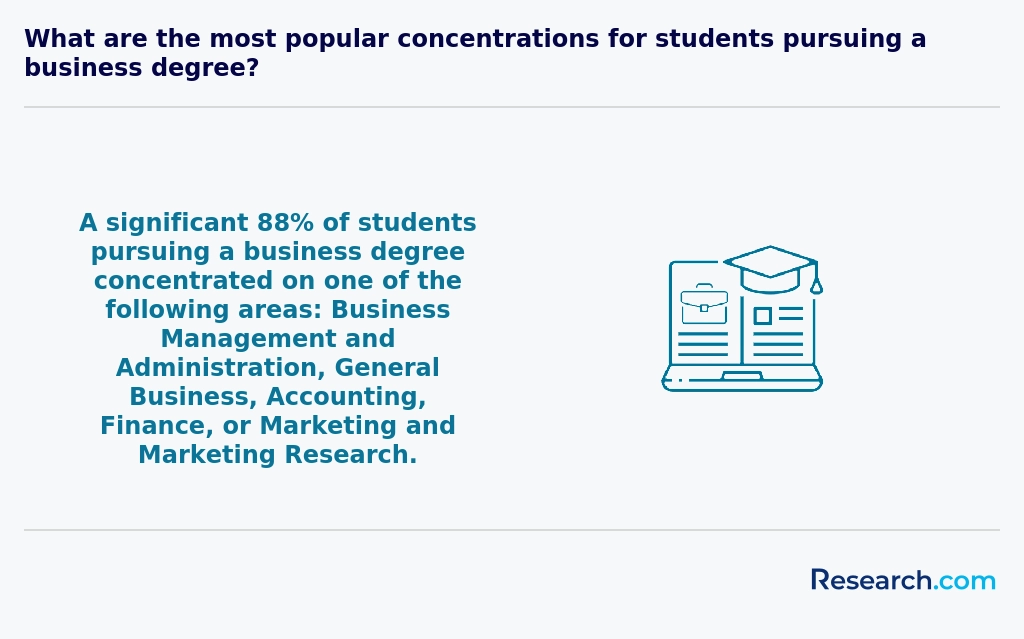
Business degree programs in Iowa typically offer a range of specializations reflecting the state's economic strengths, allowing students to align their education with real-world industry needs. Popular Iowa business majors include Accounting, Finance, Marketing, Management, Supply Chain and Logistics, and Entrepreneurship. Graduates from universities in Iowa often report feeling well-prepared for roles such as accountants who navigate complex tax regulations, or marketing professionals who thrive in the state's expanding e-commerce sector.
For example, business students at well-known colleges in Iowa find value in the Supply Chain and Logistics specialization, which directly connects with the state's agricultural and manufacturing industries. This hands-on approach helps students see how inventory management and global logistics operate on the ground, enhancing their readiness for internships and employment.
The availability of interdisciplinary options like Business Analytics also attracts students focused on data-driven decision making, highlighting the evolving nature of business education in Iowa. Many graduates emphasize how practical experiences provided through internships or cooperative education at local companies enrich their understanding beyond textbook theories. For those exploring flexible learning paths, programs such as the Best Online Business Certificates complement traditional degrees by enhancing specific skill sets aligned with these specializations.
How do you choose the best business degree in Iowa?
Choosing the best business degree programs in Iowa requires weighing factors beyond just tuition. Graduates from the University of Iowa often highlight how AACSB accreditation gave them confidence in the program's rigor and enhanced their job prospects in Iowa's competitive market. On the other hand, some graduates from more affordable regional colleges appreciate the balance between cost and curriculum relevance, especially as they pursue specialized fields like supply chain management or data analytics. Considering affordable business degrees Iowa 2027 means assessing not only price but also career services; for example, schools well-connected with Iowa's finance and agribusiness sectors tend to provide internships that turn into full-time roles.
Flexibility is another crucial element. Many students juggling work and study find value in online or hybrid courses; those interested can explore options like accelerated mba online programs, which blend speed with accessibility without compromising quality. Ultimately, reflecting on personal goals and how each program's culture aligns with your aspirations is key to making a choice that feels rewarding and practical.
What career paths are available for business degree students in Iowa?
Business degree career opportunities in Iowa are notably diverse, spanning industries such as finance, marketing, management, and human resources. Graduates from institutions like the University of Iowa or Drake University frequently share how their degree opened doors to dynamic roles in Des Moines' robust insurance and banking sectors. For example, those entering financial analysis or underwriting find competitive salaries and steady demand, yet it's important to recognize that these roles require ongoing adaptation to shifting economic conditions and regulatory changes. Similarly, marketing graduates often leverage evolving digital tools to help local manufacturing and retail companies grow their brand presence, reflecting a practical blend of classroom learning and real-world challenges.
Jobs for business graduates in Iowa don't stop there-many find fulfilling careers managing teams in agriculture-based firms or tech startups. The emphasis on leadership skills prepares students for varied responsibilities, though the balance between innovation and traditional practices can test adaptability. Human resources positions also offer meaningful paths, especially in healthcare and education settings where graduates help cultivate compliant, positive workplaces. Those exploring affordability and value in their education might consider consulting the Most Affordable Online Business Degree Programs Ranking in Missouri for related options.
What is the job market for business degree in Iowa?
The job market for business degree graduates in Iowa holds encouraging prospects, especially for those emerging from established institutions like the University of Iowa or Iowa State University. These graduates often find opportunities in sectors such as finance, manufacturing, and healthcare, with employers including Wells Fargo and John Deere actively seeking business skills for leadership and analytical roles. However, prospective students should consider that while the market shows steady growth, competition remains significant, and practical experience often sets successful candidates apart.
According to state forecasts, the employment outlook for business degree job opportunities in Iowa is solid, with a 5% growth expected in business and financial operations through 2030. Graduates report satisfaction not only from competitive starting salaries, typically ranging from $45,000 to $55,000, but also from the manageable cost of education at Iowa's public universities, where in-state tuition averages about $9,000 to $10,000 annually.
Further enhancing career potential, many graduates pursue specializations like supply chain management or financial planning, responding to industry demand. Networking through local professional associations and exploring online certifications that pay well can also bolster employment chances, making the Iowa business degree employment outlook cautiously optimistic for ambitious students.
Frequently Asked Questions About business
Business degree students in Iowa can maximize their learning experience by engaging actively in internships and cooperative education programs, which are offered by many universities across the state. These practical opportunities allow students to gain real-world experience in Iowa's diverse economy, including agriculture, manufacturing, and financial services. According to the Iowa Department of Education, nearly 65% of business students who participate in internships secure employment within six months of graduation.
Students should also take advantage of networking events hosted by local chambers of commerce and business organizations such as the Iowa Association of Business and Industry. These connections can lead to mentorships and job placements.
Finally, leveraging technology and online resources, including Iowa State University's and University of Iowa's business libraries and databases, enables students to stay current with business trends and research.
Emerging niches within the business field reflect the growing influence of technology and sustainability in Iowa's economy. One notable area is data analytics and business intelligence, where organizations increasingly rely on data to drive decisions. According to the Iowa Workforce Development, jobs in this sector have grown by over 12% in recent years. Another important niche is supply chain management, particularly due to Iowa's strong agricultural and manufacturing sectors requiring efficient logistics solutions.
Additionally, sustainable business practices are gaining traction as companies respond to environmental concerns. Fields like green marketing and corporate social responsibility offer new career paths for graduates. Finally, financial technology or fintech is expanding as Iowa's financial services companies integrate advanced software to improve operations. These emerging niches offer promising opportunities for business degree students in Iowa.
After earning a business degree in Iowa, preparing for the job market involves strategic planning and skill development. Graduates should leverage career services at their colleges, which often offer resume workshops and interview practice tailored to Iowa's economic sectors.
The Iowa Workforce Development reports that key industries like finance, insurance, and manufacturing provide nearly 40% of business-related jobs in the state. Gaining internships or work experience in these fields can significantly boost employability.
Additionally, networking through local chambers of commerce or professional organizations helps graduates connect with potential employers and stay informed about Iowa's business trends.
Keeping skills current by earning relevant certifications such as CPA or PMP is also valuable, as Iowa employers prioritize practical expertise alongside degrees.
Employers in Iowa highly value business degree graduates who demonstrate strong analytical and problem-solving skills. According to the Iowa Workforce Development, companies in the state emphasize the ability to interpret data and make strategic decisions as key qualifications.
Communication skills, both written and verbal, are also crucial. A 2023 report from the Iowa Business Council highlights that employers seek graduates who can clearly present ideas and work effectively in teams.
In addition, leadership and adaptability are prized traits, given Iowa's diverse industries from agriculture to finance. Proficiency with technology, particularly business analytics software, is increasingly requested as digital tools reshape the Iowa job market.
Finding internships in Iowa relevant to a business degree involves several practical steps. Start by exploring resources at Iowa's universities, such as the University of Iowa and Iowa State University, which often offer dedicated career services with internship listings tailored to business students. Utilize online platforms like Handshake and the Iowa Workforce Development website, which list internships across the state.
Networking is crucial; join business clubs, attend local Chamber of Commerce events, or participate in virtual career fairs to connect with employers in Iowa's strong sectors like finance, manufacturing, and agriculture business. According to the Iowa Economic Development Authority, internships in these fields are growing steadily. Early application and a well-prepared resume also improve chances significantly.
A business degree significantly enhances career mobility and advancement opportunities in Iowa. According to the U.S. Bureau of Labor Statistics, management and business occupations in Iowa are projected to grow by 6% through 2031, matching the national average. This steady growth creates demand for qualified professionals with strong business skills.
Graduates with business degrees often find greater access to leadership roles within Iowa's key industries such as finance, manufacturing, and agriculture. Employers in Iowa prioritize candidates who understand local economic conditions and possess strategic management abilities.
Furthermore, Iowa's competitive business landscape rewards credentials like an MBA or specialized bachelor's degrees. These qualifications can lead to higher salaries, with Iowa's median annual wage for business managers exceeding $95,000 as reported in 2023 by the Iowa Workforce Development department.
Studying for a business degree in Iowa equips students with skills that are valuable across multiple disciplines. Many Iowa institutions emphasize a curriculum that integrates management, economics, finance, and communication, providing a broad knowledge base. This approach prepares graduates to work in diverse roles, including marketing, supply chain, and data analysis.
Additionally, Iowa's strong agricultural and manufacturing sectors encourage collaboration between business and technical fields. The Iowa Department of Education notes that business programs often include experiential learning, internships, and projects with local companies, fostering real-world interdisciplinary problem solving.
Students gain critical thinking and teamwork skills essential for navigating complex roles in evolving industries.
Choosing between a thesis and a non-thesis business degree program in Iowa depends on your career goals and learning preferences. Thesis programs require in-depth research, suitable for students aiming for academic or research-oriented careers. Non-thesis programs focus more on practical skills and coursework, appealing to those seeking immediate entry into the business workforce.
In Iowa, universities like the University of Iowa and Iowa State offer both options, reflecting the state's diverse business environment, where sectors like finance and manufacturing value either research expertise or applied knowledge. According to the National Center for Education Statistics, 35% of Iowa business graduates choose thesis tracks, often continuing into PhD programs or consulting.
Prospective students should consider workload, time commitment, and faculty support, as thesis writing can extend program duration. Non-thesis programs typically allow faster completion and more flexibility for working professionals.
Students in Iowa seeking to study business abroad have various options through partnerships between Iowa colleges and international institutions. Many Iowa universities, such as the University of Iowa and Iowa State University, offer study abroad programs that allow business students to gain global experience while earning credits toward their degrees.
These programs often include internships, language immersion, and courses focused on international business practices. According to the Institute of International Education, participation in study abroad among U.S. business students has grown steadily, reflecting a wider trend of global business engagement.
Additionally, students may access exchange programs through organizations like the Iowa Consortium for International Education, which fosters opportunities in Europe, Asia, and Latin America. These experiences provide valuable insights into diverse markets and cross-cultural communication, key skills for business careers.
Part-time job opportunities in Iowa that complement business degree education often include roles in retail management, customer service, and administrative assistance. These positions develop skills in communication, leadership, and operations management, which are essential for business students. According to the Iowa Workforce Development data from 2023, retail trade and professional services sector jobs are among the fastest growing in the state, offering practical experience relevant to business studies.
Internships or part-time roles with Iowa-based financial institutions or small businesses can enhance understanding of finance and entrepreneurship. Many local companies seek business students for marketing and data analysis support, merging academic knowledge with real-world application.
Business students in Iowa benefit from several strong networking opportunities through universities and local organizations. Many Iowa schools, including the University of Iowa and Iowa State University, host career fairs and business networking events connecting students with regional employers. According to the Iowa Workforce Development, sectors like finance, insurance, and manufacturing are prominent, offering internships and job placements.
Iowa also has a vibrant business community with groups like the Iowa Association of Business and Industry (ABI), which regularly organizes workshops and networking events accessible to students. These platforms help students build professional connections early in their careers.
Alumni networks provide significant advantages for business degree students in Iowa by creating valuable professional connections. These networks often include graduates who have established careers within Iowa's diverse economy, spanning finance, manufacturing, and agriculture sectors. Through alumni events and online platforms, students gain access to mentorship opportunities, internships, and job openings not widely advertised. According to the Iowa Economic Development Authority, strong professional ties increase employment chances by nearly 30% in the state's competitive job market.
Additionally, alumni can offer insights into regional business trends, aiding students' understanding of local markets. Universities like the University of Iowa and Iowa State University actively foster these networks to enrich student experiences and enhance career outcomes.
Customizing a business degree program in Iowa allows students to align their education with specific career goals. Many Iowa colleges offer concentrations such as marketing, finance, entrepreneurship, or supply chain management, enabling targeted skill development. Elective courses and internships provide practical experience tailored to industries prominent in Iowa, like agriculture, manufacturing, and finance.
Students can benefit from partnerships between universities and local businesses, gaining exposure to Iowa's diverse economy. According to the Iowa Department of Workforce Development, sectors like finance and insurance employ over 60,000 people statewide, highlighting opportunities for specialization. Advisors often help students select courses and extracurricular activities that build professional networks within these fields.
Business students in Iowa often face challenges related to balancing rigorous coursework with practical experience. Many programs emphasize internships and real-world projects, which can be difficult to secure due to varying availability across the state's diverse industries. According to the Iowa College Student Aid Commission, students report that financing their education remains a significant concern, with average undergraduate debt nearing $29,000 nationally, impacting Iowa students similarly.
Another common challenge is adapting to rapidly changing business environments, especially with growing digitalization and technology demands. Access to advanced resources and networking opportunities can vary widely between institutions in urban and rural areas. These factors require students to be proactive in seeking support and development opportunities to remain competitive in Iowa's job market.
With a business degree in Iowa, students can pursue various professional certifications to enhance their career prospects. Popular options include the Certified Public Accountant (CPA) for those interested in accounting, which requires meeting education and experience standards set by the Iowa Board of Accountancy. Another widely recognized credential is the Certified Financial Planner (CFP), ideal for business graduates focusing on finance and investment.
Marketing and management graduates often consider the Project Management Professional (PMP) certification, which validates skills in leading projects. Additionally, Iowa's strong agricultural and manufacturing sectors boost demand for certifications like the Certified Supply Chain Professional (CSCP).
Obtaining these certifications can significantly improve job opportunities and salary potential in Iowa's competitive business environment.
Writing a winning application for a business program in Iowa begins with understanding the admission criteria typical to the state's universities. Many Iowa schools value strong academic records, including a competitive GPA-often above 3.0-as well as relevant coursework in mathematics and economics. Highlighting leadership experiences and extracurricular activities related to business can strengthen your application.
It is essential to clearly articulate your career goals and how the Iowa business program aligns with them. Schools like the University of Iowa and Iowa State emphasize practical skills, so demonstrating interest in internships or local business involvement can boost your profile.
Strong recommendation letters from educators or employers familiar with your business aptitude are crucial. Also, prepare a concise personal statement that reflects your motivation, showcasing awareness of Iowa's growing sectors like finance, agriculture business, or technology. According to the Iowa Department of Education, applications tailored to demonstrate local economic relevance often perform better.
A business career today is increasingly shaped by global trends that impact opportunities and challenges. For students in Iowa pursuing business degrees, understanding the international market is crucial. The U.S. Bureau of Labor Statistics projects that global trade and multinational companies will continue to expand, creating more roles in supply chain management, finance, and marketing with an international focus.
Many Iowa institutions emphasize global business strategies in their curricula to prepare graduates for this interconnected environment. According to the Iowa Economic Development Authority, Iowa exports reached over $13 billion in 2022, indicating strong engagement with global commerce.
International experience, such as internships or study abroad, also enhances employability in fields like international business, consulting, and finance. Acquiring global competencies equips students to compete effectively in a diverse workforce and dynamic economy.
Students pursuing a business degree in Iowa can gain practical experience through several effective avenues. Many Iowa universities, including the University of Iowa and Iowa State University, offer internships that connect students with local businesses, providing hands-on learning in real-world environments.
Additionally, cooperative education (co-op) programs allow students to alternate periods of academic study with paid work experience, often relevant to their field. Participation in business clubs and student-run enterprises is another way to develop skills.
According to the Iowa Department of Education, nearly 70% of business students engage in internships before graduation, boosting their employability in Iowa's growing sectors like finance and manufacturing.
Choosing the right concentration within a business degree program in Iowa begins with evaluating your career goals and interests. Popular options include finance, marketing, management, and supply chain management, reflecting Iowa's strong agricultural and manufacturing economy. According to the Iowa Workforce Development, fields like business management and financial operations show steady job growth.
Review program offerings at Iowa institutions, such as the University of Iowa or Iowa State, to find concentrations with specialized coursework and internship opportunities. Consider local industry demands: Iowa's finance sector employed over 50,000 people in 2023, highlighting finance as a strong choice.
Align concentration choices with job market trends and your skills for best long-term outcomes.
Related Business Rankings for Nearby States
- 2027 Most Popular Business Degree Programs Ranking in Minnesota
- 2027 Most Popular Business Degree Programs Ranking in Illinois
- 2027 Most Popular Business Degree Programs Ranking in Nebraska
- 2027 Most Popular Business Degree Programs Ranking in Missouri
- 2027 Most Popular Business Degree Programs Ranking in Kansas
- 2027 Most Popular Business Degree Programs Ranking in Indiana
- 2027 Most Popular Business Degree Programs Ranking in Arkansas
- 2027 Most Popular Business Degree Programs Ranking in Colorado
- 2027 Most Popular Business Degree Programs Ranking in Louisiana
- 2027 Most Popular Business Degree Programs Ranking in Alabama
Top Trending Business Rankings
See What Experts Have To Say About Studying Business
Read our interview with Business experts


David W. Stewart
Business Expert
Emeritus President's Professor of Marketing
Loyola Marymount University

Ingrid S. Greene
Business Expert
Clinical Assistant Professor of Management
Loyola Marymount University

References
- Business Administration & Management, AAS Degree - Iowa Lakes Community College https://iowalakes.edu/program/business-administration-management-aas/
- Business Study Abroad Programs | Go Overseas https://www.gooverseas.com/study-abroad/business
- The Seven Biggest Challenges Faced by Student Entrepreneurs https://venturewell.org/blog/five-biggest-challenges/
- Is a thesis always mandatory in a master's degree program? - EFMU: The Euler-Franeker Memorial University and Institute https://euler.euclid.int/is-a-thesis-always-mandatory-in-masters-degree-program/
- Part-Time Students: 9 Things You Need to Know – EU Business School https://www.euruni.edu/blog/part-time-students-9-things-you-need-to-know/
- A guide to finding an internship https://www.ipag.edu/en/blog/guide-finding-internship
- How to Write a Winning Business School Application Essay - CEA https://www.collegeessayadvisors.com/how-to-write-a-winning-business-school-application-essay/
- Do You Have to Write a Thesis for a Master's Degree? https://presenti.ai/blog/thesis-for-master-degree/
- 55 Trending Business Ideas for 2025 and Beyond https://www.uschamber.com/co/start/business-ideas/top-trending-business-ideas
- Online and Traditional Business Degrees Comparison | Free Essay Example https://studycorgi.com/online-and-traditional-business-degrees-comparison/


