
2027 Most Popular Business Degree Programs Ranking in New York

Co-Founder and Chief Data Scientist
Choosing the right business degree program can shape your future career and open doors to exciting opportunities in New York's competitive market.
This article features the 2027 Most Popular Business Degree Programs Ranking in New York, developed by the Research.com team of data scientists to guide you toward the best choices.
By exploring this ranking, you'll gain valuable insights into programs worth considering, helping you make a confident decision.
Investing in a business degree is an empowering step toward your professional growth and success.
Key benefits of getting business degree in New York
- Business degree graduates in New York can earn competitive salaries, such as a Business Analyst with a mean annual wage of $112,950 and a Business Development Executive earning about $83,190 yearly, reflecting strong financial rewards.
- Graduates from New York universities often pursue diverse career paths in industries like finance, marketing, and management, benefiting from the city's vibrant business environment and extensive networking opportunities.
- Completing a business degree online in New York offers flexibility and convenience, allowing students to balance work and study while gaining the same valuable skills and credentials as traditional programs.
- Key benefits of getting business degree in New York
- What can I expect from business degree in New York?
- Where can I work with business degree in New York?
- How much can I make with business degree in New York?
- 2027 Most Popular Business Degree Programs Ranking in New York
- Key Findings
- How long does it take to complete business degree in New York?
- Return on Investment (ROI) of Business Degrees in New York
- What's the difference between online and on-campus business degree?
- Affordability and Value of Business Degree Programs in New York
- What is the average cost of business degree in New York?
- Advanced Degrees and Certifications: Elevate Your Earning Potential
- What financial aid is available to business degree students in New York?
- What are the prerequisites for enrolling in business degree program in New York?
- What courses are typically in business degree programs in New York?
- What types of specializations are available in business degree programs in New York?
- How do you choose the best business degree in New York?
- What career paths are available for business degree students in New York?
- What is the job market for business degree in New York?
- Related Business Rankings for Nearby States
- Top Trending Business Rankings
- See What Experts Have To Say About Studying Business
What can I expect from business degree in New York?
The average cost of obtaining a business degree in New York varies significantly depending on the type of institution you choose. Graduates from SUNY campuses often recall feeling relieved by the affordability of tuition, especially as in-state students. These more accessible costs make SUNY an appealing choice for those balancing finances with academic ambitions in business. Meanwhile, graduates from private universities like NYU or Columbia acknowledge a higher financial commitment but emphasize the value they gained from extensive networking opportunities and world-class faculty, which often led to lucrative internships and careers.
Many students envision flexible financial planning options for the future, combining scholarships, part-time work, and financial aid, especially at private schools where sticker prices can be daunting. Exploring these avenues can make pursuing a business degree more feasible, even amid rising educational costs.
Looking ahead, students might expect increasing integration of digital skills and analytics into programs, potentially influencing tuition structures as schools invest in advanced technologies and experiential learning environments. This evolution ensures that paying for a degree in New York today also means investing in cutting-edge tools and a dynamic professional network.
Where can I work with business degree in New York?
Graduates with business degrees from renowned schools like NYU Stern or Columbia Business School often find themselves entering New York's thriving financial sector, where roles at major banks and investment firms feel both challenging and rewarding. Many share stories of landing internships on Wall Street that developed their confidence and expanded their networks, fueling exciting career trajectories in investment banking and asset management.
Others discover opportunities in healthcare administration, especially as New York's healthcare systems increasingly rely on savvy management to innovate and grow. Graduates from institutions such as Baruch College describe working closely with hospital teams to streamline operations-an experience they find fulfilling as they contribute to community well-being.
Beyond traditional paths, business students are drawn to New York's dynamic startup ecosystems. At places like Cornell Tech, alumni leverage entrepreneurial skills to launch ventures, tapping into incubators that connect them with investors passionate about fostering innovation in tech and creative industries.
In each sector, graduates highlight the excitement of shaping New York's economic future, embracing roles in government or nonprofits where their strategic thinking drives meaningful social impact and policy advancements.
How much can I make with business degree in New York?
Graduates from business programs at popular New York institutions often discover promising salary prospects soon after completing their degrees. For instance, a Business Development Executive in New York earns a mean annual wage of around $83,190, offering a solid foundation for those entering the competitive business landscape. Business Analysts, another common career path, typically see even higher earnings, averaging about $112,950 per year, reflecting the increasing demand for data-driven decision-makers.
Recent graduates from well-known New York schools have shared how internships and connections made in metropolitan areas like Manhattan fast-track their opportunities to roles with substantial pay. Imagine starting your career with an average wage near $80,000 and quickly progressing as you gain experience or earn certifications. These financial outcomes fuel motivation and reinforce the value of their business education.
Looking ahead, as industries evolve with technology and globalization, business graduates in New York are likely to benefit from expanding roles that reward skills in analytics, strategic planning, and leadership. Salaries are expected to rise, especially for those combining their degrees with professional credentials or MBA programs, continuing the trend of lucrative compensation in this vibrant market.
2027 Most Popular Business Degree Programs Ranking in New York
How do we rank schools?
Investing in your education is a significant decision that can shape your future, and the Research.com team understands the importance of making informed choices. To assist prospective students, we have meticulously developed the "2027 Most Popular Business Degree Programs Ranking in New York." Our dedication to quality, credibility, and accuracy is demonstrated through thorough research and careful analysis conducted to compile this ranking.
We utilized the following reputable data sources to ensure a comprehensive evaluation of business degree programs:
By exploring this ranking, readers will gain valuable insights into the most popular and reputable business degree programs in New York, empowering them to make well-informed decisions regarding their educational and professional futures. For more information on how this ranking was created, please visit our Research.com methodology page.


Key Findings
- Public universities in New York charge approximately $10,000 to $15,000 per year for in-state business students, while private schools may exceed $50,000 annually.
- Starting salaries for business graduates range from $55,000 to $70,000 per year, with experienced professionals often earning six figures.
- New York hosts many Fortune 500 headquarters, financial institutions, and startups, creating diverse job opportunities in finance, insurance, real estate, and professional services.
- Business programs in New York often provide strong internship opportunities and are accredited by bodies like AACSB, boosting their value to employers.
- Statewide growth in business jobs is expected to continue due to expansion in the service economy and advances in business technology.
How long does it take to complete business degree in New York?
Completing a business degree in New York often ranges from two to four years, influenced by program type and enrollment pace. Graduates from well-known schools like New York University and Baruch College frequently share that full-time bachelor's programs typically take four years, yet many feel empowered by accelerated options cutting this down to three years-making early career entry possible.
Associate degree holders from community colleges relish the roughly two-year commitment, appreciating how quickly they gained practical skills and joined the workforce. Meanwhile, MBA candidates balance ambition and flexibility: some finish in two years full-time, while others, juggling work, stretch their studies up to three years through part-time or executive programs. These varied paths reflect a responsive education landscape addressing diverse lifestyles.
Students often find motivation in stories of peers who leveraged prior credits or fast-track formats to shorten their journey. Taking classes online or in hybrid setups, as seen at schools across New York, also fuels optimistic expectations, blending convenience with robust learning-transforming how long business education truly takes.
Return on Investment (ROI) of Business Degrees in New York
Investing in a Business degree is about more than just tuition-it’s about weighing upfront costs against long-term earning potential. With average total tuition for a bachelor’s program ranging from $12,600 to $13,100 and median starting salaries around $65,000–$70,000, graduates often recoup their educational investment within two to three years of full-time work. When you factor in typical living expenses in New York City, the projected break-even period remains competitive compared to other metropolitan areas, thanks to the strong demand for business professionals and high entry-level wages. Specializations further influence ROI: finance and business analytics graduates, for instance, command median salaries exceeding $80,000, reducing their payback window by up to six months compared to general management majors. Meanwhile, online or hybrid programs can lower overall costs by up to 20%, allowing students to balance work and study without sacrificing income. Comparing on-campus fees with digital-only formats helps prospective students optimize both learning experience and financial outcomes. For those prioritizing affordability without compromising quality, exploring nationwide options can also enhance ROI. For example, our Inexpensive Online Business Degree Programs Ranking in Minnesota highlights programs with lower tuition, flexible schedules, and strong post-graduation support-key factors in ensuring that your career earnings quickly outweigh educational expenses.
What's the difference between online and on-campus business degree?
Graduates from business programs at institutions like New York University and Baruch College often describe on-campus learning as an energizing experience, filled with lively debates and spontaneous collaboration during group projects. The face-to-face interaction with professors and peers creates a sense of community that many find motivating and supportive. Attending career fairs on campus opens doors to local internships in Manhattan's financial district, offering invaluable networking opportunities that fuel both confidence and career growth.
Conversely, students opting for online business degrees at schools like Fordham or Pace enjoy the freedom to balance studies with jobs or family life. They emphasize the flexibility of accessing lectures and assignments anytime, which reduces stress and allows learning at their own pace. Although virtual networking can feel less immediate, many online learners find that hybrid events and digital platforms increasingly bridge this gap, offering meaningful connections without sacrificing convenience.
Looking ahead, the rise of hybrid models in New York business schools suggests a future where students can customize their education to blend rich in-person engagement with the adaptability of online learning, creating a balanced path toward success.
Affordability and Value of Business Degree Programs in New York
. When considering a business degree program in New York, one crucial factor to weigh is the affordability and value of the program. Prospective students should research the cost of tuition, fees, and other expenses, as well as the potential return on investment in terms of career opportunities and salary potential. For those looking for affordable options, checking out the cheapest business schools in New York can be a valuable step in finding a program that fits their budget and meets their academic and professional goals. By understanding the financial aspects of business degree programs, students can make informed decisions about their education and career paths, ultimately leading to a more successful and fulfilling professional life.
What is the average cost of business degree in New York?
The average cost of a business degree in New York varies significantly depending on whether students attend public or private institutions, with the median total cost around $49,724. Graduates from public universities, such as those in the SUNY system, often find their total expenses closer to $34,360 when benefiting from in-state tuition and fees. These programs provide accessible options for many New York residents seeking quality education without overwhelming debt.
Many students pursuing business degrees in private schools, including prestigious names like New York University or Columbia University, face higher total expenses that align with the median total cost. These costs reflect tuition, fees, and living expenses in New York City's vibrant but costly environment. Past graduates frequently recall balancing intensive coursework with networking events in Manhattan, describing the investment as challenging but rewarding when landing prime internships or full-time roles in business hubs.
As the market evolves, prospective students must consider not just tuition but the total expenses for business degree New York 2027 might bring-including housing, transportation, and supplies. Those exploring their options may find value in researching the cheapest business schools in New York to manage financial commitments while pursuing their ambitions. For many, this balance shapes a fulfilling and hopeful academic journey.

Advanced Degrees and Certifications: Elevate Your Earning Potential
One of the most effective ways to maximize your return on investment after earning a business degree in New York is by pursuing an advanced credential. Graduates who build on their bachelor’s education with a master’s often report significant salary jumps and greater leadership opportunities. If you’re considering the next step, explore our guide to master’s in business programs with the highest salaries to identify the right fit for your career goals. Key benefits of advanced business credentials:
- Enhanced Expertise: Specializations such as finance analytics, strategic management, or digital marketing deepen your skill set and boost your marketability.
- Leadership Readiness: Many master’s and professional certificates include capstone projects or internships that mirror real-world challenges, giving you hands-on experience before you graduate.
- Networking and Mentorship: Graduate programs in New York often feature alumni panels, corporate partnerships, and industry events, connecting you directly with hiring managers.
- Higher Salary Potential: Data shows that graduates with a relevant master’s degree can see salary increases of 20–50% compared to their bachelor’s-only peers. Popular certifications to consider: • Certified Business Analysis Professional (CBAP) • Project Management Professional (PMP) • Chartered Financial Analyst (CFA) Before enrolling, assess program accreditation, faculty expertise, and the availability of experiential learning opportunities. Align your choice with long-term ambitions-whether that’s heading a global consulting firm, launching a startup, or driving digital transformation in a Fortune 500 company. By strategically adding an advanced degree or certification to your résumé, you’ll not only stand out in New York’s competitive job market but also position yourself for sustained career growth.
What financial aid is available to business degree students in New York?
Students pursuing business degrees in New York often find federal and state aid to be a crucial financial foundation. Imagine a graduate from SUNY who maximized the Pell Grant's $7,395 to ease their tuition burden, while also gaining valuable experience through a Federal Work-Study job closely tied to their finance coursework. This combination not only lightened their expenses but built resume-ready skills.
At institutions like NYU Stern, merit scholarships frequently reward leadership and academic excellence, allowing many business students to feel a deep sense of relief and motivation. A recent CUNY graduate reflected on how the Excelsior Scholarship, covering full tuition for families earning under $125,000, transformed what seemed like an unattainable dream into an achievable reality.
Looking forward, more schools may expand partnerships with employers, enabling part-time students to benefit from tuition reimbursement programs while actively working in their fields. This trend could empower future business students to balance work and study seamlessly, fostering financial independence and confidence throughout their education.
What are the prerequisites for enrolling in business degree program in New York?
Enrolling in a business degree program in New York often starts with foundational prerequisites that prepare students for academic success. Graduates from schools like Baruch College or NYU recall that completing a high school curriculum rich in math, English, and social studies was crucial, shaping their critical thinking skills right from the outset.
Looking ahead, expect these requirements to evolve as institutions place more value on diverse experiences. Current students highlight how submitting standardized test scores such as the SAT or ACT remains common but anticipate a rise in test-optional policies reflecting a more holistic approach to admissions.
Practical components like compelling personal statements and letters of recommendation are frequently stressed, helping applicants convey passion and fit for business studies. MBA hopefuls in New York often share that two to five years of work experience and competitive GMAT or GRE scores have been key, though emerging trends suggest that real-world problem-solving skills might soon weigh even more heavily.
International candidates emphasize the importance of English proficiency tests like TOEFL or IELTS to thrive in the city's dynamic business environment, a step expected to remain essential as New York continues to welcome global talent.
What courses are typically in business degree programs in New York?
Business degree programs in New York typically include core courses such as Principles of Management, Financial Accounting, Marketing Fundamentals, Business Law, and Economics. Graduates from institutions like CUNY often recall how these foundational classes provided essential insights, from mastering organizational behavior to understanding the economic forces shaping markets. These courses are designed not only to teach theory but to connect directly to New York's energetic business scene.
Looking forward, students at schools like NYU are experiencing a surge in electives focused on emerging areas such as Data Analytics, Corporate Finance, and International Business. Many find excitement in applying data-driven strategies to real-world problems in internships throughout Manhattan's financial district. This practical approach cultivates skills needed to navigate global markets and complex supply chains.
Entrepreneurship courses encourage innovation by inviting students to develop start-up ideas, fostering a hands-on environment where creativity meets strategic planning. These programs blend rigorous academics with New York's dynamic economy, making the learning journey feel relevant and inspiring.
What types of specializations are available in business degree programs in New York?
New York's business degree specializations offer a dynamic blend of traditional and emerging fields that reflect the city's unique economic landscape. Graduates from renowned colleges frequently praise the finance track, which immerses them in the fast-paced world of Wall Street and investment firms, cultivating confidence and real-world skills. Meanwhile, marketing specializations harness the city's digital media and fashion industries, giving students hands-on internships that feel both exciting and directly relevant to today's brand-driven economy.
Entrepreneurship is gaining traction as a specialization, inspiring students to innovate within New York's vibrant startup ecosystem. The ability to craft viable business plans and manage venture capital prepares graduates to thrive amid stiff competition and seize emerging opportunities. When exploring New York business degree program options, many also gravitate towards supply chain management or international business, disciplines rooted in the city's global trade connections and multicultural network.
For more detailed program choices that blend these trends, many prospective students consult Degrees in Business Management, enabling tailored paths aligned with both passion and market demand.
How do you choose the best business degree in New York?
Choosing the best business degree in New York often means balancing your career ambitions with the unique opportunities the city offers. Graduates from top schools like NYU Stern or Columbia often share how crucial it was to select programs that not only hold AACSB accreditation but also connect them to the city's finance and consulting hubs. Many find that aligning their studies with local industry clusters-like marketing in Brooklyn or tech startups in Queens-greatly enhances networking and hands-on experiences.
Affordability also weighs heavily in these decisions. With costs ranging widely, prospective students increasingly seek out affordable business schools New York 2027 to optimize value without sacrificing quality. Flexible programs, including part-time or evening classes, appeal to those juggling work and education, allowing them to immerse themselves fully in real-world projects and internships across New York's competitive market.
In addition, graduates often emphasize the importance of researching employment outcomes and alumni success. Those aiming high might explore master's in business programs with the highest salaries to future-proof their investment and position themselves for emerging roles in the city's evolving economy.
What career paths are available for business degree students in New York?
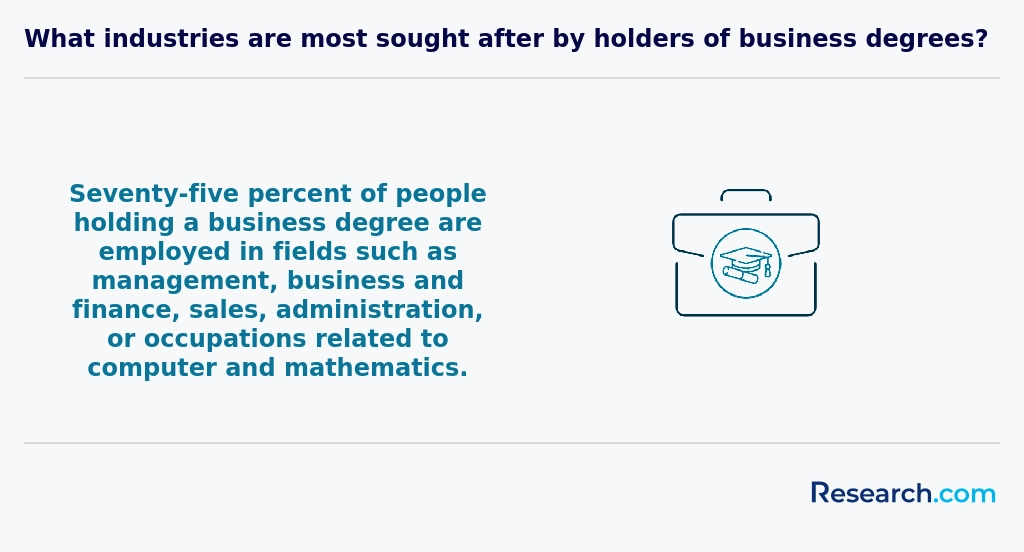
Graduates with a business degree in New York have a remarkable array of career paths ahead, thanks to the city's dynamic economy. Many find success in the finance sector, leveraging their education to secure roles as financial analysts, investment bankers, or portfolio managers in Wall Street firms. These roles often come with competitive salaries and fast-growing skill demands. Business students from top New York universities frequently share how their internships with financial firms shaped their confident entry into this bustling industry, underscoring the state's status as a leading hub for business degree career opportunities in New York.
Others explore emerging roles in marketing, sales, and digital media, tapping into New York's vibrant advertising scene. Graduates often describe the thrill of working on brand campaigns that make real impact, propelled by the city's creative energy. Management and consulting remain staple career paths, where analytical and leadership skills are prized across sectors, from startups to multinational corporations.
Entrepreneurship also flourishes, supported by robust incubators and accelerators connected to New York's business colleges. Many business degree holders pursue innovation in technology or green energy, energized by the city's progressive outlook. For those seeking affordable study options before launching their career, the Inexpensive Online Business Degree Programs Ranking in Minnesota offers insight into cost-effective alternatives beyond New York's often high tuition rates.
With thriving industries like finance, marketing, management, and entrepreneurship, the future looks bright for business degree career opportunities in New York.
What is the job market for business degree in New York?
The job market for business degree holders in New York continues to evolve with strong opportunities across finance, healthcare, and technology sectors. Graduates from prominent New York universities often find themselves stepping into roles where skills in data analysis and digital marketing are highly valued. This dynamic environment encourages continuous learning, and many successful alumni share how internships in the city's bustling financial district propelled their careers forward, reflecting the promising business degree job outlook New York offers.
Business students at institutions like CUNY and other local colleges experience firsthand the competitive edge of New York's diverse economy. Many report that participation in real-world projects and networking events opens doors in consulting firms and investment banks. With in-state tuition around $7,000 at public schools and higher costs at private colleges, students often weigh these expenses carefully against the strong employment opportunities available immediately after graduation.
Looking ahead, New York's landscape is ripe with potential for graduates who adapt to shifts in global markets and emerging technologies. Exploring top 6-month associate degree programs online can also complement career paths, providing rapid skill acquisition that employers eagerly seek in this competitive market.
Frequently Asked Questions About business
Business degree students in New York can maximize their learning experience by engaging with the city's strong network of industries. New York hosts over 200,000 business establishments, offering abundant internship and networking opportunities, especially in finance, marketing, and entrepreneurship. According to the U.S. Bureau of Labor Statistics, internships increase employment chances by nearly 60%. Leveraging resources at universities, such as career centers and alumni networks, also significantly benefits students. Participating in case competitions, student organizations, and seminars can further develop practical skills. Additionally, students should consider programs that connect coursework with real-world business challenges to enhance employability in this competitive market.
The business field is evolving rapidly, and several emerging niches are gaining popularity in New York's higher education landscape. One key area is sustainable business, where students learn how to integrate environmental and social governance (ESG) principles into corporate strategy. Demand for experts in this field is rising as New York companies focus more on sustainability, supported by 2023 data from the New York State Department of Labor.
Another growing niche is data analytics and business intelligence. Graduates skilled in analyzing big data to improve decision-making are highly sought after, particularly in New York's financial and tech sectors.
Additionally, fintech has become prominent due to the city's role as a global finance hub. Business programs increasingly offer courses blending finance with technology innovation, preparing students for future opportunities in digital payment systems and blockchain applications.
Graduates with business degrees in New York can boost their job prospects by gaining practical experience through internships. According to the National Association of Colleges and Employers, 70% of employers prefer candidates with internship experience. New York's strong financial, tech, and marketing sectors offer many opportunities for such roles.
Networking is essential. Joining local business associations like the New York City Economic Development Corporation or attending career fairs increases connections with potential employers. Additionally, skills in data analysis, digital marketing, and financial modeling are in high demand, as reported by the New York State Department of Labor.
Soft skills such as communication and teamwork are also critical in this competitive market. Developing a polished resume and an effective LinkedIn profile helps facilitate employer outreach.
Employers in New York highly value business degree graduates with strong analytical skills. With the city's diverse economy, the ability to interpret data and make strategic decisions is essential. According to the New York State Department of Labor, demand for data analysis skills in finance and marketing roles has increased by 15% in recent years.
Effective communication is another critical skill. Business professionals must collaborate across multicultural teams and clearly present their ideas.
Additionally, proficiency in digital tools like Excel and CRM software is frequently requested, as many companies in New York emphasize technology-driven business solutions.
Leadership and adaptability are also important due to the fast-paced and competitive nature of New York's business environment.
Finding internships in New York relevant to a business degree involves leveraging multiple resources. Many universities, such as NYU and Columbia, offer dedicated career centers that connect students with local companies. New York hosts over 200,000 businesses in sectors like finance, marketing, and tech, creating diverse internship opportunities.
Online platforms like Handshake and LinkedIn are widely used by students to search and apply for internships. Additionally, networking events and industry-specific job fairs in the city provide direct contact with employers.
The New York State Department of Labor reports that internships significantly increase the chances of securing full-time work after graduation, especially in competitive markets like business.
In New York, a business degree significantly enhances career mobility and advancement due to the state's diverse economy and concentration of industries like finance, technology, and media. According to the U.S. Bureau of Labor Statistics, professionals with a bachelor's in business often experience faster employment growth, especially in metropolitan areas such as New York City.
Employers in New York value business graduates for their skills in management, analytics, and communication, which are critical for leadership roles. Additionally, a business degree provides networking opportunities that can open doors to new industries and higher-paying positions.
Studying for a business degree in New York equips students with skills that transcend traditional business functions, preparing them for interdisciplinary roles. New York's diverse economy, which includes finance, technology, media, and healthcare sectors, encourages programs to integrate knowledge from multiple fields. According to the National Center for Education Statistics, many universities in New York offer dual majors and minors combining business with data analytics, communications, or computer science.
This interdisciplinary approach enhances critical thinking and problem-solving skills essential in complex business environments. Courses often include case studies reflecting challenges across industries, helping students adapt to varied professional roles.
When choosing between a thesis and a non-thesis business degree program in New York, consider your career goals and learning preferences. A thesis program focuses on original research and is ideal for those interested in academic, consulting, or specialized analytical roles. It typically requires 6-12 months to complete the research and writing phase.
Non-thesis programs emphasize practical skills through coursework and internships. They often appeal to professionals aiming for managerial or operational positions in New York's diverse business sectors, including finance, tech, and entrepreneurship.
According to the National Center for Education Statistics, many New York institutions offer both options, with roughly 40% of master's business students opting for non-thesis tracks to enter the workforce more quickly.
Students based in New York interested in studying business abroad have several opportunities through exchange programs and partnerships offered by their home institutions. Many New York universities, including those with top-ranked business schools like NYU Stern or Columbia Business School, maintain affiliations with international universities, enabling students to spend a semester or year overseas while earning credits toward their degree.
According to the Institute of International Education's 2023 Open Doors report, more than 10,000 U.S. business students studied abroad, with a growing number coming from New York institutions. Popular destinations include the United Kingdom, Spain, and China, where students gain exposure to global business practices.
Additionally, students can pursue joint or dual degree programs that combine U.S. and foreign qualifications. These programs often enhance employability by offering international perspectives and networks highly valued in New York's diverse business environment.
Students pursuing business degrees in New York can benefit greatly from part-time jobs that align with their academic goals. Popular opportunities include roles in financial services, retail management, and marketing support, which provide practical skills applicable to business coursework.
New York City, as a global financial hub, offers numerous internships and entry-level roles in banks and investment firms. According to the Bureau of Labor Statistics, the financial activities sector in NYC employed over 300,000 people in 2023, reflecting strong demand for business-savvy workers.
Additionally, part-time work in startups and small businesses can enhance experience in entrepreneurship and project management. Many institutions, such as the New York Department of Labor, highlight that practical work experience significantly increases employability for business graduates in the city.
New York offers abundant networking opportunities for business students due to its role as a global financial and commercial center. Many top universities in the state host regular events featuring industry leaders, entrepreneurs, and alumni. For example, New York City alone reports over 200,000 jobs in finance and related sectors, providing students access to influential professionals (Bureau of Labor Statistics, 2023).
Student organizations and business clubs frequently organize conferences, mentorship programs, and workshops. These platforms allow students to build connections that can lead to internships and job placements. Additionally, New York's numerous industry conferences and trade shows offer further chances to interact with experts across various business fields.
The city's diverse business environment encourages collaborations between students and startups, investment firms, and multinational corporations, enriching practical learning experiences. Professional networking platforms like the New York Business Networking Group also support student engagement outside campus.
Alumni networks offer significant advantages to business degree students in New York by connecting them to a wide range of professionals across various industries. In a competitive market like New York City, these networks provide access to mentorship opportunities, internships, and job placements, helping graduates navigate complex career paths.
According to the National Association of Colleges and Employers, over 70% of graduates find jobs through personal connections, highlighting the value of strong alumni ties. Many New York business schools maintain active alumni groups that host networking events and industry panels, promoting career growth and lifelong learning.
Additionally, alumni networks often facilitate access to exclusive resources such as workshops and company visits. For students in New York's financial, tech, or marketing sectors, these connections can be crucial in securing competitive roles and staying updated on market trends.
Customizing a business degree program in New York allows students to align their education with specific career objectives. Many New York institutions offer concentrations such as finance, marketing, or entrepreneurship, enabling learners to specialize according to industry demands. For example, New York's finance sector, concentrated in Manhattan, accounts for over 10% of state employment in finance and insurance, according to the New York State Department of Labor (2023). Students can also tailor their coursework through electives, internships, and cooperative education programs, providing practical experience relevant to their goals.
Additionally, networking opportunities in New York's diverse business environment support career advancement and specialization.
Business students in New York face several typical challenges during their studies. One major hurdle is the high cost of living and tuition fees, which can significantly increase financial pressure. According to the College Board, average annual tuition for New York state public universities is about $8,000, but private institutions may charge over $50,000.
Another challenge lies in intense competition for internships and job placements in New York's crowded market, especially in finance and tech sectors. Balancing demanding coursework alongside networking and professional development also tests students' time management skills. Additionally, students must navigate rapidly changing business environments, requiring adaptable skill sets.
With a business degree in New York, you can pursue several professional certifications to enhance your career prospects. Popular options include the Certified Public Accountant (CPA) license, essential for accounting professionals, especially in New York where financial services play a significant role. Another widely recognized certification is the Project Management Professional (PMP), valuable across industries for managing complex projects.
Many graduates also consider the Certified Financial Planner (CFP) credential, which is crucial for careers in financial advising, a growing sector in New York City. Additionally, the Chartered Financial Analyst (CFA) is respected in investment banking and asset management fields, prominent within New York's financial hub. These certifications often require a combination of exams, experience, and continuing education.
Writing a winning application for a business program in New York begins with strong academic credentials. Most competitive programs expect a minimum GPA of 3.0, though top schools often look for higher. Standardized tests like the GMAT or GRE remain important for graduate applications; recent data from the Graduate Management Admission Council shows an average GMAT score around 700 for New York's leading programs.
Next, craft a compelling personal statement. Highlight your career goals and how the program connects to New York's dynamic business environment, particularly industries like finance and technology. Be specific about how you plan to leverage local opportunities.
Letters of recommendation should come from professionals or professors familiar with your work ethic and potential. Demonstrating leadership and relevant experience can distinguish your application in a competitive field.
The global perspective on a business career increasingly emphasizes adaptability and cross-cultural skills. For students in New York, this outlook is vital due to the city's role as a major international financial hub. According to the New York State Department of Labor, the region supports over 300,000 business and financial operations jobs, with strong ties to markets in Europe, Asia, and Latin America.
U.S. business programs often integrate global case studies, preparing graduates for diverse environments. Additionally, New York's universities frequently offer study abroad opportunities and partnerships with institutions worldwide, reflecting the global demand for business professionals who understand international trade, finance, and regulations.
As globalization continues, a business degree from New York provides access to networks and experiences that align with worldwide business trends and challenges.
Gaining practical experience while studying for a business degree in New York is highly achievable through various opportunities. Many universities offer cooperative education programs, or co-ops, that combine classroom learning with paid internships. For example, New York University's Stern School of Business boasts strong ties with Wall Street firms, providing students with valuable internships.
Additionally, students can leverage the city's vast network of startups and corporations for part-time roles or project collaborations. According to the New York State Department of Labor, internships in business fields increased by 12% from 2020 to 2023.
Participating in business competitions and joining student consulting groups are other practical ways to apply theory in real-world settings.
Choosing the right concentration within a business degree program in New York involves understanding your career goals and the local market. Popular concentrations include finance, marketing, management, and entrepreneurship, reflecting New York's role as a global financial and business hub. According to the New York State Department of Labor, finance and business operations jobs are projected to grow by 6% through 2028, emphasizing demand for related skills.
Students should consider which industries in New York align with their interests, such as Wall Street for finance or media companies for marketing. Internships and networking opportunities available through New York schools also play a key role in concentration decisions.
Related Business Rankings for Nearby States
- 2027 Most Popular Business Degree Programs Ranking in Connecticut
- 2027 Most Popular Business Degree Programs Ranking in Delaware
- 2027 Most Popular Business Degree Programs Ranking in Maryland
- 2027 Most Popular Business Degree Programs Ranking in Maine
- 2027 Most Popular Business Degree Programs Ranking in Indiana
- 2027 Most Popular Business Degree Programs Ranking in Georgia
- 2027 Most Popular Business Degree Programs Ranking in Illinois
- 2027 Most Popular Business Degree Programs Ranking in Florida
- 2027 Most Popular Business Degree Programs Ranking in Alabama
- 2027 Most Popular Business Degree Programs Ranking in Missouri
Top Trending Business Rankings
See What Experts Have To Say About Studying Business
Read our interview with Business experts

David W. Stewart
Business Expert
Emeritus President's Professor of Marketing
Loyola Marymount University


David Souder
Business Expert
Senior Associate Dean for Faculty and Research
Michigan State University

References
- 2024 Best Business Schools | How Alumni Rate Their Undergraduate Business Degrees https://poetsandquantsforundergrads.com/news/best-business-schools-alumni-rate-undergraduate-business-degrees/5/
- Business degree: What to study and how to find a job https://brive.com/blog/studies/business-degree-guide-to-study-and-find-a-job/
- Business Administration Degree Salary | UE Amsterdam https://www.ue-amsterdam.com/blog/business-administration-degree-salary-how-much-can-you-earn
- Enterprise project challenge https://barclayslifeskills.com/help-others/lessons/enterprise-project-challenge/
- Online and Traditional Business Degrees Comparison | Free Essay Example https://studycorgi.com/online-and-traditional-business-degrees-comparison/
- How to Use Your MBA for Career Growth While You’re Still Studying - International Career Institute USA https://icieducation.com/blog/how-to-use-your-mba-for-career-growth-while-youre-still-studying/
- Is a thesis always mandatory in a master's degree program? - EFMU: The Euler-Franeker Memorial University and Institute https://euler.euclid.int/is-a-thesis-always-mandatory-in-masters-degree-program/
- Undergraduate Programs | O'Malley School of Business https://manhattan.edu/academics/business/programs/undergraduate
- Professional Business Certifications to Boost Your Career in 2025 https://www.business.com/articles/best-business-certifications/
- facebook https://www.ienyc.edu/applying-to-ienyc/tuition-and-financial-aid/


