2027 Most Popular Business Degree Programs Ranking in South Carolina

Co-Founder and Chief Data Scientist
Choosing the right business degree program is a big step for students in South Carolina. This article introduces the 2027 Most Popular Business Degree Programs Ranking in South Carolina, thoughtfully created by the Research.com team of data scientists.
By exploring this ranking, you'll gain clear insight into which programs stand out, helping you make a confident, informed decision about your education. A business degree opens doors to exciting career paths and personal growth, making your future full of possibilities.
Read on to discover options tailored to your goals and set yourself up for success.
Key benefits of getting business degree in South Carolina
- Salary for business degree graduates: Graduates in South Carolina can expect competitive salaries, such as a Business Development Executive earning around $83,190 annually and a Business Analyst making approximately $112,950 per year, reflecting strong earning potential.
- Potential career paths: A business degree opens doors to diverse roles like marketing, finance, and management, exemplified by graduates from the University of South Carolina who find rewarding opportunities in various industries statewide.
- Benefits of online business degrees: Earning a business degree online, like from Clemson University's virtual programs, offers flexibility to balance work and study while still gaining valuable skills and networking options similar to traditional degrees.
- Key benefits of getting business degree in South Carolina
- What can I expect from business degree in South Carolina?
- Where can I work with business degree in South Carolina?
- How much can I make with business degree in South Carolina?
- 2027 Most Popular Business Degree Programs Ranking in South Carolina
- Key Findings
- How long does it take to complete business degree in South Carolina?
- Professional Certifications and Continuing Education: A Pathway to Career Advancement
- What's the difference between online and on-campus business degree?
- What is the average cost of business degree in South Carolina?
- The Importance of Accreditation in Business Education
- What financial aid is available to business degree students in South Carolina?
- Accelerated Online MBA Programs: Fast-Track Your Business Career
- What are the prerequisites for enrolling in business degree program in South Carolina?
- Return on Investment: Evaluating the Value of Business Degrees in South Carolina
- What courses are typically in business degree programs in South Carolina?
- What types of specializations are available in business degree programs in South Carolina?
- How do you choose the best business degree in South Carolina?
- What career paths are available for business degree students in South Carolina?
- What is the job market for business degree in South Carolina?
- Related Business Rankings for Nearby States
- Top Trending Business Rankings
- See What Experts Have To Say About Studying Business
What can I expect from business degree in South Carolina?
The average cost of earning a business degree in South Carolina varies significantly between public and private institutions. For in-state students, public schools such as the University of South Carolina's Darla Moore School of Business typically charge tuition rates ranging from $13,000 to $18,000 per year. Graduates often reflect positively on this investment, highlighting the combination of affordable tuition and strong connections to local industries like BMW and Boeing as key benefits. These opportunities frequently lead to internships that enrich classroom learning with practical experience.
Private colleges in South Carolina offer business programs as well, but tuition can range upwards of $30,000 annually. Despite the higher cost, students report feeling supported through tailored scholarships and financial aid packages designed specifically for business majors. These financial resources help mitigate expenses, allowing students to focus on developing skills in areas such as supply chain management and digital marketing, fields that are in high demand locally and nationally.
Where can I work with business degree in South Carolina?
Graduates with a business degree in South Carolina frequently find opportunities across key sectors such as finance, manufacturing, healthcare, and logistics. For example, business students from the University of South Carolina often secure roles as financial analysts or business consultants in Charleston's vibrant financial services industry, where banking and insurance companies drive much of the local economy.
Manufacturing giants like BMW and Boeing offer recent graduates from Clemson University hands-on roles in supply chain management and operations, enabling them to directly impact production efficiency. Similarly, healthcare administration positions are abundant for graduates from institutions such as the Medical University of South Carolina, where managing compliance and financial operations in hospitals is a growing need.
Logistics and transportation management jobs are prominent near major ports like Charleston, benefiting graduates eager to work in transportation or business development. Many graduates express enthusiasm about South Carolina's entrepreneurial resources, including SCORE chapters, which help transform academic knowledge into thriving startups.
How much can I make with business degree in South Carolina?
Graduates from business programs at institutions like the University of South Carolina and Clemson University often enter the workforce with promising salary prospects. For example, business development executives in South Carolina earn a mean annual wage of approximately $83,190, reflecting solid entry points for those starting their careers. Graduates pursuing roles as business analysts can expect higher earnings, with a mean annual wage around $112,950, signaling strong demand for analytical skills in the regional market.
These salaries align with the experiences shared by many recent graduates who find opportunities in vibrant metropolitan areas such as Columbia and Charleston. The ability to translate classroom knowledge into real-world business strategy often drives confidence and optimism among new professionals entering the field.
The typical hourly wage for a business development executive stands at $40.00, while business analysts earn roughly $54.30 per hour. This income potential supports a comfortable lifestyle in South Carolina's relatively lower cost-of-living environment, making it an attractive option for ambitious students seeking both career growth and financial stability.
2027 Most Popular Business Degree Programs Ranking in South Carolina
How do we rank schools?
Investing in your education is a significant decision that can shape your future, and the Research.com team understands the importance of making informed choices. To assist prospective students in South Carolina, we have meticulously crafted the "2027 Most Popular Business Degree Programs Ranking in South Carolina." Our commitment to quality, credibility, and accuracy is reflected in the extensive research and analysis conducted to compile this ranking.
We utilized the following reputable data sources to ensure a comprehensive evaluation of business degree programs:
By exploring this ranking, readers will gain valuable insights into the most popular business degree programs offered in South Carolina, enabling them to make confident and well-informed decisions about their educational paths. For more details on how this ranking was created, please visit our Research.com methodology page.


Key Findings
- In-state tuition for business degrees at public universities in South Carolina ranges from $10,000 to $14,000 per year, while out-of-state tuition is between $25,000 and $30,000 annually.
- Entry-level salaries for business graduates typically start between $45,000 and $55,000 per year depending on specialization and local demand.
- Mid-career salaries for business professionals in South Carolina range from $75,000 to $90,000 annually, reflecting strong growth opportunities.
- The business job market in South Carolina is expected to grow at or slightly above the national average, supported by sectors like manufacturing, healthcare, finance, and technology.
- Many South Carolina business programs incorporate internships and co-op education to provide practical experience and improve job prospects.
- Institutions frequently offer networking events and career services specifically for business students to help connect with local employers.
How long does it take to complete business degree in South Carolina?
Completing a business degree in South Carolina typically takes around four years for full-time bachelor's students, aligning with the state's major universities like Clemson University and the University of South Carolina. Graduates often recall balancing foundational courses in finance, marketing, and management alongside internships that helped accelerate their career readiness.
Associate degrees in business offered by institutions such as Greenville Technical College generally require about two years of study, appealing to those eager to enter the workforce sooner or build a pathway toward a bachelor's degree.
Graduate business degrees, including MBAs from South Carolina's prominent schools, usually span one to two years, with some accelerated programs reducing this to 12-18 months. This flexibility enables working professionals to advance without sacrificing income, a common positive highlight noted by alumni at schools like Charleston Southern University.
Part-time students juggling work and family commitments often extend their studies to five or six years, utilizing evening and online courses available statewide. This adaptability helps maintain momentum and motivation despite external pressures, a frequent reassurance shared by those returning to complete their degrees later in life.
Professional Certifications and Continuing Education: A Pathway to Career Advancement
In today’s competitive business environment, supplementing your degree with professional certifications and continuous learning is key to remaining relevant and boosting career prospects. Many employers value advanced credentials that not only validate your expertise but also signal your commitment to staying current with industry trends. For example, pursuing certifications in project management, digital marketing, or data analytics can set you apart in roles ranging from Business Analyst to Financial Manager. These credentials often require less time than a full degree and provide targeted learning that addresses specific industry challenges. Additionally, many online programs offer flexibility for working professionals, enabling you to balance your full-time job with furthering your education. To explore opportunities that can complement your business degree, consider checking out best online business certificates, which have proven to enhance both technical and soft skills critical for leadership roles. By continuously investing in your education and embracing new certifications, you not only expand your knowledge base but also improve your employability in a rapidly evolving job market.
What's the difference between online and on-campus business degree?
Online and on-campus business degree programs in South Carolina differ primarily in delivery and flexibility. Graduates from the University of South Carolina often describe the on-campus experience as immersive, benefiting from direct interactions with professors and classmates during in-person classes and networking events. This face-to-face environment helps students access local internships and career fairs tied to the state's finance and manufacturing sectors.
Conversely, graduates of online programs from colleges like Clemson University appreciate the ability to study remotely, fitting coursework around full-time jobs or family responsibilities. The asynchronous format allows them to revisit lectures and complete assignments at their convenience. Tuition for South Carolina public universities typically ranges from $10,000 to $15,000 annually for in-state students, with online options sometimes offering reduced fees, although extra technology costs may appear.
Networking for online students often requires more initiative, relying on virtual connections, while on-campus students enjoy easier access to tangible professional relationships. Both formats are accredited and valued by South Carolina employers.
What is the average cost of business degree in South Carolina?
The average cost of a business degree in South Carolina reflects a balance between affordability and quality education. Median in-state total costs for completing a business degree hover around $18,145, which is notably reasonable compared to many other states. Graduates from universities like the University of South Carolina or Clemson University often share positive experiences about managing these costs while benefiting from solid academic programs and access to supportive business networks.
For out-of-state students, the total median cost rises significantly to about $39,440, highlighting the financial impact of residency on tuition and fees. This figure aligns closely with expenses at many private institutions within the state, such as Furman University, where tuition is generally above $30,000 annually. These costs also factor in additional expenses like textbooks, supplies, and living costs, which students estimate around $1,200 yearly on materials tailored for business programs.
Many South Carolina students rely on merit-based and need-based financial aid to reduce the effective price of their degrees. This is especially true at popular institutions where scholarships are integrated into the admission process, easing the overall burden. Prospective students keen on finding the most economical path should explore options carefully, including investigating the cheapest business school in south carolina for cost-effective programs that do not compromise educational outcomes.
Understanding the average cost of a business degree in South Carolina is vital for any student making educational plans. It provides a realistic framework for budgeting and highlights the value students receive at competitive prices throughout the state's diverse university system.
The Importance of Accreditation in Business Education
When pursuing a business degree in South Carolina, one crucial factor to consider is the accreditation of the program. Accreditation is a process that ensures the educational institution or program meets specific standards of quality, which is vital for the reputation and value of the degree. The cheapest business school in south carolina may not always be the best option if it lacks proper accreditation. Accrediting agencies such as the Association to Advance Collegiate Schools of Business (AACSB) or the Accreditation Council for Business Schools and Programs (ACBSP) evaluate business programs based on factors like faculty quality, curriculum, and student outcomes. Prospective students should prioritize programs accredited by these recognized agencies to ensure they receive a high-quality education that prepares them for successful careers in business.
What financial aid is available to business degree students in South Carolina?
Students pursuing a business degree in South Carolina benefit from a range of financial aid options that help offset the average annual tuition of $10,000 to $15,000 at public universities. For instance, graduates from the University of South Carolina recall how accessing Pell Grants, which can provide up to $7,395 annually based on need, was crucial in managing expenses early in their programs. Completing the FAFSA is essential to unlock these federal opportunities, including Federal Work-Study and subsidized loans that adjust to academic standing and dependency status.
State-funded scholarships also play a vital role. The LIFE Scholarship, offering up to $5,000 yearly for maintaining GPA criteria, significantly eased the financial burden for business students at institutions like Clemson University. Additional awards, such as the Palmetto Fellows and HOPE Scholarships, target high-performing undergraduates, boosting morale and motivation among candidates.
Institutional scholarships at South Carolina's business colleges further support students by awarding amounts that range from several hundred to thousands of dollars, often tailored specifically for business majors. Graduates often cite employer tuition assistance programs as game-changers, especially in fast-growing sectors such as healthcare administration and finance, where companies actively reimburse tuition costs, encouraging working students to advance their education without financial strain.
Proactive planning, including researching deadlines and eligibility requirements through university financial aid offices and official state resources, maximizes the chances of benefiting from these aid sources, making the pursuit of a business degree in South Carolina both realistic and rewarding.
Accelerated Online MBA Programs: Fast-Track Your Business Career
Many South Carolina business graduates seek to elevate their careers through a Master of Business Administration without sacrificing time or employment. Accelerated online MBA programs condense traditional two-year curricula into 12–18 months by leveraging intensive coursework, asynchronous lectures, and focused networking opportunities. These fast-track formats are ideal for professionals aiming to advance into leadership roles, pivot industries, or deepen strategic expertise while maintaining full-time work responsibilities. Key advantages of accelerated online MBAs:
- Time Efficiency: Complete core business disciplines-such as finance, marketing strategy, and operations-in a streamlined cohort model.
- Flexible Learning: Access recorded lectures and virtual discussion boards around your schedule, ensuring continuity in both career and family commitments.
- Immediate Application: Integrate real-world projects into your current workplace, reinforcing concepts through live case studies.
- Networking Growth: Collaborate with diverse professionals across industries, expanding your post-graduation network. Admission prerequisites typically include a bachelor’s degree in business or related field, a competitive GPA, GMAT/GRE waivers based on work experience, and professional recommendations. Prospective candidates can explore top-rated options for an accelerated mba online to compare program durations, specializations, and tuition assistance plans. By choosing an accelerated pathway, you accelerate ROI-advancing your earning potential and leadership trajectory in today’s dynamic business landscape.
What are the prerequisites for enrolling in business degree program in South Carolina?
Enrolling in a business degree program in South Carolina commonly requires completion of a high school diploma or GED, ensuring foundational skills in reading, writing, and mathematics. Graduates from popular institutions like the University of South Carolina often recall that submitting SAT scores between 1050 and 1250 enhanced their acceptance prospects, although many colleges increasingly adopt test-optional policies.
Prospective students are expected to complete prerequisite courses, including algebra or statistics and foundational English or communication classes. These requirements prepare students for the analytical and writing challenges encountered in business studies. Some graduates mention taking introductory economics or business courses during high school or community college to strengthen their readiness.
Applicants must also provide a personal statement or essay, offering admissions committees insight into their motivation and fit. Transfer students commonly need transcripts showing satisfactory completion of general education courses with a minimum GPA around 2.5, a standard at institutions like Clemson University.
Tuition at public four-year South Carolina universities averages about $10,000 annually for in-state students, making business education affordable while maintaining solid academic standards.
Return on Investment: Evaluating the Value of Business Degrees in South Carolina
Understanding the return on investment (ROI) of a business degree in South Carolina is essential for prospective students. With total tuition costs averaging $12,600–$13,100 for a bachelor’s in business management, graduates can expect to recoup their investment through competitive salaries. For example, entry-level roles such as marketing coordinators often start around $55,000 annually, while mid-career positions like project managers and business analysts boast median salaries of $80,220 and $108,790, respectively. At these rates, the payback period-time needed to earn back tuition costs-can be as short as two to three years. Beyond direct earnings, intangible benefits contribute to ROI. Graduates report accelerated career advancement, networking access, and leadership skill development that amplify earning potential over a lifetime. When comparing modalities, online programs often offer lower per-credit costs, flexible scheduling, and similar career outcomes. For a comparative look at cost-effective online options, consider our Low Cost Online Business Degree Programs Ranking in Maryland, which illustrates how affordability and quality intersect across states. By weighing upfront expenses, salary projections, and long-term growth opportunities, students can make informed decisions that maximize the value of their South Carolina business education.
What courses are typically in business degree programs in South Carolina?
Business degree programs in South Carolina commonly include foundational courses such as Principles of Management, Financial Accounting, and Marketing Fundamentals. These core classes equip students at institutions like the University of South Carolina and Clemson University with essential skills to navigate business operations, prepare financial statements, and develop effective marketing strategies.
Economics courses, particularly Microeconomics and Macroeconomics, are regularly required, offering learners insight into how market dynamics impact decision-making. Graduates often reflect that understanding these economic forces was crucial when interning with local businesses in Charleston's growing logistics sector.
Programs also emphasize Business Law and Ethics, reinforcing legal knowledge and responsible conduct. Students at colleges such as Coastal Carolina University value these courses for preparing them to face real-world challenges with integrity.
Specialized courses often include Financial Management, Operations and Supply Chain Management, and Entrepreneurship. Hands-on learning through internships encouraged by South Carolina's business schools connects classroom theory with industry realities, boosting graduate confidence as they enter the workforce.
What types of specializations are available in business degree programs in South Carolina?
Business degree specializations in South Carolina typically include areas such as Accounting, Finance, Marketing, Management, Supply Chain Management and Logistics, Entrepreneurship, and Information Systems or Business Analytics. These fields are closely aligned with the needs of the state's economy, especially given the prominence of manufacturing, transportation, and port industries like those near the University of South Carolina or Clemson University. Graduates often speak positively about how their management or finance focus prepared them for roles in the thriving local sectors, making these choices practical and rewarding.
Supply Chain Management and Logistics stand out due to the Port of Charleston's key role in the region's economy, giving students a unique edge in employment. Many students at popular South Carolina business degree programs appreciate hands-on learning that reflects real-world challenges, from managing supply operations to financial planning. Those exploring healthcare or finance management find their specializations increasing job prospects in the state's stable markets. For students interested in further credentials, exploring the best online business certificates can also complement these specializations and enhance career advancement opportunities.
How do you choose the best business degree in South Carolina?
Choosing the best business degree in South Carolina begins with evaluating program accreditation. Schools like the University of South Carolina and Clemson University hold AACSB accreditation, which consistently boosts graduate credibility in the job market. Graduates often report strong employment outcomes, particularly within local industries such as manufacturing, healthcare, and tourism, which dominate the state economy.
Cost considerations are crucial; public universities in South Carolina average $10,000 to $15,000 annually for in-state tuition, making them attractive to budget-conscious students seeking affordable business schools South Carolina offers. Students frequently mention that smaller class sizes on rural campuses provide more personalized learning, while urban locations like Charleston and Greenville offer richer networking opportunities with regional businesses.
Specializations also shape success-whether in supply chain management or hospitality business-to match state economic trends. Many graduates benefit from practical internships linked to these sectors. For those needing schedule flexibility, several institutions offer part-time, evening, or online options, including notable programs for an accelerated mba online, that fit busy lifestyles.
What career paths are available for business degree students in South Carolina?
Graduates with a business degree in South Carolina encounter diverse career paths driven by key sectors such as manufacturing, finance, healthcare, and logistics. Many find employment in management roles-like project managers or operations directors-leveraging leadership and strategic planning skills to support companies in cities like Greenville and Charleston. For example, the manufacturing sector, employing over 200,000 workers statewide, offers robust opportunities to oversee complex supply chains.
South Carolina business degree job opportunities also extend to financial services. Positions such as financial analysts and accountants are prevalent, reflecting median salaries between $60,000 and $80,000, according to BLS data. Graduates from universities well-known for their business programs often express enthusiasm over the practical exposure they receive, helping them confidently enter competitive markets.
Entrepreneurship appeals to many, supported by resources like the South Carolina Small Business Development Center, encouraging graduates from institutions across the state to launch startups. Additionally, careers in marketing and sales thrive within retail and tourism sectors. Students from prominent colleges appreciate the state's affordable education costs, often exploring Low Cost Online Business Degree Programs Ranking in Maryland as a complement to their studies, ensuring economic viability alongside career growth.
Business degree career options in South Carolina are enhanced by local industry demands and affordable education, making it an ideal environment for students committed to building thriving professional futures.
What is the job market for business degree in South Carolina?
The job market for business degree holders in South Carolina remains steady and promising, driven by the state's diverse economy. Graduates from well-regarded institutions like the University of South Carolina and Clemson University frequently find employment in metropolitan areas such as Charleston, Columbia, and Greenville, where industries like manufacturing, finance, and healthcare actively seek business professionals. Demand spans roles in management, marketing, finance, and accounting, offering a range of career paths aligned with the South Carolina business degree career outlook.
Entry-level salaries in business-related fields typically range from $45,000 to $60,000 annually, with mid-career professionals seeing wages between $70,000 and $90,000. Many graduates appreciate the relative affordability of in-state tuition at public universities, averaging about $11,000 per year, enhancing their return on investment. Those interested in quicker pathways may explore a 6 month associate degree, which can serve as a stepping stone in this market.
South Carolina business degree job opportunities in South Carolina also extend into growth sectors such as digital marketing and data analytics. Graduates report satisfaction with career progression, often citing practical experiences and networking in universities' business programs as key to securing roles. This combination of competitive salaries, strong demand, and practical education makes South Carolina a compelling place for business degree students to build their careers.
Frequently Asked Questions About business
Business degree students in South Carolina can maximize their learning experience by engaging in internships with local industries, given the state's strong economy in manufacturing, finance, and healthcare. According to the South Carolina Department of Commerce, companies like Blue Cross Blue Shield and Sonoco offer valuable internship opportunities.
Students should also consider joining business clubs and organizations on campus, such as chapters of the American Marketing Association or Beta Gamma Sigma, to build professional networks.
Additionally, leveraging faculty expertise in emerging areas like supply chain management can enhance real-world skills. South Carolina's universities often integrate experiential learning with classroom theory, providing students with practical and market-relevant knowledge.
Emerging niches within the business field reflect evolving economic and technological trends in South Carolina. Areas such as supply chain management and logistics are growing rapidly, driven by the state's strategic location and the expansion of the Port of Charleston. According to the South Carolina Department of Commerce, the logistics sector has added thousands of jobs in recent years.
Another rising niche is data analytics and business intelligence, where professionals use data to improve decision-making. The demand for experts in sustainability and green business is also increasing, aligning with global environmental priorities and local corporate initiatives.
Entrepreneurship and innovation programs tailored to technology startups are expanding in South Carolina's universities, supporting the state's growing tech economy. Overall, these niches offer valuable opportunities for students seeking relevant and future-focused business careers.
Preparing for the job market after earning a business degree in South Carolina involves several strategic steps. First, gaining practical experience through internships or cooperative education programs is crucial. According to the South Carolina Department of Employment and Workforce, internships increase the likelihood of securing a full-time position by 20%. Networking is another essential tool; students should engage with local business chambers, professional organizations, and university career centers for connections.
Moreover, tailoring resumes to highlight skills valued in South Carolina's leading industries-such as manufacturing, finance, and healthcare-can improve job prospects. Familiarity with local economic trends enhances interview readiness and employer appeal.
Employers in South Carolina highly value business degree graduates who demonstrate strong communication skills. Clear writing and effective verbal communication are essential for teamwork and client relations. Analytical skills also top the list, as companies increasingly rely on data-driven decisions.
According to the South Carolina Department of Commerce, critical thinking and problem-solving abilities are crucial for graduates to adapt in diverse industries such as manufacturing, finance, and healthcare. Additionally, proficiency in technology and software relevant to business operations is in demand.
Leadership and teamwork skills are equally important, as many roles require managing projects and collaborating across departments. These competencies equip graduates to enter South Carolina's competitive job market successfully.
Finding internships in South Carolina related to a business degree involves using multiple strategies. Many universities, such as the University of South Carolina and Clemson University, offer dedicated career services with internship listings specifically in business fields. Networking events hosted by local chambers of commerce and business associations provide valuable connections to regional employers.
The South Carolina Department of Commerce promotes industries like finance, manufacturing, and technology, which often provide internship opportunities for business students. Websites like SCWorks also list internships and job openings in South Carolina's growing business sectors.
Students should actively engage with professors, alumni networks, and online platforms like Handshake tailored for college internships to improve their chances of securing relevant positions.
In South Carolina, earning a business degree can significantly enhance career mobility and advancement. The state's growing industries-such as manufacturing, finance, and logistics-often prefer candidates with formal business education for managerial and leadership roles. According to the U.S. Bureau of Labor Statistics (BLS), occupations in business and financial operations are projected to increase by 7% in South Carolina between 2020 and 2030, a rate faster than average.
A business degree provides foundational skills in management, marketing, and finance, which are critical for climbing corporate ladders or transitioning between industries. Graduates frequently find opportunities in key cities like Charleston and Greenville where corporate offices and startups are expanding.
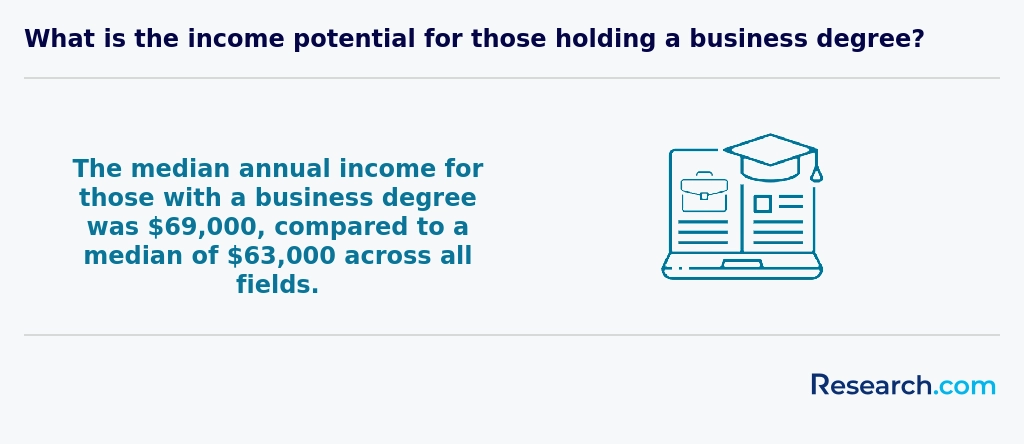
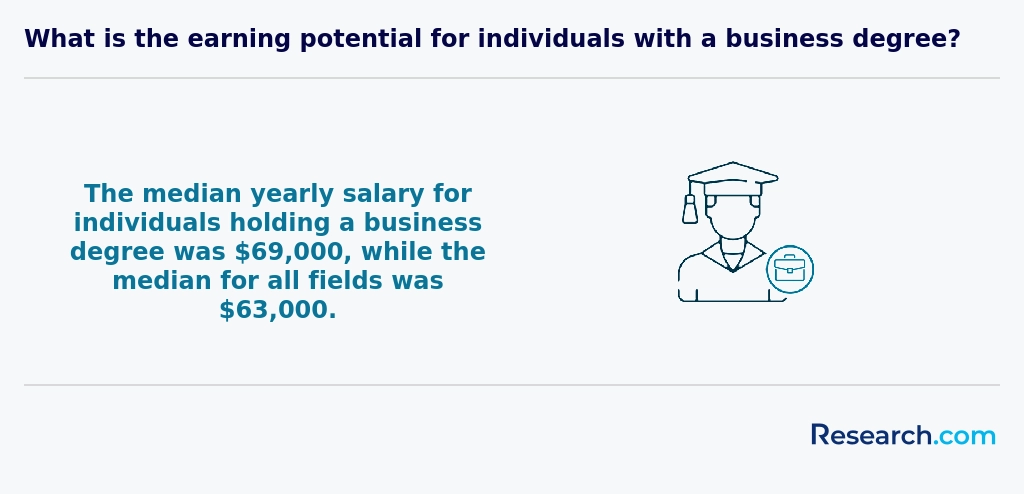
Furthermore, higher educational credentials correlate with higher median salaries in South Carolina. The South Carolina Commission on Higher Education reports that degree holders in business earn on average $15,000 more annually than those without.
Studying for a business degree in South Carolina equips students with skills that cross traditional boundaries between disciplines. Many programs emphasize collaboration with fields such as technology, healthcare, and logistics, reflecting the state's diverse economy. For instance, partnerships between business schools and tech companies in the Charleston area provide real-world experience in interdisciplinary projects.
South Carolina's growing industries require professionals who understand both business principles and specific sector knowledge. According to the South Carolina Department of Commerce, sectors like manufacturing and biotechnology are expanding, creating demand for graduates skilled in finance, management, and technical problem-solving.
Business curricula often include courses in data analysis, communication, and ethics. These prepare students for roles that blend management with information technology or supply chain coordination, enhancing their versatility in the job market.
Choosing between a thesis and a non-thesis business degree program in South Carolina depends largely on your career goals and learning preferences. A thesis option typically suits students interested in research, academia, or pursuing a PhD, as it involves producing a substantial written project based on original research.
Non-thesis programs focus more on coursework and practical skills, making them ideal for those aiming to enter the workforce directly or advance in business roles. According to the South Carolina Commission on Higher Education, many institutions offer both formats with similar credit requirements but different emphases on research versus applied knowledge.
Consider the time commitment: thesis programs often take longer due to research demands, while non-thesis options may offer more flexible schedules. Additionally, South Carolina's strong business sectors-like manufacturing and finance-value practical experience, which non-thesis programs typically emphasize.
Ultimately, reflect on whether you prefer hands-on learning or research, and assess each South Carolina university's program details to make an informed decision.
Students in South Carolina interested in studying business abroad have several options through their home institutions. Many universities offer exchange programs with partner schools worldwide, allowing students to complete part of their business degree overseas. Clemson University and the University of South Carolina, for example, maintain active international partnerships focusing on business and management studies.
Additionally, students can participate in study-abroad programs during summer or semester terms, gaining global business perspectives and language skills. According to the Institute of International Education, nearly 2% of South Carolina students study abroad, with business being one of the top fields. Financial aid and scholarships are often available, helping make these programs accessible.
These opportunities enable students to develop cross-cultural competencies and enhance their resumes, which are highly valued by employers worldwide.
South Carolina offers several part-time job opportunities that align well with business degree studies. Common roles include internships or assistant positions in marketing firms, financial institutions, and local businesses. These roles provide valuable hands-on experience in areas such as sales, customer service, and data analysis.
Industries like manufacturing and logistics are prominent in South Carolina, employing over 250,000 workers combined as reported by the South Carolina Department of Commerce. Part-time roles in these sectors often involve supply chain support or administrative tasks, which complement business education by enhancing operational knowledge.
Additionally, internships at local banks or startups provide exposure to real-world financial management and entrepreneurial skills. Such opportunities enable students to apply classroom learning while developing professional networks within the state's growing economy.
Business students in South Carolina have access to a variety of networking opportunities that can assist in career development. Many universities, including the University of South Carolina and Clemson University, host events such as career fairs, guest lectures, and professional panels featuring local business leaders. These events allow students to connect with employers and alumni working in key industries.
Additionally, South Carolina's expanding economy, valued at over $250 billion in 2023 according to the U.S. Bureau of Economic Analysis, supports numerous business associations. Organizations like the South Carolina Chamber of Commerce and the Charleston Metro Chamber provide student memberships and networking events.
Internships and co-op programs offered through South Carolina schools often link students directly with companies in sectors like manufacturing, finance, and technology. These experiential learning opportunities enable students to build professional relationships that can lead to full-time employment.
Alumni networks provide valuable support to business degree students in South Carolina by offering mentorship, career advice, and professional connections. These networks often include graduates working in key industries such as finance, healthcare, and manufacturing, which are major contributors to South Carolina's economy according to the South Carolina Department of Commerce.
Students benefit from internships and job opportunities shared through alumni contacts. For example, Clemson University's College of Business reports that over 70% of internships and entry-level positions are obtained via alumni referrals.
Additionally, alumni events and networking sessions enhance students' interpersonal skills and industry knowledge, increasing their employability prospects within the competitive South Carolina job market.
Customizing a business degree program in South Carolina involves selecting specializations, electives, and experiential learning opportunities that align with your career goals. Many universities in the state offer concentrations such as finance, marketing, supply chain management, and entrepreneurship. According to the South Carolina Commission on Higher Education, over 75% of business students pursue specialized tracks to improve job readiness.
Internships and cooperative education are widely available, especially in cities like Charleston and Greenville, where industries such as manufacturing and technology thrive. Partnerships between schools and local businesses allow students to gain practical experience. Additionally, students can engage in student organizations and networking events to develop leadership skills important for career advancement.
Flexibility is often provided through online and part-time study options, accommodating working professionals. South Carolina's business schools also encourage research projects and study abroad programs that can broaden perspectives and make a resume stand out.
Business students in South Carolina face several common challenges throughout their academic journey. One significant hurdle is balancing coursework with part-time jobs, as about 50% of undergraduates in the state work while studying, according to the National Center for Education Statistics. This can strain time management and academic performance. Additionally, students often encounter difficulties with accessing internships that align with their career goals, particularly in smaller cities where business networks are less developed. Financial concerns also impact many, with in-state tuition averaging around $12,000 annually at public universities, leading to student debt worries. Finally, keeping up with rapidly changing business technologies requires continuous adaptation.
A business degree from a South Carolina institution opens many doors to professional certifications that enhance career prospects. Common certifications include the Certified Public Accountant (CPA), ideal for those focusing on accounting. The CPA license is highly respected and often required for higher-level finance roles.
Other popular credentials are the Project Management Professional (PMP) and Certified Management Accountant (CMA), which emphasize leadership and financial management skills. South Carolina's growing business sectors, including manufacturing and finance, highly value these certifications for career advancement.
Additionally, the Chartered Financial Analyst (CFA) designation is beneficial for finance graduates pursuing investment careers. Pursuing these certifications typically requires passing exams and meeting experience requirements set by national boards.
To write a winning application for a business program in South Carolina, begin by clearly demonstrating your academic strengths, such as a solid GPA and relevant coursework in mathematics or economics. South Carolina universities often value applicants with leadership experience and community involvement, so highlight any roles where you've managed teams or organized projects.
Craft a compelling personal statement that explains your career goals within South Carolina's growing business sectors like manufacturing and logistics, supported by data from the South Carolina Department of Commerce. Including specific reasons why you want to study locally can strengthen your application.
Finally, obtain strong recommendation letters from educators or employers familiar with your work ethic and ambition. Reliable metrics paired with personal insight give you an edge in the competitive admission process.
Globally, a business career is recognized for its diverse opportunities and adaptability across industries. In the United States, including South Carolina, employers highly value graduates with business degrees due to their skills in management, finance, marketing, and analytics. According to the U.S. Bureau of Labor Statistics, business and financial occupations are projected to grow about 8% through 2031, faster than average.
South Carolina's economy is increasingly integrated with global markets, particularly in manufacturing and logistics, enhancing the demand for business professionals familiar with international trade and cross-cultural communication.
Universities in South Carolina emphasize global business perspectives through study abroad programs and partnerships, preparing students for careers with an international scope.
Gaining practical experience while studying for a business degree in South Carolina is essential for career readiness. Many universities in the state, such as Clemson University and the University of South Carolina, offer cooperative education (co-op) programs that integrate paid work experiences with academic studies. These opportunities allow students to apply classroom knowledge in real business environments. Additionally, internships are widely available through relationships between schools and prominent South Carolina companies, including Boeing and Michelin. According to the South Carolina Department of Employment and Workforce, internships improve job prospects by up to 60% in the state's competitive job market.
Students can also engage in consulting projects or case competitions organized by their business schools, which foster teamwork and problem-solving skills. Local chambers of commerce and business incubators often provide networking events and mentorship programs, giving students access to industry leaders. These hands-on experiences, alongside classroom learning, help students build both professional skills and contacts, increasing their chances of employment in South Carolina's growing business sectors.
Choosing the right concentration within a business degree program in South Carolina requires careful consideration of your career goals and interests. Popular concentrations include finance, marketing, management, and supply chain management, each aligned with regional industry demands. For instance, South Carolina's strong manufacturing and logistics sectors increase opportunities for graduates specializing in supply chain management.
Research indicates that business graduates with concentrations in finance or marketing often find diverse roles in cities like Charleston and Columbia, where financial services and tourism thrive. Exploring program specifics and internship options can help match education with practical experience.
Additionally, consult resources such as the South Carolina Department of Commerce and local university career services for labor market data and employment trends by concentration. This data-driven approach supports making an informed choice aligned with state economic needs.
Related Business Rankings for Nearby States
- 2027 Most Popular Business Degree Programs Ranking in Georgia
- 2027 Most Popular Business Degree Programs Ranking in Florida
- 2027 Most Popular Business Degree Programs Ranking in Alabama
- 2027 Most Popular Business Degree Programs Ranking in Louisiana
- 2027 Most Popular Business Degree Programs Ranking in Arkansas
- 2027 Most Popular Business Degree Programs Ranking in Maryland
- 2027 Most Popular Business Degree Programs Ranking in Missouri
- 2027 Most Popular Business Degree Programs Ranking in Indiana
- 2027 Most Popular Business Degree Programs Ranking in Delaware
- 2027 Most Popular Business Degree Programs Ranking in Illinois
Top Trending Business Rankings
See What Experts Have To Say About Studying Business
Read our interview with Business experts

David W. Stewart
Business Expert
Emeritus President's Professor of Marketing
Loyola Marymount University


Ingrid S. Greene
Business Expert
Clinical Assistant Professor of Management
Loyola Marymount University

References
- Niche Business Ideas: A Guide to Profitable Niche Business Selection - Inar Learn https://inarlearn.com/niche-business-ideas-a-guide-to-profitable-niche-business-selection/
- Know more about thesis vs non- thesis: what is the difference? https://studyfans.com/en/blogs/816
- 2024 Best Business Schools | How Alumni Rate Their Undergraduate Business Degrees https://poetsandquantsforundergrads.com/news/best-business-schools-alumni-rate-undergraduate-business-degrees/5/
- A 2016 Global Perspective on Business and Career Planning https://careerproinc.com/blogging/a-2016-global-perspective-on-business-and-career
- Networking Tips for Business Students and MBA Candidates - Cyprus West University https://www.cwu.edu.tr/networking-tips-for-business-students-and-mba-candidates/
- A Guide to MBAs in South Carolina - Greenville Business Magazine https://www.greenvillebusinessmag.com/stories/a-guide-to-mbas-in-south-carolina,4505
- Business degree: What to study and how to find a job https://brive.com/blog/studies/business-degree-guide-to-study-and-find-a-job/
- Top 10 Skills Employers Seek in Business Graduates in 2026 https://www.ibat.ie/blogs/top-10-skills-employers-seek-in-business-graduates-in-2026
- BUSINESS MANAGEMENT ENGLISH (THESIS / NON-THESIS) - Lisansüstü Eğitim Enstitüsü https://lee.nisantasi.edu.tr/en/business-management-english-thesis-non-thesis/
- How to Find a Job with an International Business Degree - Hunter Recruiting https://www.hirecruiting.com/newsroom/how-to-find-a-job-with-an-international-business-degree/