2027 Most Popular Business Degree Programs Ranking in Tulsa

Co-Founder and Chief Data Scientist
Choosing the right business degree program can feel overwhelming, especially with so many options available in Tulsa. This article presents the 2027 Most Popular Business Degree Programs Ranking in Tulsa, developed by the Research.com team of data scientists to guide you through the best choices.
By exploring these top programs, you'll gain valuable insights to help shape your future career. A business degree opens doors to exciting opportunities and personal growth. Reading this ranking will empower you to make a well-informed decision that aligns with your goals and aspirations.
Key benefits of getting business degree in Tulsa
- Salary for business degree graduates: Graduates in Tulsa can expect competitive salaries, such as a Business Development Executive earning around $83,190 annually and a Business Analyst making approximately $112,950, reflecting strong earning potential.
- Career paths: A business degree from Tulsa's popular universities opens doors to diverse roles like Business Development, Analysis, or Account Management, offering flexibility and growth in dynamic industries.
- Online degree benefits: Earning a business degree online in Tulsa provides the flexibility to balance work and study, making it easier for students to gain experience while advancing their education without relocating.
- Key benefits of getting business degree in Tulsa
- What can I expect from business degree in Tulsa?
- Where can I work with business degree in Tulsa?
- How much can I make with business degree in Tulsa?
- 2027 Most Popular Business Degree Programs Ranking in Tulsa
- Key Findings
- How long does it take to complete business degree in Tulsa?
- Campus and Student Life in Tulsa, OK
- What's the difference between online and on-campus business degree?
- What is the average cost of business degree in Tulsa?
- Future Trends and Emerging Opportunities in Business Education in Tulsa, OK
- What financial aid is available to business degree students in Tulsa?
- Why Choose a Business Degree Program in Tulsa, OK?
- What are the prerequisites for enrolling in business degree program in Tulsa?
- Return on Investment: Assessing the Value of a Business Degree in Tulsa, OK
- What courses are typically in business degree programs in Tulsa?
- What types of specializations are available in business degree programs in Tulsa?
- How do you choose the best business degree in Tulsa?
- What career paths are available for business degree students in Tulsa?
- What is the job market for business degree in Tulsa?
- Top Trending Business Rankings
- See What Experts Have To Say About Studying Business
What can I expect from business degree in Tulsa?
Curious about the cost of pursuing a business degree in Tulsa? On average, undergraduate business programs at institutions like the University of Tulsa or Tulsa Community College range between $8,000 and $20,000 per year for tuition, depending on whether you attend a public or private school. Graduates often recall balancing their budgets with scholarship support or part-time internships thanks to Tulsa's affordable living expenses, which makes the journey feel far more achievable than in pricier cities.
Many find excitement in knowing that their education fees connect directly to hands-on experiences-whether that's an internship with a local aerospace firm or a cooperative project with nearby startups. This practical approach to learning enhances the value of tuition costs by offering real-world business insights that textbooks alone can't provide.
For those aiming at graduate studies, an MBA program in Tulsa tends to cost approximately $15,000 to $30,000 annually, reflecting a commitment to quality combined with reasonable pricing that keeps dreams within reach.
Where can I work with business degree in Tulsa?
Graduates armed with a business degree from Tulsa's respected programs, like those at Oral Roberts University or the University of Tulsa, often find themselves stepping into vibrant career paths that reflect the city's dynamic industries. Imagine navigating the bustling energy sector, joining companies such as Williams Companies or ONEOK, where your skills in management or finance directly impact crucial oil and natural gas operations.
Others venture into Tulsa's expanding finance world, securing roles in banks like BOK Financial or Arvest Bank, where every day offers fresh challenges in financial analysis and banking management. Manufacturing giants such as American Electric Power attract graduates eager to apply their business acumen in procurement or operations.
Healthcare administration also calls with growing promise, with alumni contributing to St. Francis Health System's evolving strategies. Meanwhile, Tulsa's buzzing startup scene, supported by hubs like 36 Degrees North, invites entrepreneurial graduates to innovate in marketing and project management. The city's mix of established firms and youthful ventures creates an inspiring playground for business grads eager to chart unique career journeys.
How much can I make with business degree in Tulsa?
Graduates from business programs at Tulsa's popular universities often find themselves pleasantly surprised by the earning possibilities waiting just beyond graduation. For instance, a business development executive can expect a mean annual wage of about $83,190, which reflects a rewarding jump from starting salaries around $45,000 to $50,000 that many recent grads encounter. Imagine landing your first job with that kind of paycheck in a city boasting a below-average cost of living-this means more freedom to explore Tulsa's vibrant neighborhoods and enjoy local hotspots without financial stress.
Business analysts, another common career path for business graduates, earn even more. With a mean annual wage near $112,950, picture yourself leveraging data-savvy skills honed in Tulsa's classrooms to thrive in this fast-paced role. Alumni found this rewarding, as it aligns with Tulsa's growing demand for professionals in finance and analytics.
Even with variations, Tulsa's growing industries-especially in energy, finance, and manufacturing-provide fertile ground for graduates to earn competitive salaries that reflect their expertise and ambition. These earnings enable a lifestyle where professional growth and personal adventure go hand in hand.
2027 Most Popular Business Degree Programs Ranking in Tulsa
How do we rank schools?
Investing in your education is a significant decision that can shape your future, and the Research.com team understands the importance of making informed choices. To assist prospective students in Tulsa, we have meticulously crafted the "2027 Most Popular Business Degree Programs Ranking in Tulsa." Our commitment to quality, credibility, and accuracy is reflected in the extensive research and analysis conducted to compile this ranking.
We utilized the following reputable data sources to ensure a comprehensive evaluation of business degree programs:
By exploring this ranking, readers will gain valuable insights into the most popular business degree programs available in Tulsa, helping them make well-informed decisions about their educational paths. For more details on how the ranking was created, please visit our Research.com methodology page.


# 5 position
Spartan College of Aeronautics and Technology
Bachelor of Business Administration

Key Findings
- Tuition for in-state students at public universities in Tulsa ranges from $8,000 to $12,000 per year, while private schools charge between $15,000 and $25,000 annually.
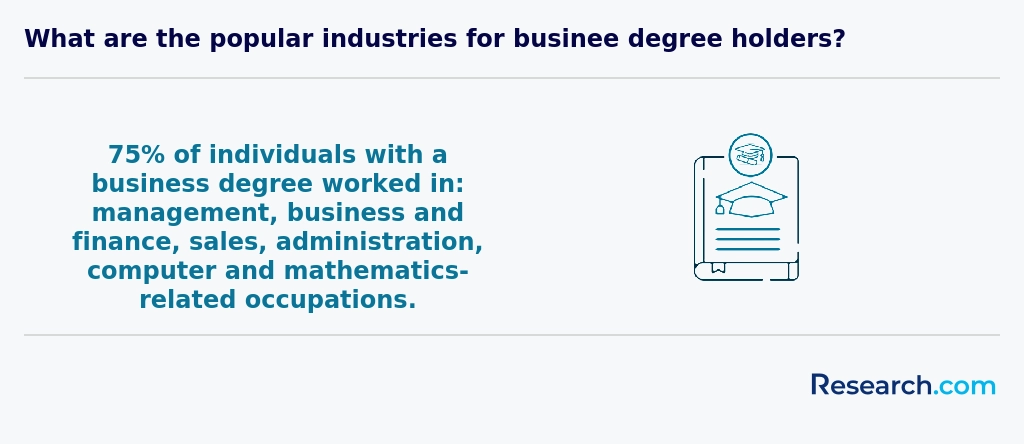
- About 75% of business graduates in Tulsa find related jobs within six months of finishing their degree.
- Starting salaries for entry-level business professionals average around $50,000 per year.
- Experienced business workers in Tulsa typically earn between $70,000 and $90,000 annually after five to ten years.
- Key job sectors include finance, corporate management, marketing, supply chain, and specialized roles in oil and gas industries.
How long does it take to complete business degree in Tulsa?
In Tulsa, completing a business degree is an exciting journey that varies widely depending on your path. Many full-time students at places like the University of Tulsa dive into 12 to 15 credit hours each semester, wrapping up their Bachelor of Business Administration in about four years. Imagine the rewarding sense of accomplishment as you walk across that stage right on schedule, ready to seize new opportunities.
But life's adventures often demand flexibility. Graduates from Tulsa Community College share how balancing work and studies stretched their timeline to five or six years, a pace that allowed them to grow both professionally and personally without feeling overwhelmed.
If you're the go-getter type, some Tulsa schools offer accelerated programs where you can power through your degree in as little as three years-turning your dreams into reality faster by stacking summer classes or extra credits.
Graduate students chasing an MBA find equally flexible options, from traditional two-year full-time programs to accelerated tracks that some brave souls complete in just 12 to 18 months. Whether you prefer on-campus excitement or the freedom of online courses, Tulsa's vibrant business schools let you tailor your adventure.
Campus and Student Life in Tulsa, OK
Tulsa’s vibrant campus environments and active student communities play a pivotal role in shaping the overall experience for business degree candidates. At institutions like the University of Tulsa and Oral Roberts University, students can engage with over 50 student-led organizations, including the Business Honors Society and the Tulsa Marketing Association, which host regular workshops, guest lectures, and networking mixers with local industry leaders. These events not only foster peer collaboration but also provide direct access to internship pipelines at top Tulsa firms. Beyond traditional on-campus offerings, many programs now integrate virtual student lounges and mentorship circles, ensuring online and hybrid learners remain connected. For those exploring flexible online pathways outside of Tulsa, the Affordable Online Business Degree Programs Ranking in Jacksonville, FL showcases exemplary models of virtual engagement. Additionally, career centers across Tulsa campuses offer tailored services-resume reviews, mock interviews, and employer meet-and-greets-helping students transition seamlessly from classroom to boardroom. Tulsa’s rich cultural scene further enhances student life: from downtown business pitch competitions to volunteer consulting projects with area nonprofits, learners develop practical skills while contributing to community growth. Whether through campus intramurals, leadership retreats, or alumni-network mixers, the dynamic student ecosystem in Tulsa ensures that business degree holders cultivate both professional acumen and lifelong relationships.
What's the difference between online and on-campus business degree?
Choosing between an online or on-campus business degree in Tulsa opens up two very different journeys. Online students appreciate the freedom to dive into lectures and assignments any time, perfect for those juggling jobs or family. Imagine logging in after work and catching up on business strategy courses from locally admired schools like the University of Tulsa or Oral Roberts University, without the hassle of commuting. Graduates often share how this flexibility fueled their motivation and fit their busy lives seamlessly.
Meanwhile, on-campus learners at these Tulsa institutions thrive on vibrant face-to-face connections. They attend live classes, engage in spirited discussions, and build networks through internships and events on campus. One graduate recalls how the easy access to Tulsa's business community and professors made collaboration exciting and instantly rewarding, enriching both learning and career opportunities.
Cost differences also jump out-online programs tend to trim expenses since students save on travel and campus fees. Yet, academic rigor stays true either way, especially when programs are accredited, ensuring Tulsa students get top-tier education tailored to their lifestyle and ambitions.
What is the average cost of business degree in Tulsa?
Curious about the average cost of a business degree in Tulsa? Most graduates from local institutions share a sense of relief when they discover the median in-state total cost hovers around $35,470, a figure that feels surprisingly attainable compared to out-of-state expenses which can reach about $51,590. Many find Tulsa's blend of public and private colleges makes managing expenses a real adventure-with options that suit various budgets and lifestyles.
For instance, graduates from Tulsa Community College often celebrate the affordability of Tulsa business degree tuition and fees, especially with in-district rates near $120 per credit hour. Private university graduates, while navigating a higher price tag-often exceeding $30,000 yearly-also speak enthusiastically about the scholarships and aid that ease their journey, letting them focus on mastering business concepts instead of financial stress.
Enrolling at one of Tulsa's most popular business colleges brings more than just numbers-it's about the experience. Students often recount internships and hands-on projects infused with local industry connections, which add invaluable real-world flavor, often built into program costs or accessible through part-time routes. For those eager to delve deeper, exploring programs that balance cost and quality prepares students for a bright future without hidden financial fog.
If you want to explore the most popular business colleges available, Tulsa offers a landscape full of surprising affordability and vibrant educational experiences waiting to be had.
Future Trends and Emerging Opportunities in Business Education in Tulsa, OK
As the business landscape continues to evolve rapidly, emerging trends are reshaping how students prepare for future careers. In Tulsa, academic institutions are increasingly integrating digital innovation, data analytics, and sustainability into their business curricula in response to industry demands. This section explores the future of business education in Tulsa, highlighting evolving skills, modern teaching methods, and the impact of global market shifts that could affect graduates’ career trajectories. Leaders in business education are now focusing on experiential learning powered by technology, including virtual simulations, collaborative online platforms, and real-time data analysis projects. These modern techniques not only enhance classroom learning but also mentor students on adapting to a constantly changing workplace environment. Consequently, prospective students are encouraged to consider how these trends fit with their long-term career goals, especially when evaluating whether is getting a business degree worth it in today’s competitive market. Furthermore, as businesses pivot towards more agile and tech-driven strategies, Tulsa’s academic institutions are partnering with local industries to offer workshops, hackathons, and internships that emphasize hands-on experience with emerging technologies. These initiatives provide invaluable insights into real-world challenges, preparing students to become innovative problem-solvers who can lead in diverse sectors. Embracing these forward-thinking educational strategies is a key step for anyone looking to secure a resilient and future-proof career in business.
What financial aid is available to business degree students in Tulsa?
Imagine stepping onto the campus of a Tulsa university, excitement bubbling as you discover that funding your business degree is more approachable than you expected. Many students at the University of Tulsa rave about securing merit-based scholarships that slash tuition costs, rewarding their hard work and passion for business. These awards make the dream of studying here feel tangible and rewarding.
Federal aid is a powerful ally-filling out the FAFSA opens doors to Pell Grants that don't require repayment, plus subsidized and unsubsidized loans that ease the financial load while you focus on classes and internships. Graduates often recall how these funds gave them peace of mind during those intense semesters.
Oklahoma's state programs, like the Oklahoma Tuition Aid Grant, provide another layer of support, helping ambitious Tulsa business students lower their bills without sacrificing experiences. Coupled with federal work-study jobs, many find themselves gaining valuable skills while earning.
Local scholarships from Tulsa organizations add an adventurous twist-imagine connecting with your community and thriving financially thanks to the Tulsa Area United Way or chambers of commerce offers. These pathways transform the financial journey into an exploration full of opportunity and hope.
Why Choose a Business Degree Program in Tulsa, OK?
When considering a business degree, it's essential to weigh the pros and cons of different locations, and Tulsa, OK, stands out for several reasons. For those interested in finding the most popular business colleges, understanding the local job market, cost, and quality of education is crucial. The city offers a unique blend of a thriving business environment, a relatively low cost of living, and institutions with reputable business programs. This combination makes Tulsa an attractive destination for students aiming to maximize their educational investment and jumpstart their careers. Furthermore, the availability of scholarships, grants, and other forms of financial aid can significantly offset the cost of tuition, making a business degree in Tulsa a more accessible and viable option for many prospective students. As graduates embark on their professional journeys, they find that the skills and knowledge garnered from their studies, coupled with the city's supportive business ecosystem, position them well for success in various sectors, from finance and marketing to entrepreneurship and management.
What are the prerequisites for enrolling in business degree program in Tulsa?
Ready to dive into a business degree in Tulsa? Most undergraduates begin by showing they've mastered core subjects like math, English, and social studies-skills that come alive when analyzing market trends or drafting clear business proposals. Graduates from places like the University of Tulsa often reminisce about how their solid high school foundation helped them navigate challenging coursework with confidence.
Standardized tests like the SAT or ACT may be part of your journey, but Tulsa schools such as Tulsa Community College embrace flexibility, sometimes waiving these scores to welcome diverse talents. Imagine preparing your application with a personal statement that tells your unique story, just like many successful applicants who highlighted their leadership in local community projects.
For those chasing an MBA, having a bachelor's degree is essential, alongside GRE or GMAT scores-unless you bring notable work experience to the table, which can open doors without tests. Letters of recommendation and work history often make your application shine, reflecting your readiness to contribute to Tulsa's thriving business scene.
Return on Investment: Assessing the Value of a Business Degree in Tulsa, OK
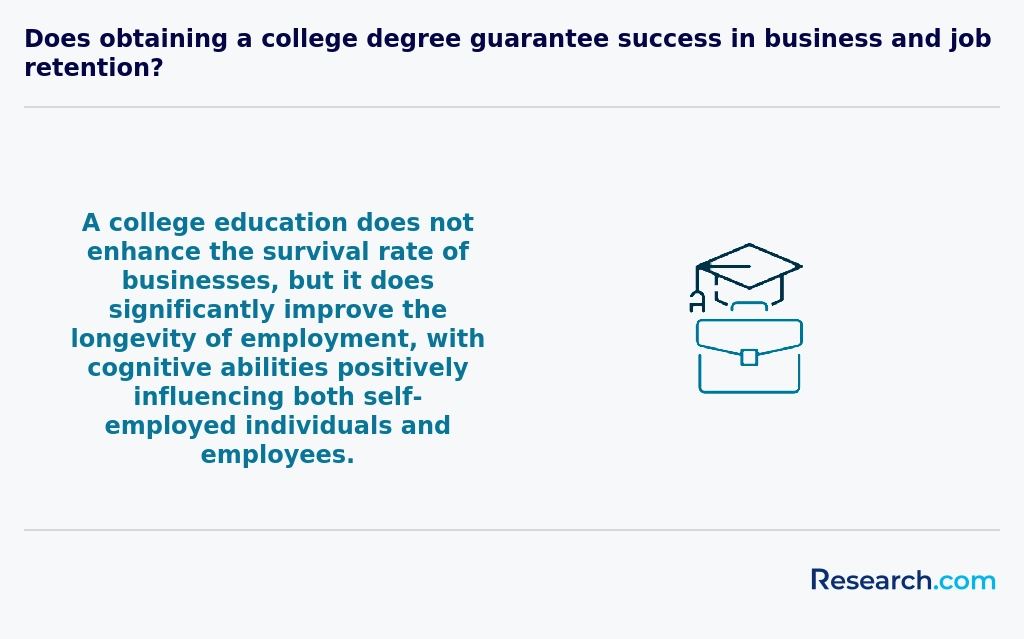
Pursuing a business degree in Tulsa, OK represents not only an investment in education but also a strategic financial decision. By comparing average tuition costs against long-term earning potential, students can estimate their payback period and overall return on investment (ROI). • Upfront Costs vs. Earnings – Average tuition for a bachelor’s in business management in Tulsa: $12,600–$13,100 over four years. – Project Manager median salary: $80,220/year. – Business Analyst median salary: $108,790/year. With these figures, graduates often recoup their tuition within 1.5–2 years of full-time employment. • Net ROI Calculation – Total tuition and fees: ~$13,000. – Estimated first-year salary post-graduation: $80,000. – ROI ratio: 6.2:1 (salary divided by tuition). This ratio underscores the strong financial upside of earning a business degree in Tulsa. • Long-Term Career Growth – Five-year salary growth for business graduates averages 25%, pushing median compensation above $100,000. – Advanced credentials, such as an MBA, can further enhance ROI. For working professionals seeking accelerated pathways, programs like the mba one year online offer concentrated curricula that maximize earnings in a shorter timeframe. • Intangible Benefits – Enhanced professional network through alumni events. – Access to exclusive internships and leadership workshops. – Accreditation and reputation boost when applying to top employers. By evaluating both quantitative and qualitative returns, prospective students can make an informed choice, ensuring their business degree in Tulsa delivers maximum value over a lifetime.
What courses are typically in business degree programs in Tulsa?
Diving into a business degree in Tulsa means exploring courses that create a well-rounded foundation while sparking excitement for real-world challenges. At local universities, graduates often share how accounting classes turned confusing numbers into clear stories of profit and loss, while finance courses sparked curiosity about investment strategies that shape global markets.
Marketing classes bring a burst of creativity, where students study consumer behavior and develop promotions that feel like captivating conversations with customers. Management courses at Tulsa colleges encourage leadership growth through team projects, reflecting real office dynamics in industries like aerospace and energy, which thrive locally.
Many graduates highlight entrepreneurship courses as eye-opening, pushing them to imagine and launch startups within Tulsa's vibrant business scene. Business law and information systems courses build confidence in handling contracts and tech-driven business operations, skills students test during internships tied to Tulsa's diverse economy.
Specialized electives like international business or supply chain management add interesting twists, preparing students for adventures beyond classroom walls and into careers that matter in Tulsa's ever-evolving market.
What types of specializations are available in business degree programs in Tulsa?
Venturing into business degree specializations in Tulsa reveals exciting pathways tailored to the city's vibrant economy. From Finance, where graduates engage with local banks and investment firms, to Marketing, which thrives in Tulsa's booming retail and service scenes, options abound for curious learners. Management courses spark enthusiasm in students eager to lead teams and drive change in dynamic workplaces like Tulsa's corporate offices.
Entrepreneurship captivates those inspired by Tulsa's supportive small business ecosystem, encouraging graduates to launch their own ventures or collaborate with innovative incubators nearby. Meanwhile, Supply Chain and Logistics taps into Tulsa's strategic role as a transportation hub, honing skills that impact real-world distribution and operations.
Many students at popular Tulsa colleges share how these specializations bring theory to life through internships with local companies, making the experience feel tangible and energizing. For anyone wondering if a business degree in Tulsa fits their curious spirit, exploring options helps answer the all-important question of is getting a business degree worth it in this energetic city full of promise and opportunity.
How do you choose the best business degree in Tulsa?
When choosing the best business degree programs Tulsa has to offer, start by exploring accreditation-graduates often rave about the confidence AACSB accreditation gives them when stepping into Tulsa's dynamic job market. Imagine sitting in classes where energy management ties directly to the local oil and gas scene, making your education both thrilling and practical.
Affordability also shapes the adventure. Many find that affordable business colleges in Tulsa provide a perfect balance between quality and cost, especially compared to pricier private options. One graduate recalls stretching their budget wisely by leveraging scholarships and part-time study, keeping their ambitions alive without financial stress.
Hands-on experience here is more than a checkbox-internships with Tulsa's diverse industries turn theory into action, forging meaningful connections. Graduates often mention their surprise at how networking events spark unforeseen opportunities, a powerful boost in such a competitive landscape.
If speed is your goal, searching for an mba one year online might offer the perfect blend of Tulsa's business insight and flexibility, perfect for those eager to dive straight into their careers.

What career paths are available for business degree students in Tulsa?
Graduates holding a business degree in Tulsa often find themselves diving into dynamic career paths shaped by the city's unique economic landscape. From vibrant classrooms at popular Tulsa colleges to bustling offices downtown, many discover roles in financial services where they apply their skills as financial analysts or advisors for local banks. These graduates thrive on challenge and enjoy competitive salaries that reflect Tulsa's strong finance sector, illustrating clear Tulsa business degree job prospects.
Others are drawn to the creative pulse of marketing and sales, managing brand strategies and digital campaigns for retail and manufacturing firms. Imagine a recent graduate from a well-known Tulsa university enthusiastically shaping a startup's outreach, blending innovation with solid business acumen.
With Tulsa's historic ties to the energy sector, business alumni often embark on careers in project management or supply chain analysis within oil and natural gas companies, gaining specialized expertise that fuels professional growth.
The healthcare industry also warmly welcomes business graduates. Envision coordinating hospital operations or strategizing healthcare consulting, roles that blend purpose with financial insight.
For those curious about alternative study routes, exploring the Affordable Online Business Degree Programs Ranking in Jacksonville, FL can offer fresh perspectives. With diverse options, Tulsa's business degree career options encourage adventurous souls to find their perfect fit and make a meaningful impact.
What is the job market for business degree in Tulsa?
The vibrant job market for business degree holders in Tulsa unfolds as a mix of tradition and innovation, where graduates from local universities find exciting opportunities waiting. With Tulsa's economy expanding beyond its energy roots, employers in finance, healthcare, and manufacturing eagerly seek fresh talent. Many business graduates from popular Tulsa colleges share stories of landing roles in management and marketing within months, fueled by the city's supportive environment. For those navigating the Tulsa business degree employment outlook, the presence of regional offices for Fortune 500 companies means access to meaningful career paths without leaving the city.
Consider a graduate stepping into a marketing coordinator role, enjoying a salary that aligns well with Tulsa's affordable living costs. Tulsa's small to mid-sized businesses offer diverse roles, boosting the local business degree job opportunities in Tulsa. For students wanting to accelerate their path, exploring quick bachelor degrees is a strategic move embraced by many aspiring professionals eager to join this thriving market.
Frequently Asked Questions About business
Business degree students in Tulsa can maximize their learning experience by engaging actively with Tulsa's vibrant business community. Tulsa is home to various industries, including energy, finance, and manufacturing, offering students ample networking and internship opportunities. According to the Tulsa Regional Chamber, internships in Tulsa businesses often lead to higher employment rates post-graduation.
Additionally, students should leverage local resources such as the Tulsa Innovation Labs and area professional organizations which provide workshops and mentorship programs tailored for business students. Participating in case competitions hosted by Tulsa universities also sharpens practical skills.
Finally, maintaining a balance between classroom theory and real-world application enhances learning and career readiness.
The business field in Tulsa is witnessing growth in several emerging niches that reflect both local market demands and national trends. One of the fastest-growing areas is data analytics and business intelligence. Tulsa companies increasingly rely on data-driven decisions, creating a strong demand for graduates skilled in data interpretation and predictive modeling.
Entrepreneurship and innovation is another key niche, supported by Tulsa's expanding startup ecosystem and resources like 36 Degrees North, a prominent local entrepreneurship hub.
Additionally, supply chain management has gained importance, especially with Tulsa's strategic location as a transportation center in the U.S., influencing logistics and distribution studies in business programs.
Fields related to sustainable business practices are growing as well, as Tulsa companies focus more on environmental impact and corporate social responsibility, aligning with nationwide shifts in corporate strategy.
After completing a business degree in Tulsa, preparation for the job market involves several key steps. Tulsa's growing economy, with strengths in energy, finance, and aviation, offers diverse job opportunities for graduates. Networking is crucial; joining local professional organizations like the Tulsa Regional Chamber can open doors.
Internships during study enhance practical experience and increase employability. According to the U.S. Bureau of Labor Statistics, Tulsa's unemployment rate was 3.5% in early 2024, indicating a relatively healthy job market.
Additionally, developing digital skills and proficiency in tools like Excel and data analysis software is highly recommended. Tulsa's business community values soft skills such as communication and teamwork, so engaging in group projects or volunteering can further strengthen a resume.
Employers in Tulsa prioritize a combination of hard and soft skills when hiring business degree graduates. According to the Tulsa Regional Chamber, strong communication skills top the list, as businesses value employees who can clearly convey ideas and collaborate effectively.
Analytical thinking and proficiency with data tools are increasingly important due to Tulsa's growth in finance and energy sectors. Graduates skilled in Excel, financial modeling, and market analysis have a competitive edge.
Leadership and problem-solving abilities also rank highly. Tulsa employers seek graduates who demonstrate initiative and adaptability in dynamic work environments.
Additionally, knowledge of local market trends and economic factors specific to Oklahoma benefits candidates in securing roles within Tulsa's diverse business landscape.
Finding internships in Tulsa relevant to a business degree involves leveraging local resources and industry connections. Tulsa hosts a diverse economy with key sectors like energy, finance, and manufacturing, offering numerous internship opportunities for business students. The Tulsa Regional Chamber and Tulsa Tech provide job boards and networking events specifically designed to connect students with employers.
Utilizing university career centers such as those at the University of Tulsa or Oral Roberts University can also help locate internships suited to your business focus. Additionally, platforms like Handshake and LinkedIn frequently list Tulsa-based internships in marketing, finance, and management roles.
According to the U.S. Bureau of Labor Statistics, Tulsa's business sector has shown steady growth, increasing demand for skilled interns. This makes early engagement with local companies and professional groups essential for securing desirable placements.
Obtaining a business degree in Tulsa can significantly enhance career mobility and advancement opportunities. The Tulsa metropolitan area has seen steady growth in industries like energy, finance, and healthcare, increasing demand for skilled business professionals. According to the U.S. Bureau of Labor Statistics, occupations in management and business fields in Tulsa are projected to grow by approximately 5% over the next decade.
A business degree provides foundational knowledge in management, finance, marketing, and operations, which local employers value. Graduates often qualify for higher-level roles, moving from entry positions to supervisory and executive jobs more quickly.
Moreover, Tulsa's business schools maintain strong connections with regional companies, offering internships and networking events that facilitate career advancement. This practical experience and local networking are key to climbing the professional ladder in Tulsa's competitive job market.
Studying for a business degree in Tulsa offers students a strong foundation for interdisciplinary roles by integrating diverse fields such as finance, marketing, information technology, and management. Tulsa's educational institutions emphasize cross-disciplinary coursework, preparing graduates to adapt to various business environments effectively. For instance, the University of Tulsa and Tulsa Community College include courses that encourage collaboration between business and STEM disciplines.
Local employers value these skills, as Tulsa's economy includes sectors like energy, aerospace, and telecommunications, which require versatile business professionals. According to the Greater Tulsa Partnership, nearly 30% of Tulsa's workforce is involved in industries demanding interdisciplinary expertise.
Students also benefit from Tulsa's growing entrepreneurial ecosystem, which fosters skills in innovation and strategic problem-solving, essential for cross-sector leadership positions.
When choosing between a thesis and a non-thesis business degree program in Tulsa, consider your career goals and learning preferences. Thesis programs emphasize research and require a substantial written project, ideal for students aiming for academic or analytical roles. Non-thesis options focus more on coursework and practical skills, suited for those seeking immediate career advancement in Tulsa's growing sectors, such as energy and finance.
In Tulsa, where companies like Williams and ONEOK value applied business skills, practical knowledge from non-thesis degrees can be advantageous. According to the Tulsa Regional Chamber, the local economy supports roles benefiting from non-thesis paths. However, if you plan to pursue doctoral studies or specialized research, a thesis-based program may better prepare you.
Students based in Tulsa who wish to study business abroad have various pathways through partnerships established by local universities. Institutions such as the University of Tulsa and Oral Roberts University offer exchange programs or affiliate agreements with schools in Europe, Asia, and Latin America.
These programs typically last one semester to a full academic year, allowing students to earn credits that count toward their degree in Tulsa. According to the Institute of International Education, approximately 10% of U.S. business students participate in study abroad experiences, reflecting a growing trend among Tulsa's business majors.
Financial aid options and scholarships targeting study abroad can also support these academic endeavors, making international business education more accessible for Tulsa students.
Tulsa offers a variety of part-time job opportunities that can complement business degree education effectively. Roles in local banks, such as Bank of Oklahoma, provide practical experience in finance and customer service. Tulsa's growing tech sector also offers internships in project management and data analysis, beneficial for business students focused on analytics.
Retail management positions, especially in Tulsa's expanding Tulsa Hills shopping area, help develop leadership and operational skills. Additionally, Tulsa's small business community offers freelance consulting or marketing assistant roles, which enhance entrepreneurial understanding. According to the Tulsa Regional Chamber, jobs in these sectors are expected to grow by 5% annually, offering ongoing part-time opportunities.
Tulsa offers strong networking opportunities for business students through partnerships with local industries and organizations. Institutions like the University of Tulsa and Oral Roberts University host regular events, workshops, and career fairs connecting students directly with Tulsa's robust sectors such as energy, finance, and healthcare.
Local chapters of national business organizations, including the Tulsa Chamber of Commerce and the Rotary Club, provide platforms for students to meet professionals and potential employers. According to the Tulsa Regional Chamber, over 600 business members actively participate in networking events annually, enhancing student access to mentors and internships.
Additionally, Tulsa's growing startup scene offers business students chances to engage with entrepreneurs through incubators like 36 Degrees North, fostering innovation and real-world experience.
Alumni networks offer significant advantages to business degree students in Tulsa by providing valuable connections within the local business community. Many Tulsa-based universities have active alumni organizations that facilitate mentorship, internships, and job placements for current students. According to the Tulsa Regional Chamber, about 80% of jobs in the area are found through networking, emphasizing the importance of alumni ties.
These networks also help students access workshops, career fairs, and exclusive events, enhancing practical knowledge and professional skills. For business students, engaging with successful alumni expands opportunities and supports career advancement in Tulsa's growing economy.
Customizing a business degree program in Tulsa allows students to align their education with specific career goals. Many local universities and colleges offer flexible curricula, enabling students to select concentrations such as finance, marketing, entrepreneurship, or supply chain management. For example, Tulsa's growing energy and technology sectors create demand for specialized knowledge in those areas.
Students can also enhance their profiles through internships with Tulsa-based companies like ONEOK or QuikTrip, gaining practical experience. Additionally, choosing elective courses in data analytics or international business can broaden skills relevant to today's marketplace. Academic advisors in Tulsa institutions often assist in tailoring degree plans toward local industry needs.
Business students in Tulsa often face several notable challenges during their studies. One primary issue is balancing coursework with work commitments, as many students in this region juggle part-time jobs due to Tulsa's cost of living and local economic conditions, as reported by the Tulsa Regional Chamber. Time management becomes crucial, especially for those enrolled in full-time programs while maintaining employment.
Another challenge involves access to relevant internships and networking opportunities. While Tulsa has a growing business community, sectors like energy and finance remain competitive, making it harder for students to secure practical experience.
Additionally, students must navigate the evolving curriculum to keep pace with industry technological advances, including data analytics and digital marketing, essential for today's business environment, according to the Tulsa Economic Development Corporation. Understanding these dynamics requires adaptability and continuous learning throughout their academic journey.
With a business degree in Tulsa, you can pursue several respected professional certifications that boost career opportunities. Common certifications include the Certified Public Accountant (CPA) for those focusing on accounting, which requires passing a rigorous exam and meeting experience requirements. Tulsa's growing financial sector increases demand for CPAs, according to the Tulsa Regional Chamber.
Another widely recognized certification is the Project Management Professional (PMP), valuable in many industries including energy and manufacturing prominent in Tulsa. This credential demonstrates advanced project leadership skills.
The Certified Management Accountant (CMA) is ideal for professionals aiming at corporate finance roles. Also, Certified Financial Planner (CFP) holders find opportunities in Tulsa's expanding wealth management field. These certifications require specific coursework and exams.
To write a winning application for a business program in Tulsa, start by highlighting your academic achievements and relevant experiences. Tulsa's business schools often look for strong GPA scores, typically above 3.0, and evidence of leadership or community involvement.
Be sure to tailor your personal statement to reflect your career goals and why Tulsa is your preferred location. The city has a growing economy, especially in energy and finance sectors, making local internships valuable.
Include clear examples of teamwork and problem-solving skills, which are highly regarded in business education. Additionally, obtaining solid letters of recommendation from professors or employers strengthens your application.
Business careers today are shaped by a global economy that connects markets and cultures. For students in Tulsa, understanding international business trends is vital. According to the U.S. Bureau of Labor Statistics, management and business occupations are expected to grow 8% from 2022 to 2032, reflecting steady demand across industries worldwide.
Graduates from Tulsa's business programs often engage with companies involved in global trade, especially energy and manufacturing sectors prominent in the region. The Greater Tulsa Chamber of Commerce notes that nearly 20% of local businesses have international operations, highlighting the need for global business skills.
Strong communication, cultural awareness, and economic literacy help Tulsa students thrive in diverse business environments globally.
Gaining practical experience while studying for a business degree in Tulsa is essential for career readiness. Many local colleges, such as the University of Tulsa and Tulsa Community College, offer internship programs that connect students with local businesses in finance, marketing, and management. According to the Tulsa Regional Chamber, Tulsa hosts over 200 corporate headquarters and major employers, providing ample opportunities for internships.
Students can also participate in cooperative education programs, combining coursework with paid work experience in business environments. Additionally, business student organizations and networking events in Tulsa frequently offer workshops and real-world projects, enhancing skills beyond the classroom.
Choosing the right concentration within a business degree program in Tulsa starts with assessing your career goals and interests. Tulsa's economy is diverse, with strong sectors in energy, finance, and aviation, which suggests concentrations like finance, marketing, or supply chain management may offer robust job opportunities.
Consider local employment trends; for example, the Tulsa Regional Chamber reports growth in logistics and transportation, indicating a supply chain focus could be valuable. Research individual programs, as concentrations differ by school and may emphasize practical skills or theoretical knowledge.
Also, evaluate internship and networking opportunities nearby, as Tulsa hosts many regional headquarters that could provide real-world experience during your studies.
Related Business Rankings for Nearby Cities
- 2027 Most Popular Business Degree Programs Ranking in Conway
- 2027 Most Popular Business Degree Programs Ranking in Denton
- 2027 Most Popular Business Degree Programs Ranking in Little Rock
- 2027 Most Popular Business Degree Programs Ranking in Dallas
- 2027 Most Popular Business Degree Programs Ranking in Lubbock
- 2027 Most Popular Business Degree Programs Ranking in Austin
- 2027 Most Popular Business Degree Programs Ranking in San Antonio
- 2027 Most Popular Business Degree Programs Ranking in Birmingham
- 2027 Most Popular Business Degree Programs Ranking in West Lafayette
- 2027 Most Popular Business Degree Programs Ranking in Indianapolis
Top Trending Business Rankings
See What Experts Have To Say About Studying Business
Read our interview with Business experts

David Souder
Business Expert
Senior Associate Dean for Faculty and Research
Michigan State University

Ingrid S. Greene
Business Expert
Clinical Assistant Professor of Management
Loyola Marymount University

David W. Stewart
Business Expert
Emeritus President's Professor of Marketing
Loyola Marymount University

References
- The Biggest Challenges for Business School Students | EU Business School https://www.euruni.edu/blog/the-biggest-challenges-for-business-school-students/
- 55 Trending Business Ideas for 2025 and Beyond https://www.uschamber.com/co/start/business-ideas/top-trending-business-ideas
- Networking Tips for Business Students and MBA Candidates - Cyprus West University https://www.cwu.edu.tr/networking-tips-for-business-students-and-mba-candidates/
- Finding Networking Opportunities as a Student | National Society of High School Scholars https://www.nshss.org/resources/blog/blog-posts/how-to-find-networking-opportunities-as-a-student/
- A guide to finding an internship https://www.ipag.edu/en/blog/guide-finding-internship
- Enterprise project challenge https://barclayslifeskills.com/help-others/lessons/enterprise-project-challenge/
- Business Administration Degree Salary | UE Amsterdam https://www.ue-amsterdam.com/blog/business-administration-degree-salary-how-much-can-you-earn
- 1. Online registration https://moderna.edu.pl/majors/management/bachelor-of-management/business-management/
- Business degree: What to study and how to find a job https://brive.com/blog/studies/business-degree-guide-to-study-and-find-a-job/
- Exploring Different Types of Business Majors https://www.ivywise.com/ivywise-knowledgebase/exploring-different-types-of-business-majors/