
2027 Most Affordable Computer Science Degree Programs Ranking in the USA Territories

Co-Founder and Chief Data Scientist
Choosing the right computer science degree program is an exciting step toward a brighter future. For students in the USA Territories, finding an affordable option that meets your goals can be challenging. This article presents the 2027 Most Affordable Computer Science Degree Programs Ranking in the USA Territories, carefully developed by the Research.com team of data scientists.
By exploring this ranking, you'll gain valuable insights to help you make smart decisions. A computer science degree opens doors to rewarding careers, and this guide aims to support your journey with trustworthy information.
Key benefits of getting computer science degree in the USA Territories
Choosing a computer science degree in the USA Territories offers several key benefits:
- Graduates can earn competitive salaries, such as $138,110 annually for Software Engineers and Developers, or $63,640 for IT Support Specialists, providing strong financial stability.
- Career paths are diverse, including roles in software development, data analysis, and IT support, allowing graduates from local universities to find rewarding jobs in various tech fields.
- Online computer science degrees offer flexible learning schedules and accessibility, helping students balance life and work while gaining valuable skills recognized across the tech industry.
- Key benefits of getting computer science degree in the USA Territories
- What can I expect from computer science degree in the USA Territories?
- Where can I work with computer science degree in the USA Territories?
- How much can I make with computer science degree in the USA Territories?
- 2027 Most Affordable Computer Science Degree Programs Ranking in the USA Territories
- Key Findings
- How long does it take to complete computer science degree in the USA Territories?
- What's the difference between online and on-campus computer science degree?
- What is the average cost of computer science degree in the USA Territories?
- What financial aid is available to computer science degree students in the USA Territories?
- What are the prerequisites for enrolling in computer science degree program in the USA Territories?
- What courses are typically in computer science degree programs in the USA Territories?
- What types of specializations are available in computer science degree programs in the USA Territories?
- How do you choose the best computer science degree in the USA Territories?
- What career paths are available for computer science degree students in the USA Territories?
- What is the job market for computer science degree in the USA Territories?
- Top Trending Computer Science Rankings
- See What Experts Have To Say About Studying Computer Science
What can I expect from computer science degree in the USA Territories?
The average cost of pursuing a computer science degree in the USA Territories is notably more affordable compared to mainland institutions, making it an appealing choice for many local students. Graduates from the University of Puerto Rico often share how manageable tuition allowed them to focus more on mastering programming and cybersecurity without the stress of overwhelming debt. At Guam Community College, students appreciate the cost-effectiveness especially as they build skills vital to the tech-driven Pacific region job market.
These reduced costs reflect a commitment to accessible education, often ranging significantly lower than traditional mainland universities. This financial advantage aligns with the smaller class sizes and personalized faculty interaction students experience in places like the University of the Virgin Islands, where graduates feel more supported throughout their learning journey.
Looking forward, there is potential for even greater affordability through expanded online and hybrid programs, which could blend local expertise with advanced specializations from mainland partners-allowing students to deepen their knowledge while still benefiting from the lower local tuition rates.
Where can I work with computer science degree in the USA Territories?
Graduates from computer science programs at institutions like the University of Puerto Rico or Guam Community College often find themselves stepping into dynamic roles within the fast-evolving tech landscapes of their territories. Many start careers in software development or cybersecurity at local firms or government agencies, especially in hubs like San Juan or Hagåtña, where the demand for innovative digital solutions grows daily. Imagine working on securing vital communication systems for the military in Guam or developing data analytics tools that help Puerto Rico's public services run more efficiently-these are real opportunities that recent graduates cherish and talk about with pride.
Others embrace emerging trends by supporting telecommunications infrastructure in more remote places such as American Samoa, combining technical skills with a sense of tangible community impact. Remote work also opens doors to mainland tech companies without leaving home, allowing graduates to balance promising careers with personal ties. The growing importance of IT in these territories promises exciting, versatile pathways for students passionate about computing and eager to be part of their region's future tech innovation.
How much can I make with computer science degree in the USA Territories?
Graduates from computer science programs at universities in the USA Territories often find themselves earning between $45,000 and $75,000 annually, reflecting local economic conditions and demand. For example, those studying in Puerto Rico typically secure roles paying from $45,000 to $60,000, driven by sectors like telecommunications and government. Meanwhile, graduates in Guam may land positions closer to $50,000-$75,000, especially in defense or public agencies.
However, graduates are increasingly leveraging remote work, connecting with mainland companies where roles like Software Engineer and Software Developer offer mean annual wages around $138,110, or about $66.40 per hour, providing exciting avenues beyond territorial limits. Web Developer positions present about $95,570 yearly, while Data Analysts can expect approximately $119,040, showing significant potential for those aiming higher.
Many students from local colleges envision combining their cultural roots with cutting-edge remote roles, embracing flexible tech careers. This growing trend allows territory graduates confident in their skills to access competitive salaries, fueling optimism about continual wage growth and career advancement.
2027 Most Affordable Computer Science Degree Programs Ranking in the USA Territories
How do we rank schools?
Investing in your education is a significant decision that can shape your future, and the Research.com team understands the importance of making informed choices. To assist prospective students, we have meticulously developed the "2027 Most Affordable Computer Science Degree Programs Ranking in the USA Territories." Our commitment to quality, credibility, and accuracy is demonstrated through rigorous research and analysis behind this ranking.
We utilized the following reputable data sources to ensure a comprehensive evaluation of affordable computer science programs:
By exploring this ranking, readers will gain valuable insights to identify cost-effective computer science programs that balance quality and affordability, enabling informed educational decisions. For more information about our rigorous approach, please visit our Research.com methodology page.


# 3 position
Inter American University of Puerto Rico-Bayamon
Bachelor of Science in Computer Science

# 6 position
Inter American University of Puerto Rico-San German
Bachelor of Science in Computer Science
# 7 position
Inter American University of Puerto Rico-Barranquitas
Bachelor of Science in Computer Science

Key Findings
- The USA Territories include Puerto Rico, Guam, the U.S. Virgin Islands, American Samoa, and the Northern Mariana Islands, with degrees federally recognized like those in the continental U.S.
- Tuition fees range from $4,000 to $7,000 per year for resident students, often lower due to local subsidies and financial aid for STEM education.
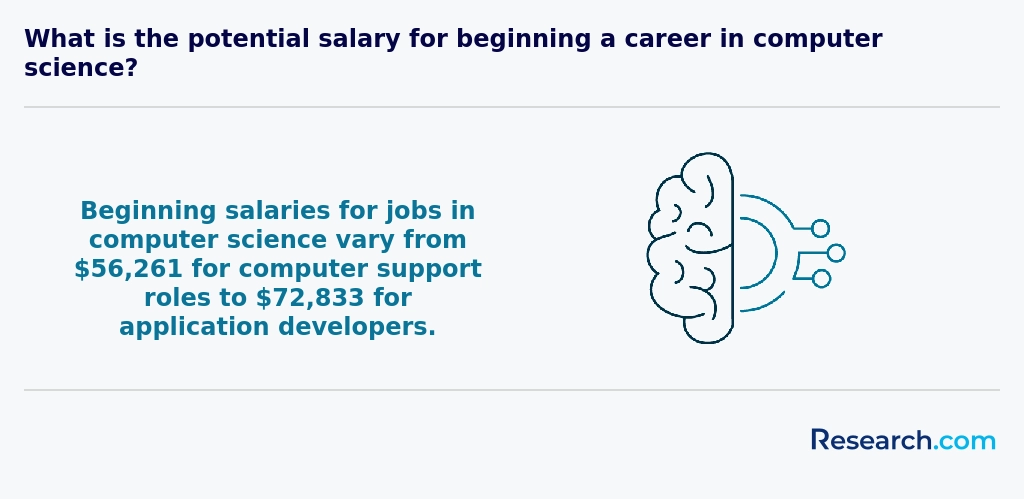
- Entry-level computer science graduates can expect starting salaries between $45,000 and $50,000 annually, depending on territory and job role.
- Experienced professionals may earn around $70,000 per year, with remote work options expanding job opportunities beyond the local market.
- Only a limited number of colleges in the territories offer fully accredited computer science programs, so checking ABET accreditation is important.
How long does it take to complete computer science degree in the USA Territories?
Completing a computer science degree in the USA Territories typically takes around four years for full-time students, much like in mainland United States. Graduates from universities in Puerto Rico or Guam often share stories of balancing coursework with local internships, appreciating how the standard timeline fits their ambitions without overwhelming their personal lives.
Part-time students, often working while studying, may extend their path to five or six years, yet they find it rewarding to adapt the schedule to their pace without sacrificing quality. Some accelerated programs, though rare, inspire those eager to dive into tech careers faster, trimming the journey to three years. Imagine a motivated student at a territorial college who leverages summer courses and online classes to graduate early, opening doors to dynamic job markets sooner.
Master's degree hopefuls often plan two additional years, but combined bachelor's and master's tracks offered by select territorial institutions can streamline this to five years, appealing to driven students focused on innovation. The lower tuition costs in areas like Puerto Rico energize many to commit full-time, enjoying the reduced financial pressure and shorter completion times.
What's the difference between online and on-campus computer science degree?
Graduates from the University of Puerto Rico often describe their on-campus experience as immersive, with hands-on labs and lively discussions that spark creativity and deepen understanding. Being physically present allows them to collaborate instantly with professors and classmates, making complex coding challenges feel more approachable. Meanwhile, students pursuing online degrees in computer science appreciate the flexibility to balance jobs or family life, especially in remote parts of the territories like Guam, where commuting can be a hurdle.
The future might blur these differences even more, as hybrid models emerge combining virtual labs with occasional campus events, giving online learners richer interaction without losing convenience. Cost-wise, many online students notice a modest tuition discount and fewer commuting expenses, though they sometimes miss spontaneous mentoring moments found on campus.
Networking evolves virtually too, with online students participating in remote internships and digital career fairs coordinated by institutions across the territories, gradually closing the gap in opportunities they once worried about. These evolving trends suggest a more inclusive and adaptive education landscape for computer science learners everywhere in the USA Territories.
What is the average cost of computer science degree in the USA Territories?
The average cost of a computer science degree in the USA Territories is notably lower than many mainland options, making it an appealing choice for students seeking affordable computer science degree programs in USA territories. Data indicates that median total expenses hover around $16,738, while in-state students often pay about $5,780. Graduates from institutions like the University of Puerto Rico frequently highlight how the affordability of local tuition allowed them to focus on building strong technical skills without overwhelming financial stress.
Many students share positive experiences about balancing academics and part-time work, enabled by these relatively reasonable costs, creating a pragmatic pathway to a degree. In territories such as Guam and the US Virgin Islands, while the selection of computer science programs may be limited, students appreciate the community-oriented campus environments and competitive tuition compared to mainland alternatives. The availability of federal financial aid strengthens this benefit, helping learners manage additional expenses like textbooks and technology fees.
Looking ahead, the evolving digital landscape can further reduce expenses as universities adopt hybrid and online courses, blending traditional studies with more flexible, cost-effective models. For those considering other routes to boost their skills and earning potential, exploring 6-month certificate programs that pay well complements the conventional degree path and presents exciting opportunities without escalating costs.

What financial aid is available to computer science degree students in the USA Territories?
Students pursuing computer science degrees in the USA Territories often find that federal financial aid, such as Pell Grants accessed through FAFSA, plays a crucial role in making their education affordable. Graduates from the University of Puerto Rico recall how these grants covered a significant share of their tuition, allowing them to focus more on coding projects and internships rather than financial stress.
Federal Supplemental Educational Opportunity Grants and Work-Study programs further enhance support, offering paid part-time jobs that help students gain practical experience in tech environments while funding their studies. For example, learners at Guam Community College describe how working within campus IT departments sharpened their skills and eased living costs.
- Local scholarships through territorial education departments often target STEM-driven students, rewarding dedication and encouraging future contributions to the local tech workforce.
- Private scholarships from organizations like the National Society of Hispanic Engineers provide additional resources, enabling students to outfit themselves with up-to-date technology essential for demanding computer science coursework.
Looking ahead, many anticipate that territorial institutions will expand merit-based aid, empowering more high-achieving computer science students at colleges such as the University of the Virgin Islands to pursue advanced research without financial barriers.
What are the prerequisites for enrolling in computer science degree program in the USA Territories?
Envisioning enrollment in a computer science degree program within the USA Territories, future students will likely continue to meet foundational prerequisites such as holding a high school diploma or GED. Graduates from institutions like the University of Puerto Rico recall that strong math skills-especially in algebra and geometry-are essential for success. Some peers found that early exposure to courses like precalculus or introductory programming significantly eased the transition into college-level studies.
Standardized testing, including the SAT or ACT, remains part of the path, but many students feel encouraged by the growing test-optional policies. Those who excelled in math and science sections often noticed a boost in their admissions confidence. Meanwhile, graduates remember that demonstrating English proficiency, through TOEFL or IELTS when necessary, helped them engage fully in their STEM courses despite the region's bilingual environment.
Beyond academics, students often share that submitting thoughtful personal statements and recommendation letters helped admissions see their genuine enthusiasm for computer science. As colleges in Puerto Rico and Guam continue refining these requirements, prospective learners remain motivated by the approachable costs and the prospect of joining a supportive, dynamic campus community.
What courses are typically in computer science degree programs in the USA Territories?
Graduates from popular universities in the USA Territories describe their computer science coursework as a dynamic blend of foundational and cutting-edge topics designed to prepare them for rapidly evolving tech landscapes. Early classes often include Programming Fundamentals, where students eagerly master languages like Python or Java, quickly building confidence by creating practical applications that solve everyday problems.
Students then dive into Data Structures and Algorithms, scenarios where they optimize data flow much like streamlining logistics in a bustling warehouse. This area sharpens their problem-solving skills and fuels excitement about crafting efficient code for future tech challenges.
Hands-on courses at institutions in the Territories emphasize Computer Systems, exploring hardware-software interactions that spark curiosity by simulating real-world system behaviors. Meanwhile, Database Management classes engage students through projects modeling data-driven decision-making in local businesses or industries.
As many students progress, electives like Artificial Intelligence and Cybersecurity invoke a sense of empowerment, preparing them to tackle emerging digital threats or innovate smart technologies that can transform community life in the Territories.
What types of specializations are available in computer science degree programs in the USA Territories?
Computer science specializations in USA Territories typically focus on areas like Software Development and Engineering, Cybersecurity, Data Science and Analytics, Network Systems, and emerging fields such as Artificial Intelligence and Machine Learning. Graduates from prominent institutions like the University of Puerto Rico often share how their Cybersecurity training helped them confidently secure critical systems amid growing digital threats in local governments and businesses. The hands-on experience in Software Development equips students to create real-world applications that address regional needs, fueling excitement about future tech careers.
Many students embrace the best CS degree focus areas in USA Territories that align with evolving technologies, especially data-driven innovations and network management. Smaller colleges offer specialized tracks but often encourage hybrid learning options to connect with mainland programs, expanding opportunities. For those seeking flexible advancement, an easy masters program can complement undergraduate specializations, opening doors to leadership roles in a rapidly changing industry.
How do you choose the best computer science degree in the USA Territories?
Choosing the best computer science degree in the USA Territories increasingly means looking beyond traditional measures like tuition and reputation. Graduates from institutions such as the University of the Virgin Islands often share how affordable computer science degrees in USA Territories allowed them to pursue specialized fields like cybersecurity and data science without the overwhelming debt common on the mainland.
In the evolving tech landscape, programs offering real-world internship experiences within the territories or nearby US markets provide a significant edge. Imagine collaborating with local companies during your studies, gaining hands-on skills that employers highly value. Prospective students often emphasize how curriculum tailored to emerging trends helped them stay relevant and confident in their careers.
Exploring options with flexible delivery formats is another forward-thinking approach. Some students advance quickly by enrolling in associate's degree accelerated programs, which fit their busy lives while keeping costs low.
Ultimately, assessing program accreditation and specialized curricula that align with your future ambitions is key to maximizing both your education quality and career potential in the USA Territories.
What career paths are available for computer science degree students in the USA Territories?
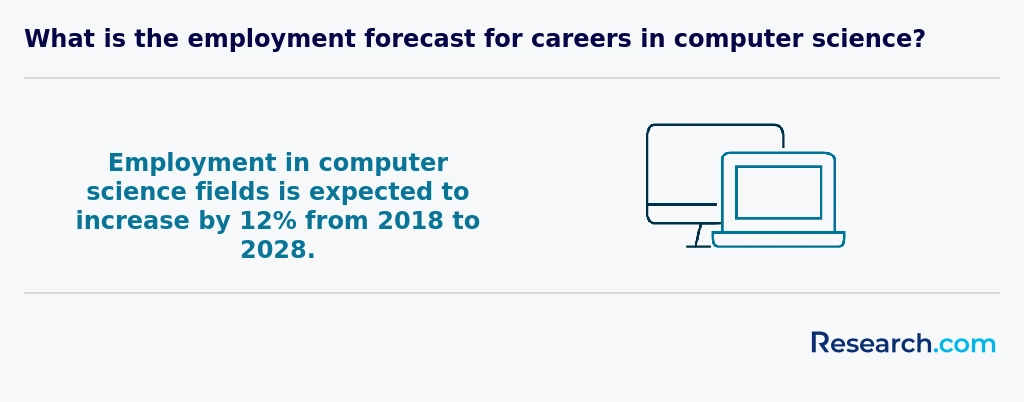
Graduates with a computer science degree in the USA Territories often find diverse and exciting career paths ahead. Popular universities like the University of Puerto Rico equip students with skills that open doors to roles such as software engineers, systems analysts, and cybersecurity specialists. These positions provide a sense of achievement as graduates solve real-world problems in government agencies or healthcare sectors within the territories, reflecting growing local demand for advanced technology solutions.
Job prospects for computer science graduates in USA Territories are expanding beyond traditional roles. Remote work offers fresh possibilities to collaborate with mainland U.S. companies as cloud computing specialists or AI programmers, giving graduates flexibility and exposure to global markets. Many feel empowered by this connection, balancing family life in their communities while pursuing dynamic careers.
Some graduates embrace entrepreneurship, launching startups or freelancing in app development and IT consulting, contributing to the local economy's growth. Students often benefit from affordable education costs at regional colleges, fostering optimism about their future careers and financial stability. For those exploring accessible pathways, top affordable online courses & degree programs present valuable opportunities to enhance skills while minimizing debt.
What is the job market for computer science degree in the USA Territories?
Computer science job opportunities in USA Territories are gradually expanding as local governments and businesses invest more in digital infrastructure. Graduates from institutions like the University of Puerto Rico often find themselves well-positioned due to close connections with regional employers in sectors such as healthcare and telecommunications. These students share positive experiences of engaging with projects that directly impact their communities, boosting their confidence and job readiness.
Many graduates note the appeal of flexible and remote work options that allow them to collaborate with mainland US tech firms offering higher salaries, balancing the lower wage levels within the territories. This emerging trend encourages students to stay local while accessing broader markets, enhancing the computer science employment outlook in USA Territories.
For students curious about alternative career pathways, exploring what is trade school jobs provides useful insights into complementary fields. Overall, studying computer science locally opens doors to stable employment with a sense of community impact, making the region a unique and promising place to launch a tech career.
Frequently Asked Questions About computer science
Computer science students in the USA Territories can maximize their learning by engaging with local institutions that offer accredited programs tailored to regional needs. Many territorial colleges provide practical experiences through partnerships with local businesses and government agencies, helping students apply theory to real-world challenges.
Additionally, students should leverage online resources and certifications from recognized platforms to supplement their education, since on-island opportunities may be limited compared to the mainland.
Networking through student organizations and tech meetups is essential; this builds valuable connections within the small but growing technology communities in territories like Puerto Rico and Guam.
According to the National Center for Education Statistics, students in USA Territories benefit most when combining formal education with internships or cooperative education experiences offered locally or remotely.
The field of computer science in the USA Territories is evolving rapidly, with several emerging niches gaining traction. Areas such as artificial intelligence (AI), cybersecurity, and cloud computing are expanding significantly. According to the U.S. Department of Labor, demand for AI specialists is expected to grow by over 30% nationally, impacting the Territories as companies seek secure and efficient technology solutions.
Additionally, data science and machine learning are critical for businesses and government agencies in the Islands, streamlining decision-making processes. Blockchain technology and edge computing also show promise, particularly for enhancing security and connectivity in remote areas. These niches present valuable opportunities for students pursuing a computer science degree within the Territories' unique context.
Graduates with a computer science degree in the USA Territories can improve their job prospects by building practical skills alongside their academic knowledge. Engage in internships or cooperative education programs offered by local universities or technology companies to gain real-world experience. According to the National Center for Education Statistics, practical experience significantly increases employability in the tech sector.
Networking is crucial. Participate in local tech meetups, online forums, or university-sponsored events to connect with professionals in the industry. Employers in territories like Puerto Rico and Guam often seek candidates familiar with regional market needs and challenges.
Keep up with industry certifications such as CompTIA or AWS, which are widely recognized by employers within US jurisdictions. This can distinguish candidates in a competitive market dominated by remote and local job opportunities.
Employers in the USA Territories prioritize a mix of technical and soft skills when hiring computer science graduates. Fundamental programming knowledge in languages like Python, Java, and C++ remains essential. According to the National Center for Education Statistics, graduates with strong coding abilities have a 15% higher employment rate in the region.
Problem-solving skills are highly valued, as many local businesses seek professionals who can address unique challenges with innovative solutions. Additionally, understanding software development life cycles and version control tools, such as Git, is crucial.
Effective communication and teamwork abilities are also important, reflecting the collaborative nature of most tech projects. Employers favor candidates able to explain complex ideas clearly and work well in diverse teams.
Finally, knowledge of cybersecurity is increasingly required due to rising digital threats across the islands, with demand for such skills growing by over 20% in recent years, according to regional labor reports.
Finding internships in the USA Territories for computer science students involves leveraging local universities, government programs, and private sector opportunities. Institutions like the University of Guam and the University of the Virgin Islands often provide internship listings and career services tailored for technology students.
The U.S. Department of Labor's internship database also includes positions in the Territories, offering practical experience in computer science fields. According to the 2023 Bureau of Labor Statistics, IT-related jobs in these areas are growing modestly, creating more internship openings.
Networking through local tech meetups and contacting regional companies directly can increase chances of securing internships. Many organizations value candidates with formal CS education from accredited Territory schools.
Obtaining a computer science degree significantly enhances career mobility and advancement opportunities in the USA Territories. With the growing demand for technology professionals in sectors like telecommunications, finance, and government, degree holders gain a competitive edge. According to the U.S. Bureau of Labor Statistics, IT-related occupations are expected to grow by 13% nationally through 2032, reflecting similar trends in territories such as Puerto Rico and Guam.
Graduates have increased access to remote and hybrid roles, which helps overcome geographic limitations often faced in these regions. Additionally, having a formal computer science education opens pathways to higher-paying positions and leadership roles in local tech firms and multinational companies operating in the territories.
Employers in the USA Territories frequently prioritize candidates with accredited degrees for software development, cyber security, and data management roles. This foundation supports career growth by enabling professionals to adapt to evolving technologies and industry standards more efficiently.
Studying for a computer science degree in the USA Territories equips students with skills that extend beyond traditional programming and software development. Curricula commonly integrate interdisciplinary coursework, combining computer science with fields like environmental science, healthcare, and business. This approach reflects the Territories' unique economic and social environments, requiring versatile professionals.
Programs often emphasize problem-solving in local contexts, encouraging applications in telemedicine, agriculture technology, and disaster management. For example, the University of the Virgin Islands includes projects addressing regional challenges through technology. According to the National Center for Education Statistics, computer science enrollments in these areas have grown steadily, highlighting increasing demand for cross-disciplinary expertise.
Such education fosters adaptability, preparing graduates to collaborate across sectors, an essential skill in the evolving job market of the USA Territories and beyond.
Choosing between a thesis and a non-thesis computer science degree program in the USA Territories depends largely on your career goals and learning preferences. Thesis programs emphasize original research and require students to write a detailed dissertation under faculty supervision. This path is often suited for those interested in research roles or pursuing a PhD later.
Non-thesis programs focus more on coursework and practical skills, often involving a capstone project or comprehensive exam instead of a thesis. These are ideal for students aiming to enter the workforce directly after graduation. In the USA Territories, institutions frequently tailor programs to meet regional industry needs, often emphasizing applied computing skills.
According to the latest data from the U.S. Department of Education and regional educational boards, about 60% of computer science graduates in the Territories opt for non-thesis tracks due to faster completion times and job readiness. However, thesis options remain valuable for students seeking academic or specialized roles. Before deciding, consider faculty expertise, program structure, and how each aligns with your future plans.
Students based in the USA Territories interested in studying computer science abroad have several avenues within the US higher education system. Many accredited universities on the US mainland offer online computer science degrees, allowing territorial students flexible access without relocating. Additionally, some institutions provide specific support and scholarship programs aimed at students from territories such as Puerto Rico, Guam, and the US Virgin Islands. According to the National Center for Education Statistics (NCES), over 40% of college students from these territories enroll in mainland US institutions, often benefiting from in-state tuition policies or specialized grants. These opportunities make pursuing computer science degrees more accessible for territorial students.
Part-time job opportunities in the USA Territories can significantly complement computer science degree education by providing practical experience alongside academic learning. Positions such as IT support technicians, web developers, and software testers are commonly available at local government offices, educational institutions, and private companies. According to the U.S. Bureau of Labor Statistics, demand for computer-related jobs in these regions has grown slightly faster than the national average, increasing opportunities for students.
Additionally, freelancing in coding and app development offers flexible schedules, allowing students to apply their skills on real-world projects. Such roles help build professional networks and improve technical competencies, important for entering the tech workforce after graduation.
Networking opportunities for computer science students in the USA Territories are growing steadily, especially through local universities and community programs. Institutions like the University of Puerto Rico and University of Guam offer student clubs and tech meetups focused on programming and innovation. These events help students connect with peers and industry professionals.
Additionally, partnerships between territorial schools and mainland U.S. tech companies create internship and mentorship options. Federal initiatives aim to improve STEM education and workforce development in these regions, which may increase networking prospects. According to the National Science Foundation, nearly 20% of STEM graduates in the territories engage in internships during their studies, enhancing their professional contacts.
Alumni networks provide significant advantages to computer science degree students in the USA Territories by connecting them with professionals who have successfully navigated the local and broader US tech job markets. These networks often offer mentorship opportunities, internships, and job referrals, which are crucial given the smaller but growing tech ecosystems in territories like Puerto Rico and Guam.
According to the National Science Foundation, alumni involvement can improve employment outcomes by up to 20%, especially in specialized fields like computer science. This support helps students access resources beyond the classroom and gain insights into industry trends and certifications valued in the US territories.
Additionally, alumni networks frequently organize workshops and networking events, enhancing students' practical skills and professional connections. These resources foster a collaborative environment that bridges academic learning with workplace expectations, offering a competitive edge in a market where local industry contacts are vital.
Customizing a computer science degree program in the USA Territories involves selecting courses and specializations that align with your career goals. Many institutions in these regions offer flexibility through electives in areas like cybersecurity, software development, or data science. For instance, the University of the Virgin Islands allows students to tailor their studies to industry demands, which is vital given the growing tech job market in the Caribbean as per the U.S. Bureau of Labor Statistics.
Students can also participate in internships or cooperative education programs to gain practical experience. These opportunities help build skills that local employers value. Additionally, some programs offer online or hybrid options, providing more adaptability for working professionals. Consulting academic advisors is essential to ensure your curriculum matches your intended career path.
Computer science students in the USA Territories often face unique challenges that differ from those on the mainland. Limited access to advanced research facilities and fewer internship opportunities in tech industries can hinder practical experience. According to the National Center for Education Statistics, institutions in territories like Puerto Rico and Guam have smaller computer science departments, which may affect course variety and specialization options.
Connectivity issues and limited broadband access in some areas also impact online learning and collaboration. Additionally, fewer local tech companies can mean limited job prospects immediately after graduation. Financial constraints play a role too, as a smaller number of scholarships specific to computer science are available in these regions.
Graduates with a computer science degree in the USA Territories have access to various professional certifications that can boost their careers. Popular options include the Certified Information Systems Security Professional (CISSP), focusing on cybersecurity, and the Certified Software Development Professional (CSDP), which is ideal for software engineers. Another well-regarded certification is the Amazon Web Services (AWS) Certified Solutions Architect, valuable in cloud computing roles. These certifications are recognized across the US and its territories and can improve job prospects and salary potential. Data from the U.S. Bureau of Labor Statistics highlights growth in IT jobs in the Caribbean region of the USA Territories.
Applying to a computer science program in the USA Territories requires careful preparation and attention to detail. Start by researching accredited institutions recognized by the U.S. Department of Education, such as the University of Guam or the University of the Virgin Islands. These schools offer programs aligned with national standards.
Highlight your academic record, especially math and science grades, as strong quantitative skills are essential. Include any coding projects, internships, or related extracurricular activities to demonstrate your practical experience.
Personal statements should clearly explain your motivation and career goals in tech fields relevant to regional needs. Letters of recommendation from teachers or employers familiar with computer science strengthen your profile.
Standardized test scores might still be required; check each program's specifics. Meeting all deadlines and submitting complete applications is crucial in competitive admissions.
A computer science career holds significant global value, reflecting its essential role in driving innovation, technology, and economic growth. Graduates from the USA Territories benefit from being part of the broader US higher education system, which is highly regarded worldwide. The U.S. Bureau of Labor Statistics projects a 15% growth in computer and information technology jobs through 2031, indicating strong demand.
Students in the USA Territories can expect to compete internationally, given that many tech companies operate globally and seek professionals with up-to-date skills. Additionally, participation in remote work and global projects is increasingly common, expanding opportunities beyond local markets.
Degrees earned within the USA Territories follow US accreditation standards, offering a recognized qualification recognized worldwide. This recognition opens doors to advanced study or employment not only across the mainland US but also in international tech hubs.
Gaining practical experience while studying for a computer science degree in the USA Territories can significantly enhance your career prospects. Many institutions offer internship programs in collaboration with local businesses and government agencies, allowing students to apply classroom knowledge to real-world projects.
Students can also join coding clubs or participate in hackathons hosted by universities or community organizations to build practical skills. Additionally, many universities provide access to research projects under faculty supervision, giving hands-on experience in emerging technologies.
According to the National Center for Education Statistics, internship participation among computer science students in US territories has grown by 15% over the last five years, reflecting increased opportunities. Exploring remote internships with US mainland companies is another viable option, expanding practical learning beyond geographic limits.
Choosing the right concentration within a computer science degree program in the USA Territories depends on your career goals and local industry demands. Popular concentrations include software development, cybersecurity, and data science, aligning with growing sectors in territories like Puerto Rico and Guam.
Consider practical factors such as internship availability and faculty expertise at local institutions like the University of Puerto Rico. According to the National Center for Education Statistics, STEM fields, including computer science, are expanding in these regions, offering increasing job prospects.
Researching each concentration's curriculum and job placement rates can help you make an informed choice.
Top Trending Computer Science Rankings
See What Experts Have To Say About Studying Computer Science
Read our interview with Computer Science experts

Imed Bouchrika, Phd
Computer Science Expert
Professor of Computer Science
National Higher School of Artificial Intelligence

Martin Kang
Computer Science Expert
Assistant Professor
Loyola Marymount University

Kathleen M. Carley
Computer Science Expert
Professor of Computer Science
Carnegie Mellon University

Derek Riley
Computer Science Expert
Professor, Program Director
Milwaukee School of Engineering

References
- Letter of Motivation for applying Computer Science related fields https://essayforum.com/letters/motivation-applying-computer-science-related-11858/
- How to choose a bachelor's in computer science | edX https://www.edx.org/resources/how-to-choose-a-bachelors-in-computer-science
- How AI Is Transforming Computer Science Careers | Role of AI https://www.gisma.com/blog/how-ai-is-transforming-computer-science-careers
- What does a Computer Scientist do: Career paths and insights https://vinuni.edu.vn/what-does-a-computer-scientist-do/
- Paying for a Computer Science Degree | Scholarships, Grants, Loans https://www.computerscience.org/resources/how-to-pay-for-a-degree/
- 555 Computer Science Internships https://internshala.com/internships/computer-science-internship/
- UK Computer Science Degree Requirements Explained https://accesscoursesonline.com/blogs/news/computer-science-degree-requirements
- 8 Tips for Computer Science Graduates to Get Their First Job https://allthecode.co/blog/post/tips-for-computer-science-graduates-to-get-their-first-job
- Alumni computer science dual https://www.fbi.h-da.de/en/informieren/ueber-uns/alumni/alumni-computer-science-dual
- Computer Engineering Master's Program (without Thesis) | Eastern Mediterranean University Cyprus https://www.emu.edu.tr/en/programs/computer-engineering-masters-program-without-thesis/942


