2027 Easiest Online Master's in Counseling Degree Programs Ranking in the USA

Co-Founder and Chief Data Scientist
Choosing the right online master's in counseling program can feel overwhelming, but it doesn't have to be. This article presents the 2027 Easiest Online Master's in Counseling Degree Programs Ranking in the USA, carefully crafted by the Research.com team of data scientists. It's designed to help you confidently explore options that fit your unique needs and goals.
Reading this guide can simplify your decision-making and inspire you to take the next step toward a meaningful career in counseling. A counseling degree opens doors to helping others while building a rewarding future.
Key benefits of getting online counseling degree in America
- Counseling degree graduates in America can earn competitive salaries, such as $52,360 annually for Licensed Professional Counselors and up to $134,440 for Clinical Supervisors, reflecting rewarding financial opportunities.
- Graduates from popular universities often pursue diverse careers in mental health, marriage and family therapy, or substance abuse counseling, offering meaningful and varied paths to help others.
- Completing a counseling degree online, as exemplified by students from well-known online programs, allows flexible study schedules and faster entry into the workforce while balancing personal commitments.
- Key benefits of getting online counseling degree in America
- What can I expect from online counseling degree in America?
- Where can I work with online counseling degree in America?
- How much can I make with online counseling degree in America?
- 2027 Easiest Online Master's in Counseling Degree Programs Ranking in the USA
- Key Findings
- How long does it take to complete online counseling degree in America?
- Accreditation and Licensure Requirements for Online Counseling Master’s Programs in America
- What's the difference between online and on-campus counseling degree?
- What is the average cost of online counseling degree in America?
- Accreditation and Licensure Requirements
- What financial aid is available to online counseling degree students in America?
- Licensure and Certification Requirements
- What are the prerequisites for enrolling in online counseling degree program in America?
- Licensure and Certification Requirements
- What courses are typically in online counseling degree programs in America?
- What types of specializations are available in online counseling degree programs in America?
- How do you choose the best online counseling degree in America?
- What career paths are available for online counseling degree students in America?
- What is the job market for online counseling degree in America?
- Top Trending Counseling Rankings
- See What Experts Have To Say About Studying Counseling
What can I expect from online counseling degree in America?
The average cost of an online counseling degree in America typically ranges between $15,000 and $30,000 for the entire program, depending on the university and program length. Graduates from well-known institutions like Capella University or Walden University often share how the investment felt worthwhile, as their flexible tuition plans allowed them to balance work, family, and studies without overwhelming financial stress.
Many students appreciate that accredited programs offer quality education while supporting their busy lifestyles. Imagine joining live video lectures after work or discussing counseling techniques in vibrant online forums with peers from across the country-these experiences make learning engaging and practical.
Graduates often describe their internships arranged locally as transformative, providing real-world skills while letting them stay rooted in their communities. With thoughtful budgeting and available scholarships, pursuing a counseling degree online in America becomes an inspiring journey toward a rewarding career, offering hope and real impact to future clients.
Where can I work with online counseling degree in America?
Graduates with an online counseling degree in America find rewarding careers in diverse settings that truly make a difference. Many step into mental health clinics or outpatient centers, where they help individuals overcome challenges like anxiety or depression. Imagine the satisfaction of seeing a client regain hope-this is a common story for alum from well-known programs at institutions such as the University of Southern California or Arizona State University.
Others embrace roles in schools, guiding students through academic and emotional hurdles. These graduates often share how working as a school counselor, supported by their online degree, feels deeply fulfilling as they empower young minds to thrive. Popular schools like the University of North Carolina at Chapel Hill offer pathways that align perfectly with this career.
Hospitals and healthcare systems also welcome counselors with online degrees, especially those trained in clinical mental health or family therapy, providing vital care for patients enduring trauma or chronic illness. Private practice attracts many licensed counselors, offering flexibility and direct client impact after completing required supervised hours.
Whether supporting employees through corporate programs or creating change in nonprofits, graduates from these respected American colleges embark on meaningful, hopeful careers that transform lives nationwide.
How much can I make with online counseling degree in America?
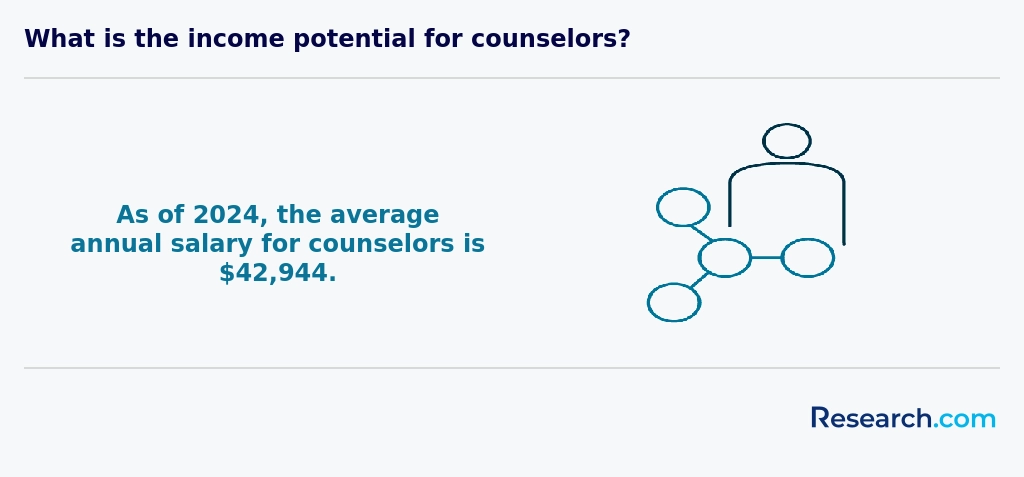
Graduates with an online counseling degree from respected programs like those at the University of Southern California or Boston College often find themselves earning strong salaries that reflect their valuable skills. Licensed Mental Health Counselors typically earn a mean annual wage of about $60,080, enabling them to build rewarding careers helping individuals and families. Many graduates start their journeys with roles as Licensed Professional Counselors, earning around $52,360 annually, with opportunities to grow as they gain experience.
For those specializing, such as Marriage and Family Therapists, the average salary rises to approximately $68,730, offering an inspiring example of how choice of focus can elevate earning potential. Substance Abuse Counselors earn similarly, around $60,080, making a meaningful impact while enjoying financial stability. Graduates who advance into Clinical Supervisor positions, often after years of practice and additional credentials, can reach impressive salaries averaging $134,440.
These figures demonstrate the promising financial future available after completing an online counseling degree in America. Graduates from prominent colleges appreciate how their education equips them to serve diverse communities while achieving satisfying and steadily increasing incomes.
2027 Easiest Online Master's in Counseling Degree Programs Ranking in the USA
How do we rank schools?
Investing in your education is a significant decision that can impact your career and personal growth. The Research.com team recognizes the importance of making well-informed choices, which is why we have carefully developed the "2027 Easiest Online Master's in Counseling Degree Programs Ranking in the USA." Our dedication to quality, credibility, and accuracy is demonstrated through thorough research and rigorous analysis.
We utilized the following reputable data sources to ensure a comprehensive evaluation of online counseling programs:
Readers will benefit from valuable insights that simplify their search for the most accessible and reputable online master's counseling programs. For more information about how this ranking was created, please visit our Research.com methodology page.


# 12 position
Nova Southeastern University
Master of Counseling (Concentrations-Clinical Mental Health Counseling; School Counseling; Applied Behavior Analysis)


# 14 position
Bob Jones University
Master of Biblical Counseling


# 16 position
Cameron University
Master of Behavioral Science



Key Findings
- The cost of earning a master's degree in counseling ranges from $20,000 to $60,000, with public universities usually offering lower tuition than private ones.
- Early-career counseling graduates typically earn between $40,000 and $50,000 annually, while experienced counselors can make around $60,000 to $70,000 per year.
- Employment of substance abuse, behavioral disorder, and mental health counselors is expected to grow 23% from 2022 to 2032, faster than average for all occupations.
- Most U.S. states require a master's degree from an accredited program, supervised clinical hours, and passing a licensing exam to become a Licensed Professional Counselor (LPC).
- Online counseling degrees follow the same curriculum and accreditation standards as on-campus programs and may include local internships to complete clinical hour requirements.
How long does it take to complete online counseling degree in America?
Completing an online counseling degree in America is an achievable and rewarding journey that usually takes two to three years for a master's degree-the most common route to licensure. Many students from well-known institutions like the University of Southern California or Liberty University share how flexible online formats enabled them to balance family, work, and school confidently. This balance often turns challenges into motivating milestones.
Full-time learners typically finish in about two years, embracing a steady rhythm of semesters, while part-time students, who juggle other commitments, may take closer to three years without sacrificing the quality of their education. Some students at schools with accelerated programs feel energized by completing their degrees in as little as 18 months through focused, intense study periods.
Graduates often highlight how internship requirements-ranging from 600 to 1,000 hours-enhanced their real-world skills and deepened their passion. With supportive online communities at popular colleges, you'll find the pathway not only manageable but inspiring and aligned with your personal goals.
Accreditation and Licensure Requirements for Online Counseling Master’s Programs in America
Accreditation and licensure are the two issues that can determine whether an online counseling master’s degree leads to the career you want. A flexible online format is useful only if the program’s coursework and supervised clinical training satisfy the requirements of the state where you plan to become licensed.
Start by checking whether the program is accredited by the Council for Accreditation of Counseling and Related Educational Programs (CACREP) or by a recognized regional accreditor. CACREP accreditation is widely recognized in counselor education and can make it easier to show that your curriculum includes the academic and clinical preparation expected by many licensing boards.
Most states require graduates to complete 60–72 credit hours of graduate coursework, plus 2,000–4,000 supervised clinical practicum hours under a licensed supervisor. After completing education and supervised-practice requirements, candidates typically must pass a national licensure exam, commonly the National Counselor Examination (NCE) or the National Clinical Mental Health Counseling Examination (NCMHCE), before applying to a state board for a Licensed Professional Counselor (LPC) or equivalent credential.
Because counseling licensure is state regulated, requirements can vary significantly. Review your state board’s rules for required courses, acceptable internship settings, supervisor credentials, exam eligibility, background checks, and post-graduate supervised hours. If you are considering a faith-based counseling path, a cheap online christian counseling masters degree may include theological coursework, but you should still verify whether it meets the counseling license requirements in your state.
Before enrolling, ask the program for written confirmation of how it supports licensure preparation. Useful services include clinical placement advising, exam-prep workshops, licensure checklists by state, and help completing practicum and internship documentation.
What's the difference between online and on-campus counseling degree?
Choosing between online and on-campus counseling degrees in America opens a world of opportunity tailored to your unique lifestyle. Imagine a graduate from a renowned university in California who thrived in an online program, balancing family life and work while engaging deeply in virtual classrooms. The flexibility of attending lectures from home made their journey both manageable and inspiring. Meanwhile, graduates from traditional programs at universities like the University of Texas cherish the face-to-face connections formed in vibrant campus settings, where lively discussions and immediate access to resources enriched their learning.
Both paths in America lead to accredited master's degrees, meeting high standards like CACREP, ensuring that whether online or on-campus, students achieve excellence. Online students embrace self-paced formats, fitting studies around their busy days, while on-campus peers enjoy structured schedules that foster routine. Practical internships are equally enriching, with online students securing local placements to gain hands-on experience, demonstrating their proactive spirit.
What is the average cost of online counseling degree in America?
The average cost of an online counseling degree in America offers promising possibilities for students eager to advance their careers while balancing life's commitments. The median total tuition and fees for counseling master's programs hover around $31,980, with in-state residents often benefiting from a significantly lower median cost of about $17,820. Out-of-state students may expect to pay close to $32,424 on average. Graduates from popular institutions often reflect on how careful financial planning and choosing the right school helped them invest wisely in their future.
Many individuals pursuing online counseling degrees at respected universities like those known for strong psychology and social work programs find the total tuition and fees align well with their career goals and personal growth. These programs tend to offer flexible payment options and scholarships, which lighten the financial load and transform education into a more achievable dream. The combination of tuition, fees, and personal dedication creates a path that feels rewarding and attainable for enterprising students.
When calculating the average cost of online counseling degree USA degrees, it's essential to consider not only tuition but also other expenses such as textbooks and licensing fees that contribute to the total investment. Students emphasize how scholarships, employer tuition reimbursement, and financial aid contribute significantly to making these programs accessible and encourage prospective learners to explore all avenues. For those seeking cost-effective options, exploring a cheap online christian counseling masters degree can also be a strategic and fulfilling choice.
Accreditation and Licensure Requirements
A strong online Master’s in Counseling program should meet academic quality standards and help students prepare for state licensure. For many students, CACREP accreditation is the clearest signal that a counseling curriculum has been reviewed against national expectations for coursework, faculty, field experience, and professional ethics.
The Council for Accreditation of Counseling and Related Educational Programs (CACREP) is the gold-standard accreditor recognized by most state licensing boards. Enrolling in a CACREP-accredited program can help ensure that your coursework, clinical training, and ethical preparation align with the requirements commonly used for the National Counselor Examination (NCE) or the National Clinical Mental Health Counseling Examination (NCMHCE).
After graduation, candidates must complete supervised clinical practice, often 2,000–3,000 hours depending on the state, before applying for licensure as a Licensed Professional Counselor (LPC), Licensed Mental Health Counselor (LMHC), or equivalent. States may also require specific coursework in areas such as diagnosis using DSM-5, multicultural counseling, addiction studies, human development, ethics, or local mental health law.
Licensure planning should begin before you apply, not after you graduate. Compare each program’s curriculum against the rules of the state where you want to practice. Also review whether the school approves clinical sites in your area and whether its internship model works for online students who live outside the institution’s home state.
Cost matters as well, but affordability should not come at the expense of licensure eligibility. Students comparing options in Utah can use the Inexpensive Counseling Degree Programs Ranking in Utah to weigh program cost alongside accreditation and career preparation.
The safest choice is a program that clearly identifies its accreditation status, explains how it maps to state requirements, and provides direct advising for students pursuing counseling licensure.
What financial aid is available to online counseling degree students in America?
Financial aid options for online counseling degrees in America open doors to many hopeful graduates facing tuition costs. Many students at well-known universities like the University of Southern California find relief through federal student loans, such as Direct Unsubsidized Loans and Grad PLUS Loans, which come with manageable interest rates and flexible repayment plans tailored for graduate students.
Scholarships and grants targeted specifically at counseling students provide real financial boosts. Graduates often highlight support from groups like the American Counseling Association, receiving awards between $1,000 and $5,000 annually, making a tangible difference in their education journey.
State programs and loan repayment initiatives offer extra encouragement, especially for those willing to serve in communities with high need. For example, graduates from institutions like New York University have benefited from the National Health Service Corps scholarships, easing their financial worries.
Graduate assistantships and work-study roles give students chances to gain experience while earning stipends or tuition reductions, helping to keep dreams alive with less stress.
Many universities also offer institutional grants and flexible payment plans designed for busy online learners, turning challenges into achievable goals.
Licensure and Certification Requirements
Licensure is required for most counseling roles involving independent clinical practice. Because each state sets its own rules, students should treat licensure planning as a core part of choosing an online counseling master’s program.
- Choose a CACREP-accredited program to meet core coursework standards.
- Complete 2,000–3,000 supervised clinical hours, noting that requirements vary by state.
- Pass the NCE or NCMHCE national licensing exam.
- Apply for a Licensed Professional Counselor (LPC) or equivalent license in your state.
- Check reciprocity agreements if you plan to relocate.
Also ask your program how it tracks clinical hours, approves supervisors, verifies internship sites, and prepares students for the exam required in their state. Selecting a reputable counseling degree online can help align your education with licensure pathways and reduce avoidable delays after graduation.
What are the prerequisites for enrolling in online counseling degree program in America?
Standardized tests such as the GRE have traditionally been part of applications, yet many programs now waive this, recognizing the value of your real-world experiences. Graduates often share how crafting heartfelt personal statements and gathering strong letters of recommendation helped their passion for counseling shine through, painting a vivid picture of their dedication.
Some applicants may need to complete prerequisite courses in subjects like psychology or statistics, ensuring they enter the program ready to excel. With a wide tuition range from $6,000 to $25,000 annually, financial planning becomes a positive step toward your goals, supported by numerous scholarships and aid options tailored for online students across America.
Licensure and Certification Requirements
After completing your online master’s in counseling, you will generally need state licensure before practicing independently. Exact requirements vary by board, so students should verify rules directly with the licensing authority in the state where they plan to work.
Most licensing boards require some combination of the following:
- A set number of supervised clinical hours, commonly 2,000–4,000
- Passing a national exam, such as the NCMHCE or NBCC
- A jurisprudence or state law exam
- Submission of official transcripts and application fees
Students pursuing school-based roles should review state-specific school counselor certification requirements, which may differ from clinical mental health counseling licensure. The safest approach is to keep a licensure checklist from the beginning of the program and update it as your state board issues new guidance.
What courses are typically in online counseling degree programs in America?
Online counseling degree programs in America offer courses that blend deep understanding with practical training, truly preparing you to make a difference. Graduates from top universities often share how studying core counseling theories-like cognitive-behavioral therapy and family systems-helped them connect with clients in meaningful ways, turning theory into impactful conversations.
Many find courses like Human Growth and Development inspiring, as they explore life stages from childhood to adulthood, giving insight into clients' experiences. Multicultural Counseling opens hearts and minds, teaching you to embrace and celebrate diversity, which graduates say builds essential cultural competence for real-world counseling.
In programs at well-known American colleges, courses such as Assessment and Testing and Ethics and Professional Issues provide invaluable tools for making ethical, informed decisions. Career Counseling and Group Counseling classes bring dynamic skills to guide clients through life's transitions and group environments, creating a supportive impact that graduates proudly carry into their careers.
Research Methods and Program Evaluation ensure you understand evidence-based practices, equipping you with confidence to analyze outcomes and grow professionally.
What types of specializations are available in online counseling degree programs in America?
Online counseling degrees in America offer inspiring opportunities to specialize in fields that truly make a difference. Graduates from renowned universities often choose Clinical Mental Health Counseling, where they learn to support individuals and families facing emotional and behavioral challenges. This specialization opens doors to rewarding careers as Licensed Professional Counselors, meeting the growing demand for mental health professionals nationwide.
Many students are drawn to the best counseling concentration options in America, such as School Counseling, where they empower K-12 students to thrive academically and emotionally. Imagine the fulfillment of helping young people navigate their futures, a path many graduates from top colleges passionately pursue. Marriage and Family Therapy is another enriching route, allowing counselors to strengthen relationships and encourage healing for couples and families.
Specializations like Addictions Counseling and Rehabilitation Counseling offer unique ways to change lives, whether helping individuals overcome substance abuse or achieve personal goals despite disabilities. For those considering costs, programs vary, but those seeking affordable options can explore resources like the Inexpensive Counseling Degree Programs Ranking in Utah to find quality yet budget-friendly paths. Every step in these specializations reflects a commitment to positive impact, inspiring future counselors to make a meaningful difference in America.
How do you choose the best online counseling degree in America?
Choosing the best online counseling degree in America starts with ensuring the program is accredited by CACREP or a similar respected body. Graduates from top programs at well-known universities often highlight how accreditation gave them confidence that their education met rigorous national standards, paving the way for successful licensure and fulfilling careers. Imagine yourself gaining practical skills through integrated internships, just as many counseling students in America do, preparing to make a real difference in their communities.
Cost is another key consideration. Affordable online counseling master's degrees in America can vary widely in price, but many students share how budgeting wisely and exploring scholarships or employer tuition assistance helped them thrive without overwhelming debt. Programs that align closely with your career goals-whether school counseling or marriage and family therapy-bring lasting motivation and professional growth.
Finally, don't overlook programs offering strong faculty support and resources tailored to state licensing requirements. Graduates from colleges famous for their counseling programs often emphasize how this support made learning fulfilling and manageable. For those seeking practical options, exploring accredited trade schools online can also open exciting pathways toward your goals.
What career paths are available for online counseling degree students in America?
Graduates holding an online counseling degree in America find themselves stepping into a world of impactful career options filled with purpose and growth. Many become licensed professional counselors or mental health counselors, directly empowering individuals through emotional and behavioral support. Popular universities offering strong counseling programs, like those in California or New York, share stories of graduates thriving in these roles, delivering compassionate help to communities in need-whether in schools, clinics, or private practice.
The counseling profession opportunities in America also include dynamic roles such as marriage and family therapists, substance abuse counselors, and rehabilitation counselors, who transform lives daily. Others move into school counseling or take on mental health case management, coordinating services to ensure holistic care.
Those inspired by human connection and support discover that their skills translate broadly into sectors like nonprofit work, wellness coaching, and human resources. For motivated students seeking flexible pathways, exploring fast paced degree programs offers an exciting chance to fast-track their future and make a meaningful difference.
What is the job market for online counseling degree in America?
The job market for those with an online counseling degree in America is vibrant and expanding rapidly. Graduates from popular universities report rewarding careers in diverse settings such as schools, hospitals, and private practices, where their skills are deeply valued. The growth in counseling careers in America is fueled by increasing awareness of mental health needs and expanded access to counseling services across communities.
Many graduates find that choosing accredited online programs from recognized colleges enhances their chances for licensure and employment. Licensing typically requires a master's degree with supervised clinical experience, and these programs provide the strong foundations needed to succeed in competitive fields.
Counselors in metropolitan areas often enjoy higher salaries, reflecting local demand and specialization opportunities. Students considering an online counseling degree jobs USA can explore options from top programs that fit their lifestyle while preparing them for fulfilling careers. Those interested can discover more about their educational options at top ranked online colleges, offering flexibility and quality education to launch a meaningful counseling career.
Frequently Asked Questions About counseling
Online counseling degree students in America can maximize their learning by actively engaging with course materials and participating in virtual discussions. Research from the American Counseling Association emphasizes the importance of consistent interaction with peers and instructors to deepen understanding and build professional networks. Setting a structured study schedule helps maintain discipline and manage the flexibility that online programs provide.
The Council for Accreditation of Counseling & Related Educational Programs (CACREP) reports that accredited programs ensure quality, so students should choose CACREP-accredited schools. Utilizing available online resources-such as webinars, virtual labs, and counseling simulations-can enhance practical skills. Finally, students should seek supervised clinical experiences early, as these are crucial for state licensure and real-world application.
The counseling field in the United States is evolving, with several emerging niches gaining attention in recent years. One prominent area is telehealth counseling, which has expanded rapidly due to increased demand for remote mental health services. According to the American Counseling Association, teletherapy use grew by over 50% between 2019 and 2023.
Another growing niche is gerontological counseling, addressing the complex needs of an aging population. The U.S. Census Bureau projects that by 2030, one in five Americans will be 65 or older, increasing demand for counselors trained in aging-related issues.
Additionally, career and rehabilitation counseling remain important, supporting Americans as they navigate job changes during economic shifts. These niches reflect broader societal changes that influence counseling education and career paths.
After completing an online counseling degree in America, preparing for the job market requires strategic steps. First, obtaining licensure is essential; most states require passing the National Counselor Examination (NCE) and completing a certain number of supervised hours. According to the American Counseling Association, licensure significantly improves job prospects.
Networking plays a key role. Joining professional bodies like the American Mental Health Counselors Association can offer valuable connections and job leads. Additionally, gaining practical experience through internships or practicum during your studies enhances employability.
Continuing education is vital to keep skills updated and meet state requirements. Research by the U.S. Bureau of Labor Statistics notes a 23% growth in counseling jobs from 2021 to 2031, highlighting a promising job market for prepared graduates.
Employers in the United States seeking counseling degree graduates prioritize a blend of interpersonal and professional skills. Strong communication abilities are paramount, as counselors must effectively engage with diverse clients, often in sensitive situations. According to the Clinical Mental Health Counseling Association, empathy and active listening rank among the top skills valued across the industry.
Additionally, critical thinking and problem-solving skills are essential for assessing client needs and developing treatment plans. Familiarity with ethical guidelines set by bodies like the American Counseling Association is also crucial.
Data from the U.S. Bureau of Labor Statistics highlights that adaptability and cultural competence improve a counselor's effectiveness in the increasingly diverse U.S. population. Technological proficiency, especially in telehealth platforms, has become more important given the rise of online counseling services.
Finding internships relevant to a counseling degree in America requires a strategic approach. Many accredited online programs partner with local agencies, hospitals, or schools to offer practical placements. The Council for Accreditation of Counseling and Related Educational Programs (CACREP) recommends students complete at least 600 hours of supervised fieldwork.
Students can also use platforms like the American Counseling Association's Career Center or regional mental health organizations to locate internship postings. Networking through professional groups or career services at your university often reveals hidden opportunities. According to the Bureau of Labor Statistics, internships improve employment odds by providing hands-on experience in counseling contexts.
It is essential to choose internships that fulfill your state's licensure requirements, as these vary, but often include direct client contact under supervision.
An online counseling degree in America significantly enhances career mobility and advancement opportunities. According to the U.S. Bureau of Labor Statistics, employment for counselors is projected to grow 23% from 2021 to 2031, faster than the average for all occupations. This growth opens doors to diverse roles in mental health, school, and substance abuse counseling.
Completing a master's degree online allows professionals to balance work while earning credentials required for state licensure and certification, essential for career progression. Many states require a master's degree and supervised experience for Licensed Professional Counselor (LPC) status.
Online programs accredited by bodies like CACREP are widely recognized, which can improve job prospects nationwide. Additionally, specialization areas within counseling can help professionals advance into leadership or specialized clinical roles.
Studying for a counseling degree in America equips students with a broad skill set essential for interdisciplinary roles within various professional settings. Accredited programs typically integrate courses from psychology, social work, education, and healthcare, allowing students to understand diverse perspectives. According to the Council for Accreditation of Counseling and Related Educational Programs (CACREP), 90% of accredited programs now include interdisciplinary training. This approach helps graduates collaborate effectively with medical professionals, educators, and social workers, addressing complex client needs.
The curriculum often emphasizes communication, ethics, and cultural competence, which are critical when working in teams from different disciplines. Hands-on practicum hours mandated by most states, usually totaling 600 or more, provide practical experience in interdisciplinary environments.
Understanding these collaborative frameworks prepares graduates to serve in schools, clinics, hospitals, and community agencies, broadening their career opportunities beyond traditional counseling roles.
When choosing between a thesis and a non-thesis online counseling degree program in America, consider your career goals first. A thesis option typically involves conducting original research and writing a formal paper, preparing students for roles in research or doctoral studies. In contrast, a non-thesis program focuses more on practical skills and coursework, which suits those aiming for immediate clinical work or licensure.
The Council for Accreditation of Counseling & Related Educational Programs (CACREP) accredits many US counseling programs, and both formats meet professional standards. According to the National Center for Education Statistics, about 60% of counseling master's students in the US choose non-thesis paths for faster completion.
Time commitment and personal interest also matter. Thesis tracks often require extra months for research, while non-thesis programs usually require additional internships or applied projects but can be completed sooner.
American students seeking to study counseling abroad have various options through online programs offered by foreign universities. Many accredited institutions in countries like the United Kingdom, Canada, and Australia provide online master's degrees in counseling, which can be completed remotely while residing in the U.S. These programs often align with global counseling standards, but students must verify if the degree meets American licensing requirements, as each state varies in its acceptance of foreign credentials.
U.S. students benefit from organizations such as the Council for Accreditation of Counseling and Related Educational Programs (CACREP), which help identify programs recognized domestically. According to the U.S. Bureau of Labor Statistics, demand for counselors is growing by 22% through 2032, making these international studies a strategic choice for career advancement.
Students pursuing online counseling degrees in America often seek part-time jobs that enhance their education and practical skills. Common opportunities include roles such as mental health aides, behavioral health technicians, and peer support specialists. According to the U.S. Bureau of Labor Statistics, these positions provide valuable hands-on experience with clients and exposure to counseling environments.
Additionally, working as a crisis hotline counselor or academic tutor can build communication and empathy skills critical for counseling careers. Many community centers and nonprofit organizations offer flexible schedules suitable for students. These jobs not only complement theoretical studies but also improve employment prospects after graduation.
Part-time work in these areas supports licensure requirements and helps students gain insights into diverse populations, aligning with accreditation standards in U.S. counseling programs.
Online counseling students in America have access to a variety of networking opportunities designed to connect them with professionals and peers. Many programs include virtual forums, discussion groups, and real-time video sessions that promote interaction among students and faculty. According to the National Board for Certified Counselors (NBCC), participation in these activities helps build professional relationships crucial for career development.
Students can also join national organizations like the American Counseling Association (ACA), which offers student memberships with access to local chapters, conferences, and webinars. These events provide valuable chances to network despite the remote learning format.
Additionally, some universities organize virtual career fairs and alumni mentoring programs, increasing students' exposure to potential employers and experienced counselors in their field.
Alumni networks play a crucial role for students pursuing online counseling degrees in America by providing valuable professional connections. Many counseling graduates rely on these networks to find job openings, internships, and mentorship opportunities tailored to the mental health field. According to the American Counseling Association, 70% of licensed counselors report that networking was instrumental during their job search.
These connections can also enhance learning, as alumni often share industry insights and continuing education resources. For online students, who may lack on-campus interaction, alumni networks create a virtual community that supports career growth. Strong alumni engagement is linked to higher employment rates and smoother transitions into counseling roles across diverse settings, from schools to healthcare facilities.
Customizing your online counseling degree program in America allows you to align your education with your specific career goals. Many accredited programs offer concentrations such as mental health counseling, school counseling, or marriage and family therapy. Selecting a concentration helps tailor your skillset to your desired profession.
You can also choose electives focusing on areas like substance abuse, trauma, or child and adolescent counseling. This flexibility enhances your expertise and marketability after graduation.
Additionally, practical components such as internships or practicum placements can often be selected based on your interests and local opportunities, which is crucial for gaining relevant experience.
According to the American Counseling Association, over 60% of counseling programs in the US provide such specialization options to support diverse career paths.
Online counseling students in America often face unique challenges compared to traditional learners. One major issue is limited hands-on experience; counseling relies heavily on practical skills, which can be harder to develop through virtual simulations alone. According to the American Counseling Association, supervised clinical hours remain a crucial requirement, and arranging these remotely can be complicated.
Additionally, technical problems such as unreliable internet access and software difficulties can disrupt learning. Many students report feelings of isolation due to reduced peer interaction, which may affect motivation and mental health. Time management is also challenging, as balancing coursework with personal and professional responsibilities requires significant discipline.
Graduates with an online counseling degree in the United States can pursue several professional certifications to enhance their career opportunities. The most common credential is the Licensed Professional Counselor (LPC), which requires a master's degree, supervised clinical hours, and passing a state licensure exam. According to the American Counseling Association, LPCs play a crucial role in mental health services nationwide.
Other certifications include the National Certified Counselor (NCC) credential from the National Board for Certified Counselors. The NCC requires a master's degree, relevant experience, and exam passage, and it is widely respected across states.
Additional specializations, such as Certified Clinical Mental Health Counselor (CCMHC), offer advanced credentials for counselors focusing on clinical populations.
Writing a winning application for an online counseling program in America requires clear organization and a strong focus on relevant experience. Start by thoroughly researching accredited programs, especially those recognized by the Council for Accreditation of Counseling and Related Educational Programs (CACREP), a key factor for licensure in most states.
Highlight your educational background, work experience, and commitment to helping others. Use specific examples of counseling or related roles to demonstrate skills and motivation.
Personal statements should be concise, sincere, and tailored to the program's values. Meeting application deadlines and submitting all required documents, including transcripts and recommendation letters, is essential.
According to the American Counseling Association, programs often look for applicants with strong interpersonal skills and ethical awareness, reflecting the profession's standards.
Counseling careers are increasingly valued worldwide, reflecting a growing recognition of mental health's importance. In the United States, the counseling profession is expanding rapidly, with the U.S. Bureau of Labor Statistics projecting a 22% growth in employment for mental health counselors between 2020 and 2030. This growth surpasses average job increases, highlighting strong demand.
Globally, many countries emphasize formal education, licensure, and ethical guidelines for counselors, similar to U.S. standards. The U.S. system, with its accredited online counseling degree programs, offers flexible, accessible paths for students nationwide to enter this field.
International perspectives often influence U.S. counseling practices, encouraging culturally competent care-an essential skill as counselors work with increasingly diverse populations in America, further stressing the need for comprehensive education.
Gaining practical experience during an online counseling degree in America is essential for licensure and career readiness. Most programs require students to complete supervised clinical internships or practicums, which provide hands-on training in real counseling settings. These experiences usually total between 600 and 1,200 hours, depending on state licensure requirements, such as those outlined by the Council for Accreditation of Counseling and Related Educational Programs (CACREP).
Online students often arrange local internships with licensed professionals or agencies near their residence. Many schools assist in connecting students with approved sites. This process allows students to apply theoretical knowledge, develop counseling skills, and meet licensure board mandates.
According to the American Counseling Association, practical training significantly improves job placement rates post-graduation.
Choosing the right concentration within an online counseling degree program in America involves assessing your career goals and interests. Popular concentrations include clinical mental health, school counseling, marriage and family therapy, and rehabilitation counseling. Each focus prepares students for specific licensure and certification requirements regulated by state boards, such as the Licensed Professional Counselor (LPC) credential.
Consider labor market data: the U.S. Bureau of Labor Statistics projects a 22% growth in mental health counselor jobs from 2020 to 2030, higher than average. Look for programs accredited by CACREP, as these meet national standards and ease licensure processes.
Finally, evaluate curriculum content and practicum opportunities related to your preferred population or setting to ensure a strong fit with your professional ambitions.
Top Trending Counseling Rankings
See What Experts Have To Say About Studying Counseling
Read our interview with Counseling experts

Charles Figley
Counseling Expert
Kurzweg Distinguished Chair in Disaster Mental Health
Tulane University

References
- Virtual Counseling Jobs - DirectShifts https://www.directshifts.com/virtual-counseling-jobs
- Therapy Group of Charlotte How Career Counseling Boosts Professional Growth - Therapy Group of Charlotte https://therapistsincharlotte.com/therapists-charlotte-blog/how-career-counseling-boosts-professional-growth/
- Online Degrees https://onlinecounselingprograms.com/online-counseling-degrees/
- Mental Health Counseling MS Salary Guide | University of Bridgeport https://www.bridgeport.edu/news/masters-in-counseling-salary-guide/
- How to Write a School Counselor Cover Letter | VocoVision https://www.vocovision.com/resources/uncategorized/how-to-write-a-strong-school-counselor-cover-letter/
- The Challenges of Guidance Counselors in Supporting Students’ Mental Health https://theaspd.com/index.php/ijes/article/view/2406
- 11 Challenges That Counselors & Therapists Face - Talkspace https://www.talkspace.com/blog/counselor-challenges/
- For Students - CACREP https://www.cacrep.org/for-students/
- Clinical Mental Health Counseling Master’s Online https://www.baypath.edu/academics/graduate-programs/clinical-mental-health-counseling-ms/
- The School Counselor and Academic Development https://www.schoolcounselor.org/Standards-Positions/Position-Statements/ASCA-Position-Statements/The-School-Counselor-and-Academic-Development