2027 Most Affordable Counseling Degree Programs Ranking in Kansas City

Co-Founder and Chief Data Scientist
Choosing the right counseling degree program can feel overwhelming, especially when budgeting matters. That's why this article presents the 2027 Most Affordable Counseling Degree Programs Ranking in Kansas City, developed by the Research.com team of data scientists. It's designed to guide you through the best cost-effective options available locally.
By exploring these programs, you can find a path that fits both your goals and your finances. Earning a counseling degree opens doors to meaningful careers helping others, making your investment truly valuable.
Key benefits of getting counseling degree in Kansas City
- Counseling degree graduates in Kansas City can expect rewarding salaries, such as $76,000 annually for Intervention Specialists and around $60,080 for Addiction Counselors, offering financial stability and career growth.
- Popular universities in Kansas City prepare graduates for diverse careers including Rehabilitation Specialist and Family Support Worker, allowing you to find a path that fits your passion and strengths.
- Online counseling degrees from Kansas City schools provide flexibility for busy students, letting you balance work and life while gaining valuable skills, making education more accessible and enjoyable.
- Key benefits of getting counseling degree in Kansas City
- What can I expect from counseling degree in Kansas City?
- Where can I work with counseling degree in Kansas City?
- How much can I make with counseling degree in Kansas City?
- 2027 Most Affordable Counseling Degree Programs Ranking in Kansas City
- Key Findings
- How long does it take to complete counseling degree in Kansas City?
- What's the difference between online and on-campus counseling degree?
- What is the average cost of counseling degree in Kansas City?
- What financial aid is available to counseling degree students in Kansas City?
- What are the prerequisites for enrolling in counseling degree program in Kansas City?
- What courses are typically in counseling degree programs in Kansas City?
- What types of specializations are available in counseling degree programs in Kansas City?
- How do you choose the best counseling degree in Kansas City?
- What career paths are available for counseling degree students in Kansas City?
- What is the job market for counseling degree in Kansas City?
- Top Trending Counseling Rankings
- See What Experts Have To Say About Studying Counseling
What can I expect from counseling degree in Kansas City?
The average cost of a counseling degree in Kansas City floats around the sweet spot of affordability and value, typically landing between $8,000 and $25,000 per year depending on the institution and program level. Imagine sitting in a cozy classroom at a community college, where tuition stays friendly and practical, allowing you to balance part-time work and studies without the cloud of overwhelming debt.
Graduates from local universities often reflect on the rewarding investment-paying a moderate price while diving deep into hands-on practicum experiences, like those pivotal 600 to 700 hours of client contact required for licensure. At places like these, students marvel at how real-life internships at neighborhood clinics blend theory with heart, turning every dollar spent into a step closer to their calling.
This blend of cost-conscious education and immersive fieldwork paints a hopeful picture for aspiring counselors, proving that pursuing a degree in Kansas City doesn't just enrich the mind but also respects your budget and ambitions.
Where can I work with counseling degree in Kansas City?
Graduates from counseling programs in Kansas City quickly find themselves at the crossroads of many meaningful career paths. Picture a graduate from one of the city's well-regarded universities stepping into a bustling community health center, where their passion for mental health sparks real change in local lives. Healthcare clinics and private practices across the metro area eagerly seek such counselors, driven by booming demand in Missouri's healthcare sector. Another graduate might stroll through the hallways of a Kansas City public school, armed with certification and empathy, offering students guidance that can alter life trajectories-academic success, emotional resilience, future careers.
Others dive into the intense world of substance abuse treatment programs; imagine working shoulder-to-shoulder with rehab centers tackling opioid addiction head-on, supported by statewide initiatives that offer hope. Career counseling roles also pulse with energy-graduates help adults and youth navigate job transitions, inspired by local workforce programs dedicated to growth and opportunity. And some find their calling behind prison walls or juvenile justice centers, wielding their skills to lift lives through rehabilitation and behavioral support. Kansas City's counseling graduates don't just find jobs-they craft careers that breathe life into communities.
How much can I make with counseling degree in Kansas City?
In Kansas City, diving into a counseling degree can open doors to a spectrum of careers, each with its own financial rhythm. Imagine a graduate from a local university stepping into the role of an Intervention Specialist, pulling in a healthy mean salary of around $76,000 annually-enough to feel respected and stable while making a real impact.
Others flourishing as Addiction Counselors find their calling rewarding both emotionally and financially, averaging $60,080 per year. These numbers aren't just digits; they represent the security that empowers graduates to fully invest in their communities and personal growth.
For those drawn to a family-focused path, positions like Family Support Worker or Community Outreach Coordinator offer moderate but steady paychecks near $54,020, blending meaningful work with reliable income. Many who attended Kansas City's universities recall the excitement of internships translating directly into these roles.
Considering these figures, it's clear counseling graduates here don't just dream of helping others-they build sustainable lives while doing so. The city's opportunities and wages create a vibrant tapestry where dedication and education translate to tangible rewards.
2027 Most Affordable Counseling Degree Programs Ranking in Kansas City
How do we rank schools?
Investing in your education is a significant decision that can shape your future, and the Research.com team understands the importance of making informed choices. To assist prospective students in Kansas City, we have meticulously crafted the "2027 Most Affordable Counseling Degree Programs Ranking in Kansas City." Our commitment to quality, credibility, and accuracy is reflected in the extensive research and analysis conducted to compile this ranking.
We utilized the following reputable data sources to ensure a comprehensive evaluation of counseling programs:
By exploring this ranking, readers will gain valuable insights into the most affordable and credible counseling degree programs in Kansas City, enabling informed decisions about their educational paths. For more details on our methodology, please visit our Research.com methodology page.
# 1 position
City Vision University
Bachelor of Addiction Counseling

# 2 position
Midwestern Baptist Theological Seminary
Master of Science in Counseling

# 3 position
Midwestern Baptist Theological Seminary
Bachelor of Science in Counseling


Key Findings
- Master's programs in counseling in Kansas City typically take two to three years and focus on both practical skills and theoretical knowledge.
- Tuition costs vary from $7,000 to $15,000 per year at public universities for in-state students, while private schools can charge more than $20,000 annually.
- Additional expenses include fees, books, and supervised clinical practice hours required for licensure.
- Job openings for counseling professionals in Kansas City are growing faster than average, with opportunities in hospitals, schools, and private practice.
- Entry-level counselors earn around $40,000 to $45,000 per year, and licensed counselors make between $55,000 and $65,000 annually.
- Licensure requires completing a CACREP-accredited program, passing a national exam, and completing supervised clinical hours.
How long does it take to complete counseling degree in Kansas City?
Imagine stepping into the vibrant classrooms of the University of Missouri-Kansas City, where the journey to becoming a licensed counselor unfolds in a tapestry of time and effort. Graduates often recall that earning a bachelor's degree here takes about four immersive years, laying a solid psychological foundation without yet unlocking licensure.
For those diving deeper, a master's degree in counseling, especially from a CACREP-accredited program in Kansas City, stretches across two to three years of rigorous study infused with hands-on clinical practice. This period feels like both a challenge and a joyful transformation-graduates share stories of connecting theory to real client breakthroughs during those supervised hours.
Some adventurers take the path less traveled, dedicating four to six years pursuing a doctoral degree like a Ph.D. or Ed.D. at local institutions. These intense but rewarding years blend research, coursework, and advanced clinical work, crafting leaders equipped to shape the future of counseling.
- Bachelor's degree: Approximately 4 years
- Master's degree (CACREP-accredited): 2 to 3 years
- Doctoral degree: 4 to 6 years
Each step in Kansas City's counseling education is a unique chapter filled with growth, connection, and the excitement of moving closer to making a real difference in people's lives.
What's the difference between online and on-campus counseling degree?
Picture two counseling students in Kansas City: one dives into lectures at the University of Missouri-Kansas City's bustling campus, swapping real-time stories with peers between classes, soaking in the energy of the counseling center hallway. They thrive on face-to-face mentorship and the predictability of scheduled clinical practicum hours. Meanwhile, an online peer crafts their study hours around a busy job, logging into virtual classrooms on a cozy evening from their living room. This student relishes the freedom to explore broader specializations beyond Kansas City, navigating asynchronous lessons that fit a unique rhythm.
The on-campus journey pulses with the tangible-library books, in-person workshops, and instant access to university resources that spark confidence and community. The online path, however, calls for a tech-savvy navigator, blending self-discipline with local clinical placements found through their own grit. Both marches toward a shared goal: becoming licensed counselors ready to serve Kansas, but each experience is a tailored dance of flexibility or immersion.
What is the average cost of counseling degree in Kansas City?
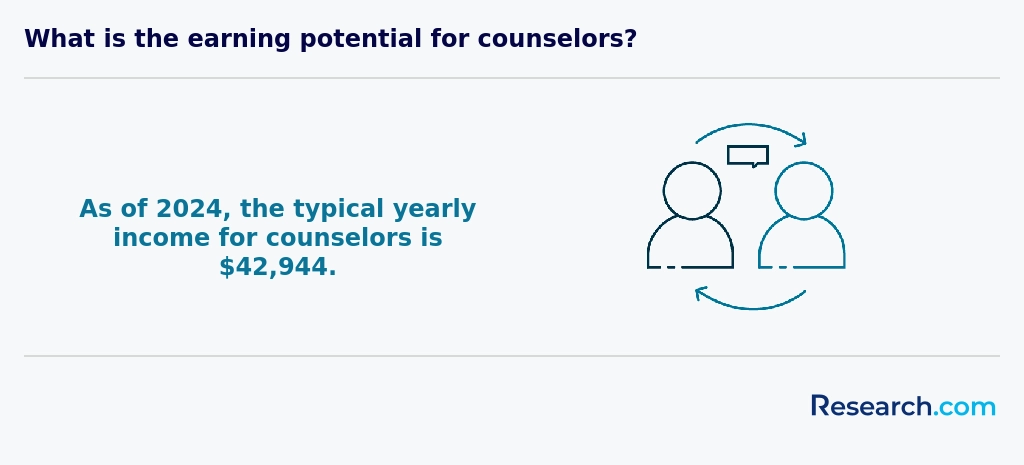
Imagine walking through the halls of a popular counseling program in Kansas City, where tuition whispers in your ear around $29,357 for the entire degree. That's the median total cost most graduates share, blending hope with investment. For those in-state students, the financial footprint softens to about $11,353, making it an attainable journey. Counseling students often say that despite the numbers, the real value emerges in the connections they build and the lives they touch-an intangible worth far beyond tuition.
At places like the University of Missouri-Kansas City, counseling degree costs hover around these figures but with an array of financial aid ready to brighten the path. Graduates remember sleepless nights fueled by passion and fueled less heavily by debt thanks to scholarships and assistantships. This blend of cost and support brings comfort to many seeking affordable counseling degree programs in Kansas City.
For those weighing options and dreaming of their future counseling careers, it helps to visualize the journey-not just the expenses. Think of your degree investment as chapters in a story, each credit hour a step toward transforming lives, including your own. Dive deeper into related opportunities by exploring college majors that align well with counseling, broadening horizons while keeping an eye on cost.
What financial aid is available to counseling degree students in Kansas City?
Imagine stepping onto the campus of a Kansas City college, knowing that your counseling journey is buoyed by a financial safety net crafted just for you. Graduates often recall how federal aid through FAFSA unlocked doors to subsidized and unsubsidized loans, letting them focus on mastering clinical skills instead of stressing over tuition bills. Missouri's Access Financial Assistance Program felt like a tailored lifeline for those locals turning their passion into a profession right within the city's vibrant academic hubs.
Many found scholarships offered by their universities transformed late-night study marathons into moments of hope-small grants that acknowledged their grit and ambition. One counseling student from a popular Kansas City college remembers how a professional association grant from the American Counseling Association eased exam fees, making certification feel just within reach.
Work-study roles inside campus mental health centers didn't just finance degrees-they forged real-world ties, turning theory into hands-on healing. Even employer tuition aid in Kansas City's community clinics and schools proved to be a quiet victory for working students chasing advanced counseling credentials.
What are the prerequisites for enrolling in counseling degree program in Kansas City?
Picture this: a hopeful student stepping onto the vibrant campuses of Kansas City's top counseling programs, their dreams supported by a sturdy foundation-a high school diploma or GED acting as their ticket to this transformative journey. Graduates from local universities often recall how meeting a minimum GPA around 2.5 to 3.0 felt like planting seeds of confidence, a clear sign their academic roots were ready to grow.
In the corridors of these colleges, prerequisite courses in psychology or human development are less hurdles and more invitations to explore the human mind, setting the stage for deeper discovery. For master's hopefuls, holding a bachelor's degree-often in counseling, psychology, or social work-acts like a well-trained compass guiding them through complex theories and real-world practice.
Beyond academics, stories from recent graduates highlight how heartfelt letters of recommendation and personal statements became bridges of trust, connecting their past experiences-like internships or volunteer work-with future aspirations. While some campuses still ask for GRE scores, many students feel relief as this requirement fades, making the path forward feel more accessible and encouraging.

What courses are typically in counseling degree programs in Kansas City?
In Kansas City's counseling programs, courses invite you into a world where theory meets heartfelt practice. Imagine sitting in a classroom at a well-known local college, unpacking Introduction to Counseling Theories while gathering the tools to decode human emotions and stories. Graduates often recall how Human Growth and Development brought the life cycle to life, connecting the dots from childhood to adulthood with empathy and insight.
Picture a lively group session under Group Counseling Techniques, where students test out skills that will someday ease real struggles. Multicultural Counseling opens doors to understanding the rich diversity of Kansas City, making learning both a challenge and a joy. Practical moments during Assessment and Testing courses prepare students to navigate clinical realities confidently.
Classes on Ethics and Professional Issues resonate deeply, weaving the moral fabric needed to guide future counselors. Research Methods courses sharpen critical thinking, while practicum and internship phases immerse students in authentic counseling environments, blending knowledge with experience in real Kansas City clinics and schools.
What types of specializations are available in counseling degree programs in Kansas City?
Imagine immersing yourself in counseling degree specializations Kansas City offers-a playground of possibilities where graduates from popular local colleges feel energized by crafting futures in Clinical Mental Health Counseling. Picture sitting in a bustling Kansas City classroom, learning to untangle complex mental health issues while preparing for LPC licensure. Another cohort from the same university might be stepping into the fulfilling world of School Counseling, supporting K-12 students through the social ups and downs of their academic journeys, guided by Missouri's education department standards.
In these corridors of learning, whispers about Marriage and Family Therapy percolate-graduates celebrate gaining skills to heal family bonds and navigate personal relationships, perfectly aligned with Missouri's licensing board demands. The pulse quickens for those tackling Addiction Counseling, driven by passion to combat substance use struggles sparked by the ongoing opioid crisis here.
Some students pivot toward career counseling or gerontological paths-each specializing adds unique hues to the palette of expertise, shaping tailored journeys at Kansas City's esteemed institutions. Balancing dreams and costs, they often ponder which bachelor degree is easiest as they map their route to graduation.
How do you choose the best counseling degree in Kansas City?
Choosing the best counseling degree in Kansas City feels like assembling a puzzle with pieces shaped by accreditation, cost, and career dreams. Graduates from the University of Missouri-Kansas City often share how CACREP accreditation was their north star-the key to unlocking LPC licensure in Missouri and confidently stepping into the counseling world.
Imagine navigating the maze of specializations: Clinical Mental Health for those wanting to heal deep wounds, School Counseling for champions of youth empowerment, or Marriage and Family Therapy to mend relational tides. Rockhurst University alumni speak warmly of finding their unique path through these choices, making their studies feel like personal exploration rather than a checklist.
For those chasing affordable counseling degree programs Kansas City offers rich terrain. Balancing tuition and living costs, many discover hidden treasures like assistantships or scholarships. If you're wondering about blending speed with value, consider exploring options beyond campus walls-like the cheapest fastest bachelor's degree-for added flexibility and savings.
What career paths are available for counseling degree students in Kansas City?
Graduates with counseling degrees from popular Kansas City colleges dive into a spectrum of careers where empathy meets expertise. Imagine a recent graduate stepping into a bustling Kansas City hospital as a licensed professional counselor (LPC), guiding patients through emotional storm clouds. Others find joy in schools, from elementary to high school, weaving academic support with compassionate listening. The Kansas City school districts value such roles deeply, fueling a growing network of dedicated professionals who reshape student futures. For those drawn to substance abuse counseling, graduates collaborate with local rehab centers, transforming struggles into stories of hope, embodying the essence of affordable counseling careers in kansas city.
Marriage and family therapy alumni often open private practices sprinkled throughout the metropolitan area, nurturing healing and connection with every session. With the region's community resources and healthcare systems expanding, these career paths resonate deeply with graduates eager to make a tangible impact. Many students from institutions like the University of Missouri-Kansas City speak of their hands-on experiences, revealing how these opportunities anchor their ambitions practically and warmly.
Job seekers exploring kansas city counseling degree job opportunities benefit from a rich landscape of settings-hospitals, schools, nonprofits-all ripe for forging meaningful, lasting careers. Embracing the city's vibrant mental health scene, graduates enthusiastically step into roles that truly align with their passion to serve lives on the mend. For information on advancing your career with specialized programs, check out anchors part-time Ph.D. in economics.
What is the job market for counseling degree in Kansas City?
The job market for counseling degree holders in Kansas City bursts with opportunity, fueled by a growing need for mental health expertise across schools, healthcare systems, and social services. Graduates from beloved institutions like the University of Missouri-Kansas City share stories of landing roles quickly in community centers and outpatient clinics, thrilled by the tangible impact they make in local lives. This real-world demand reflects the broader trend of a 22% growth in mental health counselor positions, a momentum that keeps hope alive for new professionals.
For anyone exploring career opportunities for counseling graduates in Kansas City, the city's diverse population and expanding healthcare landscape create rich soil for professional growth. Imagine collaborating in employee assistance programs at bustling corporations or guiding students at public schools, each role echoing the steady heartbeat of Kansas City's thriving social support system.
Cost-conscious students find refuge in local universities where counseling programs are affordable, with tuition generally below the national average, enabling more graduates to pursue licensure without overwhelming debt. This financial accessibility, paired with a supportive professional environment, injects optimism and resilience into the journey from classroom to counselor.
To see full educational pathways and more on these dynamic career landscapes, explore anchors part-time Ph.D. in economics, capturing a window into the dedication and evolution shaping Kansas City's counseling scene.
Frequently Asked Questions About counseling
Counseling degree students in Kansas City can maximize their learning by combining classroom knowledge with practical experience. Many local universities partner with community mental health centers, offering internships and supervised clinical hours essential for licensure. Engaging in these opportunities helps students gain real-world skills and build professional networks.
Students should also leverage Kansas City's diverse population to develop cultural competence, a key skill for counselors. Attending workshops and joining student counseling organizations can enhance learning and provide peer support.
Additionally, staying informed on Missouri licensure requirements and taking advantage of online resources from the Missouri Department of Professional Registration can ensure students meet all educational and clinical standards efficiently.
The counseling field in Kansas City is expanding into several emerging niches driven by changing community needs and health trends. One fast-growing area is trauma-informed counseling, which supports clients experiencing adverse effects from violence or disasters. The Missouri Department of Mental Health highlights an increasing demand for professionals trained in this specialty.
Another notable niche is teletherapy, accelerated by the COVID-19 pandemic. Many counseling programs now include training for virtual sessions, reflecting the greater adoption of remote care in Kansas City and nationwide, according to the American Counseling Association.
Substance abuse counseling also remains vital, particularly addressing opioid addiction, a persistent issue in the region. The Kansas City Health Department reports steady growth in treatment program enrollment, underscoring the need for specialized counselors.
These niches offer promising career paths for students pursuing counseling degrees in Kansas City.
After completing a counseling degree in Kansas City, thorough preparation is essential to enter the job market successfully. Candidates should obtain licensure, such as the Licensed Professional Counselor (LPC) credential, required by Missouri or Kansas, depending on where they plan to practice. This often involves supervised clinical hours and passing the National Counselor Examination.
Networking within local professional organizations, including the Missouri Counseling Association and Kansas Mental Health Counselors Association, can open doors to job opportunities. Additionally, internships and practicum experiences during the degree program help build practical skills and professional connections.
The Kansas City metropolitan area has growing demand for counselors, with job growth projected at 22% from 2020 to 2030, according to the U.S. Bureau of Labor Statistics. Staying informed about regional mental health needs and continuing education will enhance employability in this competitive field.
Employers in Kansas City highly value counseling degree graduates who demonstrate strong communication skills. The ability to actively listen and convey empathy is essential for effective client interactions.
Critical thinking and problem-solving skills are also in demand, enabling counselors to develop tailored treatment plans. According to the Missouri Professional Counselor Association, cultural competence is increasingly important given the city's diverse population.
Graduates who show proficiency in ethical decision-making and confidentiality typically have an advantage. Additionally, familiarity with evidence-based practices and local mental health resources is crucial for success in this region's competitive job market.
Finding internships in Kansas City for counseling degree students involves several key steps. First, students should connect with local universities and their counseling departments, as many have partnerships with community organizations offering placement opportunities.
The Missouri Department of Elementary and Secondary Education (DESE) lists approved internship sites that meet counseling licensure requirements. Students can also explore opportunities at mental health agencies such as Truman Medical Centers and the Kansas City Community Mental Health Center, both known for supporting counseling interns.
Networking through professional groups like the Missouri Counseling Association is valuable. Additionally, online platforms such as Handshake often feature internships specific to counseling roles in Kansas City. These methods help students gain experience while fulfilling licensure criteria.
In Kansas City, earning a counseling degree significantly enhances career mobility and advancement opportunities. According to the Bureau of Labor Statistics, the metropolitan area has witnessed steady growth in employment for counselors, particularly in mental health and school settings. A counseling degree equips graduates with essential skills that meet state licensure requirements, enabling access to a broad range of jobs including licensed professional counselor (LPC) roles, which typically offer higher salaries and leadership potential.
Employers in Kansas City prioritize candidates with accredited degrees and clinical experience, increasing chances for promotions and specialized positions. Additionally, networking within local professional organizations supports career growth in this competitive job market.
Studying for a counseling degree in Kansas City equips students with skills to work across multiple disciplines, essential in today's integrated healthcare and social service environments. Programs emphasize collaboration with fields like psychology, social work, and education, preparing graduates to engage in team-based care. Kansas City's counseling curricula often include courses on community mental health, crisis intervention, and behavioral science, fostering a broad understanding of client needs.
Regional data shows that interdisciplinary approaches improve outcomes for the city's diverse populations. According to the Missouri Department of Mental Health, 40% of mental health care providers in Kansas City collaborate regularly with medical and social service professionals.
This focus on interdisciplinary roles readies graduates to fill roles in schools, clinics, and community organizations, where teamwork and cross-sector knowledge are crucial for effective counseling.
When choosing between a thesis and a non-thesis counseling degree program in Kansas City, students should consider their career goals and learning preferences. Thesis programs typically involve conducting original research and writing a substantial paper, which can benefit those planning to pursue doctoral studies or research-oriented roles.
Non-thesis programs often focus more on practical skills and coursework, appealing to those aiming for clinical practice or licensure more quickly. According to the Missouri Department of Higher Education, many counseling programs in Kansas City offer both options, allowing flexibility depending on the student's focus.
Students should evaluate available faculty expertise, the program's curriculum, and potential internship opportunities in Kansas City's counseling centers. Additionally, licensing requirements in Missouri may influence the choice, as practical experience is essential for licensure.
Students based in Kansas City who wish to study counseling abroad have several pathways within the U.S. higher education system. Many universities in Kansas City partner with international institutions through exchange programs, allowing students to spend a semester or year overseas while earning credits toward their counseling degree. These programs often include countries with developed counseling frameworks, such as Canada, the United Kingdom, and Australia.
The Council for Accreditation of Counseling and Related Educational Programs (CACREP) accredits many U.S. and international counseling programs, which helps ensure quality. Students should verify if foreign programs hold CACREP accreditation to ease licensure later in Kansas City or Missouri.
Financial aid and scholarships specifically for study-abroad counseling students are limited but may be available through university international offices or organizations like the Fulbright Program. According to the National Center for Education Statistics, 17% of U.S. college students studied abroad in 2022, signaling growing opportunities. Inspired Kansas City students can combine global perspectives with local licensure requirements, enhancing their professional qualifications.
Students pursuing counseling degrees in Kansas City can find valuable part-time job opportunities that enhance their education and practical skills. Common roles include behavioral health technician positions at local hospitals such as Saint Luke's Health System. These jobs offer hands-on experience working with clients facing mental health challenges.
Additionally, many counseling students work as case management assistants with nonprofits like Mental Health America of the Heartland. These roles help develop skills in client support and community resources navigation, directly applicable to counseling careers. According to the Kansas City Business Journal, mental health service jobs grew by 8% from 2020 to 2023, showing strong demand.
Working in school counseling aide roles through local school districts can also complement academic knowledge while building rapport skills with diverse youth populations. These practical jobs help students meet internship prerequisites and improve licensure prospects within Missouri.
Counseling students in Kansas City have access to several valuable networking opportunities. Local universities like the University of Missouri-Kansas City and Rockhurst University often host events, workshops, and seminars that bring together students, faculty, and counseling professionals. These events allow students to form connections and learn about practical career pathways.
Additionally, the Missouri Counseling Association (MCA) has a strong presence in Kansas City, offering student memberships, conferences, and local chapter meetings. MCA events provide excellent chances for counseling students to meet licensed professionals and explore internship or job opportunities.
Moreover, Kansas City's numerous mental health clinics and nonprofit organizations often seek interns, which can help students build professional relationships and gain real-world experience.
Alumni networks play a crucial role for counseling degree students in Kansas City by providing valuable professional connections. These networks offer mentorship opportunities from experienced graduates who understand local licensing requirements and employment landscapes. According to the Missouri Department of Professional Registration, local counselors benefit significantly from regional contacts when seeking clinical placements and internships.
Many alumni actively share job openings in community mental health centers and private practices across Kansas City. This support helps students navigate a competitive job market with a higher employment rate than the national average for counseling graduates.
Lastly, alumni events and workshops foster continuous professional development. These activities often focus on counseling trends and state regulations, keeping students and recent graduates up-to-date with evolving practices.
To customize a counseling degree program in Kansas City, students should begin by identifying their specific career goals, such as clinical mental health, school counseling, or marriage and family therapy. Many local institutions offer elective courses and specialized tracks that align with these fields. For example, students might choose additional coursework in substance abuse counseling if interested in that area. Kansas City schools often collaborate with community agencies, providing practicum placements tailored to student interests. Additionally, taking advantage of flexible scheduling and online courses can help balance education with work or personal commitments. Staying informed about Missouri Board of Counseling licensure requirements ensures relevant training.
Counseling students in Kansas City face several common challenges. One key issue is balancing rigorous coursework with required clinical internships. These internships often demand 600 to 700 hours of supervised practice, which can be difficult alongside part-time or full-time work commitments.
Financial strain is another concern. Tuition costs in Kansas City for counseling programs average around $8,000 to $15,000 per year, not including fees and books, according to data from the National Center for Education Statistics.
Additionally, adapting to diverse client populations in an urban area like Kansas City requires cultural competence and flexibility, which can be challenging for new students.
Lastly, keeping up with licensing exam requirements, including the National Counselor Examination, adds pressure throughout the program.
With a counseling degree in Kansas City, graduates can pursue several recognized professional certifications that enhance career opportunities. One of the most common is the Licensed Professional Counselor (LPC) credential, which allows individuals to provide independent counseling services across Missouri.
The National Board for Certified Counselors (NBCC) offers certifications such as the National Certified Counselor (NCC), a widely respected credential requiring passing a national exam and supervised experience.
Other certifications include Licensed Clinical Alcohol and Drug Counselor (LCADC), relevant for those specializing in substance abuse treatment, and Certified Rehabilitation Counselor (CRC), focusing on helping individuals with disabilities.
Each credential has specific education, supervised hours, and examination requirements regulated by Missouri's professional boards. According to the Missouri Division of Professional Registration, LPCs have seen a growth rate of approximately 8% annually in Kansas City, reflecting a strong demand for certified counselors.
Writing a winning application for a counseling program in Kansas City begins with understanding the program's requirements. Many universities, such as the University of Missouri-Kansas City, emphasize a strong academic record, typically requiring a minimum GPA of 3.0. Applicants should clearly articulate their passion for counseling and service to the community in their personal statement.
Including relevant volunteer or work experience in mental health or social services enhances your application. Kansas City's growing demand for counselors-expected to grow 17% through 2031 according to the Bureau of Labor Statistics-means programs seek candidates with practical skills and commitment.
Strong letters of recommendation from academic or professional mentors familiar with your interpersonal skills are crucial. Finally, ensure all transcripts and test scores, if required, are submitted on time to avoid application delays.
Globally, counseling is recognized as a vital profession supporting mental health and wellbeing. In the United States, including Kansas City, counseling careers are shaped by accredited education and licensure standards that align with international best practices. According to the American Counseling Association, the demand for counselors in the U.S. is projected to grow by 22% from 2020 to 2030, reflecting global emphasis on mental health awareness.
While educational approaches vary worldwide, U.S. degrees often combine theory with practical experience, preparing students for diverse counseling settings. Kansas City institutions follow guidelines ensuring graduates meet state licensure requirements and are well-equipped for roles in schools, healthcare, and community agencies.
Understanding global trends can help prospective students appreciate the U.S. counseling degree's relevance in addressing universal mental health challenges.
Gaining practical experience while studying for a counseling degree in Kansas City is essential for career readiness. Many universities in the area offer clinical practicum and internship opportunities as part of their curriculum. These placements typically involve working under supervision in settings like hospitals, schools, or community agencies.
The Missouri Department of Health and Senior Services requires a minimum of 1,500 supervised clinical hours for licensure as a professional counselor. Kansas City students can fulfill these hours locally through partnerships between universities and organizations such as the Mental Health Association of Greater Kansas City.
Additionally, joining student counseling organizations and attending local mental health workshops can enhance hands-on skills and networking within the professional community.
Choosing the right concentration within a counseling degree program in Kansas City depends on your career goals and local demand. Common concentrations include mental health counseling, school counseling, and addiction counseling. According to the Missouri Economic Research and Information Center, mental health services in Kansas City have grown by 12% over the last five years, indicating strong local demand.
Students should research licensure requirements, as different concentrations may require distinct certifications in Missouri. For example, becoming a Licensed Professional Counselor requires specific coursework and supervised hours.
Consider your interests and strengths, then review program offerings at Kansas City universities to find concentrations aligning with both your goals and regional job trends.
Related Counseling Rankings for Nearby Cities
- 2027 Most Affordable Counseling Degree Programs Ranking in Springfield
- 2027 Most Affordable Counseling Degree Programs Ranking in Des Moines
- 2027 Most Affordable Counseling Degree Programs Ranking in Saint Louis
- 2027 Most Affordable Counseling Degree Programs Ranking in Madison
- 2027 Most Affordable Counseling Degree Programs Ranking in Saint Paul
- 2027 Most Affordable Counseling Degree Programs Ranking in Minneapolis
- 2027 Most Affordable Counseling Degree Programs Ranking in Chicago
- 2027 Most Affordable Counseling Degree Programs Ranking in Denton
- 2027 Most Affordable Counseling Degree Programs Ranking in Milwaukee
- 2027 Most Affordable Counseling Degree Programs Ranking in Indianapolis
Top Trending Counseling Rankings
See What Experts Have To Say About Studying Counseling
Read our interview with Counseling experts

Charles Figley
Counseling Expert
Kurzweg Distinguished Chair in Disaster Mental Health
Tulane University

References
- On-Campus vs. Online Master’s in Counseling | University of Bridgeport https://www.bridgeport.edu/news/on-campus-vs-online-counseling-degree/
- 6 Therapy Niches to Consider for Your Practice - Talkspace https://www.talkspace.com/blog/therapy-niches/
- The Challenges of Guidance Counselors in Supporting ... https://theaspd.com/index.php/ijes/article/view/2406
- Professional Networking For Psychologists | Psychology.org https://www.psychology.org/resources/professional-networking/
- Mindful Career : Career Coaching https://mindful-career.com/career-coach-kansas-city
- Study Counseling Abroad - Top Universities for Masters, MBA, PhD Degree Programs https://studee.com/degree/abroad/counseling
- Paid Clinical Internship https://www.pathwaysmhs.org/internship-program.html
- School Counseling https://www.universityacademy.org/parentsstudents/programs-and-services/school-counseling
- Networking for Therapists: Building Connections for Career Success & Client Care https://www.mentalyc.com/blog/networking-for-therapists
- Interdisciplinary Training: Preparing Counselors for Collaborative Practice - The Professional Counselor https://tpcjournal.nbcc.org/interdisciplinary-training-preparing-counselors-for-collaborative-practice/