2027 Most Affordable Counseling Degree Programs Ranking in Puerto Rico

Co-Founder and Chief Data Scientist
Choosing the right counseling degree program in Puerto Rico can be overwhelming. To help you navigate this important decision, the Research.com team of data scientists created the 2027 Most Affordable Counseling Degree Programs Ranking in Puerto Rico.
This article offers a clear guide to affordable options, making it easier for you to find a quality program that fits your budget.
Investing in a counseling degree opens doors to meaningful careers that positively impact lives. Reading this ranking can empower you to take the next step with confidence and clarity.
Key benefits of getting counseling degree in Puerto Rico
- Salary benefits: Graduates can expect rewarding salaries such as $76,000 annually for Intervention Specialists and $60,080 for Addiction Counselors, making counseling a financially stable career choice in Puerto Rico.
- Career paths: Counseling graduates from popular Puerto Rican universities often pursue roles like Rehabilitation Specialists or Family Support Workers, enjoying diverse opportunities to help communities and grow professionally.
- Online degree advantages: Earning a counseling degree online from a respected Puerto Rican college offers flexibility for working students and access to quality education, enabling quicker entry into meaningful careers.
- Key benefits of getting counseling degree in Puerto Rico
- What can I expect from counseling degree in Puerto Rico?
- Where can I work with counseling degree in Puerto Rico?
- How much can I make with counseling degree in Puerto Rico?
- 2027 Most Affordable Counseling Degree Programs Ranking in Puerto Rico
- Key Findings
- How long does it take to complete counseling degree in Puerto Rico?
- What's the difference between online and on-campus counseling degree?
- What is the average cost of counseling degree in Puerto Rico?
- Licensure and Certification Requirements in Puerto Rico
- What financial aid is available to counseling degree students in Puerto Rico?
- Licensing and Certification Requirements
- What are the prerequisites for enrolling in counseling degree program in Puerto Rico?
- What courses are typically in counseling degree programs in Puerto Rico?
- What types of specializations are available in counseling degree programs in Puerto Rico?
- How do you choose the best counseling degree in Puerto Rico?
- What career paths are available for counseling degree students in Puerto Rico?
- What is the job market for counseling degree in Puerto Rico?
- Top Trending Counseling Rankings
- See What Experts Have To Say About Studying Counseling
What can I expect from counseling degree in Puerto Rico?
Students pursuing a counseling degree in Puerto Rico find an inspiring blend of high-quality education and cultural connection at institutions like the University of Puerto Rico and Caribbean University. Graduates often share how the programs' bilingual and bicultural approach deeply prepared them to support both English and Spanish-speaking communities, making their learning journey truly meaningful.
Regarding costs, counseling degrees in Puerto Rico typically range from $5,000 to $15,000 per academic year, which is notably affordable compared to many mainland U.S. programs. This accessibility encourages students to invest in their future without overwhelming financial stress. Many have expressed relief and gratitude for the opportunity to pursue advanced training without excessive debt, especially with available financial aid and scholarships.
Imagine completing your degree while feeling connected to your roots and confident in your skills to serve diverse populations. This supportive environment fosters personal growth and professional readiness, empowering students to make a real impact in schools, clinics, and communities across the island.
Where can I work with counseling degree in Puerto Rico?
Graduates from counseling programs at institutions like the University of Puerto Rico and Universidad del Turabo often find themselves thriving in diverse and rewarding roles across the island. Many step confidently into healthcare settings, becoming mental health counselors, marriage and family therapists, or specialists in substance abuse treatment, working in hospitals or community clinics where their impact is deeply felt.
Others embrace positions in public and private schools, guiding students through personal challenges and academic journeys. There, counselors empower youth to overcome stressors shaped by recent economic or environmental events, fostering resilience and hope every day.
Government agencies and nonprofit organizations also eagerly welcome graduates, offering opportunities to support vulnerable populations in social services, juvenile justice, or community outreach programs. These roles allow counselors to create meaningful change on a personal and community level.
As wellness gains priority in workplaces, counseling professionals find growing opportunities within businesses to promote mental well-being and productivity. Licensed counselors from Puerto Rico's top programs are thus prepared to build fulfilling careers wherever their passion leads them.
How much can I make with counseling degree in Puerto Rico?
Graduates with counseling degrees from universities like the University of Puerto Rico often find encouraging salary opportunities in the island's vibrant mental health field. For example, working as an Addiction Counselor, many can earn a mean annual wage of about $60,080, reflecting both the importance and demand of this specialty. Careers as Rehabilitation Specialists offer incomes near $48,430, while Community Outreach Coordinators and Family Support Workers typically earn around $54,020 annually, showcasing a range of rewarding paths after graduation.
Many new graduates share stories of starting in roles that, while modest, quickly grow with experience and advanced certifications like Licensed Professional Counselor (LPC). Counselees in Puerto Rico are eager for compassionate professionals, especially in metropolitan areas such as San Juan, where salaries tend to be higher and opportunities expand.
Graduates feel inspired by the impact they make daily, combining their passion with meaningful earnings. The counseling profession in Puerto Rico offers not just pay but the rewarding chance to improve countless lives across communities.
2027 Most Affordable Counseling Degree Programs Ranking in Puerto Rico
How do we rank schools?
Investing in your education is a significant decision that can shape your future, and the Research.com team understands the importance of making informed choices. To assist prospective students in Puerto Rico, we have meticulously crafted the "2027 Most Affordable Counseling Degree Programs Ranking in Puerto Rico." Our commitment to quality, credibility, and accuracy is reflected in the extensive research and analysis conducted to compile this ranking.
We utilized the following reputable data sources to ensure a comprehensive evaluation of counseling programs:
By exploring this ranking, readers will gain valuable insights into the most affordable and credible counseling degree programs available in Puerto Rico, helping them make well-informed decisions about their educational paths. For more details on our methodology, please visit our Research.com methodology page.
# 1 position
Universidad Pentecostal Mizpa
Master of Science in Counseling
# 2 position
Universidad Pentecostal Mizpa
Bachelor of Science in Counseling
# 3 position
Pontifical Catholic University of Puerto Rico-Ponce
Master of Science in Counseling

# 5 position
Universidad Teologica del Caribe
Bachelor of Science in Pastoral Counseling
# 6 position
Universidad Ana G. Mendez-Carolina Campus
Master of Science in Counseling


Key Findings
- Tuition for counseling degrees in Puerto Rico ranges from $2,000 to $5,000 annually at public universities, while private institutions can exceed $10,000 per year.
- Additional costs like books and fees are similar to those found in mainland U.S. programs.
- Entry-level counselors earn between $35,000 and $45,000 annually, with experienced professionals making $50,000 to $60,000 per year.
- Job growth for counseling roles in Puerto Rico is expected to be around 5% over the next decade, matching national growth rates.
- Counseling graduates must complete supervised clinical hours and pass national exams to obtain licensing and practice professionally in Puerto Rico.
How long does it take to complete counseling degree in Puerto Rico?
Completing a counseling degree in Puerto Rico is a rewarding journey that typically spans about four years for bachelor's programs. Graduates from well-known institutions like the University of Puerto Rico share how the structured timeline allows them to balance studies with personal growth and community involvement. This solid foundation empowers students to step confidently into the counseling field.
For those pursuing a master's degree, the path usually takes two to three years of full-time study. Many successful alumni highlight the meaningful practicum experiences and close mentorship from faculty, which enrich the learning and build real-world skills. These programs, offered at respected Puerto Rican universities, create a supportive environment where students thrive and prepare to make a difference.
Beyond academics, earning licensure as a professional counselor involves gaining 2,000 to 3,000 hours of supervised clinical practice. This practical phase often adds one to two years, but graduates describe it as a vital step that boosts confidence and transforms knowledge into impactful service for their communities.
What's the difference between online and on-campus counseling degree?
Choosing between online and on-campus counseling degrees in Puerto Rico means embracing different paths to a rewarding career. Online programs offer the wonderful freedom to learn at your own pace, perfect for those juggling work or family commitments. Many graduates from popular universities like the Universidad Ana G. Méndez share how this flexibility allowed them to study without leaving their homes, saving on transportation and housing costs while still earning a respected degree.
On-campus experiences, such as those at the University of Puerto Rico, bring a vibrant community atmosphere that many find inspiring. Graduates often recall the energy of face-to-face classes and hands-on practicum opportunities that build confidence through direct faculty interaction and real-world practice.
Both paths include essential clinical practicum to prepare you fully for licensure in Puerto Rico, and both maintain strong accreditation standards ensuring quality education. Cost-wise, Puerto Rican public universities offer affordable tuition around $8,000 annually, making either option accessible and empowering for future counselors dedicated to making a positive impact.
What is the average cost of counseling degree in Puerto Rico?
Students pursuing counseling degrees in Puerto Rico find an uplifting balance between quality education and affordable tuition. On average, the total cost for a counseling degree varies, with in-state students often paying around $6,268, making these affordable counseling programs Puerto Rico tuition options a viable path for many. Graduates from well-known universities such as the University of Puerto Rico share stories of how investing in their education here allowed them to thrive without overwhelming debt, enabling them to focus on their passion for helping others.
Many counseling students highlight the support they receive from both public and private institutions, where tuition typically remains below $17,100 even for out-of-state learners. This affordability, combined with a comprehensive curriculum, creates an encouraging environment to develop crucial skills for future licensure and professional success. The practical experience gained through internships and practicum placements amplifies their confidence as they prepare for licensing exams.
For those balancing work and studies, exploring options like the fastest online degrees for working adults can be empowering, showcasing how accessible counseling education is in Puerto Rico today. The financial support through scholarships and in-state tuition benefits further enhances this opportunity, making the pursuit of a meaningful career in counseling both inspiring and achievable.
Licensure and Certification Requirements in Puerto Rico
To practice as a licensed counselor in Puerto Rico, you must complete education, supervised experience, and examinations overseen by the Puerto Rico Board of Examiners of Psychologists and Licensed Professional Counselors:
- Earn a CACREP-accredited master’s degree in counseling or an equivalent graduate program.
- Complete at least 3,000 hours of supervised clinical experience, including a minimum of 1,000 direct client-contact hours.
- Pass the National Counselor Examination (NCE) and any required jurisprudence or ethics exams.
- Submit an application, official transcripts, exam scores, and pay licensing fees to the Board.
- Maintain licensure with 20–30 hours of approved continuing education every two years.
- For specialized tracks such as marriage and family therapy, learn more about how to become a licensed marriage and family therapist.
What financial aid is available to counseling degree students in Puerto Rico?
Many counseling students in Puerto Rico find strong financial support through federal aid programs like Pell Grants and federal student loans by completing the FAFSA. For example, students at the University of Puerto Rico have shared how a Pell Grant covering up to $7,395 eased their concerns about tuition, allowing them to focus more on learning and less on finances.
In addition, institutional scholarships at universities such as the Interamerican University often reward dedication and academic achievement, giving students a deserved boost toward their goals. Imagine earning a merit-based grant that recognizes your community service efforts, making your dream of becoming a counselor feel within reach.
State-sponsored scholarships provided by the Puerto Rico Department of Education can also offer vital assistance, especially to those committed to serving local communities. Several graduates recall how these opportunities motivated them to continue developing their skills with confidence.
Work-study programs enable students to gain practical experience while earning money, blending passion with purpose. Plus, specialized aid like loan forgiveness from the National Health Service Corps invites aspiring counselors to make a real difference in underserved Puerto Rican neighborhoods without the heavy weight of debt.
- Federal Pell Grants and loans via FAFSA
- University-based scholarships and grants
- Puerto Rico Department of Education scholarships
- Federal work-study programs
- Loan forgiveness programs like the National Health Service Corps
- Private and professional association scholarships
Licensing and Certification Requirements
To practice as a licensed counselor in Puerto Rico, candidates must meet education, clinical and examination criteria set by the Puerto Rico Board of Examiners of Psychologists and Licensed Professional Counselors, ensuring professional competence and public safety.
- Earn a master’s in counseling from a CACREP-accredited or regionally accredited institution
- Complete at least 2,000 hours of supervised clinical practice under a licensed supervisor
- Pass the National Counselor Examination (NCE) or equivalent state-approved licensing exam
- Submit a licensure application with official transcripts, exam scores, supervision documentation and required fees to the Board
- Maintain licensure with annual renewal and 15 hours of continuing education in ethics, multicultural counseling or specialized topics
If you plan to specialize in marriage and family therapy, consider accredited mft online programs that meet Puerto Rico’s Board education criteria.
What are the prerequisites for enrolling in counseling degree program in Puerto Rico?
Enrolling in a counseling degree in Puerto Rico is an exciting step that embraces your passion for helping others and growing professionally. To begin, you'll need a high school diploma or equivalent, a milestone celebrated by many who started their journey at respected institutions like the University of Puerto Rico or Inter American University. Graduates often share how this foundational achievement boosted their confidence and opened doors to enriching college experiences.
For those pursuing graduate studies, holding a bachelor's degree from an accredited university is essential. Many successful students found that having coursework related to psychology or social sciences provided a supportive base, enhancing their readiness for advanced topics and clinical practice. Imagine walking campuses where your dedication aligns perfectly with rigorous academic standards and warm faculty encouragement.
Submitting official transcripts that reflect your academic journey, maintaining a GPA near 2.5 to 3.0, and sometimes providing GRE scores or recommendation letters help demonstrate your commitment. These requirements might seem challenging, but countless counseling graduates in Puerto Rico recall how meeting them captured their growing passion for impactful, community-centered careers.
What courses are typically in counseling degree programs in Puerto Rico?
Counseling degree programs in Puerto Rico offer a rich blend of courses designed to empower you with both knowledge and hands-on skills that truly make a difference. Graduates from popular institutions like the University of Puerto Rico describe how classes such as Introduction to Counseling Theories inspired them to understand diverse therapeutic approaches, lighting the path for their own personal growth and client-centered work.
Core courses like Multicultural Counseling prepare you to embrace Puerto Rico's vibrant cultural diversity, building confidence to support clients from all backgrounds with empathy and respect. Imagine facilitating a group session, guided by what you learned in Group Counseling Techniques, helping people find strength in shared experience.
Other essential classes such as Career Counseling and Development and Assessment and Testing equip you to guide individuals toward fulfilling futures using thoughtful, evidence-based strategies. Graduates often highlight the impact of Ethics and Professional Orientation and Research Methods courses, which ensure you practice responsibly and with a commitment to continuous improvement.
What types of specializations are available in counseling degree programs in Puerto Rico?
Students pursuing counseling degrees in Puerto Rico find a variety of inspiring specializations tailored to meet local needs and community impact. Popular options include Mental Health Counseling, where graduates often describe the fulfillment of helping individuals overcome anxiety and trauma within hospital and community settings. School Counseling is another cherished path, enabling students to support K-12 learners' social and emotional growth, addressing challenges like bullying and college preparation in public schools.
Puerto Rico counseling graduate program options also feature Substance Abuse Counseling, a vital track given regional public health priorities. Graduates reflect on the rewarding journey of aiding individuals battling addiction, bringing hope to families. Marriage and Family Therapy offers another compassionate route, preparing students to strengthen relationships and family bonds through licensed clinical practice.
Many students at well-known universities share how embracing these specializations feels like a true calling. Pursuing any of these paths in Puerto Rico means accessing affordable, locally relevant programs that empower future counselors. For those curious about what is the easiest degree to get online, counseling specializations provide meaningful and attainable opportunities to make a difference.
How do you choose the best counseling degree in Puerto Rico?
Choosing the best counseling degree in Puerto Rico means focusing on what truly aligns with your passion and goals. Graduates from well-known universities here often share how selecting programs accredited by CACREP gave them confidence in the quality of their education and smooth paths to licensure. Many find that programs balancing theory with hands-on internships create rewarding learning experiences that prepare them to support diverse communities.
Considering affordability alongside quality is essential. Students appreciate how institutions like the University of Puerto Rico offer some of the most affordable counseling degree programs Puerto Rico, helping ease financial concerns without sacrificing education standards. For those wondering how much is an associate's degree and beyond, exploring these options can inspire a feasible and fulfilling route.
Opting for programs emphasizing bilingual counseling skills opens doors to connect deeply with local populations. Graduates often highlight the pride they feel when applying knowledge of mental health and family therapy in culturally relevant ways. Remember to look for solid faculty support, proven licensure pass rates, and career services that empower you to build a meaningful future in counseling.

What career paths are available for counseling degree students in Puerto Rico?
Graduates with a counseling degree in Puerto Rico discover rewarding career opportunities that truly impact lives. Many pursue licensure as professional counselors, opening doors to vital roles in private practices and community mental health centers across the island. Popular universities and colleges provide graduates with hands-on experiences, equipping them to support individuals facing emotional and social challenges.
Jobs with counseling degree Puerto Rico graduates cherish include school counseling, where they guide students through academic and personal growth, making a lasting difference in classrooms. Others find fulfilling work in rehabilitation or substance abuse counseling, addressing critical needs while gaining valuable skills that empower them to uplift their communities.
Excitingly, for those balancing education with other priorities, affordable programs from local institutions align with national standards. Many students explore options offered by accredited online colleges accepting free applications, helping them achieve counseling degrees with flexibility and financial ease.
What is the job market for counseling degree in Puerto Rico?
The counseling degree job opportunities Puerto Rico offers are encouraging for graduates eager to make a meaningful impact. Universities such as the University of Puerto Rico and Universidad Metropolitana equip students with practical skills through community programs and internships. Graduates often find fulfilling careers in school guidance, substance abuse counseling, and clinical mental health, where their work directly supports families and communities healing from challenges like natural disasters.
Many counseling graduates describe the pride they feel in contributing to Puerto Rico's growing demand for licensed counselors, especially as local government and non-profits seek dedicated professionals. The Puerto Rico counseling career outlook shines with steady growth and rewarding roles, fueled by both public need and lower educational costs compared to mainland U.S., making it easier to pursue an affordable bachelor's degree online or on campus.
Frequently Asked Questions About counseling
Counseling degree students in Puerto Rico can maximize their learning experience by engaging actively in both academic and practical settings. Enrolling in accredited programs recognized by the Council for Accreditation of Counseling and Related Educational Programs (CACREP) ensures curriculum quality and better licensure outcomes.
Gaining hands-on experience through internships or supervised clinical practice is critical. Puerto Rico requires 3,000 hours of supervised experience for professional counseling licensure, so early exposure helps students meet these standards efficiently.
Students should also participate in local professional organizations like the Puerto Rican Counseling Association, which offers networking, workshops, and up-to-date resources specific to regional mental health challenges.
Finally, leveraging bilingual skills strengthens employability, as Puerto Rico's counseling field often serves diverse Spanish and English-speaking populations, enhancing cultural competence and client rapport.
The counseling field in Puerto Rico is evolving, with several emerging niches gaining attention. One notable area is trauma counseling, driven by the island's recent experiences with natural disasters like Hurricane Maria. Specialists trained in trauma-informed care are increasingly needed to support affected communities.
Another growing niche is substance abuse counseling. According to the Substance Abuse and Mental Health Services Administration (SAMHSA), Puerto Rico faces rising challenges related to opioid misuse, highlighting demand for qualified professionals.
Additionally, school counseling is expanding as Puerto Rico's education system prioritizes mental health services for students, especially after pandemic-related disruptions. Career counseling focused on job placement and skills development is also growing locally.
These niches reflect broader U.S. trends while addressing Puerto Rico's unique social and economic context.
After completing a counseling degree in Puerto Rico, preparing for the job market involves several key steps. First, obtaining licensure from the Puerto Rico Board of Examiners for Mental Health Professionals is essential to legally practice. This includes meeting supervised experience hours, which typically amount to 3,000 hours over two years. According to the Puerto Rico Department of Labor, the demand for licensed professional counselors is expected to grow by 8% over the next decade, aligning with U.S. nationwide trends.
Networking through local counseling associations and internships can also increase job opportunities. Developing strong communication and cultural competence skills is vital due to Puerto Rico's diverse population. Additionally, staying informed about continuing education requirements helps maintain licensure and boosts employability.
Employers in Puerto Rico highly value counseling degree graduates who demonstrate strong communication skills. These skills are essential for building trust and effectively helping clients navigate emotional and psychological challenges. According to the U.S. Bureau of Labor Statistics, interpersonal abilities remain a top priority for mental health professionals nationwide, including Puerto Rico.
Additionally, cultural competency is critical because Puerto Rico's diverse population requires counselors to understand and respect varied cultural backgrounds. Knowledge of ethical standards and confidentiality practices is also fundamental, as mandated by professional counseling organizations like the American Counseling Association.
Problem-solving and critical thinking abilities are sought after, enabling graduates to develop tailored treatment plans. Lastly, strong organizational skills support proper case documentation and time management in fast-paced clinical settings.
Finding internships in Puerto Rico for counseling degrees involves connecting with local health agencies, universities, and counseling centers. Many counseling programs in Puerto Rico require students to complete supervised internships as part of their curriculum, typically offering placements through university partnerships.
The Puerto Rico Department of Health and local community mental health clinics are common internship sites, providing practical experience in diverse settings. Students can also explore opportunities through the Puerto Rico Psychological Association, which offers resources and networking for counseling professionals.
It is important to start early by consulting your academic advisor to identify approved sites that meet licensure requirements. Additionally, websites like Handshake and university career offices can list available internships.
Obtaining a counseling degree in Puerto Rico significantly enhances career mobility and advancement opportunities within the island's growing mental health sector. According to the Puerto Rico Department of Labor, counselors with a master's degree generally experience faster employment growth than those with only a bachelor's, reflecting increasing demand for skilled professionals. Licensing requirements established by the Puerto Rico Board of Mental Health Counselors necessitate a graduate degree for practicing independently, which directly influences eligibility for higher-level positions.
Graduates with a Master's in Counseling can access roles in schools, hospitals, and private practice, often receiving higher salaries. This degree also qualifies professionals for specialized certifications, boosting their competitiveness regionally and mainland-wide.
Studying for a counseling degree in Puerto Rico equips students with skills essential for interdisciplinary roles by emphasizing collaboration across health, education, and social services. Programs often integrate training in psychology, social work, and community health, reflecting the island's diverse population needs. According to the Puerto Rico Department of Education, counseling graduates are prepared to work in schools, hospitals, and nonprofit organizations where teamwork is crucial.
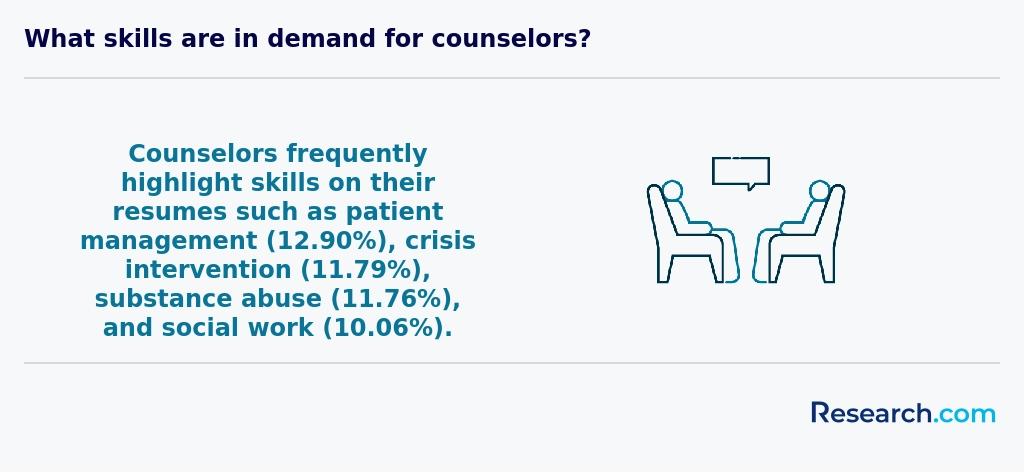
The curriculum includes case management, crisis intervention, and multicultural counseling approaches, fostering adaptability in various professional settings. Practicum experiences encourage direct interaction with clients and other professionals, enhancing real-world interdisciplinary communication.
Choosing between a thesis and a non-thesis counseling degree program in Puerto Rico depends largely on your academic and career goals. A thesis option typically requires original research and is suited for students aiming for doctoral studies or research-related roles.
Non-thesis programs focus more on practical skills and coursework, making them ideal for those seeking immediate licensure or clinical practice. According to the Puerto Rico Higher Education Council, counseling programs here align with US standards, ensuring both options meet licensure requirements.
Consider your ability to commit time, as thesis tracks usually demand more research and writing. Reviewing program curricula and faculty expertise can also guide your choice.
Students in Puerto Rico seeking counseling degrees abroad have several options within the US higher education system. Many opt for mainland universities offering accredited counseling programs through online or hybrid formats, making relocation unnecessary. Accredited programs through the Council for Accreditation of Counseling and Related Educational Programs (CACREP) are crucial for licensure in Puerto Rico, ensuring quality education.
Puerto Rican students can consider enrolling in affordable public universities such as the University of Florida or University of North Carolina, which often have competitive tuition rates for out-of-state learners.
Important to note, counseling licensure in Puerto Rico requires a master's degree and completion of supervised hours recognized in the jurisdiction.
Part-time job opportunities in Puerto Rico that complement counseling degree education often include roles in mental health clinics, community centers, and school counseling support positions. These settings allow students to gain hands-on experience while pursuing their studies. According to the Puerto Rico Department of Health, mental health services have seen steady demand, increasing opportunities for counseling interns and assistants.
Positions such as behavioral health aides or case management assistants provide practical exposure to client interactions and intervention strategies. Working in non-profit organizations focused on substance abuse or family services is also common.
Many counseling programs in Puerto Rico encourage part-time experiential work to fulfill practicum requirements, which benefits students professionally and academically.
Counseling students in Puerto Rico have multiple networking opportunities that can enhance their professional growth. Universities such as the University of Puerto Rico often host annual conferences and workshops where students can meet experienced counselors and faculty members. These events facilitate connections with licensed professionals and local organizations.
The Puerto Rico Counseling Association actively promotes networking by organizing seminars and peer discussion groups tailored for counseling students and early-career professionals. According to the association, participation in these activities improves job prospects and licensure preparation.
Additionally, internships within Puerto Rico's healthcare and educational systems provide practical experience and chances to build relationships. Students also benefit from online platforms where local and mainland counseling professionals exchange resources and job leads.
Alumni networks play a significant role for counseling degree students in Puerto Rico by providing valuable professional connections and support. Graduates can access mentoring, which helps navigate licensure requirements regulated by the Puerto Rico Board of Examiners of Psychologists and Counselors. According to the Puerto Rico Counseling Association, active alumni groups increase job placement rates by up to 25% through referrals. These networks facilitate internships and continuing education opportunities, essential for meeting the island's specific counseling standards. For students, this means enhanced access to local agencies and schools, improving their career readiness in Puerto Rico's unique cultural and legal environment. Strong alumni ties also encourage collaboration on community mental health projects.
Customizing a counseling degree program in Puerto Rico to match your career goals is possible through elective courses, internships, and specialization options. Many universities in Puerto Rico offer tracks such as school counseling, mental health counseling, and rehabilitation counseling. Selecting relevant electives allows you to focus on areas critical to your desired profession.
Internships are valuable for gaining hands-on experience tailored to local communities. Puerto Rico's licensing board requires specific practicum hours, which you can complete in settings that align with your career plans.
Additionally, some programs offer bilingual training, reflecting Puerto Rico's linguistic needs and improving your job prospects. According to the Puerto Rico Department of Education, demand is growing for counselors proficient in both Spanish and English.
Counseling students in Puerto Rico face several distinct challenges during their studies. One major issue is limited access to accredited programs. According to the Council for Accreditation of Counseling & Related Educational Programs (CACREP), only a few institutions on the island offer CACREP-accredited counseling degrees, affecting students' licensure options and career prospects.
Additionally, economic factors play a key role. The high cost of education combined with Puerto Rico's ongoing financial crisis creates financial burdens for many students. The unemployment rate, which was around 7.2% in early 2024 (Puerto Rico Department of Labor), also impacts their ability to fund their studies.
Language barriers and cultural considerations also present hurdles. Counseling programs must address bilingual competencies to serve Puerto Rico's diverse population effectively.
With a counseling degree in Puerto Rico, graduates can pursue several professional certifications to advance their careers. One of the most recognized credentials is the Licensed Professional Counselor (LPC), which allows counseling practice under supervision. This licensure is regulated by the Puerto Rico Department of Health, ensuring counselors meet educational and experience standards.
Another common certification is the National Certified Counselor (NCC), offered by the National Board for Certified Counselors (NBCC). While not state-licensed, it enhances professional credibility and mobility across states.
Specialized certifications in areas like school counseling or substance abuse counseling can also be pursued, often requiring additional coursework and supervised experience. According to recent data from the Puerto Rico Counseling Association, the demand for certified counselors continues to grow, highlighting the importance of these credentials for employment.
When applying to counseling programs in Puerto Rico, applicants should carefully craft their personal statements to highlight relevant experience and a clear commitment to the field. Schools often seek candidates who demonstrate both academic excellence and an understanding of local mental health challenges. Including examples of community involvement or internships in Puerto Rico can strengthen an application. According to the Council for Accreditation of Counseling and Related Educational Programs (CACREP), strong communication skills and cultural competence are essential for success in counseling roles.
Applicants should also ensure that all transcripts and test scores meet the university's deadlines and requirements. Letters of recommendation from professionals familiar with the applicant's work in counseling or social services are highly valued. Programs in Puerto Rico typically require a Bachelor's degree, often in psychology or related fields, with a minimum GPA of 3.0. Meeting these criteria and demonstrating a sincere motivation improves admission chances significantly.
Counseling is a growing profession worldwide, with increasing recognition of mental health's importance. In the United States, including Puerto Rico, careers in counseling are expected to grow by 22% from 2020 to 2030, according to the U.S. Bureau of Labor Statistics. This growth reflects a global trend toward valuing emotional well-being and support services.
In Puerto Rico, counseling programs follow U.S. accreditation standards, preparing graduates to meet regional and national licensure requirements. Counselors often work in schools, health care, and community organizations.
Global perspectives emphasize culturally competent care, making training in diverse populations crucial. The U.S. Department of Education supports this with guidelines that many Puerto Rican institutions adopt.
Gaining practical experience while studying for a counseling degree in Puerto Rico is essential for professional development. Most accredited counseling programs require students to complete supervised internships or practicum hours as part of their curriculum. These hands-on experiences typically occur in community mental health centers, hospitals, or schools, allowing students to work directly with clients under professional supervision.
The Puerto Rico Board of Examiners of Psychologists emphasizes that to become licensed, candidates must complete at least 3,000 hours of supervised work, including practical training during their studies.
Students can also seek volunteer opportunities with local nonprofit organizations to enhance their skills and networks. Universities often have partnerships supporting such placements.
Choosing the right concentration within a counseling degree program in Puerto Rico involves understanding your career goals and the needs of the local community. Counseling fields often include school counseling, clinical mental health, and marriage and family therapy. According to the Puerto Rico Board of Mental Health Counselors, demand for licensed mental health professionals has grown by 12% over recent years, especially in clinical and school settings.
Research local licensure requirements, as some concentrations require specific supervised hours or exams. Consider programs accredited by CACREP to ensure quality and nationwide recognition. Reflect on your passion areas and job market trends in Puerto Rico to select a concentration that aligns with both your interests and employment opportunities.
Top Trending Counseling Rankings
See What Experts Have To Say About Studying Counseling
Read our interview with Counseling experts

Charles Figley
Counseling Expert
Kurzweg Distinguished Chair in Disaster Mental Health
Tulane University

References
- On-Campus vs. Online Master’s in Counseling | University of Bridgeport https://www.bridgeport.edu/news/on-campus-vs-online-counseling-degree/
- Networking: Are You Connected? https://www.apaservices.org/practice/business/marketing/building/networking
- Counseling with specialization in Clinical Mental Health https://agmu.edu/en/programs/counseling-specialization-clinical-mental-health
- Best Online Counseling Degree Programs 2025 https://www.psychology.org/rankings/best-online-counseling-programs/
- Puerto Rico Licensure Pathways - Step-by-Step by License https://www.triadhq.com/path-to-licensure/puerto-rico-pathways
- Student Counselor Cover Letter Sample https://www.kickresume.com/en/help-center/student-counselor-1-cover-letter-sample/
- The 9 Top Additional Certifications for Mental Health Counselors in New York - Counseling Degrees New York https://counselingnewyork.org/certifications/
- Master of Science in Counseling Psychology https://www.albizu.edu/academics/programs/master-science/counseling-psychology/
- For Students - CACREP https://www.cacrep.org/for-students/
- Profesionales del Trabajo Social https://www.statedepartment.pr.gov/juntas-examinadoras/social-work-professionals