
2027 Most Popular Counseling Degree Programs Ranking in Puerto Rico

Co-Founder and Chief Data Scientist
Choosing the right counseling degree program is a big step toward a rewarding career in helping others. If you're in Puerto Rico and exploring your options, this article is here to guide you.
The 2027 Most Popular Counseling Degree Programs Ranking in Puerto Rico was developed by the Research.com team of data scientists to provide clear, reliable insights. It highlights programs that stand out, helping you focus on the best choices for your future.
Reading this ranking makes it easier to find a program that fits your goals, so you can confidently take the next step toward a meaningful profession.
Key benefits of getting counseling degree in Puerto Rico
- Counseling degree graduates in Puerto Rico can expect rewarding salaries, such as $76,000 annually for Intervention Specialists and around $60,080 for Addiction Counselors, providing financial stability.
- Graduates from popular Puerto Rican universities often pursue careers in community outreach, family support, or rehabilitation, offering diverse and meaningful ways to make a positive impact.
- Completing a counseling degree online from recognized institutions in Puerto Rico allows flexible learning schedules, helping students balance education with personal and work life effectively.
- Key benefits of getting counseling degree in Puerto Rico
- What can I expect from counseling degree in Puerto Rico?
- Where can I work with counseling degree in Puerto Rico?
- How much can I make with counseling degree in Puerto Rico?
- 2027 Most Popular Counseling Degree Programs Ranking in Puerto Rico
- Key Findings
- How long does it take to complete counseling degree in Puerto Rico?
- What's the difference between online and on-campus counseling degree?
- What is the average cost of counseling degree in Puerto Rico?
- Licensing Requirements for Counselors in Puerto Rico
- What financial aid is available to counseling degree students in Puerto Rico?
- Licensure and Certification Requirements
- What are the prerequisites for enrolling in counseling degree program in Puerto Rico?
- Licensure and Certification Requirements
- What courses are typically in counseling degree programs in Puerto Rico?
- What types of specializations are available in counseling degree programs in Puerto Rico?
- How do you choose the best counseling degree in Puerto Rico?
- What career paths are available for counseling degree students in Puerto Rico?
- What is the job market for counseling degree in Puerto Rico?
- Top Trending Counseling Rankings
- See What Experts Have To Say About Studying Counseling
What can I expect from counseling degree in Puerto Rico?
The average cost of pursuing a counseling degree in Puerto Rico typically ranges between $8,000 and $15,000 per year at well-known institutions such as the University of Puerto Rico or Pontifical Catholic University of Puerto Rico. Graduates often reflect positively on how this investment balances affordability with quality education that is culturally relevant and aligned with U.S. standards. Many students find the manageable tuition fees, combined with opportunities for supervised internships, create a fulfilling academic experience that builds both confidence and expertise.
For example, graduates frequently describe their time engaging in practical clinical settings where they apply counseling theories learned in the classroom, highlighting how these hands-on experiences solidify their skills for real-world challenges.
This cost-effective education allows students to focus on diverse coursework, such as ethics and multicultural counseling, without excessive financial strain, fostering a sense of achievement and readiness to serve Puerto Rico's unique mental health needs.
Where can I work with counseling degree in Puerto Rico?
Graduates with a counseling degree from institutions such as the University of Puerto Rico or Universidad del Sagrado Corazón find diverse employment opportunities across Puerto Rico's growing mental health landscape. Many secure positions in mental health facilities including hospitals, clinics, and community health centers, where licensed counselors actively support individuals coping with emotional and psychological challenges.
Others join the educational sector, working as school counselors in public and private schools. Here, they address critical issues like bullying, substance abuse, and academic guidance, providing a rewarding chance to positively impact young lives on a daily basis. Graduates often express satisfaction in this role, citing the meaningful connections they build with students.
Counseling graduates also thrive in substance abuse treatment centers, where their expertise is vital to rehabilitation efforts amid Puerto Rico's ongoing challenges with addiction. Social service agencies and nonprofits offer additional rewarding roles, helping vulnerable populations such as families and at-risk youth. Some choose private practice, enjoying the autonomy to specialize and adapt their approach to personal passions.
Corporate settings present opportunities as employee assistance counselors, focusing on workforce well-being. Overall, counseling students find fulfilling careers rooted in strong community needs and supported by local regulatory bodies.
How much can I make with counseling degree in Puerto Rico?
Counseling graduates in Puerto Rico can anticipate earnings that vary widely by specialization and experience. Graduates working as Addiction Counselors report a mean annual wage of about $60,080, reflecting a promising earning potential compared to other counseling roles. Those employed as Rehabilitation Specialists typically earn around $48,430 annually, while Community Outreach Coordinators and Family Support Workers make approximately $54,020 per year.
Graduates from prominent institutions such as the University of Puerto Rico have shared positive experiences about entering these professions, noting that salaries improve with certifications and clinical experience. For example, a recent graduate in mental health counseling described starting in community outreach and gradually advancing toward private practice, thereby increasing their income and job satisfaction.
While salaries in Puerto Rico may be lower than mainland averages, professionals value the opportunity to contribute locally while exploring remote work possibilities. Counseling degrees from local colleges offer a rewarding path both personally and financially within Puerto Rico's evolving healthcare landscape.
2027 Most Popular Counseling Degree Programs Ranking in Puerto Rico
How do we rank schools?
Investing in your education is a significant decision that can shape your future, and the Research.com team understands the importance of making informed choices. To assist prospective students in Puerto Rico, we have meticulously crafted the "2027 Most Popular Counseling Degree Programs Ranking in Puerto Rico." Our commitment to quality, credibility, and accuracy is reflected in the extensive research and analysis conducted to compile this ranking.
We utilized the following reputable data sources to ensure a comprehensive evaluation of counseling programs:
By exploring this ranking, readers will gain valuable insights into the best counseling degree programs available in Puerto Rico, helping them make informed decisions about their educational paths. For more details on our methodology, please visit our Research.com methodology page.

# 2 position
Pontifical Catholic University of Puerto Rico-Ponce
Master of Science in Counseling


# 5 position
Inter American University of Puerto Rico-Aguadilla
Master of Science in Psychological Counseling

# 8 position
Albizu University-San Juan
Master of Science in Counseling Psychology
# 9 position
Albizu University-San Juan
Doctor of Psy.D. in Clinical Psychology

Key Findings
- Counseling degrees in Puerto Rico are typically Master's programs requiring about two years of full-time study.
- Tuition ranges from $7,000 to $15,000 per year, resulting in total costs between $14,000 and $30,000 for the full program.
- The job market for counseling graduates is growing, with demand in schools, healthcare, and community organizations.
- Starting salaries for counseling graduates range from $30,000 to $40,000 annually, rising to around $50,000 with experience and licensure.
- Licensure requires passing exams and completing supervised clinical hours through the Puerto Rico Board of Examiners of Psychologists or related bodies.
How long does it take to complete counseling degree in Puerto Rico?
Completing a counseling degree in Puerto Rico varies by level, typically ranging from two to six years. Graduates from popular institutions like the University of Puerto Rico often report that the bachelor's degree takes about four years, combining foundational psychology courses with general education. While valuable, this undergraduate experience does not qualify students for professional licensure on its own.
For licensure as a Licensed Professional Counselor (LPC), a master's degree is essential and usually requires two to three years of dedicated full-time study. Many students appreciate the balance of coursework and meaningful practicum hours, often between 600 and 1,200, that prepare them for real-world counseling challenges.
Those pursuing doctoral studies, possibly at universities specializing in counseling psychology, encounter an additional three to six years. This advanced path often includes research and clinical specialties, stirring a sense of professional fulfillment and deeper expertise.
Students often describe their journey as rigorous yet rewarding, especially due to strong mentorship and supervised clinical practice integral to Puerto Rican programs.
What's the difference between online and on-campus counseling degree?
Online counseling degree programs in Puerto Rico, such as those offered by the University of Puerto Rico, provide flexibility that many find invaluable. Graduates often describe the convenience of attending lectures and completing assignments from home while balancing work or family responsibilities. Through virtual discussions and video modules, students remain engaged without sacrificing their daily commitments.
Conversely, on-campus programs grant students a more immersive experience. Attending classes in person fosters immediate interaction with professors and classmates, creating a supportive environment that some graduates recall as essential to their personal and professional growth. Access to resources like counseling labs and university libraries on Puerto Rican campuses enhances hands-on learning.
Cost differences also influence choice. Public universities in Puerto Rico generally offer affordable tuition, around $4,000 to $6,000 annually, regardless of format. However, online students sometimes face additional technology fees or must travel locally for mandatory practicum hours, which on-campus candidates integrate more seamlessly into their schedules.
Both paths require verified accreditation and supervised clinical hours, crucial for licensure in Puerto Rico, ensuring graduates are well-prepared to enter the counseling profession with confidence.
What is the average cost of counseling degree in Puerto Rico?
The average cost of a counseling degree in Puerto Rico varies notably between public and private institutions, with median in-state total costs around $6,268 and a median total cost roughly $17,094. Many counseling students at well-known universities in Puerto Rico share positive experiences about the affordability and quality of education, particularly at public universities where tuition is significantly lower compared to private schools. These graduates often highlight the accessibility of programs that balance cost with comprehensive training, including clinical practice essential for licensure.
For prospective students weighing the average cost of counseling degree programs in Puerto Rico, expenses extend beyond tuition to include fees, books, and supervision for clinical placements. Graduates recall managing these additional costs effectively through financial aid and scholarships specifically targeting counseling fields, making advanced education attainable. The cost advantage at Puerto Rican universities compared to mainland U.S. institutions creates a promising pathway for motivated individuals seeking licensure within the island's counseling profession.
While clinical fieldwork adds necessary financial considerations, the moderate tuition levels and available funding options allow many to enjoy a fulfilling educational journey. Those interested in expedited studies might explore universities with accelerated degree programs that help reduce time and overall investment. This affordability combined with rigorous program standards makes Puerto Rico a compelling choice for students pursuing counseling degrees.
Licensing Requirements for Counselors in Puerto Rico
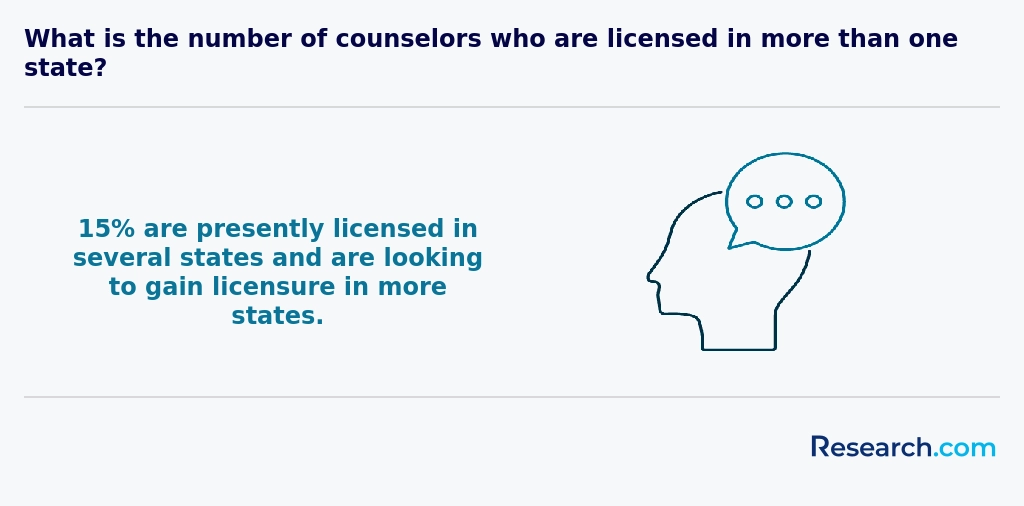
To practice as a Licensed Professional Counselor (LPC) in Puerto Rico, you must complete the following steps:
- Complete a master’s in counseling from a CACREP-accredited program, such as cacrep online counseling programs
- Accumulate at least 700 supervised practicum hours during your graduate studies
- Pass the National Counselor Examination (NCE) administered by the National Board for Certified Counselors
- Gain a minimum of two years (3,000 hours) of post-degree supervised clinical experience under a licensed counselor
- Submit your application, official transcripts and exam results to the Puerto Rico Board of Examiners of Licensed Professional Counselors
- Renew your LPC license every two years, completing required continuing education credits to stay current with best practices
What financial aid is available to counseling degree students in Puerto Rico?
Students pursuing counseling degrees in Puerto Rico commonly access federal aid, which plays a pivotal role in easing educational expenses. Graduate students at universities such as the University of Puerto Rico often rely on Direct Unsubsidized Loans and Grad PLUS Loans, accessible through the Free Application for Federal Student Aid (FAFSA). Early submission of FAFSA maximizes eligibility for these funds, a strategy emphasized by many recent graduates who found it instrumental.
State-based aid from the Puerto Rico Higher Education Assistance Authority (AAE) further supports counseling students by offering grants and scholarships tailored to residents demonstrating academic merit or financial need. This additional funding has enabled several students at institutions like Inter American University to manage tuition costs effectively while focusing on their studies.
Institutional scholarships and assistantships represent vital opportunities at these universities, often rewarding counseling students with stipends or tuition waivers in exchange for teaching or research contributions. Many graduates recount how such support fostered a strong sense of community and professional growth.
Moreover, loan forgiveness programs, especially for those committed to underserved Puerto Rican communities, provide motivating incentives. The federal Public Service Loan Forgiveness program, for example, offers debt relief after a decade of qualified service, inspiring future counselors dedicated to making meaningful local impacts.
Licensure and Certification Requirements
Licensing in Puerto Rico ensures counselors meet professional standards:
- Hold a master’s degree in counseling from a CACREP-accredited or PR-approved program
- Complete 3,000 hours of supervised clinical experience under a licensed counselor
- Pass the National Counselor Examination (NCE) or the NCMHCE
- Apply to the Puerto Rico Counseling Board (Junta Examinadora de Consejeros) with official transcripts, exam scores, and fees
- Maintain licensure with 40 hours of continuing education every two years
For school counseling pathways, see our guide on how to become a school counselor.
What are the prerequisites for enrolling in counseling degree program in Puerto Rico?
To enroll in a counseling degree program in Puerto Rico, candidates must first hold a bachelor's degree from an accredited institution. Although the undergraduate major can vary, many graduates from universities such as the University of Puerto Rico emphasize that coursework in psychology or social sciences greatly eased their transition into graduate studies. A minimum GPA of around 2.75 to 3.0 is commonly required to demonstrate academic readiness.
Applicants typically need to submit official transcripts, letters of recommendation, and a personal statement that reflects their passion and career goals in counseling. Graduates often recall how crafting a genuine personal narrative helped them stand out in competitive admissions at prominent local institutions.
Some programs also request GRE scores or interviews and may require background checks due to the sensitive nature of counseling work. Since many courses are offered in Spanish, strong bilingual skills are valuable, although proof of English proficiency might be necessary for specific programs.
Ensuring the program's CACREP accreditation is crucial for future licensure, a fact frequently stressed by successful alumni who now practice professionally across Puerto Rico.
Licensure and Certification Requirements
To practice as a licensed professional counselor in Puerto Rico, follow these key steps:
- Graduate from a CACREP-accredited master’s program in counseling.
- Complete a minimum of 2,000 hours of supervised post-master clinical experience.
- Pass the National Counselor Examination (NCE) and any required Puerto Rico jurisprudence exam.
- Submit official transcripts, exam scores, and application fees to the Puerto Rico Board of Examiners of Mental Health Practitioners.
- Fulfill continuing education requirements every two years to renew your license.
For those pursuing family therapy credentials, consider online mft programs that align with Puerto Rico’s certification standards.
What courses are typically in counseling degree programs in Puerto Rico?
Counseling degree programs in Puerto Rico typically include a comprehensive set of courses designed to equip students with both theoretical knowledge and practical skills essential for successful careers. Graduates from well-regarded universities in Puerto Rico frequently highlight the depth of the curriculum, which covers fundamental areas such as Introduction to Counseling Theories, where students explore diverse models like cognitive-behavioral and humanistic approaches.
Courses in Human Growth and Development help students understand psychological changes across the lifespan, a crucial tool when working in varied community settings. Many students appreciate the emphasis on Multicultural Counseling, which fosters cultural competence-an essential skill when serving Puerto Rico's diverse population.
Practical courses such as Group Counseling Techniques and Practicum and Internship allow students from institutions like the University of Puerto Rico to apply classroom learning in real-world environments. Graduates often reflect on their rewarding experiences at community mental health centers or schools, which enhanced their confidence and readiness to meet professional licensure standards within Puerto Rico.
What types of specializations are available in counseling degree programs in Puerto Rico?
Students pursuing counseling degrees in Puerto Rico can choose from a variety of specializations tailored to local community needs. The most prominent type is Clinical Mental Health Counseling, which prepares graduates to address conditions such as anxiety and trauma prevalent after natural disasters and societal challenges. Many graduates from popular universities in Puerto Rico express fulfillment working toward licensure as Licensed Professional Counselors under Puerto Rico's Mental Health and Anti-Addiction Law.
School Counseling is another key specialization, focusing on the emotional and academic support of K-12 students. Graduates from these programs often share rewarding experiences assisting youth through bullying and academic pressures within Puerto Rico's education system. Counseling degree specializations in Puerto Rico also include Marriage and Family Therapy, which resonates deeply with Puerto Rican cultural values by focusing on family dynamics and relational healing.
Additional types of counseling programs in Puerto Rico available at some institutions cover areas like Substance Abuse Counseling, Rehabilitation Counseling, and Child and Adolescent Counseling. Many students have praised how these fields allow them to make meaningful impacts in diverse real-life contexts. To better understand career opportunities, prospective students may explore top online degrees for seniors that offer counseling-related content.
How do you choose the best counseling degree in Puerto Rico?
Choosing the best counseling degree programs in Puerto Rico requires careful consideration of accreditation, curriculum, and practical experience. Graduates from renowned institutions often emphasize the value of selecting programs accredited by CACREP, as this lends credibility and streamlines licensure in Puerto Rico. Many students have found that programs at popular universities incorporate rigorous internship and practicum placements, essential for gaining hands-on skills and meeting Department of Health standards.
Cost is another decisive factor for those seeking affordable counseling degrees Puerto Rico offers public universities with competitive tuition, which can significantly reduce financial burden without compromising quality. Additionally, prospective students should evaluate program format and faculty expertise to align with personal and professional goals. Some graduates have highlighted the benefit of hybrid or online options that accommodate working individuals.
For candidates exploring further advancement, considering a low cost doctorate degree online can open doors to specialized counseling fields and leadership roles within the island's mental health community.

What career paths are available for counseling degree students in Puerto Rico?
Counseling degree graduates in Puerto Rico encounter diverse career paths reflecting the island's growing emphasis on mental health. Many pursue licensure as professional counselors (LPC), enabling them to offer therapy directly to clients under the regulation of the Puerto Rico Board of Psychologists. Graduates from universities known for counseling programs often share rewarding experiences working in healthcare settings, community agencies, and private practice. Others find fulfilling roles as school counselors in public or private institutions, supporting students' emotional and academic growth while meeting certification requirements from the Puerto Rico Department of Education. Those interested in specialized fields may focus on substance abuse or rehabilitation counseling, responding to the increasing addiction challenges reported locally. Additionally, career opportunities extend to marriage and family therapy, counseling psychology, and community program coordination, demonstrating the flexibility of counseling careers in Puerto Rico. For students exploring options, considering the affordability of local programs and comparing them with other options such as best non profit accredited online universities can broaden their educational outlook.
Job opportunities for counseling graduates Puerto Rico continue to expand as mental health gains priority, promising a stable and meaningful profession for those committed to making a positive community impact.
What is the job market for counseling degree in Puerto Rico?
The job market for counseling degree graduates in Puerto Rico shows promising growth, driven by increased community awareness of mental health. Graduates from popular institutions such as the University of Puerto Rico and other regional colleges report opportunities particularly in public schools, healthcare, and social services. These fields require licensure aligned with local standards, making the acquisition of master's-level counseling degrees essential. This demand reflects a broader trend that mirrors the national growth in mental health counseling careers.
Though median salaries range between $25,000 and $35,000, which is lower than mainland averages, many graduates find meaningful work helping diverse populations with substance abuse counseling and crisis intervention. These roles often offer a sense of fulfillment despite financial challenges. Students exploring options can also enhance their prospects by considering online dual degree programs, combining counseling with other qualifications.
Career opportunities for counseling graduates Puerto Rico are growing, especially in school counseling programs supported by federal grants and community initiatives, which are vital for stable employment in this essential field.
Frequently Asked Questions About counseling
Counseling degree students in Puerto Rico can maximize their learning by engaging deeply with both academic and practical experiences. Enrolling in programs accredited by the Council for Accreditation of Counseling and Related Educational Programs (CACREP) ensures quality education aligned with U.S. standards. According to the Puerto Rico Department of Education, internships and supervised clinical practice are vital, providing hands-on experience in local community settings.
Students should also seek opportunities for bilingual counseling training, as proficiency in both English and Spanish increases employability in the island's diverse population. Joining professional organizations, such as the Puerto Rico Counseling Association, offers valuable networking and continuing education resources. Lastly, staying informed about local mental health trends and policies can enrich understanding and career readiness.
The counseling field in Puerto Rico is evolving, with several emerging niches gaining attention. One notable area is trauma counseling, responding to the island's frequent natural disasters and their psychological impact. Experts highlight increased demand for counselors trained in crisis and disaster interventions.
Another growing niche is teletherapy, accelerated by the pandemic and expanded access to remote mental health services. This field offers flexibility and wider reach, especially important for rural communities in Puerto Rico.
Also rising in prominence is substance abuse counseling, addressing ongoing public health challenges. According to the Puerto Rico Mental Health and Anti-Addiction Services Administration, this specialty will remain critical.
Younger professionals are also exploring multicultural counseling to better serve Puerto Rico's diverse population within U.S. frameworks.
Graduates with counseling degrees in Puerto Rico should prioritize obtaining licensure to improve job prospects. The Puerto Rico Board of Examiners in Counseling requires a master's degree from an accredited program, supervised experience, and passing the National Counselor Examination. Completing internships with local agencies during studies can provide hands-on skills and valuable professional networks. Familiarity with both Spanish and English is essential since bilingualism increases employability across diverse populations on the island.
According to the U.S. Bureau of Labor Statistics, employment of counselors in Puerto Rico is expected to grow moderately over the next decade, highlighting the importance of gaining specialized skills such as substance abuse or school counseling. Joining professional organizations like the American Counseling Association can also provide access to job listings and continuing education opportunities.
Employers in Puerto Rico value counseling degree graduates who demonstrate strong communication skills. Effective listening and clear expression are critical for building trust with clients, especially given the island's diverse cultural landscape.
Additionally, cultural competence is essential. Counselors must understand and respect Puerto Rico's unique social and historical context to provide relevant and sensitive support, according to data from the Puerto Rico Psychological Association.
Problem-solving abilities and ethical judgment also rank highly. Graduates who can assess complex situations and maintain professional integrity meet the high standards expected in local clinical and educational settings.
Finally, proficiency in both Spanish and English is often required, reflecting Puerto Rico's bilingual environment.
Finding internships in Puerto Rico for counseling degrees requires a strategic approach. Many counseling programs in Puerto Rico partner with local health clinics, schools, and community organizations to offer hands-on training. Students should begin by consulting their university's career services or internship coordinators, who often have established contacts in mental health facilities across the island.
The Puerto Rico Association of Licensed Professional Counselors (PRALPC) is a valuable resource for locating approved internship sites and understanding licensure requirements. Additionally, federal programs like the Substance Abuse and Mental Health Services Administration (SAMHSA) may fund internship opportunities in local agencies.
According to the Bureau of Labor Statistics, internships in counseling fields frequently lead to employment, emphasizing the importance of practical experience. Early networking and clear communication with prospective supervisors can significantly improve the internship search process in Puerto Rico.
Obtaining a counseling degree in Puerto Rico significantly enhances career mobility and advancement opportunities within the mental health and social services sectors. Licensed counselors in Puerto Rico are in growing demand, partly due to increased public awareness of mental health issues and federal support for behavioral health programs.
The degree is essential for licensure as a Licensed Professional Counselor (LPC), which opens doors to higher-paying positions and supervisory roles. According to the Puerto Rico Department of Labor, counseling professionals with advanced degrees can see an estimated salary increase of 15-25% compared to those without formal credentials.
Additionally, a counseling degree allows graduates to work across various settings, including schools, hospitals, and private practices, promoting flexible career paths and regional employment opportunities. The degree also supports eligibility for further certification, such as Certified Addiction Counselor, which broadens specialization options.
Studying for a counseling degree in Puerto Rico equips students with skills vital for interdisciplinary collaboration across healthcare, education, and social services. Programs follow guidelines set by the Council for Accreditation of Counseling and Related Educational Programs (CACREP), ensuring a robust curriculum that integrates psychology, social work, and health sciences.
Puerto Rican counseling degrees emphasize cultural competence, addressing the island's unique bilingual and multicultural context. This prepares graduates to work effectively with diverse populations alongside professionals such as social workers, educators, and medical staff.
According to the Puerto Rico Association of Licensed Counselors, graduates often find roles in multidisciplinary teams, supporting mental health initiatives statewide. This interdisciplinary training enhances career flexibility and responsiveness to community needs.
When choosing between a thesis and a non-thesis counseling degree program in Puerto Rico, consider your career goals and learning preferences. A thesis program requires original research and is suited for students interested in academic or clinical research careers. It often demands more time, typically an additional semester or two, due to the research and writing involved.
Non-thesis programs focus more on practical experience and coursework, appealing to professionals aiming for clinical practice or licensure. According to the Puerto Rico Board of Psychologists, practical training is essential for counseling licensure, which non-thesis paths emphasize.
Research also shows that thesis programs may better prepare students for doctoral studies, while non-thesis programs often have a shorter duration and lower costs.
Students in Puerto Rico interested in studying counseling abroad have several pathways within the US higher education system. Many choose to enroll in mainland institutions that offer accredited counseling programs recognized by the Council for Accreditation of Counseling and Related Educational Programs (CACREP). These programs often provide online or hybrid options, accommodating students living remotely.
Puerto Rican students can benefit from in-state tuition reciprocity agreements or scholarships that reduce costs when studying outside the island. According to the Puerto Rico Higher Education Council, counseling remains one of the growing fields in demand, prompting mainland universities to accommodate diverse student populations, including those from Puerto Rico.
Some students also pursue graduate certificates or specialized counseling licenses in states with strong counseling regulations, like New York or Florida, which can enhance professional mobility.
Part-time job opportunities in Puerto Rico that complement counseling degree education are often found in social service agencies, community health centers, and schools. Working as a behavioral health technician or case manager provides practical experience supporting clients with mental health challenges. According to the Puerto Rico Department of Labor, such roles are in steady demand due to rising awareness of mental health needs on the island.
Another relevant job is peer support specialist, where students apply counseling theories in real-life scenarios. These positions help develop communication and crisis intervention skills essential for licensure. Additionally, internships or assistant roles in counseling offices at local universities offer exposure to professional environments while completing academic requirements.
The U.S. Bureau of Labor Statistics notes that gaining work experience during studies can increase employment opportunities after graduation, especially in specialized counseling fields such as substance abuse or school counseling.
Counseling students in Puerto Rico benefit from various networking opportunities tied to both regional and national organizations. The Puerto Rico Counseling Association (PRCA) facilitates connections among students and professionals through conferences and workshops focused on mental health trends specific to the island. National groups like the American Counseling Association (ACA) also offer virtual and in-person events accessible to Puerto Rican students, helping them engage with a broader professional community.
Many universities in Puerto Rico collaborate with local clinics and schools, providing practical internships that foster valuable relationships. According to the Council for Accreditation of Counseling and Related Educational Programs (CACREP), these partnerships enhance career prospects by linking students with licensed practitioners early in their training.
Alumni networks offer significant advantages to counseling degree students in Puerto Rico by connecting them with experienced professionals and recent graduates. These networks provide valuable mentorship opportunities, helping students navigate licensing requirements specific to Puerto Rico, such as those established by the Puerto Rico Board of Examiners of Psychologists and Counselors.
Networking through alumni groups can lead to internships and job placements, which are crucial given the growing demand for mental health services on the island. According to the Puerto Rico Department of Health, the counseling profession is expanding, increasing the need for well-prepared graduates.
Furthermore, alumni often share insights about local cultural competencies and regulations, enhancing students' practical knowledge. Such connections foster ongoing professional development and collaboration within the counseling community.
Customizing a counseling degree program in Puerto Rico allows students to align their education with specific career goals within the counseling field. Many universities offer concentration options such as clinical mental health, school counseling, or substance abuse counseling. These specializations enable focus on skills relevant to intended work settings. Students can often choose electives, internships, or practicum experiences that match their professional interests and local community needs. For example, in Puerto Rico, bilingual counseling and cultural competence are especially valuable due to the island's diverse population. According to the Puerto Rico Department of Education, tailoring your training in these areas enhances job readiness and licensure success rates.
Counseling students in Puerto Rico encounter several challenges during their education. One primary difficulty is limited access to diverse practicum sites, essential for gaining hands-on experience due to the island's smaller population and fewer specialized mental health facilities. According to the Puerto Rico Department of Education, waitlists for supervised internships can be long, affecting timely graduation.
Another challenge is the economic impact on students. Many face financial strain, as tuition costs remain high relative to average local incomes, coupled with limited availability of scholarships specific to counseling programs. The American Counseling Association highlights the lack of local funding boosting this issue.
Additionally, bilingual proficiency is crucial. Students must master both Spanish and English to serve Puerto Rico's diverse population effectively, adding complexity to coursework and communication demands within their internships.
With a counseling degree in Puerto Rico, graduates can pursue several professional certifications to enhance their career opportunities. One of the most common credentials is the Licensed Professional Counselor (LPC), which requires a master's degree, supervised clinical experience, and passing a state-recognized exam. The LPC allows counselors to provide mental health services independently.
Additionally, counselors may seek certification as a Licensed Mental Health Counselor (LMHC), depending on specific state regulations. Some also pursue certifications in specialized areas, such as marriage and family therapy or substance abuse counseling.
The Puerto Rico Board of Licensed Professional Counselors oversees licensure, ensuring practitioners meet national standards. According to the Bureau of Labor Statistics, employment for counselors is expected to grow 22% nationally by 2030, reflecting strong demand.
Writing a winning application for a counseling program in Puerto Rico requires careful preparation. Start by highlighting your academic achievements, especially in psychology or related fields, as these form the foundation of counseling studies. Programs often look for applicants with clear career goals, so articulate your motivation and how counseling fits your future plans.
Include any relevant experience, such as volunteer work or internships, to demonstrate your commitment. According to the Council for Accreditation of Counseling and Related Educational Programs, practical experience is highly valued. Strong letters of recommendation that speak to your interpersonal skills and professionalism also improve your chances.
Make sure to write a concise and compelling personal statement. Proofread carefully to avoid errors, as Puerto Rican universities maintain high standards reflecting U.S. higher education quality.
The counseling profession is recognized worldwide for its critical role in supporting mental health and well-being. In the United States, including Puerto Rico, counseling careers are governed by licensure requirements that ensure high professional standards. According to the Bureau of Labor Statistics, the demand for counselors is expected to grow by 22% from 2020 to 2030, reflecting an increasing need for mental health services.
Puerto Rico follows similar educational pathways as the US mainland, with master's degrees in counseling being the standard qualification for practice. Licensing through the Puerto Rico Examining Board is required, aligning with national certification trends.
Globally, counseling is evolving with cultural competence and ethical practice emphasized, which is vital for diverse populations in Puerto Rico. Research from the American Counseling Association highlights that counselors who understand multicultural issues provide more effective support, a relevant point given Puerto Rico's unique cultural context.
Gaining practical experience while studying for a counseling degree in Puerto Rico is essential for career readiness. Most accredited programs require students to complete supervised practicum or internship hours. These experiences often take place in local clinics, hospitals, schools, or community agencies, providing real-world exposure.
Students can also seek volunteer opportunities or part-time roles related to mental health services to complement their coursework. According to the Puerto Rico Psychological Association, hands-on training is critical for licensure eligibility and can range from 700 to 1,500 hours, depending on the counseling specialization.
Moreover, many universities partner with healthcare providers to help students access diverse populations and clinical settings throughout their studies.
Choosing the right concentration within a counseling degree program in Puerto Rico depends on your career goals and interests. Common concentrations include mental health counseling, school counseling, and marriage and family therapy. According to the Puerto Rico Department of Education, demand for school counselors remains high due to ongoing student support needs.
It is important to consider licensure requirements in Puerto Rico, as different counseling concentrations may require specific certifications. For example, the Board of Examiners of Psychologists and Counselors sets standards for various counseling specialties.
Research program curricula, available practicum placements, and graduate outcomes to ensure alignment with your professional objectives. Consulting with academic advisors and current practitioners in Puerto Rico can also provide valuable insights.
Top Trending Counseling Rankings
See What Experts Have To Say About Studying Counseling
Read our interview with Counseling experts

Charles Figley
Counseling Expert
Kurzweg Distinguished Chair in Disaster Mental Health
Tulane University

References
- Master of Science in Counseling Psychology https://www.albizu.edu/academics/programs/master-science/counseling-psychology/
- The Challenges of Guidance Counselors in Supporting Students’ Mental Health https://theaspd.com/index.php/ijes/article/view/2406
- 6 Therapy Niches to Consider for Your Practice - Talkspace https://www.talkspace.com/blog/therapy-niches/
- Puerto Rico Licensure Pathways - Step-by-Step by License https://www.triadhq.com/path-to-licensure/puerto-rico-pathways
- What Degree Do I Need to Become a Counselor or Therapist? https://paloaltou.edu/resources/blog/what-degree-do-i-need-become-counselor-or-therapist
- Profesionales del Trabajo Social https://www.statedepartment.pr.gov/juntas-examinadoras/social-work-professionals
- Internship Opportunities | PCS https://pacounseling.com/internships/
- Know more about thesis vs non- thesis: what is the difference? https://studyfans.com/en/blogs/816
- Where therapists work and what they do https://www.bacp.co.uk/careers/counselling-and-therapy-as-a-career/where-therapists-work-and-what-they-do/
- Paid Clinical Internship https://www.pathwaysmhs.org/internship-program.html


