
2027 Most Valuable Online Bachelor's in Counseling Degree Programs Ranking in the West

Co-Founder and Chief Data Scientist
Exploring a career in counseling can be a deeply rewarding path, offering opportunities to make a positive impact on others' lives. Choosing the right degree program, especially online, is an important step toward achieving your goals.
This article presents the 2027 Most Valuable Online Bachelor's in Counseling Degree Programs Ranking in the West, developed by the Research.com team of data scientists. It's designed to help you discover programs that offer strong value and quality education tailored to your needs.
Reading this guide will empower you to make a confident, informed decision as you pursue a meaningful future in counseling.
Key benefits of getting online counseling degree in the West
- Counseling degree graduates in the West can expect rewarding salaries, such as Addiction Counselors earning around $60,080 and Rehabilitation Specialists making about $48,430 annually, reflecting strong financial prospects.
- A graduate from a well-known Western university might pursue diverse careers, including roles like Community Outreach Coordinator or Family Support Worker, which both offer opportunities to make meaningful community impacts.
- Completing a counseling degree online offers flexibility and convenience, as experienced by graduates from popular Western institutions, allowing students to balance work, family, and studies while gaining valuable credentials.
- Key benefits of getting online counseling degree in the West
- What can I expect from online counseling degree in the West?
- Where can I work with online counseling degree in the West?
- How much can I make with online counseling degree in the West?
- 2027 Most Valuable Online Bachelor's in Counseling Degree Programs Ranking in the West
- Key Findings
- How long does it take to complete online counseling degree in the West?
- Licensure and Certification Requirements for Counseling Graduates
- What's the difference between online and on-campus counseling degree?
- Licensure and Certification Requirements in the West
- What is the average cost of online counseling degree in the West?
- Accreditation and Licensure Requirements
- What financial aid is available to online counseling degree students in the West?
- Admission Requirements and Process
- What are the prerequisites for enrolling in online counseling degree program in the West?
- Licensure and Certification Requirements
- What courses are typically in online counseling degree programs in the West?
- What types of specializations are available in online counseling degree programs in the West?
- How do you choose the best online counseling degree in the West?
- What career paths are available for online counseling degree students in the West?
- What is the job market for online counseling degree in the West?
- Top Trending Counseling Rankings
- See What Experts Have To Say About Studying Counseling
What can I expect from online counseling degree in the West?
The average cost of an online counseling degree in the Western United States offers accessible opportunities for students eager to make a real difference in mental health care. Many graduates from well-known state universities report tuition costs ranging between $7,000 and $15,000 per year for in-state students, making education more affordable without compromising quality. Private colleges, while a bit more expensive, provide valuable resources and personalized support that students find inspiring and motivating during their journey.
Imagine studying from the comfort of home while engaging in interactive classes from universities accredited by the Western Association of Schools and Colleges. Graduates often speak about the rewarding balance of online coursework with local internships, allowing them to gain hands-on experience in their communities-whether volunteering at mental health clinics in California or supporting wellness programs in Washington State.
This cost-effective path enables many to pursue their passion for counseling without adding overwhelming financial stress, opening doors to meaningful careers that resonate deeply with their commitment to helping others heal and grow.
Where can I work with online counseling degree in the West?
Graduates with an online counseling degree from well-known Western schools like the University of Washington or California State University find themselves stepping into rewarding careers across diverse environments. Picture yourself supporting students in vibrant K-12 schools throughout California, guiding them toward academic success and emotional wellness-a role that many graduates embrace with passion and purpose.
Others thrive in healthcare settings such as hospitals and outpatient clinics, becoming Licensed Professional Clinical Counselors or Mental Health Counselors who make meaningful impacts on individuals facing life's toughest challenges. Imagine working in a busy Oregon mental health clinic, where your expertise helps clients heal and grow every day.
Many graduates also venture into private practice, fueled by the freedom to offer personalized care via telehealth, reaching clients even in remote communities. Community agencies employ counselors to serve diverse populations, where cultural sensitivity and language skills create deep connections and change lives. These fulfilling paths showcase the abundant opportunities awaiting you in the Western US with an online counseling degree.
How much can I make with online counseling degree in the West?
Graduates with an online counseling degree in the Western United States often find rewarding career opportunities that reflect their dedication and training. For example, a graduate working as a Rehabilitation Specialist can expect to earn an average annual wage of about $48,430, with hourly rates around $23.28. Those stepping into roles like Community Outreach Coordinator or Family Support Worker commonly see salaries near $54,020 per year, offering both financial stability and community impact.
For those pursuing specialized paths such as Addiction Counselor, the rewards increase further, with mean annual wages of approximately $60,080 and hourly earnings near $28.89. Graduates from well-known institutions in the West, such as the University of Southern California and Portland State University, share stories of thriving in these roles, combining passion with positive earnings.
These aligned opportunities embody not only financial promise but also meaningful work. Earning potential in the West often surpasses national averages, reflecting the high demand for skilled counselors in vibrant urban centers and supportive rural communities. The journey begins with a degree, but its rewards echo broadly in personal and professional fulfillment.
2027 Most Valuable Online Bachelor's in Counseling Degree Programs Ranking in the West
How do we rank schools?
Investing in your education is a significant decision that can shape your future, and the Research.com team fully recognizes the importance of making informed choices. To guide prospective students in the Western region, we have carefully developed the "2027 Most Valuable Online Bachelor's in Counseling Degree Programs Ranking in the West." Our dedication to quality, credibility, and accuracy is demonstrated through thorough research and analysis conducted to create this ranking.
We utilized the following reputable data sources to ensure a comprehensive evaluation of counseling programs:
By reviewing this ranking, readers will gain valuable insights into the most advantageous online counseling degree programs in the West, empowering them to make well-informed decisions about their educational journeys. For more information on how the ranking was produced, please visit our Research.com methodology page.
# 1 position
Western Governors University
Bachelor of Psychology


Key Findings
- Online counseling bachelor's degrees in the Western U.S. typically cost between $30,000 and $50,000 in total tuition.
- Many accredited Western universities offer fully online programs with flexible schedules for students.
- Entry-level counseling salaries range from $40,000 to $50,000 annually, with experienced professionals earning $60,000 to $75,000.
- The job market for mental health counselors and therapists in the West is expected to grow by about 20% from 2022 to 2032.
- Programs usually require supervised clinical hours for licensure and should be accredited by bodies like CACREP.
How long does it take to complete online counseling degree in the West?
Completing an online counseling degree in the Western US is an exciting journey that typically takes about four years for a bachelor's, closely matching the pace at popular universities like the University of Washington or San Diego State University. Many graduates recall embracing the balance of coursework with their busy lives, often appreciating the flexible schedules that allow them to study full-time or part-time, extending their timeline up to six years without pressure.
For those pursuing a master's degree, such as in counseling or marriage and family therapy, the journey usually spans two to three years. Graduates from well-known institutions in California highlight how clinical practicum experiences deepen their learning while building confidence through real-world application. Some find accelerated tracks, completed in as little as 12 to 18 months at places like Western Governors University, challenging but immensely rewarding when fully committed.
Many students feel empowered knowing these programs accommodate diverse lifestyles while setting them up for licensure and fulfilling their dream of making a difference in others' lives.
Licensure and Certification Requirements for Counseling Graduates
After completing an online counseling program, graduates must secure state licensure to practice legally. Each jurisdiction sets requirements for supervised clinical hours (commonly 1,500–3,000), passing a national exam (such as the NCE or NCMHCE), and holding a master’s degree from a CACREP-accredited institution. Many states mandate post-graduate supervision by a licensed professional counselor (LPC) before full licensure is granted. To maintain credentials, counselors typically complete 20–40 continuing education credits every renewal cycle and comply with ethical standards set by bodies like the American Counseling Association. Prospective counselors should research specific rules early-application deadlines, exam eligibility windows, background checks, and fee schedules vary. For instance, Pennsylvania applicants must log 3,000 supervised hours and pass both the NCE and a state jurisprudence exam; comprehensive guidance on this process can be found in our detailed guide on lpc in pennsylvania how to become. Understanding licensure timelines is critical: students can often apply for provisional licenses while completing practicum, reducing post-graduation delays. Networking with alumni and joining professional associations (e.g., NBCC or state counseling boards) helps clarify local nuances. By planning for supervision, examinations, and renewals alongside coursework, graduates ensure a smooth transition from degree completion to fully licensed practice.
What's the difference between online and on-campus counseling degree?
Online and on-campus counseling degrees in the West uniquely shape your journey toward becoming a licensed professional counselor. Graduates from Western institutions often share how on-campus programs, such as those at public universities, provide vibrant face-to-face interaction that sharpens their communication skills through workshops and counseling labs. This hands-on environment creates meaningful connections with faculty and peers, fostering confidence and a sense of belonging.
Meanwhile, online programs from well-known colleges offer inspiring flexibility, allowing working adults to balance family and career while pursuing their passion. Imagine joining virtual discussions late at night, making progress on your own schedule without the hassle of commuting in California's traffic or Oregon's rainy days.
Both formats uphold rigorous CACREP standards and require local fieldwork, ensuring you gain crucial clinical experience. Many online students find pride in arranging community internships close to home, proving that dedication and growth happen anywhere.
Licensure and Certification Requirements in the West
Earning an online Bachelor’s in Counseling is only the first step toward practicing professionally-graduates must also satisfy state licensure and certification requirements. In most Western states, candidates must complete: • A practicum or internship totaling 300–600 supervised clinical hours, depending on state board regulations. • A master’s-level counseling degree (for Licensed Professional Counselor or equivalent credentials), followed by 2,000–4,000 post-graduate supervised hours. • Successful passage of the National Counselor Examination (NCE) or the National Clinical Mental Health Counseling Examination (NCMHCE), administered by the National Board for Certified Counselors (NBCC). • State-specific jurisprudence or ethics exams, which test knowledge of local laws and professional standards. Continuing education units (CEUs) are required to maintain licensure, with most states mandating 20–40 credit hours every two years. Some specializations, such as Marriage and Family Therapy or School Counseling, have additional endorsement exams or coursework. When comparing programs, consider both curriculum alignment with CACREP standards and affordability-our Cheapest Online Counseling Degree Programs Ranking in the Midwest can help you find cost-effective options that still meet rigorous accreditation and licensure prerequisites.
What is the average cost of online counseling degree in the West?
The average cost of an online counseling degree in the West typically centers around $56,490 for total program expenses. Many students pursuing this path find value in the investment, knowing that their education at well-regarded institutions in the region supports a meaningful career helping others. Graduates of popular universities in the western states often share how their affordable online counseling programs in the West enabled them to balance work, family, and study without overwhelming financial strain.
Public universities usually offer the most budget-friendly options. For example, students attending established state schools can expect tuition ranging from $7,000 to $12,000 annually for in-state enrollment, while private colleges may offer smaller classes and enhanced support with tuition closer to $20,000 to $35,000 per year. These affordable online counseling programs in the West empower learners to grow professionally while managing their expenses thoughtfully.
Real-life experiences from graduates highlight that thoughtful budgeting and exploring financial aid are key. Many take advantage of scholarships or employer tuition assistance. They often appreciate that these programs cover critical components like supervised fieldwork and certification exam preparation, making it easier to focus on their calling. For those curious to explore top options, https://research.com/rankings/counseling/best-online-counseling-west offers guided insights into standout programs across the West.
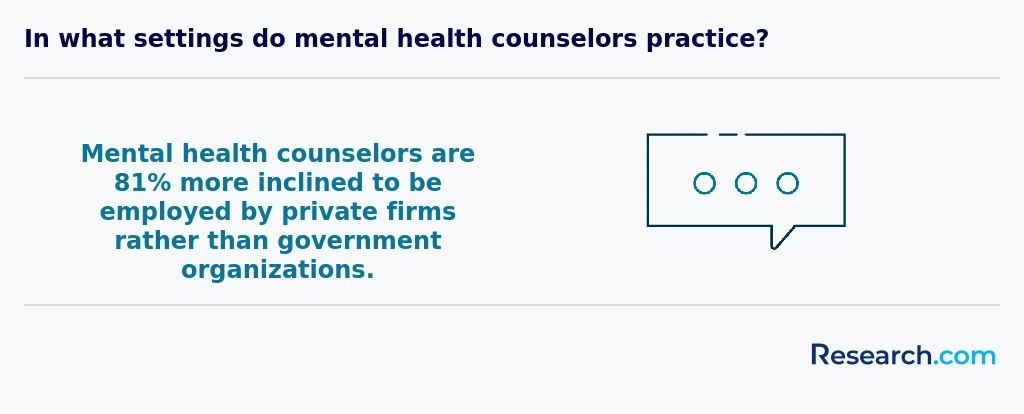
Accreditation and Licensure Requirements
Choosing an accredited online counseling program is critical for meeting state licensure standards and ensuring you can begin your career without delay.
- CACREP accreditation is widely recognized and often required by state boards for licensure eligibility.
- Plan for practicum and internship placements locally - most states mandate 100–600 supervised hours at approved sites.
- After graduation, you’ll need to pass a national or state counseling exam (e.g., NCMHCE) to become a Licensed Professional Counselor (LPC).
- Verify your target state’s post-degree supervised experience requirements, which can range from 1,000 to 3,000 hours, and any additional certifications.
For budget-minded students seeking accredited options, explore our guide to the cheapest online counseling degree.
What financial aid is available to online counseling degree students in the West?
Many students pursuing online counseling degrees in the West find hope and relief through a variety of financial aid options designed to support their educational journey. Graduates from programs at universities like the University of Washington and California State University often share how federal Pell Grants, which can provide up to $7,395 per year, made a real difference in easing their tuition concerns.
Others highlight federal Direct Subsidized and Unsubsidized Loans as practical tools, offering affordable interest rates and flexible repayment plans that accommodate busy lives. State aid also plays a key role; for example, California's Cal Grant has empowered countless students to focus on their studies without the burden of overwhelming debt.
Institutional scholarships at regional schools frequently target motivated online counseling students, especially those balancing family and work commitments. Healthcare employers offering tuition reimbursement further inspire working professionals to advance their careers confidently.
Finally, graduates praise professional organizations like the American Counseling Association for opening doors to specialized scholarships, fueling their passion to make a lasting impact in fields such as school counseling and mental health.
Admission Requirements and Process
To enroll in an Online Counseling program in the West, prospective students typically need to meet specific prerequisites, which may vary depending on the institution and the type of degree being pursued. A bachelor's degree from an accredited institution, a minimum GPA of 3.0, and completion of prerequisite courses in statistics, research methods, and psychology are common requirements. Submission of official transcripts, letters of recommendation, and a personal statement outlining career goals and motivations for pursuing a degree in counseling are also typically required. Background checks and fingerprinting may be necessary for programs that require fieldwork or internships. It's essential to research the specific admission requirements for each program and institution to ensure a smooth application process. Additionally, some programs may require standardized test scores, such as the GRE or MAT, while others may prioritize work experience or volunteer work in the field of counseling. By understanding the admission requirements and process, prospective students can better prepare themselves for a successful application and a rewarding career in counseling.
What are the prerequisites for enrolling in online counseling degree program in the West?
To embark on an online counseling degree journey in the West, you'll need a high school diploma or equivalent, like a GED, laying a solid foundation for success. Graduates from renowned Western universities often share how submitting official transcripts with a GPA around 2.5 to 3.0 opened doors for them, proving their readiness to tackle counseling coursework.
Many programs encourage early completion of classes in psychology or communication, helping you connect theory with real-life understanding. Imagine mastering skills that empower you to listen deeply and support others-this starts with demonstrating strong communication, sometimes through test scores or personal essays that share your passion and motivation.
Letters of recommendation and background checks ensure you're prepared ethically and professionally, reflecting the trust placed in counselors throughout the Western community. Financial planning is part of the path too, with tuition ranging from $6,000 at public institutions to $20,000 at private ones, giving you options to fit your goals and budget as you grow toward making a positive impact.

Licensure and Certification Requirements
Earning a bachelor’s in counseling lays the foundation, but clinical practice typically requires additional credentials. Most states mandate a master’s degree, supervised hours and passing standardized exams before you can practice independently.
Key steps to licensure:
- Complete a CACREP-accredited master’s program in counseling or marriage and family therapy
- Accumulate 2,000–4,000 hours of supervised clinical experience under a licensed professional
- Pass a national exam (e.g., NCE or NCMHCE) plus any state jurisprudence exam
- Submit an application to your state board and fulfill ongoing continuing education requirements
Many graduates also pursue National Certified Counselor (NCC) status to enhance credibility. For those seeking an accelerated master’s pathway, consider accelerated online mft programs that meet CACREP standards.
What courses are typically in online counseling degree programs in the West?
Online counseling degrees in the West offer courses that truly prepare you to make a meaningful difference in people's lives. Graduates from top Western institutions often share how foundational classes in human development helped them understand clients across all stages of life-whether helping a teenager navigate anxiety or supporting seniors facing loneliness.
Courses in counseling theories introduce you to powerful tools like cognitive-behavioral therapy and person-centered approaches, enabling you to adapt your skills to each unique client. Many students feel inspired by the way these lessons expand their empathy and communication abilities, readying them for real-world challenges.
Ethics and legal courses ensure you meet the high professional standards required by Western state licensing boards, grounding your practice in trust and integrity. Practicum opportunities, often available through well-regarded colleges like those in California or Washington, give hands-on experience that graduates describe as transformative-turning theory into lasting impact while boosting their confidence to serve diverse communities.

What types of specializations are available in online counseling degree programs in the West?
Students pursuing an online counseling degree in the West find vibrant specializations that align perfectly with their passions and career ambitions. Many graduates from popular universities in the West discover School Counseling to be a deeply rewarding path, where they make a meaningful impact working with children and adolescents in educational settings. Others embrace Mental Health Counseling, gaining skills to support individuals facing anxiety or trauma, feeling empowered by their ability to foster real change in their communities.
Those inspired by family dynamics frequently choose Marriage and Family Therapy, experiencing firsthand the joy of helping families heal and grow. Substance Abuse Counseling and Rehabilitation Counseling also attract graduates eager to support individuals on transformative recovery journeys or those overcoming disabilities. These specializations offer practical training through online practicum placements, ensuring students meet West region counseling degree focus areas and regional licensure needs.
Grads often reflect on how flexibility allowed by these programs at institutions across the West enriched their learning. For heightened guidance on licensing, many also reference New York LPC supervision requirements for insight into professional standards.
How do you choose the best online counseling degree in the West?
Choosing the best online counseling degree in the West means focusing on programs that are not only accredited by CACREP but also designed to meet licensure requirements in states like California and Oregon. Graduates from universities in the West often share how aligning their coursework with state-specific internship hours made licensing smoother and boosted their confidence entering the profession.
Many find that affordable counseling bachelor's degrees Western US offer a perfect balance of quality and flexibility. For example, students juggling work and family appreciate programs with asynchronous classes that fit into their busy lives, much like those offered by popular institutions in the region. This flexibility empowers you to advance your career without sacrificing your personal commitments.
Some graduates highlight the value of strong faculty support and well-connected practicum placements, which enhance real-world readiness. If you're looking for a practical path, explore options like online bachelor's degrees for professionals, which cater specifically to working adults eager to make an impact through counseling.
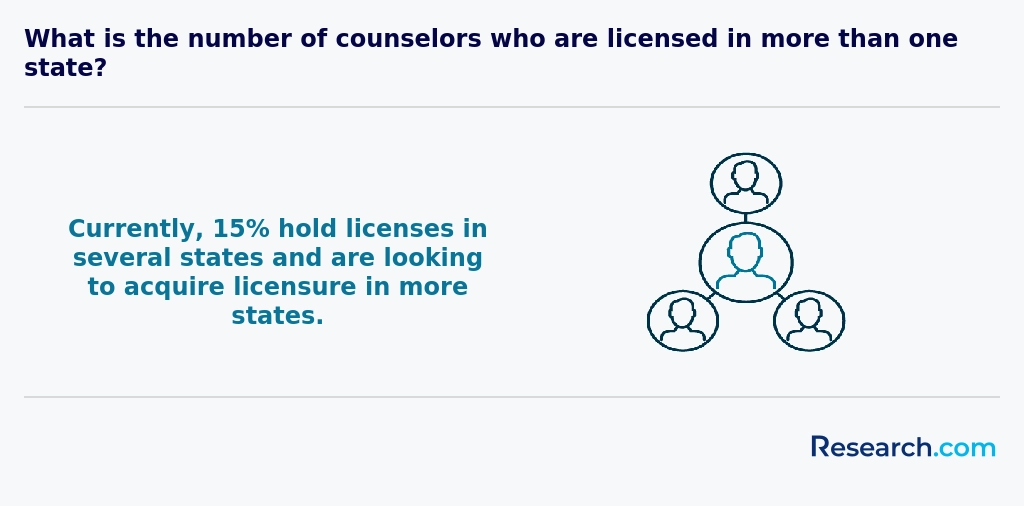
What career paths are available for online counseling degree students in the West?
Graduates pursuing online counseling careers in the West discover a wealth of rewarding opportunities that truly make a difference in people's lives. Many find themselves working in vibrant K-12 school environments, supporting students' emotional well-being and academic success. Others take roles as mental health counselors in hospitals or outpatient clinics, where their day-to-day work improves the healing process for individuals facing psychological challenges. Graduates from universities such as Oregon State University often share how their training empowered them to specialize in trauma counseling or substance abuse, tapping into focused careers that meet urgent community needs.
These West region counseling degree job opportunities extend further into fields like rehabilitation counseling, helping those with disabilities regain independence, or career counseling, guiding clients toward meaningful job paths. The flexibility of online programs allows students to balance work and study, stepping confidently into these dynamic roles. For deeper career versatility, some explore pathways related to a social work master's degree Florida online, expanding their impact beyond traditional counseling settings.

What is the job market for online counseling degree in the West?
The job market for online counseling degree graduates in the West is vibrant and full of opportunity. Graduates from well-known institutions in the region enthusiastically share how flexibility in their education enabled them to connect with diverse communities across urban hubs and rural areas. Many find rewarding roles in schools, hospitals, and private practices where their skills are in high demand. The steady growth in mental health awareness and post-pandemic challenges has amplified the need for compassionate counselors, creating an encouraging environment for those pursuing online counseling jobs in the West.
Recognition of online degrees by Western state licensure boards allows graduates to confidently enter a competitive field with competitive salaries that often exceed national averages. For instance, professionals near Los Angeles or Seattle enjoy higher wages that reflect the cost of living, providing financial motivation alongside personal fulfillment. Stories from graduates highlight how accredited programs, especially those accepted for licensure, expand career possibilities and empower students to make a meaningful impact.
Graduates also consider financial aspects carefully. Programs frequently range from $15,000 to $40,000, and many students successfully secure aid or scholarships, making education more accessible. For those seeking detailed insights, exploring options like a georgia psychology degree salary can offer additional guidance on regional opportunities tied to counseling degrees.
Frequently Asked Questions About counseling
Online counseling degree students in the West can maximize their learning experience by actively engaging in interactive coursework and virtual group discussions. According to the Western Interstate Commission for Higher Education (WICHE), students who participate in live sessions and peer collaboration report higher retention and satisfaction rates.
Utilizing local resources such as regional counseling associations can also enhance practical knowledge and networking. The California Association of Marriage and Family Therapists, for example, offers workshops beneficial to online students seeking regional licensure.
Regular consultation with academic advisors ensures alignment with state-specific licensing requirements in the West. Combining theoretical study with virtual internships or supervised practicum placements in local counseling settings further prepares students for successful careers.
Emerging niches within the counseling field in the Western United States reflect evolving social needs and technological advances. One notable area is telehealth counseling, which expanded rapidly during and after the COVID-19 pandemic. According to the American Psychological Association, telehealth usage increased by over 50% in Western states from 2020 to 2023.
Another growing niche is substance use and addiction counseling, fueled by rising overdose rates in the West. The Substance Abuse and Mental Health Services Administration (SAMHSA) highlights a demand for professionals trained in evidence-based addiction treatments.
Additionally, multicultural counseling remains critical, with counselors specializing in serving diverse populations, including immigrants and Indigenous communities. The US Bureau of Labor Statistics projects that these specialties will see above-average growth through 2030, particularly in Western metropolitan areas.
After earning an online counseling degree in the Western US, preparing for the job market involves several key steps. First, graduates should obtain the necessary state licensure, such as the Licensed Professional Counselor (LPC) credential, which varies by state but often requires completing supervised clinical hours. According to the Bureau of Labor Statistics, the demand for mental health counselors in the West is projected to grow faster than average, with California and Washington among the top states for job openings.
Networking through professional associations like the American Counseling Association and attending local conferences can enhance job prospects. Additionally, gaining experience through internships and volunteer work while studying strengthens practical skills. Lastly, tailoring resumes and practicing interviews with a focus on telehealth counseling roles, which are expanding rapidly in the region, will improve a graduate's competitiveness in the evolving job market.
Employers in the Western United States prioritize several key skills when hiring graduates with counseling degrees. Strong communication skills remain essential, as counselors must effectively listen and convey guidance to diverse clients. According to the California Board of Behavioral Sciences, culturally competent care ranks high, given the region's diverse populations.
Critical thinking and ethical decision-making are also vital, ensuring graduates can navigate complex client issues while adhering to professional standards. Data from the Oregon Board of Licensed Professional Counselors highlights emotional intelligence as a predictor of successful employment. Additionally, proficiency in telehealth technologies is increasingly important, with many Western states expanding remote counseling services.
Finding internships relevant to a counseling degree in the Western US involves several focused steps. First, students should leverage their online program's career services, which often maintain partnerships with local clinics and schools. According to the California Association for Licensed Professional Clinical Counselors, about 70% of internships in the West are secured through university networks.
Additionally, aspiring counselors can explore state counseling boards' websites for approved internship sites that meet licensure requirements. States like Washington and Oregon require supervised internship hours, so ensuring the placement aligns with these rules is crucial.
Lastly, professional associations such as the Western Association of Counselor Educators and Supervisors provide internship listings and networking opportunities tailored to the region. Early outreach is key due to competitive placement availability.
Obtaining an online counseling degree significantly enhances career mobility and advancement opportunities in the Western United States. According to the U.S. Bureau of Labor Statistics, employment of mental health counselors in the West is projected to grow by 22% through 2031, much faster than the average for all occupations. This demand encourages employers to value flexible education options, including accredited online degrees.
Online counseling programs often include state-specific licensure preparation, enabling graduates to meet regional requirements more efficiently. Graduates benefit from skills applicable to diverse roles such as substance abuse counseling, school counseling, and mental health therapy, broadening their career options.
Additionally, online degrees offer scheduling flexibility, allowing professionals to continue working while earning credentials, which supports steady career progression without interruption.
Studying for a counseling degree in the Western United States equips students with skills essential for interdisciplinary roles. Many programs emphasize collaboration across fields such as psychology, social work, education, and healthcare. This approach reflects the growing demand for counselors who understand diverse client needs and work effectively within broader support systems.
Western schools often integrate courses on cultural competence, ethics, and communication, preparing graduates to engage with professionals from multiple disciplines. According to the Council for Accreditation of Counseling and Related Educational Programs (CACREP), over 70% of accredited counseling programs in the West include interdisciplinary training components.
Such preparation enhances career flexibility, allowing graduates to serve in schools, clinics, or community settings, supporting varied populations.
When choosing between a thesis and a non-thesis counseling degree program in the West, consider your career goals and learning preferences. Thesis programs typically require original research, offering valuable skills for those interested in clinical practice, research, or advancing to graduate studies. The Council for Accreditation of Counseling and Related Educational Programs (CACREP) notes that thesis options may take longer to complete but enhance critical thinking and analytical skills.
Non-thesis options focus on practical training and coursework without extensive research, ideal for students aiming to enter counseling roles directly. According to the Western Interstate Commission for Higher Education (WICHE), over 60% of counseling graduates in Western states choose non-thesis routes for faster entry into the workforce.
Review program requirements carefully, and consider your interest in research, time commitment, and professional objectives to select the best fit.
Students based in the Western United States interested in studying counseling abroad have several options primarily through accredited online degree programs. Many Western universities offer fully online bachelor's and master's degrees in counseling, enabling students to study from abroad while maintaining eligibility for state licensure.
According to the Council for Accreditation of Counseling & Related Educational Programs (CACREP), over 70 schools offer online counseling programs that meet strict educational standards. This includes universities in California, Oregon, and Washington that emphasize flexibility and comprehensive curriculum.
International study combined with online coursework is also possible, though students should verify state licensure reciprocity and clinical placement requirements before enrolling.
Part-time job opportunities in the Western United States can effectively complement online counseling degree education by providing relevant experience and financial support. Many students work as mental health aides, supporting licensed counselors and gaining hands-on knowledge about client care. Additionally, roles such as school counselor assistants or crisis hotline volunteers offer exposure to counseling environments relevant to future careers.
The demand for behavioral health technicians in states like California and Washington is growing, with the Bureau of Labor Statistics projecting a 19% increase nationwide from 2022 to 2032. This trend creates valuable entry points for counseling students.
Working in these roles helps students develop communication skills and understand ethical practices, essential for counseling licensure across Western states.
Online counseling students in the Western United States have growing networking opportunities despite the virtual setting of their programs. Many accredited universities connect students with regional counseling associations, such as the California Association for Licensed Professional Clinical Counselors (CALPCC) and the Washington Mental Health Counselors Association. These groups often host webinars, workshops, and networking events tailored to online learners.
Additionally, students benefit from online platforms like LinkedIn groups dedicated to counseling professionals in the West, enabling peer connections and mentorship. Internship and practicum placements arranged by universities frequently occur in local clinics, providing in-person networking chances. According to the National Board for Certified Counselors, about 65% of online students report establishing valuable professional contacts through such activities.
Alumni networks offer significant advantages for students pursuing online counseling degrees in the Western United States. These networks provide access to a broad professional community, facilitating mentorship and career guidance tailored to the regional counseling job market. According to the Western Association of Schools and Colleges, strong alumni connections improve employment outcomes by up to 20% for graduates in counseling fields.
Through networking events, job boards, and online platforms, alumni help new graduates identify job openings and internships specific to Western states, where licensing requirements vary.
This support is crucial given that the U.S. Bureau of Labor Statistics projects a 25% growth in counseling jobs in the West through 2030.
Many online counseling degree programs in the Western U.S. offer flexible curricula that allow students to tailor courses to their specific career goals. By choosing electives in areas like marriage and family therapy, addiction counseling, or school counseling, students can focus on specialties that align with their interests. Some programs also provide options for internships or practicum placements in local settings, which helps build relevant hands-on experience.
Accreditation by bodies such as CACREP is important, ensuring the program meets professional standards often required for licensure in states like California and Washington. Exploring program partnerships with local agencies can further enhance career readiness. According to the Western Interstate Commission for Higher Education (WICHE), personalized program paths improve graduation rates and employment outcomes for counseling students in this region.
Online counseling students in the Western United States face unique challenges compared to traditional learners. A primary issue is securing quality practicum and internship placements, crucial for licensure but often limited locally due to the remote learning format. According to the California Board of Behavioral Sciences, many students must navigate complex regional licensing requirements that vary widely across Western states.
Technical difficulties and limited face-to-face interaction can hinder skills development and networking. Additionally, students often struggle to stay motivated without in-person support, impacting retention rates. Balancing coursework with personal and professional responsibilities remains a significant challenge for many in online counseling programs.
With an online counseling degree, graduates in the Western US can pursue several key professional certifications. Common certifications include the Licensed Professional Counselor (LPC), Licensed Clinical Social Worker (LCSW), and Licensed Marriage and Family Therapist (LMFT). Each state has specific licensure requirements; for example, California and Washington require completion of supervised clinical hours and passing the National Counselor Examination (NCE).
Many programs align with standards set by the Council for Accreditation of Counseling and Related Educational Programs (CACREP), which helps graduates meet licensure prerequisites efficiently. According to the California Board of Behavioral Sciences, over 60,000 counselors are licensed statewide, reflecting strong regional demand for credentialed professionals.
These certifications enhance career opportunities in schools, mental health agencies, and private practice, supporting diverse client needs across the West.
When applying to an online counseling program in the West, focus on clearly demonstrating your commitment to the counseling profession. Admissions committees typically value applicants who provide a well-written personal statement outlining their motivation, relevant experience, and career goals.
Highlight any volunteer or work experience related to mental health, social services, or community support. According to the National Board for Certified Counselors, practical experience significantly strengthens applications. Including specific examples of how you have helped others can make your application stand out.
Maintain a strong academic record, especially in psychology or related fields, as most programs require a minimum GPA around 3.0. Also, request letters of recommendation from instructors or employers who can attest to your interpersonal skills and academic capabilities.
The counseling profession is recognized worldwide as essential to mental health and well-being. In Western countries such as the United States, Canada, and parts of Europe, there is a strong emphasis on formal education, including bachelor's and graduate degrees, to enter the field. The U.S. Bureau of Labor Statistics projects a 22% employment growth rate for counselors from 2020 to 2030, reflecting increasing demand.
Globally, many countries require licensure or certification, aligning with the Western focus on standardized training and ethical practice. Western education systems prioritize evidence-based techniques, preparing students to work in diverse settings including schools, healthcare, and community organizations.
For U.S.-based students pursuing online counseling degrees, accreditation from recognized bodies such as CACREP ensures their education meets professional standards. This global perspective underscores the value of comprehensive training for effective practice anywhere in the world.
Gaining practical experience while pursuing an online counseling degree in the West is essential for meeting licensure requirements and developing professional skills. Many accredited programs incorporate supervised internships or practicum placements as part of their curriculum. These experiences often take place at local clinics, schools, or community agencies, allowing students to apply theory in real-world settings.
The California Board of Behavioral Sciences, for example, requires 3,000 hours of supervised experience for licensure as a Licensed Professional Clinical Counselor (LPCC). Online students can fulfill these hours locally under approved supervisors, ensuring compliance with state regulations.
Additionally, some programs partner with regional organizations to facilitate placements, helping students secure relevant roles despite studying remotely. Utilizing virtual simulations and telehealth opportunities can further complement traditional fieldwork, offering exposure to diverse client needs in Western communities.
Choosing the right concentration within an online counseling degree program in the West starts with understanding your career goals and the local demand for counseling specialties. Popular concentrations include mental health counseling, school counseling, and marriage and family therapy. Each offers distinct licensure paths and job prospects regulated by state boards such as the California Board of Behavioral Sciences or the Washington State Department of Health.
Consider the population you wish to serve and the settings where you want to work. For example, school counseling is in high demand in Western states, reflecting growing student mental health needs, according to the National Center for Education Statistics.
Review program accreditation and curriculum to ensure alignment with licensing requirements in Western states, which is critical for employability.
Top Trending Counseling Rankings
See What Experts Have To Say About Studying Counseling
Read our interview with Counseling experts

Meredith A. Rausch
Counseling Expert
Associate Professor
University of Alabama

References
- Why Pursue an Online Counseling Degree? | University of Bridgeport https://www.bridgeport.edu/news/pursue-an-online-counseling-degree-now/
- Internship Opportunities | PCS https://pacounseling.com/internships/
- Becoming An International School Counselor https://iscainfo.com/becoming-an-international-school-counselor/
- Mental Health challenges that counselors and therapists experience - RESILIENCE PSYCHOLOGY COUNSELLING http://resonsindiyo.com/mental-health-challenges-that-counselors-and-therapists-experience-due-to-the-nature-of-their-profession/
- Counseling Psychology: How to Choose a Master’s Program - Maverick Business Academy London https://mbalondon.org.uk/masters-in-counseling-psychology-how-to-choose/
- Alternative Careers for Counselors Who Are Burnt Out [2025 Update] - The Bad Therapist https://www.thebadtherapist.coach/blog/alternative-careers-for-counselors
- Counseling Program Launches New Online Option https://www.westernseminary.edu/about/news-events/online-counseling-cohort
- Counseling Degree Programs Online with Financial Aid https://www.edumed.org/online-schools/counseling-degrees/financial-aid/
- How to Choose a Niche in Private Practice (and Why It Matters) https://www.coastlinecounselingassociation.com/blog/how-to-choose-a-niche-in-private-practice-and-why-it-matters
- Guide To Online Counseling Degrees https://www.psychology.org/online-degrees/counseling/


