2027 Most Valuable Online Counseling Degree Programs Ranking in Kentucky

Co-Founder and Chief Data Scientist
Choosing the right online counseling degree program can be a challenging journey, especially in Kentucky's growing educational landscape. This article introduces the 2027 Most Valuable Online Counseling Degree Programs Ranking in Kentucky, carefully crafted by the Research.com team of data scientists to guide you in making informed decisions.
By exploring this ranking, you'll discover programs that offer strong value and support your career goals. Earning a counseling degree opens doors to meaningful work, personal growth, and helping others. Let this resource inspire your next step toward a rewarding future.
Key benefits of getting online counseling degree in Kentucky
- Counseling degree graduates in Kentucky can earn competitive salaries, such as an Addiction Counselor averaging $60,080 annually and a Rehabilitation Specialist earning about $48,430 per year.
- Graduates from local universities often find diverse career paths, including roles as Family Support Workers or Community Outreach Coordinators, providing meaningful work that impacts their communities positively.
- Online counseling degrees offer flexibility and convenience, allowing students from Kentucky to balance studies with life, as shown by successful graduates from schools offering online programs who appreciate learning at their own pace.
- Key benefits of getting online counseling degree in Kentucky
- What can I expect from online counseling degree in Kentucky?
- Where can I work with online counseling degree in Kentucky?
- How much can I make with online counseling degree in Kentucky?
- 2027 Most Valuable Online Counseling Degree Programs Ranking in Kentucky
- Key Findings
- How long does it take to complete online counseling degree in Kentucky?
- What's the difference between online and on-campus counseling degree?
- What is the average cost of online counseling degree in Kentucky?
- What financial aid is available to online counseling degree students in Kentucky?
- What are the prerequisites for enrolling in online counseling degree program in Kentucky?
- What courses are typically in online counseling degree programs in Kentucky?
- What types of specializations are available in online counseling degree programs in Kentucky?
- How do you choose the best online counseling degree in Kentucky?
- What career paths are available for online counseling degree students in Kentucky?
- What is the job market for online counseling degree in Kentucky?
- Related Counseling Rankings for Nearby States
- Top Trending Counseling Rankings
- See What Experts Have To Say About Studying Counseling
What can I expect from online counseling degree in Kentucky?
The average cost of an online counseling degree in Kentucky varies, but many students find that public universities offer the most affordable options, often charging tuition around $7,000 to $12,000 per year for in-state learners. Graduates from well-known institutions like the University of Kentucky or Eastern Kentucky University frequently mention how this lower tuition helped them pursue their passion without overwhelming debt. These programs balance quality education with accessibility, making your career goal feel within reach.
Additionally, many students take advantage of scholarships and financial aid offered by these schools, which can significantly reduce expenses. One graduate shared how combining financial aid with part-time work made completing their Master of Arts in Counseling manageable and rewarding.
Keep in mind, accreditation from CACREP is crucial and often paired with tuition costs, ensuring your investment leads to licensure eligibility. Practical internships done locally typically add minimal extra costs but offer invaluable real-world experience that deeply enriches your learning journey.
Where can I work with online counseling degree in Kentucky?
With an online counseling degree from schools like the University of Kentucky or Eastern Kentucky University, graduates find diverse and fulfilling career paths across the state. Many start in mental health facilities, providing therapy and guidance in community centers or private clinics. Imagine supporting individuals through their toughest moments-that's the rewarding work waiting for you.
Others thrive in Kentucky's school systems, becoming trusted counselors who help students navigate academic pressures and social challenges. These roles often require state certification, but graduates report how empowering it feels to foster resilience in young lives every day.
Hospitals offer another impactful environment. Counselors working alongside medical teams provide crucial emotional support to patients facing health crises. Having the LPCC or LMFT credential opens doors here, enabling you to make a real difference in comprehensive care.
Some graduates choose nonprofit agencies, engaging directly with communities on issues like substance abuse or family services. There's a deep sense of purpose in this work, knowing you're changing lives through specialized interventions and compassionate outreach.
Finally, many find flexibility and independence in private practice, building their own counseling path once fully licensed in Kentucky. This journey requires dedication to supervised clinical hours but ultimately offers the chance to create a career aligned with your vision and passion.
How much can I make with online counseling degree in Kentucky?
Graduates of online counseling degree programs in Kentucky often find rewarding career opportunities with competitive salaries. For instance, many who work as Addiction Counselors report mean annual wages around $60,080, reflecting both the demands and specialized training in this field. Those pursuing roles as Rehabilitation Specialists can expect to earn approximately $48,430 annually, a solid start as they build experience and credentials.
Community Outreach Coordinators and Family Support Workers, also common paths for counseling graduates, earn close to $54,020 yearly. This steady income, combined with the fulfillment of making a positive impact, is a reality many alumni from schools like the University of Kentucky or Bellarmine University share enthusiastically.
Graduates often describe the satisfaction of advancing in their careers, boosted by advanced degrees and licensure that lead to higher salaries and expanded roles. Whether working in urban centers like Louisville or more rural areas, Kentucky's counseling graduates stay motivated by the tangible difference they make while earning a meaningful living.
2027 Most Valuable Online Counseling Degree Programs Ranking in Kentucky
How do we rank schools?
Investing in your education is a significant decision that can shape your future, and the Research.com team understands the importance of making informed choices. To assist prospective students in Kentucky, we have meticulously created the "2027 Most Valuable Online Counseling Degree Programs Ranking in Kentucky." Our commitment to quality, credibility, and accuracy is demonstrated through the extensive research and analysis performed to compile this ranking.
We utilized the following reputable data sources to ensure a comprehensive evaluation of online counseling programs:
By exploring this ranking, readers will gain valuable insights into the most valuable online counseling degree programs in Kentucky, helping them make confident and informed decisions about their educational journey. For more details on our methodology, please visit our Research.com methodology page.


# 3 position
Union Commonwealth University
Master of Substance Abuse

Key Findings
- Tuition for online counseling master's degree programs in Kentucky usually ranges from $10,000 to $25,000 depending on the school and program length.
- Employment for mental health counselors in Kentucky is projected to grow by about 12% from 2020 to 2030, which is slightly above the national average.
- Entry-level counselors with a master's degree can expect to earn between $42,000 and $48,000 per year, with experienced counselors making $56,000 to $65,000 annually.
- Licensing in Kentucky requires a master's degree in counseling or a related field and completion of supervised clinical hours, often included in online programs.
- It is important to choose an online program accredited by CACREP, as this accreditation is often required for licensure and improves job prospects.
How long does it take to complete online counseling degree in Kentucky?
Completing an online counseling degree in Kentucky usually takes time that matches your commitment and life balance. Graduates from programs at institutions like the University of Louisville and Eastern Kentucky University often share how a bachelor's degree took them around four years when studying full-time. If you're juggling work or family, part-time options can extend this to five years or more, but the joy of progressing while maintaining your daily rhythm makes it worthwhile.
For those pursuing a master's degree-essential for professional counselor licensure in Kentucky-the journey typically spans two to three years full-time, with flexible paths stretching to five years part-time. Many students from regional universities appreciated the chance to advance their skills while continuing their careers, feeling motivated by the clear connection between their studies and future counseling impact.
Doctoral degrees vary widely, taking about four to six years as you immerse yourself in research and dissertation work. Online doctoral programs are rare locally but, for those ready, they offer the deep expertise needed to truly transform communities and client lives across Kentucky.
What's the difference between online and on-campus counseling degree?
Choosing between an online and an on-campus counseling degree in Kentucky largely depends on your lifestyle and learning preferences. Graduates from the University of Kentucky's on-campus program often speak warmly about the energy of face-to-face classes, where immediate feedback and hands-on practice sharpen their therapeutic skills. This setting fosters camaraderie and networking, invaluable when preparing for counseling careers.
Meanwhile, online counseling programs in Kentucky provide unmatched flexibility, especially for those balancing work or family. Graduates appreciate how asynchronous coursework fits their schedules, allowing them to study evenings or weekends without the stress of commuting. Programs ensure local clinical placements so you gain real-world experience close to home, meeting state licensure requirements.
Keep in mind that costs differ beyond tuition. On-campus students often manage housing and travel expenses, while online learners invest in reliable technology. Whether at Eastern Kentucky University on campus or studying remotely, Kentucky's accredited programs prioritize preparing you to succeed with confidence.
What is the average cost of online counseling degree in Kentucky?
The average cost of an online counseling degree in Kentucky typically centers around a median total of $20,400, with the median in-state tuition at about $13,644. Many students enrolling in counseling programs at well-known public universities appreciate the affordability, which makes pursuing their passion for helping others both achievable and realistic. Graduates often share how the balance of quality education and manageable tuition fees allowed them to focus on their studies without overwhelming financial stress.
At institutions such as state universities hosting online Master of Arts or Master of Education in Counseling degrees, the total costs usually range in the low to mid $20,000s for in-state students. This aligns well with the average expenses found across Kentucky, making it a popular choice for those seeking to build skills for licensure without excessive debt. Private universities may present higher tuition fees, reaching upward of $30,000, but many students find that financial aid options help bridge the gap and make these opportunities accessible.
Students considering counseling degrees know it's important to factor in additional expenses, such as materials or occasional on-campus visits required for practicums or internships. Many counseling hopefuls at Kentucky colleges value how these programs combine affordability and flexibility, giving them peace of mind as they prepare for a fulfilling career. Exploring scholarships or employer tuition assistance can further ease costs, so prospective learners would do well to investigate those opportunities early on.
For anyone wondering about long-term career options while pursuing their degree, graduates often recommend considering the best careers for introverts, as counseling frequently appeals to those who thrive in thoughtful, one-on-one settings and want to make a meaningful impact.

What financial aid is available to online counseling degree students in Kentucky?
When pursuing your online counseling degree in Kentucky, financial aid can feel like a lifeline on your journey. Many graduates from institutions such as the University of Kentucky or Eastern Kentucky University share how completing the FAFSA opened doors to federal aid like Direct Unsubsidized Loans and Grad PLUS Loans, offering manageable repayment options that eased their worries about tuition costs.
State programs play a vital role too. For example, scholarships from the Kentucky Higher Education Assistance Authority have helped students reduce expenses significantly. Some graduates found relief through special grants linked to counseling fields, designed to encourage professionals to serve Kentucky's communities.
Institutional scholarships are another powerful resource. Students at Kentucky State University often highlight how merit- and need-based awards transformed their financial outlook, making education feel accessible and affirming their career choices.
Remember, tapping into professional organizations like the American Counseling Association or leveraging employer tuition reimbursement can further stretch your financial aid. Taking these steps can turn your dreams of becoming a counselor in Kentucky into a vibrant, achievable reality.
What are the prerequisites for enrolling in online counseling degree program in Kentucky?
To enroll in an online counseling degree in Kentucky, you'll first need a high school diploma or GED if you're aiming for a bachelor's program. Graduates from universities like the University of Kentucky often reflect on how meeting a GPA threshold of around 2.5 helped them stay competitive. Some found standardized tests less critical thanks to test-optional policies, which can relieve a lot of pressure.
If you're pursuing a master's, be ready with a bachelor's degree from an accredited school. Many successful graduates from Eastern Kentucky University shared how having coursework in social sciences boosted their applications, even if their degrees weren't strictly in counseling. A GPA near 3.0 typically signals readiness for graduate study.
Document collection is key: official transcripts, letters of recommendation, and personal statements telling your story as a future counselor. Some programs also expect background checks or health records, especially with clinical practicum in Kentucky's communities.
Remember, aligning with Kentucky's licensing board requirements ensures your hard work leads to real career opportunities in helping others.
What courses are typically in online counseling degree programs in Kentucky?
At universities like the University of Kentucky or Murray State, students pursuing online counseling degrees dive into courses that ground them in essential counseling theories, such as cognitive-behavioral therapy and humanistic approaches. These courses aren't just academic-they prepare you to support clients through real emotions and life's challenges, whether helping a teenager navigate anxiety or guiding adults toward meaningful career choices.
Graduates often share how the lifespan development classes helped them understand clients at every stage, from childhood struggles to adult transitions, making their counseling more empathetic and effective. Ethics courses equip you to navigate complex situations with integrity, a vital skill when you face real-world dilemmas in Kentucky's diverse communities.
Hands-on group counseling and multicultural counseling courses foster a sense of connection and cultural awareness, readying you to work respectfully with clients from all backgrounds. By engaging with career development and assessment studies, you'll gain practical tools to truly impact lives-from vocational guidance to diagnostic insights aligned with Kentucky's professional standards.
What types of specializations are available in online counseling degree programs in Kentucky?
Online counseling degree specializations Kentucky programs commonly offer include Clinical Mental Health Counseling, a pathway embraced by graduates from universities like the University of Kentucky. This specialization empowers students to confidently support individuals coping with mental health challenges in diverse clinical settings, fulfilling LPC licensing requirements. Another meaningful focus is School Counseling, tailored for those passionate about guiding K-12 students academically and emotionally, a choice popular among learners at institutions such as Eastern Kentucky University. Graduates often find themselves inspired by the real impact they have on young lives. For those drawn to family dynamics, Marriage and Family Therapy (MFT) programs prepare students for a distinct licensure and deeply rewarding careers fostering healthier family relationships.
Additional focus areas such as Addiction Counseling and Rehabilitation Counseling reflect the versatile nature of Kentucky counseling degree program focus areas, allowing graduates to help clients navigate substance recovery or overcome physical challenges. Many students appreciate how online formats enhance access to such specialized training while balancing life commitments. If you're curious about careers in counseling that align with personal interests and lead to most money making majors, exploring these specializations can offer clear direction.
How do you choose the best online counseling degree in Kentucky?
Choosing the best online counseling degree in Kentucky means focusing first on accreditation, especially programs approved by CACREP. Graduates from universities like the University of Kentucky often mention how this recognition eased their path to licensure and opened doors for local clinical placements. When picking a degree, think about whether you want to specialize in clinical mental health or school counseling-both are popular among students seeking licensure through Kentucky's Board of Licensed Professional Counselors.
Affordability is key, too. Many find that affordable online counseling programs Kentucky offer not only lower tuition but also flexible schedules that fit busy lives. For example, some students balance work and study thanks to asynchronous courses from well-known state universities. Exploring tuition discounts and aid can make a big difference in your journey.
Don't forget to investigate practicum support and local internships. Graduates frequently share how beneficial community connections were for gaining real-world experience. For a comprehensive view of statewide options, check out this resource on top accredited online universities to find a program that truly matches your career goals and lifestyle.

What career paths are available for online counseling degree students in Kentucky?
Graduates with an online counseling degree in Kentucky find themselves well-prepared for diverse and rewarding careers. Many become Licensed Professional Clinical Counselors (LPCCs), offering therapy in settings ranging from private practices to community agencies, where they make a real difference in individuals' mental health journeys. Others pursue school counseling, supporting K-12 students' growth-an especially meaningful path for those inspired by local schools and universities like the University of Kentucky or Western Kentucky University, which have strong counseling programs. Community mental health roles also attract graduates, particularly in substance abuse counseling, as Kentucky's fight against the opioid crisis continues to expand job opportunities.
Many graduates reflect on the satisfaction of helping people overcome hardship, whether through marriage and family therapy or rehabilitation counseling. These career paths align well with Kentucky licensure requirements and reflect the growing demand in the region. For those exploring online counseling careers in Kentucky, it's beneficial to consider program accreditation and costs. Schools often provide guidance toward the most affordable phd programs that complement counseling skill sets and long-term goals.
What is the job market for online counseling degree in Kentucky?
The online counseling job opportunities Kentucky offers are promising, especially for graduates who earn their degrees from well-regarded institutions in the state. Many graduates from popular universities find that their programs align closely with Kentucky's licensing requirements, preparing them well for roles in schools, hospitals, and community mental health centers. For example, graduates often share how completing 3,000 supervised clinical hours required by the state deepens their practical skills and confidence before stepping into their careers.
Kentucky's counseling degree employment outlook continues to grow, with demand rising notably in both urban and rural communities. Graduates who pursue studies at respected colleges appreciate the accessible tuition rates, often ranging from $15,000 to $30,000, which makes education more attainable. These program costs compare favorably within the state and encourage more students to enter the profession.
Many students seeking quality education explore options among the top non profit accredited colleges offering fully online counseling degrees, balancing affordability with strong support for licensure. This tailored approach helps graduates enter a stable job market with a rewarding career path ahead.
Frequently Asked Questions About counseling
Students pursuing online counseling degrees in Kentucky can enhance their learning by actively engaging with course materials and participating in virtual discussions. The Council for Accreditation of Counseling and Related Educational Programs (CACREP) accredits many Kentucky programs, ensuring quality education aligned with state licensure requirements.
Kentucky requires 3,000 supervised hours for Licensed Professional Clinical Counselors (LPCC), so seeking programs offering robust practicum and internship opportunities is vital. Utilizing Kentucky Board of Licensed Professional Counselors resources helps students understand state-specific expectations.
Networking with peers and faculty through online platforms fosters professional growth, while accessing mental health databases and research tailored to Kentucky's communities enriches practical knowledge. Time management and technological proficiency are also crucial for success in online formats.
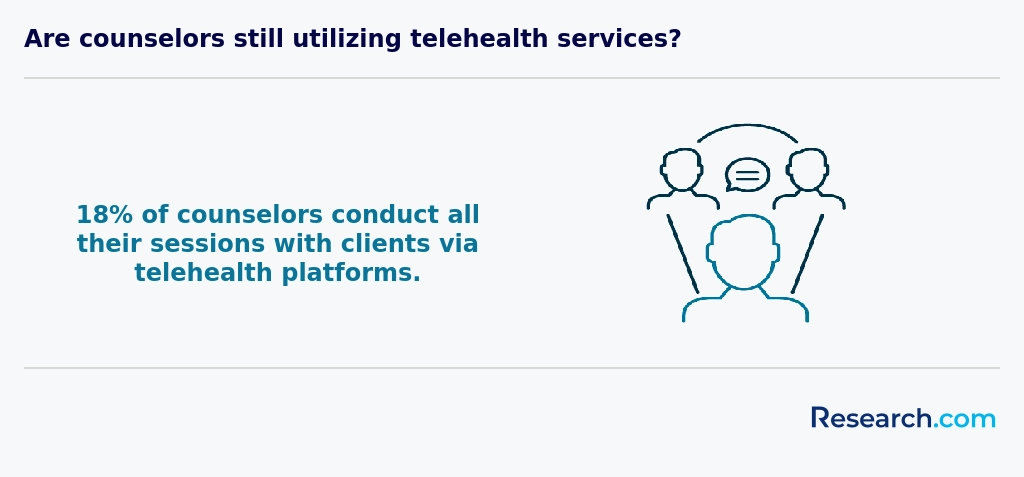
The counseling field is rapidly evolving, with several emerging niches gaining attention. In Kentucky, there is growing demand for counselors specializing in telehealth services, particularly accelerated by the COVID-19 pandemic. Telehealth counseling allows practitioners to reach rural populations where mental health resources may be limited.
Another expanding area is trauma-informed counseling, addressing the effects of adverse experiences. This niche is critical given Kentucky's high rates of substance abuse and trauma, as reported by the Kentucky Cabinet for Health and Family Services.
Additionally, school counseling focused on social-emotional learning and behavioral health is becoming more prominent due to increased awareness of student mental health needs statewide. Career counselors specializing in workforce transitions also show growth linked to Kentucky's evolving economy.
After completing an online counseling degree in Kentucky, graduates should focus on obtaining licensure, as it is mandatory to practice professionally. The Kentucky Board of Licensed Professional Counselors requires candidates to pass the National Counselor Examination and complete supervised clinical hours. Networking within local mental health organizations can be beneficial for job leads.
Kentucky's counseling job market is expected to grow by 19% through 2030, according to the U.S. Bureau of Labor Statistics. Graduates can enhance employability by gaining experience through internships or volunteer work in community health centers.
Maintaining up-to-date knowledge of Kentucky's counseling laws and ethics is crucial for compliance and career advancement.
Employers in Kentucky value counseling graduates who demonstrate strong communication and interpersonal skills, essential for building trust with clients. According to the Kentucky Board of Licensed Professional Counselors, effective active listening and empathy are critical competencies for successful counseling practice.
Additionally, problem-solving abilities and cultural competence are increasingly important due to Kentucky's diverse population, including rural communities where counselors must adapt to varied needs. Knowledge of ethical standards and confidentiality, as outlined by the American Counseling Association, is also highly sought after.
Graduates who possess practical experience through internships or supervised clinical hours tend to be more competitive in the job market. A 2023 report by the Kentucky Career Center highlights that 78% of counseling employers prioritize hands-on skills alongside academic credentials.
Finding internships in Kentucky relevant to a counseling degree involves several practical steps. Start by exploring partnerships University counseling programs have with local agencies. Many Kentucky universities, such as the University of Kentucky and Western Kentucky University, provide internship placement assistance through their career services.
The Kentucky Counseling Association (KCA) is a valuable resource that lists internship opportunities and professional networks for counseling students statewide. Additionally, graduates must complete supervised clinical hours to become licensed, so internships with mental health clinics, schools, or community organizations are essential.
Online students should directly contact Kentucky-licensed counselors or agencies to arrange local site supervision. The Kentucky Board of Licensure for Professional Counselors also offers guidance on approved clinical sites and requirements.
An online counseling degree in Kentucky significantly enhances career mobility by providing licensed professionals the flexibility to meet state licensure requirements without relocating. The Kentucky Board of Licensed Professional Counselors requires specific educational credentials that many accredited online programs offer, ensuring graduates qualify for licensure exams.
Advancement opportunities expand as higher qualifications often lead to positions in clinical supervision, administration, and specialized counseling roles. According to the U.S. Bureau of Labor Statistics, Kentucky's counseling employment is projected to grow 15% through 2031, faster than the average for all occupations.
Additionally, online programs allow working professionals to continue earning while studying, reducing career breaks that might slow progression. The combination of accessibility and accreditation makes online counseling degrees a practical gateway for long-term professional development within Kentucky's mental health sector.
Studying for a counseling degree in Kentucky offers comprehensive preparation for interdisciplinary roles by integrating coursework across psychology, social work, and healthcare. Many programs emphasize collaboration with professionals from fields like education, public health, and criminal justice to address complex client needs.
Kentucky's licensing requirements for Licensed Professional Counselors (LPCs) encourage familiarity with related disciplines, strengthening graduates' ability to work in team settings. According to the Kentucky Board of Licensure for Professional Counselors and Therapists, understanding diverse frameworks improves both assessment and treatment planning.
Online counseling degrees often include training on community resources and ethical standards relevant to multiple professions. This approach equips students with skills to contribute effectively to multidisciplinary teams in schools, hospitals, and social service agencies, meeting the state's diverse mental health demands.
When choosing between a thesis and a non-thesis online counseling degree program in Kentucky, consider your career goals and learning preferences. Thesis programs typically require original research, preparing students for roles in academia or advanced clinical research. Non-thesis options focus more on practical skills and coursework, which may suit those aiming for immediate licensure and counseling practice.
Kentucky requires a master's degree and supervised hours for Licensed Professional Clinical Counselors (LPCC). A non-thesis path often accelerates this process by emphasizing applied competencies.
Review each program's curriculum, faculty expertise, and alignment with Kentucky Board of Licensed Professional Counselors' requirements to ensure proper licensure preparation.
Students based in Kentucky seeking to study counseling abroad online face limited direct options due to the specialized nature of counseling licensure requirements. Counseling degrees must align with the Kentucky Board of Licensed Professional Counselors' guidelines, which emphasize regionally accredited U.S. institutions.
However, some Kentucky students enroll in online programs offered by foreign universities that hold U.S. accreditation or partnerships with U.S. schools. This ensures smoother credit transfer and licensure recognition.
According to the Council for Accreditation of Counseling & Related Educational Programs (CACREP), only programs accredited in the U.S. typically meet Kentucky licensure criteria.
Therefore, students often prefer hybrid programs or international schools with strong U.S. ties to maintain licensure eligibility and practical training standards.
Part-time job opportunities in Kentucky that complement an online counseling degree include roles in mental health support, social services, and education. Positions such as mental health technician or behavioral health aide provide valuable hands-on experience. These roles often require working directly with clients under supervision, aligning well with counseling studies.
Additionally, Kentucky's Department for Behavioral Health offers internships and part-time roles that allow students to deepen their understanding of state mental health systems. School paraprofessional roles also offer practical experience in educational counseling settings.
According to the Kentucky Center for Statistics, employment in mental health support occupations in the state is projected to grow by 8% through 2028, making these part-time roles increasingly accessible and relevant for counseling students.
Online counseling students in Kentucky have several networking opportunities that complement their virtual learning experience. Many Kentucky universities offering online counseling degrees provide access to virtual meetups, discussion boards, and alumni groups. For example, institutions often facilitate connections through platforms like LinkedIn or specialized online forums tailored to counseling professionals.
Students can also join state organizations such as the Kentucky Counseling Association (KCA), which hosts conferences, workshops, and local chapter events. These gatherings allow students to build relationships with licensed counselors and supervisors critical for licensure and career advancement. According to KCA data, participation in these events has grown 15% annually.
Furthermore, internships and practicum placements arranged by universities often partner with Kentucky mental health clinics and organizations, providing essential in-person networking experiences within the local counseling community.
Alumni networks provide significant advantages for students pursuing online counseling degrees in Kentucky. These connections offer access to experienced professionals who understand the state's licensing requirements, helping graduates navigate credentialing processes with the Kentucky Board of Licensed Professional Counselors. Participation in alumni events and groups supports career development through mentorship and job referrals, which is crucial in Kentucky's competitive counseling job market. According to the Kentucky Counseling Association, networking increases employment opportunities by up to 30%. Alumni also share insights on local industry trends and continuing education, ensuring students stay informed about evolving best practices in counseling within the state.
To customize your online counseling degree program in Kentucky, start by selecting specializations aligned with your career goals, such as school counseling, clinical mental health, or marriage and family therapy. Kentucky universities often offer elective courses that allow students to focus on areas like addiction counseling or trauma-informed care.
Many programs include practicum and internship options flexible enough to accommodate your preferred setting, whether schools, hospitals, or community agencies. This hands-on experience is essential for licensure through the Kentucky Board of Clinical Mental Health Counseling.
Additionally, some schools offer accelerated tracks or evening classes to suit working professionals. Reviewing program accreditation, such as CACREP, ensures your degree meets state licensure requirements.
According to the Kentucky Postsecondary Education Data website, tailoring course choices can improve employability in local counseling job markets, where demand is expected to grow by 12% through 2028.
Online counseling students in Kentucky face a unique set of challenges related to both education and state regulations. One major difficulty is meeting the state's clinical hour requirements, which mandate supervised face-to-face client contact. Students often struggle to find approved local sites for practicum and internships, crucial for licensure through the Kentucky Board of Licensed Professional Counselors. Additionally, balancing coursework with personal and professional responsibilities can be demanding, especially since many online students are working adults.
Technical issues and limited peer interaction also impact the learning experience. Reliable internet access is essential for synchronous classes and telehealth training, yet disparities exist in some rural areas. According to the National Center for Education Statistics, nearly 15% of Kentucky households lack broadband, complicating online learning.
With an online counseling degree in Kentucky, graduates can pursue several professional certifications to enhance their career opportunities. The most common is the Licensed Professional Clinical Counselor (LPCC), which requires completing a master's degree, supervised experience, and passing a state exam.
Other certifications include Licensed Clinical Social Worker (LCSW) and Licensed Marriage and Family Therapist (LMFT), both requiring specific coursework and clinical hours. Kentucky mandates at least 3,000 hours of supervised counseling experience for LPCC candidates, according to the Kentucky Board of Licensed Professional Counselors.
Additional certifications like Certified Addictions Counselor (CAC) are available for specialization. These licenses help meet growing demand in mental health services statewide.
Writing a winning application for an online counseling program in Kentucky requires careful preparation. Start by researching programs approved by the Kentucky Board of Licensed Professional Counselors. This ensures your degree will meet state licensure requirements.
Highlight your relevant experience clearly, including any volunteer work or internships in mental health settings. Emphasize skills like empathy, communication, and ethical decision-making, which are crucial in counseling.
Provide strong letters of recommendation from professionals who can attest to your suitability for the counseling field. According to the Kentucky Council on Postsecondary Education, many programs consider these essential in admissions.
Lastly, craft a personal statement that outlines your career goals and commitment to serving the diverse populations of Kentucky. Clear, concise writing combined with a genuine motivation can set your application apart.
Globally, counseling is recognized as a vital profession that supports mental health and well-being. In the United States, including Kentucky, the demand for qualified counselors continues to grow, driven by increasing awareness of mental health issues. According to the U.S. Bureau of Labor Statistics, employment for mental health counselors is projected to grow 23% from 2021 to 2031, much faster than the average for all occupations.
International perspectives often highlight the importance of cultural competence in counseling. This is especially relevant in diverse states like Kentucky, where counselors must be equipped to address varied community needs.
Educational approaches differ worldwide, but U.S. degrees, particularly those offered online, emphasize evidence-based practices and licensure readiness. Kentucky requires counselors to hold a master's degree in counseling and obtain state licensure to practice professionally, ensuring high standards across the profession.
Gaining practical experience is essential when pursuing an online counseling degree in Kentucky. Many programs include internships or practicum components that require students to complete supervised hours in real counseling settings. Kentucky mandates at least 700 post-master's supervised hours for professional counseling licensure, which often begins during the degree program.
Students can partner with local mental health clinics, schools, or community agencies to fulfill these requirements. Some universities assist in placing students with approved practicum sites across Kentucky. These experiences enhance clinical skills and prepare students to meet Kentucky Board of Licensed Professional Counselors' standards.
Additionally, virtual simulation tools are emerging as supplementary options, allowing students to practice counseling scenarios remotely under faculty supervision.
Choosing the right concentration within an online counseling degree program in Kentucky depends on your career goals and interests. Common concentrations include clinical mental health, school counseling, marriage and family therapy, and addiction counseling. Each concentration aligns with specific state licensure requirements and job markets. For example, Kentucky's Kentucky Board of Licensed Professional Counselors outlines distinct qualifications for Licensed Professional Clinical Counselors (LPCC) and Licensed Professional Art Therapists.
Research Kentucky's workforce needs using resources like the Kentucky Center for Statistics, which forecasts growth in mental health professions. Consider concentrations with higher local demand or better salary prospects. For instance, school counselors may find more openings in public education, while addiction counselors are increasingly needed due to rising substance abuse cases.
Accreditation and licensure alignment are critical. Ensure the program's concentration meets Kentucky state requirements for exams and supervised hours. Consulting the Council for Accreditation of Counseling and Related Educational Programs (CACREP) ensures quality and broader licensing acceptance.
Related Counseling Rankings for Nearby States
- 2027 Most Valuable Online Counseling Degree Programs Ranking in Ohio
- 2027 Most Valuable Online Counseling Degree Programs Ranking in Virginia
- 2027 Most Valuable Online Counseling Degree Programs Ranking in Pennsylvania
- 2027 Most Valuable Online Counseling Degree Programs Ranking in Florida
- 2027 Most Valuable Online Counseling Degree Programs Ranking in New York
- 2027 Most Valuable Counseling Degree Programs Ranking in Indiana
- 2027 Most Valuable Counseling Degree Programs Ranking in Ohio
- 2027 Most Valuable Counseling Degree Programs Ranking in Virginia
- 2027 Most Valuable Counseling Degree Programs Ranking in Illinois
- 2027 Most Valuable Counseling Degree Programs Ranking in Missouri
Top Trending Counseling Rankings
See What Experts Have To Say About Studying Counseling
Read our interview with Counseling experts

Meredith A. Rausch
Counseling Expert
Associate Professor
University of Alabama

References
- Becoming An International School Counselor https://iscainfo.com/becoming-an-international-school-counselor/
- Home https://www.counselingdegreeguide.org/
- Internship Opportunities | PCS https://pacounseling.com/internships/
- Mental Health Counseling MS Salary Guide | University of Bridgeport https://www.bridgeport.edu/news/masters-in-counseling-salary-guide/
- Networking for Therapists: Building Connections for Career Success & Client Care https://www.mentalyc.com/blog/networking-for-therapists
- How Can a Graduate Degree Advance Your Career in Counseling? https://paloaltou.edu/resources/blog/how-can-graduate-degree-advance-your-career-counseling
- Online Degrees https://onlinecounselingprograms.com/online-counseling-degrees/
- Best Online Master's In Mental Health Counseling 2025 https://www.psychology.org/rankings/best-mental-health-counseling-programs/
- Mindful Career : Career Coaching https://mindful-career.com/student-career-guidance
- Therapy Group of Charlotte How Career Counseling Boosts Professional Growth - Therapy Group of Charlotte https://therapistsincharlotte.com/therapists-charlotte-blog/how-career-counseling-boosts-professional-growth/