2027 Most Popular Criminal Justice Degree Programs Ranking in North Dakota

Co-Founder and Chief Data Scientist
Choosing the right criminal justice degree program is an important step toward a fulfilling career in law enforcement, legal work, or public safety. This article presents the 2027 Most Popular Criminal Justice Degree Programs Ranking in North Dakota, created by the Research.com team of data scientists.
Designed to help you make an informed decision, the ranking highlights programs worth considering based on reliable data. Exploring your options will boost your confidence and set you on a path to success in a rewarding field.
Discover programs that align with your goals and passion for justice.
Key benefits of getting criminal justice degree in North Dakota
- Salary for criminal justice degree graduates: Jobs like Police Officer and Crime Scene Investigator offer strong earning potential with mean annual wages of $76,550 and $95,930 respectively, providing financial stability in North Dakota.
- Career paths: Graduates from institutions such as the University of North Dakota can pursue diverse roles including Correctional Officer and Forensic Science Technician, ensuring many options to find a fulfilling career.
- Online degree benefits: Earning a criminal justice degree online from schools like North Dakota State University offers flexibility and convenience, enabling students to balance studies with work or family life effectively.
- Key benefits of getting criminal justice degree in North Dakota
- What can I expect from criminal justice degree in North Dakota?
- Where can I work with criminal justice degree in North Dakota?
- How much can I make with criminal justice degree in North Dakota?
- 2027 Most Popular Criminal Justice Degree Programs Ranking in North Dakota
- Key Findings
- How long does it take to complete criminal justice degree in North Dakota?
- Professional Certifications and Continuing Education
- What's the difference between online and on-campus criminal justice degree?
- Certification and Professional Requirements
- What is the average cost of criminal justice degree in North Dakota?
- Accreditation and Career Impact
- What financial aid is available to criminal justice degree students in North Dakota?
- Affordability and Financial Considerations for Criminal Justice Programs in North Dakota
- What are the prerequisites for enrolling in criminal justice degree program in North Dakota?
- Professional Certifications and Licensing Requirements
- What courses are typically in criminal justice degree programs in North Dakota?
- What types of specializations are available in criminal justice degree programs in North Dakota?
- How do you choose the best criminal justice degree in North Dakota?
- What career paths are available for criminal justice degree students in North Dakota?
- What is the job market for criminal justice degree in North Dakota?
- Related Criminal Justice Rankings for Nearby States
- Top Trending Criminal Justice Rankings
- See What Experts Have To Say About Studying Criminal Justice
What can I expect from criminal justice degree in North Dakota?
The average cost of pursuing a criminal justice degree in North Dakota varies significantly by institution and program level. At four-year universities like the University of North Dakota and North Dakota State University, in-state tuition typically ranges from $9,000 to $12,000 annually. Graduates from these programs often describe the investment as worthwhile due to the comprehensive curriculum combined with practical experience opportunities. For instance, many students value internships paired with local law enforcement agencies, which provide hands-on skills that enhance employability.
Community colleges such as Bismarck State College offer more affordable associate degrees, with tuition costs averaging around $4,000 to $6,000 per year. These programs are praised by students for their focus on applicable skills and certification preparation, enabling quicker entry into the workforce or transfer to four-year institutions. Many graduates express satisfaction with the balance of cost and career readiness, especially given North Dakota's financial aid options and in-state tuition benefits.
Where can I work with criminal justice degree in North Dakota?
Graduates with a criminal justice degree in North Dakota commonly find employment within local police departments in cities like Fargo, Bismarck, and Grand Forks, where they actively apply skills in criminal investigation and community policing. For example, recent graduates from popular programs at the University of North Dakota and North Dakota State University often secure positions as police officers or crime prevention specialists. These roles provide hands-on experience that aligns closely with their academic training.
The North Dakota Department of Corrections and Rehabilitation offers career paths as correctional officers or probation and parole officers, roles that require deep understanding of legal systems and rehabilitation techniques. Many graduates report fulfillment working in these capacities, helping individuals reintegrate into society.
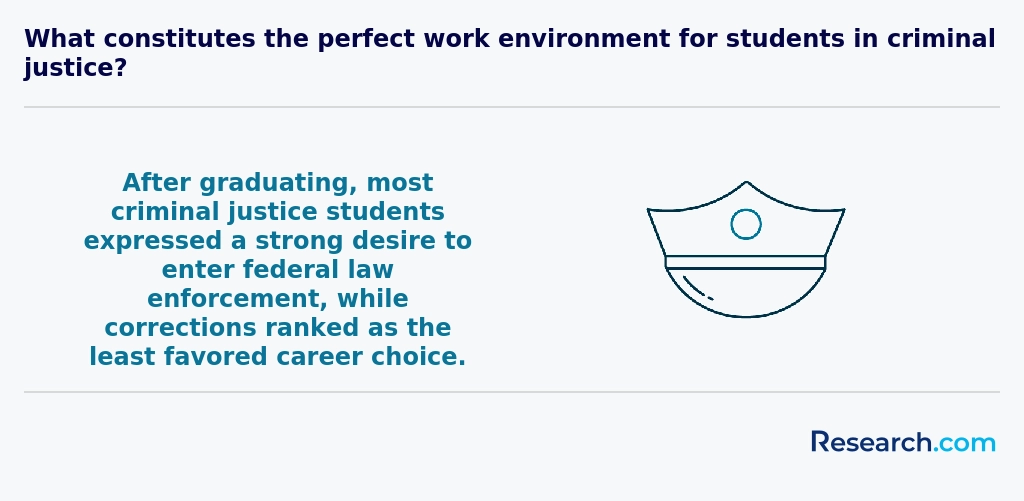
Federal agencies such as the FBI, DEA, and U.S. Marshals Service also recruit criminal justice graduates within the state for investigative and enforcement positions. Students appreciate how their degree prepares them for these demanding roles. Additionally, careers in victim advocacy, legal support, and private security management offer varied opportunities for graduates eager to make a community impact.
According to the U.S. Bureau of Labor Statistics, protective service occupations in North Dakota are expected to grow steadily, underlining strong job prospects for those entering this profession.
How much can I make with criminal justice degree in North Dakota?
Graduates with a criminal justice degree in North Dakota, including those from institutions like the University of North Dakota and North Dakota State University, can anticipate competitive salaries in various roles. For example, police officers in the state earn a mean annual wage of about $76,550, reflecting solid entry-level pay and room for growth with experience.
Correctional officers see average earnings near $58,810 annually, providing stable income for graduates entering state correctional systems. Those pursuing forensic science technician positions, often requiring additional certifications, make roughly $71,540 per year, showcasing the value of specialized training.
Crime scene investigators represent one of the higher-paying roles in North Dakota, with mean wages around $95,930. Graduates excited by hands-on investigative work and crime analysis find these opportunities particularly rewarding both financially and professionally.
Support roles such as court clerks earn closer to $48,760 annually, offering steady careers within the justice system for degree holders focused on administration.
Overall, students completing criminal justice programs in North Dakota can expect diverse career paths with salaries typically ranging from about $48,000 to nearly $96,000. These figures align with positive real-world outcomes reported by graduates from local universities who have successfully launched their careers in the state's public safety and justice sectors.
2027 Most Popular Criminal Justice Degree Programs Ranking in North Dakota
How do we rank schools?
Investing in your education is a significant decision that can shape your future, and the Research.com team understands the importance of making informed choices. To assist prospective students in North Dakota, we have carefully developed the "2027 Most Popular Criminal Justice Degree Programs Ranking in North Dakota." Our dedication to quality, credibility, and accuracy is demonstrated through rigorous research and analysis behind this ranking.
We utilized the following reputable data sources to ensure a comprehensive evaluation of criminal justice degree programs:
By reviewing this ranking, readers will gain valuable insights into the most popular and well-regarded criminal justice programs in North Dakota, enabling them to make confident and informed decisions about their educational journey. For more details on our methodology, please visit our Research.com methodology page.


Key Findings
- Tuition for criminal justice programs at public institutions in North Dakota typically ranges from $7,000 to $10,000 per year for in-state students.
- Bachelor's degrees are the most common credential for entry-level jobs in criminal justice within the state.
- Starting salaries for graduates average around $40,000 per year, with potential growth up to $60,000 with experience and certifications.
- The job market shows average to above-average growth, with opportunities available in both urban and rural areas.
- Licensure or certification is often required, usually involving passing state or national exams after graduation.
- Online degree options are available, providing flexible access while meeting state regulations and including local fieldwork.
How long does it take to complete criminal justice degree in North Dakota?
Completing a criminal justice degree in North Dakota generally takes about four years for a bachelor's degree, aligning with the timeline at institutions like North Dakota State University and the University of North Dakota. Graduates often describe this period as a balanced journey combining rigorous coursework and hands-on experiences, which prepare them well for law enforcement or legal careers.
Associate degrees in criminal justice, commonly pursued at community colleges, usually require two years. Many students appreciate this accelerated path, which allows them to enter the workforce quickly or transfer credits toward a bachelor's degree, making education flexible and accessible.
For those advancing to a master's degree, an additional two years is typical, though fewer students pursue this route in North Dakota. Part-time or online learners, often balancing work or family, may extend their study period but benefit from the flexible schedules offered by local institutions.
This timeframe reflects practical realities faced by students who value both education quality and the ability to adapt studies around life commitments in North Dakota.
Professional Certifications and Continuing Education
Pursuing a Criminal Justice degree in North Dakota is an excellent foundation, but obtaining professional certifications and engaging in ongoing education can significantly enhance your employability and career growth. Certifications demonstrate specialized expertise and dedication, helping you stand out in competitive job markets. Key certifications to consider include Peace Officer Certification through the North Dakota Peace Officer Standards and Training (POST) program, Correctional Officer certification, and nationally recognized credentials such as the Certified Criminal Justice Specialist (CCJS). For those interested in forensic careers, familiarizing yourself with specific forensic science career requirements-including certification from organizations like the American Board of Criminalistics-can open doors to roles in crime scene investigation and laboratory analysis. Continuing education is equally vital to maintain licensure and stay current with evolving laws, technologies, and best practices. Many universities and professional associations in North Dakota offer graduate certificates in Cybercrime, Victim Advocacy, and Juvenile Justice. Online platforms also provide flexible options, such as webinars on digital forensics and workshops in de-escalation techniques, allowing working professionals to balance training with job responsibilities. To maximize the impact of certifications and training:
- Create a personalized professional development plan aligning certifications with your career goals.
- Leverage employer-sponsored tuition assistance and grant programs to offset costs.
- Network through state criminal justice conferences and join organizations like the North Dakota Association of Criminal Justice Professionals (NDACJP) for discounted training. By actively pursuing certifications and continuing education, you not only fulfill industry standards but also signal to employers your commitment to excellence and lifelong learning in the criminal justice field.
What's the difference between online and on-campus criminal justice degree?
Online criminal justice degrees in North Dakota provide significant flexibility, appealing especially to working adults and those balancing family responsibilities. Students at universities like the University of Mary report appreciating the ability to study at their own pace through online platforms, reducing expenses related to commuting and housing. The average annual tuition for these public institutions ranges between $7,000 and $10,000 for in-state students, making online options economically attractive.
Conversely, traditional on-campus programs at schools such as the University of North Dakota offer immersive, face-to-face learning experiences. Graduates emphasize the value of in-person lectures, group discussions, and hands-on internships that foster practical skills and professional networking. Many on-campus courses include simulation training, essential for developing real-world competencies that online programs might lack.
- Online programs attract a geographically diverse student body, expanding perspectives.
- On-campus students benefit from easier access to campus resources like libraries and career counseling.
- Online learning demands strong self-discipline and time management.
- Certain specialized certifications require on-campus attendance.
Certification and Professional Requirements
Navigating the certification landscape is essential for Criminal Justice graduates in North Dakota seeking roles in law enforcement, corrections, forensic science, and legal support. Many careers require licensure or specialized credentials to ensure you meet industry standards and enhance employability. State Peace Officer Certification: To become a sworn police officer or sheriff’s deputy in North Dakota, candidates must complete a Basic Peace Officer Standards and Training (POST) academy approved by the North Dakota Peace Officer Standards and Training Committee. This certification covers legal procedures, firearms training, and community policing best practices. Correctional Officer Standards: Aspiring correctional officers should pursue the North Dakota Department of Corrections Training Academy, which includes courses in crisis intervention, inmate supervision, and ethics. Successful completion grants state certification required for employment in local jails and state prisons. Forensic Science Credentials: Forensic science technicians often benefit from American Board of Criminalistics (ABC) certification, demonstrating proficiency in crime scene investigation and laboratory analysis. To explore in-depth qualifications and pathways, review our guide on forensic science career requirements, which outlines education, exam preparation, and continuing education credits. Paralegal Certification: Graduates pursuing legal support roles can enhance their credentials by obtaining the North Dakota Certified Paralegal (NDCP) designation. The NDCP requires a combination of education, a written exam, and ongoing professional development. Continuing Education and Specialized Training: Many employers prefer candidates who maintain active memberships in professional associations such as the International Association of Chiefs of Police (IACP) or the American Correctional Association (ACA). Regular workshops, webinars, and in-service training opportunities not only satisfy recertification requirements but also keep you current with evolving laws, technologies, and best practices. By proactively securing these certifications and participating in professional development, you demonstrate commitment to ethical conduct, technical competence, and leadership-qualities highly valued across all Criminal Justice career paths in North Dakota.
What is the average cost of criminal justice degree in North Dakota?
The average cost of a criminal justice degree in North Dakota varies notably between in-state and out-of-state students. For those enrolled in prominent institutions like North Dakota State University (NDSU) or the University of North Dakota (UND), the median in-state total cost is approximately $10,951. Graduates often highlight how this reasonable tuition, combined with manageable fees, made pursuing their degree feasible without excessive debt. This affordability significantly contrasts with the median out-of-state total cost, which stands around $26,792, reflecting a common pattern where non-resident students face higher expenses.
Many students pursuing a criminal justice degree tuition fees North Dakota find that public universities offer a cost-effective path, especially when combined with scholarships or financial aid. The total investment often includes additional costs such as textbooks and living expenses, but the base tuition remains accessible for residents. Flexibility in payment is also noteworthy; part-time and online program options enable students to manage costs by paying per credit hour, which helped several graduates balance work and studies.
Prospective students interested in the cheapest criminal justice schools in north dakota will find that public universities provide the most affordable tuition options state-wide. While private colleges tend to have higher price tags-sometimes exceeding $30,000 annually-graduates often appreciate the value received for their investment in expertise and career readiness.

Accreditation and Career Impact
Ensuring your criminal justice degree meets accreditation standards safeguards educational quality and unlocks career opportunities in North Dakota.
- Regional accreditation (HLC) guarantees transferability of credits and eligibility for federal aid.
- Programmatic accreditation (ACJS/CALEA) reflects curricula that meet professional benchmarks.
- Accredited programs streamline licensure: graduates qualify for state law enforcement academy training and certification exams.
- Employers often prefer candidates from accredited institutions, enhancing job and promotion prospects.
Consider accredited criminal justice online degree programs that adhere to these standards.
What financial aid is available to criminal justice degree students in North Dakota?
Criminal justice students in North Dakota benefit from a range of financial aid options designed to lower the cost of their education. At public universities like the University of North Dakota and North Dakota State University, annual tuition for in-state students typically falls between $8,000 and $12,000, making grants and scholarships vital. Many students secure federal Pell Grants, which can provide up to $7,395 annually without requiring repayment, easing the financial demands for those from lower-income families.
State-specific support includes programs such as the NextGen Scholarship, which helps resident students afford tuition and is particularly popular among criminal justice majors. Graduates often recall how scholarships targeted at law enforcement studies, including awards from organizations like the North Dakota Peace Officers Association, supported their path toward careers in policing or public safety.
Additionally, the federal work-study program enables students to gain hands-on experience in campus roles or local law enforcement while earning income. Many students rely on federal student loans as well, benefiting from low interest rates and flexible repayment plans that make them manageable as they transition into their careers.
Affordability and Financial Considerations for Criminal Justice Programs in North Dakota
Pursuing a Criminal Justice degree in North Dakota can be a significant investment, but it's essential to consider the affordability and financial implications of your educational journey. One crucial factor is the cost of tuition, which can vary depending on the institution and program you choose. To make informed decisions, it's vital to explore options like cheapest criminal justice schools in north dakota, which can offer quality education at a lower cost. Additionally, understanding the potential return on investment, including salary expectations and job growth prospects, can help you navigate the financial aspects of your degree. By carefully evaluating these factors, you can make a more informed decision about your educational path and set yourself up for long-term financial stability and success in your career.
What are the prerequisites for enrolling in criminal justice degree program in North Dakota?
To enroll in a criminal justice degree program in North Dakota, applicants must hold a high school diploma or equivalent, such as a GED. For example, graduates from universities like North Dakota State University often mention that meeting this basic requirement was their first step toward enrollment. Most institutions require a minimum GPA around 2.0 to 2.5 on a 4.0 scale, with some schools becoming test-optional, meaning SAT or ACT scores might not be mandatory.
Applicants need to submit official transcripts from high school or any previous college work. Transfer students from local community colleges share how transparent transcript evaluations streamlined their admissions process. Some programs also recommend foundational coursework in sociology, psychology, or English to better prepare students.
While initial enrollment usually doesn't demand background checks, many students aiming for internships or placements at law enforcement agencies in North Dakota were required to complete them later. Additionally, international students must demonstrate English proficiency via TOEFL or IELTS exams, a prerequisite discussed by graduates from private institutions like the University of Mary.

Professional Certifications and Licensing Requirements
Earning a Criminal Justice degree in North Dakota is only the first step toward a rewarding career-graduates must also obtain state-specific certifications and licenses to practice. Understanding these requirements early will help you plan your education and training path effectively. Key certifications and licensing steps in North Dakota include:
- Peace Officer Certification: Administered by the North Dakota Peace Officer Standards and Training (POST) Board, this requires successful completion of a POST‐approved Basic Law Enforcement Academy, a background check, physical fitness test, and psychological evaluation.
- Correctional Officer Certification: Offered through the Department of Corrections & Rehabilitation, candidates must complete the Corrections Officer Basic Training Program and meet residency and character requirements.
- Probation/Parole Officer Licensure: Prospective officers must hold a bachelor’s degree, complete specialized training at the POST Academy, and pass a state examination focused on community supervision practices.
- Forensic Science Accreditation: Technicians should pursue certifications such as the International Association for Identification (IAI) or American Society of Crime Laboratory Directors (ASCLD) to validate laboratory and crime-scene expertise.
- Paralegal Certification: While not always mandatory, many law firms prefer graduates with National Association of Legal Assistants (NALA) or National Federation of Paralegal Associations (NFPA) credentials. Maintaining and renewing these credentials typically involves continuing education units (CEUs), in‐service training, and adherence to ethical standards set by each governing body. Prospective students interested in program costs and value may also explore our Low Cost Criminal Justice Degree Programs Ranking in Kentucky for comparative insights into budget-friendly options. By mapping out certification timelines alongside your academic coursework, you’ll ensure a seamless transition from graduation to full licensure, positioning yourself for immediate employment and professional growth.
What courses are typically in criminal justice degree programs in North Dakota?
Criminal justice degree programs in North Dakota typically include a comprehensive set of courses that equip students with both theoretical knowledge and practical skills essential for careers in law enforcement, legal fields, and corrections. Students at institutions like the University of North Dakota and North Dakota State University often take foundational courses such as Introduction to Criminal Justice, Criminology, and Law Enforcement Practices. These classes cover the structure of the justice system, theories behind criminal behavior, and ethical police procedures, which graduates recall as directly enriching their understanding during internships at local agencies.
Further coursework usually involves Criminal Law and Procedure, Corrections and Rehabilitation, Juvenile Justice, and Victimology. These subjects prepare students to tackle real-world challenges, from court processes to addressing community supervision and supporting victims. Many students appreciate how research methods and ethics courses deepen their analytical and decision-making skills, preparing them for varied roles in public safety.
Graduates often highlight that the curriculum's alignment with the Academy of Criminal Justice Sciences ensures comprehensive preparation, combining roughly 120 credit hours of rigorous academic and experiential learning tailored to North Dakota's unique legal landscape.
What types of specializations are available in criminal justice degree programs in North Dakota?
Criminal justice degree specializations in North Dakota frequently include Law Enforcement, Corrections and Rehabilitation, Forensic Science, Criminal Justice Administration, and Cybercrime and Homeland Security. Graduates from institutions such as North Dakota State University and the University of North Dakota report that these tracks effectively prepare them for specific roles like police officers, correctional counselors, forensic analysts, agency administrators, and cybersecurity specialists. Law Enforcement focuses on practical policing skills and investigative techniques, essential for the state's steady demand for public safety professionals. Corrections and Rehabilitation equips students with offender management and re-entry strategies, reflecting the state's correctional system needs.
Forensic Science as a specialization, often integrated from natural science departments, allows students to engage deeply with crime scene processes and evidence analysis; many students appreciate how this aligns with real-world crime labs and investigative tasks. Insights on forensic science career requirements often shape course selections within this specialization.
Cybercrime and Homeland Security address the growing issue of digital threats, making these concentrations vital given increasing cyber risks. Criminal justice degree specializations North Dakota programs focus on hands-on experience and relevant policy understanding, helping students build confidence and competence for diverse career pathways within the state's justice system.
How do you choose the best criminal justice degree in North Dakota?
To choose the best criminal justice degree programs North Dakota offers, start by verifying that the college has regional accreditation recognized by the U.S. Department of Education. Graduates from universities in North Dakota often emphasize how this ensures their credits transfer smoothly and their degrees hold weight with employers. Considering curriculum is also crucial; effective programs include courses on criminology, ethics, and law enforcement practices, often with specializations such as cybercrime or forensic science available.
Cost remains a key factor. The average annual tuition at public institutions is about $8,000 for in-state students, but exploring financial aid, scholarships, and veteran benefits can ease the burden. Many students actively seek affordable criminal justice colleges in North Dakota and compare their options carefully. Practical experience through internships with local law enforcement agencies, especially those accredited by the North Dakota Peace Officer Standards and Training (POST) Board, is highly valued by graduates for enhancing employment prospects.
Finally, examining graduation rates and job placement data from schools popular in the state provides insight into outcomes. For students looking beyond North Dakota, resources like the Low Cost Criminal Justice Degree Programs Ranking in Kentucky can offer valuable perspective on affordability and program quality.
What career paths are available for criminal justice degree students in North Dakota?
Graduates with a criminal justice degree in North Dakota commonly pursue careers in law enforcement, correctional services, and legal administration. Positions include local and state law enforcement officers, such as with the North Dakota Highway Patrol, where many alumni from institutions like North Dakota State University find meaningful employment. Additionally, correctional counselor roles at state adult and juvenile facilities present a stable path, along with investigator positions in county sheriff departments. Opportunities also exist in court administration, including probation officers and bailiffs, which are integral to the judicial system. Federal agencies like the FBI or DEA offer competitive roles, though they often require additional qualifications.
Students report positive experiences balancing theoretical studies with practical training critical for success in these jobs. The variety of career paths reflects the diverse job opportunities with criminal justice degree North Dakota graduates can leverage. For those seeking accelerated entry into the field, some choose the best online associate degree in 6 months as a cost-effective stepping stone.
What is the job market for criminal justice degree in North Dakota?
The criminal justice job outlook North Dakota presents a steady market for graduates, supported by ongoing demand in law enforcement and corrections. Graduates from universities like North Dakota State University or the University of North Dakota often secure roles as police officers, correctional officers, or federal agents. These occupations benefit from stable employment levels due to consistent community safety priorities in the state.
Employment opportunities for criminal justice graduates ND also extend to private security and legal assistance, with wages competitive relative to living costs. For example, police officers earn around $58,000 annually, while correctional officers typically make $45,000. Graduates report that internships and networking provided through these universities enhance their readiness and connections in local and federal agencies such as the FBI or Department of Homeland Security.
Costs for pursuing a criminal justice degree in North Dakota are affordable compared to national averages, with in-state tuition ranging between $7,000 and $12,000 yearly. Many students explore easy associate degrees as a pathway into the field, reflecting practical and accessible education routes alongside promising career outcomes.
Frequently Asked Questions About criminal justice
Criminal justice degree students in North Dakota can maximize their learning by engaging with local law enforcement agencies for internships and field experience. Many community colleges and universities in the state offer connections to police departments, correctional facilities, and courts, providing valuable practical exposure. According to the North Dakota Department of Corrections, partnership programs help students understand real-world challenges in public safety.
Students should also take advantage of state-specific courses covering North Dakota laws and policies to gain relevant knowledge. Joining criminal justice organizations and attending regional conferences can enhance networking opportunities and professional growth.
Lastly, utilizing online resources and research databases from North Dakota's university libraries supports academic research and deeper understanding of emerging trends.
The criminal justice field in North Dakota is expanding beyond traditional roles like law enforcement and corrections. Emerging niches include cybercrime investigation, forensic technology, and criminal profiling. With increasing digital threats, cybercrime roles are particularly in demand. According to the U.S. Bureau of Labor Statistics, jobs related to cybersecurity and forensic analysis are expected to grow significantly in the coming decade.
Forensic technology specialists use scientific techniques to analyze evidence, a field growing as North Dakota invests more in modern crime labs. Similarly, criminal profiling helps agencies predict and prevent crimes, an approach gaining traction locally. These niches require specialized training often incorporated in advanced criminal justice degree programs in the state.
After completing a criminal justice degree in North Dakota, preparing for the job market involves several important steps. First, gaining practical experience through internships or volunteering with local law enforcement agencies enhances employability. North Dakota's low crime rate, one of the lowest in the US according to the FBI, may result in competitive hiring, so distinguishing yourself is crucial. Networking with professionals via local chapters of organizations like the North Dakota Peace Officers Association can open job opportunities.
Many employers seek candidates with certifications or specialized training, such as in corrections or forensic science. Additionally, familiarizing yourself with state laws, as well as maintaining physical fitness, forms part of the preparation for roles in law enforcement or public safety sectors.
Employers in North Dakota highly value criminal justice graduates with strong critical thinking and problem-solving skills. These abilities are essential for analyzing complex legal situations and making swift, informed decisions. Communication skills, both written and verbal, are also crucial as professionals must interact effectively with diverse populations and law enforcement agencies.
Additionally, knowledge of local laws and policies is important. According to the North Dakota Department of Corrections and Rehabilitation, understanding state-specific regulations improves job performance and compliance. Technical proficiency in data management and crime analysis software is increasingly sought after, given the growing role of technology in criminal justice.
Ethics and integrity remain foundational skills. Employers prioritize graduates who demonstrate a commitment to fairness and professionalism in their work.
Finding internships in North Dakota for criminal justice students involves connecting with local law enforcement agencies, courts, and correctional facilities. Many state and county offices offer internship opportunities that provide hands-on experience. The North Dakota Department of Corrections and Rehabilitation is a key agency that often accepts interns interested in criminal justice careers.
Students can also explore opportunities through university career centers, which often partner with local agencies to place interns. According to the North Dakota University System, internships improve job placement rates by up to 20% for criminal justice graduates.
Networking events sponsored by professional organizations such as the North Dakota Peace Officers Association can also help students find internships. Additionally, checking state government websites for openings can provide updated listings relevant to criminal justice fields.
A criminal justice degree in North Dakota can significantly enhance career mobility and advancement, particularly within law enforcement, corrections, and social services. According to the North Dakota Department of Labor, individuals holding a bachelor's degree in criminal justice have better prospects for supervisory and specialized roles compared to those with only a high school diploma or associate degree.
Many employers in the state prioritize candidates with a formal education due to the increasing complexity of legal systems and technology applications. For example, roles such as police detective, probation officer, or federal agent often require or prefer a four-year degree.
Moreover, completing a criminal justice program can also facilitate transfer opportunities between agencies and eligibility for higher pay scales. The Bureau of Labor Statistics reported that North Dakota's employment growth in protective service occupations is projected at 5% from 2022 to 2032, making degree holders more competitive in this expanding field.
Studying for a criminal justice degree in North Dakota offers a strong foundation for interdisciplinary roles by integrating knowledge from law enforcement, sociology, psychology, and public administration. Programs often emphasize collaboration with social services and legal systems to address complex community issues.
North Dakota's universities, such as the University of North Dakota and North Dakota State University, incorporate coursework on criminal law, forensic science, and corrections alongside communication and ethical decision-making skills. This blend prepares students to work in varied environments including law enforcement agencies, courts, and rehabilitation centers.
According to the Bureau of Labor Statistics, careers in criminal justice often require versatility; North Dakota's programs align well with this demand by promoting critical thinking and problem-solving abilities across disciplines.
Choosing between a thesis and a non-thesis criminal justice degree program in North Dakota depends on your career goals and learning preferences. Thesis programs usually require original research and are suitable if you plan to pursue graduate studies or a research career. Non-thesis options focus more on coursework and practical skills, which may be better for those seeking immediate employment in law enforcement, corrections, or related fields.
North Dakota universities like the University of North Dakota and North Dakota State University offer both formats. According to the North Dakota Department of Commerce, employment in criminal justice roles is projected to increase by 5% by 2030, highlighting the value of practical skills.
Consider your interest in research and time commitment before deciding, as thesis programs often demand a longer study period. Additionally, check specific program requirements and faculty expertise to ensure alignment with your goals.
Students in North Dakota interested in studying criminal justice abroad have several options through partnerships and exchange programs offered by their home institutions. Many universities in North Dakota collaborate with foreign universities, allowing students to spend a semester or year overseas while earning credits toward their degrees.
Programs often focus on comparative criminal justice systems, law enforcement, and human rights. The University of North Dakota, for example, provides access to study abroad opportunities in countries with diverse legal traditions, enhancing students' global understanding.
Participation in these programs can be supported by federal and state financial aid designed for study abroad initiatives, making international study more accessible for North Dakota students.
Students pursuing a criminal justice degree in North Dakota can benefit from part-time jobs that provide practical experience and complement their studies. Common opportunities include working as security officers, correctional aides, or law enforcement clerks. These roles offer exposure to the criminal justice system and enhance understanding of legal procedures.
Additionally, internships with local police departments or the North Dakota Department of Corrections can be part-time and valuable. According to the North Dakota Labor Market Information Center, law enforcement and security jobs are growing steadily, reflecting a demand for skilled professionals in the field. Engaging in such roles can improve employability after graduation.
Criminal justice students in North Dakota benefit from various networking opportunities that enhance their educational experience and career prospects. Many universities in the state partner with local law enforcement agencies and the North Dakota Department of Corrections to provide internships and practical experiences. These connections allow students to build relationships with professionals actively working in the field.
Students can also engage in criminal justice clubs and honor societies that organize events, guest lectures, and workshops featuring experts from state and regional agencies. Additionally, state conferences like the North Dakota Criminal Justice Association Annual Conference offer valuable chances to meet and learn from practitioners statewide.
According to the North Dakota Department of Labor, the state's demand for criminal justice professionals is growing by 6% annually, making networking essential for early career placement. Such opportunities help students transition smoothly into law enforcement, forensic analysis, or corrections roles within the state.
Alumni networks provide crucial support to criminal justice degree students in North Dakota by offering professional connections and career guidance. Graduates often work in local law enforcement, corrections, or legal fields, and strong alumni ties help current students access internships and job opportunities within these agencies.
According to the North Dakota University System, institutions like the University of North Dakota emphasize alumni engagement to improve student outcomes. Networking events and mentorship programs encourage knowledge sharing on evolving criminal justice practices specific to the region.
In a state with a smaller population, such connections are vital, helping students build reputations and find employment aligned with state and tribal law enforcement needs.
Students pursuing a criminal justice degree in North Dakota can tailor their programs to align with specific career goals by selecting relevant specializations and elective courses. Many institutions allow focus areas such as law enforcement, corrections, forensic science, or juvenile justice, helping students build expertise in chosen fields.
Internships and practicum opportunities with local agencies, including the North Dakota Highway Patrol and State Penitentiary, provide valuable hands-on experience. These practical placements enhance skills and networking essential for career advancement.
Additionally, North Dakota's colleges often offer online and evening classes, enabling working professionals to customize schedules.
The North Dakota University System provides resources and advising to help students craft individualized study plans that meet both academic and career objectives.
Criminal justice students in North Dakota often face challenges related to limited experiential learning opportunities. Due to the state's smaller population and rural nature, internships and practical placements may be less abundant compared to larger states. Access to diverse case types and advanced forensic resources can also be restricted, which can impact hands-on training.
Another challenge is balancing coursework with fieldwork and community service requirements. Many students must manage studies alongside part-time jobs or family commitments. According to the North Dakota Board of Higher Education, funding and scholarship availability for criminal justice majors can be competitive, which adds financial pressure for some students.
Finally, students must stay current with evolving criminal justice policies and technologies, making continuous learning essential in their academic journey.
A criminal justice degree in North Dakota opens doors to various professional certifications that can enhance career prospects in law enforcement, corrections, or security fields. Common certifications include the Certified Law Enforcement Executive (CLEE) and the National Certified Criminal Justice Specialist (NCCJS). These credentials demonstrate specialized knowledge and commitment to best practices.
For those interested in forensic science, certifications like the Certified Forensic Interviewer (CFI) are also relevant. North Dakota's Bureau of Criminal Investigation supports ongoing training and certification for professionals, ensuring standards align with national requirements.
Additionally, many agencies require certification in areas such as crisis intervention and victim advocacy, essential for roles involving community interaction. Pursuing these certifications can significantly improve job opportunities and salary potential in North Dakota's criminal justice system.
Writing a winning application for a criminal justice program in North Dakota requires clear focus and attention to detail. Start by highlighting any relevant experience, such as internships or volunteer work with law enforcement or social services, which are valued in the state's job market. North Dakota values applicants who demonstrate commitment to public safety and community service.
Emphasize strong academic performance, especially in subjects like sociology, psychology, and government. According to the North Dakota University System, competitive applicants often have GPAs above 3.0. Additionally, include a well-crafted personal statement explaining your motivation for pursuing criminal justice and your career goals within the state.
Lastly, obtain solid letters of recommendation from professionals familiar with your work ethic or academic abilities, as these can strengthen your application significantly.
The field of criminal justice offers diverse career opportunities with important implications worldwide. While North Dakota's programs focus on U.S. law enforcement, corrections, and legal studies, understanding global perspectives broadens career outlooks. Many countries emphasize community policing, human rights, and rehabilitation, reflecting shifting priorities in justice systems.
According to the Bureau of Labor Statistics, jobs in criminal justice are projected to grow 3% nationally from 2022 to 2032, influenced by increasing public safety needs. North Dakota, with its low crime rates, also sees steady demand for criminal justice professionals in tribal law enforcement and rural patrol.
Global challenges like cybercrime and transnational crime have led U.S. programs to include international law and cooperation topics, preparing students for federal and international roles. This broader perspective enriches a North Dakota student's career possibilities beyond local or state agencies.
Gaining practical experience while pursuing a criminal justice degree in North Dakota is crucial for career readiness. Many universities and colleges encourage internships with local law enforcement agencies, such as city police departments or the North Dakota Bureau of Criminal Investigation. These internships provide valuable, hands-on exposure to real-world criminal justice work.
Students can also participate in ride-alongs or volunteer with victim advocacy groups to build relevant skills. Additionally, some programs offer simulation labs where students practice investigative and courtroom procedures.
According to the North Dakota University System, partnerships between institutions and state agencies help facilitate these opportunities, enhancing student learning and employability.
Choosing the right concentration within a criminal justice degree program in North Dakota begins with evaluating your career goals. Common concentrations include law enforcement, corrections, and forensic science. Each focus prepares you for different roles in the state's criminal justice system, which employs over 7,000 professionals according to the U.S. Bureau of Labor Statistics (2023).
Research local job market demands; for example, law enforcement officers make up the largest sector in North Dakota. Consider internships or partnerships offered by schools with local agencies, as hands-on experience can clarify your interests. Additionally, review program accreditation and faculty expertise to ensure quality education.
Understanding North Dakota's specific crime trends and judicial structure can also guide your choice, aligning studies with practical skills needed in the region's context.
Related Criminal Justice Rankings for Nearby States
- 2027 Most Popular Criminal Justice Degree Programs Ranking in Minnesota
- 2027 Most Popular Criminal Justice Degree Programs Ranking in Nebraska
- 2027 Most Popular Criminal Justice Degree Programs Ranking in Iowa
- 2027 Most Popular Criminal Justice Degree Programs Ranking in Colorado
- 2027 Most Popular Criminal Justice Degree Programs Ranking in Kansas
- 2027 Most Popular Criminal Justice Degree Programs Ranking in Illinois
- 2027 Most Popular Criminal Justice Degree Programs Ranking in Missouri
- 2027 Most Popular Criminal Justice Degree Programs Ranking in Indiana
- 2027 Most Popular Criminal Justice Degree Programs Ranking in Michigan
- 2027 Most Popular Criminal Justice Degree Programs Ranking in Arkansas
Top Trending Criminal Justice Rankings
See What Experts Have To Say About Studying Criminal Justice
Read our interview with Criminal Justice experts

Mark Moore
Criminal Justice Expert
Research Professor of Public Management
Harvard University

Frank Schmalleger
Criminal Justice Expert
Professor Emeritus
The University of North Carolina

James W. Marquart
Criminal Justice Expert
Associate Provost and Professor of Criminology
Texas Christian University

References
- Why criminal justice careers are becoming more specialized https://www.police1.com/career-development/why-criminal-justice-careers-are-becoming-more-specialized
- Guide To Criminal Justice Degrees And Majors https://www.criminaljusticedegreeschools.com/degrees/
- Advancing Economic Mobility for Workers With Criminal Records https://www.jff.org/idea/advancing-economic-mobility-for-workers-with-criminal-records/
- Insights from Students and Alumni: Master Programme in Criminology and Criminal Justice https://soc.fss.um.edu.mo/insights-from-students-and-alumni-master-programme-in-criminology-and-criminal-justice/
- North Dakota Associate in Criminal Justice Degree Programs https://www.criminaljusticeprograms.com/programs/associate-in-criminal-justice/north-dakota/
- The Current Challenges of International Criminal Law - FIBGAR https://fibgar.es/en/portfolio-item-en/the-current-challenges-of-international-criminal-law/
- Jobs with a degree in Criminal Justice | Monroe University https://www.monroeu.edu/academics/undergraduate-programs/school-criminal-justice/what-can-you-do-criminal
- Ten Lessons for Talking About Criminal Justice Issues - The Opportunity Agenda https://opportunityagenda.org/messaging_reports/ten-lessons-criminal-justice/
- Online Bachelor’s Degree in Criminal Justice | Warner Pacific https://www.warnerpacific.edu/programs/criminal-justice/
- Forensic Science Colleges in North Dakota (ND) https://www.forensicscolleges.com/usa/north-dakota