
2027 Best Education Degree Programs Ranking in Virgin Islands

Co-Founder and Chief Data Scientist
Choosing the right education degree program is an important step toward a rewarding career in teaching or educational leadership. This article introduces the 2027 Best Education Degree Programs Ranking in Virgin Islands, carefully developed by the Research.com team of data scientists.
Designed to help you navigate various options, the ranking highlights programs that offer quality, value, and strong career prospects. Reading this guide can empower you to make a confident, informed decision about your education journey.
Investing in an education degree opens doors to meaningful work and personal fulfillment, making this resource invaluable for Virgin Islands students.
Key benefits of getting education degree in Virgin Islands
- Graduates with an education degree in the Virgin Islands can expect competitive salaries, such as $70,740 yearly for Elementary School Teachers and up to $77,200 for Instructional Designers, providing financial stability.
- Career paths vary widely, from teaching young children as Early Childhood Educators to specialized roles like Special Education Teachers, offering rewarding opportunities to make a real difference.
- Completing an education degree online from a local university offers flexibility and convenience, allowing graduates to balance work and family while advancing their careers effectively.
- Key benefits of getting education degree in Virgin Islands
- What can I expect from education degree in Virgin Islands?
- Where can I work with education degree in Virgin Islands?
- How much can I make with education degree in Virgin Islands?
- 2027 Best Education Degree Programs Ranking in Virgin Islands
- Key Findings
- How long does it take to complete education degree in Virgin Islands?
- What's the difference between online and on-campus education degree?
- What is the average cost of education degree in Virgin Islands?
- What financial aid is available to education degree students in Virgin Islands?
- What are the prerequisites for enrolling in education degree program in Virgin Islands?
- What courses are typically in education degree programs in Virgin Islands?
- What types of specializations are available in education degree programs in Virgin Islands?
- How do you choose the best education degree in Virgin Islands?
- What career paths are available for education degree students in Virgin Islands?
- What is the job market for education degree in Virgin Islands?
- Top Trending Education Rankings
- See What Experts Have To Say About Studying Education
What can I expect from education degree in Virgin Islands?
The average cost of an education degree in the Virgin Islands, particularly at the University of the Virgin Islands (UVI), ranges from approximately $6,000 to $8,000 per year for undergraduate programs. Graduate programs like the Master of Education tend to be slightly higher, averaging around $8,500 annually. These costs are considerably lower than many mainland U.S. institutions, making UVI an attractive choice for residents seeking quality, accredited education degrees tailored to local needs.
Graduates often highlight the affordability combined with the value of culturally relevant coursework and hands-on teaching experiences in Virgin Islands schools. For example, many students appreciate the practical placements that prepare them to address real classroom challenges, such as multilingual students or diverse cultural backgrounds, which resonate strongly with their community experiences.
This balance between cost, quality, and relevance creates a positive learning environment, helping graduates feel well-prepared for certification and employment in local public schools, aligning with the Virgin Islands Department of Education's goals for teacher quality and retention.
Where can I work with education degree in Virgin Islands?
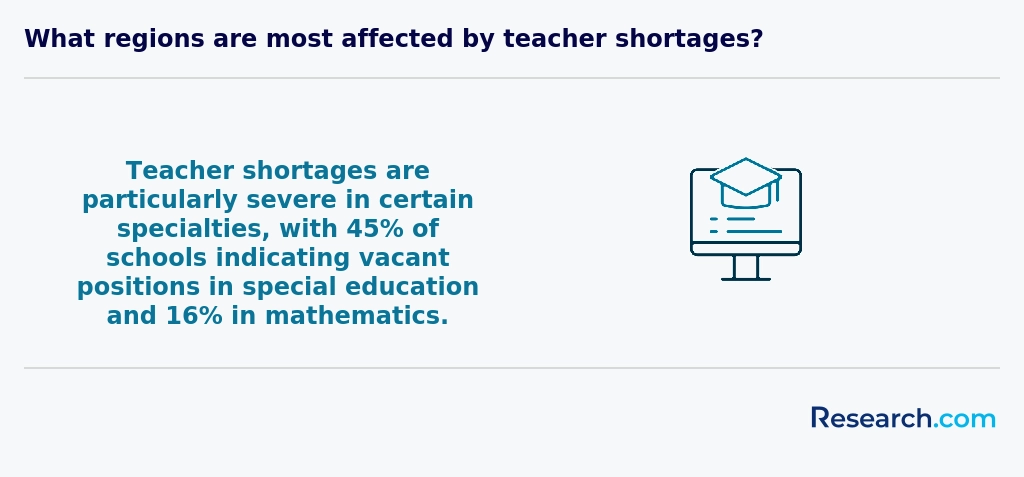
Graduates with education degrees in the Virgin Islands often find employment within the public school system, managed by the Virgin Islands Department of Education, serving St. Thomas-St. John and St. Croix districts. With over 1,500 teachers employed and ongoing vacancies, especially in early childhood, special education, and STEM fields, certified educators hold strong job prospects.
Many graduates from the University of the Virgin Islands report securing positions in private schools, where they apply specialized skills in innovative curriculum design and take on leadership or administrative roles. Childcare centers and preschools also hire education graduates for early childhood education, requiring certification from the Virgin Islands Early Childhood Development Commission.
Additionally, education degree holders engage with adult education roles at institutions like the University of the Virgin Islands, contributing to continuing education and workforce development programs. Those interested in policy and administration often advance into educational consulting or district leadership, supported by local demand for professionals with advanced expertise.
These career paths offer education graduates a rewarding chance to impact learning environments across K-12, early childhood, higher education, and administrative settings within the Virgin Islands.
How much can I make with education degree in Virgin Islands?
Graduates with education degrees in the Virgin Islands can expect varied salary outcomes depending on their career path and experience. For instance, elementary school teachers working locally often earn around $70,740 annually, aligning well with regional educational institutions' reported figures. Graduates from popular Virgin Islands colleges pursuing special education roles typically see higher earnings, approximately $76,000 per year, reflecting the demand for specialized skills in this field.
English as a Second Language (ESL) teachers, another common path for education degree holders, earn an average of $65,430 annually. Many graduates from Virgin Islands' universities are motivated by the opportunity to support local diverse communities while earning competitive pay. Early childhood educators, often starting their careers with associate or bachelor's credentials, can expect around $41,410 per year, a practical entry point in the education sector.
Instructional designers with education degrees see promising salary potential, around $77,200 annually, appealing to graduates interested in curriculum development and educational technology within the islands' schools. These salary figures, coupled with growing opportunities in the Virgin Islands' education system, inspire confidence and commitment among new education graduates.
2027 Best Education Degree Programs Ranking in Virgin Islands
How do we rank schools?
Investing in your education is a significant decision that can shape your future, and the Research.com team recognizes how crucial it is to make well-informed choices. To support prospective students in the Virgin Islands, we have carefully developed the "2027 Best Education Degree Programs Ranking in Virgin Islands." Our dedication to quality, credibility, and accuracy is demonstrated through thorough research and detailed analysis.
We utilized the following reputable data sources to ensure a comprehensive evaluation of education degree programs:
By exploring this ranking, readers will gain valuable insights into the top education degree programs available in the Virgin Islands, empowering them to make confident and informed decisions about their academic futures. For more information about our ranking process, please visit our Research.com methodology page.

Key Findings
- A Bachelor's degree in Education typically takes four years and includes training in teaching methods, educational psychology, and subject-specific instruction.
- Tuition at local universities like the University of the Virgin Islands ranges from $5,000 to $8,000 per year for in-state undergraduate students.
- Entry-level salaries for newly certified teachers are between $40,000 and $45,000 annually, with potential growth up to $60,000 to $70,000 with experience.
- The job market favors public education but has limited positions due to the Virgin Islands' small population of about 100,000 residents.
- Teacher licensure requires completing an accredited program and passing necessary exams, with alternative pathways available for career changers.
How long does it take to complete education degree in Virgin Islands?
Completing a bachelor's degree in education in the Virgin Islands typically requires about four years of full-time study, aligning closely with U.S. mainland standards. Graduates from institutions like the University of the Virgin Islands often recall balancing general education courses with specialized classes in teaching methods and child development, alongside hands-on student teaching experiences during their final years. These practical components provide valuable, real-world preparation that enrich the learning journey.
For those pursuing a Master of Education (M.Ed.) in the Virgin Islands, program completion usually spans one to two years full-time. Many master's students appreciate flexible options such as online or hybrid course formats, which accommodate working professionals and part-time enrollment, often extending completion time but maintaining achievable progress.
Field placements, certification requirements specific to the territory, and personal circumstances factor into the total timeline. Many education students express satisfaction in navigating these challenges, emphasizing the supportive academic community and practical training opportunities that make the Virgin Islands a rewarding place to study education.
What's the difference between online and on-campus education degree?
Online education degrees in the Virgin Islands offer significant flexibility, allowing students to attend classes on their own schedules via digital platforms. Graduates from the University of the Virgin Islands often appreciate this format as it accommodates working adults and parents managing family commitments without the need for daily commutes, which can be challenging given the local infrastructure.
By contrast, traditional on-campus programs provide rich face-to-face interactions with professors and peers. Students on campus benefit from immediate access to resources such as libraries, labs, and counseling services, which many find enhances their learning and social experience. These benefits are commonly highlighted by recent graduates who value the collaborative environment at UVI's physical campus.
Cost differences are notable. On-campus students often incur extra expenses like housing and transportation, with UVI undergraduate tuition averaging $5,000 to $7,000 per semester. Online learners can often reduce these ancillary costs, creating a more affordable pathway.
Both formats require regional accreditation. Practical requirements such as supervised teaching practicums may necessitate some on-site participation even in online programs, ensuring real-world experience within the Virgin Islands education system.
What is the average cost of education degree in Virgin Islands?
The average cost of pursuing an education degree in Virgin Islands reflects a combination of tuition, fees, and living expenses. Based on recent median data, the total cost of an education degree in the Virgin Islands is approximately $30,017. For in-state students, this figure can be significantly lower, with median in-state total costs around $5,957, highlighting the financial advantages for residents. Many students enrolling at the University of the Virgin Islands, a key institution known for education degrees, report that tuition fees are manageable, especially when combined with federal aid and scholarships.
Graduates often describe their experience as rewarding despite the investment, emphasizing that the quality of education paired with reasonable tuition and fees makes the pursuit worthwhile. The average cost of education degree in Virgin Islands covers tuition typically lower than mainland averages, but students must also account for living costs, which can be higher given the island's location. This balance shapes a realistic budget that students must prepare for when aiming for a degree in education.
Being aware of these costs helps students plan effectively. Many draw encouragement from stories of successful graduates who managed expenses through financial aid programs available at UVI and balancing costs with living essentials. Those interested in advanced studies might explore options highlighted in the top online education doctoral programs to expand their qualifications without relocating, further optimizing their investment in education.
Understanding education degree tuition and fees Virgin Islands is crucial for students who want to make informed decisions about their academic futures within the territory.

What financial aid is available to education degree students in Virgin Islands?
Students pursuing education degrees in the Virgin Islands typically rely on a combination of federal, territorial, and institutional financial aid to manage their educational expenses. Most notably, federal Pell Grants play a significant role by providing need-based funding that frequently covers a substantial portion of tuition, which averages between $5,000 and $7,000 annually at local public institutions such as the University of the Virgin Islands (UVI). Many education graduates recall how Pell Grants substantially eased their financial burden, allowing them to focus more on their studies rather than debt.
Complementing grants, the William D. Ford Federal Direct Loan Program offers subsidized and unsubsidized loans with favorable terms, enabling students to cover remaining costs after aid. At the territorial level, the Virgin Islands government and UVI provide scholarships specifically aimed at education majors, both merit- and need-based. Graduates often highlight how these targeted scholarships made pursuing teaching credentials more attainable and less stressful.
Additionally, smaller private scholarships from local foundations support expenses like books and supplies, making a tangible difference for many. Effective aid management is essential, with successful graduates recommending early FAFSA submission and close consultation with UVI's financial aid office to maximize available resources.
What are the prerequisites for enrolling in education degree program in Virgin Islands?
Enrolling in an education degree program in the Virgin Islands requires a high school diploma or GED as a baseline, ensuring students are prepared for college-level work. Graduates from local universities often recall providing official transcripts to confirm strong academic performance, particularly in subjects like social sciences and communication, which align with education studies.
Standardized tests such as the SAT or ACT remain part of the admission process, although institutions like the University of the Virgin Islands have increasingly adopted test-optional policies, easing entry barriers while still maintaining rigorous standards. Many students find this flexibility encouraging as it reduces stress during application.
Applicants must also submit letters of recommendation and personal statements. Graduates describe these components as valuable opportunities to express their passion for teaching and demonstrate their communication skills, which resonated well with admission committees.
For programs involving student teaching, background checks are mandatory to ensure child safety, a standard policy embraced across Virgin Islands colleges. Additionally, international students must prove English proficiency through exams like TOEFL, although this is rarely a hurdle for local applicants.

What courses are typically in education degree programs in Virgin Islands?
Education degree programs in the Virgin Islands typically include core courses such as Foundations of Education, which provide students with a thorough understanding of the history and philosophy of teaching. Graduates recall how courses in Child Development and Psychology helped them relate to diverse student needs by studying learning patterns across different age groups.
Classroom Management and Instructional Strategies are crucial components, offering practical approaches for creating effective learning environments and adapting lessons to various grade levels. Assessment and Evaluation methods prepare students to measure and support student progress accurately, a skill valued in local schools.
Additionally, programs incorporate coursework tailored to the Virgin Islands' unique curriculum needs. For example, Literacy and Language Arts focus on K-12 communication skills, while Mathematics and Science courses align with U.S. education standards. Social Studies courses emphasize the region's rich history and cultural diversity, helping future educators connect meaningfully with their communities.
At institutions like the University of the Virgin Islands, students appreciate supervised fieldwork placements, a highlight that builds confidence through real classroom experience and strengthens their readiness for state certification.
What types of specializations are available in education degree programs in Virgin Islands?
Education degree specializations in Virgin Islands cover a broad spectrum to meet diverse educational needs. Graduates from well-known colleges often choose Early Childhood Education, focusing on developmental psychology and teaching strategies for children up to age eight. Others specialize in Elementary Education, gaining skills to teach core subjects like reading, math, and science from kindergarten through grade six.
Many prospective educators pursue Secondary Education specializations in specific subjects such as mathematics, English, or science, preparing them for middle and high school levels. Special Education is another critical area, training students to support learners with varying needs, which resonates with graduates passionate about inclusive classrooms. Educational Leadership and Administration attracts those aspiring to roles like principals or district leaders, emphasizing school management and policy implementation. Curriculum and Instruction specializations focus on crafting effective curricula and assessments, highly valued by education students for practical classroom impact.
Those exploring Virgin Islands teaching degree options might also consider digital pathways such as the best online master's in ESL, which many graduates highlight for flexibility combined with regional relevance.
How do you choose the best education degree in Virgin Islands?
Choosing the best education degree in Virgin Islands demands evaluating key factors such as accreditation and program focus. Graduates from the University of the Virgin Islands (UVI) often highlight the value of the school's accreditation by the Middle States Commission on Higher Education, which assures employers of program quality. Cost is another crucial consideration; UVI's tuition remains affordable compared to mainland averages, supporting those seeking affordable education degrees in Virgin Islands without sacrificing quality.
Program content varies widely, so aspiring educators should match their interests with offerings-whether aiming for K-12 classroom teaching, administration, or counseling. For instance, UVI's bachelor's in education integrates multi-subject training tailored to local licensure requirements, which many recent graduates found extremely beneficial for employment readiness. Flexibility also matters, especially for working students, with UVI expanding its online courses.
Prospective students should also explore available financial aid and support services and consider online options found among the best online colleges for data science degrees as comparison points. Finding a program that includes licensure exam preparation enhances job prospects in the Virgin Islands, as teaching positions require a valid license.
What career paths are available for education degree students in Virgin Islands?
Graduates with an education degree in Virgin Islands pursue diverse career paths, with teaching careers being the most prominent due to strong local demand. Many find roles as elementary or secondary public school teachers, addressing both core subjects and special education needs. Popular universities and colleges in the Virgin Islands offer hands-on training that prepares graduates for these positions, often sharing stories of alumni who have positively impacted local schools and communities. This tangible connection to student success enhances job fulfillment and career stability.
Beyond classroom teaching, education degree jobs in Virgin Islands include early childhood educators, curriculum developers, and education administrators such as principals or program coordinators. These roles allow graduates to influence educational quality and policy at broader levels. Additionally, some pursue advanced degrees or certifications to expand into university teaching, research, or educational consulting.
Those interested in expanding their skill set may also explore related fields; for example, graduates sometimes combine education expertise with other disciplines, such as earning a mathematics degree jobs credential to increase versatility and marketability in schools and educational programs.
What is the job market for education degree in Virgin Islands?
The job market for education degree job opportunities Virgin Islands graduates reflects a steady demand, especially for those holding state certification recognized by the Virgin Islands Department of Education. Public schools remain the primary employers, with increased needs in specialized fields such as special education, STEM, and early childhood education. Graduates from popular institutions on the islands often find promising roles not only in teaching but also in administrative leadership and curriculum development, supporting a diverse professional pathway.
Starting salaries for K-12 teachers in the Virgin Islands generally range between $35,000 and $45,000 annually, lower than mainland averages but offset by local benefits and cost-of-living factors. Many graduates appreciate the direct connection to community impact and the tailored educational approaches fostered by local colleges, which enhance their readiness for these roles.
Students pursuing education degrees locally or at U.S. institutions consider both cost and certification alignment. For instance, the anchors part-time Ph.D. in economics provide a model for balancing advanced study with practical employment opportunities. These factors together influence the teacher employment outlook Virgin Islands presents for emerging educators.
Frequently Asked Questions About education
Education degree students in the Virgin Islands can maximize their learning experience by actively engaging in both theoretical and practical components of their programs. The University of the Virgin Islands (UVI), the main public institution, offers hands-on teaching opportunities in local schools, which helps students apply classroom knowledge in real-world settings.
Students should also take advantage of mentorship programs and collaborate with experienced educators to develop effective teaching strategies. According to the U.S. Department of Education, gaining diverse classroom experiences increases job readiness for teaching careers by up to 40%.
Finally, staying current with educational technology and participating in community education initiatives can further enhance skills and networking opportunities.
Emerging niches within the education field in the Virgin Islands reflect broader trends seen across the United States. One rapidly growing area is educational technology, as schools increasingly adopt digital tools to enhance learning. Demand for specialists who can integrate technology and manage online classrooms is rising.
Another niche is special education. The Virgin Islands is expanding programs to better support students with disabilities, aligning with federal mandates such as the Individuals with Disabilities Education Act (IDEA).
Additionally, bilingual education is gaining importance due to the territory's diverse population. Educators proficient in both English and Spanish are in demand to serve multilingual learners effectively.
Innovations in STEM (science, technology, engineering, and mathematics) teacher training are also notable, reflecting national priorities to improve student outcomes in these critical fields.
After completing an education degree in the Virgin Islands, preparing for the job market involves strategic steps aligned with the U.S. education system. Graduates should seek state certification or licensure, which is necessary to teach in Virgin Islands public schools. This process typically includes passing exams such as the Praxis tests and fulfilling local teaching requirements.
Building professional connections through internships and student teaching can enhance employability. According to the Virgin Islands Department of Education, about 60% of new hires often come through district-sponsored programs.
Additionally, continuing education in specialized areas like special education or ESL can increase job prospects in a competitive market.
Employers in the Virgin Islands highly value education degree graduates who demonstrate strong communication and classroom management skills. According to the U.S. Bureau of Labor Statistics, effective verbal and written communication is essential for teachers to engage students and collaborate with parents.
In addition, adaptability and cultural competence are crucial due to the Virgin Islands' diverse student population. Graduates must be able to address varied learning styles and backgrounds.
Data from the Virgin Islands Department of Education emphasize the importance of technological proficiency, with many schools integrating digital tools for instruction. Critical thinking and problem-solving abilities also top the list, ensuring graduates can design effective lesson plans and respond to classroom challenges promptly.
Finding internships in the Virgin Islands relevant to education degrees involves several strategic steps. Start by exploring local school districts such as the Virgin Islands Department of Education, which often offers internship programs for students pursuing teaching credentials. Additionally, organizations like the University of the Virgin Islands provide career services that link education students with internship opportunities in early childhood centers, public schools, and nonprofit education agencies.
Networking plays an important role; participating in local education conferences or workshops can connect you with potential internship providers. According to the U.S. Bureau of Labor Statistics, gaining hands-on experience through internships improves job prospects by nearly 20% for graduates entering the teaching profession.
Since the Virgin Islands is part of the U.S. education system, national internship databases such as Internship.gov also list opportunities available locally. Early application is recommended due to limited placements on the islands.
Obtaining an education degree in the Virgin Islands significantly enhances career mobility by meeting the local requirements for teaching certifications. According to the Virgin Islands Department of Education, educators with a bachelor's or higher degree in education have better access to public school teaching positions, which often require state certification.
Career advancement is also closely tied to further academic qualifications. Teachers with advanced degrees, such as a master's in education, are more likely to secure leadership roles and higher salaries, as reported by the U.S. Department of Education's National Center for Education Statistics.
The regional demand for qualified educators creates opportunities for those holding recognized degrees, allowing professionals to transition into specialized or administrative positions with greater ease.
Studying for an education degree in the Virgin Islands equips students with skills that cross traditional boundaries, preparing them for interdisciplinary roles. Programs often integrate coursework in psychology, sociology, and technology, reflecting the US higher education emphasis on a well-rounded teacher preparation. According to the U.S. Department of Education, graduates with such multifaceted training are better suited for collaborative roles in schools, community organizations, and policy development.
Furthermore, local institutions emphasize culturally responsive teaching, which requires knowledge of history, social sciences, and communication. This approach aligns with nationwide trends advocating interdisciplinary strategies for addressing diverse student needs. As a result, Virgin Islands education graduates tend to have a broader perspective, supporting career flexibility and leadership opportunities.
Choosing between a thesis and a non-thesis education degree program in the Virgin Islands depends on your career goals and learning preferences. Thesis programs involve conducting original research, which suits students aiming for academic, research, or advanced specialist roles. Completing a thesis typically takes longer and requires strong research and writing skills.
Non-thesis programs focus more on coursework and practical applications. They often appeal to educators seeking to enhance professional skills quickly, with options like internships or projects instead of a formal thesis.
In the Virgin Islands, most education degrees follow U.S. standards, and about 40% of master's education programs offer both options (U.S. Department of Education, 2023). Consider your long-term plans and available resources before deciding.
Students based in the U.S. Virgin Islands seeking education degrees abroad have a variety of options within the United States. Many choose to enroll in mainland universities offering accredited programs in education, as the islands are a U.S. territory, meaning degrees earned in the continental U.S. are fully recognized locally.
Popular choices include public and private institutions with strong teacher education programs, often providing online or hybrid formats to accommodate remote learners. According to the National Center for Education Statistics, over 80% of Virgin Islands residents access higher education in mainland institutions.
Additionally, students may explore partnerships between Virgin Islands colleges and U.S. universities, which sometimes allow for credit transfers or dual enrollment options. This flexibility helps students pursue bachelor's or master's degrees in education without relocation difficulties.
Students pursuing education degrees in the Virgin Islands can benefit from various part-time job opportunities that complement their studies. One prominent option is working as teacher's aides or assistants in local public or private schools. These roles provide hands-on classroom experience while supporting certified teachers. According to the Virgin Islands Department of Education, over 60% of education students engage in such internships or assistant roles to build practical skills.
Another option includes tutoring younger students in subjects like reading, math, or English as a second language. Local community centers and libraries often seek part-time tutors. Additionally, positions in after-school programs and youth services offer valuable experience in student engagement and educational support, aligning well with education degree objectives.
Education students in the Virgin Islands benefit from active networking opportunities primarily through the University of the Virgin Islands (UVI). UVI hosts various student organizations and professional groups focused on education, allowing students to connect with peers and local educators. The university collaborates with regional K-12 schools for practicum experiences, fostering relationships with experienced teachers and administrators.
Additionally, students can attend education-related workshops and conferences organized by the Virgin Islands Department of Education. These events provide valuable chances to meet education professionals and explore career paths. According to UVI's 2023 data, over 75% of education students engage in such extracurricular networking activities before graduation.
Alumni networks provide vital support for education degree students in the Virgin Islands by connecting current students with experienced graduates. These networks offer mentorship opportunities that help students navigate course challenges and career planning. According to the U.S. Department of Education, alumni involvement increases student retention and employment prospects in educational fields.
Through alumni connections, students can access localized job openings in Virgin Islands' schools, which often are not widely advertised. This targeted access is crucial, given the islands' smaller educational job market. Furthermore, events organized by alumni groups foster professional networking, allowing students to build contacts early in their careers.
Customizing an education degree program in the Virgin Islands involves selecting courses and specializations aligned with your career goals. Most degree programs in the U.S. Virgin Islands offer flexible curriculum options, including electives in educational leadership, special education, or curriculum development. By tailoring your coursework, you can gain practical skills relevant to your desired teaching level or administrative role.
Local institutions often provide internships and fieldwork opportunities within Virgin Islands schools, helping you build professional experience. According to the U.S. Department of Education, hands-on training is crucial for career readiness in education.
Additionally, consider certification pathways that meet Virgin Islands licensing requirements, which differ slightly from mainland states. Advisors can help align your program with state education standards.
Education students in the Virgin Islands often face several challenges that impact their academic experience. One significant issue is limited access to diverse program offerings, as the territory has fewer institutions compared to mainland US, restricting specialized education degrees. According to the U.S. Department of Education, this can limit hands-on training opportunities needed to develop practical teaching skills.
Additionally, students encounter financial barriers. The average tuition at the University of the Virgin Islands is often higher than many mainland public colleges, and limited availability of scholarships increases this burden, reports the National Center for Education Statistics.
Finally, infrastructure challenges, such as intermittent internet access following hurricanes, disrupt remote learning and research activities, further complicating degree completion for many education students.
With a degree in education, individuals in the Virgin Islands can pursue various professional certifications that enhance their career prospects. The most common certification is the Licensed Teacher Certification, required for teaching in public schools. This licensure is regulated by the Virgin Islands Department of Education and follows guidelines aligned with the U.S. standards. Additionally, educators can pursue endorsements in specialized areas such as Special Education or English as a Second Language (ESL).
Beyond teaching credentials, education graduates may seek certifications in educational leadership, such as Principal Certification, which qualifies professionals to manage school operations. For those interested in counseling, a School Counselor Certification is also available.
When applying for an education program in the Virgin Islands, it's important to present a clear and focused application. Start by researching accredited institutions such as the University of the Virgin Islands, which follows the U.S. higher education standards. Highlight your academic achievements and relevant experience, especially teaching or volunteer work related to education.
Personal statements should emphasize your passion for teaching and your goals within the Virgin Islands' unique cultural and educational landscape. According to the U.S. Department of Education, clear articulation of how your studies will benefit local communities strengthens your case.
Additionally, ensure you meet all prerequisite requirements and submit transcripts and letters of recommendation promptly to avoid delays.
Careers in education are increasingly viewed through a global lens, reflecting the evolving demand for skilled educators worldwide. In the United States, including the Virgin Islands, a teaching degree opens doors to diverse opportunities both locally and internationally. The US Bureau of Labor Statistics projects a 5% growth in education jobs from 2021 to 2031, highlighting steady demand.
Globally, educators with US credentials are valued for their training and adaptability in various education systems. The Virgin Islands follows American education standards, allowing graduates to pursue opportunities across US states and territories. Additionally, programs accredited by bodies such as CAEP ensure quality recognized beyond local borders.
International collaborations and exchange programs also enrich the perspective of education professionals, preparing them to address global challenges such as digital learning integration and multicultural classrooms. This global outlook makes an education degree a versatile and practical choice for students in the Virgin Islands.
Gaining practical experience while studying for an education degree in the Virgin Islands is essential for career readiness. Many local institutions incorporate student teaching as a required component, allowing you to work directly in classrooms under licensed teachers' supervision. This hands-on training helps build classroom management and instructional skills.
The University of the Virgin Islands, for example, collaborates with public schools across the territory to place education students in diverse settings. These practicum opportunities allow exposure to different grade levels and teaching styles.
Additionally, volunteering in after-school programs or tutoring initiatives provides valuable experience. These roles help develop communication and lesson-planning skills relevant to educators.
The U.S. Department of Education emphasizes that such experiential learning significantly improves teacher effectiveness and employability.
Choosing the right concentration within an education degree program in the Virgin Islands involves considering local workforce needs and your career goals. The Virgin Islands Department of Education emphasizes a strong demand for special education and bilingual education teachers due to its diverse population. Nationally, the U.S. Bureau of Labor Statistics reports that teachers with specialized skills often have better job prospects and higher salaries.
Review available concentrations at accredited institutions in the Virgin Islands, such as St. Thomas and St. Croix campuses. Look for programs aligned with state certification requirements and opportunities for practical experience. Analyze how each concentration matches your interests and community needs before deciding.
Top Trending Education Rankings
See What Experts Have To Say About Studying Education
Read our interview with Education experts


Nooshan Ashtari
Education Expert
Professor & Book Author
University of Southern California

References
- 18 Highest Paying Jobs With an Education Degree (not teaching) | Devlin Peck https://www.devlinpeck.com/content/jobs-with-an-education-degree
- University of the Virgin Islands Applicant Portal | Search Jobs https://careers.uvi.edu/postings/search
- Events & Opportunities https://connect.teachforall.org/events-opportunities
- U.S. Virgin Islands https://praxis.ets.org/state-requirements/virginislands-overview.html
- Finding Your Path: How to Align Studies with Career Goals https://www.alfabetaglobal.com/blogs/finding-your-path-how-to-align-your-studies-with-your-career-goals
- [568] General Certification Requirements | Human Resources | Our Divisions https://jobs.vide.vi/human-resources/568-general-certification-requirements.html
- How to Pick Your Concentration for Your M.Ed. Degree | ACE Blog https://ace.edu/blog/how-to-pick-your-med-concentration/
- Labor Statistics - Virgin Islands Department of Labor https://www.vidol.gov/labor-statistics/
- Tuition, Fees, Room and Board https://www.uvi.edu/administration/administration-and-finance/campus-operations/tuition_fees.html
- Teacher of Global Perspectives (IGCSE) https://www.scie.com.cn/jobs-global-perspectives/


