
2027 Easiest Online Bachelor's in Education Degree Programs Ranking in Georgia

Co-Founder and Chief Data Scientist
Choosing the right education degree program is an important step for students in Georgia looking to make a positive impact through teaching. Our article introduces the 2027 Easiest Online Bachelor's in Education Degree Programs Ranking in Georgia, carefully developed by the Research.com team of data scientists. This ranking helps students identify programs that balance quality with accessibility.
Reading this guide can save you time and effort, making it easier to find degree options that fit your lifestyle and goals. Pursuing a degree in education opens doors to rewarding career opportunities and personal growth.
Key benefits of getting online education degree in Georgia
- Graduates with an education degree in Georgia can earn competitive salaries such as $70,740 annually for elementary school teachers and $76,000 for special education teachers, providing financial stability and rewarding career opportunities.
- An education degree opens doors to various career paths, including roles as early childhood educators or instructional designers, with options to work in schools, nonprofits, or educational technology companies.
- Completing an online education degree from a school like the University of Georgia offers flexibility to balance work and family while gaining quality training, making it easier to achieve your goals without sacrificing time.
- Key benefits of getting online education degree in Georgia
- What can I expect from online education degree in Georgia?
- Where can I work with online education degree in Georgia?
- How much can I make with online education degree in Georgia?
- 2027 Easiest Online Bachelor's in Education Degree Programs Ranking in Georgia
- Key Findings
- How long does it take to complete online education degree in Georgia?
- Teacher Certification and State Licensure in Georgia
- What's the difference between online and on-campus education degree?
- Continuing Education & Graduate Pathways
- What is the average cost of online education degree in Georgia?
- Accreditation and Quality Assurance
- What financial aid is available to online education degree students in Georgia?
- What are the prerequisites for enrolling in online education degree program in Georgia?
- Defining “Easiest” in Online Education Degrees
- What courses are typically in online education degree programs in Georgia?
- What types of specializations are available in online education degree programs in Georgia?
- How do you choose the best online education degree in Georgia?
- What career paths are available for online education degree students in Georgia?
- What is the job market for online education degree in Georgia?
- Related Education Rankings for Nearby States
- Top Trending Education Rankings
- See What Experts Have To Say About Studying Education
What can I expect from online education degree in Georgia?
The average cost of an online education degree in Georgia generally falls between $3,500 and $6,000 per year for in-state students. Graduates from institutions like Kennesaw State University and Valdosta State University often reflect on how this affordability made pursuing a teaching career less stressful, allowing them to focus on mastering coursework rather than financial burdens. One graduate described balancing work and study with ease, thanks to reduced campus fees and no commuting costs, which are common advantages in online programs.
Many students appreciate how these cost-effective options open doors to personalized learning in areas like early childhood or special education, while still meeting Georgia's Professional Standards Commission requirements. The financial accessibility of these programs gives aspiring teachers the freedom to invest more time in essential practicum hours within local schools, a pivotal experience often shared as deeply rewarding by graduates. These pragmatic costs paired with rigorous training create a supportive environment for future educators across the state.
Where can I work with online education degree in Georgia?
Graduates with an online education degree from well-known institutions like the University of Georgia or Georgia State University often find rewarding careers as licensed teachers in local schools. Many share how passing the Georgia Assessments for the Certification of Educators (GACE) opened doors to teaching math, science, or ESL in public and private schools across the state. The sense of fulfillment from impacting young lives firsthand is a common sentiment among alumni.
Others discover opportunities beyond classrooms, moving into roles such as instructional coordinators or education program managers. These positions often emerge within growing school districts or educational nonprofits, where graduates apply their skills developing curricula or managing innovative programs. Experiences from these roles frequently highlight a blend of leadership and creativity that excites many graduates.
Interestingly, the increasing adoption of digital learning tools across Georgia schools has created niches for e-learning specialists and instructional designers. Graduates familiar with online platforms from their studies often enjoy contributing to the evolution of blended learning models, a career path that many find both challenging and fulfilling.
This blend of classroom and administrative roles, combined with the tech-savviness gained during an online degree, gives graduates a meaningful, diverse range of career options right here in Georgia.
How much can I make with online education degree in Georgia?
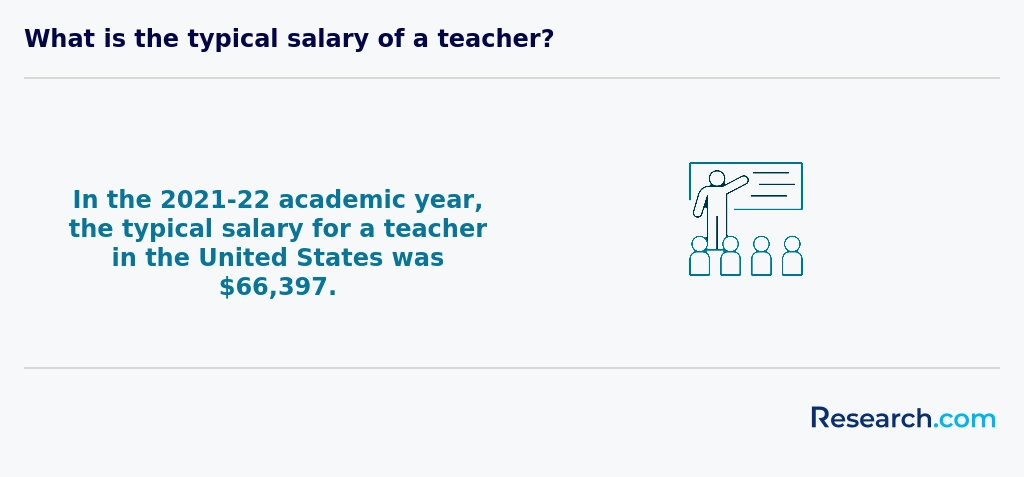
Graduates with an online education degree from well-regarded institutions like the University of Georgia or Georgia State often find encouraging salary prospects in the state. For example, those stepping into roles as elementary school teachers can expect to earn a mean annual wage around $70,740. Special education teachers typically see even higher earnings, averaging about $76,000 annually, reflecting the specialized skills they bring to classrooms.
ESL teachers, vital in Georgia's diverse school communities, earn an average of $65,430 per year, which aligns nicely with the meaningful impact they have on students' lives. Meanwhile, graduates who pursue careers as instructional designers-an emerging area combining education and technology-can anticipate salaries near $77,200, an appealing figure for those drawn to innovation.
Many graduates recall how starting in a public school near Atlanta offered a unique balance of rewarding pay and community connection. These figures illustrate that earning potential increases not only with certifications but also with the choice of career path within education, encouraging graduates to consider how their passions align with roles in Georgia's evolving educational landscape.
2027 Easiest Online Bachelor's in Education Degree Programs Ranking in Georgia
How do we rank schools?
Investing in your education is a significant decision that can shape your future, and the Research.com team understands the importance of making informed choices. To assist prospective students in Georgia, we have meticulously crafted the "2027 Easiest Online Bachelor's in Education Degree Programs Ranking in Georgia." Our commitment to quality, credibility, and accuracy is reflected in the extensive research and analysis conducted to compile this ranking.
We utilized the following reputable data sources to ensure a comprehensive evaluation of education degree programs:
By exploring this ranking, readers will gain valuable insights into the most accessible online bachelor's programs in education in Georgia, enabling them to make well-informed decisions for their academic and professional futures. For more details on our methodology, please visit our Research.com methodology page.


Key Findings
- Tuition for an online bachelor's degree in education in Georgia ranges from $8,000 to $15,000 per year at public institutions for in-state students, with private colleges charging over $20,000 annually.
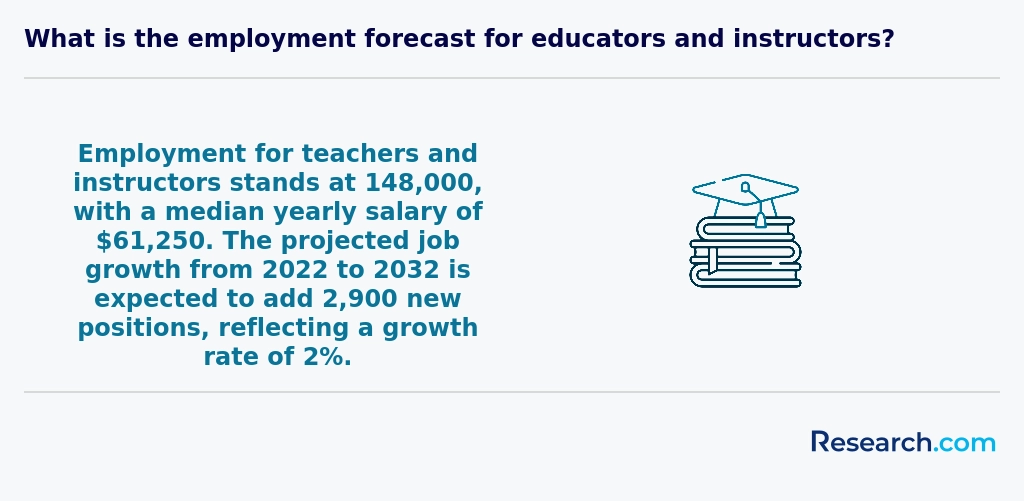
- Starting salaries for new teachers in Georgia average about $41,000 per year, increasing to around $60,000 with experience.
- The demand for educators is growing, especially in special education, mathematics, and science, due to rising student enrollment and efforts to reduce teacher shortages.
- Online education degrees in Georgia meet state certification standards and are recognized for teacher licensure.
- Financial aid options like state grants and scholarships are available to help lower education costs for online students in Georgia.
How long does it take to complete online education degree in Georgia?
Completing an online education degree in Georgia commonly takes about four years for full-time students, mirroring traditional timelines seen on-campus. Many graduates from institutions like the University of Georgia or Kennesaw State University found this pace manageable, enabling them to balance studies with personal commitments while maintaining steady progress toward graduation.
Flexibility is key in Georgia's online education programs. Some graduates appreciated how part-time options allowed them to stretch their studies over five to six years, accommodating work or family demands without overwhelming pressure. Conversely, working professionals often chose accelerated tracks, completing degrees in two to three years by embracing heavier course loads and intensive schedules.
Transfer credits also played an important role for many, reducing their time by up to a year. Those who came in with prior college experience or AP credits shared a sense of relief, knowing they could build on past achievements rather than starting from scratch.
Overall, the time to finish an online education degree in Georgia depends largely on individual choices and circumstances, but the supportive structures in place at local universities help students create a path that fits their lives.
Teacher Certification and State Licensure in Georgia
Graduates of an online Bachelor’s in Education degree in Georgia must meet state-specific requirements to earn initial teacher certification through the Georgia Professional Standards Commission (GaPSC). The pathway typically includes passing the Georgia Assessments for the Certification of Educators (GACE) content and professional knowledge tests, completing a criminal background check, and fulfilling all program-based field experience hours. Once these requirements are satisfied, you can apply online via the GaPSC portal to obtain your Induction Certificate and begin teaching in Georgia public schools. Key steps to certification include:
- Passing GACE: achieve minimum scores on both the Content (subject area) and Professional Knowledge assessments.
- Field Experiences: document at least 200 clock hours of supervised practicum or student teaching through your accredited program.
- Background Check: submit fingerprints and related clearance forms to the Georgia Crime Information Center (GCIC).
- GaPSC Application: complete the online application, pay fees, and upload transcripts, test scores, and verification of fieldwork. Beyond initial licensure, many educators pursue advanced endorsements-such as ESOL or Reading Specialist-or move toward a Master’s in Education. These pathways not only deepen pedagogical skills but also boost earning potential and career mobility; explore the benefits of online masters in education to learn how advanced credentials can enhance your professional profile.
What's the difference between online and on-campus education degree?
Choosing between online and on-campus education degrees in Georgia often boils down to how you prefer to learn and manage your time. Graduates from the University of Georgia frequently recall the vibrant classroom discussions and face-to-face mentoring that helped them feel connected and supported. These in-person experiences can boost confidence and foster valuable networking.
On the other hand, many online education graduates from Georgia State University praise the flexibility that allowed them to juggle jobs, family, and studies seamlessly. They accessed lectures anytime through digital platforms, appreciating the independence and control over their schedules. Yet, these students also emphasize that hands-on teaching practice still happens in local schools, grounding their learning in real-world classrooms.
Both paths share similar rigorous standards and lead to Georgia teacher certification, so it often comes down to personal circumstances. Consider whether you thrive in interactive environments or prefer self-paced study while staying close to your daily commitments. Either way, the journey can be rewarding and tailored to your unique life balance.
Continuing Education & Graduate Pathways
After completing your online bachelor’s in education, consider these options to advance your career and expand your skills:
- Master of Education (M.Ed.) with specializations in curriculum design or leadership
- Master of Educational Leadership for roles such as assistant principal or district administrator
- Advanced certification in special education or ESL to boost employability and salaries
- Accredited master’s in library science: explore a library science degree online to work as a school librarian
Most programs require a minimum GPA of 3.0, letters of recommendation, and may offer part-time or accelerated tracks to suit working professionals.
What is the average cost of online education degree in Georgia?
The average cost of an online education degree in Georgia typically centers around a median in-state total cost of approximately $22,948. Many students pursuing affordable online bachelor's education programs Georgia find that public universities offer more accessible tuition rates, generally charged per credit hour. For instance, graduates from well-known institutions often recall paying between $250 and $400 per credit hour, which makes completing a bachelor's degree-usually around 120 credit hours-financially manageable. These figures stand in contrast to private colleges, where tuition can be significantly higher, occasionally nearing $700 per credit hour.
One graduate described balancing the cost by taking advantage of scholarships and financial aid, which helped ease the financial burden substantially. Additional expenses, such as fees for technology access or necessary practicum placements, should also be factored into the overall budget. These practical experiences, integral to education degrees, sometimes incur extra costs but provide invaluable hands-on learning that prepares students for their teaching careers.
Students interested in finding more detailed cost comparisons and budgeting tips often explore resources like affordable education schools in georgia, which offer guidance tailored to local options. Considering these aspects thoughtfully can help prospective students set realistic expectations and confidently invest in their future teaching careers without being overwhelmed by financial surprises.

Accreditation and Quality Assurance
When evaluating online bachelor’s in Education programs in Georgia, accreditation is the cornerstone of academic quality and professional recognition. Ensure your institution holds regional accreditation from a U.S. Department of Education–recognized body such as the Southern Association of Colleges and Schools Commission on Colleges (SACSCOC). In addition, look for programmatic accreditation by the Council for the Accreditation of Educator Preparation (CAEP) or state-approved teaching licensure boards. Key benefits of accredited programs:
- Credit Transferability: Accredited coursework is widely accepted by other universities and graduate schools.
- Financial Aid Eligibility: Only regionally accredited institutions qualify for federal grants and loans.
- Licensure and Certification: State teaching certifications often require degrees from accredited programs. To verify accreditation, consult the U.S. Department of Education’s Accreditation Database or each university’s official accreditation page. For students seeking affordable, accredited options beyond Georgia, explore our Inexpensive Online Education Degree Programs Ranking in Maine, which highlights cost-effective programs that meet the same rigorous standards. Prioritizing accreditation safeguards your investment, enhances career mobility, and ensures compliance with educator licensure requirements.
What financial aid is available to online education degree students in Georgia?
Many online education students in Georgia find significant relief through federal aid, including Pell Grants and subsidized loans, which ease the financial burden without the stress of immediate repayment. Graduates from institutions like Kennesaw State University often speak of how these resources made balancing work and study manageable, allowing them to focus on learning instead of constant financial worry.
State-specific support, notably the HOPE Scholarship and HOPE Grant, also plays a crucial role. For example, learners at Georgia Southern have shared how maintaining their GPA unlocked these merit-based rewards, directly reducing their tuition costs and reinforcing their commitment to their education goals.
Institutional scholarships focused on future educators further brighten the path. Many students at prominent Georgia universities discover unique grants designed to ease their journey, often prompting feelings of encouragement and gratitude during demanding semesters.
Additionally, programs like Teacher Loan Forgiveness foster motivation by linking service in high-need schools to loan repayment, a promising opportunity for many graduates determined to give back to their communities.
What are the prerequisites for enrolling in online education degree program in Georgia?
Enrolling in an online education degree in Georgia typically begins with holding a high school diploma or an equivalent credential like a GED. Graduates from popular schools such as the University of Georgia or Georgia State University often recall the reassurance of meeting this basic but crucial requirement before moving forward. Many also emphasize the comfort of submitting official transcripts, as these documents serve to showcase their academic history without surprises.
While standardized tests like the SAT or ACT have become more optional, some competitive programs still ask for scores, especially at schools known for rigorous education tracks. Graduates frequently mention that writing a personal statement helped them express genuine passion for teaching-something valued by admissions teams at institutions like Kennesaw State University.
Transfer students or those pursuing advanced degrees should prepare prior college credits and maintain a solid GPA, often around 2.5 to 3.0. The positive experiences shared by alumni reflect that meeting these prerequisites opens doors to flexible, affordable options, allowing many to balance studies with work and family life.
Defining “Easiest” in Online Education Degrees
Understanding what makes a program “easy” helps you balance studies with work and life while ensuring quality outcomes. Key factors to consider include:
- Flexible course schedules with fully asynchronous options
- Generous credit transfer and prior learning assessments
- Admission requirements (GPA, test scores) suited to nontraditional students
- Streamlined practicum placements in Georgia schools
- Dedicated academic advising and tech support
For a broader look at simplified pathways, explore easy online degrees.
What courses are typically in online education degree programs in Georgia?
Students pursuing online education degrees in Georgia quickly discover the strong foundation these programs offer through courses like Educational Psychology and Curriculum and Instruction. Graduates from institutions such as the University of Georgia often share how learning about cognitive and social development deepened their understanding of diverse student needs, making classroom interactions more meaningful and effective.
Courses in Instructional Technology are particularly encouraging for those entering today's digital learning environment. Many graduates reflect on how mastering these tools empowered them to craft engaging lessons adaptable to hybrid or fully online classrooms, a growing demand across Georgia schools.
Hands-on experiences, like the Student Teaching practicum offered by Georgia Southern University, bring theory to life, providing graduates with confidence and readiness for real-world challenges. Classroom Management and Special Education courses further prepare students to build inclusive, positive learning spaces, a vital skill echoed in alumni testimonials.
This blend of practical skills and legal-ethical understanding uniquely equips Georgia's future educators to thrive and make a lasting impact.
What types of specializations are available in online education degree programs in Georgia?
Online education degree specializations in Georgia reflect the state's commitment to preparing educators for diverse roles in schools. Graduates from popular universities often highlight concentrations such as Elementary Education, which equips them to foster foundational skills in young learners, and Secondary Education, perfect for those passionate about subjects like math or English. Many find Special Education especially rewarding, as it requires tailored strategies to support students with disabilities-a growing need across Georgia's classrooms.
Others appreciate focusing on Educational Leadership or Administration, which opens pathways to roles like principals or curriculum coordinators, vital for improving school systems. Early Childhood Education draws those inspired to impact children from birth through age eight, while Reading and Literacy remains a key area to boost student success statewide. Pursuing these options through online programs allows flexibility valued by working professionals and career changers.
Students considering these paths often explore the benefits of online masters in education to deepen their expertise. This tailored approach suits many seeking Georgia teaching degree concentration options aligned with regional school priorities and personal aspirations.
How do you choose the best online education degree in Georgia?
Choosing the best online education degree in Georgia means prioritizing programs that hold regional accreditation, like those recognized by SACSCOC. Graduates from popular institutions often emphasize how this accreditation made their degrees credible when applying for teaching positions or licensure, easing their transition into schools across the state. Many find that programs aligned with Georgia's Department of Education requirements not only prepare them thoroughly but also simplify state certification, particularly in specializations such as elementary or secondary education.
Affordability matters greatly, especially considering tuition can range widely. Students from Georgia's well-known colleges appreciate transparent cost structures and the support for online learners balancing work and study. To explore economical options, prospective students often consult rankings highlighting affordable options and consider additional fees like exams and materials. For those seeking guidance, the Inexpensive Online Education Degree Programs Ranking in Maine offers insight into budgeting wisely.
Finally, it helps to reflect on the student experience: robust academic advising, accessible faculty, and interactive platforms create a supportive environment. Those who valued thorough career counseling reported greater confidence entering the workforce, a crucial aspect when pursuing the best online education degree programs in Georgia.
What career paths are available for online education degree students in Georgia?
Graduates holding an online education degree in Georgia find a variety of meaningful career paths ready to explore. Many become licensed teachers in public or private schools, often supported by programs at institutions like the University of Georgia or Georgia Southern University, where online curricula effectively prepare them for state certification. Beyond traditional classroom roles, others step into specialized fields such as curriculum development, instructional technology, or early childhood education administration, finding fulfillment in shaping learning environments.
These careers align well with the evolving needs of Georgia's schools, especially in high-demand areas like special education and ESL. Graduates often share the rewarding experience of contributing to communities across the state, valuing the flexibility that online learning offered during their studies. Additionally, the availability of an online education degree jobs in Georgia encourages a diverse pool of educators, fostering innovation and accessibility in education. For those curious about alternative opportunities, exploring the best paying trade jobs can also provide valuable insights into related career options.
What is the job market for online education degree in Georgia?
The job market for online education degree jobs in Georgia demonstrates promising potential for graduates who pursue their studies through respected institutions such as the University of Georgia or Georgia State University. Many graduates share that the flexibility of their programs allowed them to gain hands-on experience in urban and rural school settings, which significantly improved their confidence when applying for teaching roles across the state.
Recent graduates often find rewarding opportunities in various roles from public schools to specialized areas like curriculum development and adult education. The Georgia teacher employment outlook online degree reveals steady growth, with the state's commitment to education ensuring a consistent demand fueled by retirements and student population increases.
The practical benefits of earning an education degree online extend beyond convenience. It also allows students to explore tailored career paths while managing costs effectively. For seniors considering further education or career shifts, online college courses for seniors provide an accessible gateway into this expanding field.
Frequently Asked Questions About education
Students pursuing online education degrees in Georgia can maximize their learning by actively engaging with available resources. Georgia's public universities, including Georgia State and Kennesaw State, offer extensive digital libraries and tutoring services that support student success. According to the Georgia Student Finance Commission, using academic advising and regularly communicating with instructors increases course completion rates by up to 20%.
Time management is crucial; setting a consistent study schedule helps students balance coursework with personal and professional commitments. Participating in virtual study groups and discussion boards also fosters deeper understanding and peer support. Lastly, taking advantage of state programs like HOPE Scholarship can alleviate financial stress, allowing students to focus more on their studies.
The education field in Georgia is experiencing growth in several emerging niches that align with current workforce demands and technological advances. One prominent area is educational technology, often called EdTech, which focuses on integrating digital tools into classroom settings and remote learning environments. Georgia schools increasingly require educators skilled in virtual instruction and educational software, reflecting national trends.
Another growing niche is special education. Georgia's Department of Education reports rising enrollment of students with disabilities, emphasizing a need for teachers trained in tailored instructional strategies.
STEM education, particularly science and math teaching, continues to expand due to state initiatives promoting careers in these fields. Additionally, dual-language and English as a Second Language (ESL) instruction are in demand as Georgia's diverse population grows.
After completing an online education degree in Georgia, preparing for the job market requires targeted steps. Start by gaining practical experience through internships or student teaching placements, which many Georgia programs include. This hands-on learning is critical since the Georgia Professional Standards Commission requires teacher certification that involves classroom experience. Networking is essential; attend local education conferences or join Georgia-based professional groups such as the Georgia Association of Educators. Additionally, stay updated on Georgia's teacher salary schedules, which, according to the Georgia Department of Education, can influence job opportunities. Finally, consider continuing education or endorsements to increase your employability in specialized areas.
Employers in Georgia value education degree graduates who demonstrate strong communication and classroom management skills. According to the Georgia Professional Standards Commission, effective teaching requires clear instructional abilities and positive student engagement. In addition, adaptability to diverse learning styles and cultural backgrounds is critical, given the state's growing student diversity.
Data from the Georgia Department of Education emphasizes the importance of technological proficiency, especially with digital tools for virtual classrooms. Strong collaboration skills are also essential, as teachers work closely with parents and colleagues.
Finally, analytical skills to assess student progress and implement data-driven practices remain top priorities for school districts statewide.
Finding education-related internships in Georgia involves several strategic steps. First, students should explore local school districts, as many offer internship programs for education majors. Districts such as Fulton County and Gwinnett County have partnerships with universities to provide practical classroom experience.
Second, online education students can utilize resources like the Georgia Department of Education's website, which lists internship opportunities and teaching assistant positions statewide. Additionally, college career centers often maintain internship databases tailored for education students, including virtual options suitable for online learners.
Networking with educators through professional organizations such as the Georgia Association of Educators can also open doors. Finally, sites like Handshake and the Georgia Internship Clearinghouse are valuable for finding up-to-date internship listings, combining local availability with educational relevance.
Obtaining an online education degree in Georgia can significantly enhance career mobility and advancement opportunities. According to the Georgia Department of Education, teachers with bachelor's degrees and additional certifications often qualify for higher salary tiers and leadership roles within schools.
Online degrees offer flexibility, enabling working professionals to advance without interrupting their careers. Many Georgia school districts recognize these degrees as equivalent to traditional programs, provided the institution is accredited.
Statistics from the National Center for Education Statistics show that Georgia's education sector is growing steadily, with more openings for qualified educators each year.
Higher qualifications typically lead to roles such as instructional coordinator or school administrator, improving both job security and earnings potential.
Studying for an education degree in Georgia equips students with interdisciplinary skills vital for diverse career paths. Programs emphasize collaboration across fields like psychology, technology, and social sciences, preparing graduates to address complex educational challenges.
Many Georgia institutions offer coursework integrating instructional design, counseling, and leadership, fostering versatile professionals. For example, the University System of Georgia highlights that over 70% of online education students engage in interdisciplinary projects, enhancing problem-solving abilities.
This approach reflects workforce needs; the Georgia Department of Education reports increasing demand for educators trained in multiple disciplines to meet the state's evolving educational landscape.
When choosing between a thesis and a non-thesis education degree program in Georgia, consider your career goals and learning preferences. Thesis programs focus on research, requiring students to complete an original study, which can be ideal for those planning to pursue advanced graduate studies or academic careers. Non-thesis options typically include more coursework and practical experience, suiting professionals aiming to enter or advance in the workforce quickly.
Georgia's public universities, such as the University of Georgia and Georgia State University, offer both options online, adhering to regional accreditation standards. According to the National Center for Education Statistics, about 30% of education students in Georgia opt for thesis tracks, reflecting a growing interest in research.
Financial and time commitments also differ: thesis programs often take longer due to research demands. Evaluate personal schedules and resources carefully before deciding.
Students based in Georgia who want to study education abroad have growing opportunities thanks to partnerships between local institutions and foreign universities. Many Georgia colleges offer exchange programs or dual degrees in education with schools in countries like the United Kingdom, Canada, and Australia. According to the Institute of International Education's 2023 report, about 1,200 Georgia students participated in study abroad programs, with education-related fields rising in popularity.
These programs often combine online coursework with in-person experiences overseas, providing flexibility. Students should also check if their Georgia school participates in the Georgia Consortium for International Education, which facilitates study abroad options focused on teaching methodologies and global education trends.
Part-time job opportunities in Georgia that complement education degree studies include roles such as teacher's assistant, tutor, and substitute teacher. These positions provide practical experience critical for future educators. According to the Georgia Department of Education, schools often seek qualified substitutes, making this a flexible option for students balancing coursework.
Additionally, private tutoring, especially in subjects like math and reading, is in demand. The U.S. Bureau of Labor Statistics notes that tutoring jobs can increase a candidate's classroom management and instructional skills.
Many universities in Georgia also offer on-campus jobs in education labs, allowing hands-on involvement with teaching technologies and methods.
Online education students in Georgia have several networking opportunities despite the virtual format. Many universities, such as the University of Georgia and Georgia State University, offer dedicated virtual events, webinars, and online discussion groups for education majors. These platforms allow students to connect with peers and faculty statewide.
Additionally, Georgia's Professional Association for Georgia Educators (PAGE) provides membership benefits, including virtual conferences and local chapter meetings, which are accessible to online students. According to the Georgia Department of Education, these networks can be valuable for career advancement and job placement support within the state.
Some institutions also promote internships and practicum placements in Georgia school districts, enhancing real-world connections.
Alumni networks offer significant advantages to students pursuing online education degrees in Georgia. These networks provide access to a broad community of graduates who can share insights, internship opportunities, and job leads within the state's education sector. According to the Georgia Student Finance Commission, connections through alumni groups often increase employment prospects, especially in public and private schools across Georgia.
Moreover, alumni can mentor current students on navigating certification processes specific to Georgia's teaching standards. Many online programs in Georgia actively facilitate alumni-student interaction via virtual events and social media, enhancing professional development and networking beyond campus limitations. This support network is a valuable resource for career advancement.
Customizing an online education degree program in Georgia allows students to align their studies with specific career goals. Many universities in Georgia offer flexible curricula where you can choose concentrations such as special education, curriculum design, or educational leadership.
Elective courses enable you to develop skills in areas like technology integration or counseling, enhancing your employability. Some programs include practicum or internship opportunities within Georgia schools, providing practical experience relevant to your career path.
Advisors at institutions like the University of Georgia or Georgia State University can help design your program to meet Georgia's teaching certification requirements if you aim to become a licensed educator. This ensures your degree supports your professional objectives within the state.
Online education students in Georgia face several common challenges that can impact their academic success. One key issue is access to reliable high-speed internet, especially in rural areas where connectivity rates lag behind urban centers. According to the Georgia Department of Education, nearly 20% of students statewide experience internet access difficulties, which can hinder participation in live classes and timely submission of assignments.
Another challenge is balancing coursework with work and family obligations. Many online learners in Georgia are nontraditional students who juggle multiple responsibilities, making time management critical yet difficult. The sense of isolation from peers and instructors also affects motivation and engagement, as remote students miss direct campus interactions.
Finally, adapting to online learning platforms requires digital literacy that not all students possess initially. Institutions have increased technical support, but difficulties in mastering new systems remain a barrier for some learners.
An online education degree in Georgia opens pathways to several valuable professional certifications. Graduates often pursue state teacher certification, which allows them to teach in public schools across Georgia. According to the Georgia Professional Standards Commission, candidates must complete the appropriate certification exams and student teaching requirements.
Additionally, individuals with this degree can earn certifications in special education, ESL (English as a Second Language), and educational technology. The National Board for Professional Teaching Standards offers advanced certification that is recognized nationwide, enhancing career advancement.
Other options include administrative certifications for roles such as school principal or instructional coordinator. These certifications often require additional coursework or experience beyond an online education degree.
Writing a winning application for an online education program in Georgia starts with understanding the specific requirements of each institution. Most programs require official transcripts, test scores, and a personal statement. According to Georgia's Board of Regents, highlighting your commitment to teaching and community impact strengthens your essay.
Focus on demonstrating your knowledge of current educational challenges in Georgia, such as addressing diverse student needs in urban and rural schools. Including relevant volunteer or professional experiences can boost your profile.
Ensure your application materials are clear, error-free, and submitted before the deadlines, which often fall between December and March for fall admissions.
Globally, an education career is seen as both vital and evolving. In the United States, including Georgia, there is growing recognition of the importance of skilled educators to meet diverse student needs. According to the Georgia Professional Standards Commission, demand for licensed teachers is expected to rise by over 10% through 2030.
Internationally, education careers emphasize adaptability and lifelong learning skills due to rapid technological and cultural changes. American online education degrees, offered by accredited Georgia institutions, align with global trends by integrating digital tools and inclusive teaching practices.
These degrees often prepare future educators for roles beyond traditional classrooms, including virtual learning environments, which gained prominence during recent global shifts. Prospective students in Georgia benefit from programs that combine U.S. standards with global perspectives on education.
Students pursuing online education degrees in Georgia can gain practical experience through several key options. Many Georgia institutions partner with local K-12 schools to offer virtual or in-person student teaching placements. This hands-on practice is essential for teacher certification and helps build real classroom skills.
Additionally, online programs often include internships or practicum requirements with Georgia school districts or educational organizations. These experiences allow students to apply theory in authentic settings while still studying remotely.
According to the Georgia Professional Standards Commission, completing supervised field experiences totaling at least 600 hours is typically required for educator certification.
Utilizing these opportunities enhances readiness for careers in Georgia's growing education sector, which employs over 90,000 teachers statewide, per the Georgia Department of Education.
Choosing the right concentration within an online education degree program in Georgia depends on your career goals and the demands of the local job market. Popular concentrations include early childhood education, special education, and educational leadership. According to the Georgia Professional Standards Commission, special education teachers are in high demand, with expected growth of 8% over the next decade. Consider how each concentration aligns with Georgia's certification requirements if you plan to teach in public schools. Additionally, research program accreditation and how coursework fits your schedule. Exploring these factors will help tailor your education degree for the best career outcomes in Georgia's education system.
Related Education Rankings for Nearby States
- 2027 Easiest Online Bachelor's in Education Degree Programs Ranking in Florida
- 2027 Easiest Online Bachelor's in Education Degree Programs Ranking in Alabama
- 2027 Easiest Online Bachelor's in Education Degree Programs Ranking in North Carolina
- 2027 Easiest Online Bachelor's in Education Degree Programs Ranking in Kentucky
- 2027 Easiest Online Bachelor's in Education Degree Programs Ranking in Virginia
- 2027 Easiest Online Bachelor's in Education Degree Programs Ranking in Missouri
- 2027 Easiest Online Bachelor's in Education Degree Programs Ranking in Indiana
- 2027 Easiest Online Bachelor's in Education Degree Programs Ranking in Ohio
- 2027 Easiest Online Bachelor's in Education Degree Programs Ranking in Pennsylvania
- 2027 Easiest Online Bachelor's in Education Degree Programs Ranking in Texas
Top Trending Education Rankings
See What Experts Have To Say About Studying Education
Read our interview with Education experts


Nooshan Ashtari
Education Expert
Professor & Book Author
University of Southern California

References
- Is a thesis always mandatory in a master's degree program? - EFMU: The Euler-Franeker Memorial University and Institute https://euler.euclid.int/is-a-thesis-always-mandatory-in-masters-degree-program/
- Can Higher Education Improve Long-Term Career Success https://studysphereadvisors.com/how-higher-education-influences-long-term-career-growth/
- Students: This is How You Should Prepare for the Job Market https://www.agencycentral.co.uk/articles/students-this-is-how-you-should-prepare-for-the-job-market/
- Online Degree vs. Traditional | University of Arkansas Grantham https://www.uagrantham.edu/blog/pros-cons-online-degree-vs-traditional-university/
- Putting theory into practice: The value of an interdisciplinary approach to teaching https://my.chartered.college/impact_article/putting-theory-into-practice-the-value-of-an-interdisciplinary-approach-to-teaching/
- Skills Employers Look for In Graduates https://careerdc.com.au/resources/what-skills-employers-want/
- Education Study Abroad Programs | Go Overseas https://www.gooverseas.com/study-abroad/education
- Navigating Challenges In Education, Learning & Development - those who can https://www.thosewhocan.org/navigating-challenges-in-education-learning-and-development/
- Seven Major Challenges Facing Education in the 21st Century https://www.internationalschoolparent.com/articles/seven-global-education-challenges/
- Tips for Choosing Your Graduate Concentration - Graduate Programs for Educators https://www.graduateprogram.org/blog/tips-for-choosing-your-graduate-concentration/


