
2027 Easiest Online Bachelor's in Education Degree Programs Ranking in the Midwest

Co-Founder and Chief Data Scientist
Choosing the right online education degree program can be overwhelming, especially with so many options available in the Midwest. This article presents the 2027 Easiest Online Bachelor's in Education Degree Programs Ranking in the Midwest, carefully created by the Research.com team of data scientists.
Our goal is to help you find programs that fit your lifestyle while still offering quality education and support. Earning a degree in education opens doors to rewarding careers that make a real difference in communities.
Explore this ranking to discover programs that balance convenience and academic excellence, empowering you on your path to becoming an inspiring educator.
Key benefits of getting online education degree in the Midwest
- The average annual salary for education graduates in the Midwest is promising, with Special Education Teachers earning about $76,000 and Instructional Designers earning around $77,200, offering strong financial stability.
- Graduates from popular Midwest universities often pursue diverse careers like early childhood education, ESL teaching, or instructional design, providing many rewarding paths to impact communities positively.
- Completing an education degree online from well-known Midwest schools allows flexible scheduling and real-world experience, helping students balance life while gaining skills that lead to meaningful careers.
- Key benefits of getting online education degree in the Midwest
- What can I expect from online education degree in the Midwest?
- Where can I work with online education degree in the Midwest?
- How much can I make with online education degree in the Midwest?
- 2027 Easiest Online Bachelor's in Education Degree Programs Ranking in the Midwest
- Key Findings
- How long does it take to complete online education degree in the Midwest?
- What's the difference between online and on-campus education degree?
- Field Experience and Practicum Opportunities
- What is the average cost of online education degree in the Midwest?
- What financial aid is available to online education degree students in the Midwest?
- State Licensure and Certification Requirements
- What are the prerequisites for enrolling in online education degree program in the Midwest?
- Accreditation and State Certification
- What courses are typically in online education degree programs in the Midwest?
- What types of specializations are available in online education degree programs in the Midwest?
- How do you choose the best online education degree in the Midwest?
- What career paths are available for online education degree students in the Midwest?
- What is the job market for online education degree in the Midwest?
- Top Trending Education Rankings
- See What Experts Have To Say About Studying Education
What can I expect from online education degree in the Midwest?
The average cost of an online education degree in the Midwest is often quite manageable, especially when compared to national averages. Many public universities like the University of Illinois Springfield and Ohio State University offer tuition rates that are significantly lower for in-state residents. Graduates from these programs frequently recall how this financial advantage allowed them to pursue their passion for teaching without overwhelming debt. Imagine balancing your coursework while working or caring for family, knowing you're saving money where it counts.
Financial aid and scholarships targeting education majors are commonly available, adding another layer of support. Schools in Michigan and Ohio often provide opportunities for grants specifically designed for future educators, making higher education feel achievable and realistic. Students appreciate how these options reduce financial stress and let them focus on learning.
Ultimately, the reasonable tuition paired with flexible program schedules helps many graduates feel confident and motivated. They're able to complete their degrees at institutions renowned for quality education, while staying close to home and budget, a truly empowering experience.
Where can I work with online education degree in the Midwest?
Graduates with online education degrees from popular Midwest institutions like the University of Michigan or Ohio State University often discover a wide range of career paths waiting for them. Many begin their careers teaching in K-12 public and private schools, where states such as Illinois and Indiana actively seek certified educators. These roles allow graduates to make meaningful impacts on young lives daily, drawing on the real-world skills gained through their online programs.
Others explore administrative roles-such as school counselors or curriculum coordinators-where they help shape school environments and support fellow educators. For example, graduates working in Ohio's education system share how they found fulfillment guiding students through challenges beyond academics.
Beyond schools, many alumni step into higher education or adult learning centers, where the experience with online learning itself becomes an asset when teaching non-traditional students. Online education degree holders also thrive in the growing EdTech industry in cities like Minneapolis, designing innovative digital tools that transform classrooms everywhere.
Remember, while most Midwest states welcome online degrees for teacher certification, it's essential to check specific licensure requirements to ensure a smooth start to your rewarding educational career.
How much can I make with online education degree in the Midwest?
Graduates with an online education degree from well-known Midwest institutions often find rewarding salary prospects that reflect both their dedication and the region's educational demand. For instance, a graduate stepping into an elementary school teaching role can anticipate a mean annual wage of around $70,740, a solid starting point that aligns well with the cost of living in states like Illinois or Ohio.
Those who specialize, like graduates entering special education, see even stronger financial benefits, with average earnings near $76,000 annually. This reflects a valuable demand for skilled educators in more focused roles. Additionally, graduates who pursue careers as instructional designers-an evolving field supported by many universities in the Midwest-can expect salaries around $77,200, showing how online education degrees open doors beyond traditional classrooms.
Furthermore, experience from graduates at prominent regional colleges highlights the versatility of these degrees, with some branching into English as a Second Language (ESL) teaching, earning about $65,430 yearly. These figures illustrate the optimistic earning potential available to you after completing your online education degree in the Midwest.
2027 Easiest Online Bachelor's in Education Degree Programs Ranking in the Midwest
How do we rank schools?
Investing in your education is a significant decision that can shape your future, and the Research.com team understands the importance of making informed choices. To assist prospective students in the Midwest, we have meticulously crafted the "2027 Easiest Online Bachelor's in Education Degree Programs Ranking in the Midwest." Our commitment to quality, credibility, and accuracy is reflected in the extensive research and analysis conducted to compile this ranking.
We utilized the following reputable data sources to ensure a comprehensive evaluation of online education degree programs:
By exploring this ranking, readers will gain valuable insights into accessible and flexible online education degree options in the Midwest, helping them make well-informed decisions about their academic and professional futures. For more details on our methodology, please visit our Research.com methodology page.
# 1 position
Bethel University, Minnesota
Bachelor of Special Education


# 8 position
Central Michigan University
Bachelor of Teaching Early Childhood, B-K and Early Childhood Special Education


# 16 position
Southwestern College
Bachelor of Elementary Education


# 19 position
University of Missouri
Bachelor of Human Development and Family Science with an emphasis in Early Childhood Education in a Mobile Society


Key Findings
- Online education degrees in the Midwest cost between $25,000 and $40,000, depending on whether the school is public or private.
- Many accredited Midwestern universities offer flexible online programs for working adults and remote learners.
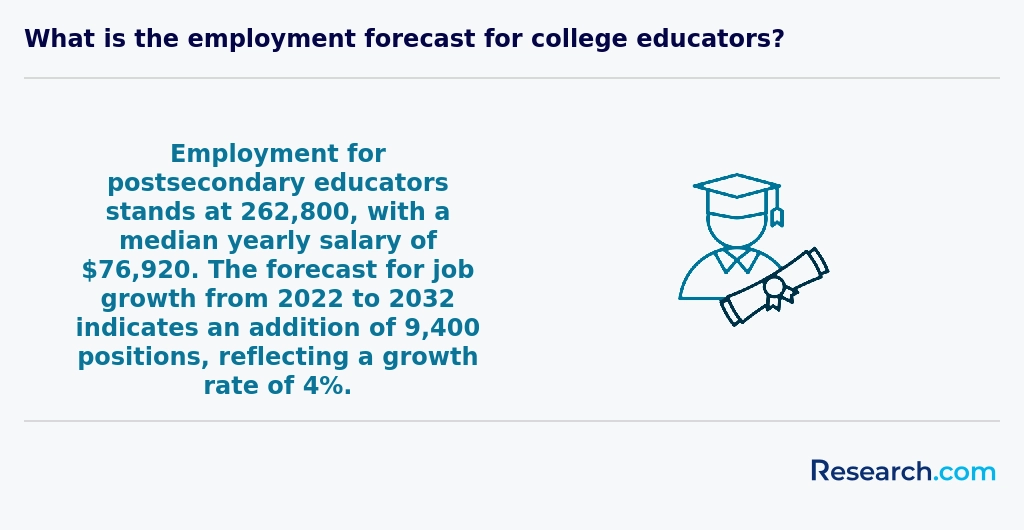
- Job growth for kindergarten and elementary school teachers is projected at about 4% over the next decade in the region.
- Starting salaries for education graduates range from $40,000 to $50,000 annually, increasing to $60,000 to $70,000 with experience and certification.
- Programs often meet state licensure requirements and may provide local student teaching placements.
- Financial aid, scholarships, and grants for education majors are commonly available at Midwestern institutions.
How long does it take to complete online education degree in the Midwest?
Completing an online education degree in the Midwest typically takes about four years for most students following a traditional full-time path. This timeline matches what graduates from well-known institutions like the University of Illinois or Ohio State University often experience. Many find this timeframe manageable and motivating, especially when balancing studies with work or family.
However, accelerated programs offered by some Midwest colleges let students move at their own pace. Graduates from competency-based tracks at schools like Western Michigan University share how finishing in two to three years felt empowering and opened doors faster to their teaching careers.
For those juggling jobs or personal commitments, part-time enrollment can extend completion to five or six years. But even then, students feel proud making steady progress on their own schedule.
Transfer credits from previous coursework make a big difference too; some students shorten their journey significantly by applying prior credits, easing both time and cost burdens.
What's the difference between online and on-campus education degree?
Choosing between an online and on-campus education degree in the Midwest often boils down to your lifestyle and learning preferences. Imagine a graduate from the University of Illinois who thrives on face-to-face interaction, benefiting from immediate feedback and lively conversations during on-campus classes. In contrast, a graduate from a university like Western Michigan University who juggled work and family found the online format liberating, accessing lectures whenever their schedule allowed. Both paths require hands-on teaching experiences, but online students coordinate their practicum locally, turning their own communities into learning environments.
The cost difference can be significant; public Midwestern universities typically charge between $8,000 and $12,000 annually for in-state tuition on-campus, while online programs might offer similar or slightly reduced fees. Many find the online route encourages self-paced study, speeding up degree completion without sacrificing quality. Remember, well-known programs in the region ensure employers respect both formats equally-what matters most is your commitment and passion for educating future generations.
Field Experience and Practicum Opportunities
A cornerstone of any reputable online Education degree program in the Midwest is the integration of hands-on field experiences and practicum placements that bridge theory and classroom practice. Accredited institutions collaborate with K–12 districts and educational agencies across the region to ensure students complete observed teaching hours, classroom management labs, and specialized workshops. During your program, you can expect: • Structured School Partnerships: Many Midwest universities maintain formal agreements with local public and charter schools, guaranteeing placement opportunities for practicum and student teaching. These partnerships often include mentor teacher assignments, regular site visits by university supervisors, and reflective seminars designed to translate online coursework into real-world teaching strategies. • Flexible Scheduling and Remote Supervision: Online Education students benefit from adaptable scheduling options-such as year-round sessions and evening practicums-to accommodate working professionals. Supervisors leverage virtual observation tools and video-feedback platforms to assess teaching performance, provide targeted feedback, and track skill development in classroom management, lesson delivery, and student assessment. • Competency-Based Performance Metrics: Programs employ data-driven rubrics aligned with state licensure standards, enabling candidates to demonstrate proficiency in core teaching competencies before program completion. These metrics often cover areas like differentiated instruction, inclusive practices for diverse learners, and technology-enhanced lesson design. • Early Career Pathway Integration: For those exploring foundational credentials, online learners may first pursue the best online associate degrees in education to build essential pedagogical skills and accelerate into bachelor’s-level practicums. This pathway can shorten time-to-degree and enhance employability by providing early exposure to educational settings. By weaving robust field experiences into an online format, Midwest Education degree programs ensure graduates enter the workforce with confidence, practical expertise, and a clear understanding of classroom dynamics-key factors in securing teaching licensure and thriving in today’s educational landscape.
What is the average cost of online education degree in the Midwest?
The average cost of an online education degree in the Midwest typically falls around $46,200 for the total program, with in-state students paying slightly less, about $49,800, while out-of-state students might face costs closer to $56,940. Many graduates from well-known institutions like those in Ohio, Illinois, or Michigan reflect on the balance between affordability and quality, appreciating how Midwestern public universities strive to keep tuition accessible for residents. When considering Midwest online bachelor's in education tuition fees, it's important to remember that these figures include tuition and related fees, representing a solid investment in your future as an educator.
One graduate shared how attending a public university in Michigan allowed them to benefit from competitive tuition rates and state financial aid, making their education journey feel more attainable and less overwhelming. Students often find relief knowing that additional fees usually remain modest and sometimes are included in the tuition. The support available through employer tuition reimbursement programs is another valuable resource, especially in a region with high demand for qualified teachers.
To fully understand the average cost of online education degrees in the Midwest, it's helpful to compare different institutions and explore financial aid options. Many prospective students research not only tuition but also scholarships specifically tailored for education majors. For those beginning their academic path, checking out the best online associate degrees in education can provide insightful stepping stones toward a bachelor's degree and financial planning strategies.
What financial aid is available to online education degree students in the Midwest?
When pursuing an online education degree in the Midwest, financial aid often becomes a vital resource to turn dreams into reality. Graduates from well-known institutions like the University of Illinois or Michigan State University often share how Pell Grants, offering up to $7,395 annually, provided crucial support during their studies. These need-based grants don't require repayment, lightening the financial load significantly.
Many students also leverage state grants, such as Illinois' Monetary Award Program (MAP), which can cover a good portion of tuition if you qualify. Imagine attending a respected college online from your home and seeing the difference these programs make in managing costs without sacrificing your focus on learning.
Federal student loans offer another flexible option, often with lower interest rates; submitting the FAFSA is your key to unlocking these funds. Plus, numerous Midwest colleges provide merit-based scholarships and discounts exclusively for online education learners, making programs more accessible.
Working professionals frequently benefit from employer tuition reimbursements, which help balance work and study commitments smoothly, while private scholarships from organizations dedicated to education majors can offer extra relief and encouragement to stay the course.
State Licensure and Certification Requirements
Prospective educators must understand that earning an online Education degree in the Midwest is only part of the journey-state licensure and certification bridge academic preparation to classroom practice. Each Midwestern state sets its own standards for teacher licensure, often requiring completion of supervised student-teaching hours, a minimum GPA, and passage of standardized exams such as the Praxis series. Most accredited online programs align their curricula with state board requirements to ensure graduates are eligible for initial licensure. In addition to coursework, candidates should budget time for clinical experiences: typically 12–16 weeks of full-time student teaching under a certified mentor teacher. Some programs offer virtual simulation labs to complement in-person teaching placements, while others coordinate local partnerships with school districts across the Midwest. To verify that your chosen program meets these criteria, consult your state’s department of education and review program accreditation by bodies like the Higher Learning Commission (HLC). Cost can factor heavily into planning for licensure-between exam fees, background checks, and portfolio submissions, expenses add up quickly. For a detailed look at affordable pathways that fulfill both degree and certification requirements, explore our Inexpensive Online Education Degree Programs Ranking in Manhattan, KS. This ranking highlights programs that blend rigorous academic standards with transparent licensure support at a budget-friendly price point.
What are the prerequisites for enrolling in online education degree program in the Midwest?
To join an online education degree program in the Midwest, the first step is holding a high school diploma or GED. Graduates from popular universities in Illinois or Ohio often recall submitting their official transcripts early, which set a confident tone for their applications. Many programs now adopt a test-optional policy, but it's wise to prepare ACT or SAT scores if required, especially for competitive scholarships.
A minimum GPA around 2.5 to 3.0 is common, reflecting your commitment and readiness for the coursework ahead. Imagine a recent graduate from a Michigan college who, by maintaining this academic standard, smoothly transitioned into their program without hesitation.
Licensure candidates will face additional steps such as state-specific background checks and must show proficiency in core subjects like math and English. Graduates often share how preparing a strong statement of purpose about their passion for education made a real difference during admissions.
Beyond paperwork, having volunteering experience or a genuine interest in teaching enhances your profile. Midwest schools value applicants who bring enthusiasm-something many have expressed was key to feeling welcomed and supported throughout their journey.
Accreditation and State Certification
Choosing an online bachelor’s in education requires programs that lead directly to licensure. Ensure your degree meets both regional and state requirements:
- Regional accreditation by the Higher Learning Commission (HLC) guarantees credit transferability and employer recognition.
- Programmatic accreditation (CAEP or state board approval) aligns coursework with national teaching standards.
- State-specific licensure approval confirms eligibility to teach in your target area (e.g., Illinois State Board of Education).
- Student-teaching placements and practicum hours satisfy hands-on certification mandates.
- Passing required exams (Praxis Core and Praxis II or equivalent) is often the final step before application.
For a faster path that still meets all certification criteria, consider exploring accelerated degree programs.
What courses are typically in online education degree programs in the Midwest?
When you embark on an online education degree in the Midwest, you'll encounter courses designed to build both your confidence and expertise in real classroom settings. Graduates from institutions like the University of Illinois and Michigan State often speak of how foundational classes such as Foundations of Education and Educational Psychology helped them understand student development and learning patterns deeply. These courses aren't just theory-they directly translate into practical strategies that you can apply from day one.
Many students find the Instructional Technology and Design course especially empowering, as it equips them with tools to create engaging lessons for diverse learners, a skill highly valued by schools across the Midwest. Alongside this, classes on Classroom Management Strategies and Assessment and Evaluation prepare you to handle various classroom dynamics and measure student progress effectively.
Midwest programs also emphasize inclusivity through courses in Multicultural Education and Special Education Fundamentals, vital for meeting the needs of diverse communities found in places like Ohio and Wisconsin. You'll also tackle important topics like education law and ethics, ensuring you're ready to advocate for your students responsibly.
What types of specializations are available in online education degree programs in the Midwest?
Online education degrees in the Midwest offer a range of practical specializations that prepare you to make a real difference in classrooms and communities. Graduates from prominent regional universities often highlight the value of focusing on areas like Early Childhood Education, which equips future educators to nurture young learners in grades pre-K through three with patience and creativity. Others find their passion in Elementary or Secondary Education, where they develop skills to teach multiple subjects or specialize in STEM fields, addressing the high demand in Illinois and Ohio schools.
Many Midwestern programs also include Special Education, designed to empower teachers with strategies tailored to diverse learning needs, and Educational Leadership, which inspires graduates to pursue vital administrative roles. Some graduates embrace Curriculum and Instruction to craft innovative lessons, while others choose ESL Education, helping immigrant students feel welcomed and succeed. If you're exploring options, check out the Inexpensive Online Education Degree Programs Ranking in Manhattan, KS for affordable pathways that match your goals and lifestyle within these Midwest online teaching degree options.
How do you choose the best online education degree in the Midwest?
Choosing the best online education degree in the Midwest starts with finding accredited programs that truly respect your time and future. Graduates from well-known colleges appreciate how accreditation by bodies like CAEP or the Higher Learning Commission reassured them their degrees hold weight across states. This trust opens doors for teaching careers or leadership roles in education. Many students seeking affordable online education degrees Midwest find that in-state tuition rates ranging between $8,000 and $15,000 keep their plans realistic without sacrificing quality. When I mentor learners, I always emphasize matching specializations-like elementary education or educational leadership-to your career vision because these focused paths generate confidence and excitement as you prepare for the classroom.
Support services also shape your success. Online learners at popular universities praise accessible tutoring and advising that made challenging courses manageable. Flexible course formats, like asynchronous classes, helped them balance study with personal commitments. If your goal is teaching certification, pick programs aligned with your state's licensure rules to smooth that transition. For those wondering about career payoff, exploring what bachelor's degree makes the most money can guide thoughtful decisions in this rewarding field.
What career paths are available for online education degree students in the Midwest?
Graduates with an online education degree in the Midwest find a range of rewarding career paths to explore. Many take pride in becoming licensed K-12 teachers, especially since Midwestern states like Illinois and Ohio emphasize state certification that aligns with their online programs. Some graduates from popular colleges experience the joy of guiding students in STEM and special education, addressing real teacher shortages in communities across the region. This is a powerful way to make a lasting impact.
Beyond the classroom, other graduates have transitioned smoothly into administrative roles such as school principals or instructional coordinators, managing curriculum and supporting teachers. Others bring their specialized skills to roles in adult education and corporate training, leveraging their expertise in innovative settings. These diverse pathways reflect the strong job market and flexible learning opportunities available for online education degree careers Midwest.
For those weighing options, it's helpful to remember that affordable education costs can ease the journey. Some even discover unique chances to upskill through a school for trade skills online, enriching their qualifications and opening new professional doors.
What is the job market for online education degree in the Midwest?
The job market for online education degree graduates in the Midwest is vibrant and full of opportunity. Graduates from well-regarded universities often share how they leveraged regional demand for educators to secure roles quickly, especially in states like Ohio, Michigan, and Illinois. These locations have persistent needs in special education, STEM, and bilingual teaching, creating a welcoming environment for newcomers with flexible online credentials. The Midwest teaching job market for online education graduates continues to expand as school districts prioritize filling vacancies with qualified candidates.
Costs for earning a degree online here tend to be reasonable, and many students balance work and study effectively, gaining real-world experience alongside coursework. Institutions known for preparing educators have strong ties to local schools, which eases the transition into meaningful careers. For those interested in cost-effective pathways, exploring accredited trade schools online may provide additional practical options that complement education degrees.
Frequently Asked Questions About education
Students pursuing online education degrees in the Midwest can enhance their learning by actively engaging with course materials and instructors. According to the National Center for Education Statistics, Midwestern states host many accredited online programs, ensuring quality education that matches traditional offerings. Establishing a dedicated study schedule is crucial, especially considering that 42% of Midwest online learners balance work and family responsibilities (Quality Matters Report, 2023).
Utilizing university resources, such as virtual tutoring and library access, supports comprehension and research skills. Participating in online study groups or forums also fosters peer interaction, which improves retention. Finally, choosing programs recognized by regional accreditors like the Higher Learning Commission helps ensure transferability and future career prospects.
Emerging niches within the education field in the Midwest reflect both regional needs and national trends. One growing area is special education, driven by a 15% increase in demand for specialized teachers over the past five years, according to the Illinois State Board of Education. This demand is especially strong in rural communities where access to specialized resources is limited.
Another expanding field is educational technology. Schools in states like Ohio and Michigan are investing heavily in digital learning tools, creating opportunities for educators skilled in integrating technology into classrooms. The Bureau of Labor Statistics predicts a 10% growth in instructional coordinator jobs, many focused on tech-based training.
Lastly, early childhood education remains a vital niche. The Midwest sees consistent growth in programs addressing mental health and developmental support for young learners, emphasizing the need for qualified professionals with specialized online training.
Graduates with online education degrees in the Midwest can enhance their job prospects by focusing on region-specific licensure requirements. States like Illinois and Ohio require passing standardized exams such as the Praxis Series for teacher certification. Understanding these tests early helps tailor study plans post-graduation.
Networking remains crucial. Joining local education associations or attending virtual Midwest-focused career fairs increases access to job openings in public and private schools. According to the Midwest Education Data Center, 65% of jobs in education are found through personal connections.
Additionally, gaining student teaching experience, even virtually, strengthens resumes and practical skills young educators need. Employers often prioritize candidates with hands-on training aligned with state standards.
Employers in the Midwest seeking graduates with education degrees prioritize a diverse skill set tailored to modern classrooms. Strong communication skills top the list, as teachers must effectively engage with students, parents, and colleagues. According to the National Center for Education Statistics (NCES), 85% of school districts in the Midwest emphasize verbal and written communication capabilities.
Cultural competency and adaptability are crucial. Midwest schools increasingly serve diverse student populations, requiring educators who can tailor lessons for varied learning needs. The Bureau of Labor Statistics highlights that problem-solving and classroom management skills are also vital, with these skills linked to higher teacher retention rates in states like Illinois and Ohio.
Digital literacy is growing in importance due to the rise of online and blended learning environments encouraged by Midwest education boards.
Finding internships in the Midwest relevant to an education degree starts with targeting local school districts and education organizations. Many states, including Illinois and Ohio, have partnerships with universities to offer paid and unpaid student teaching internships. According to the National Center for Education Statistics, about 35% of education students in the Midwest participate in field experiences during their degree.
Utilize university career centers and online platforms such as Handshake and state-specific job boards to discover openings. Contacting regional education associations like the Ohio Education Association can provide additional leads. Networking with professors and attending virtual Midwest education job fairs also improves chances of securing relevant internships.
Online education degrees in the Midwest significantly enhance career mobility and advancement for educators. According to the National Center for Education Statistics, educators with a bachelor's degree plus additional credentials are more likely to move into leadership roles such as curriculum specialists or administrators. Many Midwestern states encourage licensed teachers to pursue online degrees to meet workforce demands, offering flexible pathways for career growth.
Additionally, institutions like the University of Illinois and Ohio State University provide accredited online programs that align with state certification requirements. This alignment ensures graduates remain competitive for promotion within school districts. Data from the Midwest Education Commission highlights that 65% of teachers with online degrees reported salary increases after degree completion.
Studying for an education degree in the Midwest offers students strong preparation for interdisciplinary roles by integrating diverse subjects such as psychology, technology, and sociology into the curriculum. Many Midwestern universities emphasize collaborative learning, helping students develop skills to work across different fields. According to the Midwest Center for Education Statistics (2023), over 65% of education programs include interdisciplinary coursework or projects.
Online degree programs in states like Illinois and Ohio often include partnerships with local schools and organizations, giving practical experience in varied educational settings. This real-world exposure enhances adaptability, a key skill in interdisciplinary careers.
Choosing between a thesis and a non-thesis education degree program in the Midwest depends largely on your career goals and learning preferences. Thesis programs typically require original research and a substantial writing project, ideal for students considering advanced graduate study or research roles.
Non-thesis options focus more on coursework and practical application, suiting those aiming for classroom teaching or administrative positions. According to the National Center for Education Statistics, many Midwestern institutions offer flexible online programs accommodating working professionals.
Consider program length and faculty support as well; thesis tracks can take longer to complete. Research each school's curriculum carefully, focusing on what aligns best with your future plans.
Students in the Midwest interested in studying education abroad through online degrees have several pathways. Many universities offer international teaching practicums or partnerships with schools overseas as part of their online education programs. This allows students to gain global experience without leaving the country.
According to the Institute of International Education (IIE), the number of U.S. students participating in study abroad opportunities has steadily increased, with Midwestern institutions like the University of Illinois and Ohio State University providing structured global education options.
Additionally, some Midwestern colleges collaborate with foreign universities to allow credit transfer for online courses, helping students earn dual credentials.
Part-time job opportunities in the Midwest that complement education degree studies offer practical experience essential for future educators. Many students work as teacher assistants or paraprofessionals in public schools, gaining firsthand classroom management skills. According to the Illinois State Board of Education, paraprofessional roles increased by 8% in the last five years, reflecting growing demand.
Other popular options include tutoring, which helps reinforce teaching strategies and improve communication skills. Online tutoring platforms also provide flexibility aligning well with online degrees. Additionally, working in after-school programs or youth mentoring offers valuable insight into child development and educational support.
Online education students in the Midwest have increasingly diverse networking opportunities as institutions adapt to digital learning trends. Many universities provide virtual career fairs, discussion forums, and alumni networks tailored to online learners. For example, the University of Illinois offers dedicated online student groups facilitating peer connections and professional mentorship.
Regional education conferences and webinars often welcome online students, enabling them to engage with faculty and industry professionals. According to the Midwestern Higher Education Compact, about 65% of colleges in this region now invest in online student networking platforms.
Additionally, partnerships between schools and local school districts create field experience chances, linking students with real-world education professionals in states like Ohio and Michigan.
Alumni networks offer significant advantages to students pursuing online education degrees in the Midwest. These networks create opportunities for mentorship, career advice, and job placement assistance, which are especially valuable for remote learners. A 2023 report by the Midwest Center for Higher Education highlights that 68% of online graduates found jobs through alumni connections.
Many Midwest universities maintain active alumni groups on digital platforms, allowing students to build professional relationships across states. This network support often leads to internships, workshops, and local partnerships that enhance real-world skills.
Such connections are instrumental in navigating education careers within the diverse Midwest job market, benefiting graduates long after degree completion.
Customizing an online education degree in the Midwest allows students to align their studies with specific career goals. Many Midwestern universities offer flexible course selections and specialization options, such as elementary education, special education, or education leadership. According to the National Center for Education Statistics (NCES), nearly 60% of online education programs in this region provide electives tailored to state certification requirements, enhancing employability.
Students can often choose between synchronous and asynchronous classes to fit their schedules. Additionally, practicum and internship placements in local districts offer practical experience tailored to individual aspirations. This flexibility supports professionals targeting roles in diverse educational settings across Midwest states.
Students pursuing online education degrees in the Midwest often face challenges related to reliable internet access. According to the Federal Communications Commission, about 22% of rural Midwestern households lack high-speed internet, impacting their ability to attend live sessions or submit assignments on time.
Another common issue is balancing work, family, and studies. Many online education students in this region are working adults who juggle multiple responsibilities, which can lead to time management difficulties and increased stress.
Additionally, some students report limited access to on-campus resources, such as libraries or tutoring, which can affect their academic performance.
Understanding these barriers can help prospective students prepare better for their online learning journey.
With an online education degree, Midwestern students can pursue several professional certifications to enhance their careers. Common options include state teaching licenses, which are necessary to teach in public K-12 schools across states like Illinois, Ohio, and Michigan. Many graduates also pursue the National Board Certification, a prestigious credential that can increase job prospects and salary potential.
Specialized certifications such as Reading Specialist or Special Education endorsements are also available. These allow teachers to work with diverse student populations.
Additionally, certifications in Educational Technology or Administration can open opportunities in school leadership or instructional design.
The Midwest sees a steady demand for such certified professionals, supported by data from the Midwest Education Research Consortium.
To write a winning application for an online education program in the Midwest, start by highlighting your commitment to teaching and personal growth. Midwest programs often value applicants who demonstrate practical experience, such as tutoring or volunteering in schools. Be clear about your career goals and how the program aligns with them. According to the American Association of Colleges for Teacher Education, programs in states like Illinois and Ohio emphasize the importance of strong communication skills and adaptability in remote learning environments.
Include transcripts showcasing solid academic performance, especially in education-related courses. Be sure to write a concise, focused personal statement that reflects your motivation and ability to succeed online. Lastly, securing strong letters of recommendation from professionals familiar with your educational dedication can significantly boost your application.
Globally, careers in education are increasingly valued for their role in shaping future generations and addressing societal needs. In the United States, and specifically the Midwest, online education degrees offer a flexible path to join this vital field. According to the National Center for Education Statistics (NCES), the Midwest has seen a steady growth in education graduates, reflecting a strong regional demand for qualified teachers.
Internationally, US-trained educators are respected for comprehensive pedagogical theory combined with practical experience. The Midwest's emphasis on diverse certification options and specialization areas, such as special education and STEM teaching, aligns well with global demands for versatile educators.
Online programs in this region provide accessible training that prepares graduates to compete in educational markets worldwide, supporting certification transferability and modern teaching methods.
Gaining practical experience while studying for an online education degree in the Midwest is essential for career readiness. Many Midwestern programs incorporate field experiences or student teaching components that comply with state licensure requirements. These placements often take place in local schools near the student's residence, allowing flexible scheduling.
Additionally, online students can seek internships or volunteer opportunities in educational settings, such as after-school programs or tutoring centers. According to the Illinois State Board of Education, hands-on teaching practice greatly improves job prospects in the region.
Universities also often coordinate virtual simulations and classroom management workshops to build practical skills remotely.
Choosing the right concentration within an online education degree program in the Midwest begins with understanding your career goals. Common concentrations include early childhood education, special education, and educational leadership. According to the National Center for Education Statistics, Midwest states see strong demand for special education teachers, highlighting this as a promising path.
Next, consider state-specific licensure requirements. Each Midwest state often has unique certifications linked to certain concentrations, so check your state's education department website for details. For example, Illinois requires specific coursework for reading specialists.
Additionally, evaluate program flexibility and support services. Many Midwestern universities offer tailored online advising to help students select concentrations that align with job market trends, which can improve employment outcomes after graduation.
Top Trending Education Rankings
See What Experts Have To Say About Studying Education
Read our interview with Education experts

Alan J. Singer
Education Expert
Professor of Teaching, Learning and Technology
Hofstra University

Nooshan Ashtari
Education Expert
Professor & Book Author
University of Southern California

References
- Online Degree vs. Traditional | University of Arkansas Grantham https://www.uagrantham.edu/blog/pros-cons-online-degree-vs-traditional-university/
- My Experience with Online Learning | Leeds Beckett University https://www.leedsbeckett.ac.uk/blogs/student-blog-squad/2020/09/my-experience-with-online-learning/
- targetjobs https://targetjobs.co.uk/careers-advice/teaching-and-education/write-great-application-teacher-training
- FAFSA Approved Medical Programs | Midwest Institute MO https://www.midwestinstitute.edu/financial-aid/
- International teaching and education jobs https://www.tes.com/jobs/search/international
- Events & Opportunities https://connect.teachforall.org/events-opportunities
- 8 emerging trends in education that reflect a changing world https://ecolebranchee.com/8-emerging-trends-in-education-that-reflect-a-changing-world/
- Online Degree Programs https://www.bemidjistate.edu/academics/distance/online-degrees/
- Online Education Degree Programs | University of Phoenix https://www.phoenix.edu/online-education-degrees.html
- Study Abroad For Education Majors: Benefits, Tips & More https://www.semesteratsea.org/education-major-study-abroad/


