
2027 Easiest Online Bachelor's in Education Degree Programs Ranking in the USA

Co-Founder and Chief Data Scientist
Choosing the right education degree program can be overwhelming, especially with so many online options available. This article features the 2027 Easiest Online Bachelor's in Education Degree Programs Ranking in the USA, created by the Research.com team of data scientists to help you find the best fit for your goals.
Whether you want to start or advance your career in education, this ranking offers clear insights to make an informed decision. Exploring these programs can open new opportunities and bring you closer to making a positive impact as an educator.
Key benefits of getting online education degree in America
- Education degree graduates can earn competitive salaries, such as Special Education Teachers who earn around $76,000 annually and Instructional Designers who make approximately $77,200 per year.
- Graduates from popular universities often pursue diverse career paths, including roles in early childhood education, ESL teaching, and instructional design, offering flexibility and opportunities to impact many learners.
- Earning an online education degree provides convenience and flexibility, allowing students to balance work and family while benefiting from quality programs like those offered by well-known online universities.
- Key benefits of getting online education degree in America
- What can I expect from online education degree in America?
- Where can I work with online education degree in America?
- How much can I make with online education degree in America?
- 2027 Easiest Online Bachelor's in Education Degree Programs Ranking in the USA
- Key Findings
- How long does it take to complete online education degree in America?
- Licensure and Certification Requirements
- What's the difference between online and on-campus education degree?
- Continuing Your Education: Graduate Programs and Pathways
- What is the average cost of online education degree in America?
- What financial aid is available to online education degree students in America?
- State Licensure and Certification
- What are the prerequisites for enrolling in online education degree program in America?
- What courses are typically in online education degree programs in America?
- What types of specializations are available in online education degree programs in America?
- How do you choose the best online education degree in America?
- What career paths are available for online education degree students in America?
- What is the job market for online education degree in America?
- Top Trending Education Rankings
- See What Experts Have To Say About Studying Education
What can I expect from online education degree in America?
The average cost of an online education degree in America varies, but many students find it more affordable than traditional on-campus programs. For example, graduates from public universities often highlight the benefit of in-state tuition rates extended to online learners regardless of their location, which can significantly reduce expenses. A graduate from a well-known state university mentioned feeling relief at being able to manage costs while balancing work and family responsibilities.
Scholarships and federal financial aid also play a crucial role in making the degree attainable. However, cost can differ widely depending on the institution and program length. Community colleges or regional public universities typically offer lower tuition compared to private colleges known for education degrees, which some students find worth the investment for specialized certifications.
Students should also consider additional expenses like technology fees or materials, though many describe the flexible scheduling and reduced commuting costs as major financial and emotional benefits. The affordability of online education degrees in America, coupled with quality program accreditation, supports the growing appeal for those seeking teaching careers without sacrificing work or family life.
Where can I work with online education degree in America?
Graduates with an online education degree in America often find meaningful work in K-12 schools, both public and private, where the demand for skilled teachers remains steady. For example, those who studied at well-known institutions like the University of Florida or Arizona State University frequently share how their online programs equipped them to confidently step into classrooms and make a difference as licensed educators. This path offers emotional rewards through daily student interactions and lasting community impact.
Others discover roles beyond traditional teaching, such as early childhood education, supporting young learners before they enter kindergarten. Many states expect early educators to hold at least a bachelor's degree, which online programs conveniently provide. Graduates from colleges like the University of Wisconsin often highlight this flexibility in balancing work and study.
Moreover, some embrace positions in higher education administration or academic advising, where a bachelor's degree opens doors without requiring advanced degrees. Employment data shows steady growth here, aligning with stories from graduates who navigate student support roles at regional universities.
Additionally, education technology companies, curriculum development, and educational consulting present alternative careers that leverage both pedagogy and digital skills. Students often mention how online degrees prepare them for remote work in innovative educational environments, adding professional satisfaction alongside work-life balance.
How much can I make with online education degree in America?
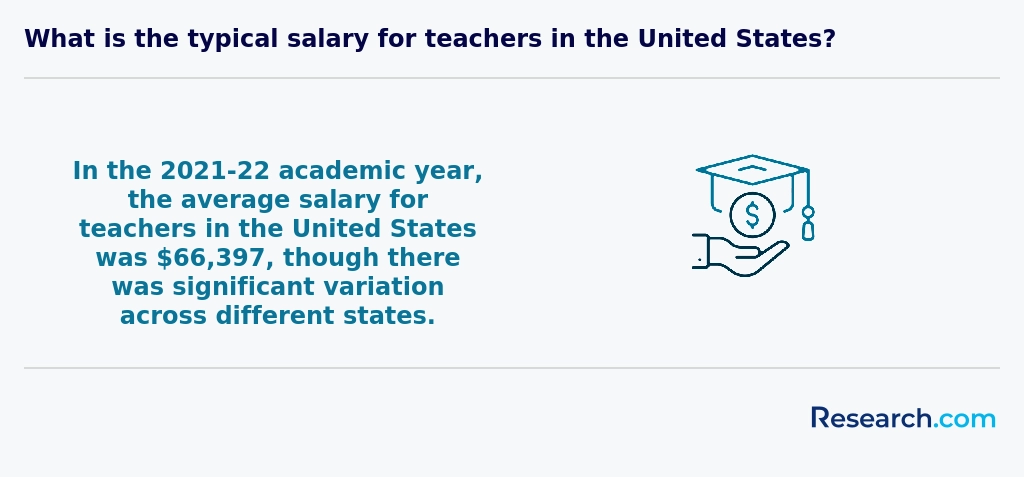
Graduates with an online education degree in America often find promising salary opportunities, though earnings vary based on specialization and location. For instance, elementary school teachers, with mean annual wages around $70,740 according to the US Bureau of Labor Statistics, typically earn a comfortable starting salary. Graduates from institutions like the University of Florida or Arizona State University, known for strong online education programs, frequently report satisfaction with these figures as they launch their careers.
Special education teachers stand out with higher earning potential; the mean annual wage is about $76,000. This role appeals to graduates who value impactful, specialized teaching and who may have experienced the rewarding challenges firsthand during their practicum placements in diverse classrooms.
For those interested in instructional design, a field that merges education and technology, the mean salary rises to approximately $77,200. Graduates from schools such as Penn State Online who pursued this path often express enthusiasm over the hybrid nature of the work and its relatively strong compensation.
English as a Second Language (ESL) teachers earn an average of $65,430 annually, providing a stable career choice for graduates passionate about cultural exchange and language education. Early childhood educators earn less on average-around $41,410-but many appreciate the foundational impact they have on young learners, reporting high job satisfaction despite comparatively modest wages.
2027 Easiest Online Bachelor's in Education Degree Programs Ranking in the USA
How do we rank schools?
Investing in your education is a significant decision that can shape your future, and the Research.com team is keenly aware of the importance of making well-informed choices. To support prospective students in selecting the easiest online bachelor's in education degree programs, we have carefully developed the "2027 Easiest Online Bachelor's in Education Degree Programs Ranking in the USA." Our dedication to quality, credibility, and accuracy is demonstrated through rigorous research and thorough analysis.
We utilized the following reputable data sources to ensure a comprehensive evaluation of these programs:
By reviewing this ranking, readers will gain valuable insights into accessible online education degree options, enabling them to make confident decisions about their academic journey. For more information about how this ranking was created, please visit our Research.com methodology page.
# 1 position
Bethel University, Minnesota
Bachelor of Special Education


# 5 position
University of Southern Mississippi
Bachelor of Elementary Education, Teacher Assistant program


# 16 position
Mississippi State University
Bachelor of Elementary Education with concentrations in Early Childhood or Middle School


Key Findings
- Public universities charge between $7,000 and $15,000 per year for in-state students, while out-of-state or private institutions can cost over $20,000 annually.
- Early-career educators earn an average salary of $50,000 to $55,000, which can increase to $70,000 or more with experience or advanced roles.
- Employment for elementary and secondary school teachers is projected to grow by about 5% from 2021 to 2031, similar to average job growth.
- Accreditation from agencies like CAEP is important for federal financial aid eligibility and teacher certification in many states.
- Most online bachelor's degrees in education take about four years to complete, with some options for accelerated or part-time study.
- Teacher certification often requires passing standardized exams and completing supervised teaching experiences in certain states.
How long does it take to complete online education degree in America?
Completing an online education degree in America typically mirrors the timeline of traditional programs but offers flexibility that can significantly impact the duration. For example, at well-known institutions like Arizona State University or the University of Florida, students pursuing a bachelor's in education generally expect to finish in about four years if studying full-time. This involves completing roughly 120 to 130 credit hours encompassing both foundational and specialized coursework.
Yet many online learners balance jobs and family, leading some graduates to extend their studies to six years or more by enrolling part-time. Conversely, motivated students at schools such as Liberty University have accelerated their degrees, finishing in as little as 2.5 to 3 years. Others have reduced their time through prior learning credits, including Advanced Placement or military experience.
Graduate education programs, such as Master's degrees offered by institutions like Johns Hopkins or Vanderbilt, usually take between one to three years online. Many graduates value the ability to tailor their schedules amid professional commitments, even if this means a longer completion time.
Licensure and Certification Requirements
One of the most critical steps after earning your Online Bachelor’s in Education is obtaining state licensure and professional certification. While program curricula provide the academic foundation, you must also meet specific requirements to legally teach in K–12 settings across America. Understanding the pathway early ensures you align coursework and field experiences with licensure mandates-and, for many students, exploring what is the best online associate in education program can lay a strong foundation before diving into bachelor-level requirements. Key components of the licensure process include: • State-Specific Exams: Most states require passing scores on exams such as the PRAXIS Core, PRAXIS Subject Assessments, or equivalent teacher certification tests. • Supervised Clinical Practice: You must complete a student-teaching internship, typically ranging from 12 to 16 weeks of full-time classroom instruction under a certified mentor teacher. • Background Checks and Fingerprinting: Federal and state laws mandate clear criminal history records before granting teaching licenses. • Professional Portfolio or Performance Assessment: Several states require submission of a digital teaching portfolio showcasing lesson plans, student assessments, and reflections on pedagogical growth. After meeting these prerequisites, you’ll submit official documentation to your state’s Department of Education. Once approved, you’ll receive your Initial or Standard Teaching License, enabling you to confidently step into roles such as elementary school teacher, instructional coordinator, or curriculum specialist-backed by both your online education degree and recognized certification.
What's the difference between online and on-campus education degree?
Online and on-campus education degree programs in America differ chiefly in delivery and daily experience, each suiting distinct student needs. Graduates from universities like Arizona State University appreciate how online degrees offer flexibility, enabling them to balance work and family while accessing lectures and assignments digitally at convenient times. This flexibility often translates to lower overall costs, since commuting and housing expenses are reduced.
Conversely, students attending traditional colleges such as the University of Michigan value the face-to-face interaction and hands-on practice that on-campus programs provide. These experiences-including in-person student teaching placements-are crucial for many states' licensure requirements and foster a vibrant learning community essential for some learners' success.
Both paths demand practicum hours, but on-campus programs might streamline placement due to local partnerships. While online programs attract those needing schedule adaptability, on-campus degrees appeal to individuals seeking immersive social environments. Choosing between these depends on personal circumstances and learning preferences rather than a simplistic better-or-worse comparison.
Continuing Your Education: Graduate Programs and Pathways
Many graduates leverage an online bachelor’s in Education as a springboard to advanced degrees, further specialization, and leadership roles. Pursuing a master’s in Education can deepen your expertise in curriculum design, administration, or special education, often leading to higher salaries and broader career options. When planning your graduate studies, consider program length (typically 18–24 months), credit transfer policies, and available specializations such as Educational Leadership or Instructional Technology. Cost-conscious students should explore rankings like the Cheapest Online Master’s in Education Degree Programs Ranking in South Carolina, which highlights accredited institutions offering competitive tuition rates. Many programs include flexible, part-time tracks and accelerated formats-perfect for working educators. Key considerations for selecting a graduate program: • Accreditation and state approval-ensure credentials meet licensure requirements. • Specialization alignment-choose a focus that matches your career goals, whether it’s curriculum development, policy, or technology integration. • Financial aid and assistantships-investigate scholarships, graduate teaching assistant roles, and employer partnerships. By strategically choosing a master’s pathway, you not only expand your pedagogical toolkit but also position yourself for roles such as instructional coordinator, school principal, or district-level administrator.
What is the average cost of online education degree in America?
For many students pursuing an education degree online in America, understanding the average cost is essential for planning finances effectively. The median total cost for completing such a degree typically falls around $50,386, but this figure can shift based on residency. In-state students often benefit from significantly lower expenses, averaging closer to $37,692, while out-of-state students may face costs upwards of $60,764. These differences reflect tuition variations at popular public institutions known for strong education programs, where attending in-state can be a real financial advantage.
Graduates from well-regarded universities often share how careful budgeting and exploration of scholarships helped them navigate these costs. Many emphasize that tuition is just one part of the financial picture; fees for technology access, books, and certification exams can add up. Students studying education online frequently highlight that these additional expenses influence their out-of-pocket costs, reinforcing the importance of factoring in all fees before enrolling.
Considering tuition and fees for online education degrees in the USA, it's clear that federal financial aid and scholarships for education majors can make a meaningful difference. For example, some students appreciate accelerated programs offered by institutions with flexible formats, which can reduce the time and money spent overall. Prospective learners interested in pathways to earn their credentials affordably should also explore resources such as the what is the best online associate in education program for options suited to their goals.

What financial aid is available to online education degree students in America?
For students pursuing online education degrees in America, financial aid often begins with federal options like the Free Application for Federal Student Aid (FAFSA), which unlocks access to grants and loans. Many graduates from popular schools such as the University of Florida or Arizona State University have found that Pell Grants, which can provide up to $7,395 annually, significantly ease the cost burden without the stress of repayment. This aid can make a real difference in managing tuition that averages over $10,000 at public institutions.
In addition, federal loans-both Direct Subsidized and Unsubsidized-offer manageable borrowing options. For instance, students at the University of Texas who balance work and studies appreciate that subsidized loans don't accumulate interest while enrolled half-time, reducing financial pressure during busy semesters.
State and school-specific scholarships also play a role. Many education majors at institutions like Boston College have successfully applied for grants tailored to future teachers, including the TEACH Grant, which encourages service in underserved schools by awarding up to $4,000 annually. These targeted supports help many graduates feel optimistic about their career and financial futures.
Lastly, employer tuition assistance programs have been instrumental for working professionals, allowing those studying online at schools like Western Governors University to continue advancing without overwhelming debt. This blend of aid types creates a hopeful landscape, though navigating the options requires persistence and careful planning.
State Licensure and Certification
Earning an online education degree is just the first step; obtaining state certification ensures you’re eligible to teach in public schools.
- Graduate from an accredited program recognized by your state education board
- Complete required supervised clinical or student-teaching hours
- Pass content and pedagogy exams (e.g., Praxis I & II)
- Submit a background check and fingerprint clearance
- Apply for an initial teaching license with your state agency
Some students streamline this pathway through accelerated degree programs, which integrate coursework and field experiences in a more compact timeframe.
What are the prerequisites for enrolling in online education degree program in America?
Enrolling in an online education degree in America usually starts with a high school diploma or GED, a basic yet essential step that graduates from schools like the University of Florida or Arizona State University recognize as foundational. For many, submitting official transcripts becomes the next challenge, a process that helps admissions teams gauge readiness for the academic demands ahead.
Some programs also encourage letters of recommendation from teachers or employers, providing a personal touch. Graduates often reflect on how these endorsements highlighted their dedication and communication skills, qualities highly valued in education careers. Personal statements allow applicants to share their passion and career goals, an opportunity especially appreciated at selective institutions where commitment truly counts.
Applicants aiming for teaching licensure might need prerequisite coursework in subjects like math or English, echoing state certification requirements. While some programs still request SAT or ACT scores, many adopt test-optional policies, making access more flexible for diverse applicants. This balance between rigor and accessibility shapes a pathway grounded in both opportunity and preparation.
What courses are typically in online education degree programs in America?
Online education degree programs in America generally include courses designed to build both theoretical understanding and practical teaching skills. Graduates from institutions like the University of Florida or Arizona State University often recount how classes in educational psychology helped them understand student learning styles, which proved invaluable when managing diverse classrooms during their practicum.
Core courses typically cover foundations of education, where students explore the history and laws governing U.S. schools. This background provides context, enabling future teachers to confidently navigate policy requirements. For example, graduates appreciate learning about curriculum design, which equips them with strategies to create effective lesson plans adaptable to varied student needs.
Practical application courses such as classroom management and assessment methods prepare students to handle real challenges like student engagement and measuring progress. Graduates frequently describe feeling empowered by hands-on experiences supported by instructors at colleges like Western Governors University, which emphasize instructional technology crucial for today's hybrid classrooms.
While some may question if online formats can fully capture the classroom dynamics, many find that these courses, supported by virtual simulations and supervised practicum, offer a flexible yet solid foundation for entering the education field.
What types of specializations are available in online education degree programs in America?
Online education degree programs in America typically offer a variety of specializations tailored to different career goals and classroom settings. Common tracks include Early Childhood Education, Elementary and Secondary Education, Special Education, Educational Leadership, and Curriculum and Instruction. Graduates from well-known institutions often share how focusing on these areas helped them confidently enter classrooms or administrative roles. For instance, a graduate specializing in Secondary Education at a major state university highlights how subject-specific content like science or English prepared them to address diverse middle and high school needs effectively. Considering these options is crucial since the best teaching specializations in America often align with both personal passions and regional certification requirements, ensuring smoother licensure.
Some programs also offer specializations in English as a Second Language (ESL) or educational technology, reflecting the needs of increasingly diverse and digital classrooms. Many prospective students find exploring affordable pathways beneficial, such as those listed in the Cheapest Online Master's in Education Degree Programs Ranking in South Carolina, which highlight practical routes to achieving specialized education degrees online in the US.
How do you choose the best online education degree in America?
Choosing the best online education degree in America involves more than just picking a school with a recognizable name. Graduates from reputable universities emphasize verifying accreditation, preferably regional or specialized ones like CAEP, to ensure the degree holds value with employers. Experiences from students at popular colleges often highlight the importance of curriculum relevance-such as selecting programs that offer concentrations aligned with personal career goals, whether in special education or educational leadership. This focus enhances both satisfaction and job prospects.
Affordability remains a critical factor; many find that tuition costs between $7,000 and $12,000 annually for public programs are manageable, but fees for technology or materials can add up unexpectedly. Considering financial aid is wise. Flexibility is another key point-graduates juggling work and family appreciate asynchronous classes combined with strong support services like advising and tutoring.
To explore options thoughtfully, prospective learners can refer to the list of nationally accredited universities as a starting place. Understanding these elements helps in choosing from the best online education degrees in the USA that fit one's unique situation and ambitions.

What career paths are available for online education degree students in America?
Graduates holding an online education degree in America often find diverse career opportunities beyond traditional classroom teaching. While many pursue teaching jobs with online education degree America credentials to become licensed K-12 educators, specializing in subjects such as math or special education, others explore roles in educational administration. Graduates from universities like the University of Florida or Arizona State report satisfaction moving into school leadership or curriculum coordination, where the work impacts broader student outcomes and offers higher median salaries.
Some opt for positions as educational consultants or instructional coordinators, combining strong communication skills with curriculum expertise developed during their programs. Others embrace emerging trends in educational technology, working to design and manage digital learning platforms - a field growing rapidly according to federal education reports. One graduate from a popular online program described the excitement of shaping innovative e-learning systems that cater to diverse student needs.
Additionally, careers in higher education such as academic advising or admissions counseling appeal due to their student-focused support roles. Those looking for accelerated options appreciate that many institutions now offer a one year online masters degree to navigate these pathways efficiently. Overall, the landscape for online education degree career options USA remains broad but requires careful consideration of accreditation and state certification requirements.
What is the job market for online education degree in America?
The job market for graduates with an online education degree in America shows a generally positive outlook, especially for those who combine their credential with state certification and practical experience. For example, graduates from well-known programs at popular colleges often describe how their flexible online studies allowed them to balance life and work, ultimately enabling seamless entry into K-12 teaching roles across various states. Such practical flexibility is commonly valued by employers in both urban and rural districts.
While traditional classroom positions remain important, many graduates find that their training in educational technology prepares them well for emerging roles in virtual learning environments. Graduates from schools with strong online education portfolios tend to highlight confidence in approaching digital platforms, an edge in today's evolving educational landscape. This dynamic reinforces the positive online education degree job outlook USA, with opportunities stretching into instructional coordination and special education.
Tuition affordability also influences interest, with many online programs offering cost structures more manageable than traditional degrees. Students curious about accelerating their pathway might explore whats the fastest associates degree to get, complementing their education goals efficiently. Despite salary variance by location, the promise of career advancement remains strong for those committed to growth and adapting to diverse teaching careers.
Frequently Asked Questions About education
Online education degree students in America can maximize their learning experience by actively engaging with course materials and instructors. Research from the National Center for Education Statistics (NCES) shows that students who participate regularly in online discussions are 19% more likely to complete their programs. Establishing a consistent study schedule helps manage time effectively, especially since 74% of online learners also balance work or family responsibilities (NCES, 2022).
Utilizing university resources such as tutoring, academic advising, and technical support can greatly enhance understanding and retention. Joining virtual study groups or professional networks also promotes collaboration and practical application of knowledge. Prioritizing these strategies ensures online education degree students in the US achieve academic success and skill development.
The education field in America is evolving rapidly, with several emerging niches gaining attention among online degree seekers. One prominent area is educational technology, where professionals focus on integrating digital tools to enhance learning experiences. According to the National Center for Education Statistics, demand for experts in this field is expected to grow by 13% through 2030.
Another niche is special education, particularly with an emphasis on inclusive practices and support for students with disabilities. The U.S. Bureau of Labor Statistics projects a 10% growth in special education teaching jobs over the next decade.
Additionally, early childhood education remains a significant focus, driven by increased recognition of its impact on long-term academic success. Online degrees targeting curriculum development for young learners are increasingly popular. These emerging specialties reflect the changing needs of American education systems and workforce trends.
After completing an online education degree in America, preparing for the job market requires strategic planning. Start by gaining practical experience through student teaching or internships, which 96% of education graduates find valuable, according to the National Center for Education Statistics (NCES).
Networking is crucial; join professional organizations such as the National Education Association (NEA) to connect with educators and access job listings. Additionally, obtaining state certification or licensure is essential, as nearly all public school teaching jobs require it.
Enhancing skills like classroom management, digital literacy, and communication improves employability. Using career services and attending job fairs can also increase opportunities in a competitive market.
Employers in the U.S. education sector prioritize several key skills in graduates holding education degrees. According to the National Center for Education Statistics (NCES), strong communication skills top the list, as effective interaction with students, parents, and colleagues is crucial. Critical thinking and problem-solving abilities are also essential, enabling teachers to adapt lessons and classroom management strategies. Additionally, cultural competence is increasingly valued, given the diversity of American classrooms. Technology proficiency is important too, with many schools integrating digital tools into teaching. Finally, classroom management skills remain fundamental, supporting a positive learning environment and student engagement.
Finding internships related to an education degree in America involves strategic planning and using available resources. Many universities with online education programs offer career services that connect students with local and national internships, often partnering with school districts and educational organizations.
The U.S. Bureau of Labor Statistics highlights that internships can improve employment prospects by providing hands-on experience and networking opportunities. Students should also explore platforms like Handshake or LinkedIn, where over 70% of internships are posted annually.
Additionally, professional associations such as the American Association of Colleges for Teacher Education (AACTE) often list internships and fellowships tailored to education majors.
Obtaining an online education degree in America can significantly enhance career mobility and advancement prospects. According to the National Center for Education Statistics (NCES), online degrees are increasingly recognized by employers, helping graduates qualify for higher-level positions.
Online education degrees offer flexibility, allowing working professionals to gain credentials without leaving their job, which supports continuous career growth. Reports from the U.S. Bureau of Labor Statistics show that educators with bachelor's degrees typically earn 19% more annually than those without.
Additionally, many states require teaching licenses linked to accredited degrees, and completing an online program can meet these standards. The Council for the Accreditation of Educator Preparation (CAEP) accredits numerous online education programs, enhancing their credibility.
Therefore, an online education degree can open doors to promotions, salary increases, and diverse roles within the education sector.
Studying for an education degree in America equips students with versatile skills necessary for interdisciplinary roles. Many programs integrate coursework from psychology, sociology, and technology, providing a well-rounded understanding of how diverse factors influence learning. According to the National Center for Education Statistics, over 70% of education degree programs include training in collaboration and communication, essential in interdisciplinary work.
Online education degrees often emphasize practical experience, encouraging students to apply knowledge across fields such as special education, counseling, and curriculum design. This prepares graduates to work effectively with professionals from varied backgrounds in schools, nonprofits, and government agencies.
Choosing between a thesis and a non-thesis education degree program in America depends largely on your career goals and learning preferences. Thesis programs require in-depth research and culminate in a formal written project, which is ideal if you seek roles in research, policy, or further graduate study. According to the National Center for Education Statistics, thesis options are more common in research-intensive universities.
Non-thesis programs often focus on practical skills and coursework, preparing students for immediate application in teaching or administration. They may also be shorter, appealing to working professionals who need flexibility. It's important to consider your time, academic interest, and career path before deciding.
American students seeking education degrees abroad have several practical options through online programs offered by U.S. institutions with global reach. Many accredited universities partner with international campuses or offer fully online bachelor's degrees recognized across borders. According to the National Center for Education Statistics, over 30% of American undergraduates enrolled in distance education courses in 2023, pointing to growing flexibility for studying abroad virtually.
Some programs integrate international teaching standards and offer multicultural curricula to prepare graduates for diverse classrooms worldwide. Students should verify accreditation by U.S. bodies such as the Council for the Accreditation of Educator Preparation to ensure degree recognition both domestically and abroad.
Part-time job opportunities that complement education degrees in America can provide valuable experience and income while studying online. Many students work as teacher assistants or paraprofessionals in K-12 schools, helping with instruction and classroom management. According to the U.S. Bureau of Labor Statistics, these roles often require some postsecondary education, aligning well with current studies.
Another common option is tutoring, either independently or through programs like the National Tutoring Association. Tutors support students in specific subjects, enhancing communication and teaching skills. Additionally, positions such as educational content developers or curriculum reviewers offer experience related to lesson planning and assessment development.
These roles not only supplement income but also build professional skills relevant to future teaching careers.
Online education students in America have various networking opportunities, despite not being on campus. Many accredited institutions offer virtual networking events, such as webinars, career fairs, and alumni panels. According to the National Center for Education Statistics, over 80% of online students access these resources through their school's platforms.
Social media groups and professional associations also provide valuable contacts. The American Association of Colleges for Teacher Education supports online learners by hosting forums and conferences, enabling meaningful connections.
Additionally, internships and practicum placements often connect students with in-person mentors and local educators, fostering direct professional relationships essential for future careers.
Alumni networks play a vital role for online education degree students in America by fostering professional connections across diverse regions. According to the National Center for Education Statistics, over 7 million students enrolled exclusively in distance education courses in 2021, increasing the importance of digital networking.
These networks provide access to mentorship, job opportunities, and career advice. Graduates often share industry insights that benefit current students navigating education roles nationwide.
Studies show that 85% of jobs are filled through networking, making alumni connections essential for online learners who may lack traditional campus experiences.
Moreover, alumni events and online communities help build a sense of belonging and professional identity.
Customizing an online education degree in America begins with selecting a program that offers flexible concentrations or specializations aligned with your career goals. Many accredited universities provide options such as early childhood education, educational leadership, or special education, allowing students to focus their studies.
Additionally, you can tailor your coursework by choosing electives that enhance specific skills or knowledge areas. Some programs also offer practical components like internships or student teaching placements, enabling hands-on experience in your desired field.
The ability to transfer credits or pursue certifications within the program further personalizes your degree, supporting professional advancement. According to the National Center for Education Statistics, over 70% of online education students report customization as a significant factor in program selection.
Students pursuing online education degrees in America commonly face several challenges that can impact their success. A primary difficulty is maintaining motivation and time management without the structure of in-person classes. According to the National Student Clearinghouse Research Center, online students often report feeling isolated due to limited peer and instructor interaction.
Technical issues also pose barriers; reliable internet access and familiarity with learning platforms are essential but not universal. The U.S. Department of Education highlights that nearly 15% of students struggle with adequate technology or connectivity.
Additionally, the perception of online degrees may affect career prospects, as some employers remain cautious about online credentials despite growing acceptance.
With an online education degree in America, you can pursue various professional certifications that enhance your career opportunities. One of the most common is state certification for K-12 teaching, required by most public schools. According to the National Center for Education Statistics, about 90% of public school teachers hold such certification. Other certifications include the Reading Specialist and Special Education certifications, which allow you to specialize in literacy or working with students with disabilities.
Many graduates also pursue National Board Certification, a prestigious voluntary process that can increase salary and job prospects. Additionally, certificates in educational technology or administration offer pathways into school leadership or instructional design fields.
When applying to an online education program in America, your application must clearly demonstrate your commitment to teaching and learning. Start with a concise personal statement explaining your motivation for pursuing an education degree and how it aligns with your career goals. Many programs value applicants who showcase relevant experience, such as volunteering or working in educational settings.
Highlight your academic achievements, including GPA and standardized test scores if requested, as the National Center for Education Statistics notes that 85% of online bachelor's applicants provide comprehensive transcripts. Letters of recommendation from educators or supervisors can strengthen your profile, emphasizing your skills and potential as a future educator.
Ensure your application is error-free and tailored to each program's unique criteria. According to U.S. News, clear, well-organized applications increase admission chances. Timing also matters; submit materials before deadlines to avoid disqualification. Finally, familiarize yourself with accreditation standards, such as those by CAEP, which assures program quality and enhances degree value.
Careers in education hold varied global perspectives, but within the United States, the demand for qualified educators remains strong. According to the U.S. Bureau of Labor Statistics, employment for kindergarten, elementary, and secondary school teachers is projected to grow by 5% from 2021 to 2031, reflecting ongoing needs in the education sector.
American online education degrees have gained recognition worldwide for flexibility and accessibility, attracting both domestic and international students. These programs often emphasize modern teaching methodologies and digital literacy, aligning with global trends toward technology integration in classrooms.
The emphasis on certification and state licensure in the U.S. also shapes career paths, often requiring practical experience and meeting strict educational standards. This regulatory framework supports high teaching quality, which influences perceptions of education careers internationally.
Gaining practical experience while studying for an online education degree in America is essential for career readiness. Many accredited universities require students to complete practicum or student teaching hours, which are arranged in partnership with local schools. According to the National Center for Education Statistics, approximately 80% of education programs include supervised field experiences as part of their curriculum.
Online students can also seek internships or volunteer opportunities at educational organizations, museums, or after-school programs. These experiences help develop classroom management and instructional skills. Additionally, some schools offer virtual simulations that mimic real classroom scenarios.
Networking with educators through online forums and professional associations further enhances practical knowledge, preparing students for diverse teaching environments.
Choosing the right concentration within an online education degree in America starts with understanding your career goals. The U.S. Bureau of Labor Statistics reports that specializations like early childhood education, special education, and educational leadership often lead to higher demand. Consider concentrations that match your interests and job market trends.
Research accreditation and curriculum quality, as regionally accredited institutions ensure recognized credentials. Also, evaluate if the concentration offers practical components, such as virtual student teaching or internship opportunities.
It's helpful to review the National Center for Education Statistics data to compare graduation and employment rates related to specific concentrations.
Top Trending Education Rankings
See What Experts Have To Say About Studying Education
Read our interview with Education experts


Nooshan Ashtari
Education Expert
Professor & Book Author
University of Southern California

References
- Can You Get Financial Aid for Online College? How It Works https://beal.edu/can-you-get-financial-aid-for-online-college/
- American College of Education | Accredited Degrees Online https://ace.edu/
- How to maximize your education benefits and supercharge ... https://csuglobal.edu/blog/how-maximize-your-education-benefits-and-supercharge-your-career
- Average Cost of Online College [2026]: Yearly Tuition + Fees https://educationdata.org/average-cost-of-online-college
- 2026 Most Affordable Online Bachelor's Degrees https://www.onlineu.com/most-affordable-colleges/bachelors-degrees
- Engaging Students in Meaningful Learning Experiences https://www.facultyfocus.com/articles/effective-teaching-strategies/engaging-students-in-meaningful-learning-experiences/
- Six Ways to Help Students Reach Their Potential https://all4ed.org/blog/six-ways-to-help-students-reach-their-potential/
- 10 Online Schools That Accept FAFSA (and How to Get ... https://www.studentloanplanner.com/financial-aid-online-colleges/
- Financial Aid for Online Programs https://www.ic.edu/online/tuition/financial-aid
- Types of Financial Aid for Online Colleges https://www.umassglobal.edu/blog-news/types-financial-aid-online-colleges


