
2027 Easiest Online Bachelor's in Education Degree Programs Ranking in the West

Co-Founder and Chief Data Scientist
Choosing the right online education degree can feel overwhelming, especially when balancing work and life. That's why this article offers the 2027 Easiest Online Bachelor's in Education Degree Programs Ranking in the West, created by the Research.com team of data scientists. It's designed to help you make an informed decision about programs that suit your needs and goals.
Getting a degree in education opens doors to rewarding careers that impact lives. Explore this ranking to find programs that make earning your degree both accessible and achievable.
Key benefits of getting online education degree in the West
- Salary for education degree graduates: Graduates can expect rewarding salaries, such as $70,740 annually for elementary school teachers and $76,000 for special education teachers, reflecting the valued impact of these roles.
- Career paths: An education degree from a well-known Western university opens doors to diverse careers, including instructional design, early childhood education, and ESL teaching, providing plenty of opportunities to find your perfect fit.
- Online degree benefits: Completing an education degree online from a respected institution offers flexibility and convenience, allowing graduates to balance work and study while advancing their careers without relocating.
- Key benefits of getting online education degree in the West
- What can I expect from online education degree in the West?
- Where can I work with online education degree in the West?
- How much can I make with online education degree in the West?
- 2027 Easiest Online Bachelor's in Education Degree Programs Ranking in the West
- Key Findings
- How long does it take to complete online education degree in the West?
- Understanding State Teacher Certification Requirements
- What's the difference between online and on-campus education degree?
- Licensure and Certification Requirements in the West
- What is the average cost of online education degree in the West?
- Accreditation and Certification Requirements
- What financial aid is available to online education degree students in the West?
- Accreditation and State Licensure
- What are the prerequisites for enrolling in online education degree program in the West?
- Accreditation and Importance in Online Education Degree Programs
- What courses are typically in online education degree programs in the West?
- What types of specializations are available in online education degree programs in the West?
- How do you choose the best online education degree in the West?
- What career paths are available for online education degree students in the West?
- What is the job market for online education degree in the West?
- Top Trending Education Rankings
- See What Experts Have To Say About Studying Education
What can I expect from online education degree in the West?
The average cost of an online education degree in the Western United States generally falls between $6,000 and $15,000 per year for in-state students, depending largely on the institution's public or private status. Graduates from well-known public universities in the region often speak positively about the affordability combined with the quality of education, emphasizing how financial aid and scholarships dedicated to education majors helped reduce their burden. Many find that the more flexible pricing options and asynchronous course formats allow them to balance work, family, and study without excessive stress.
For example, graduates of prominent institutions report feeling empowered by programs that are not only budget-friendly but also accredited by respected agencies like the WASC Senior College and University Commission. This accreditation assures students that their investment aligns with rigorous standards accepted by school districts and state licensure boards across the West, including California's credentialing bodies.
Looking ahead, the increasing adoption of technology and online platforms hints at even more cost-effective models emerging, making education degrees widely accessible without sacrificing quality for students in the region.
Where can I work with online education degree in the West?
Graduates with an online education degree from well-known Western institutions like Arizona State University or the University of Washington often find themselves stepping into teaching roles across K-12 schools, fueled by the strong demand projected in states such as California, where over 500,000 teaching positions will need filling by 2027. This creates tangible excitement as many alumni share stories of quickly securing positions in public or private schools, confident their credentials are recognized across the region.
Beyond classroom teaching, graduates thrive in educational administration roles-imagine becoming a curriculum coordinator or a principal, guiding innovative learning approaches in districts near Portland or Denver. The pathway is often enriched by combining practical experience with certifications, opening doors to roles whose demand is expected to steadily grow.
Another vibrant avenue is educational technology, especially in California's Silicon Valley, where graduates bring both education and tech know-how to help design next-generation learning tools. Those who studied at tech-forward campuses, like the University of California, Berkeley, share enthusiasm about shaping digital classrooms that reach diverse communities.
Community colleges and adult education centers throughout the West, including those affiliated with the Western Interstate Commission for Higher Education, offer alumni rewarding roles as advisors or program coordinators, making a real impact on lifelong learners. Graduates also find joy working in nonprofits focused on youth education and advocacy in metropolitan hubs like Seattle, where their efforts in program management uplift entire communities.
How much can I make with online education degree in the West?
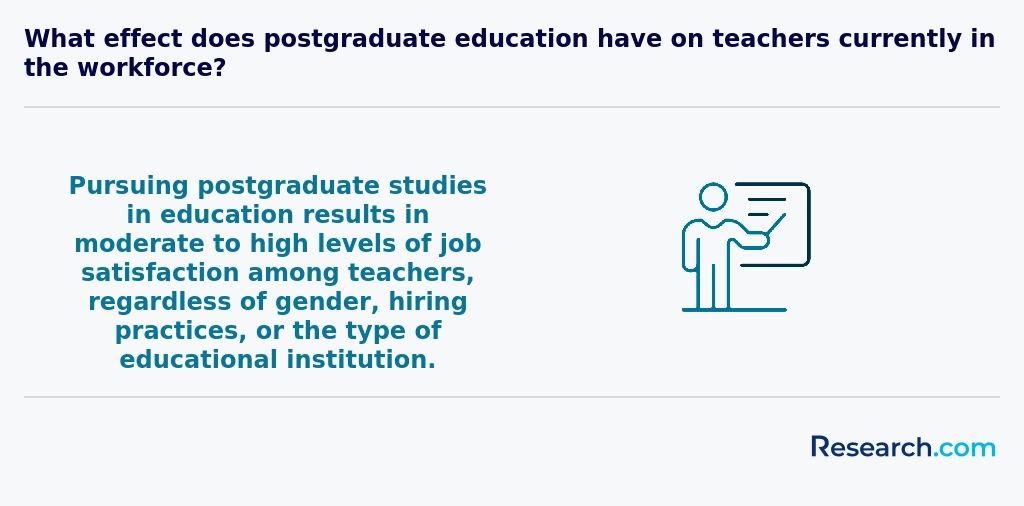
Graduates of online education degrees in the Western U.S. find themselves stepping into roles with promising salary prospects. For instance, those who become elementary school teachers earn an average annual wage near $70,740, while special education teachers reach around $76,000. These figures reflect the rewarding nature of teaching careers in states like California and Washington, where graduates from well-known institutions enjoy the advantages of competitive regional pay.
Instructional designers also emerge as well-compensated professionals, typically earning about $77,200 yearly. Graduates working in this area often contribute to curriculum innovation and digital learning, a sector growing rapidly in renowned Western universities and colleges.
Early childhood educators can expect around $41,410 annually, offering a meaningful start to those passionate about foundational learning. ESL teachers, with a mean wage of $65,430, provide vital support in diverse communities, often benefiting from urban centers' increasing demand.
Many graduates embrace the dynamic education landscape of the West, motivated by strong starting salaries that grow with experience and extra certifications. This fosters optimism as they envision careers that combine passion, impact, and financial stability through continuous professional growth.
2027 Easiest Online Bachelor's in Education Degree Programs Ranking in the West
How do we rank schools?
Investing in your education is a significant decision that can shape your future, and the Research.com team understands the importance of making informed choices. To assist prospective students in the western United States, we have meticulously crafted the "2027 Easiest Online Bachelor's in Education Degree Programs Ranking in the West." Our commitment to quality, credibility, and accuracy is reflected in the extensive research and analysis conducted to compile this ranking.
We utilized the following reputable data sources to ensure a comprehensive evaluation of online education degree programs:
By exploring this ranking, readers will gain valuable insights into the easiest online bachelor's programs in education in the western region, helping them make confident and informed decisions about their academic journeys. For more details on our methodology, please visit our Research.com methodology page.

# 2 position
National University
Bachelor of English with an Inspired Teaching and Learning and a Preliminary Single Subject Teaching Credential (California)

# 3 position
Aspen University
Bachelor of Early Childhood Studies

# 4 position
Colorado Christian University
Bachelor of Elementary Education with Licensure


# 9 position
Western Governors University
Bachelor of Mathematics


Key Findings
- Online education degrees in Western states like California, Oregon, Washington, and Nevada are available from accredited institutions offering bachelor's to master's programs.
- Public universities charge $7,000 to $15,000 per year for in-state students, while out-of-state tuition ranges from $15,000 to $25,000 annually; private schools often exceed $30,000 total.
- Employment for elementary and kindergarten teachers in the West is projected to grow by about 7% through 2030, slightly above the national average.
- Starting salaries for education graduates range from $45,000 to $52,000 annually, increasing to $65,000 to $75,000 or more with experience and certification.
- Students must ensure programs are regionally accredited and meet state licensure requirements, including exams and supervised teaching hours.
How long does it take to complete online education degree in the West?
Others juggling work and family find part-time enrollment invaluable, extending their studies to five or six years but allowing balanced progress without burnout. One graduate recalls how flexible online courses from California State University helped maintain steady momentum despite a busy life.
Accelerated options, increasingly popular in the West, let highly motivated learners finish in just three years. A graduate from Oregon State University felt empowered by intensive, year-round terms, opening doors to faster career transitions.
Looking ahead, the growing integration of technology and adaptive learning systems in Western colleges promises to further personalize pacing, helping students complete degrees efficiently while staying engaged and motivated in real-world settings.
Understanding State Teacher Certification Requirements
Before enrolling in an online bachelor’s in education program, it’s essential to ensure the curriculum aligns with your target state’s teacher certification standards. Accreditation by bodies such as CAEP or regionally recognized agencies guarantees your coursework satisfies professional benchmarks and state licensure requirements. Each state specifies its own pathway to certification, often including prerequisites like minimum GPAs, fingerprinting and background checks, student-teaching hours, and successful completion of standardized exams (e.g., Praxis, CBEST, MTEL). Key steps to verify and complete certification:
- Confirm the program holds CAEP or NCATE accreditation and is recognized by your state’s department of education.
- Review state-specific testing requirements and exam prep support (for Praxis Core, Subject Assessments, or equivalent).
- Complete the mandated field experiences or student-teaching placements under a certified mentor teacher.
- Submit your application for initial licensure, including official transcripts, exam scores, and proof of background clearance.
- Monitor renewal and professional development obligations to maintain an active teaching license. Programs that proactively guide candidates through these requirements often report higher pass rates and faster time-to-hire. If you plan to advance into graduate study for leadership roles or specialized certifications, explore our Affordable Online Master’s in Education Degree Programs Ranking in Columbia, MO to compare pathways that seamlessly integrate bachelor’s and master’s level licensure preparation.
What's the difference between online and on-campus education degree?
Graduates from leading Western institutions often describe on-campus education degrees as immersive experiences filled with dynamic face-to-face interactions and structured routines. Imagine attending scheduled classes in vibrant campus buildings, using extensive library resources, and forming study groups that spark lively debates on teaching methods. This hands-on environment fosters strong connections with peers and professors, enriching the learning journey.
In contrast, online education degree students appreciate the freedom to tailor their schedules around work or family commitments. One graduate from a well-known Western university shared how virtual classrooms allowed continuous engagement without sacrificing time for their children. Online programs are increasingly adopting interactive platforms that simulate real-time discussions, making remote learning feel less isolating. Some programs even facilitate local partnerships for fieldwork, enabling practical teaching experiences close to home.
Looking ahead, the integration of hybrid models could blend the best of both worlds-combining flexible online coursework with in-person immersion at institutions prominent in the West. This evolving approach promises to enhance accessibility while preserving the rich community aspects students value deeply.
Licensure and Certification Requirements in the West
Once you’ve earned your online bachelor’s in Education, obtaining a state teaching license is essential for placement in public and charter schools across Western states. Although each State Board of Education has its own rules, the typical path includes: 1. Program Accreditation • Ensure your online degree holds regional accreditation (e.g., WSCUC, NWCCU) and meets state-approved educator preparation standards. • Verify that your coursework aligns with required credit hours in pedagogy and subject matter. 2. Subject-Area Examinations • Pass a general teaching exam (often the Praxis Core) plus a subject-specific test (elementary, secondary math, English, etc.). • Schedule exams through your state’s testing portal and allow 4–6 weeks for score reporting. 3. Supervised Clinical Practice • Complete a 12–16 week student-teaching internship under a certified mentor teacher. • Submit mentor evaluations and reflective portfolios to demonstrate classroom competence. 4. Application & Background Clearance • File your teaching license application online with official transcripts, exam results, fingerprint/background checks, and any state fees. • Track approval timelines (usually 4–8 weeks) and follow up promptly on any missing documentation. 5. Renewal & Professional Development • Maintain your credential through continuing education credits or approved professional development workshops. • Consider pursuing specialized endorsements or career options with online masters degree in education to advance into leadership, counseling, or administrative roles. By mapping out these licensure steps early-right alongside your coursework-you can transition seamlessly from an Online Education degree into a fully certified teacher, ready to make an impact in Western classrooms.
What is the average cost of online education degree in the West?
When exploring the average cost of online education degree programs in the West, many students find that expenses can vary significantly based on residency and institution type. Graduates from well-known public universities report that in-state tuition offers a more manageable price point, often aligning with median in-state total costs that remain considerably lower than out-of-state fees. Meanwhile, out-of-state students typically encounter higher tuition reflecting the demand and quality of education at these institutions.
Students from private colleges in the Western states often share mixed feelings; while the tuition is higher, the added benefits like personalized support and smaller class environments often justify the investment. These factors contribute to the total tuition and fees for online bachelor's in education Western states commonly surpassing national averages, especially as higher living costs influence overall pricing. Handling these expenses requires thoughtful budgeting, particularly since additional fees for textbooks and technology may add unexpected costs over time.
Many prospective learners find encouragement through available financial aid and scholarships tailored for online education programs, which help ease the financial burden. Graduates frequently recall how such support not only made their education affordable but also motivated them to stay committed throughout the program. For those curious about future career opportunities, exploring career options with online masters degree in education can provide valuable insight and inspiration while considering the full scope of educational investment.
Accreditation and Certification Requirements
Verify accreditation and state certification approval to secure quality training and eligibility for teaching licensure.
- Regional accreditation (WASC, NWCCU) confirms academic standards and transferability.
- CAEP accreditation and state board approval align coursework with licensure exams.
- State-specific requirements often include student teaching hours and passing PRAXIS or equivalent tests.
- Many graduates build on their bachelor’s credential by pursuing edd degrees for advanced leadership roles.
What financial aid is available to online education degree students in the West?
Students pursuing online education degrees in the West often find relief through various financial aid options that make their goals achievable. Graduates from universities like the University of Washington or California State University share how federal aid, such as Pell Grants and subsidized loans accessed via FAFSA, helped ease the financial burden during their studies. Imagine balancing coursework with a federal Work-Study job connected to a local school district, offering both income and valuable experience.
State-specific programs in Washington and Oregon provide grants targeting local residents, especially for those entering teacher preparation tracks, reducing tuition costs significantly. Many online learners also report success in securing scholarships from institutions or organizations focused on supporting returning adult students or minorities in education.
Some graduates describe the relief brought by loan forgiveness or tuition reimbursement offered by school districts when they commit to teaching in rural Western communities. Employers in tech hubs like Seattle increasingly offer tuition assistance, making it easier for professionals to advance without financial strain.
Accreditation and State Licensure
Choosing an online education degree in the West with proper accreditation and licensure alignment ensures your credential is recognized and prepares you for state certification.
- Look for regional accreditation from agencies recognized by the U.S. Department of Education (e.g., WASC for Western institutions).
- Verify the curriculum meets your state’s teacher certification requirements, including required practicum hours and exam preparation.
- Confirm credit transfer policies if you plan to pursue advanced degrees or move between states.
For fast, quality pathways that adhere to these standards, explore our accelerated bachelors degree guide.
What are the prerequisites for enrolling in online education degree program in the West?
For online education degree programs in the Western United States, prerequisites typically begin with a high school diploma or GED, setting a clear foundation for success. Graduates from institutions like the University of California and Western Washington University often reflect on the relief they felt when meeting GPA requirements around 2.5, knowing it marked their readiness for college-level study in education.
Many students recall how submitting transcripts from previous colleges helped universities tailor their learning paths, especially when transferring credits or using Advanced Placement scores. Imagine the confidence gained after passing required background checks-an essential step for those excited about student teaching opportunities, ensuring safe environments for future classrooms.
Beyond academics, technical skills and reliable internet access are crucial. Graduates often share how completing orientation modules eased early anxieties, making online platforms feel intuitive. These evolving prerequisites show a promising trend: programs focusing on readiness holistically, allowing motivated students across the West to embark on fulfilling education careers with optimism and strong support.
Accreditation and Importance in Online Education Degree Programs
One of the most crucial aspects to consider when selecting an online education degree program in the West is accreditation. Accreditation ensures that the program meets certain standards of quality and is recognized by employers and other educational institutions. Regional accreditation is particularly respected in the US higher education system. For example, the top online education programs in California, such as [top online education programs in California](https://research.com/rankings/education/best-online-education-master-ca), are typically accredited by agencies like the Western Association of Schools and Colleges (WASC). This accreditation not only validates the quality of education but also enables students to receive financial aid and transfer credits more easily. Graduates from accredited institutions often report higher job satisfaction and greater confidence in their educational experiences, making it a pivotal factor in their academic journey.
What courses are typically in online education degree programs in the West?
Students pursuing online education degrees in the West typically engage with core courses such as educational psychology, which helps them understand how children develop and learn at various stages. Graduates from well-known Western institutions often describe moments when these insights transformed their approach, like tailoring lessons to individual student needs during virtual internships.
Foundations of education courses, common in these programs, offer engaging perspectives on the historical and philosophical roots of American schooling, grounding students in purpose and passion. Curriculum development classes then challenge them to design meaningful lesson plans, often tested in simulated classroom environments that reflect diverse Western communities.
Methods of teaching courses cover strategies for different age groups, emphasizing inclusive education. Many online learners share how these classes prepared them to confidently support students with special needs or from various cultural backgrounds, enhancing their empathy and adaptability.
Emerging courses in technology integration equip students to leverage digital tools effectively, a necessity highlighted by graduates who've led hybrid classrooms or developed interactive learning modules. Specializations like bilingual education and STEM prepare future educators to meet evolving demands, perfectly suited to the West's diverse population and job market.
What types of specializations are available in online education degree programs in the West?
Online education degree specializations West are continually evolving to meet the changing needs of students and communities. Graduates from leading institutions in the West often share how early childhood education and special education tracks deeply changed their approach to teaching young learners and those with unique needs, respectively. These specializations are designed not only to develop core skills but also to adapt to inclusive classroom environments that reflect the region's diversity.
Many students embracing elementary and secondary education programs at well-known Western universities find excitement in focusing on subjects like STEM or bilingual education, especially given the demand for dual-language proficiency in states like California. These hands-on experiences prepare educators for modern challenges, including helping non-native English speakers thrive.
Emerging trends suggest growing interest in educational leadership and adult continuing education, allowing graduates to pursue careers beyond traditional K-12 roles. For those weighing options, resources such as the Affordable Online Master's in Education Degree Programs Ranking in Columbia, MO offer insights into accessible programs that match these evolving specializations.
How do you choose the best online education degree in the West?
Choosing the best online education degree in the West involves envisioning how your learning journey will fit into your lifestyle and career ambitions. Graduates from prominent Western universities often share how program flexibility was crucial-they appreciated asynchronous courses that let them balance family, work, and study. In this evolving landscape, seeking programs that blend solid theoretical foundations with practical, locally arranged student-teaching placements offers a clear path to licensure and classroom confidence.
Emerging trends suggest affordability remains vital, especially for those pursuing affordable online teaching degrees Western US. Many find value in comparing not only tuition but also total program costs, including support services and technology platforms that simplify remote learning. Some turn to resources like the fastest associates degree online options to accelerate their entry into education careers without sacrificing quality.
Future-focused students also consider strong faculty engagement and tech usability, which make a real difference in online education success stories across California and Oregon institutions. Graduation rates and job placement data from these programs inspire confidence, helping prospective learners feel hopeful about their professional futures in education within the Western states.
What career paths are available for online education degree students in the West?
Graduates with an online education degree in the West often find themselves pursuing diverse career paths that extend well beyond classroom teaching. Many step into teaching jobs for education graduates West, where states like California and Washington have a high demand for licensed educators in K-12 schools. These roles allow graduates to specialize in areas such as special education or secondary education, helping them make a meaningful impact on student development.
Others explore educational administration positions at institutions similar to the University of Washington, where online degree holders leverage their skills toward becoming school principals or academic coordinators. These roles not only offer leadership opportunities but also require forward-thinking approaches to school management, reflecting a growing need for innovative educational leaders.
Emerging trends also include careers in educational technology and instructional design, where graduates contribute to shaping digital classrooms and curriculum development, embracing the future of blended learning models popular across Western universities. Additionally, many find rewarding roles in educational counseling, providing crucial support to students navigating academic and career challenges.
For those interested in fast-tracking their career, graduates often complement their degrees with 6 month online certificate programs high paying jobs that enhance their qualifications and job prospects.
What is the job market for online education degree in the West?
The job market for online education degrees in the West is promising, especially as graduates from prominent universities embrace flexible learning paths while preparing for diverse teaching roles. Many graduates share experiences of how programs in California and Oregon provide strong foundations for entering public and private education sectors. These programs often integrate technology skills, aligning with the growing demand for educators fluent in digital tools.
Employment outlook for online education graduates Western US highlights expanding opportunities not only in urban centers but also in rural districts facing teacher shortages. Graduates from Western colleges appreciate the adaptability of online degrees, which often include pathways leading to state-specific licensure, a vital step for teaching in public schools across Western states.
For students exploring options, institutions often link their offerings to colleges that offer dual degree programs, providing additional credentials that enhance employability. The outlook remains positive, fueled by steady student enrollment growth and the evolving educational landscape in the Western region.
Frequently Asked Questions About education
Students pursuing online education degrees in the Western United States can enhance their learning experience by actively engaging with their coursework and peers. Research shows that students who participate in discussion forums and virtual study groups tend to perform better academically (Western Interstate Commission for Higher Education, 2023). Additionally, setting a structured daily schedule helps maintain focus and manage time effectively, critical for successful online learning.
Utilizing university resources such as online tutoring and academic advising is also important. Many Western universities offer these services free of charge to distance learners. According to the National Center for Education Statistics (2022), students taking advantage of support services report higher satisfaction and retention rates. Finally, seeking internships or practicum opportunities within local school districts can provide valuable hands-on experience complementary to online studies.
The field of education is evolving quickly, especially within online degree programs in the Western United States. Emerging niches include special education, educational technology, and bilingual education. According to the National Center for Education Statistics, demand for special education professionals is projected to grow by 8% from 2022 to 2032.
Educational technology is another fast-growing niche, driven by the increasing use of digital tools in classrooms. The Western region sees a significant uptake in programs focusing on instructional design and e-learning.
Bilingual education also offers expanding job opportunities due to growing diverse populations in states like California and Oregon. Programs targeting dual-language teaching skills are gaining popularity among online learners.
Preparing for the job market after completing an online education degree in the West requires strategic planning. First, graduates should verify their program's accreditation, as employers in the US often prefer degrees from regionally accredited institutions. According to the National Center for Education Statistics, accredited online programs report employment rates above 80% within six months of graduation.
Networking is also essential. Joining professional groups like the American Federation of Teachers or local education associations can connect graduates with opportunities. Additionally, obtaining state-specific teaching certifications remains critical, since most Western states require licensure for classroom teaching roles.
Internships and volunteer positions in schools further enhance practical experience and resume strength.
Employers in the Western US highly value education degree graduates who demonstrate strong communication and classroom management skills. According to the National Center for Education Statistics (NCES), the ability to engage diverse student populations is essential in Western school districts, reflecting the region's multicultural demographics.
Critical thinking and adaptability are also top skills, with 68% of school administrators citing these qualities as vital for new teachers (WestEd, 2023). Online education degrees increasingly emphasize technology integration, preparing graduates to utilize digital tools effectively in remote and hybrid learning environments.
Lastly, collaboration and leadership skills remain crucial, as teamwork with colleagues and community involvement positively impact student success in Western education settings.
Finding internships in the Western United States relevant to an education degree requires a strategic approach. Many universities in states like California, Washington, and Oregon offer online degree students access to local school districts for practicum and internship placements. The Council for the Accreditation of Educator Preparation reports that partnering with local K-12 schools is common for hands-on experience.
Online platforms such as Handshake and LinkedIn frequently list education internships in the West. Additionally, contacting school districts directly can uncover opportunities not widely advertised.
According to the California Department of Education, internships completed in public schools help students gain essential classroom skills and often lead to job offers after graduation.
In the Western United States, obtaining an online education degree can significantly enhance career mobility and advancement. According to the Western Interstate Commission for Higher Education (WICHE), online degrees are increasingly recognized by employers, especially in education and public service sectors.
These degrees offer flexibility, allowing working professionals to upskill without interrupting their careers. Data from the National Center for Education Statistics (NCES) shows that educators with bachelor's degrees from accredited online programs often qualify for higher-paying roles and leadership positions.
Moreover, schools in the West tend to value certificates and degrees from regionally accredited institutions, enabling graduates to access promotion opportunities. This trend supports a growing demand for qualified teachers in states like California and Washington, enhancing job security.
Studying for an education degree in the Western U.S. offers strong preparation for interdisciplinary roles by integrating diverse subject areas within teacher preparation programs. Many universities emphasize collaboration across fields such as psychology, sociology, and technology, equipping students to address complex educational challenges.
According to the Western Interstate Commission for Higher Education (WICHE), over 70% of education programs in this region include coursework in multicultural education and educational technology, fostering versatile skills.
This approach helps graduates adapt to roles in curriculum development, counseling, and educational leadership, where interdisciplinary knowledge is essential.
Online formats enhance access to varied resources, facilitating practical learning across disciplines.
When choosing between a thesis and a non-thesis education degree program in the West, students should consider their career goals and learning preferences. Thesis programs typically require original research and a formal paper, which may suit those interested in further graduate study or research-oriented careers. Non-thesis options often focus on coursework and practical skills, favored by students aiming to enter the workforce quickly.
In the U.S., many Western universities offer both options, with thesis tracks often requiring 6-12 additional credits for research. According to the Western Interstate Commission for Higher Education, about 40% of education degrees in this region include a research component.
Students should also assess time commitment, faculty support, and personal interest in research when deciding between these formats.
Students based in the Western United States seeking online education degrees with an international perspective have several options. Many accredited universities in the West offer fully online Bachelor's and Master's programs in education that follow U.S. standards but also include global teaching methodologies.
Some programs partner with institutions abroad for study abroad opportunities or international practicum experiences, providing students exposure to diverse education systems while completing their degree remotely. According to the Western Interstate Commission for Higher Education (WICHE), over 30% of online education degrees in the region incorporate international content or collaborations.
Additionally, students can pursue schools that offer flexible online curricula with courses focused on comparative education or global policy, helping prepare graduates for careers in international education sectors.
Part-time job opportunities in the Western United States that complement online education degrees are varied and practical. Many students work as teacher assistants or substitute teachers, gaining hands-on classroom experience while pursuing their studies. According to the U.S. Bureau of Labor Statistics, these roles often require some postsecondary education, making them ideal for education degree students.
Other relevant jobs include tutoring, where students can support K-12 learners in subjects aligned with their future teaching focus. Additionally, jobs in childcare centers or after-school programs provide valuable experience in early childhood and youth development.
Positions in educational nonprofits or community outreach programs also offer insights into education policy and administration. These roles can enhance a student's resume and better prepare them for a range of career paths in education within the West.
Online education students in the Western United States have access to growing networking opportunities despite the virtual format. Many universities provide online platforms and virtual events designed to connect students, such as discussion forums, group projects, and live webinars. For instance, institutions like California State University and the University of Washington offer career services and alumni networking events specifically for online learners.
Regional professional organizations, such as the California Teachers Association, often welcome online students, increasing access to mentors and local job openings. According to the Western Interstate Commission for Higher Education, nearly 70% of Western public universities now integrate networking tools into their online programs. These systems foster community and career growth for remote education students across the West.
Alumni networks provide vital support to online education degree students in the Western United States by fostering professional connections and mentorship. Many Western universities boast strong alumni communities that organize events, workshops, and job fairs tailored to education graduates. According to a 2023 National Association of Colleges and Employers (NACE) report, 60% of education students found job opportunities through such networks. These connections often lead to internships and employment in local school districts, especially in states like California and Washington, where demand for qualified educators is rising. Alumni access also gives students insight into evolving teaching methods and policy trends across the region.
Customizing an online education degree in the Western US allows students to align their studies with specific career goals. Many institutions offer flexible electives, concentrations, or endorsements in areas such as special education, curriculum design, or educational technology. According to the Western Interstate Commission for Higher Education (WICHE), roughly 70% of Western universities provide online degree pathways with customizable options.
Students can also select practicum or internship placements relevant to their target career setting, such as K-12 schools or adult education programs. This practical experience enhances job readiness and networking opportunities within regional education systems. Advisors often help guide course selections to match licensure or certification requirements in states like California, Washington, and Oregon.
Online education students in the Western United States face several challenges that can impact their success. A key issue is limited access to reliable high-speed internet, especially in rural areas, which affects 20% of households per the Federal Communications Commission (FCC) 2023 report. This digital divide can impede participation in live classes and timely submission of assignments.
Another challenge is maintaining motivation and managing time effectively. Without the structure of in-person classes, many students struggle with procrastination and balancing studies alongside work or family responsibilities, as noted in a 2022 National Center for Education Statistics study.
Lastly, students often encounter fewer networking opportunities and less personalized support compared to traditional programs, which can affect career development and engagement.
With an online education degree, you can pursue various professional certifications that enhance your career prospects. One of the most common is the state teaching credential, required for K-12 public school educators in the West. Each state, such as California, Washington, and Oregon, has specific licensure requirements governed by their respective departments of education.
Beyond teaching credentials, graduates can earn certifications like the National Board Certification, widely recognized across the US for advanced teaching skills. Additionally, specialized certificates in areas like special education, TESOL (Teaching English to Speakers of Other Languages), or educational technology are popular choices.
These certifications often increase employment opportunities and potential salaries. According to the National Center for Education Statistics, states in the Western US report steady demand for certified teachers and education specialists through 2030.
Writing a winning application for an online education program in the West requires clear demonstration of your academic readiness and professional goals. Admissions committees often look for well-crafted personal statements that explain why you want to pursue an education degree and how it fits with your career plans.
Including relevant experience, such as teaching or volunteer work, strengthens your application. According to the National Center for Education Statistics, over 30% of online applicants in education programs highlight practical experience as a key factor.
Ensure your transcripts reflect solid academic performance, especially in courses related to education or social sciences. Also, prepare strong letters of recommendation from educators or employers familiar with your dedication.
Highlight your ability to manage time and stay motivated, as online learning demands self-discipline. Be honest and specific in answering prompts, and carefully proofread your entire application.
Globally, a career in education is widely respected, with many countries recognizing the critical role teachers play in shaping future generations. In the West, particularly in the United States, education careers are linked to steady job growth. According to the U.S. Bureau of Labor Statistics, employment for kindergarten through secondary school teachers is projected to grow by 5% from 2021 to 2031, reflecting ongoing demand.
Online education degrees have expanded access for Western students, offering flexible pathways to become licensed educators. Many U.S. states require specific certifications, but online programs often prepare students to meet these standards.
Internationally, while salaries and prestige vary, education careers remain essential for social development. This global recognition enhances the value of an education degree earned online in the West.
Gaining practical experience while pursuing an online education degree in the Western United States is essential for career readiness. Many online programs incorporate supervised student teaching or practicum components, providing hands-on learning in local schools. According to the California Department of Education, over 80% of accredited online education programs require fieldwork to meet licensure standards.
Additionally, students can seek internships or volunteer opportunities in nearby school districts to broaden their experience. Organizations like the Oregon Department of Education also promote partnerships between online programs and local schools to support practical training.
Engaging in virtual simulations and peer collaboration projects further enhances applied skills.
Choosing the right concentration within an online education degree program in the Western US involves considering your career goals and regional demand. Popular concentrations include special education, curriculum design, and educational technology, reflecting diverse career paths in local schools and districts.
According to the Western Interstate Commission for Higher Education (WICHE), Washington, California, and Oregon emphasize special education and STEM teaching due to teacher shortages. Researching labor market trends in these states can guide your choice.
Additionally, verify that your chosen concentration aligns with state licensure requirements, as these vary across the West.
Top Trending Education Rankings
See What Experts Have To Say About Studying Education
Read our interview with Education experts


Nooshan Ashtari
Education Expert
Professor & Book Author
University of Southern California

References
- Online Degree Programs & Courses - WIU https://www.wiu.edu/online/
- Online Degree Costs in 2026: Full Breakdown https://uecampus.com/public/blog/online-degree-costs-in-2026-what-you-re-really-paying-for
- Real-World Experiences in Education: Boosting Student ... https://fsukinternationalcollege.com/2024/07/bridgingreal-world-experiences-in-education/
- 10 Online Schools That Accept FAFSA (and How to Get ... https://www.studentloanplanner.com/financial-aid-online-colleges/
- Types of Financial Aid for Online Colleges https://www.umassglobal.edu/blog-news/types-financial-aid-online-colleges
- The Power of Real-World Learning https://impactcommunityacademy.qld.edu.au/2025/03/the-power-of-real-world-learning/
- Undergraduate Online Financial Aid https://www.bushnell.edu/financial-aid/undergraduate-online/
- Guide to Online Education Degrees https://www.oedb.org/rankings/online-education-programs/
- Online Degree vs. Traditional: Choosing the Right Path https://beal.edu/online-degree-vs-traditional/
- WU Online vs Other Universities | Quality, Cost & Support https://westernuniversity.us/media/blog/wu-online-vs-other-universities-or-quality-cost-and-support/68e793e87b61dc0e4f736ed5


