
2027 Easiest Online Bachelor's in Education Degree Programs Ranking in Wisconsin

Co-Founder and Chief Data Scientist
Choosing the right education degree program can feel overwhelming, especially when balancing busy schedules and future goals. This article presents the 2027 Easiest Online Bachelor's in Education Degree Programs Ranking in Wisconsin, thoughtfully created by the Research.com team of data scientists to guide you in making a confident decision.
By exploring this ranking, you'll discover programs that offer flexibility and quality, helping you pursue a rewarding career in education with less stress. Earning your degree online can open doors to meaningful opportunities, and we're here to support you every step of the way.
Key benefits of getting online education degree in Wisconsin
- Education degree graduates in Wisconsin can expect competitive salaries, such as Special Education Teachers earning around $76,000 annually and Instructional Designers making about $77,200 on average.
- Typical career paths include roles in elementary education, special education, and instructional design, reflecting the diverse opportunities available to graduates from institutions like the University of Wisconsin-Madison.
- Online education degrees offer flexibility and convenience, allowing graduates, such as those from UW's online programs, to balance work and study while gaining valuable credentials without relocating or disrupting their daily lives.
- Key benefits of getting online education degree in Wisconsin
- What can I expect from online education degree in Wisconsin?
- Where can I work with online education degree in Wisconsin?
- How much can I make with online education degree in Wisconsin?
- 2027 Easiest Online Bachelor's in Education Degree Programs Ranking in Wisconsin
- Key Findings
- How long does it take to complete online education degree in Wisconsin?
- What's the difference between online and on-campus education degree?
- Accreditation and Licensure Requirements
- What is the average cost of online education degree in Wisconsin?
- What financial aid is available to online education degree students in Wisconsin?
- Accelerated and Credit Transfer Options
- What are the prerequisites for enrolling in online education degree program in Wisconsin?
- Accreditation and Teacher Certification in Wisconsin
- What courses are typically in online education degree programs in Wisconsin?
- What types of specializations are available in online education degree programs in Wisconsin?
- How do you choose the best online education degree in Wisconsin?
- What career paths are available for online education degree students in Wisconsin?
- What is the job market for online education degree in Wisconsin?
- Related Education Rankings for Nearby States
- Top Trending Education Rankings
- See What Experts Have To Say About Studying Education
What can I expect from online education degree in Wisconsin?
Expecting to pay a straightforward tuition sum for an online education degree in Wisconsin would be an oversimplification. On average, students often find themselves investing between $10,000 and $20,000 annually, depending on whether they choose a public institution like the University of Wisconsin or a private college. Graduates recall the relief of affordability compared to traditional programs, often citing lower campus fees and the ability to work simultaneously as critical benefits.
These students describe juggling coursework on pedagogy and classroom management with real-world teaching placements in local schools, which keeps their experience grounded in Wisconsin's educational standards. The financial flexibility granted by online formats allows them to sustain enthusiasm and motivation, resolving the tension between economic pressures and educational goals.
Moreover, many find encouragement in state-specific aid that cushions expenses, particularly for those committed to teaching within Wisconsin. This reality illustrates how the cost factor, while significant, is frequently balanced by accessible support and practical scheduling, making the dream of becoming an educator a tangible, achievable pursuit.
Where can I work with online education degree in Wisconsin?
Graduates from online education programs at institutions like the University of Wisconsin-Madison or Viterbo University often find themselves stepping confidently into classrooms across Wisconsin, where over 430,000 public school students need dedicated teachers. These graduates don't just fill seats; they become vital parts of communities, guiding young learners from elementary to high school levels with fresh, technology-savvy approaches.
Many discover rewarding roles in early childhood centers, bringing to life lessons designed to spark curiosity and growth in toddlers and preschoolers. With more than 1,700 licensed child care facilities throughout the state, these opportunities offer both stability and meaningful engagement, especially for those focused on early education concentrations.
Others leverage their degrees to become instructional coordinators or curriculum developers, crafting innovative learning experiences beyond the traditional classroom. Graduates who dive into special education find themselves empowered to support the 14% of Wisconsin students requiring tailored learning plans, making a profound difference every day.
In an era where remote learning is rapidly expanding, education professionals skilled in digital instruction are increasingly in demand, transforming how education is delivered statewide. For many, these paths prove both fulfilling and brimming with potential.
How much can I make with online education degree in Wisconsin?
Graduates from online education programs in Wisconsin often find themselves stepping into rewarding roles with competitive salaries that defy the assumption that remote learning limits opportunity. For instance, those teaching elementary school can expect an average annual salary of about $70,740, which matches well with the robust standards seen in places like the University of Wisconsin's education programs, where graduates feel confident about their financial prospects.
Beyond traditional classrooms, special education teachers earn even more, with salaries averaging around $76,000. This reflects the state's growing emphasis on specialized skills and programs, often highlighted by graduates from institutions like the Wisconsin Lutheran College who report satisfaction in both their impact and income.
Instructional designers command some of the highest wages, averaging $77,200 annually, a lucrative path for those combining creativity and education technology. ESL teachers earn about $65,430, offering another meaningful avenue for graduates passionate about diverse learning environments.
Overall, Wisconsin's online education degrees open doors to fulfilling careers where financial rewards match the dedication required-encouraging students to envision not just a job, but a thriving professional life immersed in community growth and continuous learning.
2027 Easiest Online Bachelor's in Education Degree Programs Ranking in Wisconsin
How do we rank schools?
Investing in your education is a significant decision that can shape your future, and the Research.com team understands the importance of making informed choices. To assist prospective students in Wisconsin, we have meticulously crafted the "2027 Easiest Online Bachelor's in Education Degree Programs Ranking." Our commitment to quality, credibility, and accuracy is reflected in the extensive research and analysis conducted to compile this ranking. We utilized the following reputable data sources to ensure a comprehensive evaluation of education degree programs:
By exploring this ranking, readers will gain valuable insights into accessible online education degree programs in Wisconsin, empowering them to make informed decisions about their academic journey. For more details on our methodology, please visit our Research.com methodology page.


Key Findings
- Online education degrees in Wisconsin range in cost from $10,000 to $30,000, with public universities generally offering lower tuition for in-state students.
- Entry-level teachers with a bachelor's degree in education usually earn about $45,000 annually, while experienced educators can make between $60,000 and $70,000 per year.
- The demand for qualified teachers in Wisconsin is expected to grow by around 5% through 2030 due to retirements and population changes.
- Many programs align with Wisconsin state teaching licensure requirements, helping students meet certification standards smoothly.
- Career support services and virtual advising are available to help students with licensure processes and finding teaching positions in local school districts.
How long does it take to complete online education degree in Wisconsin?
Completing an online education degree in Wisconsin often challenges the traditional four-year expectation. Graduates from the University of Wisconsin System share how flexibility played a crucial role in their journey. Some accelerated their studies, balancing work and family by taking heavier course loads or leveraging transfer credits from community colleges. Others appreciated the opportunity to pace themselves more slowly, especially those juggling part-time jobs or childcare, stretching their degree path toward five or six years without sacrificing quality.
These timelines reflect individual priorities rather than rigid program constraints. For example, a student teaching placement required by many programs at private colleges in Wisconsin can demand months of hands-on experience, making the timeline feel longer but deeply rewarding. Such real-world engagements often reinforce a graduate's passion and confidence, turning time spent into valuable professional growth.
Wisconsin's varied online programs encourage students to define their own pace, blending theory and practice in ways that respect personal circumstances while maintaining rigorous academic standards.
What's the difference between online and on-campus education degree?
Choosing between an online and on-campus education degree in Wisconsin boils down to how you want to experience learning. Graduates from the University of Wisconsin system often recall the freedom of online programs that let them study from home, balancing coursework with family or jobs without the hassle of commuting. This flexibility is a game changer for many, especially those who live far from campus or juggle work and parenting.
On the other hand, alumni from institutions like UW-Madison highlight the vibrant campus life, where in-person lectures and group projects foster connections and immediate support. They describe the energy of face-to-face interaction, which fuels motivation and builds lasting friendships.
While tuition remains similar-around $10,700 yearly for in-state students-the added costs of living near campus or traveling frequently can reshape the financial picture. Online students often express relief at avoiding these extra expenses, while on-campus learners value the immersive environment despite the trade-offs.
Ultimately, the difference isn't just format but how your life weaves around learning-whether you crave structured community or adaptable independence in your Wisconsin education journey.
Accreditation and Licensure Requirements
Accreditation is the cornerstone of any reputable Online Education degree in Wisconsin, ensuring programs meet rigorous academic and professional standards. Most Wisconsin institutions offering online bachelor’s degrees hold regional accreditation from the Higher Learning Commission (HLC) and programmatic accreditation from the Council for the Accreditation of Educator Preparation (CAEP). These endorsements guarantee that your coursework aligns with state and national benchmarks for teacher preparation, so you can transition seamlessly into the classroom or pursue advanced licensure. Before enrolling, verify that your chosen program is approved by the Wisconsin Department of Public Instruction (DPI). DPI approval confirms that the curriculum satisfies Wisconsin’s certification requirements for early childhood, elementary, secondary, or special education licensure. Look for clear pathways in course catalogs showing how each class maps to the Wisconsin Educator Standards and includes supervised teaching experiences or practicum hours essential for state certification. For students seeking additional accredited options, many begin with an associate degree recognized by both HLC and CAEP. Explore the best rated online associate in education program to establish a solid foundation that often satisfies key prerequisites for bachelor’s-level licensure tracks. Completing an accredited associate program can streamline your credit transfer process and reduce time to degree while maintaining eligibility for state teaching credentials. Finally, maintain open communication with academic advisors and the DPI licensure office throughout your degree journey. Advisors can help you track certification requirements-such as background checks, content-area tests, and fingerprinting-while the DPI ensures your online coursework fulfills all legal mandates for a Wisconsin teaching license. With accreditation and licensure clarity, you’ll enter the profession fully prepared and eligible for certification in Wisconsin’s diverse educational settings.
What is the average cost of online education degree in Wisconsin?
The average cost of an online education degree in Wisconsin hovers around $50,620, reflecting the median total cost reported for these programs. This figure challenges the common assumption that online degrees always come at steep premiums; many graduates from public universities in Wisconsin share stories of balancing quality education with affordability, especially when pursuing online bachelor's in education tuition fees Wisconsin.
Consider a student enrolled in the University of Wisconsin system, where tuition per credit hour ranges from $400 to $600, culminating in approximately 120 credits needed for degree completion. These graduates often emphasize how the online format eliminated commuting costs and accommodation fees, tipping the scale favorably towards financial and personal convenience. This saving becomes a tangible relief for residents committing to a full four-year program.
Moreover, many prospective students may find solace in exploring aid programs and state grants, such as the Wisconsin Grant, which frequently lessen the financial weight on their families. Those eager to advance their careers as educators often praise the flexibility found in online programs offered at institutions well-known throughout the state, helping them stay on track without sacrificing income from current employment.
For those still uncertain about cost, examining options like the best rated online associate in education program can provide a budget-friendly stepping stone into the field, highlighting alternative pathways that many unfinished education students applaud.

What financial aid is available to online education degree students in Wisconsin?
When pursuing an online education degree in Wisconsin, financial aid often becomes more than just a number-it's a lifeline that transforms possibility into reality. Many graduates from the University of Wisconsin system recall how federal Pell Grants and need-based aid like the Wisconsin Higher Education Grant (WHEG) radically eased their tuition burdens, allowing them to focus on learning rather than debt. These grants can cover a large chunk of costs, often between $9,000 and $15,000 annually, making education genuinely attainable.
One graduate shared how the Wisconsin Tuition Grant enabled attendance at a private nonprofit college without the looming stress of tuition bills. Scholarships from state education departments and universities, too, have lifted countless aspiring teachers out of financial uncertainty, providing both hope and relief. Veterans and military-affiliated students benefit from the GI Bill, which many found instrumental in pursuing online degrees while balancing other responsibilities.
Beyond grants and scholarships, employer tuition reimbursement programs add a layer of practical support for working adults stepping into education careers, illustrating that financial aid in Wisconsin's online education programs is multidimensional, flexible, and deeply personal.
Accelerated and Credit Transfer Options
Many online education degrees in Wisconsin offer accelerated tracks and flexible credit transfer policies to help you complete your program more quickly without sacrificing quality.
- Transfer up to 90 credits from regionally accredited institutions, including associate degrees and previous bachelor’s coursework
- Earn credit through Prior Learning Assessments (PLA) by demonstrating professional experience or military training
- Test out of foundational courses with CLEP and DSST exam credits accepted by most programs
- Take advantage of summer, winter and intensive 8-week sessions to stay on pace or graduate early
These options reduce time to degree and overall cost. To explore nationally recognized accelerated programs, check out fast track schools.
What are the prerequisites for enrolling in online education degree program in Wisconsin?
To step into an online education degree program in Wisconsin, you must first secure a high school diploma or GED, a foundational step echoed by graduates from institutions like UW-Madison and Marquette University. Many recall the challenge of meeting minimum GPA expectations, often around 2.5 to 3.0, which validated their readiness for rigorous coursework ahead. While test-optional policies have emerged, submitting ACT or SAT scores can still open doors, especially at competitive colleges. Think of this as a way to demonstrate your potential beyond transcripts.
Beyond academics, personal commitment is crucial. Graduates frequently highlight the importance of letters of recommendation and crafting a statement of purpose that captures their passion for teaching. Passing background checks and prerequisite courses in English and math also shape your eligibility, reflecting Wisconsin's insistence on qualified, responsible future educators.
Many recall the weight of foundational skills tests required for licensure paths, a hurdle that ultimately affirmed their dedication to impacting Wisconsin classrooms. Choosing an accredited program not only meets state standards but fosters confidence in one's professional journey.
Accreditation and Teacher Certification in Wisconsin
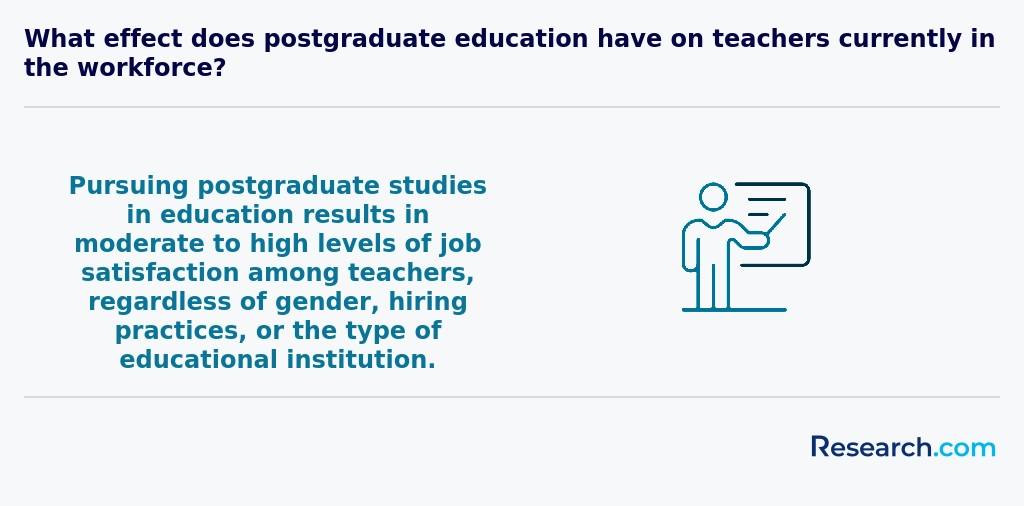
One of the most critical factors when choosing an online Education degree in Wisconsin is program accreditation and alignment with state teacher certification requirements. Accredited programs uphold rigorous academic standards recognized by the Council for the Accreditation of Educator Preparation (CAEP) or the National Council for Accreditation of Teacher Education (NCATE), ensuring your online education coursework meets Wisconsin Department of Public Instruction (DPI) guidelines. Completing an accredited program not only guarantees you will receive a high-quality curriculum but also smooths the path to licensure by preparing you for Wisconsin’s Foundations of Reading Test, edTPA performance assessment, and other required examinations. After graduation, aspiring teachers must apply for initial or advanced licenses through the DPI Educator Licensing Online (ELO) system. Key steps include submitting official transcripts from an accredited institution, documenting completion of a background check, and providing proof of required test scores. Most online programs in Wisconsin integrate interactive workshops or virtual practicum placements that simulate classroom environments, giving you hands-on experience in lesson planning, classroom management, and student assessment before you apply for certification. Continuing education and professional development are integral to maintaining licensure in Wisconsin. Accredited online Education degree programs often offer optional graduate certificates, endorsements in areas like Special Education or Bilingual Education, and partnerships with state schools to deliver in-service credits. For educators aiming to advance their careers beyond initial licenses-whether into educational leadership, curriculum design, or higher education teaching-exploring doctoral pathways can be transformative. To compare affordable advanced options, consider our Most Affordable Online Doctorate in Education Degree Programs Ranking in Texas for insights on cost-effective doctoral study. By choosing an accredited online Education program that aligns with Wisconsin’s licensure framework, you demonstrate to employers and parents alike that your credentials are credible and current. Whether you plan to teach in urban districts like Milwaukee Public Schools or rural settings across the Northwoods, proper accreditation and certification preparation ensure you are fully equipped to lead, inspire, and transform classrooms statewide.
What courses are typically in online education degree programs in Wisconsin?
Online education degree programs in Wisconsin typically immerse students in a blend of foundational courses such as educational psychology, instructional technology, curriculum development, classroom management, and student assessment. Graduates from popular institutions like the University of Wisconsin often reflect on how these courses transformed their approach to teaching-helping them understand not just what to teach, but how students truly learn within diverse classroom settings.
For instance, a student studying instructional technology at a leading state college shared excitement about integrating digital tools effectively, turning passive lessons into interactive experiences. Meanwhile, coursework in curriculum development challenges future educators to design lesson plans that resonate with real kids facing real challenges.
The necessity of classroom management and hands-on practicum, often arranged locally, brings theory alive-graduates describe this as the moment they felt confident stepping into their first classroom, blending empathy with structure. This nuanced curriculum, tailored to Wisconsin's standards, invites reflection on how preparation meets practical need in the state's evolving education landscape.
What types of specializations are available in online education degree programs in Wisconsin?
Wisconsin's online education degree specializations invite you to rethink the traditional paths into teaching and educational leadership. Graduates from renowned institutions like the University of Wisconsin-Madison often highlight how elementary education tracks enable them to confidently shape early literacy and numeracy skills, fulfilling the state's strong demand for foundational learning. Meanwhile, those pursuing secondary education find themselves immersed in subject-focused programs such as math or social studies, preparing them to meet Wisconsin's specific licensing requirements with expertise and pride.
Notably, students drawn to Wisconsin online teaching degree options frequently emphasize the deeply rewarding challenge of special education. Here, the programs go beyond theory-they equip future educators with practical tools to design inclusive classrooms and create individualized education programs (IEPs), vital for supporting diverse learners. This focus helps graduates feel genuinely prepared to make a difference for students with disabilities.
Emerging tracks in instructional design and educational technology are especially exciting to students navigating a world where remote and hybrid learning redefine teaching roles. Many recall their experience developing digital content that transformed their local classrooms. Those aiming for leadership roles appreciate programs centered on administration and policy, which foster the skills needed to lead schools forward.
For those interested in affordable yet robust options in education, consider exploring the Most Affordable Online Doctorate in Education Degree Programs Ranking in Texas as a benchmark, which highlights how tuition savings parallel accessibility-a key factor for many.
How do you choose the best online education degree in Wisconsin?
Choosing the best online education degree in Wisconsin means looking beyond surface claims and diving into what truly shapes your future as an educator. Graduates from University of Wisconsin campuses often share how accreditation from bodies like CAEP not only assured them of quality but also smooth licensure paths-vital for working in Wisconsin schools. The practical reality of balancing full-time jobs and family life is eased by programs offering flexible coursework schedules and robust practicum experiences tailored to state standards. When students reflect on their journey, affordable programs at public universities stand out, with tuition averaging $9,000 to $12,000 per year, making affordable online teaching degrees in Wisconsin a smart and reachable investment without settling for anything less than respected credentials.
Many Wisconsin learners find that measuring graduation rates and job placement helps detect genuine support systems, something graduates from these programs often praise as motivating and confidence-building. Exploring options must also include checking technical help and accessible resources to tackle the challenges of remote study. For those committed to reliable excellence, consulting online colleges that are accredited nationally provides clarity amidst the noise and ensures alignment with career goals.
What career paths are available for online education degree students in Wisconsin?
Graduates with an online education degree in Wisconsin find themselves at a crossroads of diverse career paths that extend far beyond traditional classroom teaching. Many become licensed K-12 teachers, inspired by their experiences at renowned institutions like the University of Wisconsin-Madison, where graduates appreciate the strong preparation for passing the Wisconsin Foundations of Reading Test and state certification. These teaching roles offer not only stable incomes but also the rewarding chance to shape young minds in urban and rural settings alike, reflecting the real impact of online teaching careers in Wisconsin.
Others pursue specialized roles such as special education teachers, addressing unique challenges in inclusive classrooms across the state, or step into leadership as school principals and district coordinators. Graduates from college programs emphasize the satisfaction of influencing school culture and policies while commanding higher salaries. Online degree holders also explore careers as curriculum specialists or instructional coordinators, vital roles in shaping educational quality and innovation.
For those weighing cost and time, some opt for pathways like the associate degree fast track, balancing affordability with career advancement. These varied professional options illustrate how education degree job prospects Wisconsin steadily evolve, inviting candidates to rethink the full spectrum of opportunities their degree can unlock.
What is the job market for online education degree in Wisconsin?
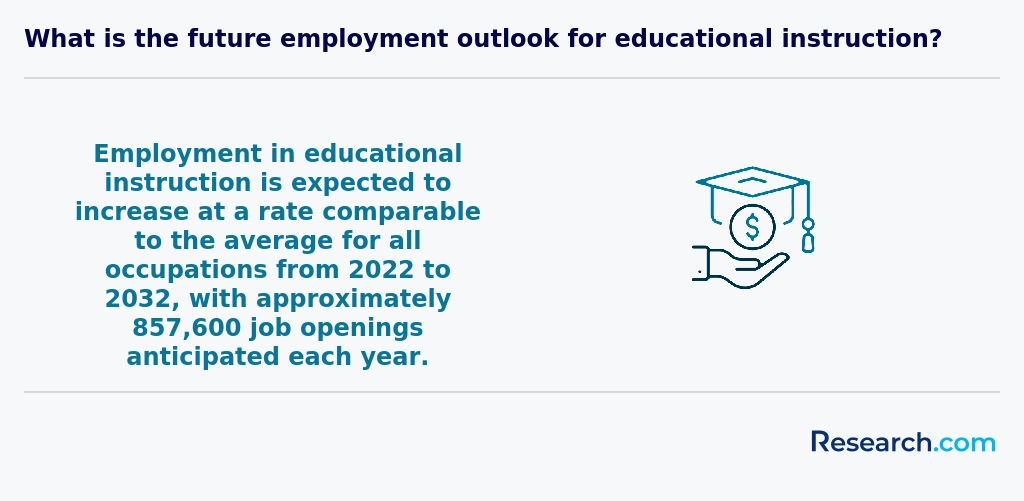
The job market for an online education degree in Wisconsin challenges the stereotype of stagnant opportunities. Graduates from well-regarded institutions such as the University of Wisconsin-Madison or edgewood College often find themselves stepping into roles beyond traditional classrooms. These roles can span from instructional coordination to curriculum development, reflecting how flexible education backgrounds fuel diverse career paths. The Wisconsin job outlook for education graduates remains strong, especially as districts face shortages in key areas like math and special education, creating fertile ground for new educators.
Graduates report feeling empowered by the ability to study online while balancing work and family, especially as many programs align with state licensure requirements. Salaries averaging around $61,000 make the profession competitive locally, and tuition affordability further eases access to these careers. The demand grows with urban expansion, but opportunities also exist in counseling and administration, showing that an online education degree in Wisconsin unlocks more than just classroom teaching positions.
For students drawn to varied professional avenues, exploring related fields such as trade school careers that pay well can present additional financial security while pursuing their passion for education.
Frequently Asked Questions About education
Online education degree students in Wisconsin can enhance their learning by actively engaging with course materials and participating in virtual discussions. According to the Wisconsin Department of Public Instruction, collaboration and consistent communication with instructors improve academic success. Utilizing available campus resources-such as tutoring centers and library databases-also supports deep understanding.
Time management is crucial, especially balancing studies with personal and professional responsibilities. Structuring weekly study schedules can increase productivity. Wisconsin's public universities often provide online workshops on study techniques tailored for distance learners.
Finally, connecting with peers through study groups or social media networks encourages knowledge sharing and motivation, boosting student retention and performance.
Emerging niches within the education field in Wisconsin reflect broader national trends emphasizing technology integration, mental health, and diversity. Online education degrees increasingly focus on specializations such as educational technology, where students learn to design digital learning environments. According to the Wisconsin Department of Public Instruction, demand for professionals skilled in remote and blended learning is expected to grow significantly by 2027.
Another key area is school counseling and mental health support, responding to a rise in student wellness concerns after the COVID-19 pandemic. Additionally, culturally responsive teaching that promotes equity and inclusion is gaining importance. Wisconsin's diverse student population drives this need, shaping curricula and teacher training.
After completing an online education degree in Wisconsin, preparing for the job market involves several practical steps. First, graduates should connect with the Wisconsin Department of Public Instruction (DPI) for up-to-date licensure requirements, as certification is often necessary for teaching roles.
Networking is vital; joining local education associations like the Wisconsin Education Association Council can open doors to job opportunities and professional development.
Building a strong resume and practicing interview skills tailored to Wisconsin schools increases hiring chances. According to the Wisconsin DPI, demand for teachers is growing, especially in special education and STEM subjects.
Internships or student teaching experiences gained during the online program enhance real-world readiness, which employers highly value.
Employers in Wisconsin's education sector prioritize several key skills when hiring graduates of education degree programs. Strong communication skills are essential, as educators must effectively interact with students, parents, and colleagues. Classroom management is another critical skill, helping teachers maintain an orderly and productive learning environment.
Data from the Wisconsin Department of Public Instruction highlights problem-solving and adaptability as increasingly important, especially as schools integrate new technologies and teaching methods. Additionally, knowledge of state education standards and the ability to create inclusive lesson plans are highly valued.
Understanding student assessment and differentiation is also crucial, enabling teachers to address diverse learning needs and improve student outcomes across Wisconsin's public schools.
Finding internships in Wisconsin related to an education degree involves leveraging local school districts, universities, and educational organizations. The Wisconsin Department of Public Instruction (DPI) provides resources and listings for student teaching and internship opportunities across the state.
Many Wisconsin universities also partner with public and private schools to offer practical internships as part of their education programs. For online students, virtual internship opportunities have increased, allowing more flexibility in placement.
Networking through platforms like the Wisconsin Education Association Council (WEAC) can connect you with mentors and openings. Additionally, contacting local schools directly or using internship databases such as Handshake can be effective.
According to the National Center for Education Statistics, more than 10,000 education-related internships were completed by Wisconsin students in recent years, emphasizing the importance of practical experience.
Obtaining an online education degree in Wisconsin can significantly enhance career mobility and advancement opportunities. According to the Wisconsin Department of Public Instruction, over 100,000 licensed educators work in the state, many seeking further qualifications to advance their roles or salaries. Online programs provide flexibility for working professionals to earn credentials without interrupting their careers.
Completing an accredited online education degree can qualify graduates for higher-level positions such as instructional coordinators or school administrators. Additionally, Wisconsin uses a tiered licensing system where advanced degrees often unlock eligibility for specialized roles and salary increases.
The Wisconsin Educational Attainment Report highlights that educators with bachelor's degrees plus additional certifications typically outperform peers in both job retention and promotion prospects.
Studying for an education degree in Wisconsin equips students with skills to work across multiple disciplines. Programs often emphasize collaborative teaching methods, integrating technology, psychology, and sociology courses to prepare educators for diverse classroom environments.
According to the Wisconsin Department of Public Instruction, about 30% of new teachers engage in interdisciplinary roles that involve special education or community-based projects, highlighting the need for versatile training. Many online education degrees in Wisconsin include practicum experiences, allowing students to apply theory in real-world settings where they engage with various educational stakeholders.
This approach ensures graduates can address complex learning needs and adapt to evolving educational demands beyond traditional teaching.
When choosing between a thesis and a non-thesis education degree program in Wisconsin, consider your career goals and time commitment. Thesis programs often suit those aiming for research, advanced study, or academic roles, as they require conducting original research and writing a formal thesis. Non-thesis programs focus more on coursework and practical skills, appealing to professionals seeking direct application in schools or educational settings.
According to the Wisconsin Department of Public Instruction, practical experience is highly valued in local schools, making non-thesis degrees a popular option. Time-wise, thesis programs may take longer to complete due to research demands, which is important for working students.
Review the curriculum offered by your chosen online university to ensure it aligns with your objectives. State-wide data show over 60% of online education students in Wisconsin select non-thesis paths, emphasizing applied learning.
Students in Wisconsin seeking education degrees with an international focus have several pathways through online programs. Many universities offer study-abroad opportunities integrated into their online education degrees, allowing learners to gain global perspectives without leaving the state. For example, University of Wisconsin System schools sometimes provide virtual exchange programs or abroad practicum options aligned with licensure requirements.
Additionally, Wisconsin students can consider partnerships between their online institution and foreign universities, supported by credit transfer agreements. According to the Wisconsin Department of Public Instruction, these options help meet state education standards while promoting cultural competence, which is increasingly valued in teaching careers nationwide.
Part-time job opportunities in Wisconsin that complement education degree studies often involve roles directly related to teaching and youth development. Positions such as teacher's aide, substitute teacher, and after-school program assistant are common and provide valuable hands-on experience. According to the Wisconsin Department of Public Instruction, substitute teaching demand increased by 12% between 2020 and 2023, offering flexible hours suitable for students.
Other options include tutoring, which aligns with curriculum knowledge and helps develop communication skills. Additionally, working in childcare centers or libraries supports educational development and community engagement. These roles foster practical skills important for future educators.
Online education students in Wisconsin have several networking opportunities despite the virtual format. Many universities, such as the University of Wisconsin System, offer dedicated online student organizations and forums to connect peers and faculty.
Additionally, students can participate in local education conferences and workshops, often accessible to online learners, providing chances to meet educators statewide.
The Wisconsin Department of Public Instruction supports initiatives that enable networking through mentorship programs and regional educator events.
Furthermore, platforms like LinkedIn host statewide groups where students and professionals in education exchange resources and job leads, enhancing career connections.
Alumni networks play a vital role in supporting online education degree students in Wisconsin by providing valuable connections and resources. These networks allow students to engage with graduates who have firsthand experience in local education systems and careers. According to the Wisconsin Department of Public Instruction, many districts prefer candidates with strong professional connections, which alumni networks help cultivate.
Students benefit from mentorship opportunities, job leads, and advice on navigating employment within the state. Additionally, alumni events and online forums enable ongoing professional development and community engagement, critical for career growth in education.
Networking through these groups often improves employment outcomes and helps students adapt to Wisconsin's evolving educational landscape.
Customizing an online education degree program in Wisconsin allows students to align their studies with specific career goals. Many universities offer concentrations, such as special education, curriculum design, or educational leadership, enabling focused skill development. Students can also select electives that address local educational needs or emerging trends.
Additionally, practicum placements and internships can often be arranged in Wisconsin schools, providing practical experience relevant to your career path. According to the Wisconsin Department of Public Instruction, hands-on training is vital for teacher certification and career readiness.
Some programs offer accelerated tracks or flexible scheduling, supporting professionals balancing work and study. Exploring each school's academic advising services can help tailor your degree to meet licensure requirements and career ambitions effectively.
Online education students in Wisconsin often face challenges related to technology access and reliable internet connectivity, especially in rural areas where broadband service can be limited. According to the Public Service Commission of Wisconsin, about 9% of residents lack high-speed internet, which impacts their ability to participate fully in online courses.
Another issue is balancing coursework with personal and professional responsibilities. Many online education students are working adults or parents, making time management a critical skill for success.
Additionally, students may experience limited interaction with faculty and peers, which can affect motivation and engagement. Research from the Wisconsin Educational Communications Board highlights the importance of meaningful communication in online learning environments.
Finally, navigating financial aid options and understanding accreditation requirements pose challenges for some prospective students. This complexity can influence decisions about program enrollment and completion rates.
With an online education degree in Wisconsin, you can pursue several professional certifications that enhance your teaching career. The most common credential is the Wisconsin Teaching License, required to teach in public schools across the state. This license supports specialties like early childhood, elementary, or secondary education.
Additionally, educators often seek National Board Certification, a respected voluntary credential that demonstrates advanced teaching competence. Wisconsin has over 1,300 National Board Certified teachers as of recent data from the Wisconsin Department of Public Instruction.
Other options include administrative licenses for roles such as school principal or district administrator. Online education degrees often prepare candidates for these credentials by meeting coursework requirements. Also, many educators pursue certifications in special education or English as a Second Language (ESL), reflecting Wisconsin's diverse student population.
Writing a winning application for an online education program in Wisconsin begins with a clear understanding of the program's specific requirements. Many UW System schools value a strong academic record, including a minimum GPA around 2.75 or higher. Highlighting relevant teaching experience or volunteer work in education can strengthen your profile.
Personal statements should be concise and focused on your goals in education. Address how obtaining the degree aligns with Wisconsin's educational needs, such as supporting local school districts.
Finally, request letters of recommendation from professionals familiar with your skills. According to the Wisconsin Educational Communications Board, demonstrating a commitment to lifelong learning is especially valued in state programs.
The global perspective on a career in education highlights the growing importance of teachers in shaping future generations. In the United States, including Wisconsin, education professionals are viewed as essential to economic and social development. According to the Wisconsin Department of Public Instruction, the demand for qualified teachers is projected to increase by 6% from 2020 to 2030, reflecting national trends.
Worldwide, education careers emphasize adaptiveness to technological change and cultural diversity. Online degrees offer Wisconsin students flexible pathways to meet these global standards while staying local.
International organizations, such as UNESCO, advocate for global competencies in education, which aligns with evolving curriculum standards in Wisconsin schools.
Gaining practical experience while studying for an online education degree in Wisconsin is essential for developing teaching skills. Many programs incorporate student teaching or practicum placements required by the Wisconsin Department of Public Instruction. These opportunities allow students to work in local schools under the supervision of certified educators. Additionally, partnerships between universities and school districts help facilitate real-world classroom experience. Some online students also benefit from volunteering or working as teacher aides in nearby schools. According to the Wisconsin Educational Aids Association, these hands-on roles enhance understanding of classroom dynamics and improve employment prospects after graduation.
Choosing the right concentration within an online education degree program in Wisconsin depends on your career goals and interests. Wisconsin offers various concentrations such as elementary education, special education, and educational leadership. According to the Wisconsin Department of Public Instruction, demand for special education teachers is expected to grow faster than average through 2030. Research the state's licensing requirements to ensure your concentration aligns with certification standards. Consider the student population and settings you want to work in, whether public schools, early childhood, or adult education. Also, review curriculum details and faculty expertise for the best fit with your learning style and objectives.
Related Education Rankings for Nearby States
- 2027 Easiest Online Bachelor's in Education Degree Programs Ranking in Michigan
- 2027 Easiest Online Bachelor's in Education Degree Programs Ranking in Indiana
- 2027 Easiest Online Bachelor's in Education Degree Programs Ranking in Missouri
- 2027 Easiest Online Bachelor's in Education Degree Programs Ranking in Ohio
- 2027 Easiest Online Bachelor's in Education Degree Programs Ranking in Kentucky
- 2027 Easiest Online Bachelor's in Education Degree Programs Ranking in North Dakota
- 2027 Easiest Online Bachelor's in Education Degree Programs Ranking in Kansas
- 2027 Easiest Online Bachelor's in Education Degree Programs Ranking in Pennsylvania
- 2027 Easiest Online Bachelor's in Education Degree Programs Ranking in Virginia
- 2027 Easiest Online Bachelor's in Education Degree Programs Ranking in Alabama
Top Trending Education Rankings
See What Experts Have To Say About Studying Education
Read our interview with Education experts

Nooshan Ashtari
Education Expert
Professor & Book Author
University of Southern California


References
- Online Colleges in Wisconsin https://www.onlineschools.org/guides/wisconsin/
- College, career transition experts say some skills for ... https://www.wpr.org/news/college-career-transition-experts-say-some-skills-for-success-are-timeless
- WI Higher Educational Aids Board - External Links https://heab.state.wi.us/exlinks.html
- Online Bachelor's of Education Degrees https://www.phoenix.edu/online-education-degrees/bachelors.html
- Become a Teacher in Wisconsin https://www.americanboard.org/wisconsin/
- What Can I Do With a Teaching Degree (Besides Teach)? https://www.alleducationschools.com/blog/what-can-i-do-with-a-teaching-degree-besides-teach/
- Discover The Best Online Colleges In Wisconsin https://www.accreditedschoolsonline.org/wisconsin/
- Transition to Teaching Pathway https://www.uwec.edu/academics/programs/undergraduate/special-education-unified-special-education-k-12-and-elementary-0
- 2026 Best Online Education Degrees https://www.onlineu.com/degrees/education
- Guide to Online Education Degrees https://www.oedb.org/rankings/online-education-programs/


