
2027 Easiest Online Doctorate in Education Degree Programs Ranking in Pennsylvania

Co-Founder and Chief Data Scientist
Choosing the right online doctorate in education program can feel overwhelming, especially when juggling work and personal life. That's why this article highlights the 2027 Easiest Online Doctorate in Education Degree Programs Ranking in Pennsylvania, created by the Research.com team of data scientists. It's designed to help you confidently find programs that match your needs and goals.
Exploring this ranking can save you time and stress, showing which degrees offer the best balance of quality and flexibility. Earning your education doctorate opens many doors, and this guide supports your journey toward a rewarding career in education.
Key benefits of getting online education degree in Pennsylvania
- Salary for education degree graduates: Graduates can expect strong earning potential, with roles like Academic Deans earning around $100,720 and University Presidents up to $258,900 annually in Pennsylvania.
- Career paths: Education degree holders often find rewarding careers at Pennsylvania institutions such as Penn State, ranging from teaching positions to leadership roles like Department Chair or Provost.
- Benefits of online degrees: Earning an education degree online from schools like the University of Pennsylvania offers flexibility, allowing you to balance work and study while gaining credentials that employers respect.
- Key benefits of getting online education degree in Pennsylvania
- What can I expect from online education degree in Pennsylvania?
- Where can I work with online education degree in Pennsylvania?
- How much can I make with online education degree in Pennsylvania?
- 2027 Easiest Online Doctorate in Education Degree Programs Ranking in Pennsylvania
- Key Findings
- How long does it take to complete online education degree in Pennsylvania?
- Accreditation and Certification
- What's the difference between online and on-campus education degree?
- Accreditation and Program Quality Assurance
- What is the average cost of online education degree in Pennsylvania?
- Accreditation and State Certification Requirements
- What financial aid is available to online education degree students in Pennsylvania?
- Key Factors for the Easiest Online Doctorate in Education
- What are the prerequisites for enrolling in online education degree program in Pennsylvania?
- Additional Resource: Insider Tips and FAQs for Aspiring Online Doctorate Students in Education
- What courses are typically in online education degree programs in Pennsylvania?
- What types of specializations are available in online education degree programs in Pennsylvania?
- How do you choose the best online education degree in Pennsylvania?
- What career paths are available for online education degree students in Pennsylvania?
- What is the job market for online education degree in Pennsylvania?
- Related Education Rankings for Nearby States
- Top Trending Education Rankings
- See What Experts Have To Say About Studying Education
What can I expect from online education degree in Pennsylvania?
The average cost of an online education degree in Pennsylvania varies by institution and program level, but many students find it affordable compared to traditional on-campus options. Graduate education courses at public universities, such as Penn State World Campus, often range between $500 to $700 per credit hour for in-state residents. This pricing makes it feasible for working professionals balancing jobs and family to pursue advanced degrees without overwhelming debt.
Graduates commonly share how this investment felt manageable when spread across semesters, allowing them to maintain finances responsibly. For example, students pursuing a master's degree in education at the University of Pennsylvania report appreciating the clear credit-hour costs and the ability to focus on manageable course loads. The flexibility to work asynchronously aids in budgeting both time and money effectively.
Choosing accredited programs ensures the tuition paid leads to credentials recognized by Pennsylvania's Department of Education, ultimately supporting licensure and job placement. Many students find value in tuition rates when paired with comprehensive support services offered by these schools.
Where can I work with online education degree in Pennsylvania?
Graduates with an online education degree from Pennsylvania universities like Penn State or Temple often find rewarding careers as licensed teachers in public, private, or charter schools across the state. Many have successfully leveraged their programs' certification alignment to join classrooms in districts they are passionate about, feeling confident and prepared from day one.
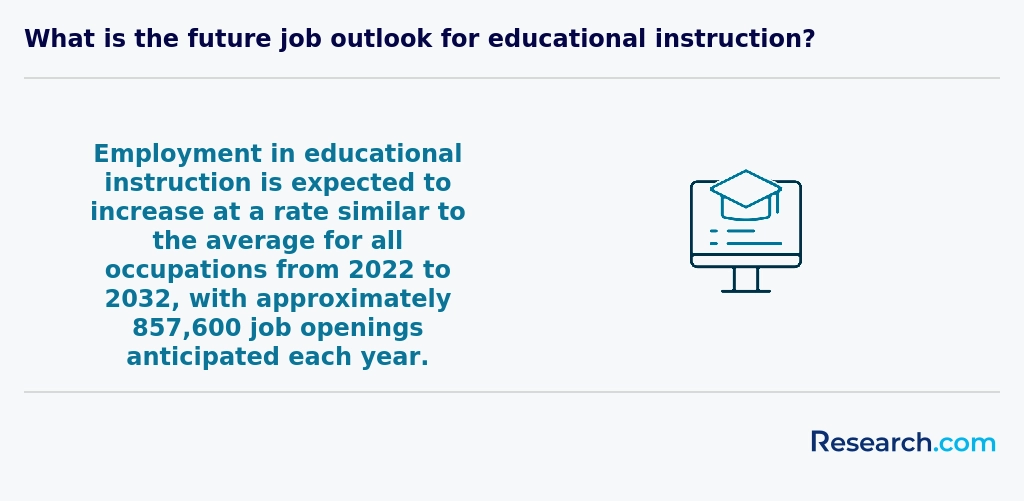
Beyond teaching, education graduates move into leadership roles such as school principals or instructional coordinators, where they apply their skills to improve school performance. The steady 5% job growth forecast in these areas means plenty of opportunity to advance and make an impact.
Some graduates thrive in higher education settings, working as academic advisors or faculty at Pennsylvania's 100+ colleges and universities. For instance, those with specialized or doctoral online degrees often engage in educational research or postsecondary teaching, enjoying the intellectual challenge and community interaction.
Others discover fulfilling roles in education technology firms, non-profits, or workforce training programs supported by the Pennsylvania Department of Labor, where their combination of education expertise and digital skills drives meaningful change.
Graduates emphasize the importance of choosing accredited online programs that meet Pennsylvania's certification requirements, ensuring smooth access to these diverse career paths and a strong start to their education careers.
How much can I make with online education degree in Pennsylvania?
Graduates with online education degrees in Pennsylvania can expect promising salary prospects depending on their career path. For example, those who become university professors or department chairs often earn around $96,570 annually, reflecting the respected status of roles frequently obtained through advanced online degrees from institutions like Penn State or Temple University.
Moving into academic leadership, salaries rise further. Academic deans achieve mean wages near $100,720, while provosts and university presidents reach impressive levels around $258,900 annually, showcasing the potential for significant financial growth with experience and higher credentials.
Many graduates find encouraging success stories from local universities where online programs help them balance work and study while boosting earning potential. One graduate from a Pennsylvania online master's program shared how advancing to an academic dean role opened doors to a six-figure salary, proving that strategic online education investments pay off.
Starting salaries for online bachelor's degree holders in teaching roles range from $45,000 to $55,000, but continuing education online can notably increase earnings, often by 10% to 20% or more. These clear salary advantages encourage investment in long-term career development through reputable online programs across Pennsylvania.
2027 Easiest Online Doctorate in Education Degree Programs Ranking in Pennsylvania
How do we rank schools?
Investing in your education is a significant decision that can profoundly impact your career and personal growth, and the Research.com team recognizes the importance of providing reliable information to guide this choice. To support prospective students in Pennsylvania, we have carefully developed the "2027 Easiest Online Doctorate in Education Degree Programs Ranking in Pennsylvania." Our dedication to quality, credibility, and accuracy is demonstrated through rigorous research and thorough analysis.
We utilized the following reputable data sources to ensure a comprehensive evaluation of these programs:
By consulting this ranking, readers will gain valuable insights into accessible and credible online doctorate programs in education within Pennsylvania, enabling them to make well-informed decisions tailored to their individual needs. For a deeper understanding of our evaluation process, please visit our Research.com methodology page.


# 3 position
PennWest California
Doctor of Education Administration and Leadership (Superintendent Letter of Eligibility Certification)



Key Findings
- Pennsylvania offers fully online and hybrid education degree programs covering areas like curriculum development, leadership, and special education.
- The average cost for a bachelor's degree online ranges from $10,000 to $20,000 per year for in-state students; master's and doctoral programs can cost between $15,000 and $40,000 total.
- Graduates typically earn around $50,000 annually, with experienced educators or administrators earning $75,000 to $90,000 per year.
- State certification is required for teachers, involving exams and student teaching, and many online programs include preparation for these requirements.
- Pennsylvania has invested in digital learning infrastructure to ensure online students receive resources comparable to on-campus learners.
How long does it take to complete online education degree in Pennsylvania?
Completing an online education degree in Pennsylvania typically varies by degree level and how you organize your study time. For a bachelor's degree, many students at universities like Penn State World Campus find that full-time enrollment takes about four years, though balancing work or family often extends this to five or six years. Graduates often mention the flexibility to pace themselves as a major benefit, allowing them to manage life's demands while progressing steadily.
Master's degrees usually span one to three years, with options to accelerate if you can dedicate full-time effort. For example, Penn State World Campus offers pathways where motivated students finish in as little as 12 to 18 months. Graduates appreciate how accelerated tracks keep momentum high, helping them feel accomplished quickly.
Doctoral programs, like the EdD, often take three to six years, reflecting the demands of research and dissertation work. Part-time study is common here, especially for working professionals, offering valuable balance despite the longer timeline.
Choosing flexible, self-paced programs, transferring credits, and enrolling full-time when possible are key strategies that Pennsylvania students use to shorten completion times and stay motivated.
Accreditation and Certification
Accreditation and state certification shape program credibility and your future licensure. To ensure your online doctorate meets professional standards:
- Regional accreditation from bodies like the Higher Learning Commission (HLC) or Middle States Commission on Higher Education (MSCHE)
- CAEP accreditation for educator preparation programs
- Approval by the Pennsylvania Department of Education (PDE) for teaching or educational leadership certification
Confirm that required coursework aligns with PDE criteria for your intended certification area. Explore online degree programs accredited to find programs recognized for quality and certification support.
What's the difference between online and on-campus education degree?
Online and on-campus education degrees in Pennsylvania differ mainly in flexibility and interaction. Graduates from Penn State World Campus often praise the convenience of completing coursework asynchronously, allowing them to manage jobs and family while progressing steadily. In contrast, on-campus students at Temple University highlight the energizing face-to-face discussions and immediate access to campus resources like libraries and labs, which enhance hands-on learning experiences.
Cost considerations also play a role. While tuition per credit may be similar, online learners often save on commuting and housing, though some schools may charge extra technology fees. Prospective students should verify these policies with their chosen Pennsylvania institution.
Both paths require practicum hours; online students must proactively arrange local placements for student teaching, which demands good planning but offers valuable real-world exposure. Successful online learners emphasize the importance of a reliable internet connection and mastering platforms like Blackboard or Canvas to stay engaged and on track.
Accreditation and Program Quality Assurance
Ensuring that your online doctorate in education program in Pennsylvania holds the proper accreditation is critical for both academic rigor and career advancement. Regional accreditation-such as from the Middle States Commission on Higher Education (MSCHE)-confirms that a university meets nationally recognized standards for curriculum, faculty expertise, and student support. In addition, specialized accreditation from bodies like the Council for the Accreditation of Educator Preparation (CAEP) or the National Council for Accreditation of Teacher Education (NCATE) further validates teacher preparation and doctoral research quality. Before applying, verify that your chosen institution is authorized to operate in Pennsylvania and recognized by the U.S. Department of Education. Accredited programs not only qualify you for federal financial aid but also ensure seamless credit transfer, eligibility for licensure, and acceptance of your doctoral credentials by employers nationwide. When weighing your options, consider program affordability alongside accreditation status-explore our Cheapest Online Master's in Education Degree Programs Ranking in Columbia, MO to compare cost-effective master’s pathways that often feed into doctoral studies. Prioritizing accredited programs safeguards your investment and positions you for long-term success in educational leadership.
What is the average cost of online education degree in Pennsylvania?
The average cost of an online education degree in Pennsylvania is approximately $37,920, with in-state students typically paying a bit less, around $32,376. This median total cost covers most master's and doctoral programs requiring 30 to 60 credits. Graduates from well-known institutions like Penn State World Campus often share that while the tuition is a significant investment, the flexibility of online learning and access to quality faculty make the experience worthwhile. Many find that balancing work and study is manageable, which adds to the overall positive outcome of obtaining their degree.
When considering the 2027 average online doctorate in education cost Pennsylvania students face, it's important to account for additional fees such as technology charges or flat-rate tuition models available at some universities. These can sometimes ease financial planning for full-time students. A common success story among graduates mentions how these programs enabled career advancement without relocating or missing work, highlighting the practical value of online education degrees in Pennsylvania.
For those concerned about affordability, exploring the cheapest education schools in pennsylvania can reveal options with lower tuition rates and generous financial aid. Many students also benefit from employer tuition reimbursement plans or scholarships, which reduce the overall cost and make earning a degree more accessible.
In summary, the cost of online education degree programs in Pennsylvania is competitive nationally and offers a balance between price, convenience, and quality, fitting well with the needs of busy adult learners seeking advancement in education careers.
Accreditation and State Certification Requirements
Ensuring that your online doctorate in education program is properly accredited and meets Pennsylvania’s certification standards is essential for both employability and academic credibility. In Pennsylvania, the Department of Education recognizes only regionally accredited institutions-those approved by agencies such as the Middle States Commission on Higher Education (MSCHE) or the Council for the Accreditation of Educator Preparation (CAEP). Before enrolling, confirm that your chosen program holds CAEP or NCATE accreditation, as this endorsement signifies that curriculum, faculty qualifications, and clinical experiences adhere to rigorous national benchmarks. Beyond institutional accreditation, many doctoral candidates pursue specialized certifications in areas like educational leadership, curriculum design, or special education. Pennsylvania’s PDE issues certification for school leadership roles through Act 45 and PDE-approved certificates in specialized fields; verify that the program you select includes the required practicum hours and portfolio assessments to fulfill these mandates. Programs with integrated state licensure pathways often collaborate with local school districts to provide embedded internships or residency placements-key for satisfying state-mandated field requirements. When comparing universities, look for clear disclosure of certification outcomes and pass rates on licensure exams. Transparent reporting of graduate placement in Pennsylvania schools or districts underscores program quality. To explore additional top-tier options that combine strong accreditation and a clear route to state certification, consider checking out our curated list of the best online colleges for teaching degrees.
What financial aid is available to online education degree students in Pennsylvania?
Students pursuing online education degrees in Pennsylvania often rely on a mix of financial aid options to make their studies affordable. For example, graduates from institutions like Penn State World Campus have benefitted greatly from federal aid by submitting the FAFSA, unlocking access to Pell Grants and federal loans such as Direct Unsubsidized Loans or Grad PLUS Loans. These options provide crucial support without overwhelming debt, helping students focus on their coursework.
State-specific grants through the Pennsylvania Higher Education Assistance Agency (PHEAA) also play a vital role. Many graduates from universities such as Temple University have used the Pennsylvania State Grant to lower their tuition costs, especially those who qualify as low- to middle-income and attend accredited institutions.
Institutional scholarships from colleges like Arcadia University offer merit-based awards specifically for education majors, often easing financial stress. Additionally, some graduates report securing employer tuition assistance, especially when working in public schools or nonprofits, amplifying their ability to continue education without stopping their careers.
Joining professional groups like the Pennsylvania State Education Association (PSEA) has helped others access scholarships that supplement other aid sources, making a full online degree truly achievable.
Key Factors for the Easiest Online Doctorate in Education
Identifying the right program often comes down to evaluating features that streamline your doctoral journey.
- Flexible, asynchronous courses with multiple start dates
- Waived GRE or minimal entrance exam requirements
- No or limited on-campus residency obligations
- Generous transfer credit and prior learning assessments
- Dedicated dissertation support and clear milestone timelines
- Cohort-based learning communities and faculty mentorship
- Access to federal financial aid through online schools that accept fafsa
- Transparent tuition structures with predictable costs
What are the prerequisites for enrolling in online education degree program in Pennsylvania?
To enroll in an online education degree in Pennsylvania, you'll typically need a bachelor's degree from an accredited school, preferably in education or a related field. Graduates from schools like Temple University or Penn State often highlight how having relevant coursework made the application smoother. If your background is in a different field, don't worry-some programs accept applicants with professional experience in education settings.
A solid GPA, usually between 2.5 and 3.0, is essential. Admissions committees at universities like West Chester University emphasize this as a key benchmark. You'll also likely need to submit official transcripts to prove your academic standing.
Many programs ask for letters of recommendation from professors or supervisors who can speak to your readiness. A personal essay explaining your passion and goals helps admissions understand your motivation, something graduates often recall was crucial in their acceptance.
Having one to three years of practical experience, such as teaching or administrative roles, can set you apart and help connect theory with real-life classroom challenges.

Additional Resource: Insider Tips and FAQs for Aspiring Online Doctorate Students in Education
As you navigate the application process and day-to-day expectations of an online doctorate in education, it's important to arm yourself with insider tips and answers to frequently asked questions that can help you succeed. Prospective students can benefit from guidance on establishing a structured study environment, mastering time-management skills, and leveraging digital tools to enhance learning. For instance, consider exploring institutions that combine affordability with quality instruction-many students have successfully balanced cost with educational excellence by checking out the cheapest education schools in pennsylvania. Also, familiarize yourself with common application pitfalls: ensure your transcripts and recommendation letters are in order well before deadlines, and prepare a strong personal statement that clearly outlines your academic and career goals. Engage with online forums and alumni groups to ask real-life questions such as how existing students manage workload and how technical support is provided. By proactively seeking advice and answers, you can boost both your confidence during the enrollment process and your long-term success in the program.
What courses are typically in online education degree programs in Pennsylvania?
Online education degree programs in Pennsylvania typically require courses that build both your understanding and practical skills. Graduates from popular state universities often highlight foundational classes like Educational Psychology, which helps you grasp how students think and learn, making lesson planning more effective. Curriculum Design and Instruction courses guide you in creating engaging, tailored lesson plans, essential for any classroom setting.
Classes in Assessment and Evaluation equip you with tools to measure student progress clearly, a skill praised by those who've gone on to lead successful classrooms. Educational Technology courses show you how to confidently use digital tools-critical for remote or hybrid teaching environments that many Pennsylvania schools now use.
Positive experiences shared by graduates from institutions across Pennsylvania emphasize Classroom Management coursework that prepares you to handle diverse learning environments smoothly, resulting in productive, respectful classrooms from day one. Specialized tracks like Special Education or Literacy Instruction let you align your studies with career goals while meeting Pennsylvania Department of Education standards.
What types of specializations are available in online education degree programs in Pennsylvania?
Online education degrees in Pennsylvania typically include specializations such as Curriculum and Instruction, Educational Leadership and Administration, and Special Education. Graduates from local universities often praise the practical focus these tracks provide, helping them confidently design engaging lesson plans or manage school operations effectively. For those pursuing an online doctorate in education specializations Pennsylvania institutions offer, programs also cover Higher Education and Adult Education, essential for professionals interested in college-level teaching or continuing education administration.
Students from popular colleges share how specializations like Instructional Technology allowed them to integrate digital tools seamlessly in classrooms, enhancing student engagement in real-time. Others highlight the Early Childhood Education track, which perfectly suits educators aiming to support development through grade 3. Pennsylvania's schools emphasize these areas, making graduates highly employable.
For a clear pathway to advance your career with the best education degree concentrations Pennsylvania online, you can explore programs from well-known institutions via the best online colleges for teaching degrees. Their flexible formats suit working professionals seeking growth without sacrificing current commitments.
How do you choose the best online education degree in Pennsylvania?
Choosing the best online education degree in Pennsylvania means verifying the program's accreditation first. Graduates from well-known universities often highlight how accreditation from bodies like the CAEP or regional agencies in Pennsylvania directly impacted their ability to secure teaching licenses and jobs statewide. Flexible scheduling is also crucial, especially for working adults juggling family or careers. Many programs at Pennsylvania schools offer asynchronous classes with recorded lectures, allowing students to learn on their own time and reduce stress.
Cost is another major factor. Pennsylvania students frequently find that public universities offer more affordable online education degree programs PA, with tuition often between $7,000 and $15,000 annually. Looking into scholarships, grants, and aid can further ease financial concerns. To find reasonable options, some recommend checking rankings like the Cheapest Online Master's in Education Degree Programs Ranking in Columbia, MO for comparison.
Finally, align your curriculum with your career goals and certification needs. For example, students focusing on administration or special education have praised Pennsylvania programs that tailor their courses to these specializations. Strong student support, including advising and tech help, can also transform your learning experience and boost confidence throughout your studies.
What career paths are available for online education degree students in Pennsylvania?
Graduates with an online education degree in Pennsylvania often find rewarding career paths in K-12 teaching, supported by state certification in subjects like math, science, and special education. For example, many graduates from well-known institutions in Philadelphia enter classrooms confident in their preparation and eager to make an impact, benefiting from Pennsylvania's competitive salaries and supportive educational community. These online education degree jobs in Pennsylvania also extend beyond teaching; many graduates move into curriculum development or instructional coordination roles that enhance learning experiences and integrate technology effectively.
For those pursuing advanced positions, educational leadership roles such as principals or school administrators offer both professional fulfillment and strong financial rewards. Graduates from popular universities across the state highlight the real-world applicability of their studies when stepping into these leadership positions, especially as demand grows for expert administrators familiar with online and hybrid education models.
Those interested in career options with education doctorate Pennsylvania can also find opportunities as advisors or instructional designers in higher education, particularly with online college programs. Many graduates appreciate the flexibility to advance education without relocating, often considering schools that offer double majors to broaden their skill set and career prospects.
What is the job market for online education degree in Pennsylvania?
The job market for online education degree graduates in Pennsylvania remains strong, especially for those targeting high-demand fields like special education and STEM instruction. Graduates from institutions such as Penn State World Campus or Temple University Online often share positive experiences about their smooth transition into school districts that need flexible, certified educators. These online programs emphasize practical skills and offer pathways to Pennsylvania's necessary teaching certifications, helping graduates quickly meet employer requirements.
Employment opportunities for education graduates Pennsylvania are particularly good in rural and underserved districts, where flexible qualification standards make candidates with online degrees very attractive. Many who earn advanced degrees also move into administration or curriculum development, benefiting from the state's ongoing demand for education leadership. Teachers with advanced online degrees in Pennsylvania can expect salaries ranging from $60,000 to $90,000, offering a solid return on investment.
Online education degree job outlook Pennsylvania is boosted by steady growth nationally and regionally. Graduates often find that combining their degree with practical experience opens doors. For those weighing career options, exploring the best jobs for an introvert can also help align strengths with teaching roles.
Frequently Asked Questions About education
Online education degree students in Pennsylvania can maximize their learning experience by actively engaging with course materials and instructors. Research shows that students who participate regularly in online discussions and seek timely feedback tend to perform better. Utilizing resources like Penn State World Campus, which is nationally ranked for online education, can also enhance learning.
Time management is crucial; dedicating consistent daily hours helps to avoid last-minute work. According to the Pennsylvania Department of Education, about 75% of online learners who plan their schedules ahead graduate on time. Additionally, joining professional networks and local education associations can provide practical insights and career support while studying remotely.
The education field in Pennsylvania is witnessing growth in several emerging niches that align with evolving workforce and community needs. One significant area is educational technology, where professionals develop and implement digital learning tools. According to the Pennsylvania Department of Education, demand for technology specialists in schools has increased by 15% over the past five years.
Another expanding niche is special education, especially focusing on inclusive practices for diverse learners. The state reports a steady rise in students requiring specialized instruction, fostering demand for advanced degrees in this discipline.
Leadership roles in educational administration also show growth, with a focus on equity and policy-making. These niches offer promising opportunities for students pursuing online education degrees in Pennsylvania.
After completing an online education degree in Pennsylvania, preparing for the job market involves several key steps. Begin by obtaining Pennsylvania Department of Education (PDE) certification if you plan to teach in public schools. This credential is essential for many education roles and ensures compliance with state requirements.
Networking is crucial. Join Pennsylvania-based education associations such as the Pennsylvania State Education Association to connect with professionals and access job listings.
Utilize university career services that support online students with resume building and interview preparation tailored to local job trends.
Finally, stay updated on Pennsylvania's education funding and policy changes via PDE reports, as these affect job availability and pay scales in the education sector.
Employers in Pennsylvania seek education degree graduates who demonstrate strong classroom management and communication skills. According to the Pennsylvania Department of Education, effective communication with students and parents is critical for successful teaching outcomes.
Additionally, skills in curriculum development and the ability to integrate technology in instruction are increasingly valued. The rise of digital learning platforms in Pennsylvania schools emphasizes the need for tech-savvy educators.
Problem-solving and adaptability are also essential, as teachers often encounter diverse learning needs and unpredictable classroom situations. Data from the National Center for Education Statistics highlights that nearly 30% of Pennsylvania's public school teachers reported professional development in these areas.
Overall, graduates with practical experience and a solid understanding of state education standards tend to be more competitive in Pennsylvania's job market.
Finding internships in Pennsylvania related to education degrees involves several practical steps. Many universities in Pennsylvania, such as Penn State and Temple University, have partnerships with local school districts and education centers that facilitate internship placements. Checking with your online program's career services or internship office is a strong starting point. The Pennsylvania Department of Education also maintains resources and listings for student teaching and internship opportunities. Additionally, platforms like Handshake and Internship PA frequently list openings specifically for education students in the state. Networking within Pennsylvania's educational community can greatly improve internship prospects.
Schools in Pennsylvania require a certain number of supervised practicum or internship hours for education degrees, often between 100 and 300 hours, depending on the program. This direct experience is crucial for certification and licensure. By focusing on districts with large student populations, such as Philadelphia or Pittsburgh, candidates may find more diverse internship options. Staying informed about state teacher association events and job fairs is another effective strategy to secure relevant internships while pursuing an online education degree.
Holding an online education degree in Pennsylvania can significantly enhance career mobility and advancement for professionals in the field. The Pennsylvania Department of Education reports that educators with advanced degrees often qualify for higher salary tiers and leadership roles within school districts. An online degree offers flexibility, allowing working professionals to gain credentials without pausing their careers.
According to the National Center for Education Statistics, Pennsylvania ranks among the top states for educator employment growth, indicating rising demand. This growth often translates to more opportunities for those with specialized or doctoral qualifications obtained online, especially in administrative or curriculum development positions.
Additionally, Pennsylvania's standards for teacher certification recognize accredited online programs, facilitating smoother career progression. For many, an online education degree opens doors to roles beyond teaching, including counseling and policy-making, expanding their impact and earning potential.
Studying for an education degree in Pennsylvania offers strong preparation for interdisciplinary roles through comprehensive curriculum design. Many programs emphasize collaboration across fields like psychology, technology, and social work, aligning with state education standards.
Pennsylvania's Department of Education supports initiatives that encourage educators to integrate diverse subject knowledge, preparing graduates for complex school environments. For example, candidates often engage in projects requiring skills in curriculum development and data analysis.
Additionally, Pennsylvania hosts some of the nation's top ranked online education programs, which include coursework in leadership and policy studies. Such training equips students to work beyond traditional teaching roles, taking on administrative and community-focused positions.
According to the National Center for Education Statistics, nearly 70% of education students in Pennsylvania engage in interdisciplinary practicum experiences, enhancing real-world application of knowledge.
When choosing between a thesis and a non-thesis online education degree program in Pennsylvania, students should consider their career goals and learning preferences. Thesis programs typically require original research and a written dissertation, ideal for those planning to pursue academic, research, or specialized professional roles. Non-thesis programs focus more on coursework and applied knowledge, suiting students aiming for administrative or leadership positions in education.
According to the Pennsylvania Department of Education, over 60% of education graduate students in the state opt for non-thesis tracks, reflecting the demand for practical skills. Cost, program length, and faculty support are also important factors to evaluate when deciding.
Students in Pennsylvania seeking to study education abroad through online degree programs have several pathways available. Many Pennsylvania universities partner with international institutions, enabling students to earn their degrees remotely while engaging with diverse cultural perspectives. According to the Pennsylvania Department of Education, over 30% of graduate students enroll in online or hybrid programs, reflecting a growing trend toward flexible learning.
Options include collaborative programs that integrate coursework from foreign universities accredited in the United States. Additionally, some programs offer study-abroad components or virtual exchanges, allowing students to experience international education without relocating. These options align with Pennsylvania's strong emphasis on global competencies within teacher preparation standards.
Students should verify program accreditation by recognized bodies such as the Council for the Accreditation of Educator Preparation (CAEP) to ensure quality and transferability of credits.
Part-time job opportunities in Pennsylvania that complement education degree studies often involve roles within schools and community organizations. Many students pursue positions as teacher aides or substitute teachers, gaining valuable classroom experience while continuing their education.
Additionally, tutoring is a common part-time job for education students, allowing hands-on practice with instructional techniques. Pennsylvania's strong network of after-school programs and learning centers frequently hires education students in these roles. According to the Pennsylvania Department of Education, schools increasingly seek qualified support staff, making these opportunities more available.
Other roles such as educational assistants, library aides, or working in childcare centers also enhance professional skills relevant to education degrees. These jobs not only support students financially but provide practical insights into educational settings.
Online education students in Pennsylvania benefit from various networking opportunities tailored to their remote learning environment. Many universities offer virtual events, webinars, and discussion forums that connect students, faculty, and alumni. For example, Penn State World Campus hosts regular online networking sessions to foster community among distance learners.
Additionally, students can join statewide professional organizations such as the Pennsylvania Association of Colleges and Teacher Educators (PACTE), which provides events and conferences for education professionals.
Local educational hubs and regional cohorts also facilitate in-person meetups or hybrid sessions, further expanding networking options beyond the screen.
According to the Pennsylvania Department of Education, these connections often lead to valuable mentorships and job opportunities within the state's robust education sector.
Alumni networks play a vital role in supporting online education degree students in Pennsylvania by creating valuable connections for career advancement. According to the Pennsylvania Department of Education, graduates who engage with alumni groups are 30% more likely to secure job opportunities within the state.
These networks offer mentoring, job leads, and professional development events tailored to education professionals. Given Pennsylvania's diverse school districts, alumni connections can help navigate local job markets. Many universities, like Penn State World Campus, actively encourage alumni to support current students through virtual workshops and networking platforms.
Such interaction fosters a sense of community and ongoing learning, enhancing the overall value of online degrees.
Students pursuing an online education degree in Pennsylvania can often tailor their programs to align with specific career goals by selecting relevant specializations and electives. Many Pennsylvania institutions offer concentrations such as curriculum design, educational leadership, or special education.
Additionally, some programs allow choosing capstone projects or research topics related to personal interests or professional objectives. Pennsylvania's Department of Education supports certifications that can be integrated into degree plans, enhancing career-specific credentials.
According to the National Center for Education Statistics, flexibility in course pacing and content allows working professionals in Pennsylvania to balance education and employment effectively.
Consulting academic advisors is key to maximizing program customization while meeting accreditation requirements. This strategy helps students ensure their degree aligns well with Pennsylvania's education job market and licensing standards.
Online education students in Pennsylvania often face challenges related to technology access and reliable internet connectivity, especially in rural areas. According to the Pennsylvania Department of Education, nearly 10% of households in some counties lack broadband, which can hinder participation in online classes.
Another common difficulty is managing time effectively. Many online learners juggle work, family, and study simultaneously, creating stress and impacting academic performance.
Additionally, students sometimes experience limited interaction with instructors and peers, which can affect motivation and learning engagement. This social isolation is frequently reported in surveys by Pennsylvania's higher education institutions.
Finally, navigating financial aid and understanding program accreditation are vital but complex steps for many prospective students across the state.
With an online education degree in Pennsylvania, you can pursue several professional certifications that enhance your career opportunities. Common certifications include the Pennsylvania Instructional I or II Teaching Certificates, which allow you to teach in K-12 schools across the state.
Additionally, educators often seek the Pennsylvania Principal or Supervisor Certification to move into administrative roles. Specialized certifications such as Reading Specialist or ESL (English as a Second Language) are also available, addressing specific student needs.
The Pennsylvania Department of Education provides detailed requirements and testing information for these certifications, ensuring candidates meet state standards. According to PDE's 2023 data, over 30,000 educators in Pennsylvania hold such certificates, reflecting the value of professional qualifications.
Writing a winning application for an online education program in Pennsylvania requires careful preparation and understanding of the state's higher education landscape. Start by researching programs accredited by the Pennsylvania Department of Education or recognized accrediting agencies to ensure quality and eligibility for licensure.
Highlight your professional experience, especially if it relates to teaching or educational leadership, as Pennsylvania institutions value practical expertise. Clear and concise personal statements that align your goals with the program's objectives improve your chances. According to the Pennsylvania Department of Education, programs often emphasize commitment to improving education outcomes in local communities.
Include strong letters of recommendation from academic or professional references familiar with your capabilities. Finally, ensure all transcripts and supporting documents meet program deadlines to avoid disqualification.
In Pennsylvania, online education degrees prepare students for a career valued not only locally but also globally. The global perspective on an education career recognizes the growing demand for qualified educators who can adapt to diverse cultural and technological environments.
According to the National Center for Education Statistics, the U.S. education sector expects a steady growth rate of 5% from 2021 to 2031, reflecting stable job opportunities. Pennsylvania, in particular, is part of this trend, with initiatives promoting online teacher certification to meet regional and global needs.
Internationally, education professionals often require cross-cultural competence and digital literacy, skills emphasized in many Pennsylvania online programs. This alignment helps graduates engage effectively in global education systems and contribute to worldwide learning advancements.
Gaining practical experience while pursuing an online education degree in Pennsylvania is essential for building teaching skills. Many programs incorporate mandatory fieldwork or student teaching components, which require students to complete supervised hours in local schools. According to the Pennsylvania Department of Education, candidates for teacher certification must complete at least 12 weeks of student teaching experience.
Additionally, Pennsylvania universities often partner with nearby public and private schools to offer flexible practicum placements. These experiences help students apply theoretical knowledge in real classrooms. Some online programs also encourage internships, mentorships, or volunteering in educational settings.
Engaging with local education communities allows candidates to develop professional connections and practical skills while studying remotely.
Choosing the right concentration within an online education degree program in Pennsylvania involves evaluating your career goals and the local demand for educators in various specialties. Pennsylvania's Department of Education highlights that fields like special education, educational leadership, and curriculum design frequently present strong job growth. Consider programs that align with Pennsylvania's certification requirements if you aim to work within the state's public schools.
Additionally, review the course offerings and faculty expertise at the institutions you are considering. Some concentrations may emphasize research, while others focus on practical skills for educators. According to the Pennsylvania Association of Colleges and Universities, online programs often provide flexible paths tailored to working professionals.
Moreover, researching alumni outcomes and licensure success rates can help ensure the concentration supports your professional advancement.
Related Education Rankings for Nearby States
- 2027 Easiest Online Doctorate in Education Degree Programs Ranking in Virginia
- 2027 Easiest Online Doctorate in Education Degree Programs Ranking in Kentucky
- 2027 Easiest Online Doctorate in Education Degree Programs Ranking in Indiana
- 2027 Easiest Online Doctorate in Education Degree Programs Ranking in Michigan
- 2027 Easiest Online Doctorate in Education Degree Programs Ranking in Georgia
- 2027 Easiest Online Doctorate in Education Degree Programs Ranking in Florida
- 2027 Easiest Online Doctorate in Education Degree Programs Ranking in Missouri
- 2027 Easiest Online Doctorate in Education Degree Programs Ranking in Mississippi
- 2027 Easiest Online Doctorate in Education Degree Programs Ranking in Minnesota
- 2027 Easiest Online Doctorate in Education Degree Programs Ranking in Nebraska
Top Trending Education Rankings
See What Experts Have To Say About Studying Education
Read our interview with Education experts

Alan J. Singer
Education Expert
Professor of Teaching, Learning and Technology
Hofstra University

Nooshan Ashtari
Education Expert
Professor & Book Author
University of Southern California

References
- Online and Distance Education https://www.commonwealthu.edu/academics/online-and-distance-education
- Pennsylvania Financial Aid | College Fair Guide https://www.collegefairguide.com/state-financial-aid/pennsylvania-financial-aid
- Seven Major Challenges Facing Education in the 21st Century https://www.internationalschoolparent.com/articles/seven-global-education-challenges/
- Online Education Degree Programs | University of Phoenix https://www.phoenix.edu/online-education-degrees.html
- Special Education | York College of Pennsylvania https://www.ycp.edu/academics/programs/special-education
- Submit your Application For PA Student Aid https://educationthatpays.com/financial-aid/
- Why Is Education Important in Your Career Advancement? - KWSP Malaysia https://www.kwsp.gov.my/en/w/article/career-advancement
- Teaching Programs in Pennsylvania https://www.educationdegree.com/states/pennsylvania/
- International teaching and education jobs https://www.tes.com/jobs/search/international
- Guide to Online Education Degrees | OEDb.org https://www.oedb.org/rankings/online-education-programs/


