
2027 Easiest Online Doctorate in Education Degree Programs Ranking in the West

Co-Founder and Chief Data Scientist
Are you considering advancing your career with a doctorate in education but worried about the challenges of online programs? This article presents the 2027 Easiest Online Doctorate in Education Degree Programs Ranking in the West, carefully created by the Research.com team of data scientists. It's designed to help you discover which programs offer the most accessible paths to success.
Exploring these options can empower you to make confident decisions about your future. Pursuing an education degree brings valuable skills and rewarding opportunities, and this guide is here to support your journey every step of the way.
Key benefits of getting online education degree in the West
- Salary prospects: Graduates with education degrees can earn competitive salaries, such as Academic Deans making around $100,720 annually and University Presidents earning up to $258,900 per year, highlighting strong financial potential in education careers.
- Career paths: For example, a graduate from the University of California may pursue roles like University Professor or Department Chair, offering diverse opportunities to impact education at many levels within academic institutions.
- Online degree benefits: Completing an education degree online from a university like Arizona State allows flexible scheduling and accessibility, empowering students to balance work and study effectively while gaining valuable credentials.
- Key benefits of getting online education degree in the West
- What can I expect from online education degree in the West?
- Where can I work with online education degree in the West?
- How much can I make with online education degree in the West?
- 2027 Easiest Online Doctorate in Education Degree Programs Ranking in the West
- Key Findings
- How long does it take to complete online education degree in the West?
- Accreditation and Quality Assurance
- What's the difference between online and on-campus education degree?
- Student Success Strategies and Support Systems
- What is the average cost of online education degree in the West?
- Accreditation and Licensure Considerations
- What financial aid is available to online education degree students in the West?
- Accreditation and State Authorization
- What are the prerequisites for enrolling in online education degree program in the West?
- Accreditation and Licensure
- What courses are typically in online education degree programs in the West?
- What types of specializations are available in online education degree programs in the West?
- How do you choose the best online education degree in the West?
- What career paths are available for online education degree students in the West?
- What is the job market for online education degree in the West?
- Top Trending Education Rankings
- See What Experts Have To Say About Studying Education
What can I expect from online education degree in the West?
The average cost of an online education degree in the Western United States varies but generally offers more affordability compared to traditional on-campus programs. Graduates from institutions such as the University of Washington or California State University often highlight the benefits of regional tuition discounts, which significantly reduce the financial burden. For many students, this means balancing full-time employment while pursuing degrees without incurring overwhelming debt.
Financial aid is another crucial factor. Several graduates recall receiving grants specifically aimed at educators, as well as employer reimbursement programs that ease tuition expenses. For example, a graduate working in a public school district in Oregon valued how these financial supports made advancing their career feasible without sacrificing household stability.
The Western Interstate Commission for Higher Education (WICHE) also promotes workforce development by facilitating access to scholarships and reduced tuition for residents of Western states. This regional collaboration underscores the commitment to making education degrees accessible and economically viable for a diverse student population.
Ultimately, the cost framework in the West aligns well with students' professional and personal goals, allowing them to pursue quality programs while managing financial responsibilities effectively.
Where can I work with online education degree in the West?
Graduates holding online education degrees from universities in the Western United States, such as those at the University of Washington or California State University, often find diverse career opportunities in K-12 schools as licensed teachers, curriculum specialists, or instructional coordinators. These roles offer the chance to directly impact student learning and school development, creating rewarding professional experiences.
Many graduates pursue faculty or administrative positions within community colleges and universities throughout the region, leveraging their advanced degrees for impactful roles in higher education. For example, education professionals in Portland or Seattle frequently contribute to shaping academic programs and student services, enhancing the learning environment.
Others excel in leadership roles like school superintendents or directors of educational programs, especially within districts that value the flexibility and rigor of online credentials. Graduates also thrive in educational technology firms and nonprofit organizations based in tech hubs such as Silicon Valley, engaging in instructional design or policy advocacy.
Government agencies across Western states consistently seek skilled education professionals for policy planning and program evaluation, offering dynamic career paths that influence state-wide educational outcomes and foster community growth.
How much can I make with online education degree in the West?
Graduates with online education degrees in the Western United States can anticipate lucrative career opportunities in academia and administration. For instance, university professors and department chairs earn a mean annual wage of approximately $96,570, reflecting strong demand for skilled educators in prominent institutions such as the University of Washington or the University of California system. These roles provide both stability and the intellectual fulfillment that many graduates seek.
Advancing to leadership positions, academic deans in the West report mean salaries around $100,720 per year, indicative of significant responsibility and influence within colleges and universities. Graduates who aspire to senior administrative roles, such as provosts or university presidents, can expect compensation near $258,900 annually, as shown in data from respected Western universities. This level of earnings reinforces the value of online doctorate programs that prepare professionals for strategic leadership and policy-making.
Such financial prospects resonate with many graduates who pursue online education degrees while balancing family and work, especially in regions like California and Oregon where advanced credentials correlate with competitive salaries and rewarding career trajectories.
2027 Easiest Online Doctorate in Education Degree Programs Ranking in the West
How do we rank schools?
Investing in your education is a significant decision that can shape your future, and the Research.com team is deeply aware of the importance of making well-informed choices. To support prospective students interested in online doctorate degrees in education in the West, we have carefully developed the "2027 Easiest Online Doctorate in Education Degree Programs Ranking." Our commitment to quality, credibility, and accuracy is demonstrated through thorough research and detailed analysis in compiling this ranking.
We utilized the following reputable data sources to ensure a comprehensive and trustworthy evaluation:
By exploring this ranking, readers will gain valuable insights into accessible and credible online doctorate programs in education, aiding them in making confident decisions about their academic journeys. For more information on how this ranking was created, please visit our Research.com methodology page.
# 1 position
University of Colorado Denver/Anschutz Medical Campus
Doctor of Leadership for Educational Equity, Higher Education


# 5 position
Aspen University
Doctor of Leadership and Learning


Key Findings
- Online education degrees in the Western US are widely available from bachelor's to doctoral levels, with flexible schedules for working professionals.
- Tuition for bachelor's programs ranges from $7,000 to $15,000 per year for in-state students; graduate programs cost between $10,000 and $25,000 annually.
- The job growth rate for education graduates in California and Washington is around 7% through 2030, driven by population growth and educational improvements.
- Entry-level teacher salaries range from $45,000 to $55,000, with experienced educators and administrators earning between $70,000 and $90,000 annually.
- Doctorate holders in education leadership or specialized fields can earn over $100,000 per year in some districts.
- Programs have regional accreditation from organizations like the Western Association of Schools and Colleges (WASC), ensuring quality and recognition.
How long does it take to complete online education degree in the West?
Completing an online education degree in the Western United States typically varies by degree level and individual pacing. For example, graduates from well-known institutions such as the University of Washington or Arizona State University often report finishing their bachelor's degrees in about four years when studying full-time. Many appreciate the flexibility these programs offer, allowing them to speed up or slow down depending on their personal and professional demands.
Master's degrees in education, common at universities like the University of California system, generally take between 1.5 and 3 years full-time. Part-time students sometimes extend this to around four years, balancing work and family commitments while progressing steadily through courses and projects.
Doctoral-level programs, for instance at institutions like Stanford University, tend to require 3 to 6 years online, especially when including dissertation research. Graduates often describe the pace as manageable due to supportive program designs that accommodate working professionals' needs, fostering a strong sense of accomplishment within flexible timelines.
Accreditation and Quality Assurance
Ensuring that an online doctorate in education program maintains rigorous accreditation and quality standards is essential for both academic integrity and career prospects. Regional accreditation by bodies such as the Western Association of Schools and Colleges (WASC) demonstrates that an institution meets high benchmarks for faculty qualifications, curriculum design, and student support services. Additionally, programmatic accreditation from specialized agencies like the Council for the Accreditation of Educator Preparation (CAEP) provides assurance that your doctoral program aligns with professional standards in education. Quality assurance also extends to transparent outcome measures. Prospective students should verify published completion rates, job placement statistics, and student satisfaction surveys-key indicators of program effectiveness. For example, leading programs often report graduation rates above 85% and employment placement in academic leadership roles exceeding 75%. When comparing programs, consult the U.S. Department of Education’s Database of Accredited Postsecondary Institutions and Programs and institutional accreditation pages. You can also explore related rankings, such as our Affordable Online Master’s in Education Degree Programs Ranking in the South, which highlights top accredited programs offering exceptional value. Prioritizing accredited institutions and clear outcome data helps safeguard your investment, ensures eligibility for federal financial aid and state licensure, and enhances long-term career advancement.
What's the difference between online and on-campus education degree?
Online and on-campus education degrees differ primarily in delivery mode and student experience, especially for those studying in the Western US. Graduates from institutions such as the University of Washington or UCLA often highlight how on-campus programs foster dynamic, real-time interactions with faculty and peers. This setting provides immediate access to campus libraries and hands-on activities, creating a vibrant learning environment that many find inspiring and engaging.
Conversely, students pursuing online education degrees appreciate the unparalleled flexibility these programs offer. For instance, working professionals enrolled at Western Governors University enjoy crafting their study schedules around busy personal lives, experiencing a sense of autonomy and reduced stress. While they might miss face-to-face networking, modern virtual platforms help build meaningful connections. Cost-wise, online tuition in Western institutions can be up to 20% less, easing financial pressures like commuting and housing.
Both formats maintain strict accreditation standards through bodies like WASC, ensuring degrees hold equal professional value across the region's job market, empowering learners to choose based on lifestyle and goals.
Student Success Strategies and Support Systems
Navigating an online doctorate in Education goes beyond rigorous coursework-it involves tapping into robust support systems and effective strategies that foster both academic and personal growth. In these programs, students benefit from dedicated academic advisors, virtual tutoring, and interactive student communities that help bridge the gap of distance learning. Establishing a well-structured study routine, participating in discussion forums, and engaging in peer collaboration can significantly boost productivity and reduce the isolation often experienced in an online environment. Additionally, making full use of digital learning tools and regularly scheduled webinars or mentorship sessions can streamline research efforts and keep you on track with your academic milestones. For instance, many successful candidates have also bolstered their planning skills by exploring resources like top online education programs in california, which showcase best practices and innovative strategies. By leveraging these support avenues, you will enhance your ability to overcome challenges, making your journey in an online doctorate program both rewarding and efficient.
What is the average cost of online education degree in the West?
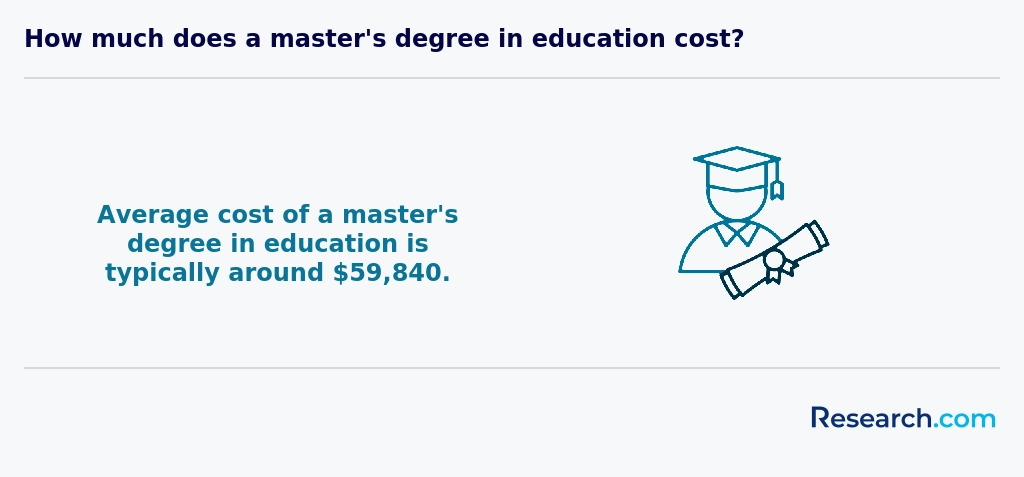
The average cost of an online education degree in the Western United States varies significantly depending on residency status and institution type. For in-state students, the median total cost is approximately $19,224, which reflects more affordable tuition and fees offered by public universities such as the University of Washington and Oregon State University. Out-of-state students face considerably higher expenses, with median total costs reaching about $65,178, largely due to increased tuition rates and additional fees. This variation underscores the importance of considering residency when evaluating tuition and fees for online education degrees Western states.
Graduates from well-regarded programs in the region often describe their experience of balancing cost with quality as positive, particularly when leveraging financial aid and employer tuition reimbursement. Bachelor's and master's degrees typically range within these median costs, while those pursuing a doctorate in education may encounter higher expenses given the extensive research and coursework involved. Indeed, students looking into the average cost of online doctorate in education programs in the West should prepare for total costs that notably exceed those of lower-degree levels.
Additional fees such as technology charges and course materials can add to overall expenses, though many find these manageable within their budget planning. For prospective students seeking value and reputation, exploring the top online education programs in california offers a strategic starting point for navigating costs and quality educational opportunities.
Accreditation and Licensure Considerations
- Regionally accredited by NWCCU or WSCUC to guarantee recognized credentials and federal aid eligibility
- CAEP or AERA programmatic accreditation to validate rigorous standards for education professionals
- State authorization to ensure eligibility for teaching licensure and potential in-state tuition benefits
- Robust dissertation support and faculty mentorship as indicators of doctoral student success
Balancing accreditation with affordability is crucial. Compare programs through our list of the cheapest self-paced online college to find a quality, budget-friendly pathway.
What financial aid is available to online education degree students in the West?
Students pursuing online education degrees in Western states like California, Oregon, and Washington frequently access federal support such as Pell Grants, which provide up to $7,395 annually for eligible undergraduates. A graduate from a prominent California university shared how federal Direct Loans, with their fixed interest rates and flexible repayment plans, made completing a master's degree feasible without overwhelming debt. State aid programs further enhance affordability: for example, California's Cal Grant has enabled numerous online learners to cover significant portions of their tuition based on financial need and merit.
Many reputable institutions in the West also offer scholarships tailored specifically for online education students, reflecting both merit and financial need. Graduates often describe how these scholarships, combined with employer tuition assistance or loan forgiveness programs like Public Service Loan Forgiveness, lessen financial stress and provide tangible motivation to succeed while balancing work and study commitments.
Such layered financial aid options create a supportive framework for online learners, encouraging professional growth within the region's diverse educational landscape.
Accreditation and State Authorization
Ensuring your doctorate program carries regional or national accreditation is essential for credit transferability, federal financial aid eligibility, and professional recognition. Regional accrediting bodies-such as WASC Senior College and University Commission (WSCUC) or Northwest Commission on Colleges and Universities (NWCCU)-affirm that an institution meets rigorous academic standards. To compare accredited options, you can review our list of the best online teaching degree programs, which highlights programs recognized by CHEA‐approved agencies. Beyond institutional accreditation, look for programmatic accreditation from the Council for the Accreditation of Educator Preparation (CAEP) or similar agencies. CAEP accreditation confirms that the EdD curriculum aligns with state licensure requirements and best practices in educator preparation. This level of accreditation is often required for those seeking leadership roles in K–12 settings or higher education administration. State authorization is another critical factor: each state enforces its own regulations on out-of-state online providers. Verify that the online doctorate program is approved for residents in your state by checking the school’s state authorization disclosures or contacting its distance education office. Failure to confirm state approval can affect your legal eligibility to enroll and your ability to secure licensure. By prioritizing both accreditation and state authorization, you protect your investment, maintain eligibility for financial aid, and ensure your doctoral credential will be fully recognized for academic positions, licensure, and leadership roles throughout the Western region.
What are the prerequisites for enrolling in online education degree program in the West?
Prospective students enrolling in online education degree programs in the Western United States must meet specific academic and professional prerequisites tailored to degree levels. For undergraduate programs at well-regarded institutions such as the University of Washington or California State University campuses, applicants typically provide a high school diploma or GED and demonstrate a GPA between 2.5 and 3.0. Many graduates recall that meeting these requirements felt achievable and motivated them to maintain steady academic progress.
At the graduate level, including master's and doctoral degrees popular at universities like Stanford and the University of California system, applicants are usually required to hold a bachelor's degree with a minimum GPA around 3.0. They often share that completing relevant coursework in education or related fields boosted their confidence and preparation for advanced studies.
Doctoral candidates frequently bring valuable professional experience from roles in teaching, administration, or leadership, which deeply enriches their research and applied learning. The submission of strong letters of recommendation and a clear statement of purpose are essential and help candidates convey their dedication and goals effectively.

Accreditation and Licensure
Accreditation and state licensure ensure your doctorate is recognized and your credentials transfer across regions. When comparing programs:
- Regional accreditation: Verify approval by NWCCU, WSCUC or equivalent bodies.
- Professional accreditation: Prefer programs with CAEP or NCATE recognition.
- State licensure pathways: Confirm alignment with education boards for administrators or teachers.
Choosing an accredited program protects your investment and enhances career prospects. Accredited degrees often lead to higher salaries and leadership roles; check out online degrees that pay well for more career-focused guidance.
What courses are typically in online education degree programs in the West?
Online education degree programs in the West commonly include courses such as Foundations of Education, Teaching Strategies and Classroom Management, Curriculum Development, and Educational Psychology. Graduates from leading Western universities often remark on how these courses provide a balanced mix of theory and practice, enabling them to navigate real classroom challenges effectively.
Assessment and Evaluation Techniques are integral components, helping students develop the ability to measure learning outcomes accurately and adjust teaching methods. Many programs also offer specialized courses in School Leadership and Administration, Education Policy and Law, and Technology in Education. These subjects prepare candidates for leadership roles and the integration of digital tools in the evolving landscape of remote learning.
Students frequently express appreciation for courses emphasizing data-driven decision making and educational equity, reflecting the region's commitment to progressive educational leadership. By engaging with these diverse topics, students from prominent colleges in the West feel well-equipped to contribute meaningfully to schools and educational institutions while balancing work and study through flexible online formats.
What types of specializations are available in online education degree programs in the West?
Online education degree programs in the West typically offer a range of specializations tailored to meet the region's educational and professional needs. Graduates from well-regarded Western institutions frequently choose tracks such as Educational Leadership and Administration, which equips them to manage schools or districts, or Curriculum and Instruction, preparing them to develop innovative, culturally responsive teaching methods. Special Education is another popular focus, addressing the needs of diverse learners, while Educational Technology emphasizes the integration of cutting-edge digital tools into classrooms-an essential skill in many Western states.
Other common concentrations include Higher Education Administration and Adult Education and Workforce Training, both reflecting the West's emphasis on lifelong learning and institutional leadership. Students appreciate how these specializations not only align with local priorities such as inclusive education and multilingual student populations but also greatly enhance career trajectories. Prospective students interested in a comprehensive overview should explore the list of the best online teaching degree programs available in the West to find options aligned with their goals for an online doctorate in education specializations West region.
How do you choose the best online education degree in the West?
When choosing the best online education degree in the West, prioritize accreditation from recognized bodies such as the Western Association of Schools and Colleges (WASC). Graduates from universities in California and Washington often emphasize how accreditation assured them of educational quality and enhanced their career prospects. Consider programs offering curricula aligned with your professional goals, whether in instructional design, K-12 leadership, or counseling, as practical learning opportunities greatly enrich your experience, even online.
Cost is another critical factor; public universities in Oregon and Washington typically range between $7,000 and $15,000 annually for in-state tuition. Graduates recall balancing expenses with flexible schedules, aided by financial aid packages or scholarships. Private schools, though more expensive, may provide specialized offerings. For those seeking alternatives, the Affordable Online Master's in Education Degree Programs Ranking in the South offers valuable insights.
Flexibility is paramount for working professionals or parents. Many Western universities facilitate part-time, asynchronous courses, enabling students to manage education alongside life's demands. Several alumni attest that these adaptable formats allowed them to thrive personally and professionally while pursuing top online doctorate education programs West.
What career paths are available for online education degree students in the West?
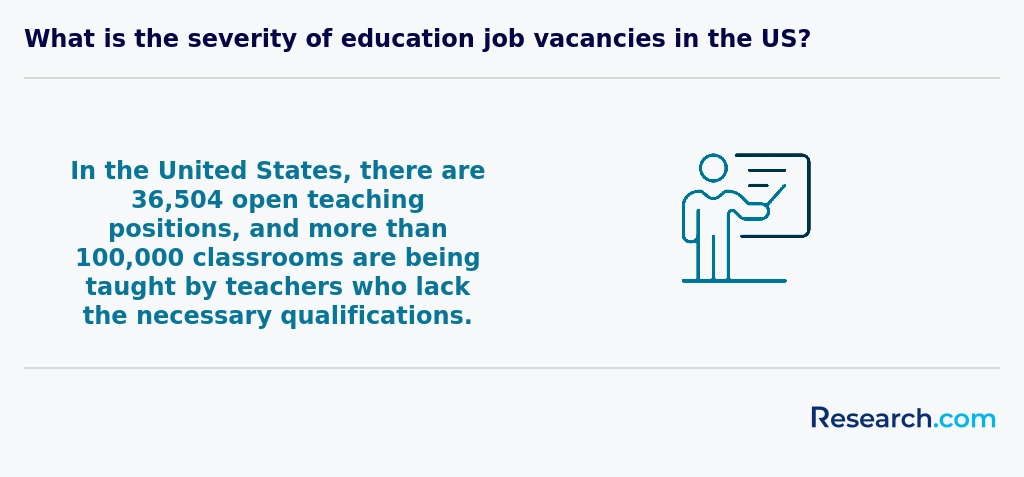
Graduates with an online education degree in the West find numerous career paths available to them, from classroom teaching to administrative leadership. Roles such as classroom educators, instructional coordinators, and school administrators are in high demand across states like California, Washington, and Oregon, where growing student populations require skilled professionals. Many graduates from well-known Western universities report positive experiences transitioning into careers as curriculum designers or educational technology specialists, supporting innovative digital classrooms and remote learning platforms. These positions reflect expanding opportunities aligned with ongoing shifts in education delivery.
For those pursuing online education doctorate careers in the West, leadership roles such as district superintendents or educational program directors become achievable, particularly for graduates who combine advanced degrees with practical experience. Community colleges and state universities often serve as hubs for professionals seeking advancement, offering continuing education and professional development. Graduates also appreciate the chance to explore specialized education fields while balancing personal commitments.
Job opportunities for education degree graduates West also include online learning coordinators and consultants, fields growing alongside demand for blended education. Many graduates find inspiration in the flexibility and growth potential available, especially at institutions recognized among the most popular trade schools online.
What is the job market for online education degree in the West?
The job market for online education degree graduates in the West is robust, with states like California, Washington, and Oregon leading in employment growth within educational careers. Graduates from prominent universities in these states report positive experiences securing roles such as instructional coordinators and curriculum designers, where expertise in educational technology is highly valued. The region's expanding student populations and emphasis on digital learning have created strong career opportunities for education graduates West, particularly in urban centers where salaries surpass regional averages.
Many graduates from institutions known for their education programs pursue leadership positions, benefiting from a market that demands advanced skills in online and hybrid instruction methods. The financial investment in these degrees is balanced by state aid and reimbursement programs, making the path accessible. Students exploring the easiest bachelor degree to get often find online education degrees provide flexible, rewarding career trajectories aligned with the region's evolving educational landscape.
Frequently Asked Questions About education
Online education degree students in the West can maximize their learning experience by actively engaging with course materials and participating in virtual discussions. Research from the Western Interstate Commission for Higher Education highlights that students who regularly interact with instructors and peers report higher satisfaction and better outcomes. Time management is crucial; creating a structured schedule helps balance studies with personal and professional responsibilities. Utilizing campus resources, such as online libraries and academic advising, also supports success. Additionally, choosing accredited programs ensures quality education and better employment prospects, as nearly 75% of Western students prefer accredited online schools, according to NCES data.
Emerging niches in online education degrees in the Western US reflect growing demands in specialized teaching and educational leadership roles. One key area is educational technology, driven by a 35% growth rate in tech integration jobs, according to the Bureau of Labor Statistics (2023). Programs focusing on digital curriculum design and e-learning strategies appeal to professionals adapting to virtual classrooms.
Another niche is special education leadership, where districts seek experts to support diverse learner needs. Online doctorate programs increasingly offer this track, responding to legislation expanding services for students with disabilities. Additionally, sustainability education is gaining traction as states prioritize environmental awareness in schools.
These trends highlight a shift toward adaptive, innovative roles in education tailored for the technology-forward Western region.
Preparing for the job market after completing an online education degree in the West requires strategic planning. Graduates should focus on gaining relevant experience through internships or part-time roles, which 70% of employers in the US value highly, according to the National Association of Colleges and Employers (NACE).
Networking is critical; engaging with professional groups like the American Educational Research Association (AERA) can open doors. Equally important is tailoring resumes to highlight online learning skills and technological proficiency.
Continuing professional development through certifications boosts employability. The US Bureau of Labor Statistics notes that education-related jobs requiring advanced skills grow faster than average, underscoring the need for lifelong learning.
Employers in the Western United States prioritize several key skills when hiring graduates with education degrees. Communication skills top the list, as effective interaction with students, parents, and colleagues is essential. According to the Western Interstate Commission for Higher Education (WICHE), 85% of school administrators seek candidates with strong verbal and written communication abilities.
Critical thinking and problem-solving are also highly valued, enabling educators to adapt curricula to diverse learning needs. Moreover, digital literacy has become increasingly important, with 78% of schools in the West integrating technology in classrooms, requiring teachers to be proficient with educational software and online tools.
Finally, cultural competency is crucial in the diverse populations across Western states like California and Washington. Teachers who demonstrate an understanding of inclusivity and equity tend to succeed in these environments, according to recent data from the National Center for Education Statistics.
Finding internships relevant to an education degree in the Western United States involves several strategic steps. Start by exploring university career centers, which often partner with local school districts and educational organizations to provide internship listings tailored to education students. According to the National Center for Education Statistics, many Western universities report that over 60% of their education students secure internships through such channels.
Additionally, platforms like Handshake and LinkedIn are valuable resources for discovering internships posted by schools, nonprofit groups, and educational programs in the West. Networking with faculty and education professionals can also open doors to less advertised opportunities. It's important to target internships that align with your specialization, such as K-12, special education, or educational technology, to maximize career relevance and future job prospects.
In the Western United States, obtaining an online education degree can significantly enhance career mobility and professional advancement. According to the Western Interstate Commission for Higher Education (WICHE), many employers in the region increasingly recognize online degrees as equivalent to traditional credentials, especially when earned from accredited institutions.
The flexibility of online programs allows working professionals to upskill without interrupting their careers, facilitating promotions and role changes. Data from the U.S. Bureau of Labor Statistics indicates that educators with advanced degrees, including those earned online, tend to have higher earning potential and improved job security.
Additionally, online education degrees often provide access to wider professional networks through virtual collaborations, which is crucial in a competitive job market. This expands opportunities in educational leadership, administration, and specialized roles across public and private sectors in the West.
Studying for an education degree in the Western United States equips students with skills that transcend traditional teaching roles. Programs often emphasize interdisciplinary approaches by integrating psychology, sociology, technology, and leadership courses. For instance, California and Washington universities frequently include collaboration with health and social services, preparing graduates for diverse roles in school administration, counseling, or policy development.
According to the Western Interstate Commission for Higher Education (WICHE), nearly 40% of education graduates in the West pursue interdisciplinary careers, demonstrating the regional emphasis on versatile skill sets. Online degrees incorporate project-based learning and real-world case studies to foster this adaptability.
This multi-disciplinary foundation supports career flexibility, essential in today's evolving education environment.
Choosing between a thesis and a non-thesis education degree in the West depends on your career goals and learning preferences. Thesis programs require original research and a formal dissertation, appealing to students aiming for academic or research positions. Non-thesis options focus more on coursework and practical application, suited for professionals seeking leadership roles in schools or educational organizations. According to the National Center for Education Statistics (NCES), about 60% of online doctoral students in education choose non-thesis paths for flexibility and faster completion. Consider time commitment, interest in research, and job market demands when deciding.
Students based in the Western United States seeking online education degrees have access to numerous accredited programs from reputable institutions. Many universities offer flexible doctorate programs designed for working professionals, allowing students to balance career and study. According to the Western Interstate Commission for Higher Education (WICHE), over 60% of graduate education students in the West enroll in online or hybrid formats, reflecting growing accessibility. These programs often focus on leadership, curriculum development, and policy, meeting regional and national educational demands. Students can choose from fully online or hybrid models, with some universities providing regional residency options to enhance practical experience.
Part-time job opportunities that complement education degrees in the Western US often focus on roles within schools and community programs. Positions such as teacher assistants, substitute teachers, and after-school program coordinators provide practical experience while pursuing a degree. According to the U.S. Bureau of Labor Statistics, teacher assistant roles are expected to grow 5% from 2022 to 2032 in California, Oregon, and Washington combined. These jobs allow students to apply educational theories in real settings, enhancing their understanding and improving job prospects post-graduation. Additionally, tutoring jobs, both in person and online, are popular due to flexible hours and demand in the region's diverse communities.
Online education students in the Western United States benefit from a variety of networking opportunities designed to compensate for the distance in remote learning. Many institutions offer virtual events, discussion forums, and group projects that connect students across diverse locations. According to the Western Interstate Commission for Higher Education (WICHE), about 65% of institutions in the West integrate online networking platforms to encourage peer collaboration and mentorship.
Additionally, regional professional organizations and educational conferences often provide discounted or virtual attendance options, making it easier for online students to engage with local educators and leaders. These connections can foster career development and collaboration beyond the classroom.
Some universities partner with local school districts and education networks, providing students with access to internships and practicum placements, further enhancing networking possibilities during their studies.
Alumni networks offer significant benefits to students pursuing online education degrees in the Western United States. These networks provide access to professional connections that can help with job placements, internships, and career advancement. According to a 2023 report by the Western Interstate Commission for Higher Education (WICHE), 68% of online education graduates found employment through alumni referrals.
Alumni also contribute valuable mentorship, guiding current students through challenges specific to online learning. This support improves retention and completion rates, which are critical metrics for online programs.
Moreover, alumni networks often organize regional events and webinars, fostering community among distant learners. This sense of belonging enhances the overall educational experience, as students feel more connected despite the virtual setting.
Customizing an online education degree program in the Western US allows students to align their studies with specific career goals. Many accredited universities offer flexible curricula where learners can select electives focused on areas such as curriculum design, educational leadership, or special education. For example, institutions often provide concentrations or specialization tracks that match regional workforce demands.
Additionally, some programs incorporate practical experiences like internships or capstone projects, enabling students to gain hands-on skills. According to the Western Interstate Commission for Higher Education (WICHE), online education enrollments in the West grew by over 15% between 2018 and 2023, reflecting increased access to such customizable options.
Students should consult academic advisors to tailor course selections, balancing core requirements with electives that enhance their career trajectory. This approach ensures the degree is both relevant and competitive in the evolving education sector.
Students pursuing online education degrees in the Western United States face several common challenges. One major issue is limited interaction with instructors and peers, which can hinder motivation and engagement. According to the National Center for Education Statistics (NCES), nearly 30% of online learners report feeling isolated. Technical difficulties also pose problems; inconsistent internet connectivity or lack of proficiency with digital platforms can disrupt learning. Time management is another critical challenge, especially for working professionals balancing studies with jobs and family responsibilities. Additionally, some employers and institutions still perceive online degrees as less credible, which may affect career advancement opportunities.
With an online education degree, professionals can pursue several valuable certifications to advance their careers. Common options include the Certified Educational Planner (CEP), which supports careers in academic advising and counseling. Another notable certification is the National Board Certification (NBCT) for teachers seeking to demonstrate advanced teaching skills. Additionally, many online graduates qualify for administrative credentials such as a Principal or Superintendent License, depending on state-specific requirements in the Western US.
Credentials like the Instructional Coordinator Certification are also accessible and support roles focused on curriculum development. According to the Western Interstate Commission for Higher Education (WICHE), these certifications can enhance job prospects and increase salaries by up to 15% in public education roles. Pursuing these professional certifications with an online degree remains a practical and respected path for many educators in the West.
Writing a winning application for an online education program in the Western US involves clear, focused preparation. Begin by thoroughly researching the program's requirements, as admissions standards can vary widely across institutions. According to the Western Interstate Commission for Higher Education (WICHE), approximately 30% of students in the West enroll in online programs each year, highlighting the competitiveness.
Strong applications typically include a well-crafted statement of purpose that outlines your professional goals and why an online degree fits your needs. Highlight relevant experience and leadership in education to stand out.
Careful attention to detail in transcripts and recommendation letters is crucial. Many Western schools value diverse educational backgrounds and professional achievements that align with online education objectives.
The perception of education careers varies globally, but from a Western perspective, education remains a respected and steadily growing field. According to the U.S. Bureau of Labor Statistics, employment for education, training, and library occupations is projected to grow 5% from 2021 to 2031, reflecting sustained demand.
Online education degrees offer flexibility and accessibility, appealing to working professionals and non-traditional students. Western institutions emphasize practical skills and research, responding to global trends in digital learning and educational technology.
Internationally, educators are valued as key to economic development, and Western-trained education professionals often find opportunities abroad due to their robust training and experience with modern practices.
Gaining practical experience while pursuing an online education degree in the West is essential for success. Many programs integrate practicum or internship components, allowing students to apply theory in real classrooms. For instance, California universities often partner with local schools to offer remote or in-person teaching experiences.
Additionally, students can seek volunteer opportunities or paid roles in educational settings. According to the Western Interstate Commission for Higher Education (WICHE), about 60% of online education students secure internships during their studies. This hands-on work enhances skills and builds professional networks.
Finally, some programs encourage participation in research projects or virtual coaching that develops practical leadership abilities in education.
Choosing the right concentration within an online education degree in the Western US depends on your career goals and interests. Common concentrations include Curriculum and Instruction, Educational Leadership, Special Education, and Technology Integration.
You should consider the demand in your local job market. For example, California employs over 300,000 teachers, with growing interest in STEM and special education roles, according to the California Department of Education (2023).
Accreditation is crucial. Ensure the program is recognized by regional accrediting bodies such as WASC Senior College and University Commission. This affects credit transfer and employment opportunities.
Finally, align your choice with your long-term objectives, whether classroom teaching, administrative roles, or educational consulting.
Top Trending Education Rankings
See What Experts Have To Say About Studying Education
Read our interview with Education experts


Nooshan Ashtari
Education Expert
Professor & Book Author
University of Southern California

References
- Navigating Challenges In Education, Learning & Development - those who can https://www.thosewhocan.org/navigating-challenges-in-education-learning-and-development/
- Top 15 Skills Employers Look for in College Graduates https://www.vupune.ac.in/blog/top-15-skills-employers-look-for-in-college-graduates
- Which Teaching Prerequisites Should You Take Online? https://www.straighterline.com/blog/teaching-prerequisites-to-take-online
- The Pros and Cons of Online Learning vs. Traditional Education https://www.sophia.org/blog/higher-education/pros-cons-online-learning-vs-traditional-education/
- How to Pick Your Concentration for Your M.Ed. Degree | ACE Blog https://ace.edu/blog/how-to-pick-your-med-concentration/
- Promising Niches in the Global EdTech Landscape - Blog https://rocketech.it/blog/post/global-edtech-landscape-what-niches-are-the-most-promising
- What Can I Do With a Teaching Degree (Besides Teach)? https://www.alleducationschools.com/blog/what-can-i-do-with-a-teaching-degree-besides-teach/
- Online Degrees for Future Teachers https://www.indwes.edu/articles/2023/01/online-degrees-for-future-teachers
- Benefits of Networking for Students https://www.melioeducation.com/blog/benefits-of-networking-for-students/
- Online Degree vs. Traditional | University of Arkansas Grantham https://www.uagrantham.edu/blog/pros-cons-online-degree-vs-traditional-university/


