
2027 Easiest Online Education Degree Programs Ranking in Illinois

Co-Founder and Chief Data Scientist
Exploring education degree options online can feel overwhelming, especially with so many choices available. This article presents the 2027 Easiest Online Education Degree Programs Ranking in Illinois, carefully developed by the Research.com team of data scientists.
Designed to help you make an informed decision, the ranking highlights programs that balance accessibility and quality. Whether you're starting fresh or advancing your career, finding the right degree program can open new opportunities and personal growth.
Reading this guide will give you clarity and confidence on your educational journey in Illinois.
Key benefits of getting online education degree in Illinois
- Graduates with an education degree in Illinois can expect competitive salaries, such as Special Education Teachers earning around $76,000 annually and Instructional Designers making about $77,200 per year.
- Career paths for education graduates include roles like Early Childhood Educator, ESL Teacher, or Instructional Designer, offering diverse opportunities to impact students and adult learners in various settings.
- Online degrees from Illinois universities provide flexible schedules and often lower costs, helping busy students balance work and studies while earning quality credentials recognized by employers.
- Key benefits of getting online education degree in Illinois
- What can I expect from online education degree in Illinois?
- Where can I work with online education degree in Illinois?
- How much can I make with online education degree in Illinois?
- 2027 Easiest Online Education Degree Programs Ranking in Illinois
- Key Findings
- How long does it take to complete online education degree in Illinois?
- What's the difference between online and on-campus education degree?
- What is the average cost of online education degree in Illinois?
- Teacher Certification and Licensure Requirements in Illinois
- What financial aid is available to online education degree students in Illinois?
- Teacher Certification and Licensure Requirements
- What are the prerequisites for enrolling in online education degree program in Illinois?
- What courses are typically in online education degree programs in Illinois?
- What types of specializations are available in online education degree programs in Illinois?
- How do you choose the best online education degree in Illinois?
- What career paths are available for online education degree students in Illinois?
- What is the job market for online education degree in Illinois?
- Related Education Rankings for Nearby States
- Top Trending Education Rankings
- See What Experts Have To Say About Studying Education
What can I expect from online education degree in Illinois?
The average cost of an online education degree in Illinois typically ranges between $8,000 and $15,000 per year for undergraduate programs, especially at public universities. Many graduates reflect on this investment as manageable, particularly when balanced with work and family life. For example, students enrolled at Illinois State University often find the tuition affordable enough to pursue their studies without overwhelming debt, allowing them to focus on gaining valuable skills and licensure aligned with state requirements.
Others at Northern Illinois University appreciate how financial aid programs such as the Illinois Veteran Grant or the Monetary Award Program can ease the financial burden, making the pursuit of advanced credentials more accessible. The flexibility of asynchronous courses further enhances the appeal, as many graduates recall being able to study on their own schedules, often in the evenings after work or during weekend hours.
Ultimately, the cost aligns well with the quality and support services offered, leaving students feeling supported as they work toward enriching careers in education across Illinois.
Where can I work with online education degree in Illinois?
Graduates with an online education degree in Illinois often find themselves stepping into rewarding roles as licensed teachers in public and private schools. Programs at institutions like the University of Illinois and DePaul University align closely with state licensure requirements, making the transition smoother for many. These educators share how securing a valid license through the Illinois State Board of Education brought a deep sense of accomplishment and readiness to impact classrooms across the state.
Beyond teaching, many graduates pursue leadership roles such as assistant principals or curriculum coordinators. Those from Northern Illinois University's online master's programs describe how their advanced training empowered them to support teachers and improve school programs, embracing challenges with confidence. The steady job growth reported by the Illinois Department of Labor mirrors these professionals' optimistic outlooks.
Others find fulfillment in educational support roles-like instructional coordinators and academic advisors-where they shape curriculum and boost student success. Still, some embrace special education, motivated by the opportunity to make a meaningful difference in students' lives, reflecting Illinois' commitment to inclusive learning. Corporate training and instructional design roles also attract graduates, leveraging their skills in creative, digital learning environments within Chicago's vibrant business community.
How much can I make with online education degree in Illinois?
Graduates of online education degree programs in Illinois often find encouraging salary prospects aligned with the state's job market. For example, those stepping into roles as elementary school teachers can expect mean annual wages around $70,740. Similarly, special education teachers commonly earn approximately $76,000 a year, reflecting specialized skills that local schools increasingly value.
Online degrees from respected Illinois institutions empower graduates to pursue diverse roles, such as instructional designers, who are currently earning about $77,200 annually. Those focusing on English as a Second Language (ESL) teaching positions can anticipate mean salaries of roughly $65,430, which emphasizes the growing demand for language educators in culturally rich communities.
Many graduates from universities popular for education-like those near Chicago or Champaign-describe their earnings as satisfying and aligned with their aspirations. Their experiences confirm that combining Illinois' reputable online programs with the state's median cost of living can provide both financial stability and rewarding career opportunities in education.
2027 Easiest Online Education Degree Programs Ranking in Illinois
How do we rank schools?
Investing in your education is a significant decision that can greatly impact your future, and the Research.com team recognizes the importance of making well-informed choices. To support prospective students in Illinois, we have carefully developed the "2027 Easiest Online Education Degree Programs Ranking." Our dedication to quality, credibility, and accuracy is demonstrated through thorough research and detailed analysis carried out to create this ranking.
We utilized the following reputable data sources to ensure a comprehensive evaluation of online education degree programs:
By reviewing this ranking, readers will gain valuable insights into the easiest and most accessible online education degree options in Illinois, empowering them to make confident educational decisions. For more information on how this ranking was created, please visit our Research.com methodology page.
# 1 position
University of Illinois Chicago
Master of Measurement, Evaluation, Statistics and Assessment


# 7 position
University of Illinois at Urbana-Champaign
Master of International Education Administration and Leadership


Key Findings
- Online education degrees in Illinois are available fully online or as hybrid programs, meeting state standards for teacher certification.
- Tuition for public universities ranges from $10,000 to $20,000 per year for in-state students, while private institutions charge between $20,000 and $40,000 annually.
- Entry-level teachers earn about $49,000 per year, with experienced educators and leaders making $75,000 or more annually.
- There is steady demand for teachers, especially in special education, STEM, and bilingual education fields, with job availability varying by location.
- State-approved programs include required clinical experiences like student teaching to ensure practical training and licensure eligibility.
How long does it take to complete online education degree in Illinois?
Completing an online education degree in Illinois typically takes about four years for a bachelor's program if you're studying full-time, much like at well-regarded institutions such as Northern Illinois University or the University of Illinois Springfield. Many graduates reflect on the flexibility online formats offer, allowing them to accelerate their studies or balance other commitments without feeling rushed. Some have finished in as little as three years by taking extra credits each term, which those familiar with programs at Illinois State University have appreciated for enabling quicker entry into their teaching careers.
For master's degrees, the timeline often ranges from two to four years, depending on whether students attend full- or part-time. Graduates from online programs at Chicago State University, for example, often praise the year-round course options that make balancing work and family easier while steadily progressing. The modular class schedules, sometimes in 6- to 8-week blocks, create a rhythm that keeps momentum without overwhelming.
Ultimately, many find that the ability to transfer prior credits or professional experience can shorten their journey, making the process both manageable and rewarding within Illinois' diverse educational landscape.
What's the difference between online and on-campus education degree?
The key difference between online and on-campus education degrees in Illinois lies in how students engage with their learning environment. Graduates from the University of Illinois Urbana-Champaign often recall the energizing atmosphere of in-person classes, where spontaneous discussions and hands-on activities made concepts come alive. In contrast, online learners from Northeastern Illinois University appreciate the flexibility to study around work and family commitments, valuing the ability to watch lectures and submit assignments on their own schedule.
Both paths demand dedication, yet online students develop strong self-discipline and time-management skills, navigating digital platforms and virtual group projects. On-campus students benefit from immediate access to campus resources, such as tutoring centers and study groups, which foster collaboration and motivation. Either choice offers accredited degrees recognized across Illinois, but the experience and daily rhythms are distinct, shaped by your lifestyle and goals.
What is the average cost of online education degree in Illinois?
The average cost of an online education degree in Illinois typically ranges around $20,219, reflecting a balance between affordability and quality. Many graduates from well-known Illinois universities recall managing their tuition, which often varies depending on residency status-residents generally pay less compared to out-of-state students whose costs can reach approximately $27,390. This distinction affects students' financial strategies and adds perspective on the value of living within the state during their studies.
Understanding the tuition and fees for online education programs Illinois reveals that public institutions tend to offer more competitive rates, with some community colleges charging between $150 and $250 per credit hour for local students. Graduates who completed their education degrees online at these colleges often emphasize the convenience combined with the reasonable pricing, making advanced education more accessible without compromising on their professional goals.
Reflecting on personal experiences shared by students from universities like the University of Illinois, tuition priced between $450 and $600 per credit hour adds up to about $13,500 for a typical master's program. These individuals often highlight additional expenses like technology fees or course materials, which while modest, are important to factor in when budgeting for an online degree.
Those exploring affordable options frequently start by reviewing the Best Online Associate in Education Programs, which can serve as a valuable stepping stone towards a full degree. This pathway allows students to engage with education programs tailored to their financial situation without sacrificing quality or career advancement.
Teacher Certification and Licensure Requirements in Illinois
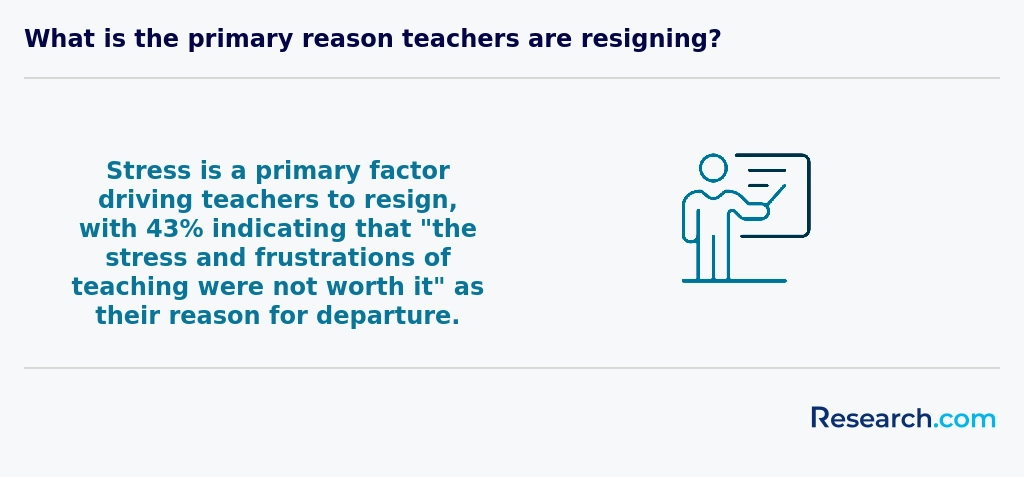
After earning your online Education degree, the next critical step is meeting Illinois’ Teacher Certification and Licensure Requirements to become a fully qualified educator. Graduates must complete an approved educator preparation program, pass the Illinois Licensure Testing System (ILTS) exams, and clear a background check. For those starting with foundational credentials, exploring our Best Online Associate in Education Programs can streamline your pathway toward full teacher licensure. Key steps to secure your Illinois teaching license include: • Completing an HLC–accredited educator preparation program that covers both content-area instruction and pedagogy. • Passing ILTS content-area and basic skills tests (e.g., Communication Arts/Literacy and Mathematics) with scores meeting or exceeding state benchmarks. • Submitting fingerprints and completing a criminal background check through the Illinois State Board of Education (ISBE). • Applying for the Professional Educator License (PEL) once all coursework, examinations, and field experiences are verified. To maintain your license, be aware of these ongoing requirements: • Professional Development: Accumulate 120 Professional Development Hours (PDHs) every five years. • Renewal Process: File for renewal online through the ELIS portal at least 60 days before expiration. • Continuing Education: Complete state-approved workshops or graduate-level courses if required for specialized endorsements (e.g., ESL or Special Education). Navigating certification steps early-ideally during your online degree program-can reduce delays. Reach out to your institution’s licensure advisor for personalized guidance, and consult the ISBE website for updated testing dates, fee schedules, and fingerprinting locations.
What financial aid is available to online education degree students in Illinois?
For online education degree students in Illinois, financial aid often begins with federal options like Pell Grants, which can offer up to $7,395 annually without the weight of repayment. A graduate from Northern Illinois University fondly recalls how this grant eased their financial stress, allowing more focus on studies rather than bills. Completing the FAFSA promptly opens these doors.
Beyond federal support, Illinois provides the Monetary Award Program (MAP), a need-based grant tailored to residents attending approved schools. Many from Western Illinois University have highlighted MAP as a vital help that bridged gaps in tuition funding, enabling continued enrollment without overwhelming debt.
Institutional scholarships also play a key role-merit-based awards recognizing academic strength or teaching experience. Graduates mention the relief and encouragement found through such scholarships, which acknowledge efforts beyond grades alone.
Employer tuition reimbursement is another often-overlooked lifeline, especially for working professionals balancing career and education. Several graduates have shared how their employers' support turned challenging schedules into achievable learning journeys.
Finally, federal and state loans remain an option, but with careful thought-offering lower rates and flexible repayment compared to private loans, they demand mindful planning to avoid future burdens.
Teacher Certification and Licensure Requirements
Aspiring educators must understand how an Online Education degree in Illinois aligns with state certification and licensure pathways. Illinois requires candidates to earn an approved bachelor’s or master’s degree in education, complete a state-approved teacher preparation program, pass the required assessments (such as the ILTS content-area test and the edTPA performance assessment), and fulfill a criminal background check. Many online programs incorporate guided clinical experiences, ensuring you meet the minimum 120 hours of student teaching in a P–12 classroom. Key steps to teacher certification in Illinois include: • Enrolling in a Program Aligned with the Illinois Professional Teaching Standards (IPTS), which covers pedagogical theory, instructional strategies, and special education requirements. • Completing the Test of Academic Proficiency (TAP) or meeting ACT/SAT score waivers, followed by the ILTS content-area exam in your chosen endorsement (e.g., Elementary Education, ESL, or Special Education). • Meeting the edTPA performance assessment benchmarks, which evaluate your ability to plan lessons, instruct students, and assess learning outcomes through a portfolio of real classroom artifacts. • Submitting a Teaching Credential Application through the Educator Licensure Information System (ELIS) once all coursework, exams, and field experiences are documented. Online programs that offer robust licensure support often feature dedicated advisors to guide you through application timelines, exam preparation workshops, and partnerships with local school districts for practicum placements. For additional insights into cost-effective graduate pathways that satisfy these licensure requirements, explore our Cheapest Online Master's in Education Degree Programs Ranking in Illinois.
What are the prerequisites for enrolling in online education degree program in Illinois?
Enrolling in an online education degree program in Illinois starts with meeting clear, foundational prerequisites that set the stage for success. Graduates from well-regarded institutions like the University of Illinois and Northern Illinois University often recall how their high school diploma or GED was just the beginning-official transcripts are essential to prove readiness for college-level work. Many found submitting standardized test scores like the SAT or ACT an optional step, reflecting the flexible, accommodating approach Illinois schools take, especially for online learners balancing life and study.
For those advancing to master's programs, a completed bachelor's degree with a solid GPA, often around 3.0, forms the academic backbone. Experienced students emphasize how letters of recommendation and personal statements became opportunities to showcase passion and goals, which made the application process feel personal and motivating rather than daunting.
Background checks, especially for licensure tracks, underscore a deep commitment to student safety-a detail that reassures many aspiring educators. Financial planning also plays a role; graduates frequently reflect on the manageable tuition at public Illinois universities and how it eased concerns about affordability while pursuing their dreams.
What courses are typically in online education degree programs in Illinois?
Students pursuing online education degrees in Illinois often encounter a thoughtfully structured curriculum designed to balance theory with real-world application. Graduates from institutions such as the University of Illinois Urbana-Champaign or Northern Illinois University frequently reflect on how courses like Foundations of Education framed their understanding of teaching as a dynamic, culturally embedded practice.
Classes in Educational Psychology helped many grasp the complexities of how diverse learners develop, making their future classrooms more empathetic and inclusive. Practical courses in Curriculum Design and Instruction challenged students to create adaptable lesson plans, a skill praised by alumni working in both urban and rural school settings across Illinois.
Experiencing Assessment and Evaluation gave learners confidence in measuring student progress thoughtfully, while Classroom Management prepared them to foster positive, well-organized learning spaces. Graduates often highlight how Educational Technology courses equipped them to integrate digital tools effectively, an essential competence for today's evolving classrooms.
What types of specializations are available in online education degree programs in Illinois?
Students embarking on an online education degree in Illinois often find a variety of focused paths that align with their career ambitions. Common specializations include Curriculum and Instruction, which prepares educators to design effective lesson plans and assessments, a choice frequently praised by graduates from large public universities in Illinois. Those drawn to making a difference in inclusive classrooms typically gravitate toward Special Education, a field reflecting Illinois' commitment to diverse learning needs.
Many online education degree specializations Illinois students choose involve leadership roles, such as educational administration, enabling them to influence school policies and management, especially valued by alumni from well-known teacher preparation programs. Others select areas like Early Childhood Education or English as a Second Language, both critical in Illinois' diverse educational landscape. Experience from several colleges suggests that Educational Technology is increasingly popular, empowering teachers to integrate digital tools confidently.
For students considering affordability alongside specialization, exploring the Cheapest Online Master's in Education Degree Programs Ranking in Illinois can offer practical guidance tailored to their needs and ambitions.
How do you choose the best online education degree in Illinois?
Choosing the right online education degree in Illinois means focusing on factors that truly matter to your journey. Graduates from well-regarded programs at public universities often highlight how accreditation by entities like the Council for the Accreditation of Educator Preparation (CAEP) made their credentials stand out during job applications. This accreditation ensures you're learning a curriculum aligned with state standards and respected by Illinois employers.
Another key aspect is the program's curriculum focus. Many students who pursued degrees from popular Illinois colleges found that selecting specializations-such as educational leadership or special education-helped them align their studies with real career goals. Practical experiences like student teaching and internships breathe life into online learning, bridging theory and classroom reality.
Cost is always on everyone's mind. For those seeking affordable education degrees online Illinois offers options that balance quality and price, often with flexible payment plans. Researching financial aid or scholarships can ease the burden; some graduates recommend exploring affordable online universities that match your financial needs without compromising reputation.
Finally, consider how the program syncs with Illinois State Board of Education licensure requirements. Graduates sharing their stories from universities with strong support services recall how this alignment smoothed their path to becoming certified teachers, turning ambition into rewarding careers.
What career paths are available for online education degree students in Illinois?
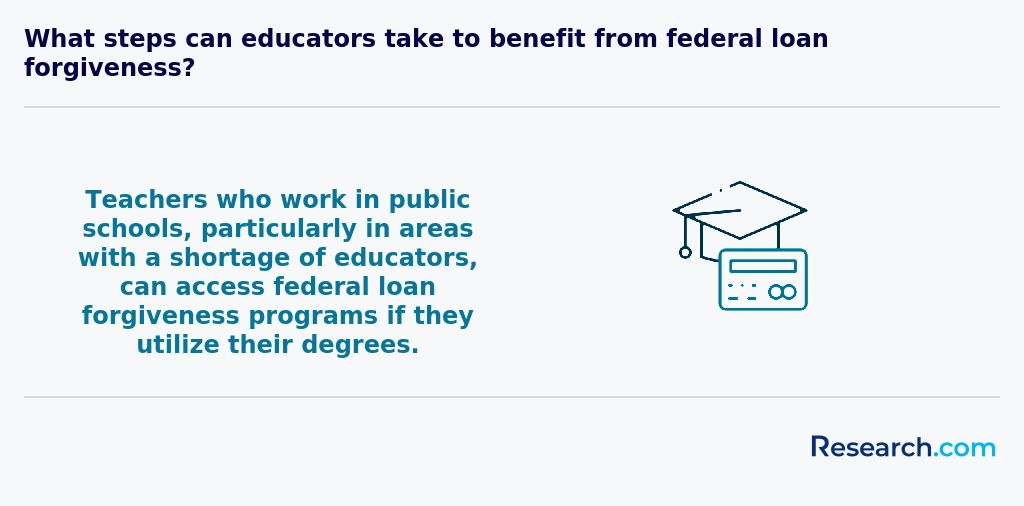
Graduates pursuing an online education degree careers in Illinois find themselves stepping into a dynamic landscape where versatility meets opportunity. Many become licensed teachers, prepared through rigorous programs at institutions like the University of Illinois Urbana-Champaign or Northern Illinois University. These graduates often recall the rewarding moments in K-12 classrooms where they made a real impact, especially in subjects with critical shortages such as math and special education.
Others channel their passion into leadership roles such as school administration or curriculum development. For example, alumni from Chicago State University share how their online degrees enabled them to rise as instructional coordinators, shaping innovative programs that embrace inclusivity and new technologies. Illinois teaching jobs with online degree credentials also open doors to careers as educational consultants and technology specialists who enhance learning through digital platforms.
For those seeking flexibility while advancing their careers, programs at popular colleges in Illinois offer pathways into instructional design and online program coordination. Such roles thrive in today's hybrid learning environments, bringing curriculum to life in virtual classrooms. Prospective students might explore colleges with open admissions, which broaden access to these transformative careers.
What is the job market for online education degree in Illinois?
The job market for online education degree jobs in Illinois remains promising, especially for those who complete their studies at well-regarded institutions such as the University of Illinois or Northern Illinois University. Graduates often share how their online coursework prepared them not only with theory but practical skills, allowing them to confidently step into roles across K-12 schools and special education programs. One graduate recalls how their training in digital teaching tools made them a sought-after candidate for districts expanding remote and hybrid learning models.
In Illinois, employment outlook for education graduates is bolstered by steady growth in public school enrollment and increased demand for certified teachers. Many graduates find rewarding opportunities in educational administration and curriculum development, where their background in online education enhances their ability to innovate within schools. The balance of affordability and quality in local programs makes pursuing an online degree a wise choice in this climate.
For those considering different study paths, exploring accelerated associates may provide a quicker entry into the education field, further supporting career growth in Illinois's evolving job market.
Frequently Asked Questions About education
Students pursuing online education degrees in Illinois can maximize their learning experience by staying organized and using available academic resources. Illinois has over 40 accredited institutions offering online education programs, many of which provide tutoring, library access, and career services tailored for remote learners.
Active participation in virtual classes and discussion boards enhances understanding and retention. Setting a dedicated study schedule helps maintain consistency, which is crucial given that Illinois ranks among the top states for online education enrollment, according to the Illinois Board of Higher Education.
Additionally, students should leverage technology effectively by using reliable devices and stable internet connections. Connecting with peers and faculty through email or video calls can foster a supportive learning community, an element shown to improve graduation rates in Illinois online programs.
The education field in Illinois is seeing growth in several specialized areas that align with evolving societal needs and technological advances. One key niche is educational technology, where professionals design and implement digital learning tools to enhance student engagement and accessibility. According to the Illinois Board of Higher Education, demand for tech-savvy educators is rising rapidly.
Another emerging area is special education with a focus on inclusive practices for students with disabilities. Illinois schools increasingly require teachers trained in personalized learning strategies.
Additionally, there is a growing need for early childhood education specialists, driven by state initiatives to expand preschool programs.
These niches offer promising career opportunities for prospective students pursuing online education degrees in Illinois.
After completing an online education degree in Illinois, preparing for the job market involves several strategic steps. First, understand that as of 2023, Illinois employs over 120,000 education professionals, making it essential to stand out with practical experience and certifications. Consider obtaining state-specific certifications, such as those offered by the Illinois State Board of Education (ISBE), to ensure eligibility for local teaching positions.
Networking is crucial; joining organizations like the Illinois Education Association can connect you with employers and resources. Additionally, gaining practical experience through internships or substitute teaching enhances your resume. According to the Illinois Board of Higher Education, candidates with classroom experience have a 30% higher chance of employment within six months of graduation.
Finally, polish your job-search skills by attending career fairs and workshops often hosted by Illinois universities, designed to help graduates transition into the workforce successfully.
Employers in Illinois seeking education degree graduates prioritize several key skills essential for successful teaching careers. Strong communication abilities rank highest, enabling educators to convey information effectively and engage diverse student populations. According to the Illinois State Board of Education, problem-solving and classroom management skills are also critical, helping teachers maintain productive learning environments.
Technological proficiency has grown increasingly important, especially for online and hybrid teaching contexts, reflecting trends reported by the National Center for Education Statistics. Additionally, adaptability and cultural competence are valued, as Illinois classrooms become more diverse.
Data from recent local job market analyses show that collaborative teamwork and ongoing professional development are also frequently desired by employers.
Finding internships in Illinois related to an education degree involves strategic use of local resources and networking. Many universities offering online education degrees in Illinois, such as the University of Illinois system, have career services that connect students with local schools and educational organizations for internships.
The Illinois State Board of Education provides listings and guidance on approved internship programs, which can be valuable for aspiring educators seeking real-world classroom experience.
Additionally, organizations like the Illinois Principals Association and local school districts frequently post internship opportunities on their websites.
Networking through professional associations, attending education job fairs, and using platforms like Handshake, popular in Illinois universities, also enhance internship prospects.
Online education degrees in Illinois significantly enhance career mobility and advancement in the education sector. Illinois ranks among states with a high demand for qualified teachers and administrators, partly due to retirements and evolving educational standards. According to the Illinois State Board of Education (ISBE), professionals holding bachelor's or master's degrees in education often see a faster increase in job opportunities and salary potential.
With flexible online programs, many working adults can earn credentials without pausing their careers, which supports continued professional growth. Data from the U.S. Department of Education highlights that educators with advanced degrees in Illinois typically experience a 10-20% higher earning potential compared to their counterparts with only a high school diploma or associate degree.
Moreover, Illinois schools commonly require state certification aligned with degree completion, reinforcing the value of accredited online degrees for career advancement.
Studying for an education degree in Illinois offers strong preparation for interdisciplinary roles by integrating diverse teaching methods, policy analysis, and community engagement. Illinois institutions often include coursework in psychology, sociology, and technology, helping students develop skills beyond traditional classroom instruction. This blend equips graduates to collaborate across various fields like social work, health services, and administration.
According to the Illinois Board of Higher Education, many online programs emphasize applied learning and real-world problem solving, which are essential for interdisciplinary work. Additionally, Illinois's diverse population provides a practical context for understanding different educational needs and cultural perspectives.
When choosing between a thesis and a non-thesis education degree program in Illinois, students should consider their career goals and learning preferences. Thesis programs emphasize in-depth research, ideal for those who want to pursue advanced studies or careers in academia. Non-thesis options focus more on coursework and practical skills, suitable for educators aiming for leadership roles or classroom teaching.
According to the Illinois Board of Higher Education, about 35% of online education master's degrees in the state offer thesis tracks, while 65% provide non-thesis routes that are often faster to complete. This reflects a growing demand for flexible, practice-oriented programs among Illinois students.
Understanding these distinctions helps prospective students align their education with professional aspirations and time commitments effectively.
Students in Illinois seeking online education degrees with an interest in studying abroad have several pathways to consider. While Illinois institutions primarily offer fully online programs, partnerships with foreign universities or study-abroad components may be available. For example, some Illinois public universities incorporate international internships or virtual exchanges linked to their education degrees. According to the Illinois Board of Higher Education, about 18% of students engage in some form of international education experience annually, though mostly in-person.
Those interested can explore consortium programs or dual-degree options facilitated by Illinois institutions, but these remain limited.
Additionally, students can independently enroll in recognized foreign universities offering online education degrees, ensuring that Illinois professional licensing requirements are met upon program completion.
Part-time job opportunities in Illinois that complement education degree studies often focus on hands-on experience and flexible scheduling. Roles such as teacher's aides, tutoring assistants, and after-school program staff are common options. These positions allow students to apply pedagogical theories in real settings while managing their coursework. According to the Illinois Department of Employment Security (IDES), demand for educational support roles is expected to grow by 6% through 2030.
Additionally, many school districts offer part-time roles in adult education or early childhood programs, which align well with online degree schedules. Networking through these jobs can also enhance future teaching prospects.
Online education students in Illinois benefit from a variety of networking opportunities designed to replicate the traditional college experience. Many Illinois universities offering online education degrees, such as the University of Illinois and DePaul University, provide virtual events, discussion forums, and alumni networks. These platforms help students connect with peers, faculty, and professionals in education fields.
Additionally, statewide organizations like the Illinois Online Network foster collaboration among online students and educators. According to the Illinois Board of Higher Education, nearly 30% of Illinois college students engage in online learning, increasing the demand for community-building initiatives tailored to remote learners.
Local education conferences and virtual job fairs also create valuable touchpoints for students developing professional relationships. Such networking can lead to internships, mentorships, and employment opportunities throughout Illinois' public and private educational sectors.
Alumni networks play a vital role in supporting students enrolled in online education degree programs in Illinois. These networks provide access to professional connections that can assist in job placement and career advancement. According to the Illinois Board of Higher Education, over 80% of graduates find their first job through networking or referrals. Online students benefit from these connections just as much as traditional students, gaining mentorship and guidance tailored to local educational settings.
Many Illinois universities offer active alumni groups that host virtual events, workshops, and job fairs. These resources are crucial for building relationships within the education sector in the state.
Engagement with alumni networks can also enhance lifelong learning, as members share industry updates and new teaching strategies specific to Illinois' diverse school systems.
Customizing an online education degree program in Illinois involves selecting courses and specializations aligned with your career goals. Many Illinois institutions offer flexible credit options, allowing you to focus on subjects like special education, curriculum development, or educational leadership.
Additionally, Illinois schools often provide opportunities for practical experience through virtual internships or practicum placements within local school districts. You can also choose graduation tracks that meet Illinois State Board of Education licensure requirements if you aim to become a certified teacher.
According to the Illinois Board of Higher Education, over 60% of online education programs include customizable curricula designed to fit diverse career paths. This flexibility enables you to build a degree that supports your professional aspirations while accommodating your schedule.
Students pursuing online education degrees in Illinois often face challenges related to access and technology. According to the Illinois Board of Higher Education, about 15% of students report unreliable internet connections, which can disrupt synchronous classes and limit access to resources.
Another common issue is time management. Balancing coursework with work and family responsibilities proves difficult for many, especially as most online education students in Illinois are working adults.
Additionally, some students struggle with limited interaction and support from instructors and peers. This can impact motivation and engagement, affecting overall success rates.
Understanding these challenges can help prospective students prepare better for online education.
With an online education degree in Illinois, graduates can pursue a variety of professional certifications to enhance their careers. One of the most common certifications is the Illinois Professional Educator License (PEL), required for teaching in public schools. This license offers endorsements in subjects like elementary or secondary education. Additionally, many educators pursue National Board Certification, recognized nationwide for advanced teaching expertise.
Other options include certifications for specialized roles such as TESOL (Teaching English to Speakers of Other Languages) or special education credentials. These certifications can boost job prospects and salary potential. The Illinois State Board of Education provides detailed guidance on certification requirements and pathways, updated regularly to reflect educational standards and workforce needs.
When applying to online education degree programs in Illinois, a strong application starts with clear, tailored personal statements. Highlight your motivation for pursuing education, relevant experience, and career goals. Admissions committees typically value candidates demonstrating commitment to teaching and community impact.
Ensure all transcripts and test scores are official and up to date. Illinois online programs often require a minimum GPA of 3.0, but requirements vary by institution. According to the Illinois Board of Higher Education, nearly 60% of education graduate programs prefer applications with prior classroom or volunteer experience.
Letters of recommendation are crucial; seek educators or supervisors who can speak to your dedication and skills. Lastly, follow each program's instructions precisely to avoid delays.
Careers in education are recognized worldwide for their critical role in shaping future generations, although perspectives vary by region. In the United States, including Illinois, education professionals are valued for both academic and social contributions. According to the Illinois State Board of Education, over 215,000 educators work in the state, highlighting a strong demand driven by a growing population and diverse communities.
Globally, education careers are often linked to social mobility and economic development. Many countries prioritize teacher training and certification, similar to U.S. standards, ensuring quality instruction. For Illinois students pursuing online degrees, this alignment means their credentials are respected in global education markets.
Moreover, U.S. education degrees typically emphasize research, technology integration, and inclusivity, reflecting modern teaching trends worldwide. This makes online education degrees from Illinois institutions competitive and relevant for international educational careers.
Students pursuing online education degrees in Illinois can gain practical experience through multiple avenues. Many Illinois institutions partner with local schools and educational organizations to provide virtual or in-person student teaching internships, which are often mandatory for licensure. For example, the Illinois State Board of Education requires completion of a clinical experience, which online programs typically integrate into their curriculum.
Additionally, online students can participate in practicum placements or cooperative education options offered by universities. Volunteering in after-school programs or tutoring local students virtually also helps build hands-on skills while balancing coursework.
According to the Illinois Board of Higher Education, about 85% of accredited teaching programs embed supervised practical components, ensuring graduates are classroom-ready.
Choosing the right concentration within an online education degree program in Illinois requires careful consideration of your career goals and interests. Illinois offers a variety of specializations such as early childhood education, special education, educational leadership, and curriculum development. Each concentration addresses different needs in schools and districts across the state.
Research from the Illinois State Board of Education shows high demand for special education teachers and administrators, highlighting promising job prospects in these areas. Additionally, consider the certification requirements in Illinois, as some concentrations lead to state licensure.
Assess program flexibility, course offerings, and alignment with your professional objectives when making your decision.
Related Education Rankings for Nearby States
- 2027 Easiest Online Education Degree Programs Ranking in Indiana
- 2027 Easiest Online Education Degree Programs Ranking in Iowa
- 2027 Easiest Online Education Degree Programs Ranking in Missouri
- 2027 Easiest Online Education Degree Programs Ranking in Kentucky
- 2027 Easiest Online Education Degree Programs Ranking in Michigan
- 2027 Easiest Online Education Degree Programs Ranking in Tennessee
- 2027 Easiest Online Education Degree Programs Ranking in Arkansas
- 2027 Easiest Online Education Degree Programs Ranking in Nebraska
- 2027 Easiest Online Education Degree Programs Ranking in Kansas
- 2027 Easiest Online Education Degree Programs Ranking in West Virginia
Top Trending Education Rankings
See What Experts Have To Say About Studying Education
Read our interview with Education experts


Nooshan Ashtari
Education Expert
Professor & Book Author
University of Southern California

References
- Cost & Fees https://www.ic.edu/online/tuition/costs
- How To Become a Teacher in Illinois https://ieanea.org/resources/how-to-become-a-teacher-in-illinois/
- Online Degree Programs & Courses - WIU https://www.wiu.edu/online/
- How Pathways In Education (PIE) Puts Students First | Illinois https://il.pathwaysineducation.org/2025/03/17/how-pathways-in-education-pie-puts-students-first/
- Engaging Students in Meaningful Learning Experiences https://www.facultyfocus.com/articles/effective-teaching-strategies/engaging-students-in-meaningful-learning-experiences/
- Elementary Education, BS Online | Accredited Liberal Arts ... https://www.greenville.edu/academics/online-programs/elementary-education-bs-online
- Educating In The AI Era: The Urgent Need To Redesign ... https://learningpolicyinstitute.org/blog/educating-ai-era-urgent-need-redesign-schools
- Best Online Colleges In Illinois 2025 https://www.affordablecollegesonline.org/online-colleges/illinois/
- Online Professional Education - Blackburn College https://blackburn.edu/academics/online-professional-education/
- Creating Conditions Where Students Can Thrive https://edsystemsniu.org/creating-conditions-where-students-can-thrive/


