
2027 Easiest Online Master's in Education Degree Programs Ranking in Arkansas

Co-Founder and Chief Data Scientist
Are you considering advancing your career with a master's degree in education? Our article introduces the 2027 Easiest Online Master's in Education Degree Programs Ranking in Arkansas, created by the Research.com team of data scientists. This ranking is designed to help you easily find programs that match your goals and lifestyle.
Choosing the right program can feel overwhelming, but this guide offers clear insights to make that decision simpler. Pursuing an education degree can open doors to rewarding opportunities and personal growth.
Explore options that fit your needs and take the next step toward your future with confidence.
Key benefits of getting online education degree in Arkansas
- The mean annual wage for education-related roles in Arkansas is promising, with Education Managers earning about $129,330 and Education Program Managers around $104,920, showing strong financial potential from an online education degree.
- Graduates from University of Arkansas often pursue careers like Curriculum Specialist or Education Consultant, roles that offer rewarding opportunities to shape educational programs and policies within various settings.
- Completing an education degree online at Arkansas State University provides flexibility to balance work and study while gaining the same respected qualification as traditional degrees, helping graduates advance confidently in their careers.
- Key benefits of getting online education degree in Arkansas
- What can I expect from online education degree in Arkansas?
- Where can I work with online education degree in Arkansas?
- How much can I make with online education degree in Arkansas?
- 2027 Easiest Online Master's in Education Degree Programs Ranking in Arkansas
- Key Findings
- How long does it take to complete online education degree in Arkansas?
- What's the difference between online and on-campus education degree?
- What is the average cost of online education degree in Arkansas?
- What financial aid is available to online education degree students in Arkansas?
- What are the prerequisites for enrolling in online education degree program in Arkansas?
- What courses are typically in online education degree programs in Arkansas?
- What types of specializations are available in online education degree programs in Arkansas?
- How do you choose the best online education degree in Arkansas?
- What career paths are available for online education degree students in Arkansas?
- What is the job market for online education degree in Arkansas?
- Related Education Rankings for Nearby States
- Top Trending Education Rankings
- See What Experts Have To Say About Studying Education
What can I expect from online education degree in Arkansas?
If you're wondering about the average cost of an online education degree in Arkansas, it usually falls somewhere between $10,000 and $25,000 for the entire program. For instance, graduates from the University of Arkansas at Little Rock often share how manageable the tuition felt compared to on-campus options, especially since they could avoid moving or commuting expenses.
Arkansas State University's programs are known for their affordability and quality, making it a popular choice among local teachers wanting to level up without breaking the bank. Many alumni mention tapping into financial aid or specialized scholarships for Arkansas educators, which made a big difference in keeping costs reasonable.
Plus, you'll often find that schools offer flexible payment plans or part-time options so you can balance your career and studies without stacking up huge debt. It's a real bonus when you can see your paycheck steady while still knocking out courses toward your master's.
Where can I work with online education degree in Arkansas?
If you earn an online education degree in Arkansas, you've got plenty of options waiting for you. Many graduates from places like the University of Arkansas jump right into teaching jobs at local public and private schools, whether that's elementary, middle, or high school. It's pretty common to hear how flexible their online programs made it easy to balance work and family while earning that teaching license.
But teaching isn't the only path. Some grads find themselves thriving as curriculum coordinators or instructional coaches in school districts across the state, especially when they've completed a master's degree online. Imagine working behind the scenes, helping shape what kids actually learn in classrooms-that kind of job gives a real sense of impact.
Then there's the growing field of educational tech. Online education alumni sometimes take roles as instructional designers or e-learning coordinators, designing courses and training programs for schools or even local businesses. So whether you want to be in a classroom, an office, or a digital learning space, Arkansas offers solid career paths that really match what you love to do.
How much can I make with online education degree in Arkansas?
If you earn an online education degree in Arkansas, your paycheck can vary quite a bit depending on the path you take. Graduates from popular state schools often land roles like licensed teachers, who typically make around $53,000 a year- a bit less than the national average but still solid for starting out. Those who dig a little deeper, snagging certifications or stepping into specialized gigs like curriculum specialists, can expect to rake in about $77,200 annually, according to national data.
Some graduates also find themselves managing programs or entire education departments, boosting their salaries to around $104,920 or even $129,330 for education managers. Imagine working at a community college or a university in Arkansas and making close to $96,570 as a higher education professor-that's a real possibility with your degree.
People I know from Arkansas State and University of Arkansas have shared how these numbers helped them confidently plan their futures. Whether you're teaching kids or leading educational initiatives, there's good money and satisfying work waiting for you here.
2027 Easiest Online Master's in Education Degree Programs Ranking in Arkansas
How do we rank schools?
Investing in your education is a significant decision that can shape your future, and the Research.com team understands the importance of making informed choices. To assist prospective students in Arkansas, we have meticulously developed the "2027 Easiest Online Master's in Education Degree Programs Ranking in Arkansas." Our commitment to quality, credibility, and accuracy is reflected in the thorough research and analysis performed to create this ranking.
We utilized the following reputable data sources to ensure a comprehensive evaluation of online master's in education programs:
By exploring this ranking, readers will gain valuable insights into the easiest and most accessible online education master's programs in Arkansas, helping them make informed decisions suited to their needs and goals. For more details on our methodology, please visit our Research.com methodology page.
# 1 position
University of Arkansas at Little Rock
Master of Gifted, Creative, and Talented Education



Key Findings
- Online master's programs in education in Arkansas cover curriculum development, educational leadership, and special education.
- Tuition ranges from $7,000 to $15,000, with public universities offering lower rates especially for in-state students.
- Financial aid options include scholarships and federal student loans for many programs.
- Entry-level salaries for education graduates average around $45,000 annually, increasing to about $60,000 with experience.
- Arkansas supports advanced degree holders with licensure reciprocity and professional development programs.
How long does it take to complete online education degree in Arkansas?
If you're looking to finish an online education degree in Arkansas, the timeline usually depends on the type of degree and how you juggle school with life. For a bachelor's degree, most students at places like the University of Arkansas or Arkansas State University finish in about four years if they're full-time. But plenty find ways to speed it up using credits from past classes or by enrolling in accelerated programs.
Master's degrees are a bit more flexible. Many students take anywhere from 18 months to three years, especially if they're balancing work and family. Graduates often mention how programs that let you study part-time or take classes year-round make it easier to fit learning into a busy schedule.
One thing's clear: whether you're full-time or part-time, Arkansas schools are pretty accommodating. Students love how the credit system and flexible formats help them move along at their own pace without feeling overwhelmed.
What's the difference between online and on-campus education degree?
If you're thinking about getting an education degree in Arkansas, the biggest difference between online and on-campus programs really comes down to how and where you learn. On-campus programs, like those at the University of Arkansas, mean you'll be showing up in person, chatting face-to-face with professors and classmates, and tapping into campus spots like libraries or labs. Many graduates say this hands-on vibe helped them stay connected and motivated.
Online programs, which schools like Arkansas State University offer, give you way more flexibility. You can log in from anywhere and work on classes whenever it fits your schedule-perfect if you're juggling a job or family. Some grads love being able to study in their own space, at their own pace, even if it means missing out on some of the campus buzz.
Plus, with online degrees, you save on commuting and housing costs, which makes a big difference in your budget. But keep in mind, those online students often have to be super organized since there's less direct supervision. Either way, both paths get you the same solid education and qualifications right here in Arkansas.
What is the average cost of online education degree in Arkansas?
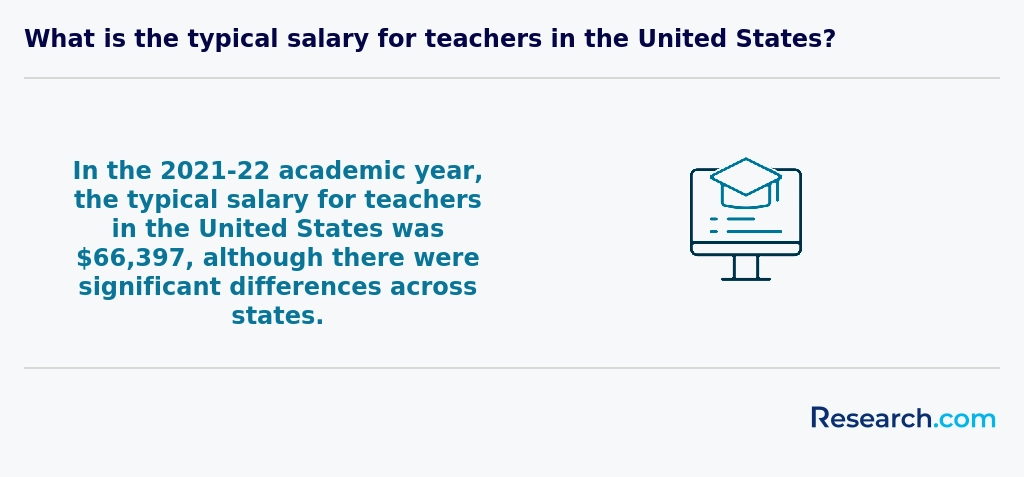
If you're thinking about pursuing an online education degree in Arkansas, it's helpful to know what the average cost looks like. For most students here, the total tuition and fees for online master's in education Arkansas programs usually hover around $13,547. This figure reflects a mix of public and private university costs, but it's a solid benchmark to expect if you're budgeting for your degree.
Many graduates from popular Arkansas universities have shared how this price feels manageable, especially when you consider the flexibility of online learning. One can imagine balancing work, family, and studies all while saving on commuting or housing costs, which really eases the financial stress. Arkansas residents tend to have an even better deal since their tuition is generally lower compared to out-of-state students.
That said, as you explore your options, keep in mind that some private colleges might charge more. Still, many students find that investing in these programs brings rewarding opportunities, like specialized training or smaller class sizes. Don't forget about financial aid either-there can be scholarships and fellowships available to help lower the price tag.
If you're looking to speed up your graduation timeline to save money, it's worth checking out 1 year masters degrees, which some Arkansas schools offer for education majors. This pathway can really make a big difference in the total cost of your online education degree in Arkansas.
What financial aid is available to online education degree students in Arkansas?
If you're looking to earn your online education degree in Arkansas, you've got some solid financial aid options to make things easier on your wallet. Lots of students have found federal help through FAFSA, unlocking Pell Grants that can cover thousands-up to $7,395 for the 2023-2024 year. This is a big deal, especially if you're juggling work and family while studying.
Then there's the Arkansas Teacher Opportunity Program (ATOP), which is a game-changer for future teachers aiming to work in local public schools. Graduates from programs at schools like the University of Arkansas or Arkansas State have shared how ATOP eased their loan burdens by offering up to $4,000 in loan forgiveness each year for teaching in tough-to-staff areas.
Don't forget scholarships! Many Arkansas universities with online education majors, plus local foundations, offer scholarships that reward dedication and financial need. A lot of online students say this makes paying tuition-often between $9,000 and $11,500 annually-feel way more doable when combined with these aids and in-state tuition perks.
What are the prerequisites for enrolling in online education degree program in Arkansas?
If you're thinking about enrolling in an online education degree in Arkansas, you'll need to have some basics locked down first. Most programs, whether at the University of Arkansas or Arkansas State University, expect you to have a high school diploma if you're going for a bachelor's degree-or a bachelor's degree already if you're chasing a master's or higher.
Graduates often mention how keeping a GPA around 2.5 to 3.0 helped smooth their path, since many schools want to see that you can handle college-level work. Plus, you'll probably need to send in official transcripts and letters of recommendation-it's like showing you're serious and ready to dive in.
Some programs used to require GRE or MAT scores, but many Arkansas schools are cutting back on that or making it optional, which is great news if you hate stressful tests. Finally, if you want to get licensed as a teacher here, be ready to show proof of state certification and clear some background checks-it's all part of the process for anyone aiming to make a real impact in Arkansas classrooms.

What courses are typically in online education degree programs in Arkansas?
If you're diving into an online education degree in Arkansas, you'll find that the courses are pretty down-to-earth and designed to get you ready for the real classroom hustle. Graduates from places like the University of Arkansas or Arkansas State often talk about how practical courses like Educational Psychology helped them understand exactly how kids think and learn. It's like getting a sneak peek into the student's brain, which makes teaching way more rewarding.
Other must-have classes include Curriculum Development, where you actually build lesson plans that fit Arkansas state standards, making sure you're prepped for what's expected in local schools. Instructional Technology is another favorite, especially since so much teaching now happens online or with digital tools - graduates love how this course showed them how to keep lessons fresh and tech-savvy.
Students also share how Assessment and Evaluation classes taught them how to measure whether their teaching is hitting the mark, which is super helpful when you're aiming to see real progress. And managing a classroom can be tough, but a dedicated Classroom Management course gives you tips and techniques to keep things positive and productive, whether you're face-to-face or on Zoom.
What types of specializations are available in online education degree programs in Arkansas?
If you're looking at online education degree specializations Arkansas offers, there's a nice mix to choose from. For example, many graduates from Arkansas State University swear by the Curriculum and Instruction track. It's perfect if you want to get hands-on with teaching methods and become an instructional coach or curriculum coordinator. Students love how courses dive into educational technology and assessment techniques, making learning super practical.
Then there's the Educational Leadership and Administration path, popular among those aspiring to be principals or district admins. Folks studying this at the University of Arkansas often mention how the program's CAEP accreditation really boosts their confidence and job prospects. You get a solid grasp of school finance, law, and managing teams, exactly what you'd need for leadership roles.
Special Education also stands out, especially with Arkansas's growing need for qualified educators in this area. Graduates feel rewarded knowing they can help students with disabilities by designing individualized education programs (IEPs) and fostering inclusive classrooms.
School Counseling is another favorite, where students learn to support academic and emotional growth, tackling real-life challenges in schools. These options make Arkansas online master's in education focus areas feel tailored to your career dreams. If you're looking for a flexible route, check out this fast track bachelor degree to get started.
How do you choose the best online education degree in Arkansas?
Choosing the best online education degree in Arkansas comes down to a few key things. First, check if the program is properly accredited-Arkansas schools like the University of Arkansas and Arkansas State University usually have regional accreditation that employers trust. Graduates from these programs often talk about feeling confident that their degree really means something in the job market.
Cost is huge too. Many students find affordable online master's in education Arkansas programs around $7,000 to $10,000 a year. Plus, there are scholarships and financial aid available that can make a big difference. One graduate shared how stretching out tuition payments online helped balance work and study without breaking the bank.
Then, think about how flexible the course schedule is. Some programs offer fully asynchronous classes so you can study whenever, which really helped some working parents stay on track. Others might require live sessions or campus visits. Picking the right fit for your lifestyle makes a big difference in sticking with it.
Don't forget to look at curriculum options and specializations. Whether you want to move into administration or focus on special education, it's smart to talk to advisors and look through catalogs. Many Arkansas students find these steps helpful to match their career goals. For those still exploring, also consider easiest degree course options that might fit your strengths while pursuing education.
What career paths are available for online education degree students in Arkansas?
If you're earning an online education degree in Arkansas, the career options are pretty exciting and varied. Many graduates from popular schools like the University of Arkansas or Arkansas State University start out as licensed K-12 teachers, where demand is strong, especially in STEM, special ed, or ESL. It's common to hear about grads landing teaching roles in both urban and rural schools thanks to the state's flexible online programs.
But careers don't stop there. Some graduates move into school administration, becoming principals or instructional coordinators, which often means getting a master's degree and extra certification. Others take on school counseling roles, helping students with mental health and academic support-something Arkansas schools really value these days.
There's also a growing need for education technology specialists who design digital learning tools-a perfect fit if you're into tech and education. And if you're still figuring out what path suits you, it's worth checking out resources on the easiest masters degree canada to see what paths might fit your interests best. With an online education degree jobs Arkansas grads are landing are diverse and rewarding, giving you plenty of ways to make a real impact.
What is the job market for online education degree in Arkansas?
The job market for an online education degree in Arkansas is looking pretty solid right now. Graduates from popular schools like the University of Arkansas or Arkansas State University often find steady openings, especially in special education, STEM, and early childhood roles. Many grads share how easy it was to land teaching jobs because districts are really pushing to fill those gaps.
One of the coolest things about getting your degree online here is the flexibility-it fits well with busy schedules, especially if you're balancing work or family. Plus, Arkansas offers alternative certification programs that help online grads quickly jump into teaching careers or level up.
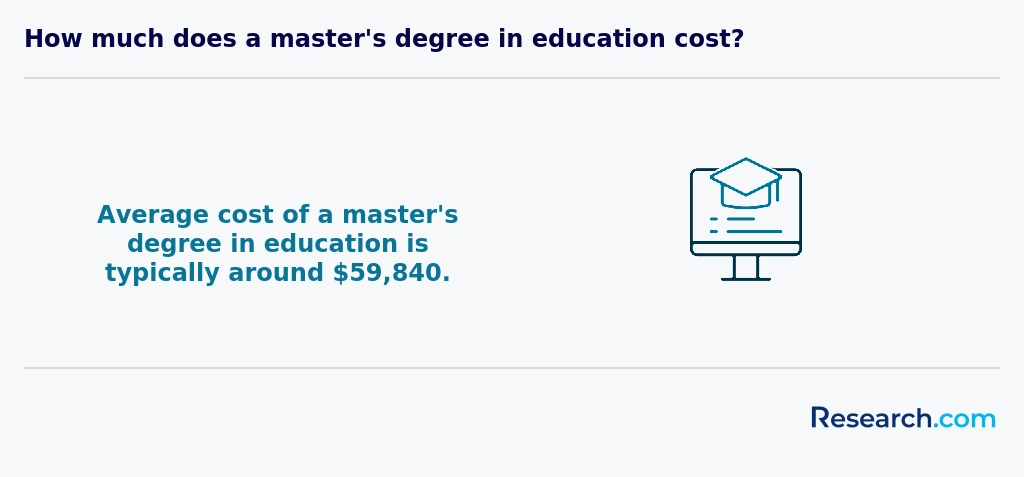
Teachers here typically see competitive salaries, around $52,000 a year, though that varies by district. And if you're thinking about costs, Arkansas schools often have rates that make online degrees affordable for in-state students. If you want faster options, checking out accelerated online associate degree programs could be worth your time.
For those curious about the Arkansas job market for education graduates, many say the demand, especially in rural areas, feels encouraging-and there are even local incentives to sweeten the deal for new teachers.
Frequently Asked Questions About education
Students pursuing online education degrees in Arkansas can maximize their learning by actively engaging with course materials and participating in virtual discussions. Arkansas ranks 44th in the nation for educational attainment, so leveraging resources such as the University of Arkansas System's online libraries can enhance research capabilities.
Time management is crucial; setting a consistent study schedule helps balance work, family, and school responsibilities. Additionally, utilizing Arkansas's state-specific networks like the Arkansas Department of Education's educator resources supports practical understanding of local policies.
Connecting with faculty and peers through online forums and video calls deepens comprehension and builds a professional network within the state's education community, enhancing career prospects.
The education field in Arkansas is expanding into several key niches that reflect current societal needs and technological advances. One growing area is special education, with the Arkansas Department of Education reporting increased demand for teachers trained to work with students with disabilities. Another emerging niche is educational technology, as schools adopt digital tools and remote learning platforms, increasing the need for specialists who can integrate technology into curriculum effectively.
Additionally, there is a rising focus on literacy and reading instruction, driven by Arkansas's efforts to improve early childhood education outcomes. Leadership and administration programs are also popular, preparing educators for roles in school management amid ongoing school reforms. These niches align with national trends and offer promising career paths for online education degree students in Arkansas.
After completing an online education degree in Arkansas, preparing for the job market involves several strategic steps. First, graduates should seek relevant teaching licenses required by Arkansas, such as the Standard Teaching License issued by the Arkansas Department of Education. This certification is essential for public school employment.
Networking with local school districts and attending education job fairs can increase chances of employment. Arkansas has over 200 school districts, many valuing candidates with online degrees from accredited institutions.
Additionally, gaining practical experience through student teaching or internships during the online program strengthens resumes. The Arkansas Department of Education's website provides resources on career opportunities and licensure requirements.
Employers in Arkansas increasingly value education degree graduates who demonstrate strong classroom management and communication skills. According to the Arkansas Department of Education, effective collaboration with students, parents, and colleagues is critical for success in local schools. Graduates with the ability to design inclusive lesson plans that accommodate diverse learning styles are highly sought after. Data from the Bureau of Labor Statistics shows that teachers with proficiency in digital tools and online instruction methods are in growing demand, reflecting trends in remote and hybrid learning environments. Critical thinking and problem-solving abilities also rank highly, as schools face evolving educational challenges.
Finding internships in Arkansas relevant to an education degree involves several strategic steps. Start by exploring opportunities offered through Arkansas universities, such as the University of Arkansas, which often partner with local schools for student placements. These internships allow practical experience in classroom settings, crucial for certification.
Additionally, the Arkansas Department of Education supports programs connecting students with public schools seeking interns. Using their official website can provide access to approved internship listings and guidelines.
Networking with local school districts and education-focused nonprofits can also yield internships. Websites like Handshake and local education job boards often post openings specifically for education majors. According to the National Center for Education Statistics, Arkansas has over 500 public school districts, which creates diverse internship possibilities statewide.
Obtaining an online education degree in Arkansas can significantly enhance career mobility and advancement opportunities. According to the Arkansas Department of Education, educators with advanced degrees often qualify for higher salary scales and leadership roles within school districts.
Online programs offer flexible schedules, allowing working professionals to balance education with their current employment. This flexibility encourages more educators to pursue master's degrees, a requirement for many administrative or specialized positions.
Furthermore, Arkansas recognizes online degrees from accredited institutions, enabling graduates to apply for promotions or certifications statewide. Data from the Arkansas Education Association indicates that educators with master's degrees earn approximately 15-20% more annually than those with only a bachelor's degree.
Overall, online education degrees offer accessible pathways for career growth within Arkansas's education system.
Studying for an education degree online in Arkansas equips students with skills that extend beyond traditional teaching roles. Programs emphasize interdisciplinary approaches, integrating knowledge from psychology, technology, and social sciences. This blend prepares graduates to address diverse learning needs and educational challenges in varied settings.
Arkansas institutions align their curricula with state standards while incorporating national trends in education. According to the Arkansas Department of Education, online programs encourage collaboration, critical thinking, and problem-solving, essential for interdisciplinary work.
Graduates often engage with education policy, curriculum design, and leadership, making them versatile professionals able to contribute in schools, community organizations, or educational agencies.
Choosing between a thesis and a non-thesis education degree program in Arkansas depends on your career goals and learning preferences. Thesis programs generally require original research and a written dissertation, appealing to those interested in academic or research careers. Non-thesis options focus more on coursework and practical skills, suitable for professionals aiming to advance in teaching or administration.
Arkansas universities like the University of Arkansas offer both formats in online master's programs, with variations in credit hours-typically 30-36 credits for non-thesis and 36-45 for thesis tracks, per university data.
The Arkansas Department of Higher Education notes that online programs with non-thesis tracks tend to have faster completion times, beneficial for working adults balancing career and study.
Ultimately, consider your time availability, interest in research, and career trajectory when deciding between these formats.
Students based in Arkansas who wish to study education abroad have several options through U.S.-accredited online degree programs that include international components. Many Arkansas institutions partner with global universities or offer virtual study abroad experiences, allowing students to gain international perspectives without leaving the state. According to the Arkansas Department of Higher Education, about 12% of Arkansas college students participate in some form of study abroad, though exact figures for education majors remain limited.
Arkansas residents can enroll in online master's programs that incorporate global education issues, comparative education, or international teaching methods. This approach is ideal for those seeking to enhance their understanding of worldwide educational systems while fulfilling Arkansas licensure requirements.
Finally, federally funded programs like Fulbright or university-led exchange programs may supplement online studies to provide more direct international exposure for Arkansas education students.
Part-time job opportunities in Arkansas that complement education degree studies often focus on gaining practical experience in teaching and child development. Positions such as teacher's aides, substitute teachers, or instructional assistants are common and valuable. According to the Arkansas Department of Education, these roles allow students to apply classroom theory in real school settings while earning income.
Many Arkansas school districts offer positions for substitute teachers to candidates with at least some postsecondary education. This flexibility suits students pursuing online education degrees. Additionally, roles in daycare centers or after-school programs help develop skills in classroom management and educational support.
Such jobs also improve resumes and professional networks, which are important for securing full-time teaching roles after graduation. The Arkansas Workforce Services reports that education-related part-time employment often leads to increased opportunities in the state's growing public school system.
Online education students in Arkansas have several networking opportunities despite the virtual format. Many universities, such as the University of Arkansas and Arkansas State University, offer virtual events, webinars, and alumni platforms to connect students.
Professional organizations like the Arkansas Education Association provide online forums and local chapter meetings that welcome online learners. These groups facilitate networking with educators across the state.
Additionally, online students can access statewide education conferences and workshops, often livestreamed, promoting interaction with peers and industry experts.
According to the Arkansas Department of Higher Education, over 30% of education graduate students engage in online communities each year, helping build meaningful connections.
Alumni networks provide valuable benefits to online education degree students in Arkansas by offering professional connections and career support. Graduates can tap into statewide networks to find job opportunities or mentorship in Arkansas's growing education sector. For instance, the Arkansas Department of Education reports increasing demand for qualified teachers, making these networks essential for career placement.
Alumni connections help students access internships, further studies, and resources not always available online. According to the National Association of Colleges and Employers, students with active alumni relationships have a 20% higher chance of securing employment within six months of graduation.
Many Arkansas institutions maintain active alumni communities that host events and provide online forums to support lifelong learning and networking.
Customizing an online education degree program in Arkansas allows students to align their studies with specific career goals. Many Arkansas universities offer concentrations within education degrees, such as curriculum design, special education, or educational leadership. This flexibility helps tailor coursework to meet individual interests and job market needs.
Additionally, students might choose electives that enhance skills in technology integration or counseling, depending on their career ambitions. Arkansas's Department of Education supports educators seeking specialized endorsements or certifications through approved online programs, boosting employability within the state.
Research shows that over 70% of Arkansas educators pursue additional certifications to advance their careers, illustrating the value of customization in online degrees (Arkansas Department of Education, 2023).
Online education students in Arkansas often face challenges related to technology access and internet connectivity. According to the Arkansas Department of Education, about 14% of households lack reliable high-speed internet, which can hinder participation in live online classes and timely submission of assignments.
Another challenge involves balancing studies with professional and family responsibilities. Many students in Arkansas pursuing online degrees are working adults, and managing time effectively can be difficult without the structured environment of traditional campuses.
Additionally, some students report feelings of isolation due to limited face-to-face interaction with instructors and peers. This can affect motivation and engagement, impacting overall success in online programs.
Understanding these obstacles helps prospective students prepare better for the realities of online learning in Arkansas.
With an online education degree, individuals in Arkansas can pursue several professional certifications that enhance career prospects. Popular options include the Arkansas teaching license, which is essential for public school educators in the state. Graduates may also seek the National Board Certification, recognized nationwide for demonstrating advanced teaching expertise. For those interested in administration, the Arkansas Educational Administrator License is available after meeting specific coursework and experience requirements.
Additional certifications include Special Education credentials and ESL (English as a Second Language) endorsements, both important due to Arkansas's growing diverse student population. According to the Arkansas Department of Education, nearly 7% of K-12 students are English learners, increasing demand for ESL-certified teachers.
These certifications typically require passing state-approved exams and completing background checks, aligning with Arkansas educational standards.
Writing a winning application for an online education program in Arkansas requires clear focus and attention to detail. Start by thoroughly researching the specific program requirements of Arkansas universities, such as the University of Arkansas or Arkansas State University, which offer accredited online education degrees.
Highlight your teaching experience and professional goals. Arkansas values applicants who show commitment to improving education statewide, so emphasize your connection to local schools or communities. Provide strong letters of recommendation from supervisors or education professionals familiar with Arkansas's standards.
Ensure your personal statement addresses how completing an online degree fits your career plan and benefits Arkansas's educational system. Review the Arkansas Department of Education guidelines to align your goals with state priorities in teacher development and leadership.
Submit all transcripts and test scores promptly, and double-check for any additional Arkansas-specific documents. Careful attention to deadlines, typically in spring or summer for fall enrollment, is crucial.
In the United States, education careers are increasingly valued for their role in shaping future generations. Globally, teaching is recognized as a respected profession, with growing emphasis on innovation and technology integration. Arkansas reflects national trends by promoting accessible online education degrees, which help educators meet diverse student needs.
According to the Arkansas Department of Education, online and hybrid programs have expanded, making education careers more flexible and attainable. The US Bureau of Labor Statistics projects a 5% growth in education jobs nationwide through 2031, indicating steady demand.
Internationally, education professionals are expected to adapt to evolving digital tools and multicultural classrooms, skills that Arkansas online programs emphasize to prepare students for global challenges.
Students pursuing an online education degree in Arkansas can gain practical experience through a variety of methods. Many programs require fieldwork or student teaching placements, which allow candidates to work directly in local schools. Arkansas Department of Education regulations ensure these experiences meet state certification standards.
Additionally, students can participate in virtual simulations or internships offered by some universities. These alternatives provide hands-on practice in classroom management and curriculum development. Partnerships between Arkansas colleges and nearby school districts also facilitate diverse teaching environments.
Practical experience improves employment prospects. According to the Arkansas Center for Data Sciences, in 2023, over 80% of teacher candidates with field experience secured jobs within six months of graduation.
Choosing the right concentration within an online education degree in Arkansas involves aligning your interests with local workforce demands. Arkansas has growing needs for educators in special education, STEM, and literacy, according to the Arkansas Department of Education's 2023 report. Understanding these trends can guide your specialization choice. Consider your career goals, whether teaching early childhood, middle school, or adult education, as schools' certification requirements may vary.
It is also important to review each program's curriculum and accreditation. The Arkansas Higher Education Coordinating Board lists approved programs tailored to state certification standards, ensuring your degree supports licensure.
Exploring concentrations with practical student-teaching or internship options enhances job readiness in Arkansas's diverse school districts.
Related Education Rankings for Nearby States
- 2027 Easiest Online Master's in Education Degree Programs Ranking in Missouri
- 2027 Easiest Online Master's in Education Degree Programs Ranking in Oklahoma
- 2027 Easiest Online Master's in Education Degree Programs Ranking in Tennessee
- 2027 Easiest Online Master's in Education Degree Programs Ranking in Mississippi
- 2027 Easiest Online Master's in Education Degree Programs Ranking in Louisiana
- 2027 Easiest Online Master's in Education Degree Programs Ranking in Texas
- 2027 Easiest Online Master's in Education Degree Programs Ranking in Kentucky
- 2027 Easiest Online Master's in Education Degree Programs Ranking in Kansas
- 2027 Easiest Online Master's in Education Degree Programs Ranking in Alabama
- 2027 Easiest Online Master's in Education Degree Programs Ranking in Illinois
Top Trending Education Rankings
See What Experts Have To Say About Studying Education
Read our interview with Education experts

Nooshan Ashtari
Education Expert
Professor & Book Author
University of Southern California


References
- Online Teaching Jobs | Elevate K-12 https://www.elevatek12.com/online-teaching-jobs/
- Arkansas Continuing Education Programs | Farm Bureau Insurance https://afbic.com/2021/09/arkansas-continuing-education-programs/
- Skills Employers Look for in Business Graduates – EU Business School https://www.euruni.edu/blog/skills-employers-look-for-in-business-graduates/
- Promising Niches in the Global EdTech Landscape - Blog https://rocketech.it/blog/post/global-edtech-landscape-what-niches-are-the-most-promising
- 10 Reasons Why Education Helps to Advance Your Career - Insight Training https://insight.edu.au/blog/career-advancement-through-education/
- UCA Online – UCA https://uca.edu/online/
- Skills Employers Look for In Graduates https://careerdc.com.au/resources/what-skills-employers-want/
- How To Write A Great Cover Letter For Teacher Training - Engage Education https://engage-education.com/blog/how-to-write-a-great-cover-letter-for-teacher-training/
- Education Study Abroad Programs | Go Overseas https://www.gooverseas.com/study-abroad/education
- Education Cover Letter: 6 Steps to Write a Job-Winning One [+Example & Template] | Cake https://www.cake.me/resources/cover-letter/education-cover-letter


