
2027 Easiest Online Master's in Education Degree Programs Ranking in New Jersey

Co-Founder and Chief Data Scientist
Are you considering advancing your career with a master's in education? Finding the right program can feel overwhelming, especially with so many options available online. This article features the 2027 Easiest Online Master's in Education Degree Programs Ranking in New Jersey, carefully developed by the Research.com team of data scientists.
Our goal is to help you make an informed choice by highlighting programs that balance quality and accessibility. Earning a degree in education can open doors to meaningful opportunities and personal growth, and reading this ranking will guide you toward programs that fit your lifestyle and goals.
Key benefits of getting online education degree in New Jersey
- Graduates with an education degree in New Jersey can earn competitive salaries, such as Education Managers who make around $129,330 annually and Curriculum Specialists earning about $77,200 per year.
- Career paths are diverse, including roles in school administration, curriculum development, or educational consulting, offering flexibility and growth opportunities for graduates from institutions like Rutgers University.
- Online education degrees provide convenience and often lower costs, allowing students from places like Montclair State University to balance work and study while gaining the same valuable credentials as traditional programs.
- Key benefits of getting online education degree in New Jersey
- What can I expect from online education degree in New Jersey?
- Where can I work with online education degree in New Jersey?
- How much can I make with online education degree in New Jersey?
- 2027 Easiest Online Master's in Education Degree Programs Ranking in New Jersey
- Key Findings
- How long does it take to complete online education degree in New Jersey?
- Accreditation & State Certification
- What's the difference between online and on-campus education degree?
- Maximizing Your Online Learning Experience
- What is the average cost of online education degree in New Jersey?
- Accreditation and Licensure Pathways for Online Education Degrees in New Jersey
- What financial aid is available to online education degree students in New Jersey?
- Accreditation and Licensure Considerations
- What are the prerequisites for enrolling in online education degree program in New Jersey?
- Accreditation and State Approval
- What courses are typically in online education degree programs in New Jersey?
- What types of specializations are available in online education degree programs in New Jersey?
- How do you choose the best online education degree in New Jersey?
- What career paths are available for online education degree students in New Jersey?
- What is the job market for online education degree in New Jersey?
- Related Education Rankings for Nearby States
- Top Trending Education Rankings
- See What Experts Have To Say About Studying Education
What can I expect from online education degree in New Jersey?
For adventurous learners diving into online education degrees in New Jersey, the average cost is an important compass on this journey. Graduates from well-known institutions like Rutgers University or Montclair State University often recall the balance of investment and value-public universities typically charge between $10,000 and $15,000 per year for in-state students. This makes the dream of earning a degree manageable without sacrificing quality.
Imagine studying late evenings, juggling work and family, while feeling supported by a program designed to fit your life. Many students share the excitement of unlocking financial aid or discovering state scholarships that ease the financial map of their experience. Private colleges may ask for more, yet the personalized connections and resources available often feel worth every dollar for those ready to explore education leadership or classroom innovation from home.
Such pricing sparks hope and motivation, fueling the leap toward teaching careers or administrative roles with a respected New Jersey qualification guiding your path.
Where can I work with online education degree in New Jersey?
Graduates with an online education degree in New Jersey often find themselves stepping into dynamic roles across the state's diverse educational landscape. Imagine starting your career teaching in one of New Jersey's 600+ public school districts after earning your degree from a well-known institution like Rutgers University or Montclair State University. These schools prepare you not just for classroom teaching, but also for becoming a special education teacher or even a bilingual educator, meeting real needs in local communities.
Others venture into leadership roles, inspired by their coursework, becoming curriculum coordinators or school counselors who innovate with new digital learning tools. Many graduates from institutions such as The College of New Jersey discover rewarding administrative careers where they help shape education policy or design engaging instructional programs.
Some alumni find excitement working at New Jersey's universities or nonprofits, supporting fellow educators or managing statewide training programs. With growing demand for virtual education, many embrace entrepreneurial paths like online curriculum development or personalized tutoring-bringing education right into homes across the Garden State.
How much can I make with online education degree in New Jersey?
Graduates from online education programs in New Jersey discover promising salary paths that reward their dedication. For instance, those stepping into roles like Education Managers enjoy a mean annual wage of about $129,330, a choice that sparks excitement for leadership opportunities. Curriculum Specialists find rewarding careers too, earning around $77,200 per year, which is a solid start for those passionate about shaping learning experiences.
Imagine a recent graduate from Rutgers University crafting innovative curriculums or an alumni of Montclair State University confidently managing education programs, earning $104,920 annually. Education Consultants also see attractive paychecks near $95,600, blending expertise and advisory roles with dynamic career prospects.
The numbers reflect more than just salary-they tell stories of adventure, growth, and impact that education graduates experience across New Jersey. Whether in vibrant Newark classrooms or serene suburban schools, these roles offer exciting chances to grow professionally while making a difference.
2027 Easiest Online Master's in Education Degree Programs Ranking in New Jersey
How do we rank schools?
Investing in your education is a significant decision that requires careful consideration, and the Research.com team recognizes the importance of providing trustworthy information to support prospective students. To aid those interested in pursuing a master's degree in education in New Jersey, we have carefully developed the "2027 Easiest Online Master's in Education Degree Programs Ranking in New Jersey." Our dedication to quality, credibility, and accuracy is demonstrated through rigorous research and detailed analysis.
We utilized the following reputable data sources to ensure a comprehensive evaluation of the programs:
By consulting this ranking, readers will gain valuable insights to help them identify accessible and credible online master's programs in education, enabling informed decisions to advance their careers. For more information about how this ranking was created, please visit our Research.com methodology page.


Key Findings
- Online education degrees in New Jersey offer flexibility and are mostly accredited by the Middle States Commission on Higher Education.
- Tuition for a master's degree in education ranges from $8,000 to $20,000 per year for in-state students, with financial aid options available.
- Starting salaries for education graduates average around $50,000 annually, varying by school district and specialization.
- Mid-career teachers and education administrators typically earn between $70,000 and $90,000 per year in New Jersey.
- State licensing for public school teaching requires exams and continuing education, which are often included in online program curricula.
How long does it take to complete online education degree in New Jersey?
Master's degrees, beloved by working professionals, usually wrap up in 1.5 to 3 years. Imagine a teacher juggling classroom hours and nighttime online classes from New Jersey City University, feeling empowered by the flexible schedule that fits their pace.
Doctoral seekers, envision slow and steady progress across 3 to 6 years, weaving together coursework, exams, and dissertation milestones. Their experience reflects persistence and passion, whether enrolled at Seton Hall or another local institution.
Factors like full-time enrollment, transfer credits, and internship requirements play a role, but many graduates celebrate the freedom to tailor their timelines while staying rooted in New Jersey's dynamic education landscape.
Accreditation & State Certification
Ensure you select a Council for the Accreditation of Educator Preparation (CAEP)–accredited program and regional accreditation (Middle States Commission) to meet New Jersey’s education standards.
Key steps to earn your teaching certificate:
- Enroll in a CAEP-accredited online master’s program
- Complete required coursework and supervised field experiences
- Pass the Praxis Core and Praxis II or program-approved assessments
- Apply to the New Jersey Department of Education for your Certificate of Eligibility with Advanced Standing (CEAS)
To compare cost-effective accredited options, explore affordable online master's programs.
What's the difference between online and on-campus education degree?
Imagine juggling a full-time job and family life while pursuing your education degree-online programs in New Jersey make this possible with their flexible schedules. Graduates from Rutgers University often recall how video lectures and virtual group discussions fit perfectly into their busy days, offering freedom to learn anytime, anywhere. Meanwhile, those who thrive on direct interaction find Montclair State University's on-campus programs energizing, where face-to-face classes and hands-on practicum experiences create a lively learning community.
Tuition costs generally align between online and traditional routes, roughly $500 per credit hour at public schools, but online students relish savings on commuting and housing. Many appreciate tapping into rich campus resources virtually, balancing convenience with quality.
Both paths maintain academic rigor, accredited equally, yet offer distinct vibes. Some graduates cherish the social buzz and networking on campus, while others embrace the autonomy and comfort of studying from home, discovering that New Jersey's education degrees cater to diverse lifestyles and goals.
Maximizing Your Online Learning Experience
For online education students, success hinges on proactive planning and effective strategies, both in and out of the virtual classroom. Start by establishing a dedicated study space free from distractions and mapping out a realistic schedule that aligns with your personal and professional responsibilities. Regularly engage in virtual discussions and collaborate with peers to reinforce your learning and build a support network. In addition, leverage digital tools to stay organized and track your academic progress. As you explore program options, consider factors such as program flexibility, faculty expertise, and student support services. For example, checking out an affordable education school in new jersey can offer insights into balancing quality education with financial considerations. Finally, don’t hesitate to reach out to academic advisors or current alumni for firsthand tips that can empower you to maximize your online learning journey while advancing your career goals.
What is the average cost of online education degree in New Jersey?
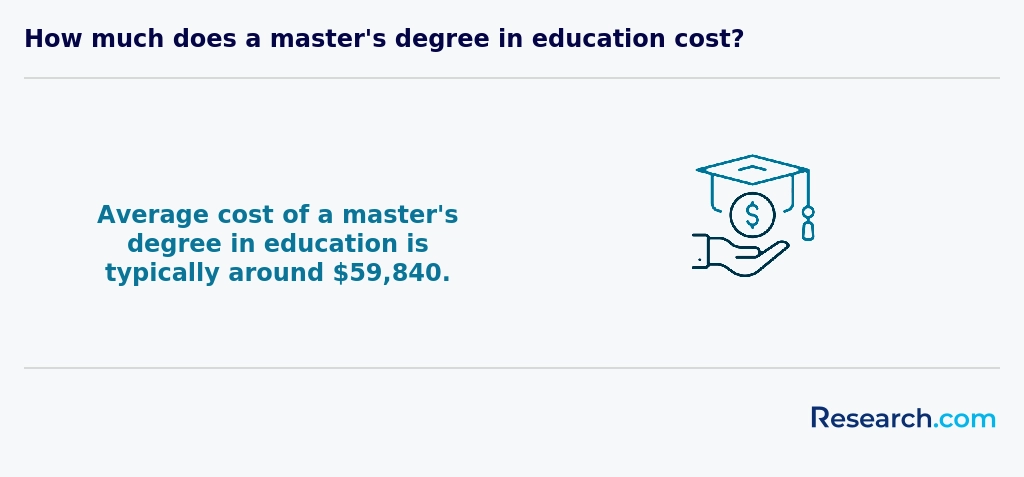
The average cost of an online education degree in New Jersey captivates many prospective students eager to enhance their teaching careers while balancing life's demands. Graduates from schools like Rutgers University and The College of New Jersey often share stories of managing tuition fees that typically fall around $31,635 for the entire program. This figure reflects a practical investment in quality education that opens doors to new opportunities in the teaching profession.
For local students, navigating the New Jersey online master's in education tuition fees feels like an exciting challenge rather than a burden. Public universities offer a balance of affordability and strong academic reputation, making it easier to envision the journey ahead. With thoughtful budgeting, graduates recall confidently affording this commitment, especially after considering additional costs for books and certification exams that come bundled in some programs.
Choosing the right path sometimes means exploring private options. Although tuition can be higher, around $24,000 to $43,000, many find the smaller class sizes and specialized programs rewarding. As one recent graduate from a private institution reflected, the rich experience outweighed the financial stretch, attributing success to scholarships and aid-a reminder that financial help often plays a key role.
Those eager to dive into this adventure can explore options through an affordable education school in New Jersey, striking a satisfying balance between cost and quality that feels right for them.
Accreditation and Licensure Pathways for Online Education Degrees in New Jersey
Choosing an accredited online Master’s in Education program ensures that your degree is recognized by employers, qualifies you for state teacher certification, and may be eligible for federal financial aid. In New Jersey, look for programs accredited by the Council for the Accreditation of Educator Preparation (CAEP) or approved by the New Jersey Department of Education’s Office of Educator Preparation and Certification. These accrediting bodies verify that curricula meet rigorous standards in areas such as curriculum design, assessment methodology, and clinical practice. Most CAEP-accredited online programs include: • Comprehensive practicum and student-teaching experiences aligned with New Jersey’s Professional Teaching Standards (NJSLS) • Preparation for required certification exams, such as the Praxis Core Academic Skills for Educators and Praxis Subject Assessments • Guidance on completing the Principal’s Test or Administrative Assistant Examination for advanced leadership roles After graduation, candidates must apply for New Jersey certification through the Office of Licensing and Credentials, submitting official transcripts, Praxis scores, and a validated program completion form. Many programs also offer dedicated licensure support, including exam waivers for candidates who meet GPA thresholds or alternative assessments in partner districts. For prospective students balancing cost concerns, our sister ranking of Inexpensive Online Education Degree Programs Ranking in St. Davids, PA can help you compare highly rated, budget-friendly options that maintain full accreditation and streamline your path to New Jersey teacher licensure.
What financial aid is available to online education degree students in New Jersey?
Imagine starting your online education degree journey at well-regarded New Jersey institutions like Rutgers or Montclair State University, where graduates often share how financial aid transformed their experience. Federal aid, such as Pell Grants or Direct Loans, opens doors to manageable tuition, especially once you complete the FAFSA. Many grads recall relief in knowing low-interest federal loans helped bridge gaps without overwhelming debt.
State programs through the New Jersey Higher Education Student Assistance Authority (HESAA) offer additional lifelines, like the Tuition Aid Grant (TAG), fueling hope for residents attending online education programs across the state. Scholars describe these grants as game-changers, making accredited programs accessible even while balancing work and family.
On top of that, institutional scholarships and assistantships provide welcomed financial boosts-some merit-based, others need-based-often easing the burden directly at universities. Flexible payment plans and employer tuition reimbursements create routes for working professionals to thrive without sacrificing income.
Finally, imagine the motivation felt by future teachers benefiting from loan forgiveness programs such as Public Service Loan Forgiveness (PSLF) or state-specific initiatives, where commitment to serving New Jersey's communities is rewarded with a lighter debt future.
Accreditation and Licensure Considerations
Ensuring your online master’s in education is accredited and aligned with New Jersey licensure requirements is critical for both quality and career readiness. Regional accreditation, typically from the Middle States Commission on Higher Education (MSCHE), validates an institution’s overall academic standards. Programmatic accreditation-most often through the Council for the Accreditation of Educator Preparation (CAEP)-confirms that specific teacher preparation programs meet rigorous national benchmarks. Graduates from CAEP-accredited programs are not only eligible for federal financial aid but also enjoy smoother credential transfers and greater employer confidence. In New Jersey, all teacher candidates must satisfy the Professional Standards for Teachers, including completing a state-approved program, passing the Praxis Core and Content exams, and submitting a performance-based assessment (edTPA). Many online master’s programs integrate these licensure steps into their curriculum, offering dedicated exam prep modules, virtual portfolio coaching, and connections to NJ DOE-approved clinical experiences. Such alignment ensures you’re ready for certification interviews and can immediately apply for the Standard Certificate upon graduation. When comparing programs, verify both regional and CAEP accreditation on university websites or the U.S. Department of Education database. Look for programs that offer explicit support for licensure, such as built-in Praxis workshops or mock classroom simulations. And if you’re curious whether is getting online masters degree in education easy, accreditation transparency and structured licensure guidance are your best indicators of a program designed for success.
What are the prerequisites for enrolling in online education degree program in New Jersey?
To embark on the journey of an online education degree in New Jersey, graduates often find themselves equipped with a bachelor's degree from a regionally accredited school-imagine a Rutgers or Montclair State alum unlocking this gateway. While the bachelor's doesn't always have to be education-focused, a related background can spark confidence during admissions.
Many programs seek a steady GPA around 3.0, a benchmark that graduates recall helped them feel prepared and valued. Some recall that their rich teaching or professional experiences gave them a competitive edge, even if their GPA wavered slightly.
Gone are the days when every applicant needed perfect GRE scores; many New Jersey schools now drop this barrier, welcoming eager minds ready to transform education. Letters of recommendation, typically two or three, become treasured testimonials that paint the picture of passion and dedication-something Bosnian students at William Paterson University still cherish sharing.
For those eyeing specialized paths like educational leadership, a few years of hands-on experience often smooth the way. Completing a heartfelt personal statement, narrating goals and dreams, rounds out the application-connecting admissions committees with the enthusiasm buzzing within each hopeful student.
Accreditation and State Approval
- Middle States Commission on Higher Education (MSCHE) regional accreditation ensures institutional credibility.
- Council for the Accreditation of Educator Preparation (CAEP) or National Council for Accreditation of Teacher Education (NCATE) validates program quality and teaching standards.
- Approval by the New Jersey Department of Education confirms alignment with state certification requirements.
- Transfer pathways often allow credits to count toward an edd degree.
What courses are typically in online education degree programs in New Jersey?
Diving into an online education degree in New Jersey feels like unlocking a treasure chest of knowledge tailored for real-world impact. Graduates from well-known institutions like Rutgers and Montclair State thrill in courses that blend theory and hands-on learning, starting with educational psychology and learning theories-imagine exploring how young minds in New Jersey classrooms soak up information and grow critical thinking skills.
Curriculum development and instructional design open doors to crafting engaging, inclusive lesson plans that resonate with diverse student populations-a must-have for those eager to teach in New Jersey's multicultural public schools. Many find classroom management and diversity courses particularly eye-opening, helping them navigate lively, dynamic school settings with confidence.
Advanced learners jump into specialized topics like educational leadership or technology integration, where they tackle challenges like school finance or mastering digital tools essential for remote learning environments, a growing focus across New Jersey's education landscape. Capstone projects draw everything together, allowing students to apply research methods on meaningful, real classroom challenges seen at places like The College of New Jersey.
What types of specializations are available in online education degree programs in New Jersey?
Exploring online education degree specializations New Jersey offers reveals exciting paths like Curriculum and Instruction, where graduates from Rutgers University have shared how designing engaging lessons transformed their teaching careers. Imagine crafting innovative curricula that make students light up with understanding-this specialization empowers you to do just that.
For those drawn to leadership, Educational Leadership and Administration programs at Montclair State University prepare future principals and district administrators. Graduates often recall how mastering school finance and education law gave them confidence to shape inclusive school communities firsthand.
Special Education stands out for its dedication to supporting diverse learners, reflecting New Jersey's commitment to IDEA compliance. Many online students feel inspired knowing their skills help make classrooms more welcoming and equitable. Others embrace Educational Technology and Reading and Literacy concentrations, opening doors to creativity and addressing literacy challenges from early grades through adulthood.
Students curious about enrolling often wonder if is getting online masters degree in education easy-and local programs balance flexibility with strong support to make this adventurous journey entirely achievable.
How do you choose the best online education degree in New Jersey?
Choosing the best online education degrees New Jersey offers means diving into programs recognized for quality and flexibility. Imagine a graduate from a well-known public university balancing work and family through asynchronous courses, praising the freedom to learn anytime without sacrificing hands-on mentoring. Such programs often come accredited by CAEP, ensuring your degree is respected statewide and beyond.
Cost plays a thrilling role in this adventure too. Many who've pursued an affordable online master's in education NJ applaud public universities for offering competitive tuition, especially for in-state residents. Exploring scholarships tailored to New Jersey shines a hopeful light on managing expenses. For those curious about alternatives, the Inexpensive Online Education Degree Programs Ranking in St. Davids, PA offers insightful comparisons just a short journey away.
Visualize graduates celebrating success because their chosen education pathways match their professional passions-whether it's special education, administration, or curriculum development. Programs minimizing campus visits transform learning into a seamless adventure, inviting you to forge your own path among New Jersey's respected institutions.
What career paths are available for online education degree students in New Jersey?
Graduates with an online education degree in New Jersey find themselves stepping into a world of exciting career paths. Many become licensed teachers or administrators, following certification routes aligned with New Jersey Department of Education standards. For example, graduates from popular institutions often share how their online programs prepared them to confidently lead classrooms or schools while balancing other life commitments.
Beyond traditional K-12 roles, there's a rich landscape to explore. Positions such as curriculum developers or educational consultants allow graduates to shape the learning experience behind the scenes. Others take on roles as academic advisors or program coordinators at New Jersey colleges, where they guide students through their own educational journeys. This flexibility reflects the appeal of online education degree jobs New Jersey offers, opening doors in varied sectors.
Some remarkable graduates dive into corporate training or become technology integration specialists, merging education with innovation. Aspiring professionals curious about career growth often discover what are the highest paying trades and consider blending those skills with education expertise for a unique edge.
What is the job market for online education degree in New Jersey?
The job market for online education degree jobs New Jersey offers a vibrant landscape filled with possibilities. Graduates from well-known institutions like Rutgers University or Montclair State often share stories of securing diverse roles, from classroom teaching in thriving public schools to developing innovative adult education programs. The strong public school system, with over 130,000 teachers working statewide, ensures steady demand for qualified educators eager to make an impact.
Many education graduates find excitement in the rise of hybrid and remote learning environments, which reward expertise gained through flexible online programs. The competitive salaries, averaging around $70,000, reflect the value placed on advanced skills, especially in STEM or special education niches.
For those curious about entry points, there's a variety of options tailored to different interests and budgets, with some turning to which is the easiest bachelor degree programs as a stepping stone. Overall, the job prospects for education graduates NJ are encouraging, with state support and teacher unions amplifying career growth and professional development opportunities.
Frequently Asked Questions About education
Online education degree students in New Jersey can maximize their learning experience by actively engaging with course materials and participating in virtual discussions. Research from the New Jersey Department of Education emphasizes the importance of time management to balance study and personal responsibilities effectively. Utilizing available academic resources such as online libraries and tutoring services helps reinforce understanding of complex topics.
Networking with peers and faculty through virtual study groups also fosters collaboration and deeper learning. Students should ensure their technology meets program requirements to avoid technical disruptions. Lastly, setting clear goals for each semester can improve focus and motivation throughout the degree program.
The field of education is rapidly evolving, creating new opportunities for specialization within online degree programs. Emerging niches include educational technology, which integrates digital tools to improve teaching outcomes. According to the New Jersey Department of Education, schools increasingly seek professionals skilled in edtech to support remote and hybrid learning environments.
Another growing area is special education, focused on tailored strategies for students with disabilities. Demand for specialists in this field is rising as New Jersey enforces inclusive education policies.
Additionally, online degrees in educational leadership and administration prepare graduates for roles managing schools and districts, a sector projected to grow by 7% nationwide through 2030, per the Bureau of Labor Statistics.
After completing an online education degree in New Jersey, preparing for the job market involves several key steps. First, graduates should obtain proper New Jersey teaching certification if planning to work in K-12 education. The New Jersey Department of Education requires passing the Praxis exams and completing required background checks.
Networking is crucial; joining organizations like the New Jersey Education Association can connect you with local opportunities. Internships or student teaching experiences gained during studies help build practical skills employers value.
Additionally, researching salary data shows that the average teacher salary in New Jersey is around $75,000, well above the national average, emphasizing the importance of certification and credentials. Finally, tailoring resumes to highlight education technology skills gained online can improve employability in today's digital classrooms.
Employers in New Jersey seeking education degree graduates prioritize strong communication and classroom management skills. According to the New Jersey Department of Education, effective interpersonal abilities are crucial for fostering inclusive learning environments.
Analytical thinking and proficiency in educational technologies are also increasingly important, with schools adopting digital tools more widely every year. A 2023 report highlights that 68% of New Jersey school districts emphasize technology integration skills in new hires.
Additionally, cultural competency and adaptability rank high among desired traits. Graduates who can address diverse student needs are better prepared for New Jersey's multicultural classrooms. These skills help ensure positive student outcomes and support state education goals.
Finding internships in New Jersey for education degree students begins with leveraging local school districts and educational organizations. New Jersey's Department of Education provides resources and listings of approved internship programs, especially in public K-12 schools. These opportunities often focus on classroom experience and curriculum development, crucial for teacher certification.
University career centers are essential, even for online students, as many New Jersey institutions maintain partnerships with regional schools and nonprofits. Websites like the New Jersey Education Association also post internship openings specifically designed for education majors.
Networking at local education conferences and joining professional groups such as the New Jersey Educational Training Centers enhances chances of placement.
Online platforms like Handshake and regional job boards can further support internship searches, offering access to hundreds of postings across urban and suburban areas in New Jersey.
In New Jersey, earning an online education degree can significantly enhance career mobility and advancement opportunities. The state values higher education credentials, often requiring a master's degree for promotions within public school systems. According to the New Jersey Department of Education, teachers with advanced degrees typically earn higher salaries and are prioritized for leadership roles.
Online degrees offer flexibility, allowing working professionals to upgrade their qualifications without leaving their current jobs. This convenience encourages continuous learning, which is essential in education careers.
Furthermore, numerous New Jersey school districts emphasize professional development, making advanced degrees a key factor in salary increments and eligibility for administrative positions.
Studying for an education degree in New Jersey offers strong preparation for interdisciplinary roles thanks to the state's focus on collaborative and diverse learning approaches. Many New Jersey institutions align their curricula with the state's rigorous standards, emphasizing integration of technology, social sciences, and special education.
For example, the New Jersey Department of Education highlights professional development that encourages educators to work across disciplines, enhancing skills in communication, leadership, and critical thinking. Online programs often include coursework in counseling, administration, and curriculum design, promoting well-rounded expertise.
Such training equips graduates to effectively engage in team-based environments, addressing complex educational challenges in varied settings.
Choosing between a thesis and a non-thesis online education degree program in New Jersey depends largely on your career goals and learning preferences. Thesis programs typically require conducting original research and writing a substantial paper, which suits students aiming for roles in academia or research. Non-thesis programs focus more on coursework and practical skills, ideal for those seeking immediate application in educational settings. According to the New Jersey Department of Education, many educators in the state prefer non-thesis programs for quicker entry into advanced teaching roles. Consider your time commitment and interest in research when deciding between these paths.
Students based in New Jersey seeking to study education abroad can access various options through partnerships between local universities and international programs. Many New Jersey institutions offer online master's degrees that include study-abroad components, enabling students to earn credit while experiencing global education systems. According to the New Jersey Commission on Higher Education, about 15% of graduate education students participate in international exchanges or virtual collaborations.
Programs often feature semester-long overseas residencies or short-term study tours in countries like the UK, Australia, or Canada. Additionally, some online degrees incorporate courses from foreign universities through consortium agreements, providing global perspectives without leaving New Jersey.
Financial aid and scholarships may also be available specifically for international study within accredited US programs, making these opportunities more accessible.
In New Jersey, part-time jobs that complement education degree studies often involve roles in schools or community programs. Working as a teacher's aide or substitute teacher provides practical classroom experience, essential for future educators. According to the New Jersey Department of Education, these positions help students develop instructional skills while earning flexible income.
Other opportunities include tutoring or mentoring, popular in after-school programs across the state. These roles foster communication and leadership skills relevant to education careers. The Bureau of Labor Statistics highlights that such jobs can improve employability and deepen subject knowledge.
Additionally, some students find roles in educational nonprofits or libraries, offering insight into resource management and student engagement strategies crucial for teaching professionals. These experiences align well with the demands of online education degrees in New Jersey.
Online education students in New Jersey have several networking opportunities despite studying remotely. Many universities offering online education degrees partner with local schools and organizations, enabling students to participate in virtual and in-person events. For example, Rutgers University and Montclair State University provide online forums, webinars, and alumni groups tailored to education students.
Additionally, New Jersey's proximity to major education hubs like New York City and Philadelphia expands access to statewide education conferences and professional associations, such as the New Jersey Education Association. These platforms allow students to connect with educators, policymakers, and employers.
According to the New Jersey Higher Education Dataset 2023, over 60% of online education programs incorporate networking components, including internships and mentorships, helping students build valuable professional relationships before graduating.
Alumni networks play a significant role in supporting online education degree students in New Jersey. These networks connect current students with graduates who can offer mentorship, career advice, and industry insights. According to the New Jersey Association of State Colleges and Universities, strong alumni engagement correlates with better job placement rates for education graduates statewide.
For online learners, alumni networks provide valuable virtual communities that help overcome the isolation often experienced in remote programs. They offer opportunities to attend networking events, workshops, and access regional job postings tailored to New Jersey's education sector. This localized support is crucial in a state where education regulations and standards can vary significantly by district.
Many institutions in New Jersey report that active alumni networks increase student satisfaction and retention by fostering a sense of belonging. Connecting with alumni also helps students identify potential employers or school districts familiar with their alma mater's training.
Customizing an online education degree program in New Jersey allows students to align their studies with specific career goals. Many institutions, such as Rutgers University and Montclair State University, offer diverse specializations like curriculum development, educational leadership, or special education.
Students can choose electives and certifications, such as TESOL or school counseling, to enhance their resumes. Additionally, New Jersey's Department of Education supports programs that prepare candidates for state licensure requirements, which vary by career path. This flexibility helps professionals target roles in K-12 education, administration, or adult education sectors.
Research from the National Center for Education Statistics highlights that 75% of New Jersey educators hold advanced degrees, underlining the importance of tailored graduate programs for competitive advantage.
Online education students in New Jersey face several common challenges that can impact their academic success. One major issue is maintaining reliable internet connectivity, especially for those in rural areas where broadband access remains inconsistent, according to the New Jersey Department of Education. Technical difficulties often disrupt learning, requiring students to have adequate digital literacy skills.
Time management is another challenge. Many students juggle work, family, and studies, making it difficult to stay on track with course deadlines.
Additionally, limited face-to-face interaction with instructors and peers can affect motivation and engagement in online programs.
With an online education degree in New Jersey, graduates can pursue several professional certifications that enhance their teaching careers. One common certification is the New Jersey Standard Teaching Certificate, which requires a master's degree and passing the Praxis exams. This credential allows teaching in public schools across the state.
Other certifications include the School Administrator Certificate for those interested in leadership roles. Candidates often need additional coursework and experience beyond their online degree.
Additionally, specialized certifications such as the Teacher of Students with Disabilities or English as a Second Language (ESL) endorsements are available. These help educators meet diverse student needs in New Jersey schools, as detailed by the New Jersey Department of Education.
Writing a winning application for an online education program in New Jersey requires clear focus and preparation. Start by thoroughly researching accredited programs approved by the New Jersey Department of Education to ensure eligibility for licensure and financial aid. Highlight your professional experience and academic background related to education, as programs often look for applicants with relevant teaching or administrative experience.
Personalize your statement of purpose by explaining why you want to study online and how it fits your career goals. Use specific examples to show your passion for education and commitment to student success.
Include strong letters of recommendation from supervisors or educators who can attest to your skills. According to the New Jersey Office of the Secretary of Higher Education, approximately 35% of applicants are accepted into these programs, so a well-prepared, tailored application can improve your chances significantly.
Globally, an education career is recognized for its vital role in shaping future generations, with varied expectations depending on the region. In the United States, including New Jersey, teaching professionals enjoy steady demand due to ongoing efforts to improve education quality. According to the New Jersey Department of Labor, employment for kindergarten and elementary teachers is projected to grow by 5% through 2030.
Online education degrees from New Jersey institutions allow students to access flexible pathways into this career. Globally, the profession is often valued not only for fostering academic skills but also for promoting social and emotional development. However, salary and working conditions can differ widely internationally.
Understanding these contrasts helps New Jersey students appreciate both local opportunities and global challenges in the education sector.
Gaining practical experience while studying for an online education degree in New Jersey is essential for career readiness. Many programs incorporate supervised fieldwork or student teaching components, often arranged through partnerships with local schools. The New Jersey Department of Education requires a minimum number of clinical practice hours, which ensures students engage in real classroom settings. Additionally, virtual internships and collaborative projects with New Jersey school districts offer flexible options for gaining hands-on experience.
Online students can also join professional organizations such as the New Jersey Education Association, which provides networking and professional development opportunities. These avenues help bridge theory and practice effectively.
Choosing the right concentration within an online education degree program in New Jersey involves evaluating your career goals and interests. Common concentrations include curriculum development, educational leadership, and special education. According to the New Jersey Department of Education, districts increasingly seek educators with specialized skills, making concentration choice pivotal for job readiness.
Researching local workforce demands helps; for example, New Jersey projected a 6% increase in education jobs through 2030 (NJ Labor Market Info). Accreditation status and program flexibility also matter since New Jersey requires specific certifications for teaching roles.
Lastly, consider programs offering practical experience aligned with New Jersey standards to bolster your professional credentials.
Related Education Rankings for Nearby States
- 2027 Easiest Online Master's in Education Degree Programs Ranking in Pennsylvania
- 2027 Easiest Online Master's in Education Degree Programs Ranking in New York
- 2027 Easiest Online Master's in Education Degree Programs Ranking in Maryland
- 2027 Easiest Online Master's in Education Degree Programs Ranking in Virginia
- 2027 Easiest Online Master's in Education Degree Programs Ranking in Massachusetts
- 2027 Easiest Online Master's in Education Degree Programs Ranking in West Virginia
- 2027 Easiest Online Master's in Education Degree Programs Ranking in Ohio
- 2027 Easiest Online Master's in Education Degree Programs Ranking in Kentucky
- 2027 Easiest Online Master's in Education Degree Programs Ranking in New Hampshire
- 2027 Easiest Online Master's in Education Degree Programs Ranking in North Carolina
Top Trending Education Rankings
See What Experts Have To Say About Studying Education
Read our interview with Education experts


Nooshan Ashtari
Education Expert
Professor & Book Author
University of Southern California

References
- Addressing Re-Engagement and Re-Enrollment Barriers for New Jersey Learners with Some College, No Degree - Ithaka S+R https://sr.ithaka.org/publications/new-jersey-students-with-some-credit-no-degree/
- Online Education Degree Programs | University of Phoenix https://www.phoenix.edu/online-education-degrees.html
- Differences in Majors, Minors, Concentrations, and Certificates - Goldey-Beacom College https://www.gbc.edu/academics/differences-in-majors-minors-concentrations-and-certificates/
- Skills Employers Look for in Business Graduates – EU Business School https://www.euruni.edu/blog/skills-employers-look-for-in-business-graduates/
- Guide to Online Education Degrees | OEDb.org https://www.oedb.org/rankings/online-education-programs/
- Online Colleges in New Jersey https://www.onlineschools.org/guides/new-jersey/
- Home https://www.teachercertificationdegrees.com/
- Master's in Education Online: Compare Top New Jersey Schools https://www.onlinemastersdegrees.org/best-programs/education/new-jersey/
- Know more about thesis vs non- thesis: what is the difference? https://studyfans.com/en/blogs/816
- Promising Niches in the Global EdTech Landscape - Blog https://rocketech.it/blog/post/global-edtech-landscape-what-niches-are-the-most-promising


