
2027 Easiest Online Master's in Education Degree Programs Ranking in the West

Co-Founder and Chief Data Scientist
Choosing the right education degree program can feel overwhelming, especially with so many online options available. This article presents the 2027 Easiest Online Master's in Education Degree Programs Ranking in the West, developed by the Research.com team of data scientists to guide you in making an informed decision.
Discover programs that balance quality and accessibility, helping you achieve your career goals without unnecessary stress. Whether you're starting fresh or advancing your skills, this guide highlights opportunities to grow confidently in education.
Investing in your education opens doors to rewarding experiences and meaningful impact in the classroom and beyond.
Key benefits of getting online education degree in the West
- Salary: Education degree graduates in the West can earn competitive salaries, such as $129,330 annually for Education Managers and $96,570 for Higher Education Professors, showing strong financial potential.
- Career paths: Graduates from popular Western universities often enter diverse roles like Curriculum Specialist or Education Consultant, offering rewarding opportunities in school systems, nonprofits, or corporate training.
- Online degree benefits: Earning an education degree online from reputable schools allows flexible learning schedules and often lower costs, enabling graduates to balance work and study effectively while boosting career prospects.
- Key benefits of getting online education degree in the West
- What can I expect from online education degree in the West?
- Where can I work with online education degree in the West?
- How much can I make with online education degree in the West?
- 2027 Easiest Online Master's in Education Degree Programs Ranking in the West
- Key Findings
- How long does it take to complete online education degree in the West?
- Typical Courses in an Online Master’s in Education Program
- What's the difference between online and on-campus education degree?
- Accreditation and Licensing
- What is the average cost of online education degree in the West?
- Accreditation and Licensure Pathways
- What financial aid is available to online education degree students in the West?
- Typical Courses in Online Education Programs
- What are the prerequisites for enrolling in online education degree program in the West?
- Key Factors That Make an Online Education Program Easier
- What courses are typically in online education degree programs in the West?
- What types of specializations are available in online education degree programs in the West?
- How do you choose the best online education degree in the West?
- What career paths are available for online education degree students in the West?
- What is the job market for online education degree in the West?
- Top Trending Education Rankings
- See What Experts Have To Say About Studying Education
What can I expect from online education degree in the West?
The average cost of an online education degree in the Western United States can vary, but many students find that in-state tuition rates apply regardless of their physical location, making these programs more affordable than traditional on-campus options. For example, graduates from prominent institutions like the University of Washington or California State University often share how this pricing structure helped them manage expenses effectively while balancing work and family life.
Financial aid and employer tuition reimbursement programs are common resources that further reduce out-of-pocket costs. Students report feeling relieved and empowered knowing they could pursue their degrees without accumulating overwhelming debt. Tuition can typically range from $7,000 to $20,000 total for a master's program, depending on the university and specific program features.
This pricing transparency and availability of financial support make it feasible for many working professionals in the West to pursue education degrees online, ensuring a flexible, cost-conscious path towards career advancement.
Where can I work with online education degree in the West?
Graduates with an online education degree from universities like the University of Washington or California State University often find rewarding careers as licensed teachers in public K-12 schools throughout the West. For example, many recent graduates quickly secured teaching roles due to California's high demand, fueled by retirements and student population growth. These roles provide a satisfying chance to impact communities directly while growing professionally.
Others advance into educational administration, taking positions as instructional coordinators or assistant principals. With programs tailored for working professionals at institutions like Portland State University, graduates report feeling confident stepping into leadership roles that shape curriculum and improve student outcomes.
Higher education also offers opportunities in student services and academic advising, especially at community colleges where flexible scheduling aligns well with online training. For those passionate about specialized services, states like Washington actively hire graduates for adult education and workforce retraining programs, connecting education with meaningful community support.
Graduates appreciate how these pathways not only provide stable employment but also foster a sense of purpose and growth within a vibrant, evolving educational landscape.
How much can I make with online education degree in the West?
Graduates with online education degrees in the Western U.S. often find rewarding salaries that reflect the region's demand for skilled educators. For example, education managers commonly earn around $129,330 annually, a figure supported by data from the U.S. Bureau of Labor Statistics. Those who pursue roles as education program managers can expect mean wages near $104,920, providing a strong earning foundation for those advancing from teaching positions.
Curriculum specialists, another common career path for education degree holders, typically make about $77,200 a year. Many graduates from popular institutions like the University of Washington or California State University report that these roles allow them to actively shape educational programs while benefiting from competitive salaries.
Additionally, education consultants earn around $95,600, offering a lucrative option for graduates interested in advising schools or districts. These salaries reflect increased responsibility and often require a master's degree completed online, perfectly suited for working professionals balancing study and employment.
Graduates describe feeling confident and motivated knowing their investment in an online education degree opens doors to these stable and well-paying careers throughout the Western states.
2027 Easiest Online Master's in Education Degree Programs Ranking in the West
How do we rank schools?
Investing in your education is a significant decision that can shape your future, and the Research.com team understands the importance of making informed choices. To assist prospective students in the western United States, we have meticulously developed the "2027 Easiest Online Master's in Education Degree Programs Ranking in the West." Our commitment to quality, credibility, and accuracy is reflected in the extensive research and analysis conducted to create this ranking.
We utilized the following reputable data sources to ensure a comprehensive evaluation of education programs:
By exploring this ranking, readers will gain valuable insights into the most accessible online master's programs in education, helping them make well-informed decisions about advancing their careers. For more details on our methodology, please visit our Research.com methodology page.


# 9 position
University of Colorado Denver/Anschutz Medical Campus
Master of Early Childhood Education





# 17 position
University of Southern California
Master of Teaching of English to Speakers of Other Languages (TESOL)

# 18 position
Aspen University
Master of Education

# 19 position
Colorado Christian University
Master of Curriculum and Instruction


Key Findings
- Online education degrees in the Western US typically cost between $15,000 and $35,000 for a full master's program.
- Public universities usually offer lower tuition rates for in-state students compared to private institutions.
- The region expects about 7% growth in education-related jobs over the next decade.
- Starting salaries for entry-level teachers range from $45,000 to $55,000 per year, with experienced professionals earning $65,000 to $75,000 annually.
- Many programs meet state certification requirements and offer specializations like bilingual education and educational leadership.
- Online programs provide flexibility for working professionals to advance their education without relocating or leaving their jobs.
How long does it take to complete online education degree in the West?
Completing an online education degree in the Western US typically ranges from about four years for a Bachelor's to 1.5-2 years for a full-time Master's program. Graduates from institutions like Western Governors University appreciate the flexible pacing options, often finishing faster by leveraging competency-based learning that rewards mastery over time spent. For example, a full-time student at a California State University campus might complete their Bachelor's degree in the standard four years, while others opt for part-time to balance work, extending their timeline but maintaining steady progress.
Many students find transfer credits invaluable, dramatically reducing their degree time when returning to schools like the University of Washington. Part-time enrollment, common among working professionals, often stretches Master's degree completion to three years or more, yet learners report this flexibility as a major positive, allowing them to manage career and family obligations.
Ultimately, choosing programs with asynchronous courses and accelerated pathways helps students in the West customize their education journey, empowering them to graduate on their own terms with confidence and satisfaction.
Typical Courses in an Online Master’s in Education Program
When you enroll in an online Master’s in Education, you can expect a balanced curriculum combining foundational theory, practical application, and specialized electives. Core courses often include:
- Foundations of Educational Theory: Explores historical and contemporary theories of learning, child development, and classroom management.
- Curriculum Design and Assessment: Covers instructional planning, formative and summative assessment strategies, and data-driven decision making.
- Educational Technology Integration: Introduces digital tools, learning management systems, and best practices for engaging remote learners.
- Research Methods in Education: Teaches qualitative and quantitative research design, data collection, and ethical considerations.
- Leadership and Policy in Education: Examines organizational leadership, policy analysis, and advocacy to prepare graduates for administrative roles. Beyond these requirements, programs typically offer electives and specializations such as special education, English language learners (ELL), STEM education, or instructional coaching. For example, you might choose courses like “Inclusive Classroom Strategies,” “Advanced Literacy Development,” or “School Finance and Budgeting” to tailor your degree to career goals. To manage coursework effectively, students often follow a semester-by-semester plan with 6–9 credits of core classes and 3–6 credits of electives. Some programs also include a practicum or capstone project, allowing you to apply theory in a real-world setting. For those balancing budget considerations, our Low Cost Online Education Degree Programs Ranking in Ohio can help you compare tuition and overall value while selecting courses that align with your professional aspirations.
What's the difference between online and on-campus education degree?
Online education degrees in the West offer the flexibility to study anywhere, making them ideal for students balancing work or family. Graduates from universities like the University of Washington often mention how being able to access lectures and assignments on their own schedule helped them stay motivated and manage their time effectively. In contrast, on-campus programs at colleges such as California State University follow structured schedules requiring physical attendance, which some students find energizing due to face-to-face interactions.
Cost differences are notable-online programs generally have lower tuition compared to in-state fees ranging from $9,000 to $15,000 at public West Coast universities. Graduates appreciate how online options reduce expenses like commuting and housing. However, on-campus students enjoy direct access to campus libraries and career services, which foster networking and professional growth.
Practical experiences like internships must be arranged locally for online students, which requires proactive planning but offers opportunities to connect with their own communities. Both paths demand similar credit hours, yet many online programs allow accelerated completion. Choosing depends on your personal priorities for flexibility, cost, and engagement style.
Accreditation and Licensing
Choosing an accredited program is essential for ensuring your online degree is recognized by employers and state education boards. Here’s what to look for:
- Regional accreditation (e.g., WASC, NWCCU) guarantees credit transfer and state licensure eligibility.
- Council for the Accreditation of Educator Preparation (CAEP) approval signals high standards in teacher preparation.
- State board recognition confirms the program meets local requirements for student teaching and certification.
- Verification of practicum or clinical placements ensures you fulfill hands-on experience mandates.
Always review your target state’s licensing rules before applying. If you’re exploring specialized pathways, compare accreditation models like those for a library master's degree.
What is the average cost of online education degree in the West?
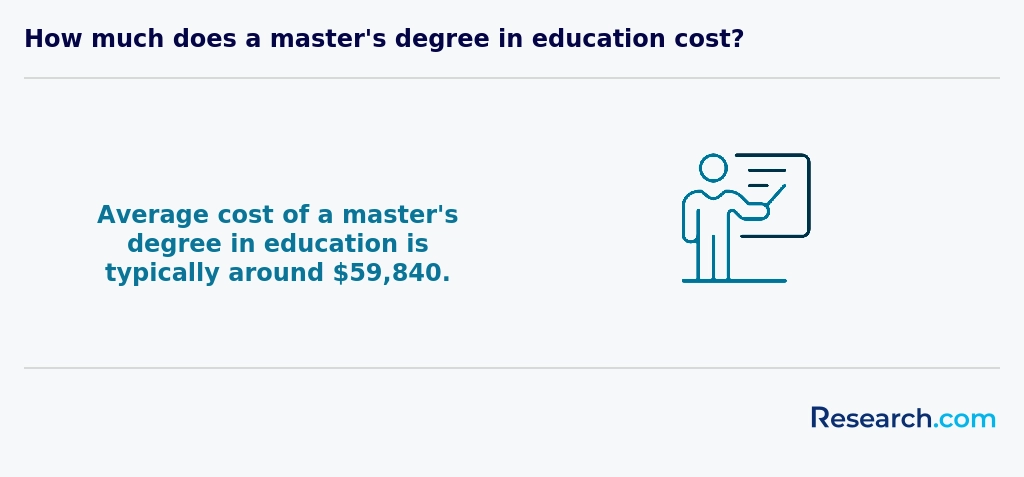
The average cost of an online education degree in the West typically centers around $21,528 for the entire program. For many aspiring educators, this amount is manageable especially when compared to nationwide averages. Graduates from public universities in the region have often found the $17,843 median in-state tuition quite accessible, making it an attractive option for local residents seeking affordable online master's in education programs Western US. These schools provide strong value without compromising quality.
Out-of-state students generally face higher costs, with median tuition around $30,628, which can feel daunting. However, many students have reported successfully leveraging financial aid and scholarships to reduce this burden considerably. For example, attendees from renowned West Coast institutions often highlight the importance of early application for aid and exploring accelerated online tracks that some schools offer. Those programs save time and money, enhancing the overall experience.
Prospective students should carefully compare their options and consider schools that balance cost with strong reputations. Graduates frequently recommend checking out the best online education degree in california to identify programs that blend affordability with flexibility. By doing so, students can plan realistically and feel confident about their investment in an online education degree in the West.
Accreditation and Licensure Pathways
Choosing an online Master’s in Education program in the West requires careful evaluation of both regional and programmatic accreditation to ensure eligibility for state teaching credentials.
- Regional Accreditation: Confirm the institution is accredited by agencies such as the WASC Senior College and University Commission (WSCUC) or the Northwest Commission on Colleges and Universities (NWCCU). Regional accreditation safeguards credit transfer, federal aid eligibility, and employer recognition.
- Programmatic Accreditation: Look for approval from the Council for the Accreditation of Educator Preparation (CAEP) or its predecessor, the National Council for Accreditation of Teacher Education (NCATE). CAEP-accredited curricula meet rigorous national standards and streamline licensure across California, Oregon, Washington, and other Western states.
- State Department Approval: Verify that the program is approved by your specific state’s Department of Education, as each state mandates completion of an approved teacher preparation pathway plus required student-teaching hours.
- Endorsement & Specialization Credentials: Many programs offer specialized endorsements (e.g., special education, TESOL, curriculum design) that appear on your teaching license, boosting both marketability and salary potential. Programmatic accreditation not only secures your path to licensure but also parallels the advantages highlighted in the benefits of online bachelors degree in early childhood education, where recognized credentials lead to higher job placement rates and stronger professional networks. By prioritizing accredited and state-approved programs, you protect your educational investment and fast-track your journey to a valid teaching license in the West.
What financial aid is available to online education degree students in the West?
Students pursuing online education degrees in the West can tap into federal financial aid like Pell Grants for undergraduates and Direct Subsidized or Unsubsidized Loans for graduate studies. Completing the FAFSA early is crucial to unlock these resources. For example, many students attending the University of Washington's online graduate education programs successfully reduce costs using these loans combined with state aid.
State-specific grants, like California's Cal Grant or Washington's College Bound Scholarship, offer need-based support to residents enrolling online, making education more affordable close to home. Graduates often share how these scholarships eased their financial burden, allowing them to focus fully on coursework.
Institutional aid is another valuable option. Public universities frequently offer tuition discounts or scholarships for online learners, particularly residents. Students at institutions like the University of Washington report meaningful savings through such programs, encouraging persistence and success.
Additionally, the federal Teacher Loan Forgiveness Program can forgive up to $17,500 for teachers serving in low-income schools after five years. This opportunity motivates many education professionals in the West to pursue online master's credentials with confidence.
Many educators also benefit from employer tuition reimbursement or private scholarships targeted at future teachers. Exploring all these avenues maximizes your financial aid potential for an online education degree in the region.
Typical Courses in Online Education Programs
When exploring online Master's in Education programs, prospective students are eager to learn about the core courses that form the foundation of their studies. Most programs offer a blend of theoretical and practical coursework designed to equip students with essential teaching skills and leadership strategies. Common courses include Foundations of Education, which examines the historical and philosophical underpinnings of modern teaching practices; Educational Psychology, focusing on how learning theories translate into classroom strategies; and Curriculum Design and Assessment, where students learn to develop, implement, and evaluate effective educational programs. Advanced courses often cover Instructional Technology and Online Pedagogy, which emphasize the digital tools and innovative approaches necessary for effective remote teaching and learning. Additionally, specialized courses in areas such as Special Education, Early Childhood Education, and Educational Leadership provide targeted expertise for various career paths. These courses are structured to allow for interactive discussions, collaborative projects, and real-world applications, ensuring that students gain hands-on experience while balancing academic rigor with flexibility. For those looking to compare additional program-specific details, exploring the best online education degree in california can provide further insight into program strengths and course offerings. Overall, the typical curriculum in online Education programs is designed to build a comprehensive skillset that prepares graduates to thrive in diverse educational environments while meeting the evolving demands of modern classrooms.
What are the prerequisites for enrolling in online education degree program in the West?
To enroll in an online education degree program in the Western US, having a bachelor's degree from an accredited institution is essential. Many graduates from universities like the University of Washington or California State University recall how their undergraduate background in education or a related field helped them feel confident starting graduate courses. Even those with diverse degrees succeeded by demonstrating strong academic skills and relevant experience.
Maintaining a GPA of 2.5 to 3.0 is a common requirement, reflecting readiness for graduate-level study. Some programs may ask for GRE scores, but many Western institutions have relaxed this rule, focusing instead on professional experience in education, which many find boosts their applications significantly.
Applicants should prepare letters of recommendation, a clear statement of purpose, and sometimes a resume, showcasing their passion and goals-just as successful graduates from Oregon State University did. Reliable technology access and comfort with online platforms are vital; those who mastered these tools reported smoother learning experiences and better engagement.
Key Factors That Make an Online Education Program Easier
To choose a truly accessible online master’s in education, look for programs that offer:
- Waived GRE or no standardized testing requirements
- Low minimum GPA for admission
- Generous transfer-credit policies and credit-for-experience options
- Fully asynchronous courses with flexible deadlines
- Robust student support (academic advising, tutoring, 24/7 tech help)
- High completion rates and clear program timelines
Start by browsing accredited online colleges that align with these features to streamline your path to graduation.
What courses are typically in online education degree programs in the West?
Online education degrees in the Western U.S. typically include practical courses like Curriculum Development and Instruction and Educational Psychology, essential for understanding how students learn and how to create effective lesson plans. Graduates from well-known institutions like the University of Washington often highlight how Instructional Technology courses helped them confidently integrate digital tools into their classrooms, a vital skill for today's hybrid learning environments.
Courses in Assessment and Evaluation stand out for teaching students to analyze data and tailor instruction to diverse learning needs. Leadership-focused classes, such as Educational Leadership and Administration, prepare future principals or program directors to navigate policies and manage teams effectively, a common path among graduates from California State University programs.
Many students appreciate practicum experiences that bring theory to life through virtual internships or hands-on teaching, bridging the gap between coursework and real-world challenges. This approach builds confidence and job readiness, especially for working professionals balancing studies with their careers in the Western states.
What types of specializations are available in online education degree programs in the West?
Online education degree specializations West programs commonly include Curriculum and Instruction, Educational Leadership and Administration, Special Education, Educational Technology, and Reading and Literacy. Graduates from well-known Western universities often share how focusing on Curriculum and Instruction helped them develop practical strategies to improve student engagement virtually, a crucial skill for remote learning environments. Those pursuing Educational Leadership find value in learning how to manage schools and districts effectively, preparing them for roles like principals or deans within their communities.
Students concentrating in Special Education feel empowered by mastering individualized approaches for diverse learners, reflecting real needs in regional K-12 classrooms. Programs in Educational Technology equip educators with tools to seamlessly integrate emerging digital resources, a growing demand in Western districts adapting to technology-rich teaching. Reading and Literacy specializations enable aspiring teachers to confidently support students struggling with comprehension and critical reading skills.
These West region master's in education concentrations often include certification preparation tailored to local state requirements, helping students streamline licensure processes. Many online learners report appreciating the flexible schedules and relevant coursework, allowing them to advance careers without relocating. For those inspired by the benefits of online bachelors degree in early childhood education, these specializations lay a solid professional foundation accessible from anywhere in the West.
How do you choose the best online education degree in the West?
Choosing the best online education degree in the West starts with confirming regional accreditation, especially from WASC, to ensure your degree holds value with employers and other universities. Graduates from well-known West Coast institutions often mention how accreditation gave them confidence in their credentials during job searches. Cost is another key factor; many students find that comparing tuition against available financial aid and scholarships helps them afford quality programs without debt. For those seeking an affordable online master's in education Western states, exploring options at public universities often proves beneficial.
Look closely at program specializations offered. Some students appreciate programs that balance theory with practical experiences like virtual internships or supervised fieldwork, building skills relevant for roles in schools or administration. Flexibility is vital, as working professionals thrive in asynchronous courses paired with strong support services such as career counseling and technical help, common at major universities in the region.
Employment trends signal growth in K-12 education and instructional leadership roles, so choose a program with strong industry ties. Many online learners turn to rankings such as the Low Cost Online Education Degree Programs Ranking in Ohio to weigh options carefully and find programs that fit their goals and budgets.

What career paths are available for online education degree students in the West?
Graduates with an online education degree in the West find diverse career paths that suit varying interests and goals. Many enter classroom teaching roles in public or private schools, focusing on state licensure requirements in states like California and Washington. These roles offer stability and the chance to make a direct impact on students' lives, a rewarding experience frequently shared by alumni of well-known Western universities.
Others pursue career opportunities with education degree Western US that lead to leadership and administrative positions such as school counselors or curriculum developers. These pathways often demand further specialization but come with higher salaries and greater influence on educational practices. Graduates from prominent programs describe the satisfaction of seeing their work shape school culture and student success.
Additional paths include special education teaching and educational technology, where graduates contribute to inclusive learning environments and cutting-edge digital instruction design. Online learners balancing work and studies at popular Western colleges highlight the flexibility, which lets them thrive professionally while gaining new qualifications.
For those concerned about costs, researching the cheapest online colleges that accept financial aid can provide affordable options, making these career transitions more accessible.
What is the job market for online education degree in the West?
The job market for graduates with an online education degree in the West remains strong, with consistent demand driven by the region's diverse population and evolving educational needs. Many graduates from institutions like California State University report smooth transitions into roles such as K-12 teaching, educational administration, and curriculum development, thanks to programs that align well with state licensure requirements. Focusing on practical skills during these programs enhances employability and opens doors to leadership positions within schools.
Employment opportunities for education graduates West show particular growth in special education and educational technology, especially in states like Washington and Oregon. Graduates often emphasize how flexible, accredited online programs not only fit their busy lives but also provide competitive tuition options, usually lower than traditional pathways. Such benefits encourage working professionals to advance their careers without relocating.
Exploring options through leading online schools can help students find programs tailored to their goals and budget, ensuring they enter this expanding job market with confidence and strong credentials.
Frequently Asked Questions About education
Online education degree students in the West can maximize their learning by establishing a structured study schedule. Research from the Western Interstate Commission for Higher Education (WICHE) emphasizes that time management correlates strongly with student success in online programs. Engaging actively in discussion forums and virtual study groups also enhances understanding and retention of course material.
Using campus resources, such as online tutoring and academic advising, proves beneficial-many Western institutions offer these free services. Furthermore, setting clear goals and regularly communicating with instructors help maintain motivation and address challenges early.
Finally, balancing coursework with practical application through internships or classroom observations strengthens skills needed for careers in education.
Emerging niches within the education field in the Western US are increasingly shaped by technological advances and societal needs. One fast-growing area is educational technology, or EdTech, where professionals design tools to enhance online and hybrid learning experiences. The Western states, with tech hubs like Silicon Valley, lead innovations here.
Another niche is special education focused on neurodiversity, addressing diverse learning needs with tailored strategies. The California Department of Education reports rising enrollment in special education programs, reflecting this demand.
Finally, bilingual and multicultural education programs are expanding, especially in states like Washington and Oregon, to support diverse student populations and promote inclusive curricula.
Graduates with online education degrees in the West should focus on gaining practical experience to enhance employability. According to the National Center for Education Statistics, internships and classroom practicum remain critical for job readiness. Networking through professional organizations such as the Western Educational Research Association also increases job prospects. Employers often value candidates who demonstrate up-to-date knowledge of educational technology and remote teaching methods, reflecting current trends in U.S. schools. Additionally, obtaining state teaching certifications where applicable significantly improves hiring chances. Staying informed about regional education policies and continuing professional development helps graduates align their skills with market demands.
Employers in the Western US highly value education degree graduates who demonstrate strong communication and classroom management skills. According to the National Center for Education Statistics (NCES), effective interpersonal abilities rank among the top traits sought in new teachers.
In addition to pedagogical knowledge, adaptability with digital tools is critical, especially for those pursuing online or blended teaching roles. The Western Interstate Commission for Higher Education (WICHE) reports that proficiency in educational technology improves employment prospects significantly.
Critical thinking and problem-solving are also emphasized, enabling educators to meet diverse student needs. Finally, leadership potential and collaboration skills are important, as many schools encourage team teaching and community involvement.
Finding internships relevant to an education degree in the Western U.S. often begins with leveraging university career centers, which frequently partner with local schools and educational organizations. According to the National Association of Colleges and Employers (NACE), nearly 70% of students secure internships through on-campus resources.
Online students should also explore virtual internship platforms such as Handshake and Internships.com, which list opportunities specifically in education. Networking remains crucial: joining regional education associations like the California Teachers Association can connect students with local school districts offering internships.
Additionally, public school districts in states like California and Washington often provide formal internship programs aligned with teacher certification requirements.
In the Western United States, obtaining an online education degree increasingly supports career mobility and advancement. Employers recognize accredited online degrees, particularly those from regionally accredited institutions, as valid credentials for promotions and leadership roles.
According to the Western Interstate Commission for Higher Education (WICHE), over 40% of educators in the West have pursued online graduate degrees to improve their qualifications. This trend allows educators to balance work and study, advancing without leaving their current positions.
Additionally, salary gains are associated with advanced degrees in education. The Bureau of Labor Statistics reports that master's degree holders in education earn approximately 20% more than those with only a bachelor's degree in the region.
Online degrees also enable professionals to specialize in high-demand fields like educational technology or administration, enhancing career growth opportunities.
Studying for an education degree in the Western United States prepares students for interdisciplinary roles by integrating diverse fields such as psychology, technology, and social sciences. Western universities emphasize collaboration between education and other disciplines to address complex educational challenges. For example, programs often include coursework in data analysis, counseling, and curriculum development, equipping graduates with versatile skills.
According to the Western Interstate Commission for Higher Education (WICHE), nearly 35% of education master's students in the West combine their studies with related fields, enhancing their adaptability.
This approach readies graduates for roles in educational policy, special education, and technology integration.
When choosing between a thesis and a non-thesis online education degree program in the Western US, consider your career goals. Thesis programs emphasize research and may benefit those aiming for doctoral studies or roles requiring strong research skills. Non-thesis options often focus on practical knowledge and are suited for professionals pursuing administrative or leadership positions.
According to the Western Association of Schools and Colleges, about 60% of accredited online education master's programs in the West offer both tracks. Thesis programs typically require 6 to 12 months of original research, while non-thesis paths replace this with additional coursework or projects.
Costs and time commitments vary; non-thesis programs might be faster to complete, generally 1 to 2 years, suitable for working adults balancing jobs and family.
Students based in the Western United States have a growing number of options for pursuing online education degrees from accredited institutions. Many public universities in California, Oregon, and Washington offer fully online master's programs in education, often designed for working professionals seeking flexible schedules.
For example, California State University and the University of Washington provide specialized tracks in curriculum development, educational leadership, and special education. According to the National Center for Education Statistics, enrollment in online graduate education programs in the West has increased by over 20% in recent years.
These programs usually require no relocation, making international study unnecessary while still providing high-quality, regionally recognized degrees.
Part-time job opportunities that complement education degree studies in the Western US often include tutoring, teacher's aide roles, and educational content creation. Tutoring positions allow students to apply instructional skills while earning income, with many districts and private companies hiring part-time tutors. According to the Bureau of Labor Statistics (2023), educational support roles in states like California and Washington show steady growth, making these jobs readily available.
Working as a teacher's aide in local schools provides practical classroom experience, which is highly valued for future teaching positions. Additionally, some students engage in developing educational materials or managing online learning platforms, gaining valuable insights into instructional design.
Online education students in the Western United States have growing networking opportunities supported by their institutions. Many universities offer virtual events, student forums, and professional development workshops that facilitate connections among peers and faculty. According to the Western Interstate Commission for Higher Education (WICHE), around 60% of Western public universities provide dedicated online communities and mentorship programs for remote learners.
Additionally, LinkedIn groups and regional education associations help students interact with professionals in their field. Popular platforms like the California Teachers Association also host virtual conferences accessible to online students.
Such structures ensure students can build meaningful professional networks despite geographic distances.
Alumni networks play a key role in supporting online education degree students in the Western United States. These networks provide valuable connections to professionals in education, increasing job opportunities after graduation. According to the National Association of Colleges and Employers, 85% of jobs are filled through networking, highlighting the importance of these communities.
In the West, many universities offer active alumni programs with mentoring, webinars, and job boards tailored for graduates of online degrees. This helps students build relationships beyond the virtual classroom. Indiana University's online alumni engagement study found that 70% of online learners felt more confident applying skills thanks to alumni support.
Participation in alumni networks also fosters lifelong learning and career advancement, which is essential in education fields where continuing professional development is required by states like California and Washington. These networks often offer exclusive access to workshops and certifications at reduced rates, making them a practical benefit for online students.
Many online education degree programs in the Western United States offer flexible options to help students tailor their studies toward specific career goals. You can often select specializations such as curriculum design, educational leadership, or special education. According to the Western Interstate Commission for Higher Education (WICHE), around 75% of institutions in the West provide customizable tracks or electives within online education degrees.
Additionally, some universities allow transfer credits or offer internships relevant to your career interests. This flexibility ensures that your degree aligns with local licensure requirements or emerging fields in education. Personal advising and mentorship are also common features to guide your academic path effectively.
Online education students in the Western United States face several notable challenges. According to the National Center for Education Statistics, about 30% of remote learners report difficulties balancing work, family, and study commitments. Time management is a common issue, especially for working adults pursuing degrees.
Moreover, limited access to reliable high-speed internet can hamper participation, particularly in rural areas of the West. The Western Interstate Commission for Higher Education highlights that around 15% of students struggle with feeling isolated due to lack of face-to-face interaction.
Technical issues, motivation, and self-discipline also remain barriers, impacting course completion rates, which are typically lower than those of traditional students. These challenges are important for prospective students to consider when enrolling in online education programs.
With an online education degree in the Western US, you can pursue several professional certifications to boost your career. Popular options include the California Clear Credential, which is necessary for public school teachers in California. Many graduates also seek the National Board Certification, recognized nationwide, which enhances teaching status and salary potential.
Additionally, Special Education Certification is in high demand across Western states due to rising special needs enrollment. For those interested in administration, the Educational Leadership Certification allows advancement to roles like principal or district administrator.
According to the California Department of Education, about 30% of new teachers hold or pursue these certifications within five years of their degree.
Writing a winning application for an online education program in the West requires clear focus and preparation. Start by researching accredited institutions recognized by the Western Association of Schools and Colleges (WASC), ensuring your degree holds regional value.
Highlight your relevant academic achievements and professional experience, tailoring your personal statement to demonstrate your commitment to education and your career goals. According to the National Center for Education Statistics, 63% of online education applicants emphasize practical teaching experience in their applications.
Strong letters of recommendation from supervisors or professors who know your work ethic can boost your chances significantly.
Lastly, proofread carefully to present a professional, error-free application, as admissions committees highly value attention to detail in written materials.
Globally, education careers are increasingly valued as essential to social and economic development. In the United States and the broader Western region, a growing demand for skilled educators reflects shifts in population, technology, and policy priorities.
The U.S. Bureau of Labor Statistics projects a 7% growth in education jobs from 2021 to 2031, faster than average for all occupations. This growth is driven by an emphasis on lifelong learning and digital literacy.
Online education degrees have expanded access to teaching credentials, making it easier for professionals to enter or advance their careers. Western nations often benchmark U.S. standards for teacher training and certification.
Internationally, education careers also focus on addressing equity and inclusion, mirroring U.S. initiatives to diversify the workforce and improve outcomes for underserved communities.
Gaining practical experience while studying for an online education degree in the West is essential for career readiness. Many accredited programs integrate fieldwork or student teaching components that can be completed locally. According to the Western Interstate Commission for Higher Education, students typically arrange supervised placements in nearby schools to meet state licensure requirements.
Online learners can also benefit from virtual simulations and interactive case studies offered by institutions. Additionally, some schools partner with local districts to facilitate internships or practicums. Engaging in these hands-on opportunities helps students apply theory to real classroom situations, improving skills in lesson planning, classroom management, and student assessment.
Choosing the right concentration within an online education degree program in the Western United States requires understanding your career goals and local education demands. Popular concentrations include Curriculum and Instruction, Special Education, and Educational Leadership. According to the Western Interstate Commission for Higher Education, these areas show strong regional employment growth.
It helps to consider school district needs and licensure requirements in your state. For example, California and Washington often prioritize special education specialists, while Colorado emphasizes instructional design.
Evaluate programs' accreditation and alignment with regional standards, such as WASC Senior College and University Commission recognition. This ensures your degree's credibility and employability in the West.
Top Trending Education Rankings
See What Experts Have To Say About Studying Education
Read our interview with Education experts

Alan J. Singer
Education Expert
Professor of Teaching, Learning and Technology
Hofstra University

Nooshan Ashtari
Education Expert
Professor & Book Author
University of Southern California

References
- Teacher of Global Perspectives (IGCSE) https://www.scie.com.cn/jobs-global-perspectives/
- Cost of Online Education vs. Traditional Education [2025]: Comparison https://educationdata.org/cost-of-online-education-vs-traditional-education
- Online Degree vs. Traditional: Choosing the Right Path https://beal.edu/online-degree-vs-traditional/
- The Power of Real-World Learning - Impact Community ACADEMY https://impactcommunityacademy.qld.edu.au/2025/03/the-power-of-real-world-learning/
- Preparing for Employment – Academic Success https://www.saskoer.ca/successfulstudy/chapter/preparing-for-employment/
- My Experience with Online Learning | Leeds Beckett University https://www.leedsbeckett.ac.uk/blogs/student-blog-squad/2020/09/my-experience-with-online-learning/
- The 8 challenges of education in a changing world https://casvitrescantos.com/en/the-8-challenges-of-education-in-a-changing-world/
- Finding Networking Opportunities as a Student | National Society of High School Scholars https://www.nshss.org/resources/blog/blog-posts/how-to-find-networking-opportunities-as-a-student/
- How to Choose a Concentration for Your Master of Education 3 Questions to Consider https://www.aiuniv.edu/degrees/education/articles/how-to-choose-an-education-specialization
- Putting theory into practice: The value of an interdisciplinary approach to teaching https://my.chartered.college/impact_article/putting-theory-into-practice-the-value-of-an-interdisciplinary-approach-to-teaching/


