
2027 Fastest Online Bachelor's in Education Degree Programs Ranking in Arizona

Co-Founder and Chief Data Scientist
Are you ready to take the next step toward a rewarding career in education? Our article introduces the 2027 Fastest Online Bachelor's in Education Degree Programs Ranking in Arizona, created by the Research.com team of data scientists to guide you through your options.
Choosing the right program can feel overwhelming, but this ranking helps you focus on quality, speed, and value. Earning an education degree opens doors to meaningful opportunities, making a positive impact in your community while advancing your career.
Explore the fastest and most effective programs designed with your success in mind.
Key benefits of getting online education degree in Arizona
- Graduates with an education degree in Arizona can earn competitive salaries such as $70,740 annually for elementary school teachers and $76,000 for special education teachers, offering financial stability.
- Career paths include roles like Instructional Designer, Early Childhood Educator, and ESL Teacher, providing varied opportunities to impact students of all ages across the state.
- Completing an online education degree at an Arizona university often offers flexible scheduling and lower costs, making it easier to balance work, family, and studies while still gaining quality credentials.
- Key benefits of getting online education degree in Arizona
- What can I expect from online education degree in Arizona?
- Where can I work with online education degree in Arizona?
- How much can I make with online education degree in Arizona?
- 2027 Fastest Online Bachelor's in Education Degree Programs Ranking in Arizona
- Key Findings
- How long does it take to complete online education degree in Arizona?
- What's the difference between online and on-campus education degree?
- Typical Courses in an Online Education Bachelor’s Program
- What is the average cost of online education degree in Arizona?
- Accreditation and State Approval
- What financial aid is available to online education degree students in Arizona?
- What are the prerequisites for enrolling in online education degree program in Arizona?
- Accreditation and State Approval
- What courses are typically in online education degree programs in Arizona?
- What types of specializations are available in online education degree programs in Arizona?
- How do you choose the best online education degree in Arizona?
- What career paths are available for online education degree students in Arizona?
- What is the job market for online education degree in Arizona?
- Related Education Rankings for Nearby States
- Top Trending Education Rankings
- See What Experts Have To Say About Studying Education
What can I expect from online education degree in Arizona?
The average cost of an online education degree in Arizona varies, but many students report tuition rates that are often lower than on-campus programs, sometimes benefiting from in-state tuition discounts. For example, graduates from universities like Arizona State University and Northern Arizona University have shared how these savings helped them balance expenses while working part-time or managing family responsibilities.
While the tuition is generally competitive, some students note that financial aid and scholarships play a crucial role in making these programs affordable. Considering the practical demands of balancing study, work, and personal life, the lower cost combined with flexible schedules often creates a positive, motivating environment.
However, it's important to be cautious about extra expenses such as required materials or student teaching placements. Graduates emphasize the value of programs that align coursework closely with the Arizona Educator Proficiency Assessments (AEPA), which may increase overall value despite modest additional fees.
Choosing an online education program in Arizona often means accessing quality, accredited options that, while not always the cheapest, offer meaningful preparation and attainable costs for aspiring teachers.
Where can I work with online education degree in Arizona?
Graduates with an online education degree in Arizona often find roles in public K-12 schools, especially given the state's notable teacher shortage reported by the Arizona Department of Education. For example, graduates from well-known institutions like Arizona State University's online programs frequently share how they secured teaching positions in underserved rural districts, where their skills truly make an impact. These roles usually require state certification, attainable through accredited online degree programs, and often focus on high-demand areas like STEM or special education.
Beyond traditional public schools, charter schools present promising opportunities, too. With around 15% of Arizona's public students enrolled in charters, many graduates appreciate the innovative teaching environments these schools offer. Those from community colleges such as the Maricopa system often mention rewarding jobs in academic advising or educational program coordination at local colleges, highlighting diverse pathways beyond classroom teaching.
Some graduates also explore roles in educational nonprofits or government agencies, engaging in curriculum design or digital learning initiatives. This variety reflects Arizona's evolving education landscape, where flexibility and adaptability become key career assets.
How much can I make with online education degree in Arizona?
Graduates with online education degrees from well-known Arizona institutions often find themselves entering varied roles with distinct salary ranges. For example, an early childhood educator typically earns around $41,410 annually, reflecting entry-level positions many graduates start with after finishing programs at universities like Arizona State University or the University of Arizona. Those who become elementary school teachers can expect significantly higher earnings-about $70,740 per year-which aligns with the experiences reported by recent graduates who began teaching in districts around Phoenix and Tucson.
Special education teachers earn even more, with mean salaries near $76,000, demonstrating the value of specialized skills in Arizona's education job market. Graduates focusing on instructional design, a growing field blending education and technology, earn approximately $77,200 annually, signaling excellent opportunities for those who pursue innovative paths post-degree.
These figures highlight that while online degrees open diverse career doors, earnings depend greatly on the chosen specialization and school district funding. Many graduates express satisfaction knowing their contributions impact student growth while offering a solid financial foundation in Arizona's evolving education landscape.
2027 Fastest Online Bachelor's in Education Degree Programs Ranking in Arizona
How do we rank schools?
Investing in your education is a significant decision that can shape your future, and the Research.com team understands the importance of making informed choices. To assist prospective students in Arizona, we have meticulously crafted the "2027 Fastest Online Bachelor's in Education Degree Programs Ranking in Arizona." Our commitment to quality, credibility, and accuracy is reflected in the extensive research and analysis conducted to compile this ranking.
We utilized the following reputable data sources to ensure a comprehensive evaluation of education programs:
By exploring this ranking, readers will gain valuable insights into the fastest online education degree options available in Arizona, helping them make informed decisions about their academic and professional futures. For more details on our methodology, please visit our Research.com methodology page.

# 2 position
Aspen University
Bachelor of Early Childhood Studies


Key Findings
- In-state tuition for online education degrees at Arizona public universities ranges from $8,000 to $12,000 annually while private institutions charge between $20,000 and $30,000 per year.
- Teaching jobs in Arizona are expected to grow steadily by 3% to 5% over the next decade, reflecting ongoing demand in K-12 schools and other settings.
- New teachers in Arizona start with an average salary of around $40,000, with mid-career salaries typically between $50,000 and $60,000 depending on experience and location.
- Online education degree programs prepare students for Arizona teacher licensure, including required coursework and certification exams aligned with state standards.
- Arizona offers alternative certification routes for career changers, helping to address teacher shortages especially in specialized subjects and rural areas.
How long does it take to complete online education degree in Arizona?
Completing an online education degree in Arizona typically takes around four years for students enrolling full-time, reflecting patterns seen at institutions like Arizona State University (ASU). Many graduates share how balancing the standard 40 to 48-month timeline with other responsibilities felt challenging yet rewarding, especially when summer sessions accelerated progress.
However, the timeframe isn't fixed. Some students extend their studies to five or six years, particularly when studying part-time due to work or family commitments. These longer paths often provide a manageable pace, allowing learners to absorb material deeply without overwhelming schedules.
Alternatively, several Arizona programs offer accelerated or competency-based options. For example, students with prior credits have found they can complete their bachelor's in education in as little as two to three years by demonstrating mastery rather than following a traditional semester-based curriculum.
Arizona's relatively affordable tuition also encourages full-time enrollment, helping students stay motivated and finish on schedule. This diversity in pacing underlines how personal circumstances and program choices shape the length of an online education degree in the state.
What's the difference between online and on-campus education degree?
Graduates from Arizona State University and the University of Arizona often highlight that the primary difference between online and on-campus education degrees lies in the delivery method. Online students appreciate the flexibility to attend lectures and complete assignments on their own schedule, which is especially helpful for those balancing jobs or family. One graduate from ASU noted how this freedom made it easier to stay motivated, though it required strong self-discipline.
Conversely, on-campus students at Northern Arizona University benefit from structured routines and direct engagement with professors and peers, fostering a sense of community that some find energizing. However, commuting and fixed schedules can add stress, especially in the Phoenix metro area.
Costs can also vary; while tuition is similar across modes, online students often save on housing and transportation. Yet, some report missing face-to-face networking opportunities available in campus settings, which can be pivotal for local teaching placements in Arizona.
- Both modes lead to the same teaching credentials, though online learners might arrange local practicums for hands-on experience.
- Hybrid programs combining online courses with occasional campus visits provide a balanced alternative for those seeking flexibility without total isolation.
Typical Courses in an Online Education Bachelor’s Program
An online Bachelor’s in Education in Arizona generally includes a mix of foundational, pedagogical, and specialized courses designed to build both theory and practice. Accredited providers, including top online colleges, cover core coursework and electives such as:
- Educational Psychology: Learning theories, cognitive development, and classroom application
- Curriculum Design & Assessment: Crafting standards-aligned lesson plans and evaluating student progress
- Classroom Management & Inclusive Practices: Strategies for engaging diverse learners and supporting special needs
- Instructional Technology in Education: Integrating digital tools and platforms to enhance teaching
- Subject-Specific Methods: Age-level pedagogy courses (e.g., Elementary, Secondary, Special Education)
- Practicum & Field Experience: Supervised placements in Arizona schools to apply theory in real classrooms
- Research Methods & Data Analysis: Conducting classroom studies and using assessment data to inform instruction
- Capstone Project: Synthesizing learning through a comprehensive instructional design or teaching portfolio
Program lengths and credit requirements vary, so review each institution’s curriculum guide to align course selections with your career goals.
What is the average cost of online education degree in Arizona?
The average cost online education degree Arizona students can expect tends to cluster around $58,800, reflecting a median total cost for completing such a program. This figure offers a practical benchmark but does not fully capture the nuance of individual experiences. Graduates from Arizona State University often recount balancing the substantial tuition with financial aid options, while those at Northern Arizona University highlight the more affordable per-credit fees and the impact of additional course-related expenses.
One graduate shared how the total tuition fees for education degree Arizona residents pay can vary significantly depending on the program's format and pace. For example, accelerated pathways may decrease total costs and shorten study time, whereas traditional course schedules might prolong expenses but offer more flexibility. These variations play a crucial role in students' financial planning and overall satisfaction with their education investment.
Beyond tuition, important costs such as technology fees, study materials, and exam preparation contribute to the financial picture. A practical approach is to view the total tuition fees for education degree Arizona programs as a starting point, supplemented by these indirect expenses. Many students appreciate the support available through federal aid and state-sponsored scholarships, which can make the financial journey more manageable.
Exploring options and understanding the detailed cost structure is essential for those pursuing online education degrees. For those interested in advancing their careers, considering educational leadership career paths alongside their financial decisions can provide added value and motivation throughout their studies.

Accreditation and State Approval
Ensuring that your Online Education degree in Arizona is accredited by recognized bodies is critical for both academic credibility and professional licensure. Most reputable programs hold regional accreditation from agencies recognized by the U.S. Department of Education, such as the Higher Learning Commission (HLC). In addition to regional approval, top-tier education degrees often carry specialized accreditation from the Council for the Accreditation of Educator Preparation (CAEP) or the National Council for Accreditation of Teacher Education (NCATE). These endorsements guarantee that curricula meet rigorous standards, from pedagogical theory to hands-on practicum requirements. State approval by the Arizona State Board of Education (ASBE) is equally important, as it determines eligibility for teaching certification and ensures compliance with state-specific requirements-such as student teaching hours, content area competencies, and background clearances. Prospective students should verify that programs provide clear pathways to an Initial Teaching License (ITL) in Arizona, including support for required examinations like the Arizona Educator Proficiency Assessments (AEPA). Programs lacking state approval may limit your ability to secure classroom placement or qualify for federal financial aid. For those interested in specialized tracks, choosing an accredited program paves the way to advanced credentials-especially in high-need areas like special education. Discover more about recognized pathways by exploring our guide on Best Online Bachelor’s Degrees in Special Education, which highlights CAEP-accredited options designed to meet both federal guidelines and Arizona’s rigorous licensing standards.
What financial aid is available to online education degree students in Arizona?
Financial aid options for online education students in Arizona reflect a blend of federal, state, and institutional resources. Many graduates from Arizona State University recall relying on Pell Grants, which can provide up to $7,395 and do not require repayment. These grants often serve as a crucial foundation for those with financial need, easing immediate cost concerns.
State-specific programs, such as the Arizona Leveraging Educational Assistance Partnership (AzLEAP), offer targeted support for low-income students attending schools like the University of Arizona. Graduates have shared how such grants, combined with institutional scholarships, helped balance tuition fees typically ranging from $10,000 to $13,000 annually for in-state online learners.
Additionally, some institutions provide scholarships explicitly geared toward online learners, recognizing their unique challenges. For example, Northern Arizona University's financial aid office frequently directs students toward employer tuition assistance programs, which graduates pursuing career advancement found especially valuable.
Veterans highlight the GI Bill's role in alleviating tuition costs, illustrating how military benefits complement other aid for eligible applicants. However, it's important to note that work-study opportunities may be limited for online students, varying by institution and funding availability, which some former students found challenging when seeking part-time income.
What are the prerequisites for enrolling in online education degree program in Arizona?
Students enrolling in online education degree programs in Arizona typically need a high school diploma or equivalent, such as a GED, as a basic starting point. Graduates from popular institutions like Arizona State University often recall the importance of submitting prior transcripts to demonstrate solid academic performance, which helped ease their admission process.
While some programs may still request SAT or ACT scores, many have adopted more flexible, test-optional policies, reflecting a shift accelerated by the pandemic. This flexibility can ease anxiety for applicants and open doors for those balancing work or family commitments.
Applicants are also frequently asked to provide personal statements or letters of recommendation. For example, a graduate from the University of Arizona online program shared how crafting a motivating essay helped her articulate a sincere passion for teaching, which made the application more rewarding and reflective.
Because state certification requirements are strict, students are advised to verify that their chosen program is approved by the Arizona Department of Education. This ensures the coursework meets licensing criteria, including background checks and fingerprinting, which graduates often find straightforward but essential steps toward becoming certified teachers.
Accreditation and State Approval
Ensuring your online Education degree in Arizona holds proper accreditation and state approval is essential for both academic credibility and teacher licensure. Most reputable programs are regionally accredited by agencies such as the Higher Learning Commission (HLC) and carry specialized endorsement from the Council for the Accreditation of Educator Preparation (CAEP). These credentials guarantee that curricula meet rigorous national standards and that credits transfer easily if you pursue advanced degrees. In Arizona, the State Board of Education requires that any teacher preparation program be approved under Arizona’s Educator Certification Program Rules (R7-2-604). Graduates of approved online pathways become eligible to apply for initial teacher certification (Standard Professional Certificate) without additional coursework, streamlining the transition from degree completion to classroom teaching. When comparing programs, verify: • Regional Accreditation – Confirms institutional quality and access to federal financial aid. • CAEP or NCATE Accreditation – Indicates specialized excellence in educator preparation. • Arizona State Board Approval – Ensures the degree fulfills state licensure requirements. Cost-conscious students may also wish to review our Low Cost Online Education Degree Programs Ranking in Columbia, SC to benchmark tuition rates against other affordable online offerings. Prioritizing accredited and state-approved programs will protect your investment, support seamless career progression, and uphold the high standards expected of Arizona’s future educators.
What courses are typically in online education degree programs in Arizona?
Online education degree programs in Arizona commonly include courses such as Educational Psychology, Curriculum Design, Assessment and Evaluation, Classroom Management, and Educational Technology. Graduates from institutions like Arizona State University often reflect on how Educational Psychology helped them understand varied learning styles, making their future classrooms more inclusive and engaging.
Many students appreciate Curriculum Design classes for teaching them how to create lesson plans that align with Arizona's specific teaching standards, which eases the path to state certification. For example, a graduate from the University of Arizona praised how practical instruction in Assessment and Evaluation empowered them to track student progress and adjust teaching strategies effectively.
Classroom Management courses are frequently highlighted for preparing teachers to foster positive learning environments, a topic students found vital during their practicum experiences in local schools. Meanwhile, Educational Technology classes introduce digital tools that graduates consider essential for engaging today's tech-savvy learners, especially when teaching remotely.
Programs often tailor coursework based on teaching levels, such as early literacy for elementary education or specialized methods for secondary subjects, reflecting students' individual career goals in Arizona's diverse educational landscape.
What types of specializations are available in online education degree programs in Arizona?
Online education degree specializations Arizona commonly include Early Childhood Education, Elementary Education, Special Education, Secondary Education, and Educational Leadership. Graduates from popular institutions such as Arizona State University often describe their focused coursework on developmentally appropriate teaching strategies or adaptive learning methods as crucial for their confidence in the classroom. For example, those pursuing Secondary Education might delight in tailoring lessons for middle or high school students in specific content areas like science or social studies, gaining hands-on insights into real classroom dynamics.
Another specialization frequently chosen by students is Educational Leadership, welcoming those seeking roles beyond teaching, such as school administration. This reflects a broader career ambition and is well-supported by colleges adhering to Arizona's certification standards. Some students also appreciate exploring bilingual education or STEM endorsements, which accommodate Arizona's diverse communities and workforce demands. Those balancing life commitments find the flexibility of online programs appealing, and some opt for accelerated bachelor's courses to fast-track their study with manageable pacing, enhancing their motivation and sense of achievement.
How do you choose the best online education degree in Arizona?
Choosing the best online education degree in Arizona involves weighing several nuanced factors rather than settling on the first program that appears convenient. Accreditation is critical; graduates from schools like Arizona State University or Northern Arizona University often emphasize how CAEP accreditation validated their qualification when seeking licensure or employment. Yet, one must also consider the program's flexibility-many students juggling work and family have praised asynchronous coursework for allowing progress without rigid schedules.
Cost is another significant consideration. Some affordable online education degrees Arizona offer per-credit pricing, which can be a boon for pacing your education according to budget. However, others argue that flat-rate tuition provides peace of mind. Graduates frequently mention the benefit of exploring financial aid tailored to Arizona residents.
Equally important is understanding how the degree supports licensure preparation and practical experience. Graduates from popular Arizona programs often point to practicum partnerships with local schools as a key reason they felt confident transitioning into teaching roles. To navigate these choices wisely, prospective students can learn how to pick the right degree aligned with both personal goals and market realities.
What career paths are available for online education degree students in Arizona?
Graduates with an online education degree in Arizona find a variety of career paths aligned with the state's educational demands. Many pursue teaching careers in public or private K-12 schools, benefiting from Arizona's certification process that complements online coursework. Graduates from institutions like Arizona State University often describe the rewarding experience of working with diverse classrooms, fostering inclusive learning environments tailored to varying student needs. This practical application highlights the tangible impact of an online education degree jobs in Arizona.
Beyond teaching, roles in educational administration, such as becoming school principals or curriculum coordinators, are popular. These positions require added credentials but provide a pathway to influence school policies and improve academic outcomes. Other graduates have found fulfillment as instructional coordinators, adult education instructors, or educational consultants-each offering unique settings to contribute to Arizona's evolving education system.
Some graduates explore emerging fields, such as developing online curricula, a promising avenue given the growth of remote learning platforms. For students considering interdisciplinary expansions, options like master's in library science programs online may complement their educational expertise, broadening career versatility.
What is the job market for online education degree in Arizona?
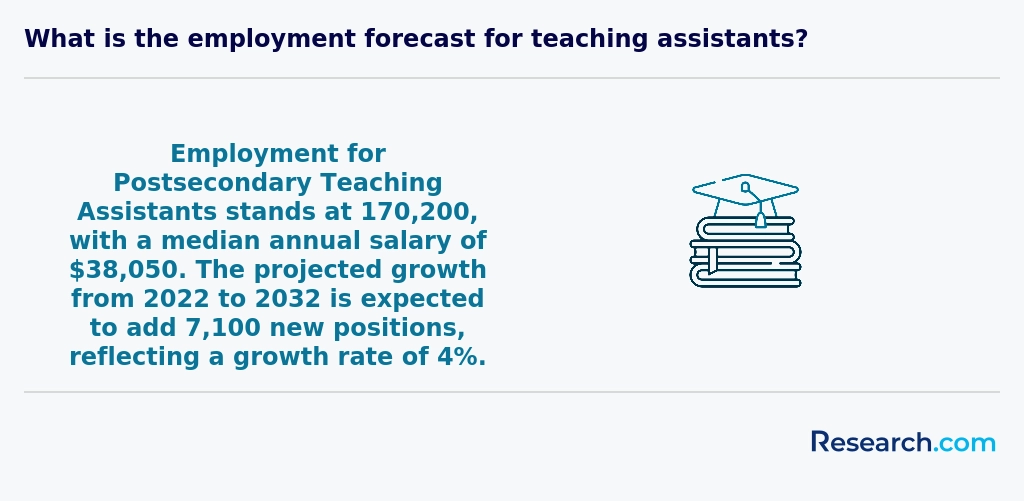
The job market for graduates holding an online education degree in Arizona shows encouraging signs, particularly in light of ongoing shortages in special education, STEM fields, and bilingual teaching. Many online graduates from popular institutions like Arizona State University find encouragement in the steady demand for qualified educators in public and charter schools. This demand aligns with projections of around 7% employment growth for teachers statewide through 2030, reflecting a positive environment for job seekers in this field. Such prospects give graduates confidence when entering a competitive workforce.
Graduates often share that flexibility in online programs allowed them to balance work and family, making degree completion manageable. Additionally, by attending schools that tailor programs to state certification requirements, they feel better prepared to meet the licensing standards essential for K-12 positions.
While median salaries hover near $50,000, some graduates pursuing advanced roles report growing opportunities and compensation. For those evaluating costs, the affordability of Arizona's public universities combined with savings from reduced commuting make an education degree approachable. For focused paths, explore the Best Online Bachelor's Degrees in Special Education to see specific program options that align with in-demand specialties.
Ultimately, considering online education degree jobs Arizona offers requires weighing steady employment growth, certification alignment, and tailored program flexibility against regional salary norms.
Frequently Asked Questions About education
To maximize their learning experience, online education degree students in Arizona should actively engage with course materials and participate in virtual discussions. Studies from the Arizona Board of Regents highlight that students who dedicate at least 15 hours weekly to online coursework tend to perform better. Time management is crucial, especially balancing studies with personal and professional responsibilities common in Arizona's diverse population.
Students benefit from using university resources like academic advising and tutoring, often available remotely. Additionally, connecting with peers through online study groups fosters collaboration, which enhances understanding of educational theories and practices.
Finally, staying informed about Arizona's specific teaching certification requirements ensures students complete necessary practicum or internships aligned with state standards.
The education field in Arizona is witnessing growth in several emerging niches, particularly within online degree programs. One notable area is educational technology, where professionals focus on integrating digital tools to enhance learning experiences. Demand for specialists in this niche is rising as Arizona schools adopt more tech-based curricula.
Another growing field is special education, especially programs tailored for students with diverse needs. Arizona's emphasis on inclusive education has increased opportunities for certified teachers in this area. Additionally, early childhood education remains a critical focus, with state initiatives supporting quality learning from a young age.
Data from the Arizona Department of Education highlights a steady increase in enrollment for online degrees in these specialties, reflecting their expanding role in the state's education landscape.
After earning an online education degree in Arizona, preparing for the job market involves several strategic steps. First, take advantage of internships or student teaching opportunities required by most Arizona certification programs, as these provide essential classroom experience recognized by the Arizona Department of Education. Networking is crucial; connect with local school districts and professional organizations like the Arizona Education Association to access job leads and mentorship.
Arizona's teacher shortages in special education and STEM fields mean graduates in these areas often find higher demand and better starting salaries, according to the Arizona Department of Education's labor market reports. Additionally, obtaining clear state certification and maintaining an updated résumé that highlights both your online coursework and practical experience will improve employment prospects.
Employers in Arizona increasingly value education degree graduates who demonstrate strong communication and classroom management skills. According to the Arizona Department of Education, effective communication is essential to engage diverse student populations and collaborate with parents and colleagues.
Critical thinking and adaptability are also highly sought after, reflecting the dynamic challenges in Arizona's classrooms. Employers expect graduates to apply evidence-based teaching methods that address the needs of English Language Learners, a growing demographic in the state.
Technology proficiency is critical as well, since Arizona schools continue to integrate digital tools in instruction. The ability to design and implement inclusive lesson plans that meet Arizona academic standards is considered a vital competency.
Finding internships in Arizona relevant to an education degree involves targeted research and utilizing state-specific resources. Many Arizona universities with online programs, such as Arizona State University, partner with local school districts to offer placement opportunities.
Students should explore the Arizona Department of Education's website for listings of approved internship programs. Additionally, local school districts often post openings for student teaching and internships on their websites.
Networking through state education associations like the Arizona Education Association can also connect students with internship opportunities appropriate for their degree path. Early planning is essential, as field experience is commonly required for licensure.
Obtaining an online education degree in Arizona can significantly enhance career mobility and advancement, especially within the state's growing educational sector. According to the Arizona Department of Education, the demand for qualified educators is rising, with a projected 10% job growth for teachers in the next decade. Online degrees offer flexible, accessible pathways for professionals seeking certification or higher qualifications without disrupting current employment.
Arizona's universities and colleges provide accredited online education programs that meet state licensure requirements, which is crucial for advancing in public school roles.
Higher education credentials often correlate with increased earning potential, leadership opportunities, and eligibility for specialized positions such as curriculum coordinators or administrators.
Studying for an education degree in Arizona offers strong preparation for interdisciplinary roles by combining core teaching skills with knowledge from fields such as psychology, technology, and social sciences. Arizona universities emphasize collaboration across disciplines to address diverse student needs in modern classrooms.
Many programs integrate coursework in educational technology, special education, and counseling, equipping graduates to work in varied educational environments. According to the Arizona Department of Education, nearly 25% of new teachers enter roles requiring skills beyond traditional classroom instruction, underscoring the need for interdisciplinary training.
This approach prepares students to adapt to evolving education systems, aiding careers in administration, curriculum design, or community outreach.
When choosing between a thesis and a non-thesis education degree program in Arizona, consider your career goals and time availability. Thesis programs often require conducting original research and writing a detailed paper, which is ideal for students planning to pursue advanced degrees or academic roles.
Non-thesis programs focus more on coursework and practical skills, fitting those looking to enter or advance in teaching and administrative positions quickly. According to the Arizona Board of Regents, many public universities offer both options, with thesis programs typically taking longer to complete.
Evaluate your interest in research and your professional timeline before deciding.
Students in Arizona seeking to study education abroad while enrolled in online degree programs have several options through U.S. institutions offering international partnerships. Many Arizona universities collaborate with foreign education providers to facilitate study-abroad experiences that complement online coursework. For example, Northern Arizona University and Arizona State University, two major state institutions, occasionally provide education students with short-term international immersion opportunities tied to their online curriculum.
Additionally, some accredited online programs allow students to complete fieldwork or student-teaching placements overseas, subject to approval by state and university guidelines. These options help fulfill practical requirements without relocating full-time. According to the Arizona Board of Regents, approximately 15% of state university students participate in some form of study abroad or global experience, showing growing interest among education majors.
Students should verify that any international coursework aligns with Arizona's teacher certification requirements and is recognized by the Arizona Department of Education. Staying informed about accreditation and transfer policies is vital when mixing online study with international components.
Part-time job opportunities in Arizona that complement education degree studies often focus on roles within schools or educational support services. Common positions include teacher assistants, substitute teachers, and tutoring jobs. The Arizona Department of Education highlights that substitute teaching provides practical classroom experience while accommodating flexible hours.
Additionally, afterschool program coordinators and childcare workers are in demand, supporting early childhood education initiatives across the state. These roles help develop crucial skills such as classroom management and lesson planning.
Many online education degree students also find work as test proctors or educational content creators, which align with their academic focus and allow remote flexibility.
According to recent labor data, education-related part-time jobs in Arizona have grown by approximately 5% over the past three years, reflecting increased opportunities for degree candidates.
Online education students in Arizona have increasing opportunities to build professional networks despite physical distance. Many Arizona universities offering online education degrees provide virtual networking events, webinars, and discussion forums that connect students and faculty statewide.
Additionally, students can access Arizona's extensive regional education organizations, such as the Arizona Education Association, which hosts conferences and workshops often open to online learners. These platforms allow interaction with educators and administrators creating pathways for mentorship and job prospects.
Research from the National Center for Education Statistics shows Arizona ranks among the top states for online degree enrollment, highlighting a growing peer community. This trend enhances the range and quality of networking opportunities for online education students.
Alumni networks provide valuable support for online education degree students in Arizona by fostering professional connections and mentoring opportunities. Many Arizona universities, such as Arizona State University, maintain active alumni communities that help graduates stay connected.
These networks can offer job leads, internships, and career advice tailored to the state's education sector. According to the Arizona Board of Regents, alumni engagement positively impacts employment outcomes for graduates. Through virtual events and platforms, students access resources regardless of location.
Participation in alumni associations can also enhance a student's resume, signaling engagement with a professional community. This can be particularly important in Arizona, where educational institutions emphasize community ties and local employment.
Arizona offers numerous options for customizing online education degree programs to align with your career goals. Many institutions allow students to choose specialized tracks, such as early childhood education, special education, or educational leadership. You can often select electives that enhance your expertise or meet state certification requirements.
Arizona's online programs typically follow guidelines from the Arizona Department of Education, ensuring coursework supports teacher licensure and professional development. Additionally, some schools provide flexible scheduling and accelerated courses, enabling faster degree completion tailored to working professionals.
According to the National Center for Education Statistics, Arizona saw a 15% increase in online education enrollment over recent years, reflecting growing access to diverse program options. This flexibility helps students align studies with their distinct career paths in education.
Online education students in Arizona commonly face challenges related to technology access and reliable internet connectivity. According to the Arizona Department of Education, roughly 15% of households in rural areas still lack high-speed internet, which can hinder participation in synchronous classes. Time management also poses difficulties, as many students balance coursework with work and family responsibilities.
Another issue is limited face-to-face interaction, which some students find affects their motivation and ability to engage deeply with peers and instructors. Additionally, navigating state-specific licensure requirements for education degrees can be complex, amplifying uncertainty for those aiming to become certified teachers.
With an online education degree in Arizona, you can pursue several professional certifications that enhance your career opportunities. The most common certification is the Arizona Professional Educator Certificate (PEC), required for public school teachers. This credential is governed by the Arizona Department of Education and aligns with state licensing standards.
Additionally, online education graduates may qualify for specialized certifications such as Reading Specialist or English as a Second Language (ESL) endorsement. These are valuable given Arizona's diverse student population; for example, nearly 25% of Arizona public school students are English learners, according to the Arizona Dept. of Education 2023 report.
For those interested in administration, certifications like the Principal or Superintendent credentials are available, often necessitating further graduate study. Other options include National Board Certification, which is recognized nationwide and can increase earning potential significantly.
Writing a winning application for an online education program in Arizona requires clear focus and preparation. Start by researching Arizona universities accredited by the Higher Learning Commission, ensuring the program meets state and national standards. Highlight your motivation for choosing online education, connecting it to your career goals and how it fits with Arizona's public school needs.
Be specific when outlining your academic background and professional experience, emphasizing any teaching or education-related roles. Arizona's Department of Education notes the growing demand for qualified educators, making relevant experience a strong asset.
Carefully follow each school's application instructions and submit all required documents, such as transcripts and letters of recommendation. Proofread your personal statement to reflect clear, concise, and compelling communication, skills vital in education careers.
Globally, an education career is valued for its impact on society and economic growth. In the US, teaching remains a stable profession, with the Bureau of Labor Statistics projecting a 5% employment growth for education roles from 2021 to 2031. Arizona reflects this trend, with strong demand for qualified educators, especially in rural and underserved communities.
Internationally, education careers often emphasize innovation and digital teaching methods, which align with Arizona's increasing focus on online degree programs. According to the Arizona Department of Education, over 85,000 students are currently enrolled in K-12 public schools that encourage tech integration, increasing the need for tech-savvy educators.
Students pursuing online education degrees in Arizona can benefit from this global shift by gaining skills recognized both locally and abroad. Understanding diverse educational models enhances job prospects and adaptability in a globalized job market.
Gaining practical experience while pursuing an online education degree in Arizona is crucial to prepare for teaching roles. Many Arizona universities offer remote internship and student teaching placements within local school districts, allowing students to complete hands-on work without relocating. The Arizona Department of Education supports these partnerships to ensure students gain classroom experience aligned with state certification requirements.
Additionally, students can engage in virtual practicums or tutoring programs that involve real-time interaction with K-12 learners. According to recent state education reports, approximately 75% of online education students in Arizona participate in some form of practical training during their studies.
Choosing the right concentration within an online education degree program in Arizona depends mainly on your career goals and the demands of the state's education sector. Arizona offers various concentrations such as early childhood education, special education, and educational leadership, each aligning with specific roles in schools or educational settings.
Consider the Arizona Department of Education's reports indicating high demand for special education teachers and administrators. This may guide students toward those areas for better job prospects. Additionally, evaluating program accreditation and alignment with Arizona's teacher certification requirements ensures the degree supports licensure if needed.
Research labor market trends, consult academic advisors, and reflect on your interests to select a concentration that matches both your passion and the evolving needs of Arizona schools.
Related Education Rankings for Nearby States
- 2027 Fastest Online Bachelor's in Education Degree Programs Ranking in California
- 2027 Fastest Online Bachelor's in Education Degree Programs Ranking in Texas
- 2027 Fastest Online Bachelor's in Education Degree Programs Ranking in Kansas
- 2027 Fastest Online Bachelor's in Education Degree Programs Ranking in North Dakota
- 2027 Fastest Online Bachelor's in Education Degree Programs Ranking in Missouri
- 2027 Fastest Online Bachelor's in Education Degree Programs Ranking in Wisconsin
- 2027 Fastest Online Bachelor's in Education Degree Programs Ranking in Michigan
- 2027 Fastest Online Bachelor's in Education Degree Programs Ranking in Indiana
- 2027 Fastest Online Bachelor's in Education Degree Programs Ranking in Alabama
- 2027 Fastest Online Bachelor's in Education Degree Programs Ranking in Kentucky
Top Trending Education Rankings
See What Experts Have To Say About Studying Education
Read our interview with Education experts


Nooshan Ashtari
Education Expert
Professor & Book Author
University of Southern California

References
- 12 Emerging Education Trends (2025 & 2026) https://explodingtopics.com/blog/education-trends
- How to Gain Real-World Experience While Studying Online | American National University https://an.edu/how-to-gain-real-world-experience-while-studying-online/
- Networking For Educators: How To Grow A Professional Circle - Carlow University https://www.carlow.edu/networking-for-educators/
- Online Education Degree Programs | University of Phoenix https://www.phoenix.edu/online-education-degrees.html
- Students: This is How You Should Prepare for the Job Market https://www.agencycentral.co.uk/articles/students-this-is-how-you-should-prepare-for-the-job-market/
- FAQ MA/MSc (Thesis/Non-thesis) Applicants – Graduate School https://lee.yasar.edu.tr/en/faq-ma-msc-with-without-thesis-candidates/
- Why Is Education Important in Your Career Advancement? - KWSP Malaysia https://www.kwsp.gov.my/en/w/article/career-advancement
- Guide to Online Education Degrees | OEDb.org https://www.oedb.org/rankings/online-education-programs/
- What Can I Do With a Teaching Degree (Besides Teach)? https://www.alleducationschools.com/blog/what-can-i-do-with-a-teaching-degree-besides-teach/
- Arizona Students Get a Jump on Career Education with ‘Possible Futures’ https://www.jff.org/blog/arizona-students-possible-futures/


