
2027 Fastest Online Education Degree Programs Ranking in Oregon

Co-Founder and Chief Data Scientist
Choosing the right education degree program can feel overwhelming, especially when balancing life and career goals. This article presents the 2027 Fastest Online Education Degree Programs Ranking in Oregon, carefully created by the Research.com team of data scientists to guide you.
By exploring this ranking, you'll find programs designed to help you finish quickly without sacrificing quality. Whether you're starting fresh or advancing your career, an education degree opens new doors and opportunities. Reading this will support your journey toward a brighter, more fulfilling future.
Key benefits of getting online education degree in Oregon
- Graduates with an education degree in Oregon can earn competitive salaries, such as $76,000 annually for special education teachers and $77,200 for instructional designers, offering financial stability in rewarding careers.
- Career paths for education graduates include roles like early childhood educator or ESL teacher, with opportunities to impact diverse student communities, as seen from Oregon State University alumni successes.
- Completing an education degree online, such as through Portland State University, provides flexible schedules and personalized learning, allowing students to balance life and work while advancing their teaching careers confidently.
- Key benefits of getting online education degree in Oregon
- What can I expect from online education degree in Oregon?
- Where can I work with online education degree in Oregon?
- How much can I make with online education degree in Oregon?
- 2027 Fastest Online Education Degree Programs Ranking in Oregon
- Key Findings
- How long does it take to complete online education degree in Oregon?
- What's the difference between online and on-campus education degree?
- Teacher Licensure and Certification in Oregon
- What is the average cost of online education degree in Oregon?
- Student Support and Resources
- What financial aid is available to online education degree students in Oregon?
- Certification and Licensure Requirements
- What are the prerequisites for enrolling in online education degree program in Oregon?
- What courses are typically in online education degree programs in Oregon?
- What types of specializations are available in online education degree programs in Oregon?
- How do you choose the best online education degree in Oregon?
- What career paths are available for online education degree students in Oregon?
- What is the job market for online education degree in Oregon?
- Related Education Rankings for Nearby States
- Top Trending Education Rankings
- See What Experts Have To Say About Studying Education
What can I expect from online education degree in Oregon?
The average cost of an online education degree in Oregon tends to vary depending on the institution and program level, but many students find it manageable when considering the long-term benefits. For instance, graduates from Oregon State University and the University of Oregon often mention that tuition rates typically range from around $10,000 to $20,000 per year for these online degrees. This investment feels worthwhile when weighed against the flexibility of asynchronous courses that allow working professionals to balance education with personal commitments.
Many learners appreciate that financial aid and scholarships are readily available, especially for Oregon residents, which helps alleviate financial concerns. One graduate recalls how accelerated degree options enabled them to finish faster, making it a practical choice for advancing a career without prolonged expense.
Choosing a program accredited by reputable bodies such as NCATE or CAEP offers assurance of quality education, which graduates find empowering as they confidently step into roles aligned with Oregon's educational standards and job market demands.
Where can I work with online education degree in Oregon?
Graduates holding an online education degree in Oregon often find themselves welcomed into diverse teaching environments, from public K-12 classrooms to private schools. Many who studied at prominent institutions like Portland State University or Oregon State University cherish the seamless preparation these programs offer for earning licensure through the Oregon Teacher Standards and Practices Commission. They feel confident stepping into roles as elementary or high school teachers, knowing their training aligns closely with state requirements and local district expectations.
Beyond traditional teaching, graduates have discovered rewarding careers as instructional coordinators or curriculum specialists within school districts-positions that allow them to shape educational strategies and support fellow teachers. Those involved in higher education, often coming from universities like the University of Oregon, appreciate opportunities to serve as academic advisors or instructional designers, where they help students and expand online learning options.
Many alumni also find fulfillment in administrative roles such as principals or district leaders, contributing to educational improvements with a deep understanding of Oregon's unique community needs. These pathways reflect a hopeful and dynamic professional landscape for education graduates who pursue their degrees online in Oregon.
How much can I make with online education degree in Oregon?
Graduates who complete an online education degree in Oregon often find rewarding salary prospects that reflect both their dedication and the state's strong demand for educators. For example, elementary school teachers with such degrees earn an average annual salary of around $70,740, a figure that brings encouraging stability and growth after studying at well-known institutions like Portland State University or Oregon State University.
Those who specialize in special education can expect even higher earnings, with mean wages reaching approximately $76,000 per year. This promising salary range highlights the value of additional expertise and the fulfilling nature of supporting diverse student needs.
Instructional designers, another growing career path for education graduates, earn a competitive average salary of $77,200 annually. Oregon graduates venturing into this field often appreciate the blend of creativity and strategic thinking their roles require.
Consider the experience of recent online graduates who have turned their degrees into successful careers with satisfying pay and the flexibility to work in evolving educational environments. Earning potential is influenced by practical experience and local opportunities, making the investment in an online education degree in Oregon both wise and hopeful.
2027 Fastest Online Education Degree Programs Ranking in Oregon
How do we rank schools?
Investing in your education is a significant decision that can shape your future, and the Research.com team understands the importance of making informed choices. To assist prospective students in Oregon, we have meticulously developed the "2027 Fastest Online Education Degree Programs Ranking in Oregon." Our commitment to quality, credibility, and accuracy is evident in the thorough research and analysis undertaken to produce this ranking.
We utilized the following reputable data sources to ensure a comprehensive evaluation of online education degree programs:
By exploring this ranking, readers will gain valuable insights into the fastest online education degree programs available in Oregon, helping them make informed decisions aligned with their career and personal goals. For more details on our methodology, please visit our Research.com methodology page.


Key Findings
- Several accredited Oregon institutions offer fully online bachelor's and master's degrees in education.
- Annual tuition for online undergraduate education programs in Oregon ranges from $7,000 to $12,000 for in-state students, while graduate programs cost between $9,000 and $15,000.
- Starting salaries for education graduates in Oregon range from $44,000 to $50,000, increasing to around $65,000 with experience.
- The demand for education jobs in Oregon is expected to grow by about 8% over the next decade.
- Oregon requires teacher licensure through the Teacher Standards and Practices Commission, which includes completing an accredited program and passing exams.
How long does it take to complete online education degree in Oregon?
Completing an online education degree in Oregon often takes about four years for bachelor's programs when studied full-time, closely matching the pace of on-campus formats. Graduates from Oregon State University recall balancing family commitments alongside their coursework, sometimes extending their studies but gaining valuable real-world experience during the process. For associate degrees, two years is a realistic timeframe, allowing working adults to build foundational skills efficiently.
At Portland State University, many education graduates appreciate the flexibility of their M.Ed. programs, completing them in roughly two years full-time or longer if chosen part-time. This adaptability helps students tailor studies around busy lifestyles, bringing a rewarding sense of accomplishment without overwhelming pressure.
Alternative certification programs in Oregon, designed for those entering teaching through nontraditional routes, typically span one to two years. Graduates often emphasize how this accelerated path offered a concentrated, motivating journey toward licensure.
Overall, Oregon online students find that considering program format, transfer credits, and personal pacing choices makes the experience both manageable and fulfilling as they work toward their educational goals.
What's the difference between online and on-campus education degree?
Graduates from institutions like Oregon State University often reflect on how the flexibility of online education degrees transformed their learning experience. Being able to attend classes remotely made it easier to balance work and family life, something that traditional on-campus programs sometimes challenge with fixed schedules and commuting demands.
Those who studied on-campus cherish the spontaneous interactions with peers and professors, whether during study groups in the library or hands-on practicum sessions in nearby schools. These experiences foster a strong sense of community and immediate feedback, which many find motivating and energizing.
In contrast, online students frequently talk about developing greater self-discipline and time-management skills while navigating video lectures and discussion boards. Though physically distant, they still connect through digital platforms and carefully arranged local student-teaching opportunities, ensuring they meet Oregon's licensing requirements.
Cost is another factor graduates mention-with online programs typically reducing expenses related to housing and transportation, making education more accessible without compromising the quality offered by well-known Oregon institutions.
Teacher Licensure and Certification in Oregon
Understanding the pathway to becoming a licensed educator in Oregon is crucial for any prospective online education student. The Oregon Teacher Standards and Practices Commission (TSPC) oversees certification, ensuring that graduates meet both academic and professional benchmarks. To earn an initial teaching license, candidates must complete an approved educator preparation program, pass the Oregon Educator Licensure Assessments (ORELA) in their subject area, and fulfill student teaching requirements. Key steps include: • Completing an accredited degree program aligned with TSPC standards-if you’re weighing foundational options, explore what is the best online associate in education program to see how associate-level coursework supports licensure prerequisites. • Registering for and passing the ORELA exams for pedagogy and content knowledge (e.g., Elementary Education, Secondary English, or Special Education). • Documenting supervised field experiences or student teaching hours-most online programs partner with local schools to facilitate practical placements. • Submitting a fingerprint-based background check and character references as part of your TSPC application. • Applying for licensure through the TSPC online portal, including payment of fees and submission of official transcripts. Beyond initial certification, Oregon educators pursue endorsements-such as English Language Learner (ELL) or Reading Specialist-to broaden career prospects and meet district needs. Renewal of a standard license occurs every five years, requiring 45 professional development credits or completion of an advanced degree. By integrating state licensure requirements into your program planning, you’ll ensure that earning an online education degree in Oregon leads seamlessly to a valid teaching certificate and a successful classroom career.
What is the average cost of online education degree in Oregon?
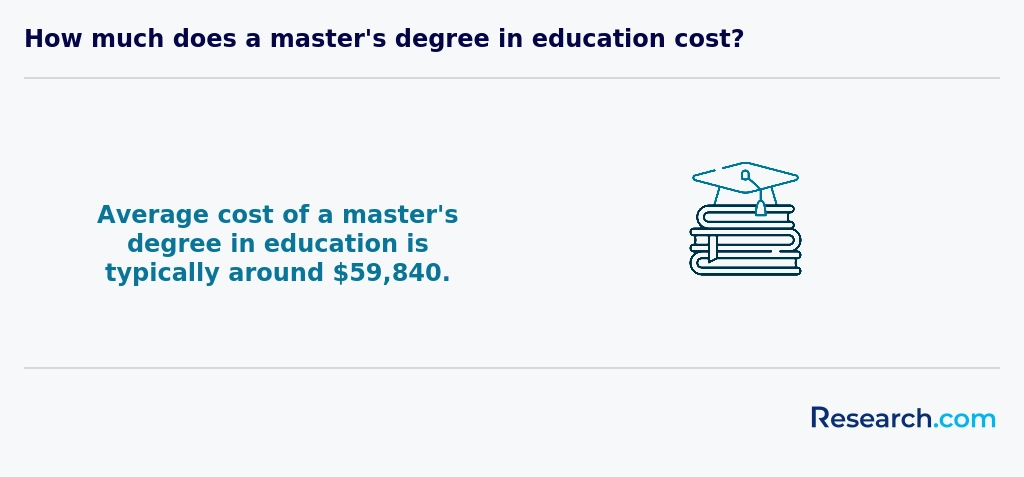
The average cost of an online education degree in Oregon typically centers around $17,680 for in-state students, reflecting a balanced approach to affordability and quality. Graduates from well-regarded institutions like Oregon State University often share how this cost, while significant, felt manageable with careful planning and the elimination of commuting expenses. These savings make online degrees attractive, especially for those balancing jobs or family commitments.
In-state tuition around $350 to $400 per credit offers flexibility, often allowing students to stretch their budgets across semesters. However, out-of-state students should anticipate higher fees, sometimes nearly double, impacting the total tuition significantly. It's worth noting that total tuition and fees for online education Oregon can vary depending on the program's length and credit requirements.
Additional expenses such as technology fees, course materials, and certification exam fees add a layer of cost that students sometimes overlook when budgeting. Many who have completed their degrees emphasize the value of exploring financial aid opportunities, including federal grants, scholarships, and employer tuition reimbursement. Oregon residents, in particular, can access state-specific grants aimed at supporting teacher education.
For those exploring specialization options within education, it's encouraging to know there are diverse choices. Some professionals have found pathways through an affordable online master's in reading and literacy, which blends practicality with a focused skillset, helping graduates advance in their careers while managing expenses effectively.

Student Support and Resources
Online education thrives on robust support systems that guide students through every stage-from enrollment to career launch. In Oregon, leading institutions provide comprehensive academic advising tailored to online learners. Advisors help map out degree plans, set milestone goals, and navigate state-specific licensure requirements. Many programs also offer career coaching sessions, resume workshops, and virtual job fairs to connect graduates with in-demand roles in K-12 and corporate training environments. Library and research services have been reimagined for digital accessibility. Students gain 24/7 remote access to e-journals, educational databases, and interlibrary loan services through secure online portals. Dedicated online writing centers and peer tutoring platforms facilitate real-time feedback on assignments, ensuring that learners stay on track and maintain high academic standards. Technical support is a cornerstone of the online education experience. State-of-the-art learning management systems (LMS) are backed by help desks that resolve issues ranging from login problems to multimedia content errors. Virtual labs and simulation tools further enrich coursework, enabling hands-on practice in instructional design and classroom management techniques without geographic limitations. Collaborative platforms foster peer networking, group projects, and study groups, replicating the social aspects of on-campus learning. For cost-conscious students, it’s important to explore both quality support and affordability. Those seeking a budget-friendly pathway might review our Most Affordable Online Master's in Education Degree Programs Ranking in Slippery Rock, PA, which highlights programs that balance exceptional resources with competitive tuition. By leveraging these comprehensive support structures, online education degree candidates in Oregon can confidently advance their academic and professional goals.
What financial aid is available to online education degree students in Oregon?
Many students pursuing an online education degree in Oregon discover that financial aid can feel like a lifeline, especially when balancing work, family, and study. Graduates from institutions such as Oregon State University and Portland State University often share how applying early for the FAFSA opened doors to Pell Grants and subsidized loans that made a real difference in managing tuition costs near $11,000 annually.
The Oregon Opportunity Grant frequently comes up in conversations as a powerful state resource, easing the financial burden for in-state learners through need-based aid. One graduate recalled how this grant was crucial in covering tuition at a public university while juggling part-time work.
Scholarships specific to education professions-such as those supported by the Oregon Education Association-often provide targeted relief for those dedicated to teaching careers. Online students also highlight employer tuition assistance programs as valuable, enabling them to pursue degrees without sacrificing their income.
Careful planning, early applications, and exploring both federal and state opportunities often translate into a less stressful path toward earning an education degree while living and studying in Oregon.
Certification and Licensure Requirements
Earning your Oregon teaching license ensures you’re fully qualified to work in K–12 classrooms after completing an online Education degree.
- Complete an educator preparation program approved by the Oregon Teacher Standards and Practices Commission.
- Pass the Oregon Educator Licensure Assessments (ORELA) in your chosen subject area.
- Obtain a fingerprint clearance card and clear the TSPC background check.
- Submit your application for an Initial Teaching License through the TSPC portal.
- Pursue endorsements (for example, ESL or Special Education) aligned with your degree content and explore accelerated options like fast track degrees.
- Renew your license every five years by completing required professional development credits.
What are the prerequisites for enrolling in online education degree program in Oregon?
Enrolling in an online education degree program in Oregon usually begins with meeting foundational academic standards. Most undergraduates at schools like Oregon State University recall the reassurance that came with holding a high school diploma or GED, paired with a GPA around 2.5 to 3.0. This baseline signaled readiness to tackle college-level work, even through the flexibility of online formats.
Graduate learners often reflect on the clearer focus shaped by a relevant bachelor's degree and a solid GPA, typically near 3.0, which aligned their ambitions with rigorous postbaccalaureate study. Many appreciated that some programs, especially at public Oregon institutions, eased testing burdens by waiving GRE requirements, recognizing the evolving landscape of distance education.
Beyond academics, real stories from Oregon graduates emphasize the importance of personal statements and recommendation letters. These documents become a bridge, offering insight into motivation and character-qualities vital to teaching careers. Additionally, adhering to state rules, graduates were diligent in completing background checks and confirming residency to access in-state tuition advantages.
Technical readiness is also a recurring theme. Learners often mention the confidence gained from reliable internet and adequate devices, which allowed smooth interaction during video sessions and software-based coursework, crucial for success in Oregon's online education programs.
What courses are typically in online education degree programs in Oregon?
Online education degrees in Oregon typically include a thoughtfully balanced mix of courses that equip future teachers with both theory and practical skills. Graduates from well-known programs at universities like Oregon State University often reflect on how classes like Educational Psychology helped them truly understand how diverse students learn, making their later classroom experiences more empathetic and productive.
Courses such as Curriculum Development and Classroom Management offer hands-on strategies, encouraging students to design lesson plans aligned with state standards while fostering positive, well-managed learning environments. This combination prepares them to confidently face challenges in Oregon's diverse classrooms.
Instructional Technology stands out as a favorite, as learners at schools such as the University of Oregon find it exciting to integrate digital tools that make teaching dynamic and engaging, especially in remote or hybrid settings. Practical work in Assessment and Evaluation further trains students to measure student progress effectively, a skill crucial for meeting Oregon's licensure standards.
Finally, courses like Multicultural Education deeply resonate with graduates, who appreciate learning to create inclusive classrooms that honor the cultural richness of Oregon's student communities. These courses collectively prepare students well, giving them the confidence and insight needed to succeed as educators in the state.
What types of specializations are available in online education degree programs in Oregon?
When exploring online education degree specializations Oregon offers, students often discover a range of focused paths designed to meet diverse career ambitions. Graduates from popular Oregon universities appreciate how programs in Elementary Education build strong foundations for teaching young learners, while secondary education tracks provide deep subject expertise for middle and high school settings. Those drawn to meaningful support roles find special education particularly rewarding, preparing them to make a tangible difference for students with exceptional needs. The appeal of educational leadership programs at Oregon colleges also stands out, equipping future administrators with skills essential for effective school management and policy influence.
Many Oregon online teaching degree options also include specialties like Early Childhood Education and ESL Education, which reflect the state's commitment to serving varied communities. Students often share how these pathways connect theory with real-world challenges faced in classrooms. For those wishing to advance beyond teaching roles, understanding the nuances between these tracks can be further enriched by exploring the types of doctorate degrees available, adding another dimension to their educational journey.
How do you choose the best online education degree in Oregon?
Choosing the best online education degree in Oregon means focusing on programs that truly fit your goals and lifestyle. Graduates from popular Oregon universities often highlight how crucial accreditation is, with institutions recognized by the Northwest Commission on Colleges and Universities ensuring their diploma holds value both locally and nationally. For many, affordability and flexibility ranked just as high-finding affordable online teaching degrees Oregon-wide that allowed them to balance family or work was a game changer.
One graduate shared how asynchronous classes at their university made completing coursework manageable alongside a full-time job, while others appreciated clear guidance on remote fieldwork placements. Another key insight is looking beyond just tuition; graduates recommend examining graduation rates, faculty expertise, and support services that cater specifically to online learners.
Students aiming for licensure found it helpful when programs explicitly prepared them for Oregon's TSPC exams, easing stress during certification. Exploring program options can also reveal unexpected benefits, like the library science degree benefits found in some education tracks, adding valuable skills for today's educators.
What career paths are available for online education degree students in Oregon?
Others transition into educational administration, becoming principals or curriculum coordinators, where they influence school operations and teaching methodologies. Instructional coordinators with master's degrees design curricula and lead teacher training, roles commonly filled by graduates of institutions with strong online master's offerings. Many also become educational consultants or school counselors, applying their training to improve student outcomes and support academic planning in diverse school settings.
Some graduates embrace the growing field of adult education in Oregon, contributing in community colleges and workforce programs. Exploring career options with education degree Oregon can include specialized focuses like child development degree accreditation, opening doors to tailored opportunities that resonate with personal passion and local needs.
What is the job market for online education degree in Oregon?
The job market for graduates with an online education degree in Oregon is encouraging, marked by steady demand across schools statewide. Many graduates from schools like Portland State University and Oregon State University share how their training helped them navigate openings in both urban and rural districts, especially in high-need fields like special education and STEM subjects. These roles are among the most accessible for education graduates in Oregon's evolving landscape.
Online education degrees equip students to meet the state's needs, with practical insights reported by those who have successfully stepped into instructional coordinator roles or adult education positions. Exploring what is the best online associate in education program prepares candidates for a variety of opportunities, including curriculum design and workforce training, reflecting Oregon's emphasis on blending technology and in-person methods.
Oregon's education job market rewards those who augment their degrees with relevant certifications or endorsements, fostering confidence and fulfillment in their careers. Graduates often emphasize the stability and positive impact of their work, highlighting the meaningful connection between their online studies and practical experience in classrooms across Oregon.
Frequently Asked Questions About education
Students pursuing online education degrees in Oregon can enhance their learning by actively engaging with course materials and participating in virtual discussions. Research shows that interaction with instructors and peers significantly improves retention and understanding of content.
Oregon ranks well in digital connectivity, with over 85% of adults having home internet access, facilitating smoother online learning experiences (U.S. Census Bureau, 2023). Utilizing campus resources such as online tutoring and library databases offered by Oregon's public universities is essential for academic success.
Time management skills are critical. Setting a dedicated study schedule helps students balance coursework with personal and professional responsibilities. Students should also seek programs accredited by the Council for the Accreditation of Educator Preparation (CAEP) to ensure quality education and better career prospects within Oregon's education system.
Emerging niches in the education field reflect shifts in technology, social needs, and policy changes. In Oregon, there is growing demand for special education expertise, driven by increasing awareness of diverse learner needs. According to the Oregon Department of Education, the number of students requiring special education services rose by over 7% in recent years.
Another fast-growing area is educational technology (EdTech), where professionals design and implement digital tools to support remote and hybrid learning environments. This growth aligns with Oregon's increasing investment in broadband access for rural schools.
Additionally, bilingual education specialists are more sought after as Oregon's student population becomes more linguistically diverse. This trend follows national calls for inclusive learning strategies.
Lastly, mental health support roles within schools, such as school counselors and psychologists, continue to expand, reflecting state initiatives prioritizing student well-being.
After completing an online education degree in Oregon, preparing for the job market involves several strategic steps. First, graduates should obtain relevant teaching licenses through the Oregon Teacher Standards and Practices Commission, which is required for most public school positions.
Building a professional network is crucial. Joining organizations like the Oregon Education Association can connect candidates with job opportunities and mentoring.
Additionally, tailoring resumes and cover letters to reflect both online learning skills and in-person teaching competencies improves hiring chances. According to the Oregon Employment Department, education jobs are projected to grow by 6% through 2030, emphasizing the importance of readiness. Gaining classroom experience through substitute teaching or volunteering can also enhance employability.
Employers in Oregon highly value education degree graduates who demonstrate strong communication skills. The ability to clearly convey ideas and engage with diverse student populations is crucial. Oregon's schools increasingly emphasize cultural competence, reflecting the state's diverse communities, making this a key skill for educators.
Data from the Oregon Department of Education highlights the importance of adaptability and technology integration. Graduates who can effectively use digital tools for remote and hybrid learning environments are in demand, especially following the pandemic-driven shifts in teaching methods.
Critical thinking and problem-solving skills also rank highly. Employers seek educators who can design inclusive curricula and manage classroom challenges creatively.
Lastly, collaboration skills are essential, with teamwork among staff seen as vital for student success.
Finding internships related to an education degree in Oregon involves exploring multiple resources available to students. Many universities and online programs provide internship placement assistance through their career services offices. According to Oregon Employment Department data, schools in Oregon often partner with local public and private K-12 districts to offer practicum opportunities.
Additionally, students should consider contacting the Oregon Department of Education, which provides listings and guidance on accredited internship programs. Networking with educators in Oregon's growing school districts can also open doors to valuable internships. Many internships require background checks and compliance with state teaching regulations, so early preparation is key.
Online job platforms such as Handshake and Oregon's WorkSource portal also list education internships tailored to students' locations and degree levels. These resources help connect students to paid and unpaid internships relevant to their career goals.
Online education degrees in Oregon significantly enhance career mobility and advancement, especially in the teaching profession. According to the Oregon Employment Department, educators with advanced degrees often earn higher salaries and qualify for leadership roles such as curriculum coordinators or school administrators.
Additionally, Oregon schools increasingly value online degrees from accredited institutions, recognizing their rigorous standards. This acceptance supports graduates seeking promotions or transitions into specialized positions like special education or instructional design.
Furthermore, online programs allow working professionals to upskill without interrupting employment, facilitating continuous career growth. This flexibility is crucial in Oregon's evolving education landscape.
Studying for an education degree in Oregon equips students with skills that extend beyond traditional teaching roles. Oregon's online education programs emphasize interdisciplinary approaches, integrating psychology, technology, and social sciences. This prepares graduates to work in diverse settings, such as educational technology development, counseling, and community outreach.
Oregon's emphasis on collaborative learning aligns with state education frameworks promoting inclusive and adaptive teaching methods. According to the Oregon Department of Education, over 30% of schools implement interdisciplinary curricula, reflecting growing demand for educators who can bridge multiple fields.
Online programs also provide flexibility to explore electives in related disciplines, enhancing a graduate's ability to adapt to evolving educational environments.
Choosing between a thesis and a non-thesis education degree program in Oregon depends on your career goals and learning preferences. Thesis programs typically require conducting original research and writing a formal document, which can prepare you for doctoral studies or research roles. Non-thesis options often emphasize practical skills and may include a comprehensive exam or project instead.
In Oregon, many online education degrees offer both formats, with about 40% of graduate students in education opting for thesis tracks according to the National Center for Education Statistics (NCES). Consider whether you prefer academic research or applied learning when deciding.
Check specific university requirements and Oregon Department of Education guidelines to ensure program alignment with your professional licensure or advancement plans.
Students based in Oregon who wish to study education abroad have several options primarily through online programs offered by accredited U.S. institutions. While Oregon has no direct state-run study abroad education degree programs, many universities provide online degrees with international course components or partnerships with foreign institutions.
According to the Oregon Higher Education Coordinating Commission, approximately 15% of Oregon students enrolled in education programs participate in study abroad or global learning experiences. These can often be fulfilled through virtual exchanges or short-term trips arranged by Oregon universities.
Popular destinations for education students include Europe and Asia, facilitated by Oregon State University and the University of Oregon's online platforms. These programs maintain Oregon's certification standards while incorporating global pedagogy topics.
Students should check with their program advisors about the availability of international practicum or research projects that can enhance their global understanding within the framework of their Oregon-based degree.
In Oregon, part-time job opportunities that complement education degrees often involve roles in childcare, tutoring, and administrative support in schools. These positions provide practical experience relevant to teaching and education management. According to the Oregon Employment Department, demand for teacher aides and instructional assistants is projected to grow by 8% through 2030, reflecting strong job prospects in the region.
Many online education students find part-time work as after-school program coordinators or substitute teachers, which helps build classroom management skills. Additionally, tutoring in subjects like math and reading offers flexible hours and directly applies educational theories.
Jobs in educational nonprofits or community centers also provide valuable insights into curriculum development and student engagement strategies, crucial for future educators in Oregon's diverse school environments.
Online education students in Oregon have several networking opportunities that can enhance their academic and professional growth. Many universities in Oregon offer virtual events, webinars, and interactive discussion forums to connect students with faculty and peers statewide. For example, Oregon State University provides dedicated online student communities fostering collaboration.
The state also hosts professional groups such as the Oregon Education Association, which welcomes online students for networking, mentorship, and career development. Additionally, online students can access internships and practicum placements in Oregon's well-connected public and private education sectors.
According to the Oregon Higher Education Coordinating Commission, over 30% of education students engage in state-related networking activities annually, highlighting the active support system available.
An active alumni network provides valuable benefits for online education degree students in Oregon. These networks connect current students with graduates, offering mentorship and career advice tailored to the local job market. According to the Oregon Office of Education, schools with strong alumni engagement report higher student employment rates within six months of graduation. Alumni often share job openings and internship opportunities that are not publicly advertised, giving students a competitive edge.
Additionally, Ohio State University's Center for Education Research highlights that alumni communities increase student motivation through peer support. For Oregon's online education programs, this sense of connection can help overcome the challenges of remote learning.
In Oregon, customizing an online education degree program to align with your career goals often starts with selecting your specialization. Many universities offer concentrations such as special education, curriculum design, or educational leadership that cater to diverse professional paths. According to the Oregon Higher Education Coordinating Commission, flexible program options are increasingly available to accommodate working professionals.
Students can often choose electives and certification tracks that match their target roles, such as teaching licenses or administrative credentials. Additionally, several Oregon institutions allow credit transfer from prior coursework or professional experience, speeding up degree completion.
Engaging with academic advisors who understand local licensure requirements is essential to tailor your studies effectively.
Online education students in Oregon often face challenges related to technology access and reliable internet, especially in rural areas where broadband availability remains limited. According to the Oregon Broadband Office, nearly 15% of households in rural Oregon lack high-speed internet, which can hinder participation in live classes and access to course materials.
Another common issue is balancing coursework with work and family responsibilities. Many online learners are working adults, making time management crucial.
Additionally, some students report difficulties with engagement and communication, citing less interaction with instructors and peers compared to traditional settings. This can impact motivation and learning outcomes.
With an online education degree in Oregon, you can pursue several professional certifications that enhance your teaching credentials and career prospects. The most common certification is the Oregon Teaching License, which requires passing state exams and completing approved educator preparation programs. Many online degrees prepare candidates for this licensure.
Additionally, you might consider certifications like the National Board Certification, recognized nationwide and valuable for career advancement. Specializations such as Special Education, English Language Learning (ELL), and Educational Leadership also offer certification pathways.
Oregon's Teacher Standards and Practices Commission (TSPC) website provides comprehensive guidance and the latest requirements.
Applying to an online education program in Oregon requires a clear, focused approach. Start by researching accredited institutions recognized by the Oregon Higher Education Coordinating Commission to ensure your degree holds value. Highlight your academic background and relevant experience, particularly if you have teaching or related work in Oregon schools, as local context strengthens your application.
Craft a compelling personal statement that explains your motivation, goals, and how the program fits your career plans. Oregon employers value commitment to community and education equity, so mention these themes if relevant. Include any standardized test scores, transcripts, and letters of recommendation promptly and neatly.
Keep your application concise but thorough. Follow all deadlines and guidelines provided by the school. According to Oregon's Office of Student Access and Completion, timely and well-prepared submissions improve acceptance chances significantly.
Education careers are valued worldwide for their impact on society and economic development. In the United States, including Oregon, teaching remains a stable profession with a projected growth rate of 8% from 2021 to 2031, according to the Bureau of Labor Statistics. Globally, education professionals are increasingly expected to adapt to digital tools and multicultural environments.
Oregon reflects this trend, with many online education degree programs emphasizing technology integration and culturally responsive teaching. The OECD highlights that countries investing in teacher training and online education see improved student outcomes, a perspective shared by Oregon's own education policies.
Educators today must also be lifelong learners, preparing students for a globalized world. This global perspective encourages Oregon students to pursue flexible online degrees that align with international standards and local needs.
Students pursuing an online education degree in Oregon can gain practical experience through several key methods. Many Oregon online programs include supervised student teaching placements in local schools, allowing learners to apply theory in real classrooms. According to the Oregon Department of Education, these practicum opportunities are essential for licensure candidates.
Additionally, some programs partner with nearby school districts or educational nonprofits to offer internships and volunteer roles. These experiences help online students build classroom management and curriculum development skills.
Another option is virtual simulations and interactive platforms designed to replicate classroom scenarios, which some Oregon universities integrate into their coursework. This combination of hands-on work and digital tools aims to prepare students for diverse teaching environments.
Choosing the right concentration within an online education degree program in Oregon depends on your career goals, interests, and the local job market. Popular concentrations include curriculum and instruction, special education, and educational leadership. According to the Oregon Employment Department, education-related jobs like kindergarten and elementary school teachers are expected to grow by 5% through 2030.
Consider programs that align with Oregon's licensure requirements if you plan to become a certified teacher. Some concentrations better prepare you for licensure exams and state standards. Research which concentrations are offered fully online by accredited Oregon institutions to ensure flexibility.
Review course content carefully to match your professional interests, whether it's working with diverse learners or school administration. Consulting labor market data and talking to academic advisors can also help guide your choice.
Related Education Rankings for Nearby States
- 2027 Fastest Online Education Degree Programs Ranking in California
- 2027 Fastest Online Education Degree Programs Ranking in Idaho
- 2027 Fastest Online Education Degree Programs Ranking in Colorado
- 2027 Fastest Online Education Degree Programs Ranking in South Dakota
- 2027 Fastest Online Education Degree Programs Ranking in North Dakota
- 2027 Fastest Online Education Degree Programs Ranking in Nebraska
- 2027 Fastest Online Education Degree Programs Ranking in Texas
- 2027 Fastest Online Education Degree Programs Ranking in Minnesota
- 2027 Fastest Online Education Degree Programs Ranking in Iowa
- 2027 Fastest Online Education Degree Programs Ranking in Missouri
Top Trending Education Rankings
See What Experts Have To Say About Studying Education
Read our interview with Education experts

Alan J. Singer
Education Expert
Professor of Teaching, Learning and Technology
Hofstra University


References
- Education Technology Trends to Watch in 2065: 10 Innovations Shaping the Future of Learning https://www.digitallearninginstitute.com/blog/education-technology-trends-to-watch-in-2026
- Home https://www.teachercertificationdegrees.com/
- What is a Global Perspective in Education? Importance and Benefits Explained https://globalindianschool.org/nagpur/glossary/what-is-a-global-perspective-in-education/
- Education Study Abroad Programs | Go Overseas https://www.gooverseas.com/study-abroad/education
- How to Choose a Master’s in Education Specialization (2026) – MastersinEducation.org https://mastersineducation.org/articles/m-ed-specialization-guide/
- Cost of Online Education vs. Traditional Education [2025]: Comparison https://educationdata.org/cost-of-online-education-vs-traditional-education
- Skills Employers Look for in Business Graduates – EU Business School https://www.euruni.edu/blog/skills-employers-look-for-in-business-graduates/
- Online Degree vs. Traditional: Choosing the Right Path https://beal.edu/online-degree-vs-traditional/
- 10 Reasons Why Education Helps to Advance Your Career - Insight Training https://insight.edu.au/blog/career-advancement-through-education/
- What Employers Actually Want From Graduates https://bodyswaps.co/resources/blog/what-employers-actually-want-from-graduates


