
2027 Most Affordable Education Degree Programs Ranking in Puerto Rico

Co-Founder and Chief Data Scientist
Choosing the right education degree program is an important step for students in Puerto Rico who want to build a meaningful career. This article introduces the 2027 Most Affordable Education Degree Programs Ranking in Puerto Rico, carefully created by the Research.com team of data scientists.
By exploring this ranking, you'll gain valuable insights to help make informed decisions about your studies. Pursuing an education degree opens doors to rewarding opportunities and personal growth. We hope this guide encourages you to take confident steps toward a brighter future.
Key benefits of getting education degree in Puerto Rico
- The mean annual wage for education degree graduates in Puerto Rico can reach around $77,200 for Instructional Designers and $41,410 for Early Childhood Educators, showing promising earning potential in various education roles.
- Graduates from popular Puerto Rican universities often pursue diverse careers such as special education teacher, ESL teacher, or instructional designer, offering flexible opportunities to make a positive impact on students' lives.
- Online education degrees from Puerto Rican institutions provide the convenience to balance studies with personal life and work, making it easier to earn a degree while staying connected to your community.
- Key benefits of getting education degree in Puerto Rico
- What can I expect from education degree in Puerto Rico?
- Where can I work with education degree in Puerto Rico?
- How much can I make with education degree in Puerto Rico?
- 2027 Most Affordable Education Degree Programs Ranking in Puerto Rico
- Key Findings
- How long does it take to complete education degree in Puerto Rico?
- What's the difference between online and on-campus education degree?
- What is the average cost of education degree in Puerto Rico?
- What financial aid is available to education degree students in Puerto Rico?
- What are the prerequisites for enrolling in education degree program in Puerto Rico?
- What courses are typically in education degree programs in Puerto Rico?
- What types of specializations are available in education degree programs in Puerto Rico?
- How do you choose the best education degree in Puerto Rico?
- What career paths are available for education degree students in Puerto Rico?
- What is the job market for education degree in Puerto Rico?
- Top Trending Education Rankings
- See What Experts Have To Say About Studying Education
What can I expect from education degree in Puerto Rico?
Many students pursuing education degrees in Puerto Rico find the cost surprisingly manageable compared to mainland U.S. standards. For example, graduates of the University of Puerto Rico often share that the average annual tuition feels like an investment rather than a financial burden, with rates substantially lower than those at comparable institutions stateside. This affordability allows aspiring educators to focus more on their passion for teaching than on crippling debt.
Imagine attending classes at a campus where bilingual instruction reflects the island's cultural richness, while tuition remains accessible. These students frequently describe juggling studies and practical teaching internships without the overwhelming stress of excessive fees. Public universities in Puerto Rico provide rigorous programs that combine theory and hands-on experience, all at a fraction of the cost you might expect elsewhere.
Ultimately, this pricing dynamic gives locals and residents an empowering chance to train as licensed educators, equipped to serve diverse classrooms both on the island and beyond, while maintaining financial peace of mind.
Where can I work with education degree in Puerto Rico?
Graduates with an education degree in Puerto Rico often find themselves stepping into classrooms across the island, especially within the Puerto Rico Department of Education, where nearly 40,000 public school teachers are employed. Those who studied at institutions like the University of Puerto Rico discover that teaching K-12 students in areas such as STEM, special education, or bilingual instruction isn't just a job-it's a chance to impact lives daily and witness the spark of learning firsthand.
But the career path doesn't end there. Many graduates recount moving beyond the classroom into leadership roles as principals or instructional coordinators, where they can shape school environments and student success on a broader scale. These opportunities often require further credentials, yet the rewards of improving entire school communities are profound.
Early childhood education also draws passionate educators from local colleges, enabling them to nurture development in preschool settings or Head Start programs. For some, becoming a speech therapist or educational consultant unlocks specialized ways to support students with unique needs, showing that an education degree opens doors to diverse, meaningful careers throughout Puerto Rico's vibrant educational landscape.
How much can I make with education degree in Puerto Rico?
Graduates with education degrees from institutions like the University of Puerto Rico or Inter American University often face a salary landscape that diverges from mainland U.S. norms. While an elementary school teacher in the broader U.S. can expect a mean annual wage near $70,740, those in Puerto Rico typically earn between $28,000 and $38,000. This gap challenges students to reconsider what "success" means locally, balancing passion for teaching with realistic financial expectations.
Special education teachers, whose mainland counterparts earn around $76,000 annually, may find opportunities for supplemental stipends in Puerto Rico thanks to increasing demand for bilingual and specialized instruction. Similarly, ESL teachers in the U.S. earn an average of $65,430, but local graduates can anticipate more modest earnings initially, though the specialized skill set is highly valued.
Many graduates recall starting near $25,000 to $30,000 annually, yet with each year and added certification, their income-and confidence-grow. Leadership roles, akin to those landing salaries up to $60,000, serve as strong motivators. For education students in Puerto Rico, the journey is not just about numbers; it's about building a meaningful career within a unique cultural and economic context.
2027 Most Affordable Education Degree Programs Ranking in Puerto Rico
How do we rank schools?
Investing in your education is a significant decision that can shape your future, and the Research.com team understands the importance of making informed choices. To assist prospective students in Puerto Rico, we have meticulously crafted the "2027 Most Affordable Education Degree Programs Ranking in Puerto Rico." Our commitment to quality, credibility, and accuracy is reflected in the extensive research and analysis conducted to compile this ranking.
We utilized the following reputable data sources to ensure a comprehensive evaluation of education degree programs:
By exploring this ranking, readers will gain valuable insights into the most affordable and high-quality education degree programs in Puerto Rico, empowering them to make well-informed decisions about their educational investment. For more details on our methodology, please visit our Research.com methodology page.

# 3 position
Pontifical Catholic University of Puerto Rico-Ponce
Bachelor of Science in Education
# 4 position
Pontifical Catholic University of Puerto Rico-Ponce
Master of Education

# 7 position
Dewey University-Manati
Bachelor of Science in Education

# 20 position
Inter American University of Puerto Rico-Arecibo
Master of Education in Curriculum and Teaching
Key Findings
- Tuition for education degrees at public universities in Puerto Rico averages about $4,500 per year, while private schools charge between $6,000 and $10,000 annually.
- Bachelor's degrees usually take four years, with master's programs requiring an additional one to two years, often focusing on bilingual education.
- The Department of Education is the largest employer, with stronger job demand in special education and STEM fields despite moderate competition.
- Starting salaries range from $30,000 to $35,000 annually, increasing to $45,000 to $60,000 for experienced teachers or those in administrative roles.
- Teaching in Puerto Rico's public schools requires passing PR certification exams and meeting federal standards for specialized programs.
- Many programs are accredited by the Council for the Accreditation of Educator Preparation (CAEP), ensuring recognized national standards.
How long does it take to complete education degree in Puerto Rico?
Completing an education degree in Puerto Rico often takes about four years for undergraduates, mirroring the traditional timeline seen across renowned institutions like the University of Puerto Rico or Inter American University. Graduates frequently share how maintaining this pace allowed them to balance studies with part-time work, appreciating the affordability and accessibility of local tuition, which differs markedly from mainland costs.
Graduate students pursuing a Master of Education commonly find themselves immersed for one to two years if studying full-time. However, many working professionals opt for part-time enrollment, which can extend their journey to three or more years. Specialist degrees add roughly one to two years, demonstrating how advanced certifications require dedication but bring rewarding specialization.
Doctoral candidates face a longer commitment-three to seven years-driven by research and dissertation challenges that reflect a deep intellectual engagement. Practical student-teaching experiences, mandatory in most programs, often impact timelines but also enrich real-world readiness, making every extra semester a meaningful investment in future success.
What's the difference between online and on-campus education degree?
The choice between online and on-campus education degrees in Puerto Rico often boils down to lifestyle and learning preferences, yet the differences run deeper than just location. Graduates from institutions like the University of Puerto Rico and Inter American University often describe how on-campus programs offer immersive experiences-engaging directly with professors and classmates, accessing campus libraries, and practicing teaching in local schools. These interactions create a vibrant network that many say enriches their confidence and professional growth.
Conversely, online students emphasize the freedom to study while managing work or family, a balance crucial for many Puerto Rican learners. One graduate shared how completing courses remotely allowed continuity in their job without the stress of commuting across the island. However, some feel a lack of spontaneous dialogue and mentorship found on campus.
Tuition tends to be comparable, but online programs may save on expenses like housing or transportation. Ultimately, the difference is less about quality and more about the kind of engagement and support a student seeks within Puerto Rico's educational landscape.
What is the average cost of education degree in Puerto Rico?
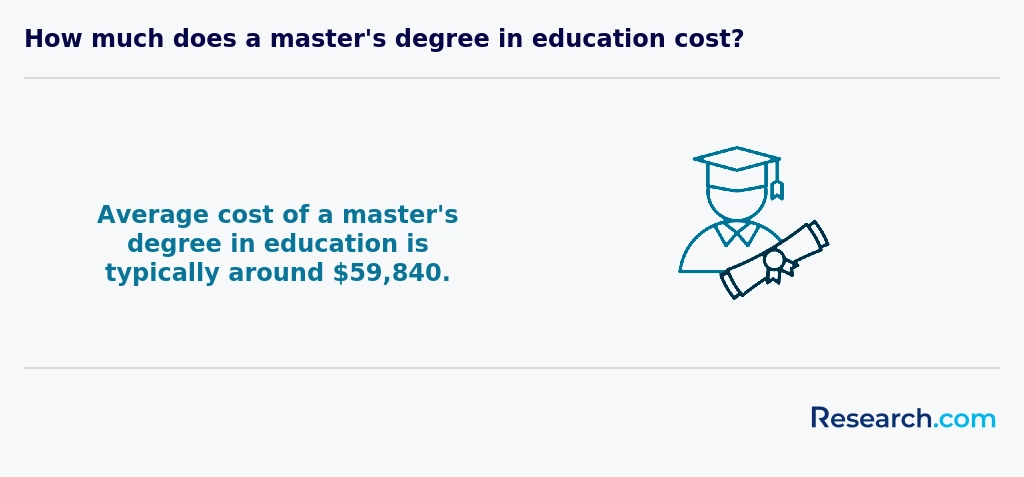
The average cost of an education degree in Puerto Rico varies significantly depending on whether you attend a public or private institution. Public universities like the University of Puerto Rico offer a more affordable path, with median in-state total costs around $5,780. Many graduates share how this affordability allowed them to focus fully on their passion for teaching without overwhelming financial stress, making the pursuit of their degree feel like a practical investment rather than a daunting expense.
Private universities, however, can raise tuition costs up to three times as much, with median total costs reaching approximately $17,450. This steep difference often challenges students to weigh the benefits of smaller class sizes or more resources against the financial burden. For many, deciding between public and private education reflects not just a financial calculation but a deeper reflection on their personal educational values and long-term goals.
Exploring affordable education degree tuition fees Puerto Rico offers is crucial for prospective students aiming to balance quality and cost. Financial aid, scholarships, and federal assistance programs often soften these expenses, as countless graduates recount feeling supported through their journeys by these options. Students poised to enter the field might also find value in programs like the best accelerated online bachelor degree programs for working adults, especially if balancing work and study.
What financial aid is available to education degree students in Puerto Rico?
Many students pursuing education degrees in Puerto Rico find financial aid to be a lifeline amidst the island's unique economic landscape. Graduates from institutions like the University of Puerto Rico often recall relying heavily on Pell Grants, which cover up to $7,395 annually without the stress of repayment. This aid is not just money-it's the freedom to focus on studies instead of juggling multiple jobs.
Federal Work-Study programs at universities create opportunities for hands-on experience while easing financial pressure. One graduate from Universidad del Sagrado Corazón shared how a work-study position in an education lab helped pay tuition and built invaluable skills simultaneously. These real-world experiences challenge the notion that financial aid is purely transactional; instead, it becomes part of the learning journey.
Local scholarships tied to Puerto Rico's Department of Education encourage teaching in underserved areas, transforming graduates' futures and communities alike. Institutional scholarships, often based on need or merit, further lighten the load, making education degrees in Puerto Rico more accessible and inspiring hope in aspiring teachers.
What are the prerequisites for enrolling in education degree program in Puerto Rico?
To enroll in an education degree program in Puerto Rico, having a high school diploma or GED is just the beginning. Graduates from universities like the University of Puerto Rico often share how submitting official transcripts and standardized test scores, such as the SAT or ACT, shaped their initial application experience. While some programs waive these tests for strong academic records, many still require them to demonstrate core competencies.
Beyond academic records, practical skills are essential. Imagine taking a placement test to prove your reading and writing ability before even stepping into your first class-this is common in many Puerto Rican institutions. Graduates recall feeling both challenged and motivated by such assessments, which ultimately build confidence for their rigorous coursework ahead.
- Applicants must show proficiency in subjects like mathematics and English, reflecting the multifaceted nature of teaching.
- Additionally, bilingual fluency, especially Spanish and English, is critical given Puerto Rico's unique cultural context.
- Some programs require letters of recommendation, adding a personal dimension to your qualifications.
Financially, students appreciate Puerto Rico's lower tuition compared to the mainland, yet budgeting for materials and fees remains vital. Many also face background checks, underscoring the responsibility educators hold. This blend of academic, linguistic, and ethical prerequisites prepares students not just for graduation but for meaningful impact in classrooms throughout Puerto Rico.
What courses are typically in education degree programs in Puerto Rico?
Education degree programs in Puerto Rico consistently include courses that go beyond traditional teaching methods, forcing students to rethink what effective education truly means on the island. Graduates from well-known institutions like the University of Puerto Rico often describe how courses in Educational Psychology and Curriculum Development challenged them to see learners not just as recipients of knowledge but as active participants shaped by culture and language.
Classroom management classes resonate deeply, especially when future teachers recall navigating bilingual classrooms in real internships at colleges such as Inter American University. These courses emphasize practical strategies for balancing diverse student needs, sparking a sense of empowerment rather than frustration.
The focus on Bilingual Education and TESOL is a distinctive Rhode Island moment, addressing the island's linguistic richness and preparing educators to bridge language gaps. Graduates often mention how mastering Educational Technology transformed their confidence, enabling creative engagement with students through modern tools. Such courses uniquely sync theory with Puerto Rico's sociolinguistic reality, shaping educators ready for authentic challenges.
What types of specializations are available in education degree programs in Puerto Rico?
Education degrees in Puerto Rico offer a variety of specializations that reflect both national standards and the island's unique cultural landscape. Graduates from universities like the University of Puerto Rico often highlight how programs such as Early Childhood Education and Secondary Education prepare them to engage meaningfully with students from diverse backgrounds. Many recall hands-on experiences teaching bilingual classrooms, a direct response to Puerto Rico's linguistic richness, which is why bilingual and ESL specializations stand out as essential paths.
Students also find value in Special Education and Educational Technology specializations, where they develop skills to foster inclusion and innovate teaching methods. These focus areas challenge the traditional boundaries of education, inspiring new ways to connect with learners in rapidly changing environments. Exploring easiest degree to get programs shows how accessible these affordable teaching career options Puerto Rico-based students pursue are, proving that quality and opportunity here go hand in hand.
How do you choose the best education degree in Puerto Rico?
Choosing the best education degree in Puerto Rico goes beyond just picking a university; it requires a deep dive into how programs match your own aspirations and lifestyle. Graduates from the University of Puerto Rico often describe a rich blend of rigorous coursework and hands-on student teaching experiences that made them feel truly prepared for the classroom. Yet, others from private institutions recall the flexibility they found with part-time or online classes, which perfectly suited their working schedules.
Think about program accreditation-this isn't just bureaucratic red tape but a guarantee your degree will be respected across the U.S., especially if you plan to teach beyond Puerto Rico. Affordability also plays a huge role. Many seek affordable education degree programs in Puerto Rico because managing costs without sacrificing quality is crucial for peace of mind during studies.
One graduate shared how securing financial aid and scholarships at their school transformed their educational journey, allowing them to focus fully on their passion. You might also explore affordable online phd programs designed to fit diverse economic realities, a testament to how flexible and accessible education pathways here can be.

What career paths are available for education degree students in Puerto Rico?
Graduates holding an education degree in Puerto Rico discover a spectrum of career paths far beyond traditional classroom roles. Many pursue teaching job opportunities Puerto Rico, capitalizing on the robust public school system run by the Puerto Rico Department of Education, where passionate educators engage with bilingual and special education needs daily. Others find fulfillment working in educational technology or curriculum development, sectors flourishing as digital learning reshapes how knowledge is delivered on the island.
Some graduates from institutions like the University of Puerto Rico embrace leadership roles as school principals or counselors, roles that not only elevate their impact but also improve earning potential. These career choices reflect a deepening commitment to shaping educational communities. Meanwhile, the higher education landscape offers positions such as academic advisors and student services coordinators, allowing graduates to nurture future professionals.
Considering the affordability of pursuing this degree locally - with tuition at popular colleges significantly below the U.S. mainland average - it's no surprise students also explore flexible pathways like tutoring or specialized instruction. For those seeking broader horizons, exploring the top online colleges can offer innovative routes into education careers in Puerto Rico and beyond.
What is the job market for education degree in Puerto Rico?
The job market for education degree graduates in Puerto Rico is shaped by a unique blend of steady demand and economic realities. Graduates from renowned universities often find rewarding opportunities in public schools, which remain the primary employers. Their bilingual abilities in English and Spanish give them a notable advantage, especially in bilingual classrooms where cultural and linguistic fluency improves learning outcomes. This real-world experience is echoed by education graduates who share stories of engaging with technology-driven classrooms, a testament to the territory's push for updated teaching methods.
Despite average salaries being lower than on the U.S. mainland, the more affordable tuition fees at local institutions give students a head start, reducing the financial pressure common elsewhere. Those exploring education degree employment opportunities in Puerto Rico appreciate this balance, acknowledging that the cost of living helps offset the salary differential. With licensing requirements in place, graduates are prepared and certified to make meaningful impacts.
For those seeking career paths beyond teaching, additional certifications open administrative roles, while others turn their attention to community education programs. Students considering alternative career paths are encouraged to explore the best skilled trades careers as well, expanding their futures beyond traditional classrooms.
Frequently Asked Questions About education
Education degree students in Puerto Rico can maximize their learning experience by actively engaging in both classroom and practical activities. Puerto Rico's education system follows U.S. standards, so students benefit from opportunities like student teaching placements, which are essential for hands-on experience. According to the Puerto Rico Department of Education, practical internships improve employment prospects by 30% after graduation.
Additionally, students should take advantage of bilingual program offerings, strengthening skills in English and Spanish, increasing their versatility as educators. Participating in local workshops and networking with experienced teachers and administrators enriches knowledge beyond textbooks.
Finally, leveraging online resources and federal financial aid programs can help students focus on studies without excessive financial stress.
Emerging niches within the education field in Puerto Rico reflect broader trends in the U.S. higher education system. One key area is educational technology, where professionals design and implement digital learning tools amid rising demand for online and hybrid instruction models.
Special education remains a critical focus, with Puerto Rico facing a shortage of qualified teachers adept at serving diverse learners. Graduate programs increasingly emphasize training for inclusivity and individualized support.
STEM education, especially in science and math instruction, continues to grow, driven by efforts to boost student performance and interest in these fields. Data from the Puerto Rico Department of Education highlights ongoing investments in teacher preparation in these subjects.
Career and technical education (CTE) also gain traction, preparing students for workforce needs in healthcare, technology, and environmental sectors.
Graduates with education degrees in Puerto Rico can strengthen their job prospects by obtaining state certification, which is required to teach in public schools. The Puerto Rico Department of Education sets standards and administers licensure exams that candidates must pass. Participating in student teaching or internships during studies provides valuable classroom experience, often leading to employment opportunities.
Networking with local educators and attending career fairs helps graduates learn about openings and expectations. Additionally, furthering skills in bilingual education is beneficial, as many schools seek teachers fluent in both Spanish and English.
According to the U.S. Bureau of Labor Statistics, employment for teachers in Puerto Rico is expected to remain steady, emphasizing the importance of continuous professional development.
Employers in Puerto Rico seeking graduates with education degrees prioritize a blend of strong classroom management and effective communication skills. According to the Puerto Rico Department of Education, adaptability to diverse student backgrounds is essential due to the island's multicultural and bilingual environment. Proficiency in both Spanish and English is a significant advantage, enabling educators to serve varied communities efficiently.
Critical thinking and problem-solving skills are also valued, as teachers must address unique challenges in educational settings. Collaboration and teamwork abilities are crucial because educators often work with parents and other professionals to support student success. Data from the Institute for Education Sciences highlights these competencies as key to improving student outcomes in Puerto Rico's public schools.
Finding internships in Puerto Rico relevant to an education degree involves exploring partnerships between universities and local schools. Many institutions, such as the University of Puerto Rico, offer structured internship programs connected to the Department of Education. These placements allow students to gain practical classroom experience while completing their degrees. According to Puerto Rico's Department of Education, internships are a critical step in teacher certification, requiring a specific number of supervised hours.
Students should also consult with academic advisors and career services offices, which maintain updated lists of available internships. Networking with local schools, educational nonprofits, and community centers can uncover additional opportunities. Online platforms such as Puerto Rico's government internship portal sometimes list openings in education fields as well.
In Puerto Rico, earning an education degree significantly impacts career mobility and advancement, especially within the public school system. According to the Puerto Rico Department of Education, teachers with advanced degrees often qualify for higher salary tiers and leadership roles. For instance, a bachelor's degree is typically required for entry-level teaching positions, while a master's degree can open doors to specialized roles, such as curriculum development or administrative leadership.
Data from the U.S. Bureau of Labor Statistics highlights that educators in Puerto Rico with advanced certifications tend to experience lower unemployment rates compared to those without degrees. This educational qualification also enables professionals to meet certification requirements more easily, which is essential for career progression.
Furthermore, with ongoing educational reforms in Puerto Rico, there is an increasing demand for qualified teachers who can adapt to new standards, further emphasizing the value of holding a formal education degree. Overall, education degrees serve as a crucial foundation for gaining job stability and leadership opportunities locally.
Studying for an education degree in Puerto Rico offers strong preparation for interdisciplinary roles by integrating diverse subject areas. Programs frequently emphasize bilingual education, cultural competence, and special education, addressing local community needs and broader educational challenges.
According to the Puerto Rico Department of Education, nearly 95% of public school students are Spanish-speaking, making bilingual skills essential for educators. This language focus enhances graduates' ability to work across disciplines such as linguistics, psychology, and social work. Additionally, universities collaborate with health and social service sectors, promoting interdisciplinary projects.
The curriculum often includes courses in educational technology, curriculum development, and counseling, equipping future educators with wide-ranging skills for collaborative environments.
When choosing between a thesis and a non-thesis education degree program in Puerto Rico, consider your career goals and time commitment. Thesis programs usually require conducting original research, which benefits students aiming for academic or research careers. Non-thesis options focus more on coursework and practical skills, often preferred by those seeking immediate professional advancement.
In Puerto Rico, many universities offering education degrees align with US higher education standards. According to the Puerto Rico Council of Education, thesis programs often extend study time by 6-12 months compared to non-thesis tracks. Cost-wise, both options are similar, but thesis work may require additional resources for research.
Understanding your preferred learning style and future plans helps in making an informed choice between these two paths.
Students based in Puerto Rico interested in studying education abroad have multiple options within the US higher education system. Many institutions across the mainland offer online and hybrid education degree programs, allowing Puerto Rican students to access accredited programs without relocating. According to the National Center for Education Statistics (NCES), over 70% of education degrees awarded in Puerto Rico are at the bachelor's and master's levels, indicating a strong local base for further study.
Puerto Rican students can also apply to universities in states like Florida, New York, and Texas, which have significant Puerto Rican populations and specialized support services. Programs approved by the Council for the Accreditation of Educator Preparation (CAEP) ensure quality training recognized nationwide. Additionally, federal financial aid and scholarship opportunities remain available for Puerto Rican students studying in US institutions.
In Puerto Rico, part-time job opportunities that complement an education degree often include roles such as teacher assistants, tutors, and substitute teachers. These positions provide practical experience working directly with students, which is valuable for future educators. According to the Puerto Rico Department of Education, there is a steady demand for support staff in public schools, offering flexible hours ideal for students pursuing degrees.
Many higher education institutions on the island also hire part-time educational aides and lab instructors. Additionally, community centers and afterschool programs frequently seek qualified individuals to lead educational activities.
Engaging in these roles helps build classroom management skills and enhances understanding of student needs within the U.S. education system as applied locally.
Education students in Puerto Rico have several networking opportunities through local universities, professional organizations, and community events. Institutions like the University of Puerto Rico and Inter American University host workshops and conferences that connect students with experienced educators and policymakers. These events foster relationships that can aid in job placements and collaborative projects.
The Puerto Rico Association of Teachers and other regional bodies offer memberships, providing access to mentoring, job fairs, and professional development sessions. According to the Puerto Rico Department of Education, participation in such groups often leads to better career outcomes for graduates.
Additionally, students benefit from federal programs and partnerships aimed at supporting educators in U.S. territories, enhancing nationwide networking possibilities.
Alumni networks play a crucial role for education degree students in Puerto Rico by fostering professional connections that can lead to job opportunities. Research from the Council for the Accreditation of Educator Preparation (CAEP) highlights that active networks improve employment rates for recent graduates by up to 25%.
Puerto Rico's unique educational landscape benefits from local alumni who understand the island's bilingual and multicultural system. These networks offer mentorship, career guidance, and access to teaching vacancies in public and private schools. For students attending institutions like the University of Puerto Rico, alumni connections often provide valuable insight into licensure requirements and classroom best practices.
Moreover, alumni associations frequently sponsor workshops and continuing education, which support long-term professional growth in teaching careers on the island.
Customizing an education degree program in Puerto Rico involves selecting courses and specializations aligned with specific career goals. Many universities offer flexible curricula with options in early childhood education, special education, or educational leadership, allowing students to focus on their preferred teaching area. Puerto Rico's institutions often integrate bilingual education components, reflecting the island's English-Spanish context, enhancing job market readiness.
Students can also pursue certificate programs or minors alongside their degree to broaden skills. According to the Puerto Rico Education Department, tailoring coursework and practicum experiences supports licensure and competitiveness in local schools. Additionally, internships and partnerships with local districts provide practical opportunities matching career interests.
Education students in Puerto Rico face several notable challenges throughout their studies. One key issue is limited access to updated learning resources and technology, which can impede effective training in modern teaching methods. According to the Puerto Rico Department of Education, many institutions still struggle to fully integrate digital tools, affecting hands-on experience.
Additionally, financial constraints are common. Tuition and associated costs can be a barrier, especially as Puerto Rico's median household income is significantly lower than the U.S. average, impacting students' ability to afford higher education. This often leads to higher dropout rates among education majors.
Another challenge involves the local job market. Education graduates sometimes face difficulties securing employment with competitive salaries due to economic fluctuations on the island. The U.S. Bureau of Labor Statistics reports that public school funding instability in Puerto Rico contributes to fewer teaching positions overall.
With an education degree in Puerto Rico, graduates can pursue several professional certifications to enhance their career opportunities. Most commonly, individuals seek the Puerto Rico Department of Education's teaching certification, which qualifies them to teach in public schools across the island. This certification requires passing the Praxis exams and completing a state-approved teacher preparation program.
Beyond initial licensure, educators may pursue additional endorsements such as special education, bilingual education, or administration. These certifications often require extra coursework and exams.
According to the Puerto Rico Department of Education, approximately 75% of new teachers obtain certification through local universities each year, reflecting strong demand for qualified educators in the territory.
Additional certifications, like National Board Certification, are recognized nationwide and offer higher salary potential and professional recognition.
Writing a winning application for an education program in Puerto Rico requires careful preparation and clear communication of your academic goals. Begin by researching accredited universities such as the University of Puerto Rico system, which hosts numerous education degree programs recognized by the Council for the Accreditation of Educator Preparation (CAEP).
Highlight your relevant experience and motivation for teaching, tailoring your personal statement to reflect Puerto Rico's unique cultural and linguistic context. Include strong letters of recommendation from academic or professional contacts familiar with your skills.
Standardized test scores and transcripts must be submitted promptly, as many programs require them for acceptance. According to Puerto Rico's Department of Education, programs emphasize bilingual proficiency, so demonstrating language skills can strengthen your application.
The global perspective on a career in education emphasizes its vital role in societal development and lifelong learning. In the U.S., including Puerto Rico, teaching is recognized as a respected and stable profession with growing demand. According to the U.S. Bureau of Labor Statistics, employment for kindergarten and elementary teachers is projected to grow 7% from 2022 to 2032, faster than average.
Puerto Rico's education system faces unique challenges, such as resource allocation and bilingual instruction needs, creating opportunities for educators trained in diverse methods. The Council for the Accreditation of Educator Preparation (CAEP) ensures quality teacher preparation programs, many of which operate in Puerto Rico.
Globally, education careers focus on inclusive practices, technology integration, and adapting to diverse learners, trends also reflected in U.S. standards. For students in Puerto Rico, pursuing an education degree aligns with these international aims and local workforce demands.
Gaining practical experience while studying for an education degree in Puerto Rico often involves participating in supervised fieldwork or student teaching placements, which are typically required components of teacher preparation programs. These experiences allow students to apply educational theories in real classrooms under the guidance of certified mentors.
Many universities in Puerto Rico partner with local public and private schools to facilitate these placements, enabling hands-on learning within diverse community settings. According to the Puerto Rico Department of Education, teacher candidates must complete a minimum number of practicum hours, often ranging between 300 to 600 hours, depending on the program.
Additionally, internships and volunteer opportunities in afterschool programs or educational nonprofits provide supplementary practical exposure. Students are encouraged to seek these options early to build a strong professional network within the island's education sector.
Choosing the right concentration within an education degree program in Puerto Rico involves considering your interests, career goals, and local educational needs. Puerto Rico's Department of Education reports a growing demand for teachers specialized in bilingual education and special education. These concentrations often lead to higher employment rates after graduation.
Reflect on what age group or subject matter you are passionate about, such as early childhood, secondary education, or STEM fields. Accreditation status of the institution and program is critical; look for schools recognized by the Council for the Accreditation of Educator Preparation (CAEP).
Additionally, explore internship and fieldwork opportunities, as practical experience is highly valued in Puerto Rico's education system. Finally, consider salary trends-for example, bilingual educators often earn slightly higher wages according to the latest Bureau of Labor Statistics data for the Puerto Rican market.
Top Trending Education Rankings
See What Experts Have To Say About Studying Education
Read our interview with Education experts


Nooshan Ashtari
Education Expert
Professor & Book Author
University of Southern California

References
- The Pros and Cons of Online Learning vs. Traditional Education https://www.sophia.org/blog/higher-education/pros-cons-online-learning-vs-traditional-education/
- Elementary Education (Puerto Rico) Master of Education https://www.cambridgecollege.edu/academics/degrees-certificates/masters-degrees/elementary-education
- Online Learning vs Traditional Learning Comparison https://advantagesschool.com/online-learning-vs-traditional-learning/
- Education Technology Trends to Watch in 2065: 10 Innovations Shaping the Future of Learning https://www.digitallearninginstitute.com/blog/education-technology-trends-to-watch-in-2026
- 10 Reasons Why Education Helps to Advance Your Career - Insight Training https://insight.edu.au/blog/career-advancement-through-education/
- The 8 challenges of education in a changing world https://casvitrescantos.com/en/the-8-challenges-of-education-in-a-changing-world/
- 18 Highest Paying Jobs With an Education Degree (not teaching) | Devlin Peck https://www.devlinpeck.com/content/jobs-with-an-education-degree
- Get Into Teaching with an internship https://www.youthemployment.org.uk/getintoteaching-with-an-internship/
- How to Pick Your Concentration for Your M.Ed. Degree | ACE Blog https://ace.edu/blog/how-to-pick-your-med-concentration/
- Transforming Learning and Teaching in Puerto Rico Schools with the C3 Micro-Cloud - Critical Links https://critical-links.com/transforming-learning-and-teaching-in-puerto-rico-schools-with-the-c3-micro-cloud/


