
2027 Most Affordable Education Degree Programs Ranking in the USA Territories

Co-Founder and Chief Data Scientist
Choosing the right education degree program can be a big step toward a brighter future. For students in the USA Territories, finding affordable options that don't compromise quality is essential.
This article presents the 2027 Most Affordable Education Degree Programs Ranking in the USA Territories, created by the Research.com team of data scientists. It offers clear insights to help you make an informed decision about your education path.
Reading this guide can empower you to find a program that fits your needs and budget, opening doors to new opportunities and personal growth.
Key benefits of getting education degree in the USA Territories
- Graduates with education degrees can earn competitive salaries, such as Special Education Teachers making around $76,000 and Instructional Designers earning approximately $77,200 annually, offering financial stability.
- Career paths for education graduates include becoming Elementary School Teachers or Early Childhood Educators, with opportunities to impact students' lives positively in schools across the USA Territories.
- Online education degrees offer flexibility and convenience, allowing graduates from popular institutions in the USA Territories to balance work and study effectively while gaining the same quality credentials as traditional programs.
- Key benefits of getting education degree in the USA Territories
- What can I expect from education degree in the USA Territories?
- Where can I work with education degree in the USA Territories?
- How much can I make with education degree in the USA Territories?
- 2027 Most Affordable Education Degree Programs Ranking in the USA Territories
- Key Findings
- How long does it take to complete education degree in the USA Territories?
- What's the difference between online and on-campus education degree?
- What is the average cost of education degree in the USA Territories?
- Teacher Certification Requirements
- What financial aid is available to education degree students in the USA Territories?
- Accreditation and Licensure
- What are the prerequisites for enrolling in education degree program in the USA Territories?
- What courses are typically in education degree programs in the USA Territories?
- What types of specializations are available in education degree programs in the USA Territories?
- How do you choose the best education degree in the USA Territories?
- What career paths are available for education degree students in the USA Territories?
- What is the job market for education degree in the USA Territories?
- Top Trending Education Rankings
- See What Experts Have To Say About Studying Education
What can I expect from education degree in the USA Territories?
The average cost of obtaining an education degree in the USA Territories often surprises students accustomed to mainland tuition fees. Graduates from institutions like the University of Puerto Rico and the University of Guam frequently share how their education expenses felt manageable, allowing them to focus more on learning than financial strain. Tuition and fees here are typically lower, sometimes significantly so compared to similar programs in U.S. states, making higher education accessible without sacrificing quality.
One graduate recalled balancing part-time work and family life precisely because their program's cost didn't necessitate overwhelming debt. This financial ease extends the opportunity to engage deeply with culturally relevant curriculum tailored to local needs, an advantage that can be lost in more expensive, less localized mainland programs. The affordability, paired with accredited degrees, equips students to pursue teacher certification across the U.S. while staying connected to their community's unique educational landscape.
Where can I work with education degree in the USA Territories?
Graduates from education programs at universities like the University of Puerto Rico or the University of Guam often discover their career paths extending far beyond traditional classrooms. While many find rewarding teaching roles in public schools across Puerto Rico, Guam, or the U.S. Virgin Islands, the opportunities don't stop there. Imagine working in a juvenile justice center as an educational coordinator, helping young people reengage with learning-that's a real possibility for those passionate about special education or counseling.
Others have stepped into leadership positions within school administration or curriculum development, influencing education systems on a broader scale. For instance, graduates have felt the pride of shaping bilingual education programs tailored to the diverse linguistic cultures within these territories, directly impacting student success.
Non-profits and federal initiatives also employ education degree holders, with many graduates managing after-school and adult education programs designed to reduce dropout rates. These careers tap into a sense of community and purpose, letting education professionals witness tangible improvements in lives around them every day.
How much can I make with education degree in the USA Territories?
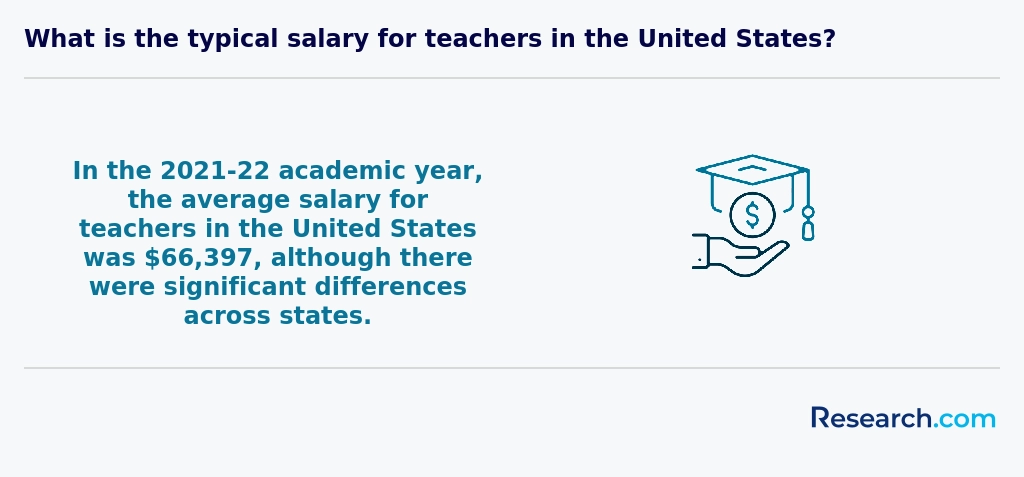
Graduates from education programs in territories like Puerto Rico, Guam, and the U.S. Virgin Islands often step into roles with salaries that can surprise those expecting parity with mainland U.S. figures. For example, an Elementary School Teacher, a common career choice after earning an education degree, averages about $70,740 annually according to U.S. Bureau of Labor Statistics data-though territorial salaries tend to be lower, such as the $30,000 to $40,000 range reported in Puerto Rico.
Early Childhood Educators from local colleges frequently find themselves earning closer to $41,410 per year nationally, but territorial positions might offer less; still, graduates appreciate that lower living costs balance the equation. Special Education Teachers command a higher mean wage of $76,000, incentivizing many to specialize, especially those graduating from education programs at institutions like the University of Guam.
Some graduates in the U.S. Virgin Islands report salary boosts when adding advanced certifications, echoing the trend of a 10%-20% increase observed across territories. ESL teachers, earning a mean annual wage of $65,430 nationally, often embrace the cultural and linguistic diversity of their classrooms, turning their paychecks into fulfilling experiences rather than just numbers.
It's clear that while salaries may not match mainland averages, the unique advantages of living and working in the territories-alongside strong community ties formed during college years-make the rewards deeply personal and professionally enriching.
2027 Most Affordable Education Degree Programs Ranking in the USA Territories
How do we rank schools?
Investing in your education is a significant decision that can shape your future, and the Research.com team is keenly aware of the importance of making well-informed choices. To guide students across USA territories, we have carefully developed the "2027 Most Affordable Education Degree Programs Ranking in the USA Territories." Our dedication to quality, credibility, and accuracy is demonstrated through rigorous research and thorough analysis underpinning this ranking.
We utilized the following reputable data sources to ensure a comprehensive evaluation of education degree programs:
By examining this ranking, readers will gain valuable insights into affordable and credible degree programs, empowering them to make confident decisions about their educational investments. For more information on how this ranking was created, please visit our Research.com methodology page.

# 3 position
Pontifical Catholic University of Puerto Rico-Ponce
Bachelor of Science in Education
# 4 position
Pontifical Catholic University of Puerto Rico-Ponce
Master of Education
# 5 position
American Samoa Community College
Bachelor of Education in Elementary

# 8 position
Dewey University-Manati
Bachelor of Science in Education


Key Findings
- Tuition fees for public universities in Puerto Rico typically range from $4,000 to $6,000 per year for in-state students, which is lower than many mainland states.
- Entry-level teachers in Puerto Rico earn between $27,000 and $33,000 annually, with veteran educators earning median salaries of $45,000 to $50,000.
- The job market for education roles in the USA Territories is competitive but offers steady demand, especially in public schools and early childhood education.
- Many education programs in the territories have accreditation aligned with U.S. standards, aiding mobility for graduates between territories and the mainland.
- Financial aid and grants specific to residents of the territories can help reduce education costs at private institutions.
How long does it take to complete education degree in the USA Territories?
Completing an education degree in the USA Territories often mirrors the mainland's typical four-year timeline for a bachelor's, yet lived experiences from students at institutions like the University of Puerto Rico reveal a fluid reality. Many find the journey feels both rigorous and rewarding, balancing general education with immersive coursework in child development and teaching strategies. For some, a year longer is added-not due to academic struggle but because limited course availability or scheduling conflicts prompt them to adapt their plans.
Masters degree seekers also navigate a spectrum, sometimes finishing in a swift year at Guam Community College through accelerated programs, while others take up to two years to accommodate part-time study or family commitments. Graduates often recall how the intimate class sizes and local tuition affordability, like $3,450 annually in Puerto Rico, foster a supportive, less stressful environment, allowing them to relish their education without financial anxiety.
Such nuances challenge the simple "four-year" expectation, reminding students that flexibility, resilience, and regional context shape the true pace of degree completion in the Territories.
What's the difference between online and on-campus education degree?
Graduates from education programs at the University of Guam or the University of the Virgin Islands often describe the choice between online and on-campus degrees as a balance between flexibility and immersion. Online programs win for many because they allow students juggling work, family, and island life to attend classes without the stress of daily commutes across distant or rural territories. One graduate shared how studying online helped them maintain a full-time job while earning their degree, saving both time and money typically spent on travel and housing.
Conversely, on-campus students at these institutions speak proudly of the rich classroom dynamics-engaging directly with professors and peers, using campus libraries, and participating in hands-on activities that deepen understanding. While the financial and logistical burden of living near campus remains, these immersive experiences foster strong connections and immediate feedback that some students find invaluable.
Despite these different paths, both modes demand the same high standards mandated by regional accreditation, ensuring employers in the territories recognize the value of either degree. This parity challenges the assumption that in-person is inherently superior, highlighting that quality and outcomes hinge more on program design than format.
What is the average cost of education degree in the USA Territories?
Studying for an education degree in the USA Territories offers a unique financial advantage that often surprises many prospective students. The median total cost for completing such a degree hovers around $17,650, but for in-state residents, it can be as low as $5,955. This significant difference challenges the common assumption that higher education is uniformly expensive, especially compared to mainland tuition prices.
Graduates from institutions like the University of Puerto Rico frequently share how their lower tuition fees allowed them to focus on their studies without overwhelming financial stress. The average cost of education degree programs in USA territories includes more than tuition-fees, books, and living expenses also factor in but generally remain manageable. This affordability creates a realistic pathway for students who want to invest in their future while staying close to their communities.
Private schools and non-resident fees can raise expenses, sometimes nearing $17,650, but many students leverage scholarships and financial aid tailored for territorial residents. When weighing education options, it's vital to consider these variables in the total expenses for education degrees in USA territories. Exploring alternatives like an accelerated online bachelor's degree also expands opportunities for balancing cost and flexibility.

Teacher Certification Requirements
To teach in any USA Territory, graduates must follow a clear licensure path:
- Earn your education degree from an accredited program.
- Complete required student-teaching or practicum hours under supervision.
- Pass territory-specific exams (for example, Praxis Core or local assessments).
- Submit official transcripts, exam scores, and a background check to the territorial education board.
- Pay licensure application fees and fulfill continuing-education credits for renewal.
For teachers aiming to boost credentials quickly, consider one year masters programs that align with certification standards.
What financial aid is available to education degree students in the USA Territories?
Financial aid for education degree students in the USA Territories often surpasses what many expect, offering accessible pathways to affordability despite geographical challenges. Graduates from the University of Guam or the University of the Virgin Islands frequently recall how Pell Grants, providing up to $7,395 annually, were pivotal in easing tuition burdens. This federal support is not just a number-it's a tangible bridge for local students striving to become educators in their communities.
Beyond federal grants, territorial scholarships tailored to teacher training encourage students to remain invested in local education. For example, students at the University of Puerto Rico benefit from grants that sometimes require service commitments, transforming financial support into a meaningful professional journey. This strategy cultivates a sense of purpose as well as financial relief.
Federal loans and work-study programs supplement these grants, but students often share how balancing work with studies at institutions like American Samoa Community College builds resilience. Imagine studying education while earning through work-study roles that reinforce classroom skills-this is a lived reality for many aspiring teachers in the Territories, combining financial aid with practical experience.
Ultimately, these intertwined financial aid sources highlight how education students in the Territories negotiate costs creatively, empowered by a network of support that respects their unique landscapes and ambitions.
Accreditation and Licensure
Accredited programs ensure quality, qualify for federal aid, and prepare you for territory-specific teacher certification.
- Regional Accreditation: Institutions in Puerto Rico and the U.S. Virgin Islands typically hold Middle States Commission on Higher Education approval.
- Specialized Accreditation: Council for the Accreditation of Educator Preparation (CAEP) endorsement signals rigorous teacher-preparation standards.
- Territory Requirements: Each territory’s Department of Education (e.g., Puerto Rico, Guam, American Samoa) mandates completion of an approved program and passing certification exams.
Certification Steps:
- Graduate from a regionally and CAEP-accredited education program.
- Pass required Praxis exams or territory-specific assessments.
- Submit transcripts, exam scores, and application to the local education board.
For flexible study options that meet these standards, consider accredited online colleges.
What are the prerequisites for enrolling in education degree program in the USA Territories?
Enrolling in an education degree program in the USA Territories demands more than just a high school diploma or GED; it challenges applicants to prove resilience and readiness in unique ways. Graduates from institutions like the University of Puerto Rico or Guam Community College often recall the moment they submitted their SAT scores and official transcripts, milestones that symbolized their commitment amidst local expectations. Test-optional policies have begun easing these barriers but do not eliminate the need for strong academic records.
Language fluency, especially in bilingual regions like Puerto Rico, adds another layer of complexity. Many remember the relief and pride when their English and Spanish proficiency opened doors, reflecting how linguistic skills become bridges rather than burdens.
Financial preparedness also plays a pivotal role; with tuition between $3,500 and $7,000 annually, students feel empowered by the affordability compared to mainland programs yet remain mindful of funding challenges. Letters of recommendation and background checks further affirm character and purpose, reminding prospective learners that entering education here means embracing both responsibility and opportunity within their communities.
What courses are typically in education degree programs in the USA Territories?
Education degree programs in the USA Territories include courses that go far beyond typical theory, immersing students in practical, community-centered learning. Graduates from popular institutions like the University of Guam often reflect on how Introduction to Education opened their eyes to the unique teaching philosophies shaped by both U.S. national standards and local cultural nuances.
Core classes such as Developmental Psychology and Curriculum Design and Instruction don't just cover textbook knowledge-they prepare future teachers to adapt lessons for diverse classrooms, reflecting real student experiences in Guam or Puerto Rico. Practicum or student teaching is a pivotal moment, where many find joy and confidence in engaging local students firsthand, understanding the powerful blend of tradition and innovation that shapes learning environments here.
Courses like Diversity and Multicultural Education uniquely prepare educators to meet the needs of a multilingual population, often incorporating bilingual education, a feature especially relevant for students preparing to teach in Puerto Rico's or Guam's linguistically rich settings. This tailored approach instills pride and commitment among graduates who see their work as vital to preserving cultural identity while advancing educational equity.
What types of specializations are available in education degree programs in the USA Territories?
In the USA Territories, education degree specializations challenge the typical uniformity seen on the mainland by embracing cultural identity and bilingualism. Graduates from the University of Puerto Rico often reflect on how specializing in Early Childhood Education pushed them to nurture language skills in both English and Spanish, preparing them for the truly diverse classrooms they encounter daily. This regional focus shapes teaching career paths in USA Territories, blending traditional subjects with the communities' unique cultural narratives.
Beyond early learning, Elementary and Secondary Education specializations are tailored to equip future educators with flexible skills across subjects like math, science, and social studies, often in multicultural settings-an experience echoed by alumni from Guam's educational institutions. Inclusive education gets its due emphasis as well; Special Education programs are burgeoning, enabling passionate teachers to support students with disabilities, which has transformed the way many graduates view teaching.
Some even step beyond the classroom, attracted to Educational Leadership or Curriculum Development, aiming to uplift entire school systems. Those exploring cost-effective options or looking for convenience often consider hybrid or online alternatives, helping students access the best programs without sacrificing local relevance. For those wondering about accessible paths, exploring the easiest associate degree to obtain could be a strategic first step.
How do you choose the best education degree in the USA Territories?
Choosing the best education degree in the USA Territories is not simply about picking the cheapest or closest program. Graduates from institutions like the University of Puerto Rico often recount how accreditation shaped their career paths, as degrees recognized by agencies such as CAEP ensure smoother certification and job placement. Reflect on what specific role you envision in education-whether it's special education, secondary teaching, or administration-since programs vary widely in specialization and impact your readiness for those roles.
Incorporating flexible delivery formats is increasingly vital. Many students balancing family or work responsibilities find hybrid or online options offered by regional colleges invaluable in managing their schedules, a factor that deeply affects persistence and success. Meanwhile, cost remains a meaningful concern; students praise affordable education degree programs USA territories for reducing financial stress without compromising quality, especially when financial aid is effectively utilized.
Think beyond tuition. High graduation rates, personalized faculty attention, and robust student support all contribute to real-world success. If you've considered advanced studies, exploring the cheapest online doctorate options could also be a strategic step in your educational journey.
What career paths are available for education degree students in the USA Territories?
Graduates with an education degree in the USA Territories find themselves at the crossroads of diverse career possibilities beyond traditional classrooms. Many pursue teaching jobs with education degree in USA Territories, becoming certified educators in bilingual K-12 settings where cultural and linguistic diversity enrich the learning environment. For example, graduates from universities in Puerto Rico often share how their training empowered them to effectively teach both English and Spanish-speaking students, bridging communities through education.
Others challenge themselves by specializing in special education or early childhood programs, meeting growing regional demands that spark a deep sense of purpose and impact. Education degree career options in USA Territories also extend into administrative roles-from school counselors shaping student futures to curriculum developers innovating local educational standards. Graduates from respected territorial colleges describe how such roles offered them the chance to influence policy and advance equity on a systemic level.
For those seeking further advancement, continuing studies can lead to university faculty positions or consulting work, leveraging their expertise to transform education regionally. Many students discover opportunities through platforms linking to top ranked online colleges, balancing affordability with quality as they pursue advanced credentials.
What is the job market for education degree in the USA Territories?
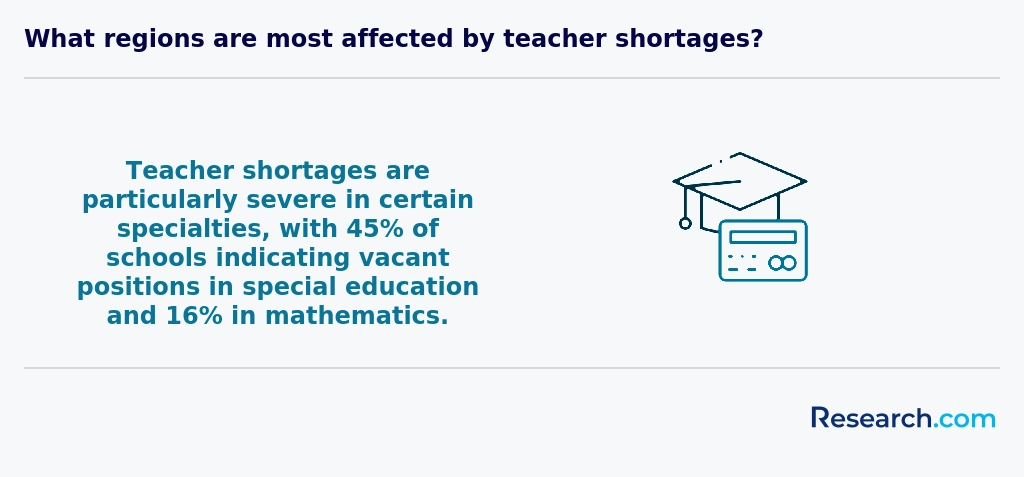
The job market for education degree holders in the USA Territories often defies expectations. Graduates from institutions like the University of Puerto Rico frequently find themselves at the heart of steady demand, especially in public schools where shortages in special education and STEM fields are common. This reality challenges the notion that opportunities are limited outside the mainland and shows how local familiarity and bilingual abilities significantly enhance employability. Such graduates often describe rewarding careers impacting communities where their cultural knowledge is valued.
Career opportunities for education graduates in USA Territories also hinge on economic realities. While salaries may not match mainland levels, the lower cost of education-ranging from $3,000 to $6,000 annually at public universities-makes pursuing a degree locally both practical and sensible. Many alumni appreciate not only affordable tuition but also the chance to build meaningful local connections. Some explore roles beyond traditional teaching, including educational support and administration.
Those weighing their options may also consider the flexibility of online colleges to complement their studies, further expanding their career prospects while remaining connected to their communities.
Frequently Asked Questions About education
Education degree students in the USA Territories can maximize their learning experience by engaging actively with both local and online academic resources. Many institutions in territories like Puerto Rico and Guam offer flexible programs accredited by U.S. regional bodies, ensuring quality education comparable to mainland standards. Students should take advantage of these accredited programs, which often provide smaller class sizes and personalized attention.
Additionally, connecting with local schools for practicum opportunities enhances practical skills and cultural competence, crucial for teaching diverse populations. Utilizing federal financial aid options available to territorial residents can reduce financial burdens and enable focus on studies. According to the National Center for Education Statistics, participation in territorial higher education institutions has steadily increased, reflecting growing support networks for students.
Emerging niches within the education field in the USA Territories reflect broader trends in technology and cultural diversity. One growing area is educational technology, where specialists develop digital tools to enhance remote and blended learning, which gained momentum during the COVID-19 pandemic. According to the U.S. Department of Education, remote learning initiatives are expanding across territories like Puerto Rico and Guam.
Another niche gaining importance is bilingual and multicultural education, addressing the diverse linguistic needs of populations in territories such as the U.S. Virgin Islands. Educators trained in these specialties are crucial for equitable access to quality education.
Special education remains critical, with increasing demand for professionals focused on individualized learning plans to serve students with disabilities effectively.
Preparing for the job market after earning an education degree in the USA Territories involves focused planning and practical experience. Many graduates face a competitive environment, with Bureau of Labor Statistics data showing steady demand for qualified teachers across these regions. Engaging in student teaching during the degree program is vital, as it provides hands-on classroom experience recognized by local education departments. Building a professional network through local schools and educational organizations enhances job prospects. Obtaining necessary state or territorial teaching certifications promptly is crucial, as licensing requirements vary across territories. Additionally, mastering digital tools for remote or blended learning broadens employment opportunities in the evolving education sector.
Employers in the USA Territories emphasize a combination of practical and interpersonal skills for education degree graduates. Strong classroom management and lesson planning capabilities are essential, ensuring graduates can effectively organize and deliver curriculum content. According to the Puerto Rico Department of Education, over 70% of schools prioritize candidates with adaptive teaching strategies suited to diverse student populations.
Communication skills, both verbal and written, remain highly sought after. Employers expect graduates to collaborate with families and communities, enhancing student support networks. Technological proficiency also grows in importance, as many schools in the Territories incorporate digital tools in daily instruction.
Critical thinking and problem-solving abilities help educators address challenges creatively, vital in resource-limited settings typical of some USA Territories. Overall, graduates prepared with these skills stand out in the competitive education job market.
Finding internships in the USA Territories relevant to an education degree requires a strategic approach focused on local schools, government programs, and community organizations. Many Territories, such as Puerto Rico and Guam, have partnerships between universities and public schools that facilitate education internships. According to the National Center for Education Statistics, these collaborations often provide hands-on experience in classrooms, which is essential for education students.
Students should contact their university's career services and academic advisors early, as many institutions in the Territories maintain internship listings specific to education. Additionally, local Departments of Education frequently offer internship opportunities to support teacher training and education reform projects.
Networking within educational conferences and workshops held regionally can also reveal less-advertised internships. These experiences not only enhance teaching skills but also comply with certification requirements across many US jurisdictions. For updated opportunities, the US Department of Education's website provides resources tailored for US Territories' education pathways.
Obtaining an education degree in the USA Territories significantly enhances career mobility and advancement opportunities. These territories follow the broader US higher education framework, allowing degree holders to qualify for state-licensed teaching positions and administrative roles. According to the National Center for Education Statistics (NCES), territories such as Puerto Rico and Guam report increasing demand for qualified educators, with a projected job growth close to 5% over the next decade.
Holding a recognized education degree enables professionals to pursue certifications required for leadership roles, including principals and curriculum coordinators. Moreover, degrees from accredited institutions in the territories often transfer to mainland US systems, broadening job prospects.
Career advancement frequently ties to additional qualifications from education degrees, like specialized endorsements or graduate-level study. In rural or underserved areas, degree holders gain competitive advantages in securing higher-paying roles and grants dedicated to improving educational quality.
Studying for an education degree in the USA Territories offers unique preparation for interdisciplinary roles by integrating diverse cultural, linguistic, and community-focused approaches. Programs often emphasize bilingual education, Guam and Puerto Rico being notable examples, where students learn methods to address multicultural classrooms effectively. According to the National Center for Education Statistics, over 40% of students in these territories are English language learners, highlighting the need for versatile teaching skills.
Courses incorporate elements from sociology, psychology, and communications to equip graduates with the ability to work beyond traditional classroom settings. This broad perspective prepares educators to collaborate with social workers, counselors, and health professionals, essential in community-centered education environments common in the territories.
Additionally, many universities partner with local schools and agencies, providing hands-on interdisciplinary experiences that reflect the socio-economic contexts specific to the territories. These practical opportunities strengthen skills necessary for tackling educational challenges through a holistic lens.
Choosing between a thesis and a non-thesis education degree program in the USA Territories depends on your career goals and learning preferences. Thesis programs typically require original research, making them ideal for students considering further study or academic careers. Non-thesis options usually emphasize coursework and practical skills, suitable for those seeking immediate employment in educational settings.
In territories like Puerto Rico and Guam, data from the National Center for Education Statistics shows that most education master's degrees offer both tracks. Graduation rates for thesis options tend to be slightly lower due to the research demands, but these programs can enhance critical thinking and analytical skills.
Consider your time availability, research interest, and future plans before deciding. Advisors at local institutions can provide tailored guidance based on regional educational priorities and job market trends.
Students based in the USA Territories have several options when pursuing education degrees abroad, primarily within the broader U.S. higher education system. Many institutions in stateside America offer online and hybrid programs, allowing territorial students flexibility without relocating. Additionally, accredited universities in Puerto Rico provide degrees recognized throughout the U.S., which benefits Diplomatic and non-Diplomatic U.S. Territories alike.
For those interested in studying outside the United States entirely, options are more limited due to accreditation and financial aid constraints. Federal financial aid typically applies only to programs affiliated with U.S. institutions. According to the National Center for Education Statistics, a growing number of students from the territories enroll in mainland universities with accessible education-related programs.
Territorial students should consider institutions that participate in Title IV federal aid programs to maximize funding opportunities. Furthermore, some universities in the U.S. Virgin Islands and Guam offer partnerships with mainland schools, expanding access to education degrees. This structured approach supports territorial students in navigating educational pathways efficiently and cost-effectively.
Students pursuing education degrees in the USA Territories have several part-time job opportunities that align well with their studies. Common roles include teacher aides, substitute teachers, and childcare assistants, which offer practical experience in classroom management and lesson planning. According to the U.S. Bureau of Labor Statistics, teacher aide positions in territories like Puerto Rico and Guam reflect steady demand, with average hourly wages ranging from $10 to $14.
Many universities in the territories also encourage students to work as peer tutors or assist in educational research projects. These roles enhance instructional skills and provide exposure to curriculum development.
Additionally, part-time positions in afterschool programs and nonprofit organizations focused on youth education provide valuable hands-on experience, complementing academic knowledge with community involvement.
Education students in the USA Territories benefit from various local and regional networking opportunities that support their professional growth. Universities such as the University of Puerto Rico and the University of Guam host education conferences, workshops, and student organizations that connect future educators. These institutions often collaborate with local school districts, providing practica and internships that link students directly with experienced teachers and administrators.
Regional education associations also play a role. For example, the National Education Association includes affiliates in several territories, offering networking events and professional development tailored to residents. Such connections are essential for gaining mentorship and job placement within territorial school systems.
Alumni networks play a crucial role for education degree students in the USA Territories by providing valuable professional connections. Graduates from these regions often face limited local job markets, so having access to a wider alumni network can open doors to teaching opportunities across the mainland and territories.
These networks offer mentorship programs that help current students navigate certification requirements and classroom challenges specific to the territories. For example, alumni associations in Puerto Rico and Guam frequently host workshops tailored to regional education policies.
Moreover, alumni can facilitate internships and job placements, which contribute to a reported 15% higher employment rate for degree holders involved in such networks, according to the National Center for Education Statistics.
In the USA Territories, students can customize their education degree programs by selecting specific concentrations or electives aligned with their career goals. For example, many institutions in Puerto Rico and Guam offer specializations such as early childhood education, special education, or educational leadership. These options allow students to focus on areas with strong local demand.
Additionally, students may tailor their programs through internships and practicum experiences within local schools or community organizations, gaining practical skills relevant to their target careers. Online courses and hybrid models also provide flexibility, enabling learners to balance work and study.
According to the U.S. Department of Education, many accredited institutions in the territories adhere to regionally recognized curriculum standards, ensuring transferability and recognition of customized degree components. This helps students build programs that meet both personal aspirations and professional requirements.
Education students in the USA Territories face several notable challenges. Access to accredited institutions offering education degrees is limited, with most programs concentrated in Puerto Rico and Guam. This geographical constraint often requires students to relocate or rely on online courses, which may lack local context. According to the National Center for Education Statistics (NCES), enrollment rates in higher education in territories are lower than the national average, partly due to economic factors.
Financial difficulties also play a significant role. Lower median household incomes in territories impact students' ability to afford tuition and related expenses. Furthermore, limited availability of federal financial aid programs tailored for territories exacerbates these issues.
Language barriers and unique cultural factors sometimes affect curriculum relevance and student engagement. Navigating licensing and certification requirements can be complex since some territories have distinct standards compared to the continental US. These challenges require careful consideration by prospective education students aiming for a successful degree and career path.
With an education degree in the USA Territories, you can pursue several professional certifications to enhance your teaching career. The most common is the state or territory teaching license, required for public school employment. For example, in Puerto Rico, certification is managed by the Departamento de Educación, ensuring teachers meet specific academic and field experience standards.
Additionally, you can pursue certifications such as TESOL (Teaching English to Speakers of Other Languages) or Special Education credentials, which are in growing demand. According to the National Center for Education Statistics, bilingual education certificates are increasingly valuable in territories with diverse populations.
Advanced certifications like school administration or curriculum specialist credentials are also options for career advancement.
Writing a winning application for an education program in the USA Territories requires careful attention to specific guidelines and local context. First, thoroughly research the institution's requirements, as each territory's colleges, such as the University of the Virgin Islands or the University of Guam, may have unique criteria. Highlight your academic achievements clearly, including GPA and relevant coursework, since these are crucial for admission decisions.
Demonstrate your commitment to serving local communities, a key focus in education programs within territories. Include a well-crafted personal statement explaining your goals and how the program aligns with your aspirations. Be sure to provide letters of recommendation, ideally from educators familiar with the territory's education system.
Finally, comply strictly with all deadlines and submit required standardized test scores if applicable. According to the National Center for Education Statistics, the admission rate for these programs can vary, so a thorough and tailored application enhances your competitiveness.
The global perspective on an education career highlights the growing need for skilled educators who can adapt to diverse learning environments. In the USA Territories, education degrees are aligned with national standards but also consider local cultural contexts, preparing teachers to work effectively in multicultural classrooms.
According to the National Center for Education Statistics, approximately 25% of students in these territories identify as Indigenous or from minority backgrounds, which influences teaching approaches. Globally, educators face similar challenges, such as integrating technology and addressing equity in education.
Moreover, many international organizations emphasize that careers in education contribute significantly to social and economic development, making this profession both impactful and respected worldwide.
Gaining practical experience while studying for an education degree in the USA Territories involves several key opportunities. Many teacher preparation programs include student teaching placements, where candidates spend mandatory hours in local schools working alongside licensed teachers. For example, universities in Puerto Rico and Guam require at least 12 weeks of supervised teaching practice as part of certification requirements.
Internships and volunteer roles are also valuable. Schools, community centers, and education nonprofits often seek assistance, allowing students to develop skills in real classroom settings. The U.S. Department of Education highlights that hands-on experience improves employment prospects upon graduation.
Additionally, some programs offer practicum courses specific to the Territories' cultural and linguistic context, enhancing students' readiness to serve diverse communities effectively.
Choosing the right concentration within an education degree program in the USA Territories involves understanding local educational needs and career goals. Concentrations may include elementary education, special education, bilingual education, or administration. For example, in Puerto Rico, bilingual and special education are particularly relevant due to diverse student populations, according to the U.S. Department of Education. It is essential to consider job market demands; data shows that special education teachers are in high demand across territories like Guam and the Virgin Islands. Researching local schools' requirements and speaking with academic advisors can help tailor your choice to both passion and employment opportunities.
Top Trending Education Rankings
See What Experts Have To Say About Studying Education
Read our interview with Education experts


Alan J. Singer
Education Expert
Professor of Teaching, Learning and Technology
Hofstra University

References
- Online Degree vs. Traditional: Choosing the Right Path https://beal.edu/online-degree-vs-traditional/
- Education Cover Letter: 6 Steps to Write a Job-Winning One [+Example & Template] | Cake https://www.cake.me/resources/cover-letter/education-cover-letter
- Why Experience is Just as Important as Education https://lateral-connect.com/why-experience-is-just-as-important-as-education/
- Education Technology Trends to Watch in 2065: 10 Innovations Shaping the Future of Learning https://www.digitallearninginstitute.com/blog/education-technology-trends-to-watch-in-2026
- Tips for Choosing Your Graduate Concentration - Graduate Programs for Educators https://www.graduateprogram.org/blog/tips-for-choosing-your-graduate-concentration/
- The Pros and Cons of Online Learning vs. Traditional Education https://www.sophia.org/blog/higher-education/pros-cons-online-learning-vs-traditional-education/
- 10 Reasons Why Education Helps to Advance Your Career - Insight Training https://insight.edu.au/blog/career-advancement-through-education/
- Education and the labor market in Latin America https://repositorio.cepal.org/server/api/core/bitstreams/d58e6f28-5573-481b-ad15-d3f48f0b1d68/content
- International Education Week https://nz.usembassy.gov/international-education-week-step-2-finance-your-studies/
- Why Is Education Important in Your Career Advancement? - KWSP Malaysia https://www.kwsp.gov.my/en/w/article/career-advancement


