
2027 Most Affordable Online Bachelor's in Education Degree Programs Ranking in Missouri

Co-Founder and Chief Data Scientist
Considering an education degree in Missouri? This article introduces the 2027 Most Affordable Online Bachelor's in Education Degree Programs Ranking in Missouri, crafted by the Research.com team of data scientists. It's designed to help you identify quality programs that fit your budget and career goals.
Choosing the right program is a big step, and this ranking simplifies your decision-making. Earning a degree in education opens doors to rewarding opportunities and the chance to make a positive impact. Explore your options with confidence and start your journey toward a fulfilling career.
Key benefits of getting online education degree in Missouri
- Salary for education degree graduates: Graduates with an education degree in Missouri can expect rewarding salaries, such as $70,740 annually for elementary school teachers and $76,000 for special education teachers, reflecting strong earning potential.
- Career paths: Education graduates from Missouri schools often pursue fulfilling roles like instructional designers, with mean annual wages around $77,200, or early childhood educators, earning approximately $41,410 per year.
- Benefits of online degrees: Earning an education degree online in Missouri offers flexibility and affordability, helping graduates balance life while gaining skills valued by employers, as seen with successful online graduates from regional universities.
- Key benefits of getting online education degree in Missouri
- What can I expect from online education degree in Missouri?
- Where can I work with online education degree in Missouri?
- How much can I make with online education degree in Missouri?
- 2027 Most Affordable Online Bachelor's in Education Degree Programs Ranking in Missouri
- Key Findings
- How long does it take to complete online education degree in Missouri?
- What's the difference between online and on-campus education degree?
- Licensure Requirements
- What is the average cost of online education degree in Missouri?
- Teacher Licensure and Certification in Missouri
- What financial aid is available to online education degree students in Missouri?
- What are the prerequisites for enrolling in online education degree program in Missouri?
- What courses are typically in online education degree programs in Missouri?
- What types of specializations are available in online education degree programs in Missouri?
- How do you choose the best online education degree in Missouri?
- What career paths are available for online education degree students in Missouri?
- What is the job market for online education degree in Missouri?
- Related Education Rankings for Nearby States
- Top Trending Education Rankings
- See What Experts Have To Say About Studying Education
What can I expect from online education degree in Missouri?
The average cost of an online education degree in Missouri is surprisingly approachable, especially for residents. Graduates from public institutions like the University of Missouri or Missouri State University often share how the residency tuition savings made their dreams feel within reach. Imagine balancing coursework on curriculum design and classroom management while knowing your tuition is reasonable-this ease helps keep the stress low and motivation high.
Many students experience a mix of synchronous classes where they connect live with instructors and asynchronous lessons fitted around their busy lives. The affordability of these programs, combined with options for scholarships and state grants aimed at education majors, creates a supportive environment that feels like an investment rather than a burden.
One graduate recalls the excitement of completing required field placements in local Missouri schools, knowing their education was building a meaningful future. The manageable cost paired with practical experiences makes earning an online degree here a rewarding adventure.
Where can I work with online education degree in Missouri?
Graduates with an online education degree in Missouri often find themselves stepping into vibrant classrooms across the state, whether it's teaching eager K-12 students in public schools or inspiring learners in private institutions. Many graduates from universities like the University of Missouri or Missouri State University share how their programs prepared them for certification through the Missouri Department of Elementary and Secondary Education, opening doors to rewarding teaching careers.
Others explore leadership roles, becoming principals or instructional coordinators who shape school curricula and support fellow educators. Imagine managing a dynamic team in Kansas City's growing school districts, where innovative education initiatives thrive.
The adventure continues in early childhood settings-think preschools or Head Start centers driven by a passionate graduate addressing the rising demand highlighted in St. Louis metro areas. For those drawn to adult education, community colleges offer chances to create skill-building programs that make a real difference.
Special education graduates often find themselves championing students' unique needs, weaving personal fulfillment with professional impact across Missouri classrooms and nonprofits alike.
How much can I make with online education degree in Missouri?
If you're diving into an online education degree in Missouri, envision starting your career earning around $41,410 as an early childhood educator-figures that many graduates from universities like the University of Missouri or Missouri State University have seen as a stepping stone. Those passionate about special education might find the $76,000 average salary for special education teachers quite motivating, especially after gaining hands-on experience.
Imagine stepping into classrooms or designing curriculums, much like graduates who've embraced roles as instructional designers, earning close to $77,200 annually. Even ESL teachers in Missouri enjoy competitive wages, averaging $65,430, which reflects the diverse, enriching classroom experiences graduates from local colleges encounter every day.
Exploring these career paths, many Missouri graduates find their initial salaries around $40,000 to $45,000, gradually climbing with certifications, experience, or advanced degrees. It's exciting to think about the possibilities where your passion meets rewarding salaries-all while shaping education across Missouri's vibrant school districts.
2027 Most Affordable Online Bachelor's in Education Degree Programs Ranking in Missouri
How do we rank schools?
Investing in your education is a significant decision that can profoundly impact your future, and the Research.com team recognizes the weight of this choice. To aid prospective students in Missouri, we have carefully developed the "2027 Most Affordable Online Bachelor's in Education Degree Programs Ranking in Missouri." Our dedication to quality, credibility, and precision is demonstrated through thorough research and detailed analysis underpinning this ranking.
We utilized the following reputable data sources to ensure a comprehensive evaluation of education programs:
By exploring this ranking, readers will gain valuable insights into affordable and credible online education degree programs in Missouri, empowering them to make well-informed decisions about their academic futures. For more information on how we created this ranking, please visit our Research.com methodology page.
# 1 position
University of Missouri
Bachelor of Human Development and Family Science with an emphasis in Early Childhood Education in a Mobile Society

# 2 position
Missouri State University-West Plains
Bachelor of Elementary Education
Key Findings
- Many Missouri public universities offer fully online bachelor's degrees in education aligned with state licensing requirements.
- In-state tuition at public universities typically ranges from $7,000 to $10,000 per year, with financial aid often available.
- Starting salaries for educators in Missouri range from $39,000 to $42,000 annually, increasing to $56,000 to $60,000 with experience and certifications.
- High demand exists in special education, STEM, and bilingual education, with opportunities in both urban and rural districts.
- Online students have access to academic advising, virtual tutoring, and licensure preparation through their institutions.
How long does it take to complete online education degree in Missouri?
If you're embarking on an online education degree in Missouri, expect an adventure that flexes with your life rhythm. Most full-time students at popular schools like Missouri State University or the University of Missouri finish their bachelor's in about four years-much like a traditional path. But here's the exciting part: many graduates rave about the freedom to speed up or slow down their pace thanks to flexible schedules and multiple semester start dates throughout the year.
Picture balancing work and family while taking compact 7- to 8-week courses designed to fit busy lives. Some students take a little longer, maybe six years, embracing a part-time pace that feels just right for them. Others who've transferred credits find themselves sprinting through their program faster than expected. The blend of internships, student teaching, and credit flexibility means your journey can be uniquely yours, offering both challenge and control in equal measure.
What's the difference between online and on-campus education degree?
Imagine juggling family, work, and studies from the comfort of your home-this is the reality for many online education graduates from the University of Missouri. Online programs offer the freedom to access lectures and assignments anytime, perfect for those who thrive on flexibility.
On the flip side, attending Missouri State University on campus plunges you into a vibrant community where face-to-face interactions with professors and peers spark lively discussions and hands-on learning experiences. Graduates often recall the excitement of in-person classroom debates and immediate feedback during student teaching placements.
Costs also vary. While online tuition matches or sometimes dips below on-campus rates, real savings come from avoiding commuting and housing expenses. Plus, online students at Truman State University often celebrate how asynchronous learning lets them tailor education around busy lives.
Regardless of the path, Missouri's accredited programs ensure each graduate meets the rigorous state certification standards, blending flexibility or tradition with trusted quality.
Licensure Requirements
To teach in Missouri public schools, graduates must secure state certification through the Department of Elementary and Secondary Education (DESE).
- Complete a DESE-approved educator preparation program, often available through a self-paced online college.
- Pass the Missouri General Education Assessment (MoGEA) or an equivalent basic skills test.
- Pass content area exams (e.g., Praxis II) aligned to your endorsement.
- Submit a fingerprint-based background check to DESE.
- Apply for an Initial Professional Certificate via the DESE online portal.
- Fulfill edTPA or other performance-based assessments as required.
- After two years of mentored teaching, apply for a Professional Certificate.
What is the average cost of online education degree in Missouri?
The average cost of an online education degree in Missouri offers a mixture of accessibility and quality that many find encouraging. For students enrolled at public universities like Missouri State University or in the University of Missouri system, the journey is marked by a tuition range that typically hovers around $200 to $300 per credit hour. This means that for the usual 120-credit bachelor's degree, graduates celebrate a total cost that tends to fall between $7,000 and $9,000 when studying as in-state residents. Imagine being able to juggle work and study without feeling overwhelmed by massive debt, something several recent graduates recall with relief and pride.
Out-of-state students might see a higher figure, sometimes topping $20,000, which can feel more like an adventurous investment in their future. Private universities raise the stakes further, usually asking between $15,000 and $30,000 for the entire program, but with scholarships and financial aid creating hopeful pathways for many who chase their teaching dreams. Those who have taken advantage of these opportunities often share stories of newfound confidence and the excitement of stepping into classrooms ready to inspire the next generation.
While navigating the landscape of affordable online education bachelor's degree Missouri options, students are encouraged to review detailed costs and aid offerings specific to their chosen schools. For those curious about what programs stand out and promise a fulfilling career in teaching, exploring the ranking of the best bachelors degrees in special education online can spark new ideas and ambitions.

Teacher Licensure and Certification in Missouri
Becoming a licensed educator in Missouri requires more than an online degree-it demands adherence to state-specific certification standards designed to ensure high teaching quality and student safety. To earn a Professional Teaching Certificate through the Missouri Department of Elementary and Secondary Education (DESE), candidates must: • Complete an accredited teacher preparation program, which may include focused tracks such as special education-discover our ranking of the best bachelors degrees in special education online to compare program quality and outcomes. • Pass the required Praxis exams: Core Academic Skills for Educators (Reading, Writing, Mathematics) plus a subject-specific test aligned with your endorsement area (for example, Elementary Education or English Language Arts). • Satisfy background clearance and fingerprinting requirements to demonstrate suitability for working with K–12 students. • Fulfill student teaching or internship hours under the supervision of a DESE-approved mentor teacher, providing real-world classroom experience and formative feedback. After initial certification, educators advance from a “Certificate of License” to a “Professional Certificate” by: 1. Accumulating two years of satisfactory teaching experience in a Missouri public or accredited private school. 2. Completing an approved induction program, emphasizing mentorship and performance assessments that align with Missouri’s Standards for Quality Professional Practice. 3. Agreeing to ongoing professional development-typically 150 clock hours every five years-to maintain currency in instructional strategies, educational technology, and classroom management. Understanding and meeting these licensure milestones not only ensures compliance with Missouri state law but also boosts your employability and long-term career growth. By choosing an accredited online program that integrates DESE requirements into its curriculum, you position yourself to move seamlessly from coursework to classroom leadership.
What financial aid is available to online education degree students in Missouri?
When diving into an online education degree in Missouri, financial aid can feel like an exciting treasure map guiding you through costs that often seem overwhelming. Many students find that completing the FAFSA opens doors to federal grants and loans, with the Federal Pell Grant offering up to $7,395 annually-imagine paying less while focusing on your passion at a school like the University of Missouri or Missouri State University.
State programs like the Access Missouri Financial Assistance Program add another layer of support, especially if you're a Missouri resident. Graduates recall how the A+ Scholarship, designed for local high school alumni heading to community colleges or tech schools, made their path smoother, even if continuing toward a four-year degree. Plus, several universities in Missouri offer scholarships tailored just for education majors, rewarding dedication and diversity in the field.
Loan forgiveness often sparks hope among future teachers. Those who teach in Missouri's low-income districts for five years can erase up to $17,500 in federal loans-transforming debt into a rewarding career journey. These financial aids don't just ease wallets; they inspire many to dream bigger and teach better.
What are the prerequisites for enrolling in online education degree program in Missouri?
To embark on an online education degree journey in Missouri, the path begins with a high school diploma or an equivalent like the GED. Graduates from universities such as Missouri State University often recall how this simple credential opened the door to their transformative learning adventures.
Next, many programs ask for SAT or ACT scores, though some schools have embraced test-optional policies, offering students a chance to shine without the pressure of exams. Imagine the relief and excitement of candidates who felt their strengths were better expressed through other parts of the application.
Core subject competency is key; aspiring educators can reflect on their high school English, math, and social studies grades, which align with Missouri's standards. Some graduates vividly remember how early classroom volunteer experiences enriched their applications and deepened their passion for teaching.
Official transcripts and personal statements also bring your story to life for admissions teams. Many prospective students find joy in sharing their educational journey and how working with kids sparked their dream to make a difference in Missouri's schools.

What courses are typically in online education degree programs in Missouri?
Diving into an online education degree in Missouri feels like unlocking a treasure chest of knowledge meant to shape inspiring teachers. Graduates from popular universities like the University of Missouri or Missouri State often recall courses in Educational Psychology, where they explored how kids think and grow, making each lesson feel tailored to real students sitting across from them.
Imagine crafting detailed lesson plans in Curriculum Development, ensuring your teaching matches Missouri's state standards while sparking curiosity in every classroom. Classroom Management classes bring lively discussions about building respectful, productive environments-skills graduates find invaluable on their first day teaching locally.
Assessment techniques turn abstract grading into meaningful feedback that helps students thrive. Plus, in Instructional Technology, you learn to weave digital tools seamlessly into lessons, a must for Missouri's growing online and hybrid classrooms.
Graduates often speak warmly of courses on diversity and inclusion, which prepare them to welcome every student's unique background-like working with English Language Learners or children with special needs, reflecting Missouri's vibrant, diverse communities.
What types of specializations are available in online education degree programs in Missouri?
Imagine diving into an online education degree in Missouri, where you can specialize in fields that truly ignite your passion. Graduates from popular institutions across the state often share how choosing Elementary Education helped them confidently step into classrooms, nurturing young minds from kindergarten to fifth grade with foundational skills. Others venture into Secondary Education, mastering subjects like science or social studies while meeting Missouri's certification requirements for middle and high school teaching-an exciting challenge that many find rewarding.
Exploring the landscape of online education degree specializations Missouri reveals vibrant options like Special Education, where graduates embrace creating meaningful learning experiences for students with disabilities. Many also discover paths in early childhood education or Educational Leadership, positioning themselves for impactful roles beyond the classroom, like principals or curriculum coordinators. Those eager to blend technology with teaching often dive into Instructional Technology, enhancing digital learning methods.
For Missouri students eager to balance affordability and excellence, a low cost online bachelor's degree in education opens doors to these dynamic specializations, blending practical skills with real-world application in local schools and communities.
How do you choose the best online education degree in Missouri?
Picking the best online education degree in Missouri is like setting out on an exciting journey-one where accreditation serves as your trusted compass. Graduates from popular universities often share how knowing their school held regional accreditation from the Higher Learning Commission gave them confidence their degree would open doors statewide. Imagine a future teacher feeling proud knowing their program meets Missouri's DESE standards, perfectly aligning with teaching certification requirements.
The thrill of finding affordable online teaching programs Missouri-wide adds another layer to this adventure. Many students delight in discovering that online formats at institutions like UMKC or Mizzou not only save tuition costs but also offer flexible scheduling that fits busy lives. Thoroughly research total program costs, including fees and tech expenses, to avoid surprises and ensure smooth sailing financially.
Resource availability can transform the online experience from a solo voyage into a supported expedition. Graduates often recall how comprehensive advising, tech support, and digital library access helped them conquer challenges. Exploring options like online accelerated bachelors is a smart move when speed and quality matter.
What career paths are available for online education degree students in Missouri?
Graduates with an online education degree in Missouri find themselves exploring a vibrant landscape of opportunities that reach far beyond the traditional classroom. Imagine stepping into the shoes of a K-12 teacher in bustling St. Louis or becoming an ESL instructor shaping futures in Springfield, all while drawing on training from well-known Missouri colleges. Many alumni embark on careers as special education instructors or curriculum coordinators, roles that spark growth and creativity every day. This sense of adventure continues as some take on leadership as school administrators, elevating education with extra graduate studies.
Others dive into online education's expanding frontier, becoming skilled educational technology coordinators or e-learning designers, seizing chances born from Missouri's push toward digital learning. Beyond teaching jobs with online education degree Missouri, graduates also thrive as education policy analysts or corporate training specialists, channeling their passion into broader impacts. For individuals balancing finances and futures, discovering cheap online schools that accept fafsa means navigating affordable paths while unlocking these exciting careers.
What is the job market for online education degree in Missouri?
The job market for online education degree holders in Missouri is vibrant and inviting, especially for those eager to jump into teaching or educational leadership roles. Graduates from popular universities across the state often share how their studies helped them confidently step into classrooms, particularly in rural communities where their impact is greatly needed. Missouri's education sector consistently seeks certified professionals, making the job outlook for online education degrees in Missouri quite promising. Opportunities frequently open up in elementary and secondary education, special education, and curriculum development, giving graduates multiple paths to explore.
Many find the flexibility of earning their degrees online a perfect match for balancing work and life, which opens doors without the need to pause current careers. Starting salaries around $38,000 reflect the state's commitment to making teaching a sustainable career. Institutions thriving in online offerings inspire students, reinforcing the idea that pursuing an education degree here represents a meaningful investment. For those curious about alternative routes, checking out the best online vocational colleges alongside traditional programs can add exciting possibilities.
Frequently Asked Questions About education
Online education degree students in Missouri can maximize their learning experience by actively engaging with course materials and participating in virtual discussions. Missouri ranks among states with increasing online enrollment, supported by universities like the University of Missouri and Missouri State University, which offer accredited online education programs.
Time management is crucial; dedicating regular hours to study helps maintain steady progress. Utilizing campus resources, such as online tutoring and library access, also enhances understanding.
The Missouri Department of Higher Education recommends students seek programs aligned with certification requirements, especially since 56% of Missouri's teachers hold degrees from in-state institutions.
Networking with peers and instructors through forums creates connections valuable for career development.
The education field is evolving rapidly, especially in Missouri, where online degree programs reflect emerging niches. One growing area is special education, with Missouri reporting increased demand for certified specialists to support diverse student needs. According to the Missouri Department of Elementary and Secondary Education, there has been a steady rise in special education teaching positions over the past five years.
Another key niche is educational technology. As schools increasingly adopt digital tools, educators skilled in implementing and managing these technologies are highly sought after. Online degrees focusing on instructional design and e-learning development are gaining popularity.
Additionally, early childhood education remains crucial, with Missouri emphasizing qualified teachers for preschool and kindergarten settings to improve developmental outcomes.
Preparing for the job market after completing an online education degree in Missouri involves several strategic steps. Graduates should begin by obtaining proper licensure, as the Missouri Department of Elementary and Secondary Education requires certification for most teaching positions. This process typically includes passing the Missouri General Education Assessment and content-specific exams.
Building a strong professional network is essential. Leveraging resources like the Missouri State Teachers Association and local school districts can provide valuable connections and job leads. Additionally, Missouri's education job market expects a 3% growth rate through 2030, signaling steady opportunities.
Internships and practicum experiences arranged during the degree program help build practical skills highly valued by employers. Finally, maintaining an updated resume showcasing both online learning adaptability and in-person teaching experience strengthens one's candidacy.
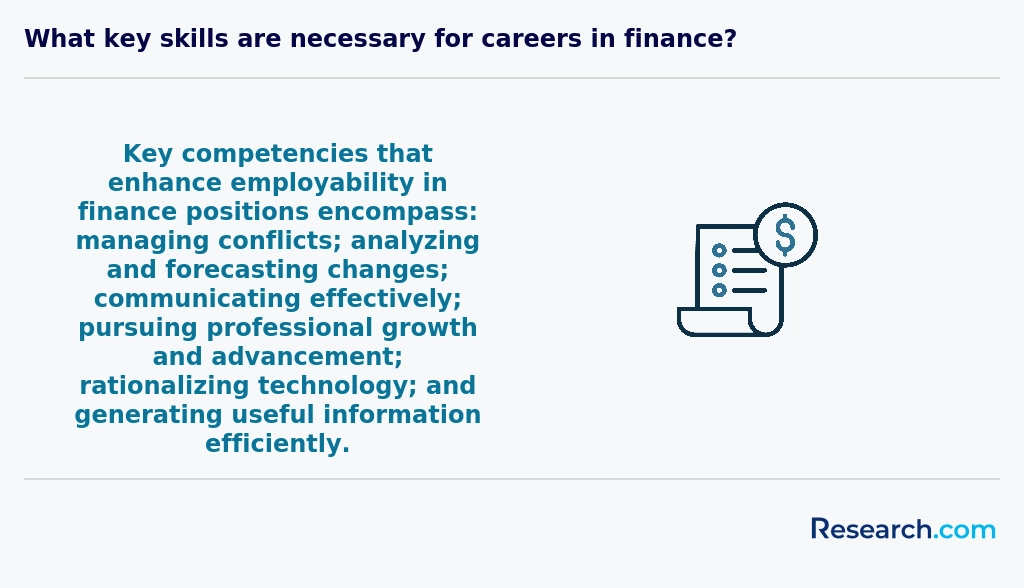
Employers in Missouri highly value education degree graduates who demonstrate strong communication skills. Effective communication is essential for working with diverse student populations and collaborating with parents and colleagues. According to the Missouri Department of Elementary and Secondary Education, adaptability is another key skill, as teachers often need to modify lesson plans to meet varied learning needs.
Critical thinking and problem-solving abilities are also in demand. Graduates who can create engaging, evidence-based instructional strategies tend to be favored. Furthermore, Missouri schools emphasize proficiency in educational technology, reflecting the growing use of digital tools in classrooms. These skills collectively prepare graduates to meet Missouri's evolving educational standards and student needs.
Finding internships in Missouri relevant to an education degree involves several strategic steps. Start by exploring partnerships between your online institution and local school districts, as many online programs maintain connections facilitating internship placements.
Missouri's Department of Elementary and Secondary Education (DESE) provides resources and listings that can help locate approved internship sites. Nearly 90% of Missouri public schools engage in cooperative internships, making them a solid option for hands-on experience (DESE, 2023).
Additionally, consider networking through professional organizations such as the Missouri State Teachers Association. Many districts in urban and rural areas offer structured internship opportunities aligned with state curriculum standards.
Online platforms like Handshake and regional job boards also list education internships in Missouri, helping connect students to openings nearby.
Obtaining an online education degree in Missouri can significantly enhance career mobility and advancement opportunities. According to the Missouri Department of Elementary and Secondary Education, the state's demand for qualified teachers is expected to grow by 7% through 2030, creating numerous job openings.
Online degrees accredited by recognized institutions offer flexibility, allowing educators to earn certifications or advanced qualifications without interrupting their current employment. Graduates from these programs often become eligible for higher-paying roles, including administrative positions or specialized teaching fields.
Additionally, many Missouri school districts provide salary incentives for teachers who hold bachelor's degrees or higher, which means online degrees can directly impact earning potential and professional growth.
Studying for an education degree in Missouri offers students a strong foundation for interdisciplinary roles by integrating multiple subject areas with educational theory and practice. Missouri's online education programs emphasize collaboration, communication, and problem-solving skills applicable across fields such as social work, psychology, and administration.
Many Missouri institutions follow state and national standards like those from the Missouri Department of Elementary and Secondary Education and CAEP, ensuring graduates are prepared for diverse educational settings. According to the Missouri Department of Higher Education & Workforce Development, over 70% of education graduates find roles that require cross-disciplinary knowledge within five years.
The curriculum often includes courses in technology, curriculum design, and special education, fostering adaptability. Such interdisciplinary training equips graduates to work effectively in schools, community programs, and policy development, addressing complex educational challenges with a broad perspective.
Choosing between a thesis and a non-thesis education degree program in Missouri depends on your career goals and learning preferences. Thesis programs emphasize research and are ideal for students considering further graduate studies or roles in policy and curriculum development. Non-thesis programs focus more on practical teaching skills and coursework, suiting those eager to enter classroom teaching swiftly.
Missouri's public universities, such as the University of Missouri system, offer both options with varying credit requirements. According to the Missouri Department of Higher Education & Workforce Development, about 60% of education graduates choose non-thesis paths for faster completion.
Evaluate if you prefer an extensive research project or a more structured course load when deciding your path.
Students based in Missouri who wish to study education abroad through online degree programs have multiple options available. Many accredited universities offer fully online bachelor's degrees in education that include international components or study-abroad partnerships. Missouri-based learners can take advantage of programs from institutions with global outreach, allowing coursework that incorporates international education perspectives without leaving home.
According to the Missouri Department of Higher Education & Workforce Development, several state universities provide access to online education degrees with flexible scheduling. While these programs are primarily US-focused, students can often participate in optional international practicum or exchange experiences.
This blend of online coursework and international exposure enables Missouri residents to access a broad educational framework. Additionally, organizations such as NAFSA facilitate study-abroad advising, helping students find tailored overseas opportunities within their degree paths.
Part-time job opportunities in Missouri that complement an education degree often involve roles where teaching skills and educational knowledge can be applied directly. Many students find work as teacher's aides or paraprofessionals in K-12 schools, which allows hands-on experience in classrooms and supports licensed teachers. According to the Missouri Department of Elementary and Secondary Education, paraprofessional jobs are increasing due to a statewide focus on improving classroom support.
Other relevant jobs include tutoring positions, both in-person and online, especially since tutoring demand in Missouri has grown with expanding after-school programs. Additionally, roles in community education centers or libraries offer practical experience managing educational activities and resources, important for future educators.
Missouri's school districts and educational organizations often look for part-time staff with flexible schedules, ideal for degree-seeking students balancing work and study. Earnings vary but average between $12 and $18 per hour, providing some financial support while gaining professional skills.
Online education students in Missouri have several networking opportunities that can support their academic and professional growth. Many public and private institutions offer virtual student organizations and education-focused discussion groups. For example, the Missouri Department of Higher Education promotes access to statewide webinars and online forums connecting education majors across campuses.
In addition, universities often provide access to local education conferences and career fairs, which have increasingly included hybrid or online formats. The Missouri National Education Association (MNEA) offers membership and networking resources for future educators.
These opportunities help online students build professional contacts, gain mentoring, and stay informed about educational trends in Missouri's school systems.
Alumni networks offer significant advantages to students pursuing online education degrees in Missouri. These networks provide valuable connections, enabling graduates to access job opportunities within the state's education sector. For example, Missouri has over 100 school districts actively hiring, and alumni connections often serve as trusted referral sources.
Such networks facilitate mentorship from experienced educators, helping online students navigate certification requirements and classroom challenges. According to the Missouri Department of Elementary and Secondary Education, ongoing professional support is linked to higher teacher retention rates, which alumni groups help foster.
Additionally, alumni events and online forums create a sense of community crucial for distance learners, reducing isolation. Networking can also lead to collaborations on research or continuing education, enriching one's career growth and success in Missouri's education landscape.
Customizing an online education degree program in Missouri allows students to align their studies with specific career goals. Many Missouri institutions offer flexible curricula where students can choose concentrations like early childhood education, special education, or instructional technology. This helps tailor the degree to meet job market demands. Additionally, students can select elective courses or participate in virtual internships to gain practical experience.
Missouri's Department of Elementary and Secondary Education outlines certification requirements, enabling students to customize coursework for licensure in the state. According to the National Center for Education Statistics, over 50% of Missouri's education graduates pursue certification, reflecting the program's focus on career readiness.
Students pursuing online education degrees in Missouri often face several common challenges. One key issue is maintaining consistent access to reliable internet, especially since rural areas in Missouri lag behind in broadband availability. According to the Missouri Department of Economic Development, about 15% of rural households lack high-speed internet, which can hinder participation in live lectures and timely submission of assignments.
Another challenge involves balancing coursework with personal and professional responsibilities. Many online students in Missouri juggle jobs and family, leading to time management difficulties.
Additionally, some students report feeling isolated due to limited face-to-face interaction, impacting motivation and engagement. Missouri's higher education institutions are working to address these by offering virtual support services and online tutoring.
With an online education degree in Missouri, graduates can pursue several professional certifications to enhance their careers. One common option is the Missouri teaching certificate, which qualifies individuals to teach in public K-12 schools. This certificate requires passing the Missouri Educator Gateway Assessments (MEGA), including content and pedagogy exams.
Beyond initial teaching certification, professionals may seek specialized certifications such as reading specialist, special education, or administrator licenses. These credentials typically demand completing additional coursework and exams approved by the Missouri Department of Elementary and Secondary Education (DESE).
Nationally recognized certifications like the National Board Certification for teachers are also available and valued in Missouri schools. Such certifications can lead to higher salaries and career advancement.
Writing a winning application for an online education program in Missouri requires careful attention to several key elements. Begin with a clear and concise personal statement that explains your motivation for pursuing an education degree online, highlighting your commitment to teaching and learning. Missouri's Department of Higher Education encourages applicants to showcase experiences related to education, such as volunteer work or previous teaching roles.
Ensure your transcripts meet Missouri's admission criteria, as most accredited programs require a minimum GPA, often around 2.5 to 3.0. Strong letters of recommendation from educators or employers add credibility. Finally, tailor your application to emphasize how the program aligns with your career goals within Missouri's educational landscape, considering regional needs and certification requirements.
The global perspective on an education career emphasizes the growing importance of adaptable teaching professionals who can navigate diverse cultural and technological environments. In the United States, including Missouri, there is increasing demand for teachers skilled in digital literacy and inclusive practices to support varied learner needs. According to the Missouri Department of Elementary and Secondary Education, the state expects a steady 5% growth in education job opportunities through 2028, reflecting national trends.
Internationally, education careers value cross-cultural communication and continuous professional development. Many U.S. states, including Missouri, support online education degrees to prepare educators for global challenges by fostering skills like critical thinking and cultural sensitivity.
Gaining practical experience while studying for an online education degree in Missouri is vital for preparing to enter the classroom. Many Missouri universities offering online programs incorporate fieldwork requirements such as student teaching or internships. These experiences often take place in local schools near the student's residence, allowing flexible scheduling.
According to the Missouri Department of Elementary and Secondary Education, aspiring teachers must complete a supervised practicum or student teaching, typically spanning 12 to 16 weeks. This hands-on experience is essential for applying theoretical knowledge in real settings.
Additionally, online students can seek volunteer opportunities and substitute teaching positions. These roles build classroom management skills and deepen educational understanding while meeting certification prerequisites.
Choosing the right concentration within an online education degree program in Missouri begins with understanding your career goals. The state offers various concentrations, such as special education, curriculum development, and educational leadership. According to the Missouri Department of Elementary and Secondary Education, demand for special education teachers is projected to grow by 7% through 2030, making that a viable path.
Consider your interests and strengths alongside job market trends in Missouri. Research programs approved by the Missouri Educator Gateway Assessments (MEGA) to ensure certification eligibility. Contacting current students or alumni can provide insights into program rigor and outcomes. Additionally, verify if the concentration aligns with Missouri's licensure requirements, as these can vary by subject area.
Related Education Rankings for Nearby States
- 2027 Most Affordable Online Bachelor's in Education Degree Programs Ranking in Kansas
- 2027 Most Affordable Online Bachelor's in Education Degree Programs Ranking in Kentucky
- 2027 Most Affordable Online Bachelor's in Education Degree Programs Ranking in Indiana
- 2027 Most Affordable Online Bachelor's in Education Degree Programs Ranking in Wisconsin
- 2027 Most Affordable Online Bachelor's in Education Degree Programs Ranking in Ohio
- 2027 Most Affordable Online Bachelor's in Education Degree Programs Ranking in North Dakota
- 2027 Most Affordable Online Bachelor's in Education Degree Programs Ranking in Michigan
- 2027 Most Affordable Online Bachelor's in Education Degree Programs Ranking in Alabama
- 2027 Most Affordable Online Bachelor's in Education Degree Programs Ranking in Georgia
- 2027 Most Affordable Online Bachelor's in Education Degree Programs Ranking in Texas
Top Trending Education Rankings
See What Experts Have To Say About Studying Education
Read our interview with Education experts

Nooshan Ashtari
Education Expert
Professor & Book Author
University of Southern California

Alan J. Singer
Education Expert
Professor of Teaching, Learning and Technology
Hofstra University

References
- Education Technology Trends to Watch in 2065: 10 Innovations Shaping the Future of Learning https://www.digitallearninginstitute.com/blog/education-technology-trends-to-watch-in-2026
- Skills Employers Look for in Business Graduates – EU Business School https://www.euruni.edu/blog/skills-employers-look-for-in-business-graduates/
- Know more about thesis vs non- thesis: what is the difference? https://studyfans.com/en/blogs/816
- Tips for Choosing Your Graduate Concentration - Graduate Programs for Educators https://www.graduateprogram.org/blog/tips-for-choosing-your-graduate-concentration/
- The Advantages of Studying an Online Degree https://www.falmouth.ac.uk/news/advantages-studying-online-degree
- Get the skills employers want | Study UK https://study-uk.britishcouncil.org/why-study/succeed-your-career/get-skills-employers-want
- Seven Major Challenges Facing Education in the 21st Century https://www.internationalschoolparent.com/articles/seven-global-education-challenges/
- Teaching Job Roles | Teach For Life https://www.teachforlife.com/teachingjobs/global-perspectives-teacher
- Education Study Abroad | CIEE https://www.ciee.org/go-abroad/college-study-abroad/programs/subjects-disciplines/education-study-abroad
- Master's in Education Online: Find Your Missouri Program https://www.onlinemastersdegrees.org/best-programs/education/missouri/


