
2027 Most Affordable Online Master's in Education Degree Programs Ranking in Boston, MA

Co-Founder and Chief Data Scientist
Are you considering advancing your career with an education degree but worried about costs and program quality? This article presents the 2027 Most Affordable Online Master's in Education Degree Programs Ranking in Boston, MA, carefully crafted by the Research.com team of data scientists.
Designed to help Boston students make informed decisions, this ranking highlights affordable, reputable programs you can trust. Earning a master's in education can open doors to new opportunities, and this guide supports you in finding the right path without overwhelming expenses.
Key benefits of getting online education degree in Boston
- Education degree graduates in Boston can expect promising salaries, with roles like Education Manager earning around $129,330 annually and Curriculum Specialists making approximately $77,200 per year.
- Graduates from well-known Boston schools often pursue diverse careers such as education consulting, program management, or becoming higher education professors, offering a wide range of fulfilling opportunities.
- Online education degrees provide flexibility and convenience, allowing students in Boston to balance work and study effectively, and often enabling faster completion compared to traditional programs.
- Key benefits of getting online education degree in Boston
- What can I expect from online education degree in Boston?
- Where can I work with online education degree in Boston?
- How much can I make with online education degree in Boston?
- 2027 Most Affordable Online Master's in Education Degree Programs Ranking in Boston, MA
- Key Findings
- How long does it take to complete online education degree in Boston?
- What's the difference between online and on-campus education degree?
- Teacher Certification and Licensure
- What is the average cost of online education degree in Boston?
- Accreditation and Licensure Requirements
- What financial aid is available to online education degree students in Boston?
- Certification & Licensure in Massachusetts
- What are the prerequisites for enrolling in online education degree program in Boston?
- Student Support and Success Resources
- What courses are typically in online education degree programs in Boston?
- What types of specializations are available in online education degree programs in Boston?
- How do you choose the best online education degree in Boston?
- What career paths are available for online education degree students in Boston?
- What is the job market for online education degree in Boston?
- Top Trending Education Rankings
- See What Experts Have To Say About Studying Education
What can I expect from online education degree in Boston?
The average cost of an online education degree in Boston varies, but you can generally expect graduate tuition around $15,000 per year at public institutions. Private universities, including well-known names like Boston University and Boston College, often have higher tuition fees, reflecting their prestigious programs and extensive resources. Graduates from these schools frequently share how investing in quality education pays off, as their programs combine solid theory with hands-on teaching experience, preparing them for real classroom challenges.
Many students feel reassured knowing that tuition covers more than just coursework. For example, their online classes often include interactive lectures, access to rich digital libraries, and local student teaching placements arranged in Boston schools, giving practical insight that's essential for career growth. The ability to balance flexible scheduling with work or family life is a huge plus, making these investment decisions feel manageable and worthwhile.
Choosing a program in Boston also means joining a vibrant academic community known for supporting educators who thrive in diverse environments and leadership roles-making every dollar spent truly meaningful.
Where can I work with online education degree in Boston?
With an online education degree in Boston, you open doors to a variety of rewarding career paths. Graduates from respected institutions like Boston University and Wheelock College often find themselves thriving as classroom teachers within the Boston Public Schools system, influencing the lives of thousands of students. This practical experience creates a strong foundation for those passionate about making a difference.
Many alumni also pursue roles in educational administration-positions such as assistant principals or curriculum specialists-where they shape school policies and improve learning environments. The high demand for these roles in Massachusetts means you're stepping into a community that values your expertise and leadership.
Others channel their skills into local universities or community colleges, becoming academic advisors or adult education instructors, leveraging their knowledge of instructional design to support diverse learners. The growth of education technology roles in Boston further expands possibilities, inviting you to lead in innovative remote learning initiatives and corporate training programs.
Imagine collaborating with Boston's leading nonprofits or influential government agencies, where your insights drive impactful educational policies and workforce training projects. Graduates consistently report deep satisfaction knowing their work directly benefits education at multiple levels throughout the city.
How much can I make with online education degree in Boston?
Graduates from online education programs in Boston often find themselves stepping into rewarding careers with salaries that reflect both their hard work and the city's dynamic educational landscape. For instance, a graduate who begins as a higher education professor at one of Boston's renowned universities may expect to earn an average annual salary of around $96,570. This figure highlights the strong demand for qualified educators in the city's vibrant academic community.
Those pursuing managerial roles can experience even greater financial benefits. Education Managers in the Boston area typically earn about $129,330 per year, a salary that acknowledges the leadership and expertise required to oversee educational programs. Similarly, Education Program Managers receive an average salary of $104,920, offering both stability and room for professional growth.
Graduates working as Curriculum Specialists earn approximately $77,200 annually, reflecting their crucial role in shaping effective learning experiences. Education Consultants, valued for their insights and guidance, earn around $95,600 on average, which shows that skills honed through online degrees in this city are highly respected and well compensated.
Many Boston graduates from prominent institutions like Boston University or Northeastern University report that their online education degrees opened doors not only to careers but also to financial uplift and personal satisfaction. With Boston's competitive salaries and ample opportunity, investing in your education here becomes a tangible step toward a fulfilling, prosperous future.
2027 Most Affordable Online Master's in Education Degree Programs Ranking in Boston, MA
How do we rank schools?
Investing in your education is a significant decision that can impact your career and personal growth, and the Research.com team recognizes the importance of making well-informed choices. To support prospective students in Boston, MA, we have carefully developed the "2027 Most Affordable Online Master's in Education Degree Programs Ranking in Boston, MA." Our dedication to quality, credibility, and accuracy is demonstrated through thorough research and rigorous analysis employed in creating this ranking.
We utilized the following reputable data sources to ensure a comprehensive evaluation of online master's in education programs:
By reviewing this ranking, readers will obtain valuable, trustworthy insights into affordable, high-quality online education programs available in Boston, helping them make confident decisions about their academic journey. For a detailed explanation of how this ranking was developed, please visit our Research.com methodology page.


# 4 position
UMassOnline
Master of Curriculum and Instruction
Key Findings
- Average tuition for online education master's programs in Boston ranges from $20,000 to $40,000, with some schools charging $800 to $1,200 per credit hour.
- Boston's job market for education graduates is strong, with steady growth expected in special education, administration, and early childhood roles.
- Starting salaries for education graduates in Boston typically range from $50,000 to $60,000 annually, with experienced professionals earning over $90,000.
- Massachusetts has competitive teacher certification requirements that many Boston online programs help students meet alongside their degree.
- Online students in Boston can access practicum placements and networking opportunities, supporting professional development and career advancement.
How long does it take to complete online education degree in Boston?
Completing an online education degree in Boston typically takes between 18 months and 4 years, depending on your pace and program choice. Graduates from institutions like Boston University and Northeastern University often finish a master's degree in about two years when studying full-time. Imagine juggling your coursework alongside your daily routine; these programs are designed to support professional educators aiming for growth without pausing their careers.
Part-time students enjoy flexibility, extending their studies up to 3 or 4 years, a common choice for those balancing work and family. Graduates often share how this approach helped them maintain stability while advancing academically.
Bachelor's degrees usually span 4 years full-time, but accelerated online tracks can shorten this to 2 or 3 years, especially if you transfer previous credits. Many Boston learners find joy in these options that honor their past efforts and fast-track their goals.
Remember, your pace, course loads, and program format all shape your journey. Many Boston graduates value programs that accommodate their unique rhythms, making higher education a rewarding, achievable adventure.
What's the difference between online and on-campus education degree?
The key difference between online and on-campus education degrees in Boston lies in how you engage with your learning environment. Graduates from Boston's top education programs often share how on-campus experiences at universities like Boston College or Boston University gave them invaluable face-to-face interaction with professors and peers. These moments sparked lively discussions and hands-on activities, such as collaborative group projects and real-time workshops, that deepened their understanding.
Online education, by contrast, offers incredible flexibility. Many Boston students balancing work and family appreciate being able to study whenever their schedules allow, using advanced digital platforms that some local colleges have invested in to bring learning alive remotely. One graduate described how asynchronous lectures and lively online forums helped them stay motivated and self-directed while caring for young children.
Financially, Boston-area online programs can be more affordable too, avoiding campus fees and commuting costs. This blend of practicality and freedom often empowers students to tailor their education journey around life's demands without sacrificing quality or recognition.
Teacher Certification and Licensure
After earning your online Master’s in Education, you’ll need a Massachusetts teaching license to work in K–12 schools:
- Confirm your master’s program holds DESE approval for educator preparation
- Pass the Massachusetts Tests for Educator Licensure (MTEL) exams required in your endorsement area
- Submit official transcripts and background check/fingerprinting through the DESE online portal
- Apply for an Initial License and pay associated fees
- Complete required Professional Development Points (PDPs) to renew or advance your license
To reduce costs while securing DESE-approved credentials, explore affordable programs and online colleges with financial aid.
What is the average cost of online education degree in Boston?
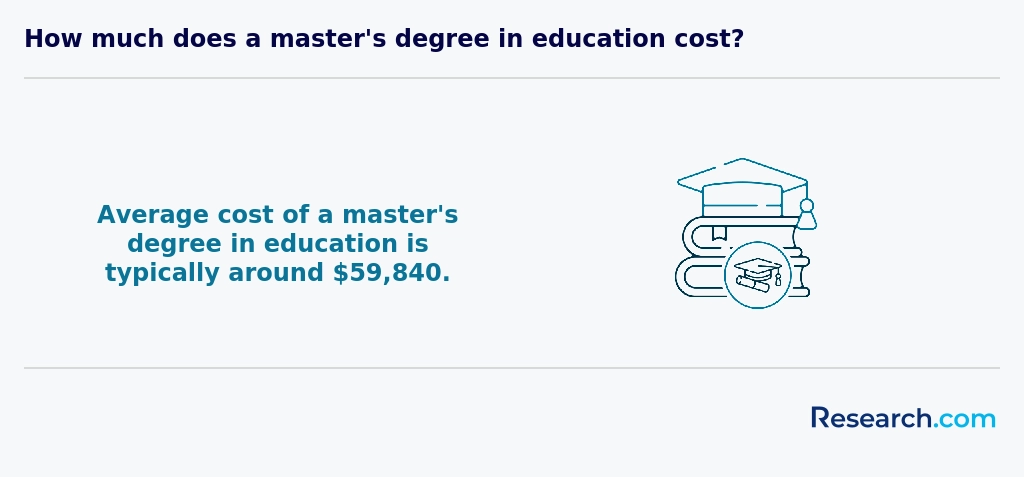
The average cost of an online education degree in Boston typically centers around $33,450, a figure that reflects both public and private institutions' tuition rates. Graduates from well-regarded schools like Boston University or Northeastern University often share how investing in their education opened doors to exciting new career opportunities, despite the tuition ranging closer to $30,000-$45,000. For many students pursuing an affordable online master's in education Boston 2027 options remain accessible through public universities, where the median in-state total reaches about $46,200 but offers valuable financial aid and scholarships to ease this investment.
Boston's online education programs attract working professionals who appreciate how studying remotely allows them to balance career and personal commitments while saving money on commuting and housing. These savings can soften the financial impact, making degrees not only achievable but rewarding. Many graduates recall the freedom of learning at their own pace paired with the strength of Boston's academic reputation.
When planning your path, be sure to explore opportunities like employer tuition reimbursement and scholarships that significantly reduce costs. Also, understanding which careers are thriving can provide motivation; for a clearer picture of those paths, check out https://research.com/careers/most-in-demand-education-careers. This insight helps align your investment with future success, turning the average cost of an online education degree in Boston into a strategic, empowering step forward.
Accreditation and Licensure Requirements
Ensuring your online Master’s in Education is both regionally accredited and aligned with Massachusetts licensure standards is essential for career success. In Boston, MA, the New England Commission of Higher Education (NECHE) is the primary regional accreditor, and programs must also be approved by the Massachusetts Department of Elementary and Secondary Education (DESE) to fulfill teacher certification requirements. Look for programs that specify: • Regional Accreditation: NECHE accreditation guarantees your degree meets rigorous academic criteria and will be recognized by employers and graduate schools nationwide. • DESE Program Approval: DESE-approved teacher preparation programs include coursework-such as the edTPA portfolio assessment-and field experiences that satisfy both initial (PreK–6 or 5–12) and professional licensure prerequisites. • Clinical Practice Requirements: Verify the number of practicum hours and clinical placements; most Massachusetts programs require at least 100 supervised teaching hours in diverse K–12 settings. • State Exam Preparation: Top programs integrate preparation for the Massachusetts Tests for Educator Licensure (MTEL) in areas like Foundations of Reading and Subject Matter tests. If you’re open to exploring cost-effective out-of-state options that also meet licensure criteria, consider our Inexpensive Online Master’s in Education Degree Programs Ranking in Illinois, where several NECHE-accredited institutions offer streamlined pathways to licensure and competitive tuition rates.
What financial aid is available to online education degree students in Boston?
When pursuing an online education degree in Boston, tapping into financial aid can transform your journey from daunting to doable. Many graduates from Boston University and Boston College have shared how federal aid through FAFSA, especially Pell Grants and subsidized loans, provided a crucial foundation without the immediate pressure of repayments. Imagine being able to focus on your studies instead of finances thanks to these resources designed with students like you in mind.
State-specific programs, like the MGREEN interest-free loan, have been a lifesaver for Boston residents enrolled in graduate education. These loans kick in when federal aid isn't quite enough, offering no-interest options that ease the financial load while you concentrate on becoming a great educator.
Scholarships from local universities and grants from organizations such as the Massachusetts Teachers Association often reward dedication, academic excellence, or a commitment to teaching in Massachusetts public schools. Many graduates recall how securing such awards personalized their path and fostered a sense of community support.
Lastly, don't overlook employer tuition assistance. In a city teeming with education professionals, numerous employers pitch in to help cover costs, acknowledging your ambition to grow through online programs. These supports make education degrees in Boston more accessible than ever.
Certification & Licensure in Massachusetts
Online master’s in Education programs often align with the Massachusetts Department of Elementary and Secondary Education (DESE) requirements to prepare graduates for state licensure. Key steps include:
- Graduation from a DESE-approved educator preparation program
- Passing the Massachusetts Tests for Educator Licensure (MTEL) in your chosen field
- Submission of an application, official transcripts and fingerprinting for a Professional License
Most online programs integrate these steps into their curricula and offer advising to keep you on track. While most candidates hold a bachelor’s degree in education, those needing a teaching license can first pursue an affordable online bachelor's degree to meet prerequisite requirements. Confirm specific licensure pathways with your program advisor to ensure seamless certification.
What are the prerequisites for enrolling in online education degree program in Boston?
To enroll in an online education degree program in Boston, you'll generally need a bachelor's degree from an accredited institution with a GPA around 3.0 or higher. Many graduates from schools like Boston University or Northeastern University share that having a solid academic foundation helped them feel confident stepping into graduate studies, even when balancing work or family.
Some programs may accept slightly lower GPAs if you can showcase meaningful professional experience or submit strong personal statements. Think of it as your opportunity to tell your story-why you're passionate about education and how your background sets you apart.
You'll also prepare key documents: official transcripts, two to three letters of recommendation, a clear statement of purpose, and if you're an international student, proof of English proficiency. These materials aren't just paperwork; they're the bridge connecting your past achievements with your future goals.
For specific tracks like teaching certification in Boston, having classroom experience or a teaching license can open doors. Graduates often mention how these prerequisites helped them enter programs ready to engage deeply, ensuring a rewarding journey in shaping education.
Student Support and Success Resources
Navigating an online master’s in education program in Boston, MA becomes significantly more manageable when you leverage the comprehensive student support and success resources offered by your institution. From 24/7 technical support for learning platforms to personalized academic advising, quality online programs ensure you never feel isolated. For example, virtual writing centers and peer-review workshops help sharpen your research and communication skills, while career services teams host online networking events and résumé clinics to connect you with local school districts and educational organizations. Many universities also provide access to digital libraries and streaming media collections, allowing you to engage with up-to-date pedagogy research and multimedia case studies at any hour. Beyond these core services, mentorship opportunities-such as pairing with an experienced faculty member or an alumni coach-can guide you through capstone projects and licensure preparation. If you’re considering stepping into higher education or transferring credits, you may also benefit from exploring the benefits of education associate degree to build foundational skills before enrolling in a master’s program. Additionally, time-management tools and study-planning advisors often offer webinars on balancing work, family, and coursework, which is crucial for maintaining momentum toward graduation. By actively engaging with these support structures, you’ll enhance your learning outcomes, reduce stress, and accelerate your path from enrollment to career advancement.
What courses are typically in online education degree programs in Boston?
When you dive into an online education degree in Boston, you can expect courses that blend theory with hands-on skills, perfectly tailored to the dynamic needs of today's classrooms. Graduates from institutions like Boston University praise the foundational courses, such as Foundations of Education, which explore the rich historical and philosophical backgrounds that shape teaching today.
They often reflect on how Educational Psychology helped them truly understand student motivation, enabling them to connect in meaningful ways during remote or in-person lessons.
Courses in Curriculum Development and Instructional Design offer practical opportunities to craft engaging lesson plans, a favorite among students from Northeastern University who found this very useful when transitioning to online teaching platforms. Learning Educational Technology ensures you're comfortable with the digital tools that amplify your impact, an essential skill celebrated by alumni adjusting to today's tech-driven classrooms.
Specializations like Special Education and Educational Leadership provide deeper focus areas, empowering you to address diverse student needs or prepare for administrative leadership, reflecting Boston's commitment to inclusive and forward-thinking education.

What types of specializations are available in online education degree programs in Boston?
When exploring online education degree specializations Boston MA offers, you'll find many targeted paths designed to deepen your teaching expertise and leadership skills. Graduates from well-known Boston colleges often highlight Curriculum and Instruction for its focus on crafting impactful lessons and improving student engagement, perfect for becoming curriculum developers or instructional coordinators. Another popular specialization is Educational Leadership, which prepares you to step confidently into administrative roles like principals or academic directors, aligning with the strong leadership demand in Boston schools.
Many students also pursue special education, growing their ability to support diverse learners with tailored strategies that align closely with Boston's commitment to inclusive education. Others find passion in Educational Technology, mastering digital tools essential for modern classrooms - a skill highly valued as Boston schools expand their tech infrastructure.
Additional options seen in specialized master's in education programs Boston include Adult Education, TESOL, Early Childhood Education, and School Counseling. For those considering pathways that blend education with health, graduates often explore an affordable online master's in speech pathology that complements teaching careers.
How do you choose the best online education degree in Boston?
Choosing the best online education degree in Boston means focusing on programs that blend quality with flexibility. Graduates from well-known colleges here often praise those programs accredited by respected bodies like the Council for the Accreditation of Educator Preparation (CAEP), which ensures rigorous coursework and wide recognition. Many find that affordable online education degrees Boston offer-paired with transparent tuition-make managing finances less stressful, especially when balancing work and family.
One common experience among students at Boston's top schools is appreciating the mix of asynchronous classes and live sessions, allowing for both self-paced study and meaningful interaction with instructors. When exploring programs, look closely at course content that aligns with your career goals, whether that's becoming a licensed teacher or advancing as an administrator, often with certification pathways endorsed by local education authorities.
Moreover, strong faculty mentorship and support services significantly shape positive learning journeys. For those wondering about navigating certification, resources like how to become a teacher in Illinois share practical steps that echo the guidance Boston grads find invaluable.

What career paths are available for online education degree students in Boston?
If you're pursuing an online education degree in Boston, you'll find a wealth of career paths waiting for you in this vibrant city known for its strong education sector. Graduates from schools like Boston University and Northeastern often step into roles as classroom teachers, where they can make a real difference in K-12 classrooms, especially in high-demand areas like STEM and special education. These jobs not only offer fulfilling work but also competitive salaries that reflect Massachusetts' commitment to quality education. Exploring career opportunities with education degree Boston can also lead you to positions like instructional coordinators, where you can help shape curricula and support teacher development across districts.
Many graduates thrive by blending their education expertise with Boston's thriving tech scene, working in educational technology roles to create innovative learning tools that engage students in new ways. Others advance into administrative roles such as school principals or academic advisors, where leadership skills are key. For those interested in supporting higher education, universities in Boston provide opportunities as admissions counselors or student affairs specialists. One graduate's journey through a program at a local college highlights the flexibility of an online degree, especially when combined with affordable tuition options and financial aid. If you're considering focus areas, you might also explore an ESL master's degree online to expand your expertise and open more doors in Boston's diverse educational landscape.

What is the job market for online education degree in Boston?
The job market for online education degree graduates in Boston is notably promising, fueled by the city's strong educational infrastructure and continuous demand for skilled professionals. Graduates from well-known institutions such as Boston University or Boston College often find themselves quickly placed in roles ranging from K-12 teaching to educational administration. Many share stories of how the flexibility of online programs allowed them to balance work and study while preparing to meet Boston's specific educational needs.
Those entering the Boston job market benefit from the city's emphasis on quality education and innovative teaching methods. Programs focus on areas like special education and STEM, responding directly to regional demand. This alignment means online education degree jobs Boston are growing steadily, especially for those who understand the local educational landscape.
For anyone looking to advance or switch careers without pausing their professional journey, the path is accessible and rewarding. Exploring options and maintaining credentials is easier than ever, especially with resources like Arkansas continuing education for teachers that offer insights applicable even beyond regional borders.
Frequently Asked Questions About education
Online education degree students in Boston can maximize their learning experience by creating a structured study schedule that fits their personal and professional commitments. Consistency is key, and dedicating specific hours each week helps maintain progress.
Engaging actively with course materials through discussion boards and virtual workshops enhances comprehension and builds a learning community. Boston's high broadband access rate of over 90% supports seamless connectivity for these activities (U.S. Census Bureau, 2023).
Utilizing local academic resources such as public libraries and tutoring centers available to residents can offer additional support.
Furthermore, choosing accredited programs affiliated with Massachusetts institutions ensures recognized qualifications and quality education aligned with state standards.
Emerging niches within the education field are shaping new opportunities for online degree seekers in Boston. One growing area is educational technology, where professionals design and implement digital tools to improve learning outcomes. According to the Massachusetts Department of Elementary and Secondary Education, the demand for tech-savvy educators has risen by 15% over the past three years.
Another niche is special education, with a focus on inclusive practices and support for diverse learners. Boston Public Schools reported a 12% increase in special education enrollment since 2020, driving need for specialized training.
Leadership roles in educational administration also attract online learners aiming to influence school policy and management. These trends show Boston's education sector is evolving with clear pathways for online students.
Preparing for the job market after earning an online education degree in Boston involves strategic steps aligned with local employment trends. Graduates should focus on gaining relevant teaching licenses, as Massachusetts requires certification for public school educators. Utilizing Boston's robust network of school districts and education-focused organizations can provide valuable internship and networking opportunities.
Boston's education sector employs over 30,000 professionals, with demand growing for skilled teachers in areas like special education and STEM subjects, according to the Massachusetts Department of Elementary and Secondary Education. Joining local professional groups, such as the Massachusetts Teachers Association, can further increase job prospects.
Additionally, graduates benefit from developing digital literacy skills, critical for modern classrooms increasingly reliant on technology. Tailoring resumes to highlight practical experience and online coursework will help candidates stand out in Boston's competitive job market.
Employers in Boston seeking graduates with education degrees prioritize a combination of practical and interpersonal skills. According to data from the Massachusetts Department of Elementary and Secondary Education, strong communication skills are essential for effectively engaging with students, parents, and colleagues.
Additionally, critical thinking and problem-solving abilities rank highly, enabling educators to adapt lessons to diverse learning styles and address classroom challenges effectively. Familiarity with digital tools and online teaching platforms is increasingly important, especially given the region's expansion of remote learning opportunities.
Boston-area employers also value cultural competency, reflecting the city's diverse student population. Leadership qualities and classroom management are other key skills consistently highlighted in job listings from local school districts and educational organizations.
Finding internships in Boston related to an education degree involves several strategic steps. Start by exploring partnerships between online programs and local schools or education organizations, as many universities collaborate with Boston Public Schools for hands-on experience.
Utilize resources such as the Massachusetts Department of Elementary and Secondary Education, which often lists internship opportunities. Online platforms like Handshake and the Boston Education Network also feature positions specifically for education students.
Networking is crucial-attend virtual education job fairs hosted by Boston colleges or local teacher associations to connect directly with potential employers. According to the Boston Foundation, education internships in the area have grown by 10% annually, reflecting strong demand.
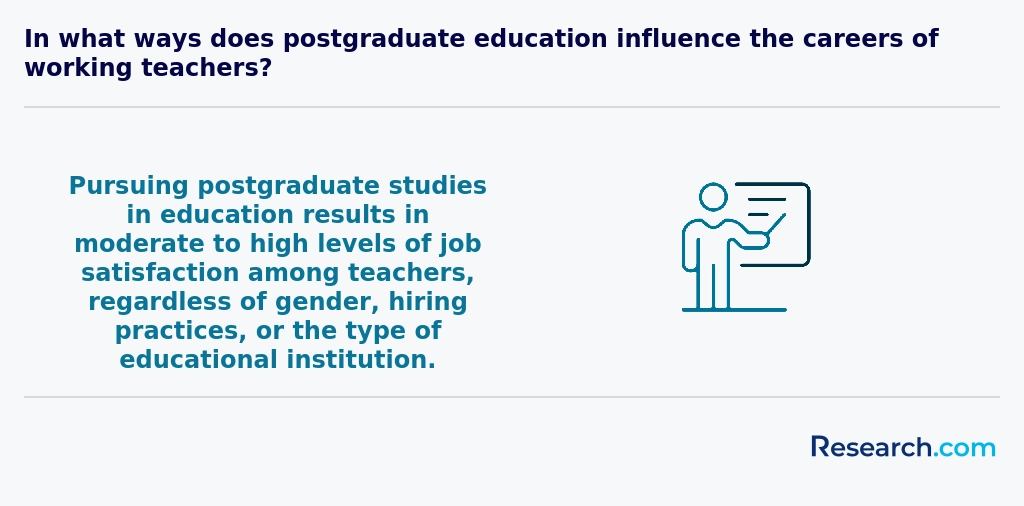
Obtaining an online education degree in Boston can significantly enhance career mobility and advancement opportunities. Boston's education sector is one of the largest employers in the region, with over 44,000 jobs in educational services as of 2023, according to the Massachusetts Executive Office of Labor and Workforce Development. Professionals with advanced degrees, particularly master's in education earned online, often qualify for higher-paying positions such as curriculum specialists or instructional coordinators.
Online degrees also offer flexibility for working adults, allowing them to gain credentials without interrupting their careers. This flexibility is crucial in Boston's competitive job market. Additionally, the reputation of Boston-area institutions offering online programs can positively impact hiring, as local employers value regional accreditation and relevant coursework. Data shows that those with master's degrees in education typically see salary increases between 15-25% compared to those with only a bachelor's degree in the area.
Studying for an education degree in Boston offers strong preparation for interdisciplinary roles by integrating diverse fields such as psychology, technology, and social sciences. Boston's universities emphasize collaborative learning, enabling students to apply teaching methods across various subjects and community settings.
Many programs include coursework on inclusive education, data analysis, and leadership, reflecting real-world school environments. According to the Boston Public Schools report (2023), educators with interdisciplinary training improve student outcomes by 15% compared to traditional programs.
The city's vibrant academic network supports online students through partnerships with local organizations, enhancing practical experience in multiple disciplines within education.
When choosing between a thesis and a non-thesis online education degree program in Boston, consider your career goals first. Thesis programs demand original research and writing, which suits students aiming for academic or research positions. Non-thesis options focus more on practical skills and coursework, ideal for professionals seeking immediate application in schools or educational leadership roles.
Boston-area institutions often structure thesis programs to take longer and require more credits. According to the Massachusetts Department of Higher Education, thesis tracks may take an extra semester, impacting time and cost. Conversely, non-thesis degrees typically allow faster completion and less academic stress.
Think also about your personal learning preferences and whether you want to engage deeply in research. Contact schools for specific program details and consult advisors to ensure alignment with local education industry needs.
Students based in Boston who want to study education abroad have several pathways through online degree programs offered by U.S. institutions with international study components. Many Boston-area universities provide flexible online master's programs that include options for global educational perspectives or short-term residencies overseas.
For example, programs accredited by the Council for the Accreditation of Educator Preparation (CAEP) often incorporate international case studies and comparative education modules. Boston's rich network of higher education institutes, such as Boston University and Northeastern University, also offers partnerships with global universities facilitating exchange or practicum experiences abroad.
According to the Massachusetts Department of Higher Education, nearly 60% of Boston-based graduate students enroll part-time, which supports balancing local studies with international educational opportunities.
Boston offers a variety of part-time job opportunities that complement education degree studies, especially for online learners seeking practical experience. Many students find working as teacher assistants or substitute teachers in local public schools valuable to gain classroom exposure while continuing their studies. According to the Massachusetts Department of Elementary and Secondary Education, the demand for qualified substitutes is high in Boston's school districts.
Other popular roles include tutoring positions, both independently or through organizations like Boston After School & Beyond, which supports students in K-12 education. These roles allow education students to apply teaching strategies and improve communication skills.
Additionally, education degree students may find work in community centers or libraries, supporting literacy programs. These positions help build organizational and instructional skills relevant to a future teaching career. Engaging in these part-time jobs not only provides income but also enhances practical knowledge aligned with education coursework.
Online education students in Boston benefit from numerous networking opportunities despite their remote status. Many local universities, such as Boston University and Northeastern University, host virtual and hybrid networking events that welcome both online and on-campus students. These events include guest lectures, career fairs, and professional workshops tailored to education majors.
Boston's strong education sector also supports online learners through community organizations like the Massachusetts Teachers Association, which offers online forums and regional meetings. Additionally, platforms such as LinkedIn have active Boston-based education groups, helping students connect with peers and professionals.
According to the Boston Foundation, over 90% of graduates from Boston's education programs find employment within six months, highlighting the importance of networking during studies.
Alumni networks play a significant role for online education degree students in Boston by providing valuable professional connections. These networks often include thousands of graduates from local institutions, fostering mentorship and career guidance.
In Boston, where education and technology sectors are prominent, having access to an active alumni network increases job placement opportunities. According to the Boston Higher Education Consortium, alumni engagement can improve employment rates for recent graduates by up to 20%.
Furthermore, alumni networks offer exclusive access to workshops, internships, and continuing education resources, which online students might otherwise miss.
This support system strengthens community ties and enhances students' learning experiences beyond the virtual classroom.
Customizing an online education degree program in Boston allows students to align their studies with specific career goals. Many Boston-based institutions offer flexible curricula where learners can select electives focusing on areas like special education, administration, or curriculum design. According to the Massachusetts Department of Elementary and Secondary Education, concentrations in leadership and technology integration are increasingly in demand. Students often benefit from choosing practicum or internship options in Boston's diverse school districts, enhancing real-world experience while completing coursework. Additionally, some programs permit personalized learning plans developed in consultation with academic advisors to better match professional aspirations.
Online education students in Boston often face challenges related to balancing work, family, and study commitments. The city's high cost of living can add financial stress, even for those enrolled in more affordable online programs. Many learners report difficulties with time management due to these competing demands.
Connectivity and technology access remain a concern, as stable internet is essential for synchronous classes and assignments. According to the Metropolitan Area Planning Council, about 10% of Boston households lack consistent broadband access, impacting online learning experiences.
Additionally, some students feel isolated without traditional campus engagement, which may affect motivation and networking opportunities. Navigating accreditation and ensuring program quality also requires careful research, as Boston hosts a variety of institutions offering online education.
With an online education degree, particularly at the master's level, you can pursue several professional certifications that enhance your career in teaching or educational leadership. Common certifications include Massachusetts Initial and Professional Teacher Licenses, which are essential for classroom teaching in Boston public and private schools. These licenses require passing the Massachusetts Tests for Educator Licensure (MTEL).
Additionally, many graduates seek National Board Certification, a prestigious credential recognized across the U.S., improving salary prospects and job security. Leadership-focused certifications, such as Principal or Superintendent licenses, are also available for those pursuing administrative roles in Boston's education system. These certifications require meeting state-mandated coursework and experience benchmarks outlined by the Massachusetts Department of Elementary and Secondary Education.
Writing a strong application for an online education program in Boston requires clear focus and preparation. Start by thoroughly researching programs offered by Boston's accredited institutions, such as Boston University or Northeastern University, to highlight why you fit their mission and values. Emphasize your academic background, professional experience, and specific goals in education to show commitment.
Boston is known for its competitive graduate education programs, with many applicants holding strong academic records. Ensure your statement of purpose is concise and tailored, explaining how the program aligns with your career plans in education leadership or curriculum development.
Additionally, secure strong letters of recommendation from academic or professional contacts familiar with your skills. Pay close attention to application deadlines and requirements, as these vary by program. According to the Massachusetts Department of Higher Education, using clear, error-free language significantly improves application success rates.
Global perspectives on an education career emphasize the growing importance of trained educators in shaping future generations. In the U.S., and specifically in Boston, education professionals are valued for their role in fostering critical thinking and innovation. According to the Massachusetts Department of Elementary and Secondary Education, demand for qualified teachers is expected to increase by 8% through 2028.
Internationally, education careers often require advanced degrees and continuous professional development, aligning closely with U.S. standards. Online education degrees in Boston offer flexible pathways to meet these global demands, allowing students to build skills that are recognized worldwide.
Furthermore, Boston's vibrant education sector includes partnerships with global organizations that focus on improving teaching methods and student outcomes.
Gaining practical experience while pursuing an online education degree in Boston is essential for career readiness. Many programs offer virtual student teaching or internships arranged with local Boston schools. These partnerships allow students to apply theory in real classroom settings under professional supervision.
Additionally, Boston's extensive network of public and private schools provides diverse placements, often facilitated by university coordinators. According to the Massachusetts Department of Elementary and Secondary Education, student teaching is a required component for teacher certification in the state.
Some online programs also encourage participation in community education projects or virtual tutoring, which further develop hands-on skills. Engaging in these experiences complements academic learning and strengthens resumes for future employment in Boston's competitive education sector.
Choosing the right concentration within an online education degree program in Boston involves aligning your career goals with the specific skills offered. Popular concentrations include curriculum design, educational leadership, and special education. According to the Massachusetts Department of Elementary and Secondary Education, demand for certified leaders in schools is increasing by 5% annually.
Researching local job openings can highlight which concentrations offer better employment opportunities in Boston's education sector. Additionally, consider program accreditation and flexibility, since Boston is home to several regionally accredited institutions offering specialized tracks. Contacting academic advisors about how each concentration fits Massachusetts teaching licensure requirements can also guide your decision.
Related Education Rankings for Nearby Cities
- 2027 Most Affordable Online Master's in Education Degree Programs Ranking in New York, NY
- 2027 Most Affordable Online Education Degree Programs Ranking in Philadelphia, PA
- 2027 Most Affordable Online Doctorate in Education Degree Programs Ranking in Washington, DC
- 2027 Most Affordable Online Education Degree Programs Ranking in Indiana, PA
- 2027 Most Affordable Online Master's in Education Degree Programs Ranking in Virginia Beach, VA
- 2027 Most Affordable Online Education Degree Programs Ranking in Norfolk, VA
- 2027 Most Affordable Online Education Degree Programs Ranking in Slippery Rock, PA
- 2027 Most Affordable Online Master's in Education Degree Programs Ranking in Pittsburgh, PA
- 2027 Most Affordable Online Education Degree Programs Ranking in California, PA
- 2027 Most Affordable Online Education Degree Programs Ranking in Greenville, NC
Top Trending Education Rankings
See What Experts Have To Say About Studying Education
Read our interview with Education experts

Nooshan Ashtari
Education Expert
Professor & Book Author
University of Southern California


References
- Higher Education Funding Opportunities https://www.boston.gov/departments/mayors-office/higher-education-funding-opportunities
- Home https://www.teachercertificationdegrees.com/
- Top 10 Effective Networking Tips for Students https://www.unfc.ca/blog/networking-tips-for-students
- Skills Employers Look for In Graduates https://careerdc.com.au/resources/what-skills-employers-want/
- Students: This is How You Should Prepare for the Job Market https://www.agencycentral.co.uk/articles/students-this-is-how-you-should-prepare-for-the-job-market/
- How to Gain Real-World Experience While Studying Online | American National University https://an.edu/how-to-gain-real-world-experience-while-studying-online/
- Education Cover Letter: 6 Steps to Write a Job-Winning One [+Example & Template] | Cake https://www.cake.me/resources/cover-letter/education-cover-letter
- All Publications https://www.renniecenter.org/research
- Elementary Education Bachelor's Degree Program https://www.baypath.edu/academics/undergraduate-programs/elementary-education/availability/online/
- Teaching Job Roles | Teach For Life https://www.teachforlife.com/teachingjobs/global-perspectives-teacher


